 CityBuddy
 Italiano
Cosa fare a Kigali, Rwanda
Foto di Ana Kenk su Pexels.com
Quando visitare
Quando andrai a Kigali, Rwanda?
Scegli le date e lo stile di viaggio per ottenere:
Qualcosa di particolarmente importante per te?
Seleziona tutto ciò che si applica
Plan language: ItalianoAttrazioni più popolari a Kigali, Rwanda
Quando si cercano cose da fare a Kigali, in Ruanda, tre esperienze spiccano rispetto a tutte le altre. Il Memoriale del Genocidio di Kigali offre un'educazione sobria ed essenziale sulla tragedia del 1994, con mostre che descrivono oltre 250.000 vittime. All'Inema Arts Center troverete gallerie rotanti di oltre 10 pittori e scultori locali. Per souvenir autentici, il Caplaki Craft Village ospita oltre 50 bancarelle che vendono cesti intrecciati a mano e tessuti tradizionali.
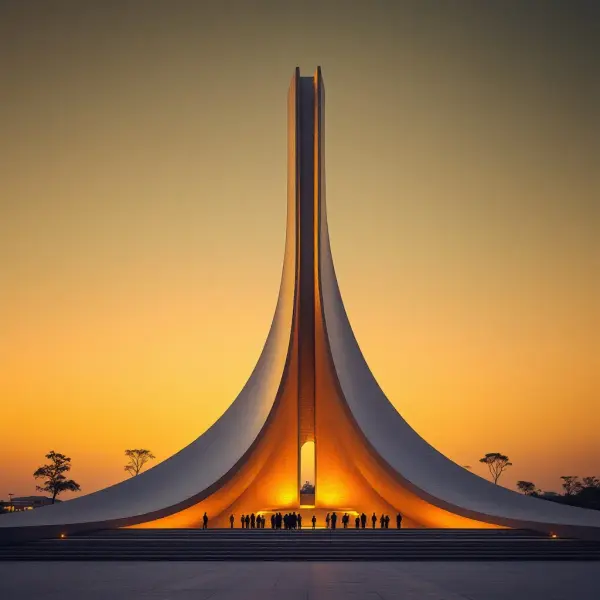
1. Kigali Genocide Memorial
Un luogo che trasforma il modo in cui comprendi la resilienza umana e la memoria collettiva. Cammina attraverso giardini silenziosi che ricoprono fosse comuni, poi ascolta i sopravvissuti raccontare le loro storie attraverso registrazioni audio nelle sale espositive.
Fatti rapidi: Over 250,000 genocide victims are buried here in 85 mass graves, with some 30,000 additional bodies still being discovered each year across the country. The memorial's walls display thousands of photographs of victims, alongside personal belongings like clothing and identification cards that families donated.
Punti salienti: The Children's Room hits hardest: giant panels list 300 children by name, showing each one's favorite food, last words, and cause of death. You'll see a photo of a 2-year-old who loved bananas and died from a machete wound to the head, making the scale of loss feel deeply personal.
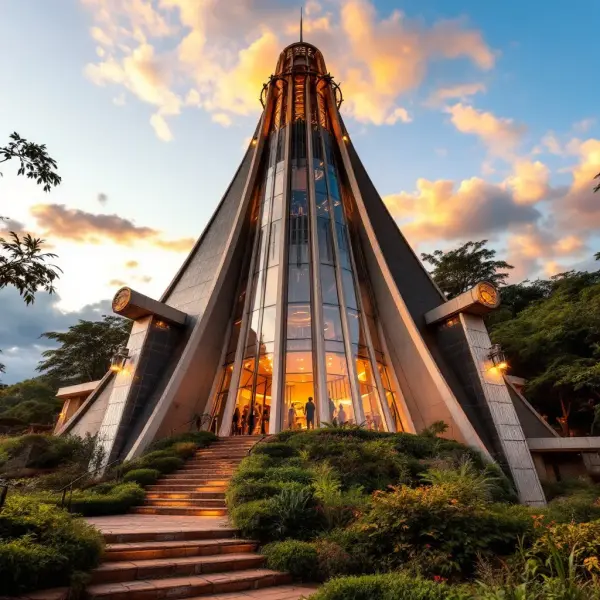
2. Inema Arts Center
Guarda l'arte prendere vita mentre i pittori creano opere originali proprio davanti a te, spesso completando un pezzo prima che tu te ne vada. Passeggia tra gallerie illuminate dal sole, chiacchiera con gli artisti e magari prendi tu stesso un pennello.
Fatti rapidi: Artists paint on site daily, transforming blank canvases into bold abstract works right before visitors' eyes. The center hosts over a dozen resident artists who rotate through gallery spaces, so no two visits reveal the same collection.
Punti salienti: On the last Saturday of each month, the courtyard fills with drummers, dancers, and neighbors for a spontaneous art party that spills across the gallery floors. Visitors get pulled into the energy, painting alongside resident artists while live Rwandan music echoes off the brightly colored walls.
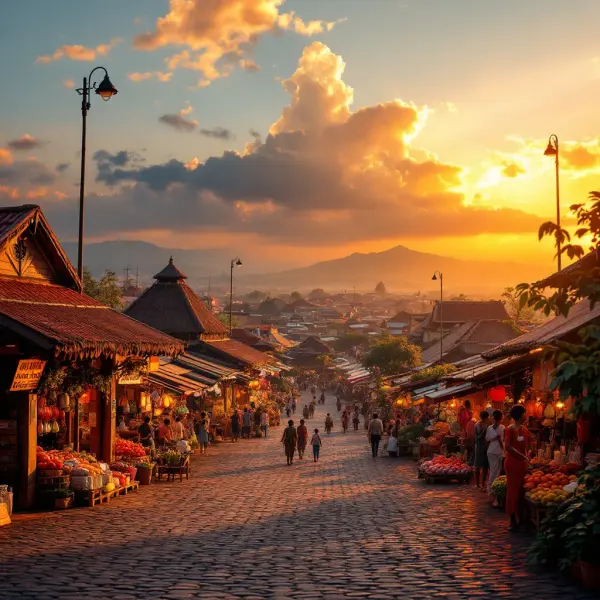
3. Kimironko Market
Il più grande mercato all'aperto di Kigali dove la gente del posto fa realmente la spesa per la vita quotidiana. Perditi tra vicoli di prodotti freschi, tessuti colorati e montagne di spezie mentre contratti con venditori amichevoli.
Fatti rapidi: Oltre 2.000 venditori riempiono questo enorme mercato coperto, vendendo di tutto, dalle banane fresche ai cesti intrecciati a mano. La sola sezione di prodotti ortofrutticoli offre 50 varietà di fagioli e 14 tipi di banane, riflettendo l'incredibile diversità agricola del Ruanda.
Punti salienti: Cerca le donne che bilanciano cesti intrecciati sulla testa mentre si muovono tra gli stretti corridoi, una tradizione che collega i mercati ruandesi da secoli. I sarti nella sezione di abbigliamento lavorano su macchine da cucire Singer d'epoca, realizzando camicie e abiti su misura sul posto per prezzi a partire da 5.000 franchi ruandesi (circa 4 dollari).
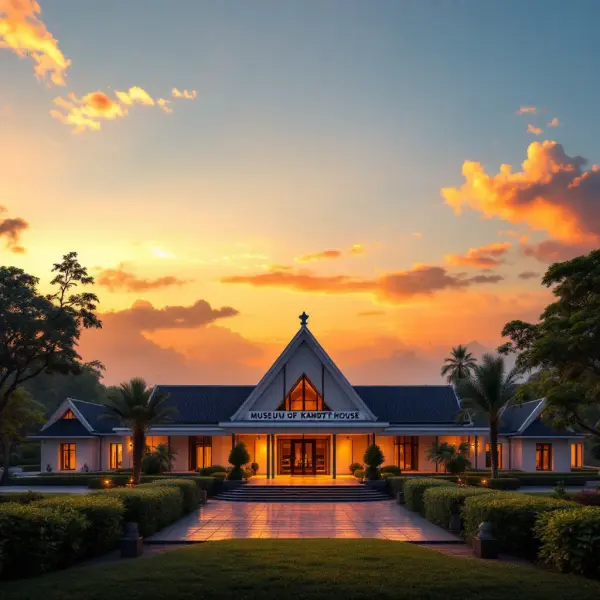
4. Museum of Rwanda - Kandt House
Kandt House
Entra nella più antica casa di costruzione europea in Ruanda e scopri la complessa storia del passato coloniale di Kigali. Esplora reperti originali, un piccolo giardino botanico e una terrazza con panorami mozzafiato sulla città.
Fatti rapidi: Dr. Richard Kandt, a German explorer and physician, built this house in 1908 as his residence and scientific research station. The villa later served as Rwanda's first national museum before moving to Butare, and now focuses on Kigali's pre-colonial and colonial history.
Punti salienti: The original 1908 villa still contains Dr. Kandt's preserved study room, complete with his writing desk and medical equipment, offering a rare glimpse into the daily life of an early European settler in East Africa. Climb to the rooftop terrace for an unexpected panoramic view of Kigali's rolling hills, a perspective most visitors to the city never get to see.
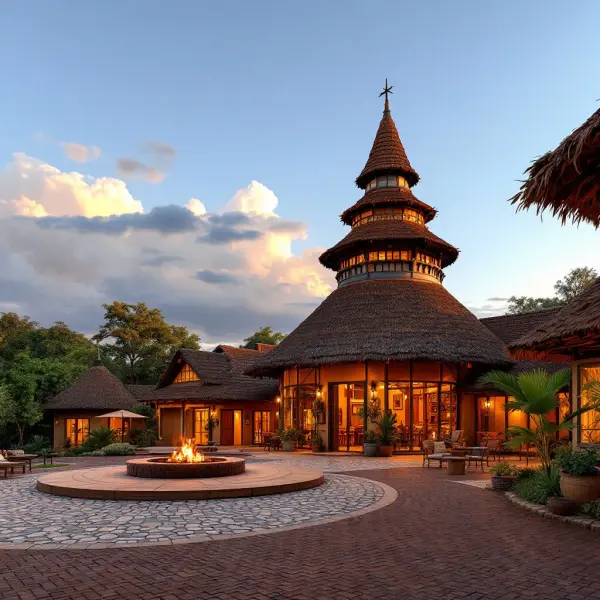
5. Caplaki Craft Village
Guarda abili artigiani intagliare, tessere e dipingere proprio davanti ai tuoi occhi al miglior mercato artigianale all'aperto di Kigali. Passeggia tra bancarelle piene di cesti intrecciati a mano, maschere di legno intagliate e tessuti colorati mentre chiacchieri con gli stessi artigiani.
Fatti rapidi: More than 50 local artisans sell their work from small wooden stalls arranged in tidy rows. The village gets its name from the type of cypress trees that once grew where Kigali's central market now stands.
Punti salienti: A 72-year-old master basket weaver named Gaudence sits at her stall daily, using natural dyes from avocado leaves and onion skins to color the fibers. She learned the technique from her grandmother and can finish a small basket in under two hours, chatting with visitors the entire time.
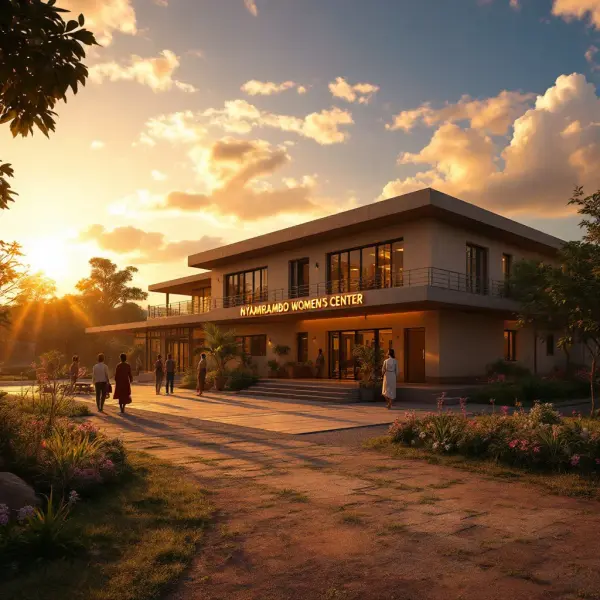
6. Nyamirambo Women's Center
Vivi il quartiere più vivace di Kigali attraverso gli occhi delle donne che ci vivono. Imparerai a cucinare, tessere ed esplorare come una persona del posto, sostenendo direttamente iniziative guidate dalla comunità.
Fatti rapidi: Gestito interamente da donne del posto, il centro offre lezioni di cucina tradizionale dove macinerai le spezie a mano e cucinerai sul fuoco a carbone. Più di 20 donne ricevono un salario equo attraverso la cooperativa di cucito, intrecciando cesti e creando gioielli con materiali riciclati.
Punti salienti: Durante la visita a piedi, la guida potrebbe indicarti il punto esatto in cui è stato girato un film di Bollywood degli anni Settanta, per poi condurti in un labirinto di vicoli stretti per incontrare una donna di 78 anni che prepara samosa con la stessa ricetta di famiglia da 40 anni. Il tour si conclude con una tazza di chai speziato condivisa sotto un albero di jacaranda nel cortile di qualcuno.

7. Mt. Kigali
Vuoi vedere tutta Kigali in una volta sola? Sali fino alla cima e osserva la città dispiegarsi sotto di te in un panorama a 360 gradi.
Fatti rapidi: Rwanda's highest point in the city, it rises 1,850 meters above sea level and offers panoramic views of all three of Kigali's districts. The summit is home to the Masaka Beach Hotel and a massive flagpole flying Rwanda's national flag.
Punti salienti: At the top, a giant Rwandan flag the size of a volleyball court snaps in the wind, visible from almost anywhere in the city. Weekly community cleanups on the mountain trails have transformed it into one of the greenest urban hiking spots in East Africa.
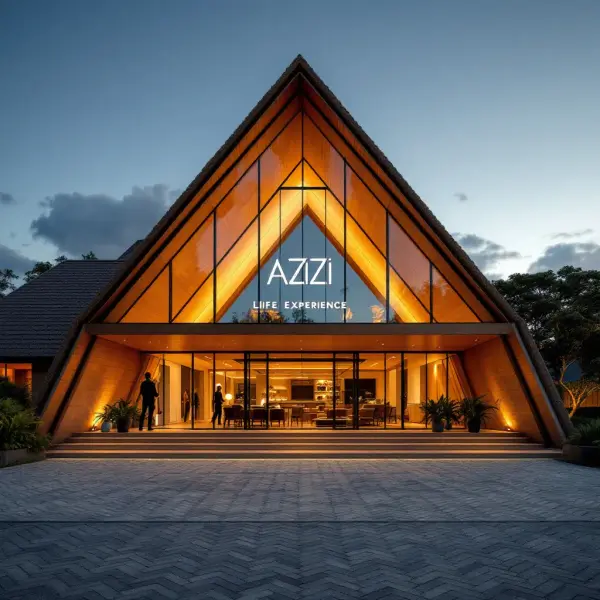
8. Azizi Life Experience
Salta i diorami dei musei e trascorri una giornata vivendo insieme ai contadini ruandesi nel loro vero villaggio. Pestellerai la manioca, intreccerai cesti e brinderai con birra di banana sotto il sole di mezzogiorno.
Fatti rapidi: Guests spend a full day alongside Rwandan farmers, joining in daily tasks like grinding maize, weaving baskets, or harvesting cassava. The experience directly supports over 300 local families through fair trade and community development initiatives.
Punti salienti: Unlike a staged cultural show, you'll actually sweat alongside your host family, hauling water from the spring or planting beans in red earth fields. The morning chitenge-clad walk through banana groves to the village, with roosters crowing and babies strapped to backs, feels like stepping into real life rather than a performance.
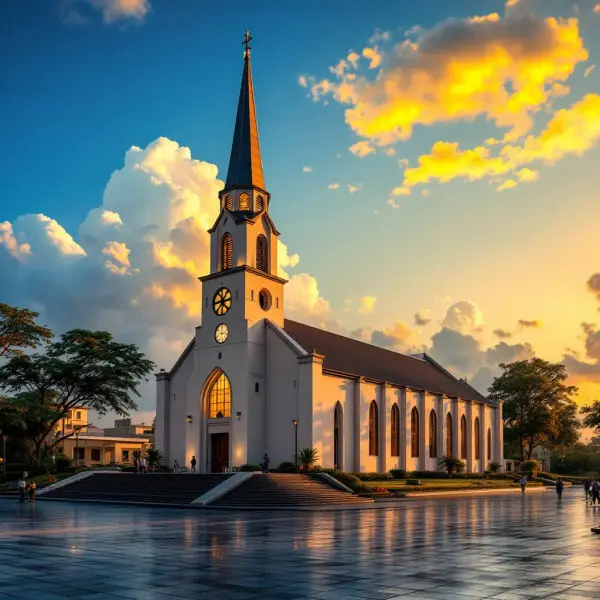
9. St. Famille Church
Nessun'altra chiesa al mondo fonde le tradizioni tessili ruandesi con il cemento svettante come questa. Entra per sentire la luce del sole filtrare attraverso centinaia di pannelli di vetro colorato in uno spazio che ospita 2.000 persone ma sembra intimamente raccolto.
Fatti rapidi: The striking modern architecture blends traditional Rwandan woven basket patterns with soaring concrete arches. Its circular design seats 2,000 worshippers and places every attendee within 20 meters of the altar.
Punti salienti: At night, the church glows from within through 1,000 hand-placed colored glass panels that create a warm amber light visible from the hills across Kigali. The interior ceiling mimics the inside of a traditional Rwandan woven basket turned upside down, giving worshippers the feeling of being sheltered under a giant, sacred craftwork.
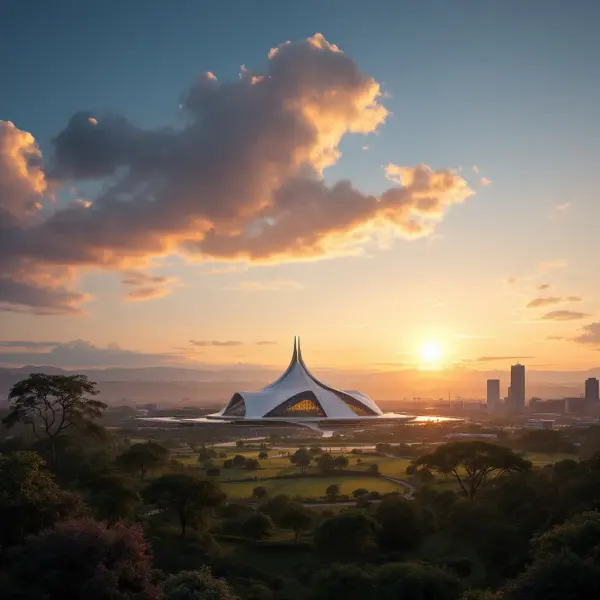
10. Kigali Convention Centre
Il monumento architettonico più sorprendente del Ruanda segna lo skyline della città con la sua cupola futuristica. All'interno, pavimenti in pietra lucida e finestre dal pavimento al soffitto incorniciano viste panoramiche sulle colline ondulate di Kigali.
Fatti rapidi: At 108 meters tall, this dome-shaped structure is Africa's largest elliptical dome building, visible from nearly every corner of the city. More than 2,000 solar panels line its roof, powering the building's daily operations while dramatically reducing its carbon footprint.
Punti salienti: At night, the building pulses with programmable LED lights that shift through colors and patterns, transforming into a glowing lantern above the city skyline. Locals gather on nearby hills just to watch the light shows, which sometimes sync with national holidays or major events happening inside.
Where to Stay in Kigali, Rwanda
Selected by City Buddy based on guest reviews and proximity to top attractions
Search all hotels in Kigali, RwandaPowered by agoda
Dolci tradizionali

Urwagwa (banana beer with honey)
Urwagwa is a naturally sweet fermented drink made from bananas and sorghum, often sweetened with honey. It is traditionally served at weddings and family gatherings as a symbol of joy and unity.

Akabenz (sweet caramelized plantains)
Akabenz features ripe plantains pan-fried with butter and sugar until caramelized and golden. Despite being a simple street food, it is beloved across Rwanda for its rich, comforting sweetness.
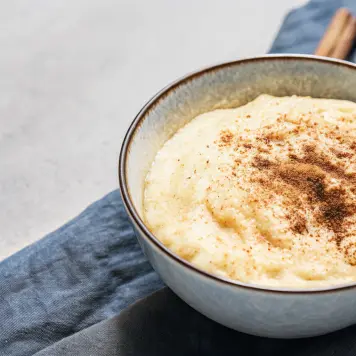
Ibijumba (sweet potato porridge)
This thick, naturally sweet porridge is made from mashed sweet potatoes mixed with milk and a pinch of cinnamon. It is often eaten as a nourishing breakfast or dessert for children and elders alike.
Piatti salati tradizionali
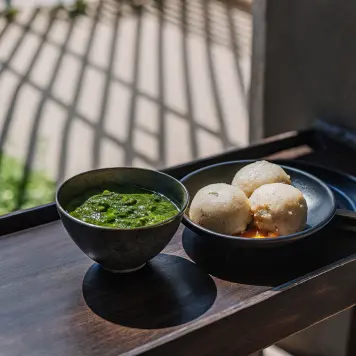
Ugali (maize porridge)
Ugali is a dense, stiff maize porridge that serves as the foundation of most Rwandan meals. It is typically eaten by hand, rolled into small balls and dipped into savory sauces or stews.
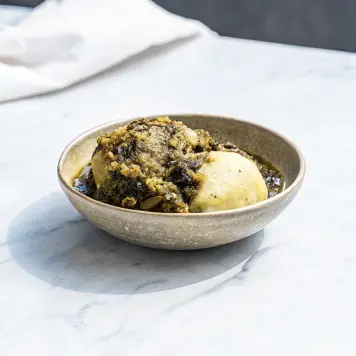
Isombe (cassava leaves with spinach)
Isombe is made by mashing cassava leaves with spinach, eggplant, and onions, then simmering them in peanut sauce. It is a nutrient-packed staple that showcases Rwanda's love for groundnut-based cooking.
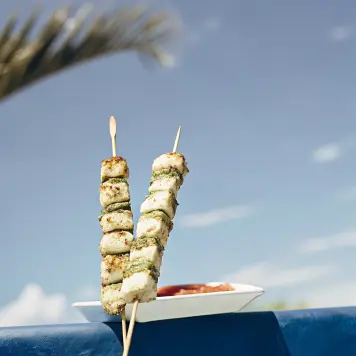
Brochettes (grilled meat skewers)
These skewers of marinated goat, beef, or chicken are grilled over charcoal and served with grilled bananas and chili sauce. Brochettes are the quintessential Rwandan street food, enjoyed everywhere from roadside stalls to upscale restaurants.
Bevande tradizionali
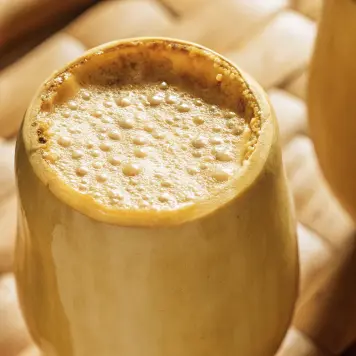
Ikigage (sorghum beer)
Ikigage is a traditional Rwandan beer brewed from fermented sorghum, giving it a thick, porridge-like texture and a slightly sour taste. It is often drunk from a shared calabash gourd during community ceremonies.

Rwandan tea (icyayi)
Rwanda is one of Africa's premier tea producers, and icyayi is a strong black tea typically served with generous amounts of milk and sugar. It is a daily ritual for many Rwandans, especially during morning hours.

Akabanga (non-alcoholic ginger drink)
Akabanga is a spicy, refreshing ginger-infused beverage that is naturally caffeine-free and non-alcoholic. It is widely believed to aid digestion and is commonly served at meals and social gatherings.
Frequently Asked Questions about Kigali, Rwanda
"Kigali, in Ruanda, è sicura?"
"Quanti giorni servono a Kigali, in Ruanda?"
"Qual è il periodo migliore per visitare Kigali, in Ruanda?"
"Kigali, in Ruanda, è costosa per i turisti?"
"Come spostarsi a Kigali, in Ruanda?"
Ricevi un PDF con le attrazioni più popolari via email
Ricevi un PDF con tutte le attrazioni, valutazioni e consigli. Perfetto per l'uso offline.
Gite di un giorno più popolari
Akagera National Park
East African savanna with Big Five wildlife and boat safaris on Lake Ihema.
Nyungwe Forest National Park
Ancient montane rainforest with chimpanzee trekking and canopy walkway.
Butare (Huye)
Cultural hub home to the Ethnographic Museum and Rwanda's premier university.
Lake Kivu
Scenic lakeside towns like Gisenyi and Kibuye with beaches and water sports.
Musanze (Ruhengeri)
Gateway to Volcanoes National Park and mountain gorilla trekking.
Come arrivare
Aeroporti
Stazioni ferroviarie
Proposed standard gauge railway connecting to Tanzania and Uganda (future development)
Kigali International Airport is about 20 minutes by taxi to the city center. Rideshare apps like Yego Moto and Move are available.
Trova voli per Kigali, Rwanda
Clicca per ottenere eSim per Kigali, Rwanda
Il modo più semplice ed economico per avere internet mobile ovunque tu viaggi.
Commenti (9)
Kigali surprised me. Cleanest city I've been to in Africa, felt incredibly safe walking around at night. The hills are no joke though, be ready to walk up and down everywhere.
Skip the hotel breakfast and eat at local places. Get the brochettes and sambaza from street vendors near the bus station. Under 2 dollars and better food.
Everyone told me Rwanda was expensive and they weren't wrong. Meals out cost similar to Europe. But the cleanliness and safety make it worth it I guess.
The weather is perfect year round. No humidity hell like other African cities. I'd say 3 days is the sweet spot to see the main sites and get the vibe.
Mixed feelings. Beautiful city, lovely people, but it felt a bit sterile compared to other African capitals. Missing some chaos and street life energy.