 CityBuddy
 Italiano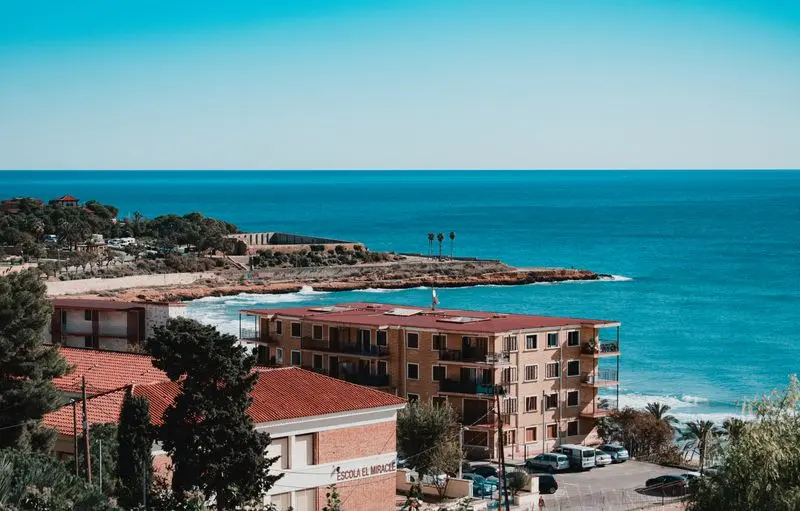
Cosa fare a Tarragona, Spain
Foto di Santiago Boada su Pexels.com
Quando visitare
Attrazioni più popolari a Tarragona, Spain
Se stai cercando cose da fare a Tarragona, in Spagna, inizia dall'anfiteatro di Tarragona del II secolo, che si affaccia sul Mediterraneo con spazio per 15.000 spettatori. Poi percorri il circuito di 3,5 chilometri delle Mura Romane, alcune delle quali risalgono al 200 a.C. Concludi al Balcó del Mediterrani per una vista costiera mozzafiato da 40 metri sul livello del mare.
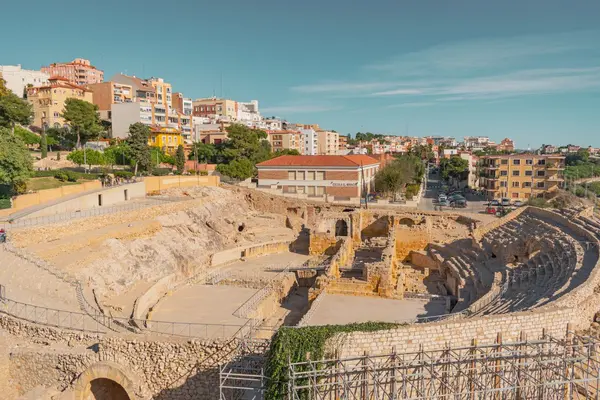
1. Tarragona Amphitheatre
Step into a 2,000-year-old Roman arena where gladiators once fought with the sea as their backdrop. You'll walk through the same stone archways and stand on sand where history's most dramatic moments unfolded.
Fatti rapidi: I Romani costruirono quest'arena intorno al 200 d.C. per ospitare battaglie tra gladiatori e cacce agli animali. I gladiatori combattevano e sanguinavano qui mentre fino a 14.000 spettatori facevano il tifo dai sedili in pietra affacciati sul Mar Mediterraneo.
Punti salienti: Dopo la fine dell'era dei gladiatori, qui furono giustiziati i cristiani e successivamente una chiesa medievale fu costruita direttamente nei muri di pietra dell'arena. Si possono ancora vedere i deboli contorni delle fondamenta della chiesa premuti contro la muratura romana, una rara storia stratificata in un unico fotogramma.
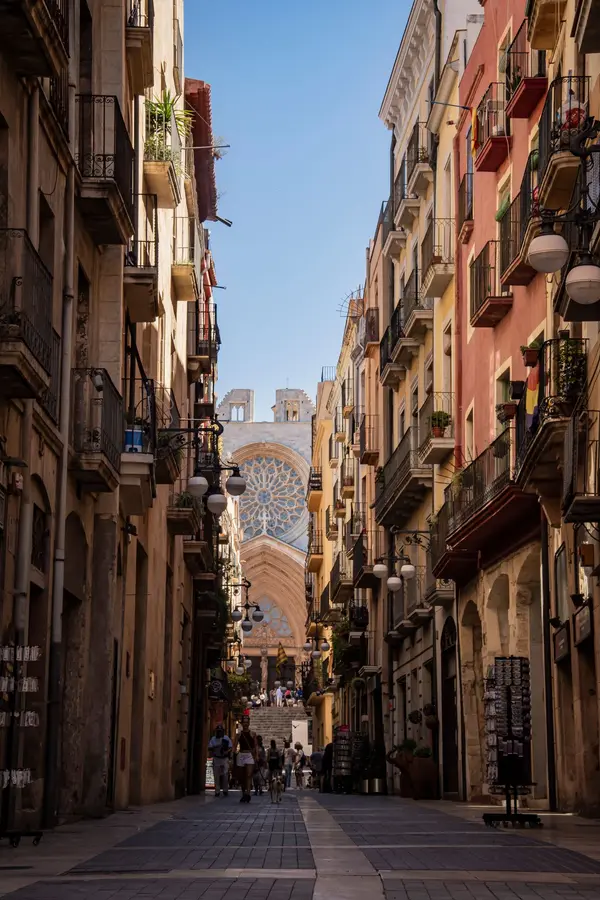
2. Tarragona Cathedral
Centuries of history carved into every stone, from Roman foundations to Gothic spires. Step inside to find a quiet cloister where the past feels almost touchable.
Fatti rapidi: Due stili architettonici completamente diversi si incontrano sotto lo stesso tetto. La navata gotica si innalza sopra un chiostro romanico del XII secolo dove i gatti vivono da secoli.
Punti salienti: Una pietra all'interno del muro del chiostro mostra l'impronta di una zampa di gatto impressa nella malta oltre 800 anni fa. I locali dicono che i gatti residenti della cattedrale sono discendenti diretti dei cacciatori di topi che mantenevano il monastero medievale libero dai roditori.
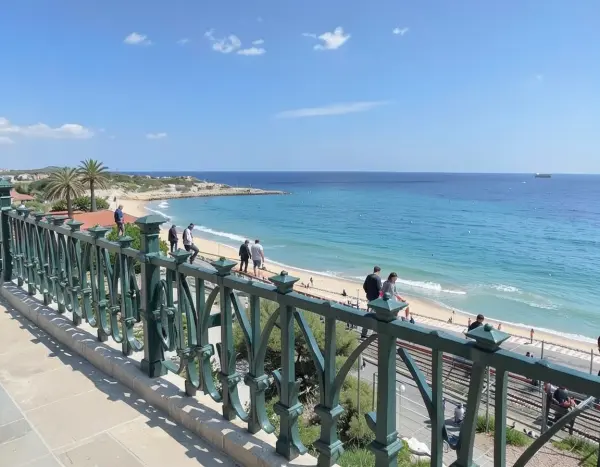
3. Balcó del Mediterrani
One of the best free viewpoints along the entire Catalan coast. Stand 60 meters above sea level and watch sailboats drift across a glittering Mediterranean horizon.
Fatti rapidi: Perched 60 meters above the Mediterranean, this balcony offers sweeping views that stretch from the port of Tarragona to the distant Costa Daurada coastline. The viewpoint sits atop the ancient Roman Cyclopean Wall, built with massive stone blocks weighing up to 5 tons each.
Punti salienti: Come at sunset and watch the limestone balcony railings catch a warm golden glow while the sea turns deep sapphire below. On clear days you can spot the silhouette of the Ebro Delta, 30 kilometers away, jutting into the horizon.
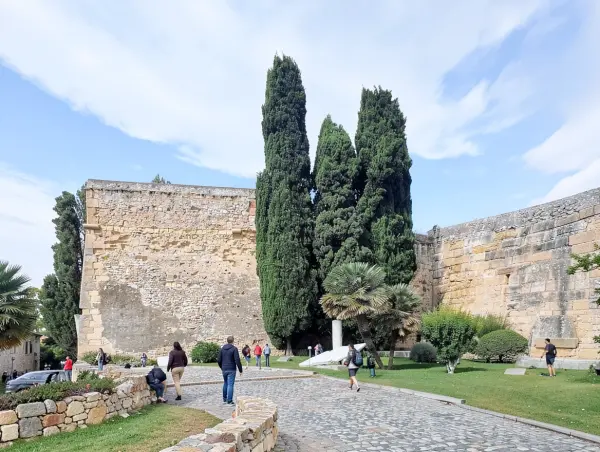
4. Roman Walls of Tarragona
Walk alongside 2,200-year-old Roman fortifications that once guarded the capital of an empire. Feel the rough, weathered stone under your fingertips as you trace the same perimeter Roman soldiers patrolled.
Fatti rapidi: Queste mura romane si estendono per quasi 3,5 chilometri e raggiungono fino a 12 metri di altezza in alcuni punti, rendendole una delle fortificazioni romane meglio conservate della Spagna. Costruite originariamente tra il III e il II secolo a.C., proteggevano l'antica città di Tarraco, capitale della provincia romana della Hispania Citerior.
Punti salienti: Osserva attentamente la base delle mura vicino al Portal del Roser e noterai enormi blocchi di pietra originali, alcuni del peso di oltre 6 tonnellate, impilati senza malta grazie a pura precisione e gravità. La muratura ciclopica del muro crea un contrasto suggestivo con le strutture medievali costruite sopra secoli dopo, una storia a strati che puoi letteralmente toccare.
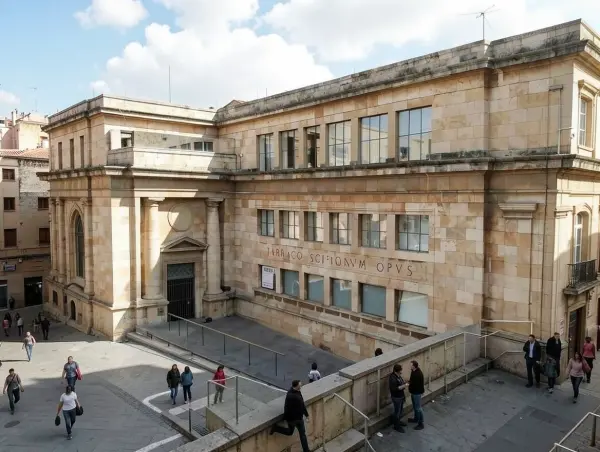
5. National Archaeological Museum of Tarragona
Wander through one of Spain's richest collections of Roman artifacts, from colossal sculptures to delicate everyday objects. You'll walk on glass floors above ancient Roman streets and come face-to-face with the legendary Medusa mosaic.
Fatti rapidi: La collezione ospita oltre 25.000 oggetti che abbracciano la storia romana, con sculture, mosaici e manufatti quotidiani che raccontano la storia dell'antica Tarraco. Uno dei pezzi più stupefacenti è un enorme mosaico del III secolo raffigurante Medusa, che ricopre l'intero pavimento di una galleria con dettagli intricati che sembrano ancora vivi dopo 1.700 anni.
Punti salienti: Entra nella sala principale e ti troverai direttamente sopra un tratto conservato dell'originale circo romano dove un tempo sfrecciavano i carri. Il pavimento in vetro del museo ti permette di guardare gli antichi ciottoli e i canali di drenaggio, facendoti sentire come un archeologo che scopre la città strato dopo strato.
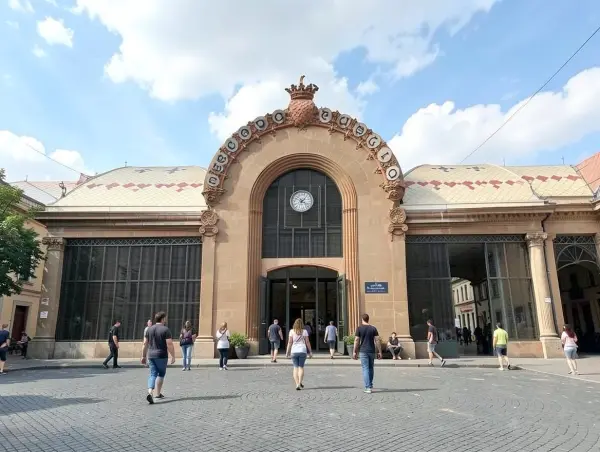
6. Mercat Central de Tarragona
Immergiti in un secolo di cultura gastronomica catalana sotto un tetto di ferro e vetro. Passeggia tra 50 banchi di olive, formaggi e pesce appena sbarcato mentre i venditori urlano i loro prezzi.
Fatti rapidi: Colonne in ghisa e una copertura in vetro inondano di luce la navata, mentre circa 50 venditori reclamizzano il pescato del giorno e i prodotti locali. Ristoratori, cuochi casalinghi e gitanti mercanteggiano fianco a fianco su olio d'oliva, vermouth e formaggio entro le 10:00 quasi ogni mattina.
Punti salienti: Sali alla galleria superiore per assistere alla coreografia di casse, bilance e coltelli che si svolge sotto. Al centro, una lanterna ottagonale sul tetto versa la luce del sole sui jamón appesi, trasformando il corridoio più affollato del mercato in un teatro dorato.
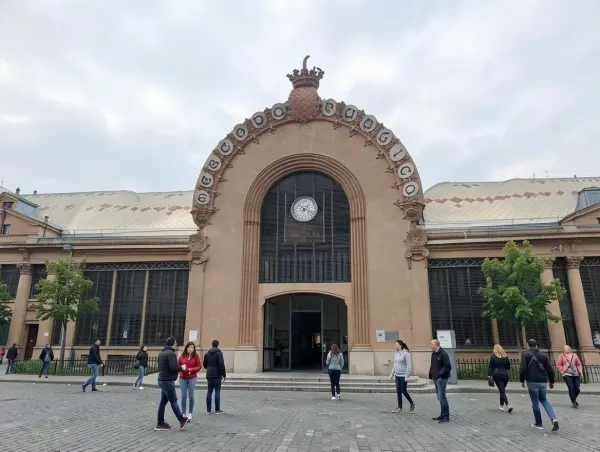
7. Mercat Central
Un mercato coperto sospeso su una pista romana per le corse delle bighe che brilla ancora sotto i tuoi piedi. Segui il profumo di gamberetti freschi e zafferano tra navate imponenti di ferro e mattoni.
Fatti rapidi: Josep Maria Jujol, l'architetto che collaborò strettamente con Gaudí, disegnò questa sala del mercato e la fece erigere in un solo anno, inaugurata nel 1915. I cocchieri romani corsero con quadrighe sullo stesso identico terreno due millenni prima dell'apertura della prima bancarella di frutta.
Punti salienti: Scendendo nel seminterrato ti ritrovi nell'alto corridoio voltato del circo romano, la lunga galleria dove gli spettatori un tempo salivano verso i loro posti nel I secolo d.C. Sopra la testa, le sottili volte in laterizio catalano di Jujol e le rosette in ceramica smaltata piegano la luce così che il soffitto sembra gonfiarsi come una vela.
8. El Serrallo
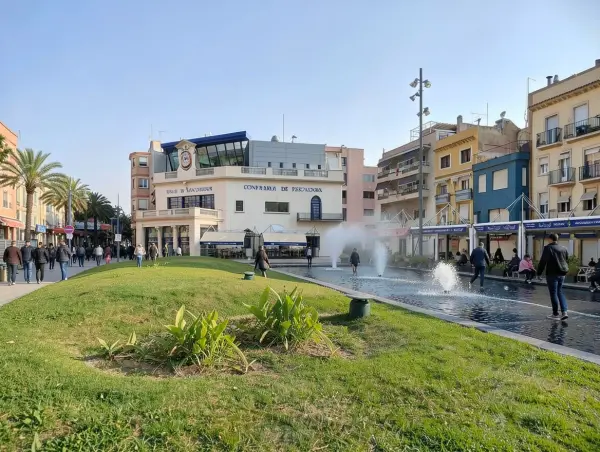
Ecco dove il vecchio porto diventa delizioso, tutto senza neon e salmastro. Annusa le sardine alla griglia in riva al porto al crepuscolo e osserva il pescato della notte scaricato a mano, barca dopo barca.
Fatti rapidi: Un vero cuore di pesce batte in questo piccolo angolo del vecchio porto, con l'asta del pescato notturno che riecheggia ogni mattina in una sala bianca. I pescatori appendono ancora le reti ad asciugare lungo la banchina, e il fumo dei loro grill di sardine a carbone sale dritto verso la muratura romana sopra.
Punti salienti: All'estremità della banchina, piccoli scafi a conduzione familiare portano ancora occhi dipinti a mano sulla prua, un antico incantesimo pensato per aiutare le barche a vedere i pesci sotto la superficie. Vieni in occasione della festa di Sant Pere a fine giugno, quando l'intero quartiere trascina i tavoli sul marciapiede e frigge sardine fino a mezzanotte.
Where to Stay in Tarragona, Spain
Selected by City Buddy based on guest reviews and proximity to top attractions
Search all hotels in Tarragona, SpainPowered by agoda
Giorni di apertura a Tarragona, Spain
Quali delle principali attrazioni chiudono in quale giorno della settimana. Il classico modo per rovinare un viaggio, verificato per te.
lunedì: 2 su 6 attrazioni principali chiuse. Pianifica i musei per un altro giorno.
Chiuso il lunedì · 2 chiusi, 4 aperti
Giorni di apertura da Google Maps (verificati il 2026-09-05). Festività, scioperi e orari stagionali possono variare. Controlla il sito ufficiale prima di partire.
Dolci tradizionali
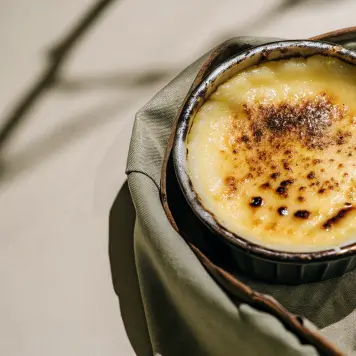
Crema Catalana
Crema Catalana is the Spanish sibling of crème brûlée, but with a distinct Catalan identity. It is traditionally served on Saint Joseph's Day (March 19) and flavored with cinnamon and lemon zest instead of vanilla.
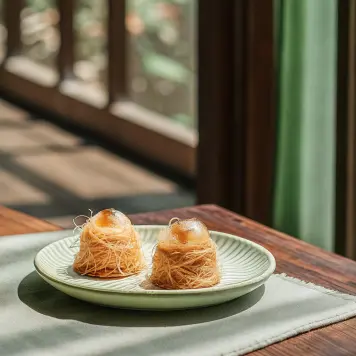
Pastissets de Cabell d'Àngel
These delicate pastries are filled with cabell d'àngel or angel's hair, a sweet jam made from pumpkin threads. The name literally means angel hair, referencing the translucent, stringy texture of the pumpkin preserve inside.

Carquinyolis
Carquinyolis are crunchy Catalan almond cookies similar to Italian biscotti, perfect for dunking in dessert wine. They are twice-baked for extra crunch and are a staple at festive gatherings across the Tarragona region.
Piatti salati tradizionali

Calçots with Romesco Sauce
Calçots are a type of sweet green onion grilled over open flames until charred, a signature of Tarragona's province. Locals gather for massive calçotades (feasts) where these onions are eaten by peeling the burnt layers and dipping them in rich romesco sauce made from almonds and roasted peppers.
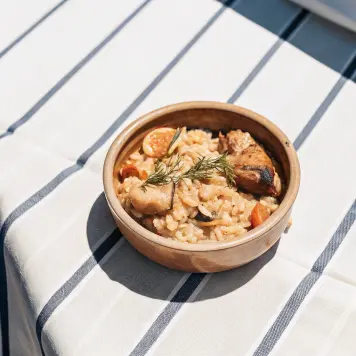
Arròs a la Cassola de Tarragona
This rustic casserole rice dish is Tarragona's take on paella, slow-cooked in a clay pot with local seafood, rabbit, and vegetables. The city's proximity to the Ebro Delta rice fields means the rice used is exceptionally fresh and flavorful.
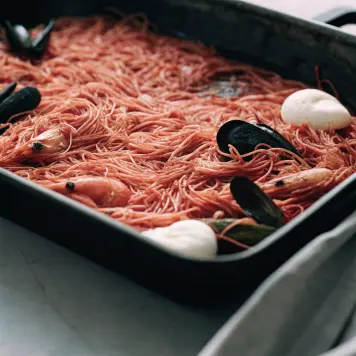
Fideuà
Fideuà is a beloved noodle-based dish similar to paella but made with short, thin vermicelli noodles instead of rice. It originated among fishermen on the Catalan coast who wanted a faster-cooking alternative to rice, and it is traditionally served with a dollop of garlicky allioli.
Bevande tradizionali

Vermut de Tarragona
Tarragona has a deep-rooted vermouth tradition dating back to the 19th century, and local vermuterías are a cherished social ritual. The region's vermouth is made with macabeo or xarel·lo wine bases and a secret blend of local herbs, giving it a distinctive Mediterranean character.

Cava
While Cava is most famous in Penedès, much of this sparkling wine is actually produced from grapes grown in the vineyards around Tarragona. It is made using the traditional method (same as Champagne) but at a fraction of the cost, making it the go-to celebratory drink in Catalonia.

Ratafia
Ratafia is a traditional Catalan liqueur made by macerating green walnuts, herbs, and spices in brandy or aguardiente for months. It is often homemade in Tarragona's rural homes and is sipped as a digestif, believed to aid digestion after heavy meals.
Da sapere prima di partire
Quanto costa un giorno a Tarragona e le truffe da evitare
Costo a persona al giorno
Le truffe più comuni da evitare
- Pickpocketing in crowds. Keep bags closed and in front, leave valuables in the hotel, and avoid loose back pockets in crowded spaces.
- Unofficial offers near the station. Walk to the official taxi rank and require the meter, or book through an app for a clear price.
- Menu without prices. Confirm prices before ordering, ask if a cover or service charge applies, and check the bill line by line.
Taxi onesto dall'aeroporto: 110 € - 140 €
Tutte le truffe, prezzi onesti e regoleDomande frequenti su Tarragona, Spain
Tarragona, in Spagna, è sicura?
Quanti giorni a Tarragona, in Spagna, sono sufficienti?
Qual è il periodo migliore per visitare Tarragona, in Spagna?
Tarragona, in Spagna, è cara?
Come spostarsi a Tarragona, in Spagna?
Ricevi un PDF con le attrazioni più popolari via email
Ricevi un PDF con tutte le attrazioni, valutazioni e consigli. Perfetto per l'uso offline.
Gite di un giorno più popolari
Barcelona
Vibrant capital of Catalonia with Gaudi architecture and world-class museums.
Salou
Popular coastal resort with beaches and PortAventura theme park.
Sitges
Charming seaside town with beaches, art galleries, and nightlife.
Reus
Modernist architecture hub and birthplace of architect Antoni Gaudi.
Delta de l'Ebre
Stunning natural park with rice fields, wetlands, and birdwatching.
Come arrivare
Stazioni ferroviarie
AVE high-speed rail from Barcelona, Madrid, and Valencia
Regional trains along the Costa Daurada coastline
From Barcelona Airport take the direct bus or train to Tarragona. Reus Airport is smaller with seasonal flights and bus connections to Tarragona.
Informazioni utili per Tarragona, Spain
Panoramica di Tarragona, Spain
Confronta Tarragona con altre destinazioni
Prezzi, sicurezza, meteo e principali attrazioni fianco a fianco, con un verdetto per ogni tipo di viaggiatore.
Vuoi un piano giorno per giorno per Tarragona, Spain? Apri il pianificatore di viaggio
Quando andrai a Tarragona, Spain?
Scegli le date e lo stile di viaggio per ottenere:
Qualcosa di particolarmente importante per te?
Seleziona tutto ciò che si applica
Come spostarsi
Come vuoi spostarti tra i luoghi?
Lingua del piano: Italiano