 CityBuddy
 Italiano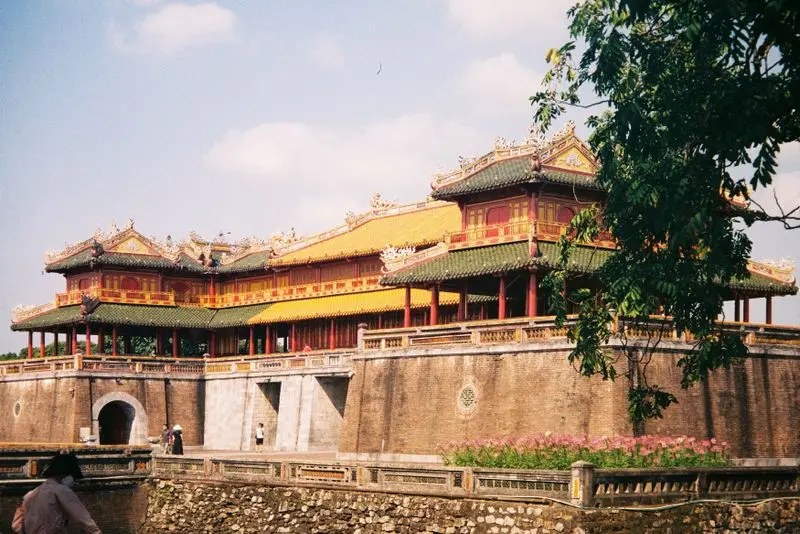
Cosa fare a Huế, Vietnam
Foto di Nguyen Trung Hieu su Pexels.com
Quando visitare
Attrazioni più popolari a Huế, Vietnam
Se cercate le migliori cose da fare a Huế, Vietnam, iniziate dalla maestosa Città Imperiale (Đại Nội) del XIX secolo, il cui complesso si estende su 520 ettari. Proseguite con la tranquilla pagoda Thien Mu, che si erge per 21 metri sul fiume Perfume. Infine, ammirate la sfarzosa tomba di Khai Dinh, decorata con mosaici di porcellana e vetro.
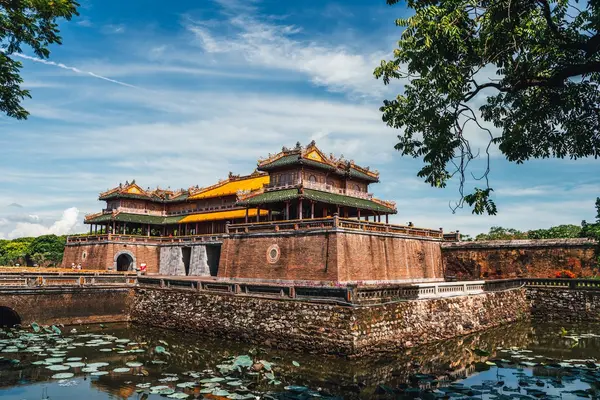
1. Imperial City (Đại Nội)
Đại Nội
Varcate il cancello che un tempo varcavano gli imperatori e vi troverete nel cuore della storia vietnamita. Mura viola, pagode dorate e cortili silenziosi vi trasporteranno ai tempi della dinastia Nguyễn.
Fatti rapidi: Il complesso della città imperiale si estende su una superficie di oltre 520 ettari ed è circondato da una cinta difensiva in pietra lunga 10 chilometri. All'interno si trovano più di 100 edifici, tra cui porte, palazzi e templi, molti dei quali portano i segni dei proiettili dei conflitti bellici del XX secolo.
Punti salienti: Sotto le mura di pietra della città imperiale ogni sera si accendono decine di lanterne e la gente del posto viene qui a praticare tai chi, mentre dai giardini allagati si sente il gracidare delle rane. Fatto sta che i restauratori, durante i lavori di restauro, hanno scoperto dipinti originali del XIX secolo nascosti sotto strati di intonaco, e alcuni di essi oggi si possono vedere nella loro forma originale.
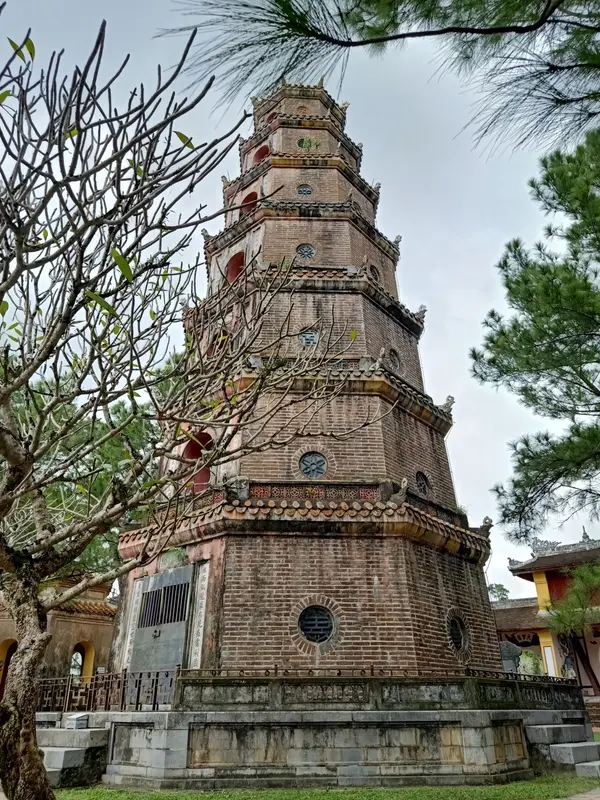
2. Thien Mu Pagoda
Un'oasi tranquilla sul fiume, dove l'atmosfera spirituale si mescola a una vista mozzafiato. Sentirete il fruscio delle bandiere di preghiera e l'odore dell'incenso che si diffonde tra mura secolari.
Fatti rapidi: La torre a sette piani alta 21 metri si erge sul fiume Perfume River ed è diventata il simbolo dell'intera città. Le leggende narrano che la pagoda sia sorta nel luogo in cui un drago celeste apparve a una vecchia donna.
Punti salienti: All'interno della pagoda si trova una gigantesca campana di bronzo del peso di oltre due tonnellate, il cui suono si dice si propaghi per oltre 10 chilometri lungo il fiume. I monchi la suonavano durante le cerimonie importanti e l'intera area vibrava in una profonda risonanza.
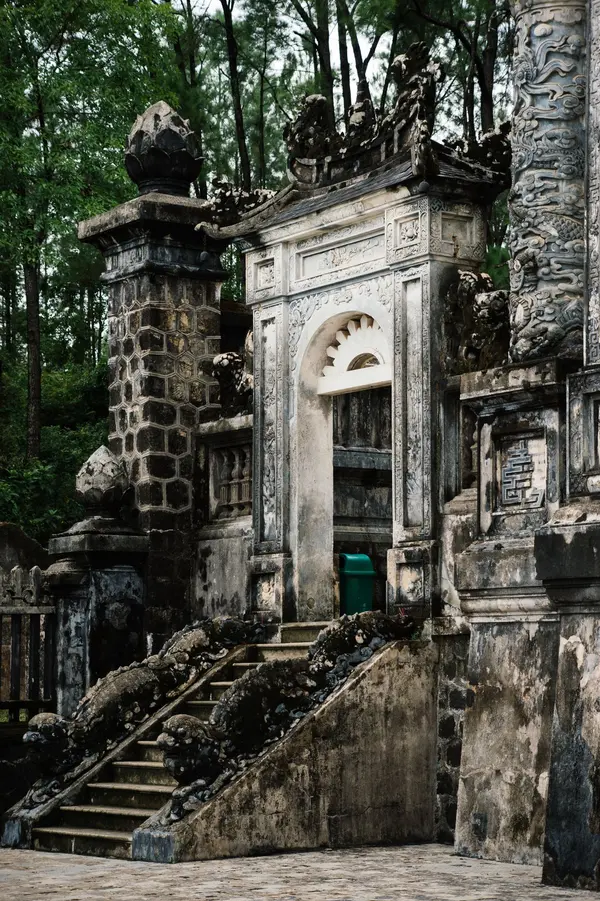
3. Tomb of Khai Dinh
L'unica tomba di Hue che sembra un palazzo gotico-asiatico. Attraverserete corridoi oscuri fino a una sala con un cielo di cemento sopra la testa.
Fatti rapidi: Alla costruzione della tomba dell'imperatore Khai Dinh lavorarono oltre 10 000 operai, ma fu completata solo dopo la sua morte nel 1925. All'interno si trova uno straordinario mosaico di ceramica e vetro che ricopre pareti e soffitto, composto da centinaia di migliaia di pezzi.
Punti salienti: Ciò che colpisce di più è il soffitto in cemento della sala principale: da vicino è interamente ricoperto da scene dipinte di nuvole a nove draghi, che sembrano un affresco 3D. Khai Dinh impose una miscela di architettura tradizionale vietnamita e gotica francese, rendendo questa struttura uno spettacolo assolutamente unico in tutta Hue.
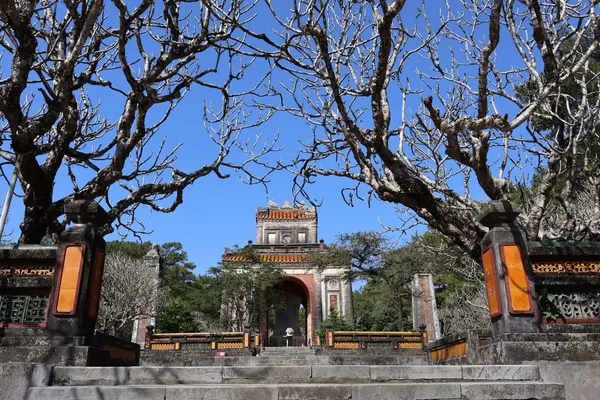
4. Tomb of Minh Mang
Un'enorme struttura in pietra in mezzo a foreste di pini racconta la storia del potere e della caducità di un imperatore. Attraverserete porte, ponti e cortili fino a un' misteriosa urna di bronzo dove il passato tocca il presente.
Fatti rapidi: L'imperatore Minh Mang progettò questo luogo di sepoltura ancora in vita e supervisionò personalmente la costruzione, ma vi fu sepolto solo dopo la sua morte nel 1841. L'area si estende su 18 ettari di terreno e comprende 40 edifici diversi, che collegano simbolicamente la geomanzia cinese con la tradizione imperiale vietnamita.
Punti salienti: Quando si varca la porta Dai Hong, si apre davanti a sé il lago Nhà Nguyệt lungo trecento metri, la cui superficie calma riflette perfettamente i pini circostanti e i ponti di pietra. L'intera composizione della tomba segue un rigido asse da est a ovest, così che al tramonto il disco solare cala esattamente dietro il sarcofago dell'imperatore.
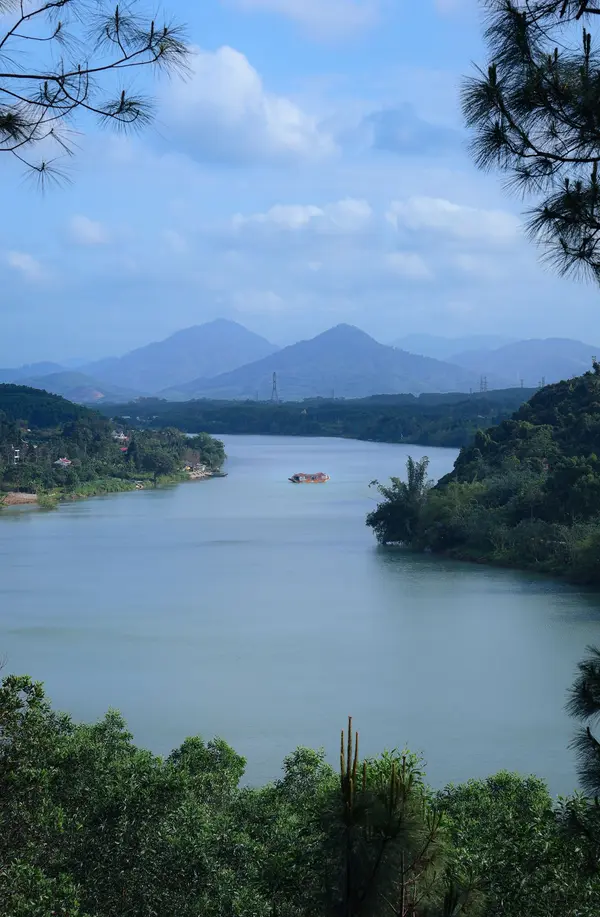
5. Perfume River
Attraversate la storia in barca tra antiche pagode e vegetazione tropicale. La sera vi incanteranno le luci magiche delle lanterne che si riflettono sull'acqua scura.
Fatti rapidi: Il fiume, lungo 80 chilometri, attraversa la città imperiale e sfocia nel Mar Cinese Meridionale. Ogni anno oltre 4 milioni di visitatori accorrono per percepirne l'atmosfera tranquilla.
Punti salienti: Un tempo fungeva da via di trasporto per le flotte reali e sulle sue rive si tengono ancora oggi le tradizionali feste delle lanterne. Durante la luna piena, la superficie brilla di centinaia di piccole candele galleggianti che la gente del posto lascia andare alla deriva come desideri di buona fortuna.
6. Dong Ba Market
Volete assaggiare la vera Hue? Questo è il posto dove la città vive. Passeggiate tra centinaia di bancarelle, assaggiate la zuppa bún bò e lasciatevi trasportare dal profumo di cannella e citronella.
Fatti rapidi: Ogni giorno qui vengono vendute oltre 3 000 porzioni della famosa zuppa bún bò Huế, che la gente del posto considera la migliore della città. Il mercato offre oltre 1 500 bancarelle divise in sezioni merceologiche, dai frutti di mare freschi alle sciarpe di seta ricamate a mano.
Punti salienti: Nella parte posteriore del mercato troverete anziane signore che ancora intagliano a mano le noci di betel a forma di fiori per i tradizionali rituali nuziali, un'abilità che si tramanda di generazione in generazione. L'intero processo richiede solo pochi minuti e gli ornamenti risultanti sembrano piccole opere d'arte.
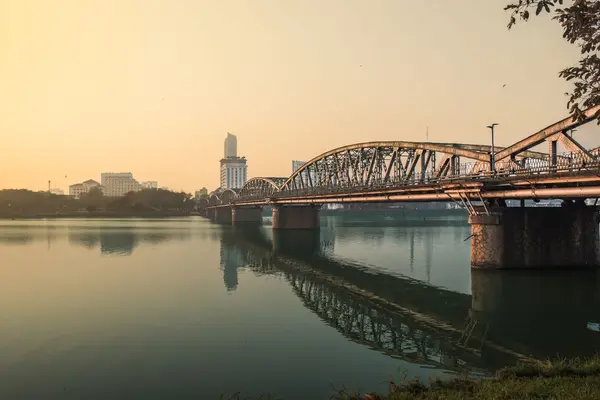
7. Trang Tien Bridge
Nessun altro ponte nel sud-est asiatico si trasforma di notte in un arcobaleno di sette colori sull'acqua. Percorretelo al tramonto, quando la città storica si riflette nella calma superficie del fiume.
Fatti rapidi: Ogni sera il ponte si illumina alternativamente in sette colori, attirando ogni giorno oltre 10 mila visitatori a passeggiare lungo i suoi 402 metri. Sotto i suoi archi navigano decine di barche turistiche che offrono una vista sulla città illuminata dal fiume Hương.
Punti salienti: Durante la guerra del Vietnam il ponte fu bombardato due volte e ogni volta gli abitanti locali lo ricostruirono con le proprie mani utilizzando i materiali originali recuperati dal fiume. Di notte sul ponte si incontrano giovani coppie per scambiarsi il primo bacio alla luce dei colori. La gente del posto lo chiama "ponte degli innamorati".
Where to Stay in Huế, Vietnam
Selected by City Buddy based on guest reviews and proximity to top attractions
Search all hotels in Huế, VietnamPowered by agoda
Giorni di apertura a Huế, Vietnam
Quali delle principali attrazioni chiudono in quale giorno della settimana. Il classico modo per rovinare un viaggio, verificato per te.
Buone notizie: tutte le 5 attrazioni principali con orari noti sono aperte ogni giorno della settimana.
Chiuso il lunedì · 0 chiusi, 5 aperti
Niente chiude il lunedì. Tutte le 5 attrazioni con orari noti sono aperte.
Giorni di apertura da Google Maps (verificati il 2026-06-14). Festività, scioperi e orari stagionali possono variare. Controlla il sito ufficiale prima di partire.
Dolci tradizionali
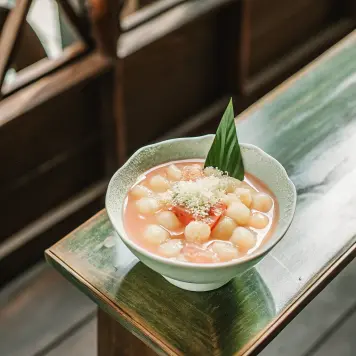
Chè Hạt Sen (Lotus Seed Sweet Soup)
This delicate dessert features tender lotus seeds from the Perfume River region. The lotus seeds are believed to have calming properties and are often served during Huế's royal festivals.
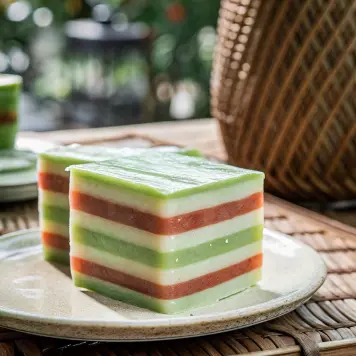
Bánh Da Lợn (Steamed Layer Cake)
This colorful layered dessert is made from tapioca flour, coconut milk, and pandan or mung bean. Each vibrant layer is steamed one at a time, creating a beautiful striped appearance.
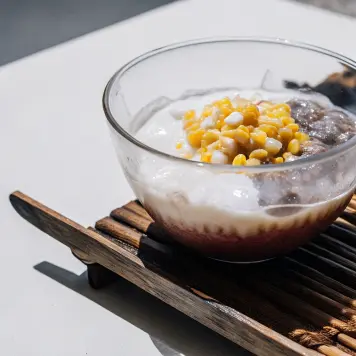
Chè Bắp (Corn Sweet Soup)
A creamy and aromatic dessert made from young corn, coconut milk, and tapioca pearls. It is a beloved street food treat in Huế and is often enjoyed warm on cool evenings.
Piatti salati tradizionali
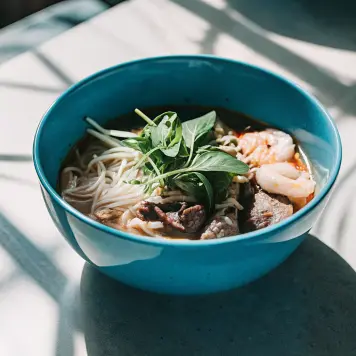
Bún Bò Huế (Huế-Style Beef Noodle Soup)
This iconic spicy beef noodle soup is the signature dish of Huế, known for its rich, lemongrass-infused broth and deep red color from annatto seeds. It is often considered the rival of Vietnam's other famous noodle soup, phở.
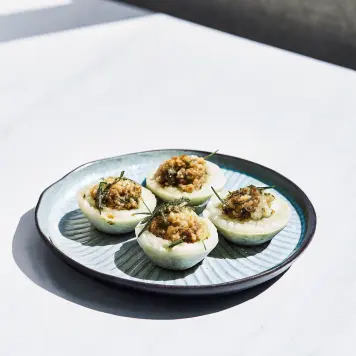
Bánh Bèo (Water Fern Cake)
These tiny, saucer-shaped steamed rice cakes are topped with minced shrimp, crispy pork skin, and scallion oil. They were originally served in the royal court of the Nguyễn Dynasty as elegant appetizers.
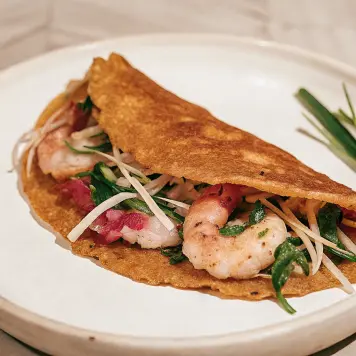
Bánh Khoái (Huế-Style Crispy Pancake)
Similar to bánh xèo but smaller and thicker, this crispy golden pancake is stuffed with shrimp, pork, and bean sprouts. It gets its name from the sizzling sound it makes when poured onto the hot pan.
Bevande tradizionali
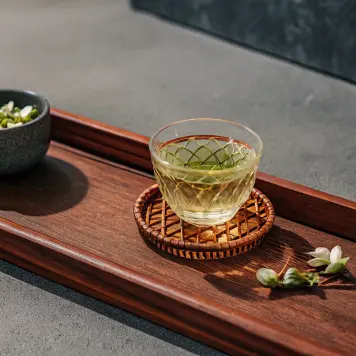
Trà Sen (Lotus Tea)
Huế is famous for its lotus-scented tea, made by layering green tea leaves with fresh lotus petals overnight. The tea absorbs the flower's fragrance and was once reserved exclusively for Vietnamese royalty.
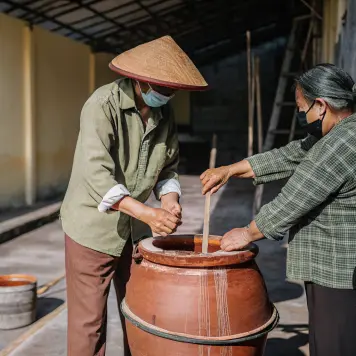
Rượu Cần (Straw Wine)
This traditional fermented rice wine is drunk through long bamboo straws from a large communal jar. It is associated with the ethnic minority groups of the Central Highlands near Huế and is a staple at festivals and celebrations.
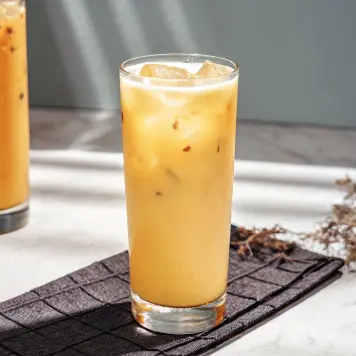
Nước Sâm (Herbal Cooling Drink)
A sweet, dark herbal tea made from various medicinal roots and plants, this drink is believed to cool the body and improve digestion. It is especially popular in Huế's hot and humid climate.
Domande frequenti su Huế, Vietnam
"Huế, Vietnam è sicura?"
"Quanti giorni trascorrere a Huế, Vietnam?"
"Quando è il periodo migliore per visitare Huế, Vietnam?"
"Huế, Vietnam è cara?"
"Come spostarsi a Huế, Vietnam?"
Ricevi un PDF con le attrazioni più popolari via email
Ricevi un PDF con tutte le attrazioni, valutazioni e consigli. Perfetto per l'uso offline.
Gite di un giorno più popolari
Hội An
Ancient charming town with lantern-lit streets and historic architecture
Đà Nẵng
Vibrant coastal city with beaches and the Marble Mountains
Phong Nha Ke Bang National Park
UNESCO site with stunning caves and karst landscapes
Lang Co Beach
Beautiful white sand beach between mountains and lagoon
My Son Sanctuary
Ancient Hindu temple complex from the Champa Kingdom
Come arrivare
Aeroporti
Stazioni ferroviarie
North-South Reunification Express Line connecting Hanoi and Ho Chi Minh City
From Phu Bai Airport, taxis and shuttle buses take about 30 minutes to reach Huế city center. The train station is centrally located.
Informazioni utili per Huế, Vietnam
Panoramica di Huế, Vietnam
Vuoi un piano giorno per giorno per Huế, Vietnam? Apri il pianificatore di viaggio
Quando andrai a Huế, Vietnam?
Scegli le date e lo stile di viaggio per ottenere:
Qualcosa di particolarmente importante per te?
Seleziona tutto ciò che si applica
Come spostarsi
Come vuoi spostarti tra i luoghi?
Lingua del piano: Italiano