 CityBuddy
 English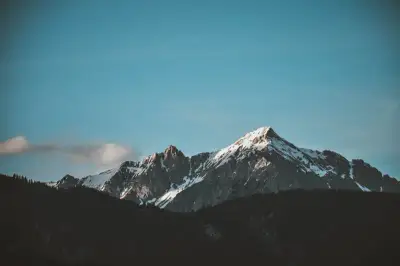
Things to Do in Austria
Photo made by Stephan Seeber on Pexels.com
When to visit
Plan your perfect trip to Austria
Get a complete travel plan built just for you in under 30 seconds, with daily routes, local food tips, budget estimates and more.
Are any of these especially important to you?
Select all that apply
Plan language: EnglishMost popular attractions in Austria
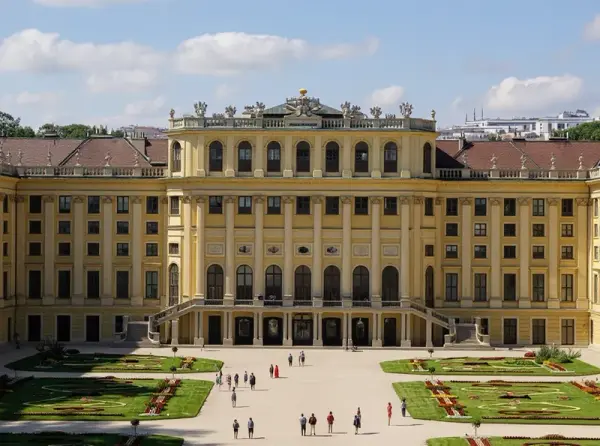
Among the top things to do in Austria, exploring Schönbrunn Palace is essential, as this former imperial summer residence boasts 1,441 rooms and grand gardens. In Vienna, the Golden Roof offers a glimpse into history with its 2,657 gilded copper tiles, while Salzburg's Hohensalzburg Fortress provides panoramic city views from 506 meters above sea level.
1. Schönbrunn Palace
Vienna
Discover grand imperial life with stunning gardens and vibrant history. Explore dazzling ballrooms and Europe's oldest zoo for a captivating day out.
Quick facts: A royal summer escape packed with over 1,400 rooms, it rivals the scale of Versailles but holds a distinct Baroque charm. Its gardens feature a Gloriette structure providing panoramic views of Vienna's skyline.
Highlights: The Great Gallery inside dazzles with ceiling frescoes and crystal chandeliers used for imperial balls attended by Mozart. The palace's zoo, the oldest continuously operating in the world, invites guests into a living piece of history with exotic animals.
2. St. Stephen's Cathedral
Vienna
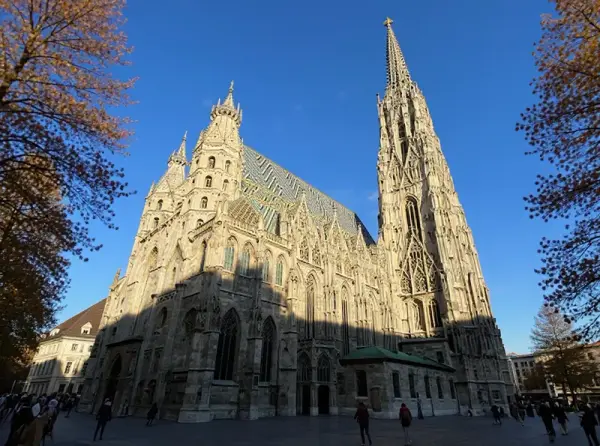
Experience soaring views and colorful tiled artistry. Explore centuries of history beneath and above in a stunning cathedral.
Quick facts: The cathedral's roof is a stunning mosaic of over 230,000 colorful tiles, creating an intricate geometric pattern visible from afar. Its south tower stands at 136 meters, dominating the city's skyline and offering panoramic views to those who climb its 343 steps.
Highlights: A secret to share: the catacombs beneath the structure hold the remains of some Viennese nobility, echoing centuries of history. Visitors can marvel at the multi-colored tiled roof, which features the double-headed eagle, a symbol of the Habsburg dynasty, in vibrant detail.
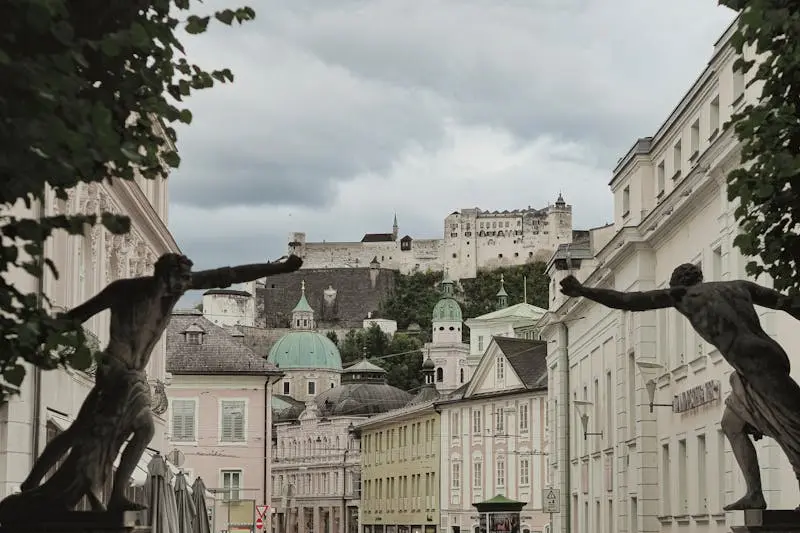
3. Hohensalzburg Fortress
Salzburg
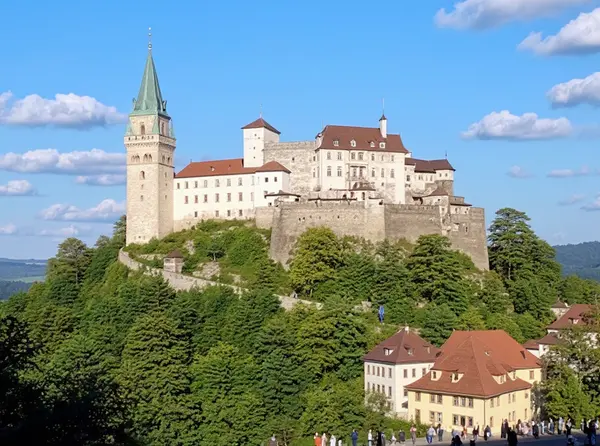
Perched above Salzburg, Hohensalzburg rewards visitors with sweeping city and Alpine views. Explore medieval rooms, the armory, and panoramic ramparts.
Quick facts: Perched about 500 meters above the town, the fortress dominates the skyline and gives you sweeping views across rooftops and the Alps. A short funicular or a steep 20-minute walk gets you up the hill, where thick stone walls and original cannons make the past feel instantly present.
Highlights: Hop on the funicular, installed in 1892, for a creaky, postcard-perfect ascent as the valley unfurls beneath you. Peek into the prince-archbishop's private chambers where a banquet table seats precisely twelve, and imagine wax-lit air filled with the scent of roasted meat and pipe smoke.
Have you heard of free walking tours?
After traveling to 30+ countries, there's one thing I wish someone had told me from day one, and it completely changed how I experience new cities.
Free walking tours. Yes, actually free. No credit card needed. No catch.
Local guide, 2-3 hours
Major sights, hidden gems, local stories
100% tip-based
Guides earn only tips, so they give their absolute best
You tip what feels right
At the end, just tip whatever you feel is right
I've done these in dozens of cities and they've been the highlight of almost every trip. If you're visiting Austria, do this on your first day. You'll thank me later.
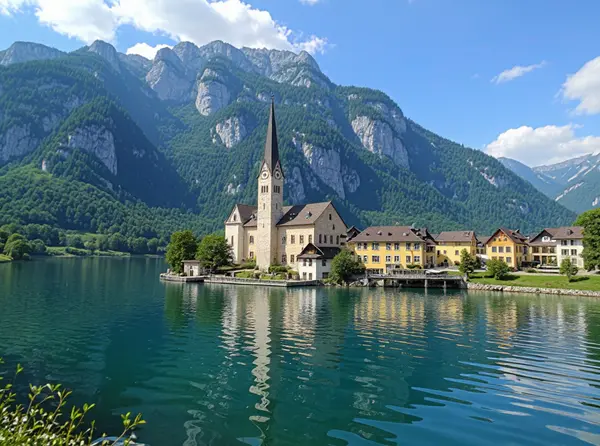
4. Hallstatt
Hallstatt
Fairytale lakeside village with alpine charm and ancient salt history. Walk narrow streets, take the funicular to the salt mine and capture mirror-reflection photos.
Quick facts: Fog curls off the lake at dawn, turning steep, painted rooftops and a lone church spire into mirror images that draw photographers every golden hour. A working salt mine beneath the slopes created surprising local wealth, and you can still board a miner's toboggan to whizz through old timbered tunnels.
Highlights: Step into the tiny ossuary and you'll come face-to-face with roughly 600 painted skulls, many labeled with names and death dates from the 1700s and 1800s, each one decorated with flowers or short epitaphs. Local families routinely reopened graves after about ten years to free space, so ancestors were preserved by hand-painted skulls rather than permanent markers, a practice that leaves up-close views strangely intimate and vividly detailed.
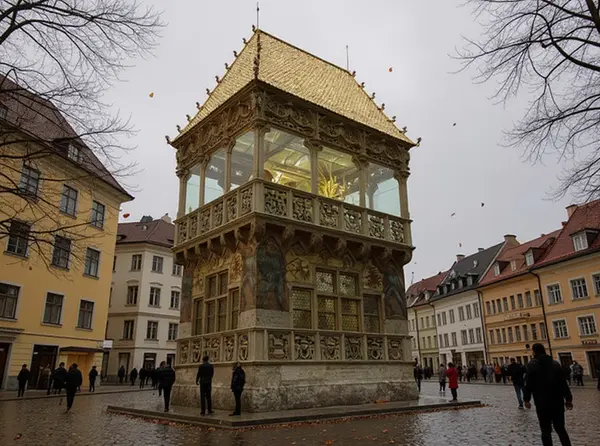
5. Golden Roof
Innsbruck
Late-medieval balcony with over 2,600 gilded copper tiles, a symbol of imperial Innsbruck. Admire richly painted facades, quick museum displays, and classic Old Town photo views.
Quick facts: A flamboyant balcony glitters with 2,657 gilded copper tiles that catch sunlight and town-gazers' eyes. Local storytellers point out carved coats of arms and painted scenes that connect courtly life, pageantry, and imperial symbolism.
Highlights: Emperor Maximilian I used the ornate balcony as a royal box to watch tournaments and processions, the gilded tiles throwing warm, gold light onto crowds below. Up close, the metal shingles reveal tiny hammer marks and gilding that sparkle like scales, a dazzling effect produced by exactly 2,657 fire-gilded copper tiles.
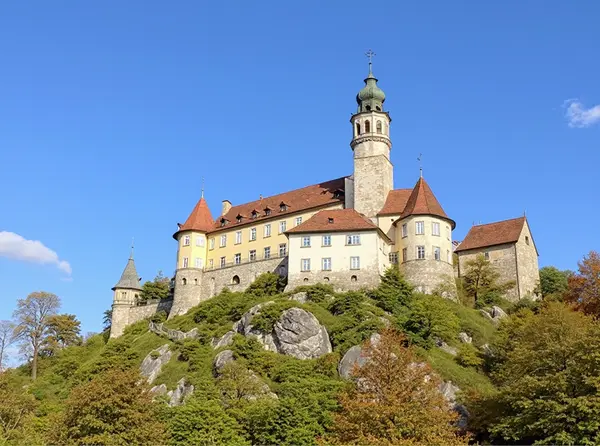
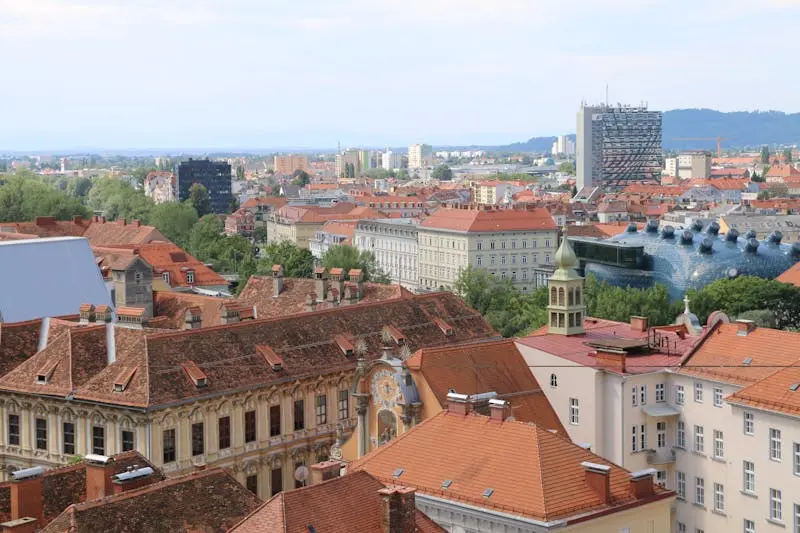
6. Schlossberg
Graz
Panoramic hilltop views over Graz with a characterful clock tower. Walk or take the tunnel lift, enjoy shady paths, cafes and sunset photo spots.
Quick facts: A network of carved stairways, tunnels and a glass elevator threads up the rocky hill, giving you the choice of a breathless climb or an effortless ride. Panoramic lookout points frame red-tiled roofs and river bends, so sunrise and sunset turn the view into a living painting.
Highlights: A quirky visual surprise awaits at the old clock tower, the oversized hand actually marks hours while the smaller hand shows minutes, a reversal that delights and puzzles new visitors. Step onto the wooden gallery and you can hear wind tang against stone, the creak of floorboards and the distant clatter of trams, that layered soundscape makes the summit feel like a lived-in lookout.
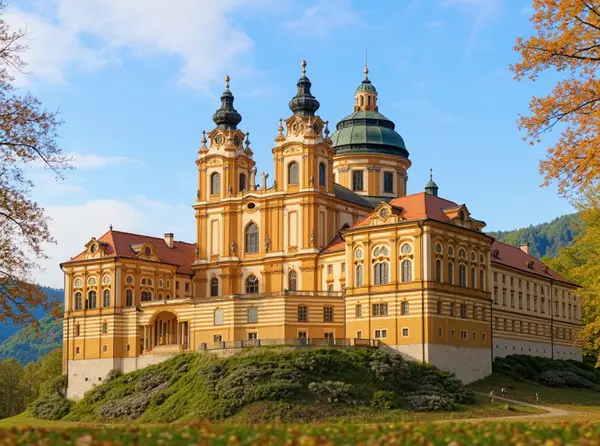
7. Melk Abbey
Melk
Perched above the Danube with rococo splendor, Melk Abbey crowns the Wachau valley. Explore gilded halls, an ornate library and sweeping river views.
Quick facts: Perched on a rocky outcrop above the river, gilded towers and onion-shaped domes catch the light for miles around and make the silhouette unforgettable. Inside, an ornate Baroque ceremonial hall and an old library full of illuminated manuscripts offer a theatrical contrast to the rolling vineyards below.
Highlights: Sunlight pours through high windows onto frescoes by Johann Michael Rottmayr, the painted angels seeming to lean toward you while organ music reverberates through the nave. A long, amber-lit library holds roughly 100,000 volumes, the leather spines and faint smell of vellum creating an intimate hush where a single whispered page turn feels loud.
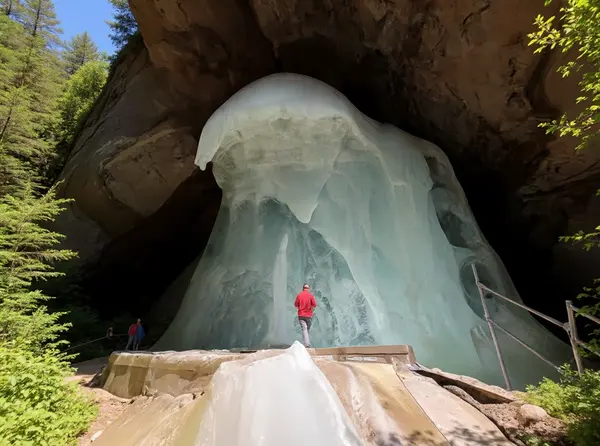
8. Eisriesenwelt Ice Caves
Werfen
Explore Europe’s largest ice cave, a dramatic world of sculpted ice. Guided walks take you past glittering caverns, frozen waterfalls, and steep carved passages.
Quick facts: Explore more than 42 kilometers of natural passages, although only about one kilometer is accessible to visitors during guided tours. Inside the caverns, temperatures linger around freezing and the ice formations create crystalline corridors that catch light like stained glass.
Highlights: One chamber contains towering ice formations that reach up to 10 meters, their surfaces etched with delicate striations and glowing a ghostly blue when the guide directs the lights across them. During the guided walk, the sudden hush when the lights dim turns the drip of melting ice and the crunch of boots into a living soundtrack, so close you can feel the cold air move against your cheeks.
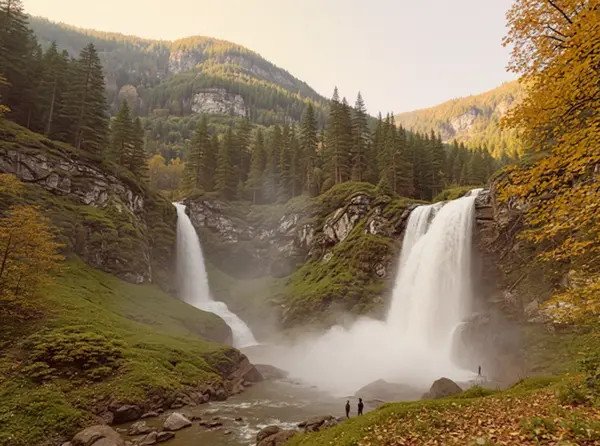
9. Krimml Waterfalls
Krimml
Austria's highest waterfall plunges over 380 meters in three thunderous tiers. Hike through spray-kissed trails and viewpoints for breath-taking photos.
Quick facts: Cascades tumble a total of 380 meters over three dramatic tiers, ranking among the tallest waterfalls in Europe. Roaring water can be heard from kilometers away during seasonal snowmelt, and peak flows reach tens of cubic meters per second, scattering a persistent mist through the valley.
Highlights: Early-morning sun slices through the mist to paint constant rainbows across the drop, while the air tastes cool and mineral-rich and sharpens every breath. A zigzag footpath leads past three lookout platforms where spray can soak your jacket and the waterfall's echo lingers for up to three seconds, a rhythmic pulse local guides often point out.
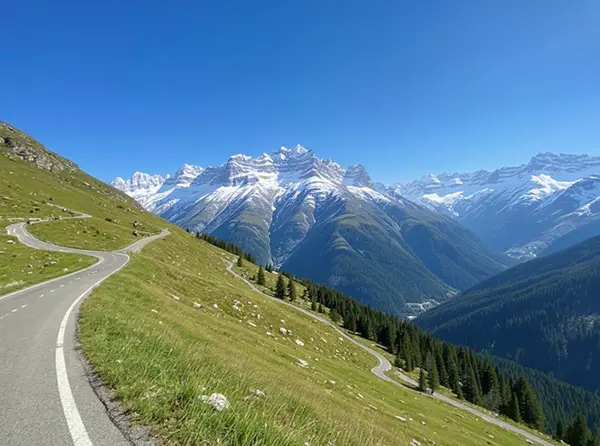
10. Grossglockner High Alpine Road
Grossglockner
Jaw-dropping alpine panoramas up to Austria's highest peak and the Pasterze glacier. Wind through hairpins, hop viewpoints, and hike short trails for close-up glacier views.
Quick facts: Snaking up alpine slopes, the road climbs to heights above 2,500 meters with dramatic hairpins and glacier-studded panoramas that can feel cinematic. Wildlife encounters are common, drivers often glimpse marmots and golden eagles while crossing dozens of bridges and several tunnels that showcase daring engineering.
Highlights: On the highest pass a brass plaque marks 2,504 meters, where gusting wind carries the sharp scent of crushed stone and distant ice gleams on shimmering glaciers. Drivers have a quirky habit of chalking names onto an old wooden kilometer post near the upper tunnel, you can still read hand-scrawled signatures dating back to 1955.
Where to Stay in Austria
Selected by City Buddy based on guest reviews and proximity to top attractions
Search all hotels in AustriaPowered by agoda
Traditional Sweet Dishes
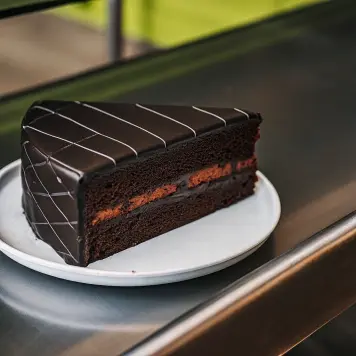
Sachertorte
Created in 1832 by Franz Sacher for Prince Metternich, this dense chocolate cake with apricot jam and a glossy chocolate icing became a symbol of Viennese patisserie and a source of bakery rivalry.
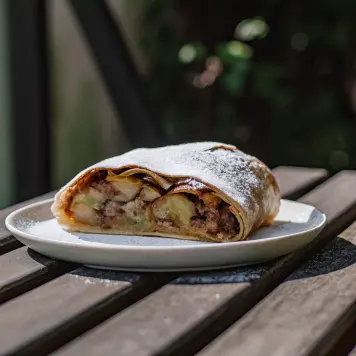
Apfelstrudel
Made with paper-thin strudel dough wrapped around tart apples, raisins, and cinnamon, it reflects the Austro-Hungarian culinary exchange and remains a staple in cafés and homes.
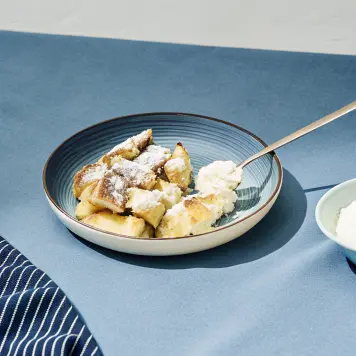
Kaiserschmarrn
A fluffy shredded pancake named for Emperor Franz Joseph, it is usually caramelized, torn into pieces, and served with plum compote or fruit preserves.
Traditional Savory Dishes
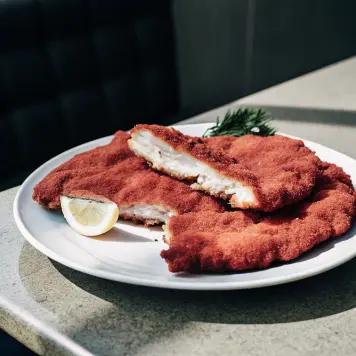
Wiener Schnitzel
A thin, breaded and pan-fried veal cutlet, Wiener Schnitzel is so emblematic that by tradition it must be made from veal, otherwise it is called Schnitzel 'Wiener Art'.
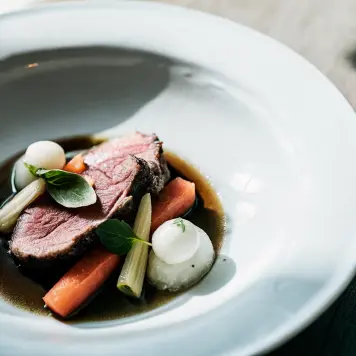
Tafelspitz
A classic Viennese boiled beef dish once favored by Emperor Franz Joseph, it is simmered with root vegetables and served with horseradish and apple-cream accompaniments.
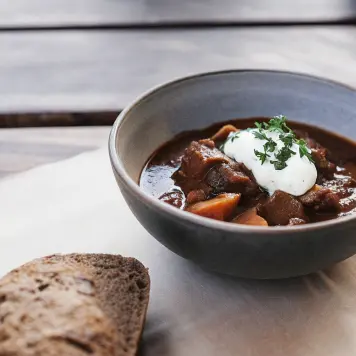
Austrian Gulasch
Adapted from Hungarian goulash, Austrian gulasch is a rich, paprika-spiced stew often thicker and served with bread or dumplings, reflecting Central European comfort food traditions.
Traditional Beverages

Almdudler
Invented in the 1950s, Almdudler is a sweet herbal soda made from alpine herbs, and it has become a national soft drink often enjoyed as an alternative to beer or wine.
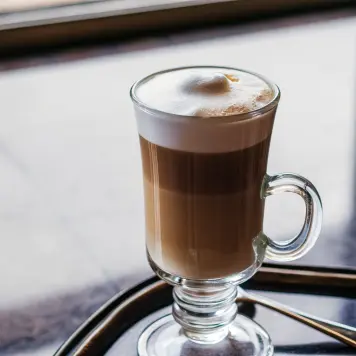
Wiener Melange
The Viennese Melange is a coffee-house classic similar to a cappuccino, consisting of espresso and steamed milk topped with a small foam, and it is central to Vienna's coffee culture.
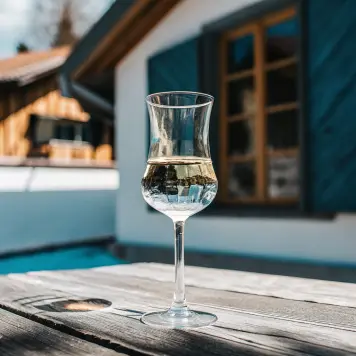
Obstler (fruit schnapps)
Obstler is a strong, clear fruit brandy distilled from apples, pears, or plums, traditionally homemade and served as a digestif after meals or during celebrations.
Frequently Asked Questions about Austria
What is the best time to visit Austria?
Is Austria expensive to live in for travelers?
How is public transportation in Austria?
Is tap water safe to drink in Austria?
How many tourists visit Austria each year?
Get a PDF with the most popular attractions sent to your email
Get a PDF with all attractions, ratings, and tips. Perfect for offline use.
Most popular day trips
Salzburg
Baroque city, Mozart birthplace, fortress and Mirabell Gardens.
Wachau Valley (Dürnstein)
Scenic Danube valley, vineyards, medieval Dürnstein village.
Graz
UNESCO old town, lively squares, modern art and cuisine.
Innsbruck
Alpine capital, imperial architecture, winter sports.
Rent a car in Austria
Getting there
Airports
Train stations
Domestic and international connections to Salzburg, Graz, Budapest, Prague, Munich
Regional and international connections to Vienna, Munich
Alpine routes to Germany, Italy, Switzerland; domestic services
Use the City Airport Train or S-Bahn from Vienna Airport to city center; book long-distance trains in advance.
Click to get eSim for Austria
The easiest and most affordable way to get mobile internet wherever you travel.
Visa & entry
EU/EEA, United States, Canada, United Kingdom, Australia, New Zealand, Japan, South Korea, Switzerland, Norway, Israel
China, India, Russia, Nigeria, Pakistan, Bangladesh, many African countries without EU visa-free agreements
Schengen allows 90 days in any 180-day period; carry passport and travel insurance.
Comments (9)
Vienna's coffee culture is rich and lively, perfect for slow afternoons. Expect crowds around famous cafes.
Three days was enough for me in Salzburg. It's charming but felt a bit touristy with long lines everywhere.
Food was a highlight, especially schnitzel and apple strudel. Prices are a bit steep though, so budget wisely.
Hit a museum on a free entry day I found online, saved a ton. Check the city’s cultural calendar before going.
Loved the cozy vibe in the mountains, but winter's chill caught me off guard. Pack layers! Stayed 5 days and felt just right.