 CityBuddy
 English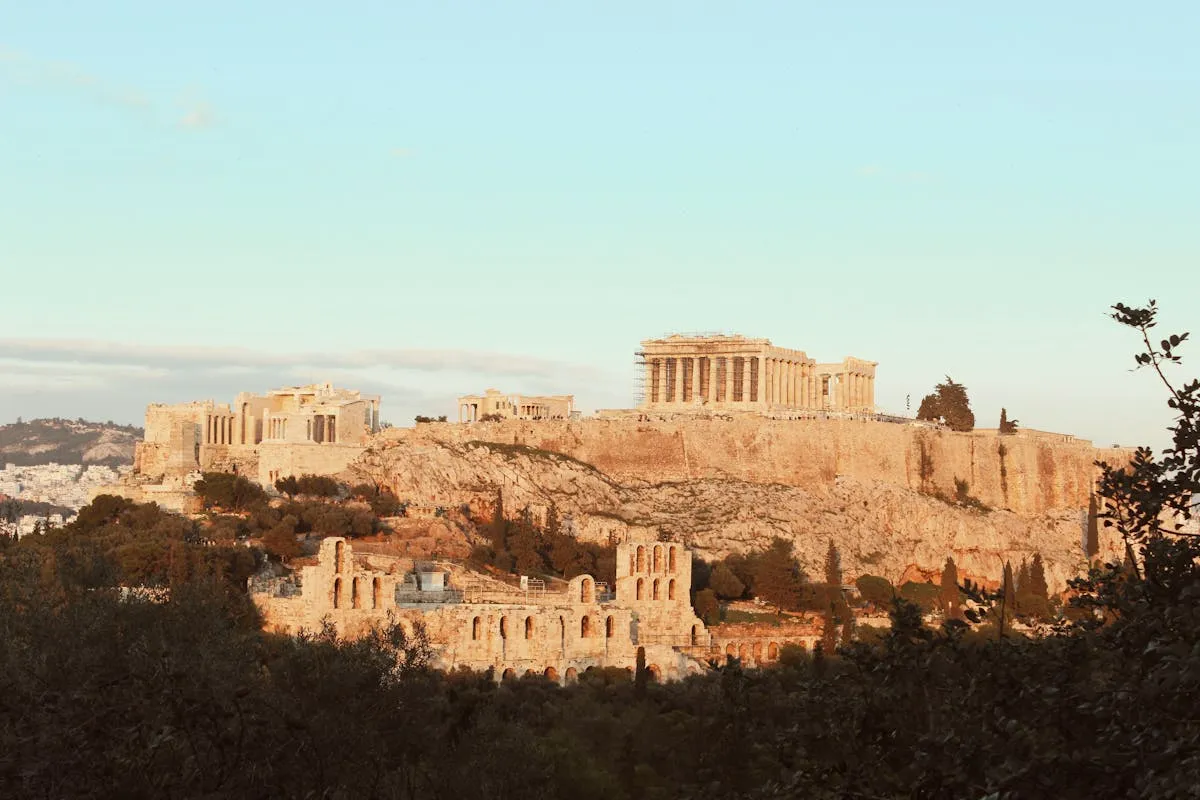
Things to Do in Athens, Greece
Photo made by Mohammed Zar on Pexels.com
When to visit
Plan your perfect trip to Athens, Greece
Get a complete travel plan built just for you in under 30 seconds, with daily routes, local food tips, budget estimates and more.
Are any of these especially important to you?
Select all that apply
Plan language: EnglishMost popular attractions in Athens, Greece
Top attractions in Athens, Greece include visiting the Acropolis of Athens, where the Parthenon towers 150 meters above the city. Just 280 meters away is the Acropolis Museum, home to ancient artifacts. Explore the Ancient Agora of Athens, a marketplace dating back 2,500 years, and walk the narrow streets of the Plaka neighborhood for genuine local atmosphere.
1. Acropolis of Athens (Parthenon)
Parthenon
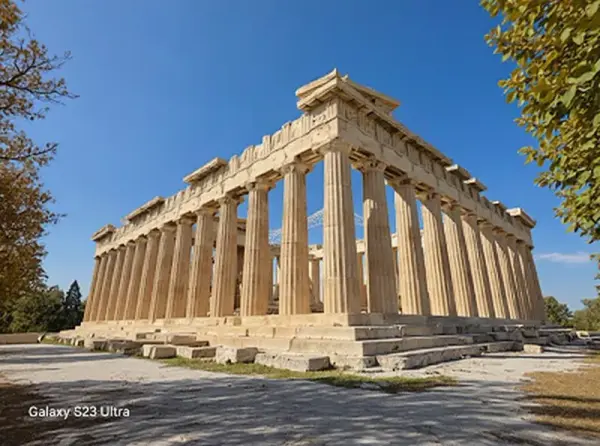
Ancient power and marble craftsmanship combined in one skyline-defining landmark. Stroll among Doric columns, enjoy panoramic city views, and discover layers of Greek history.
Quick facts: Climb the warm marble steps under the sun and notice carefully designed optical adjustments and a slight curve that make the façade appear perfectly straight from below. Many of the most exquisite sculpted panels are actually spread across museums, so finding chisel marks and remnants of original paint up close feels like discovering a hidden dialogue between ancient craftsmen.
Highlights: Look upward and you will see eight columns at the front and 17 along each side. The clever detail lies in the optical refinements: each column slightly bulges and leans inward by a few centimeters, making them look perfectly straight from the ground. In 1687, a Venetian mortar hit the stored gunpowder inside, blasting out part of the inner chamber and sending fragments of gilded ivory and bronze into the sky. A close look reveals faint scorch marks and pockmarks on the marble.

2. Acropolis Museum
A modern museum designed for the Parthenon sculptures, offering direct views of the Acropolis. Walk among authentic marble friezes, examine archaeological finds closely, and take in the rooftop panorama.
Quick facts: Glass walkways showcase the archaeological remains beneath the building, letting you gaze down at ancient streets and foundations while you move between galleries. A sky-lit, life-sized gallery places the Parthenon sculptures in their original spots and proportions, allowing you to experience the frieze and metopes as if walking around the temple itself.
Highlights: Step onto the ground-floor glass and look down a few meters into a real excavation site where ancient streets, pottery fragments and animal bones lie layered like a time sandwich, the sunlight causing orange-brown ceramics to shine beneath your feet. Upstairs, mid-5th century BC Parthenon sculptures stand with chisel marks and tool scratches still visible, their marble shifting from warm cream to steely gray as you move, arranged so your gaze can follow the original frieze in one smooth line.
3. Ancient Agora of Athens
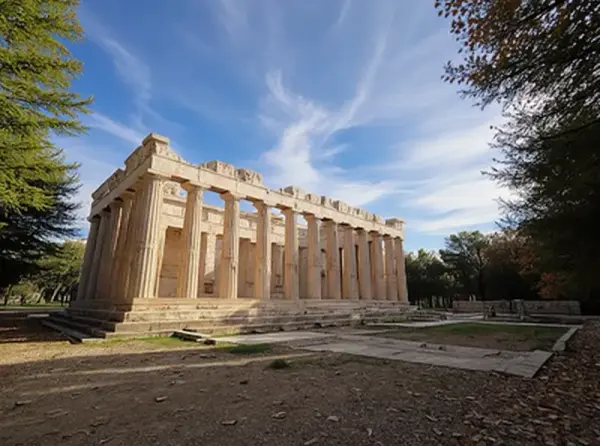
Walk where Athenian democracy flourished among marble columns and open-air ruins. Explore the Hephaisteion, ancient shops, and a small onsite museum.
Quick facts: Stroll among sunlit ruins where marble columns and olive trees frame the open spaces that once hosted lively debates and market chatter. Archaeologists have uncovered small coins, pottery shards and inscriptions that turn abstract history into raw, human details you can almost grasp.
Highlights: Walk among the pale marble columns of the restored Stoa of Attalos, rebuilt between 1953 and 1956 with funds from John D. Rockefeller Jr., and you can almost hear merchant voices echoing across the sunlit stones. Stand where the Stone of the Twelve Gods once marked the city's zero point, a tiny altar from which ancient Athenians measured distances. You can trace faint votive inscriptions that feel like whispers from 2,500 years ago.
Have you heard of free walking tours?
After traveling to 30+ countries, there's one thing I wish someone had told me from day one, and it completely changed how I experience new cities.
Free walking tours. Yes, actually free. No credit card needed. No catch.
Local guide, 2-3 hours
Major sights, hidden gems, local stories
100% tip-based
Guides earn only tips, so they give their absolute best
You tip what feels right
At the end, just tip whatever you feel is right
I've done these in dozens of cities and they've been the highlight of almost every trip. If you're visiting Athens, Greece, do this on your first day. You'll thank me later.
4. Plaka neighborhood
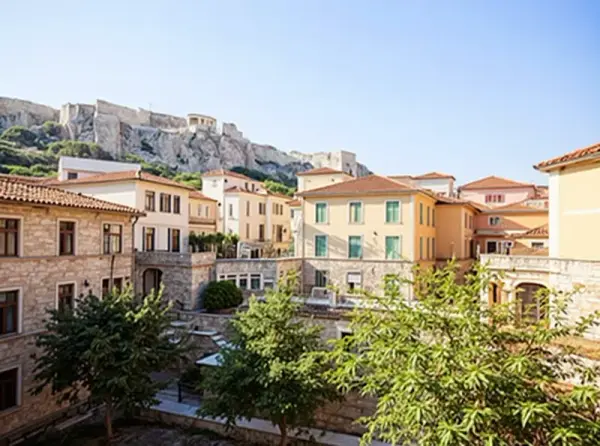
Historic neighborhood below the Acropolis featuring neoclassical homes and vibrant tavernas. Wander the cobbled streets, browse artisan shops, and enjoy rooftop views of the Parthenon.
Quick facts: Narrow, steep streets lined with cascading bougainvillea and tiny tavernas make wandering feel like stepping into a living postcard. Every corner hides an artisan shop or a secret courtyard. Visitors often hear lively music spilling from cafés while locals and travelers sample syrupy sweets and strong coffee. Ancient ruins unexpectedly peek out between neoclassical facades.
Highlights: Warm, maze-like cobblestone alleys host an elderly bouzouki player named Nikos Papadopoulos who for 18 summers has played the same three-hour dusk set. Neighbors slide plates of honeyed baklava and small glasses of raki onto the low stone wall as a thank-you. On Sundays, shopkeepers flip a coin to decide which of their twelve hand-painted worry dolls hangs above the doorway. By night, the air fills with wood smoke, jasmine and the metallic clink of copper trays as families haggle over roasted chestnuts.

5. Syntagma Square & Hellenic Parliament (Evzones)
Evzones
The grand civic center of Athens where modern life meets centuries of history. Watch the Evzones change the guard at the Tomb of the Unknown Soldier and take in views of Parliament and Lycabettus.
Quick facts: Crowds fall silent as white-clad guards perform a slow, statue-like march. The clack of tasseled shoes and the rustle of pleated skirts make the scene almost cinematic. You can catch an orderly guard change every hour and a longer, music-backed ceremony on Sundays that attracts photographers, families and curious students who watch every perfectly timed step.
Highlights: The ceremonial guards wear a fustanella with 400 pleats, each pleat representing a year of Ottoman rule. Their heavy red tsarouchia, studded with dozens of nails, produce a loud, rhythmic clack on the marble. At the hour, the changing unfolds like slow-motion choreography. Guards take precise, exaggerated steps and freeze in statuesque poses while locals buy warm sesame koulouri from nearby carts, the scent mingling with the metallic echo.
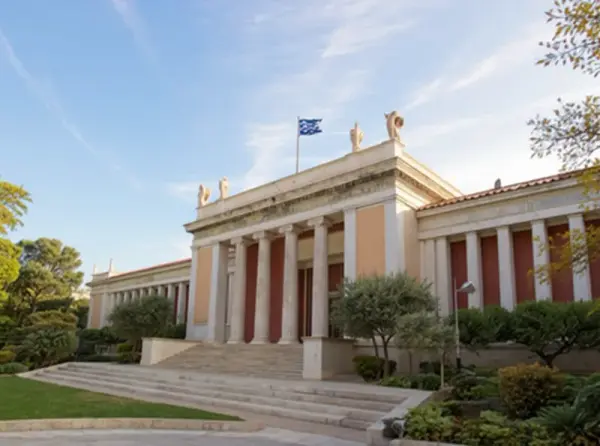
6. National Archaeological Museum of Athens
Home to Greece’s largest collection of ancient art. Stroll among monumental sculptures, golden treasures, and vivid frescoes.
Quick facts: Step inside and wander past towering kouroi and glittering gold jewelry, the dense displays making each gallery feel like a temple of objects. More than 11,000 artifacts are arranged to reward patient, curious eyes, from haunting funerary masks to tiny ivory carvings that reveal their detail only up close.
Highlights: Look into the dim display case where a 2,000-year-old mechanical device with at least 30 interlocking bronze gears gleams like a tiny celestial clock. This relic once predicted lunar and planetary cycles. Wander the marble halls among more than 11,000 objects, from Heinrich Schliemann's gilded 'Mask of Agamemnon' to battered bronze gods, and you'll hear quiet footsteps echo like a continuing conversation across centuries.
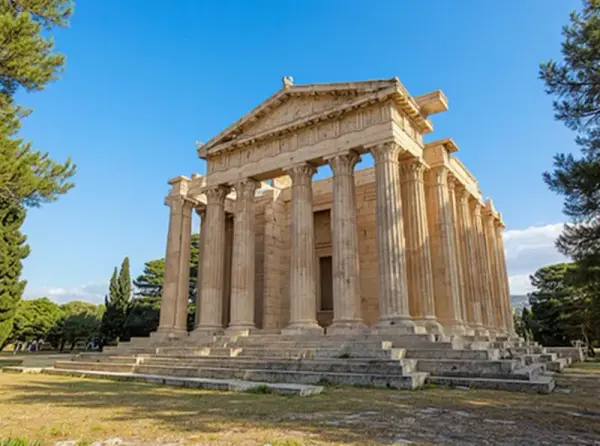
7. Temple of Olympian Zeus (Olympieion)
Olympieion
Massive classical columns and imperial history at Athens’ core, offering a rare glimpse of ancient ambition. Walk among towering Corinthian pillars with the Acropolis nearby.
Quick facts: Wandering among towering Corinthian columns, you feel the scale and hear hollow echoes underfoot hinting at ancient ceremonies and imperial grandeur. Remarkably, 104 columns once surrounded the site and soared some 17 meters high, but only about 15 remain standing, making the vast gaps feel unexpectedly dramatic.
Highlights: Originally, 104 Corinthian columns encircled the temple, each about 17 meters tall and 2 meters wide. Today, 15 of these fluted Pentelic marble pillars still stand, sunlight streaming between them so you can trace faint chisel marks in the stone. Local guides note that the Roman emperor Hadrian completed construction around 131 CE and installed a colossal statue. If you press your ear to a column, you can almost imagine festival drums and bronze clashing from over 1,800 years ago.
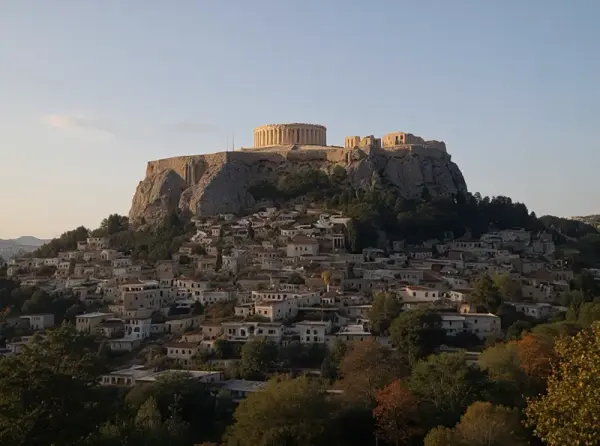
8. Mount Lycabettus (Lykavittos Hill)
Lykavittos Hill
Panoramic views of Athens and the Acropolis from a leafy hilltop. Walk or take the funicular to a chapel, café, and sunset viewpoint.
Quick facts: A pine-studded limestone peak rises above the surrounding neighborhoods, offering sweeping views from a sparkling harbor to ancient ruins and turning sunrise into a private spectacle. Visitors reach the summit via a short funicular or a brisk climb of winding steps. At the top, a tiny white chapel and an open-air café invite lingering as gulls circle overhead.
Highlights: At 277 meters, a small whitewashed chapel of Agios Georgios crowns the summit. Its bell rings into pine-scented air as golden-hour light transforms the city's rooftops to burnished copper. Local couples regularly climb the narrow, winding path for wedding photos. The open-air theatre carved into the hillside fills on summer nights, broadcasting music that seems to flow down the slopes.
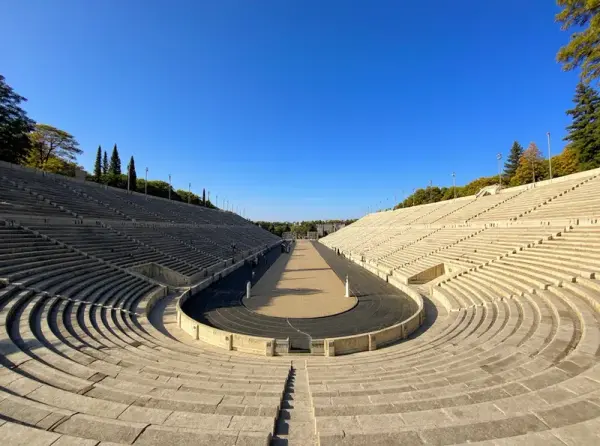
9. Panathenaic Stadium (Kallimarmaro)
Kallimarmaro
White-marble Olympic stadium with rare history and sweeping city views. Walk the restored track, sit in the ancient tiers, and stand where athletes finished.
Quick facts: Visitors feel the cool, gleaming marble underfoot as they circle a dramatic U-shaped arena where footsteps and voices echo lightly. A surprising fact: the marble stadium seats about 50,000 people and hosted the main events of the first modern Olympic Games in 1896.
Highlights: Imagine sitting on gleaming Pentelic marble tiers that form a single, all-marble bowl. The white stone catches the sun sharply, causing tiny glints and a crisp clack underfoot. The arena still holds about 50,000 people. On some visits, a quirky tradition remains: guides point out the exact 1896 finish line where Spiridon Louis burst into the crowd. You can stand on the same worn stone and feel the echo of that roar wrap around you.

10. Monastiraki Square & Flea Market
A lively crossroads of ruins, shops, and street life make Monastiraki a must-visit in Athens. Explore flea-market stalls, enjoy rooftop views of the Acropolis, and experience nonstop local energy.
Quick facts: Cobblestone alleys overflow with stalls selling everything from vinyl records to Byzantine icons. Lively haggling blends with the clink of espresso cups. Pieces of ancient columns peek out between souvenir shops, a surprising reminder that pedestrians pass ruins amid the market buzz.
Highlights: On Sunday mornings, over 300 stalls fill the cobbled streets, offering everything from a 1920s Bakelite radio to Ottoman coins and hand-painted worry beads that faintly smell of jasmine. Regulars follow a quirky bargaining ritual where they whisper a two-number code, usually ending in 5 or 0, and vendors respond with a quick nod before shouting prices in Greek while roasted chestnuts scent the air.
Where to Stay in Athens, Greece
Selected by City Buddy based on guest reviews and proximity to top attractions
Search all hotels in Athens, GreecePowered by agoda
Traditional Sweet Dishes
Baklava
Baklava from Athens layers paper-thin phyllo with chopped nuts and sweet syrup, creating a crunchy, sticky pastry that has been treasured across the Mediterranean for centuries.
Loukoumades
Loukoumades are bite-sized honey-soaked dough puffs that trace back to ancient Greece, and they were reportedly offered to Olympic victors as a sweet prize.
Kataifi
Kataifi wraps shredded phyllo around nuts to form a delicate, nest-like pastry, the result is a lacy, crunchy texture that stands apart from other sweets.
Traditional Savory Dishes
Moussaka
Moussaka stacks eggplant, spiced meat, and creamy béchamel into a savory bake, and its modern layered version blends Ottoman flavors with European techniques for a truly comforting dish.
Souvlaki
Souvlaki is skewered meat grilled over charcoal and sold at bustling street stalls, its history echoes ancient Greek feasts where small roasted meat pieces were a favorite.
Gyros
Gyros feature thin slices of meat cooked on a vertical rotisserie, inspired by Ottoman doner kebab, and they became a beloved fast-food staple across Athens after the mid-20th century.
Traditional Beverages
Ouzo
Ouzo is anise-flavored and famously turns milky white when mixed with water, it became the quintessential Greek aperitif for seaside tavernas and lively conversation.
Retsina
Retsina is a wine perfumed with pine resin, a practice that began when resin was used to seal ancient amphorae, and the resin gives the wine its bold, unmistakable character.
Tsipouro
Tsipouro is a grape pomace brandy traditionally distilled by villagers after the harvest, and it is often shared with meze during long nights of storytelling and company.
Frequently Asked Questions about Athens, Greece
When is the ideal time to travel to Athens, Greece?
Is visiting Athens, Greece costly?
Is Athens tap water safe to drink?
How reliable is public transport in Athens, Greece?
What is the annual tourist count in Athens, Greece?
Get a PDF with the most popular attractions sent to your email
Get a PDF with all attractions, ratings, and tips. Perfect for offline use.
Most popular day trips
Nafplio
Picturesque seaside town and Greece's first capital.
Hydra
Car-free island with stone mansions and coastal charm.
Cape Sounion
Temple of Poseidon on a cliff, great for sunsets.
Rent a car in Athens, Greece
Getting there
Airports
Train stations
Intercity (Athens–Thessaloniki), Regional, Proastiakos to Airport
Proastiakos suburban rail, ferry connections to the Saronic islands
From ATH take Metro Line 3 to Syntagma (~40 min) or X95 bus/taxi (30–60 min depending on traffic).
Find flights to Athens, Greece
Click to get eSim for Athens, Greece
The easiest and most affordable way to get mobile internet wherever you travel.
Useful information for Athens, Greece
Overview for Athens, Greece
Most popular itineraries for Athens, Greece
Browse trip plans created by other travelers
Comments (10)
Go to the Acropolis at opening or after 6pm to avoid heat and crowds, the light at sunset is worth staying up for.
Hot and sweaty in July, but rooftop bars and sunset views keep you going. Prices vary, some places felt touristy and overpriced.
Museum lines were longer than I expected, skip peak hours. Some exhibits were excellent, others felt rushed or tiny.
Never felt unsafe, but pickpocket warnings are real in crowded metro and Plaka. Keep valuables zipped, especially at festivals.
Three days was enough to see main sites, but I wanted more slow café time. Public transport felt easy once you learn the lines.