 CityBuddy
 English
Things to Do in Czechia
Photo made by Son Tung Tran on Pexels.com
When to visit
Plan your perfect trip to Czechia
Get a complete travel plan built just for you in under 30 seconds, with daily routes, local food tips, budget estimates and more.
Are any of these especially important to you?
Select all that apply
Plan language: EnglishMost popular attractions in Czechia
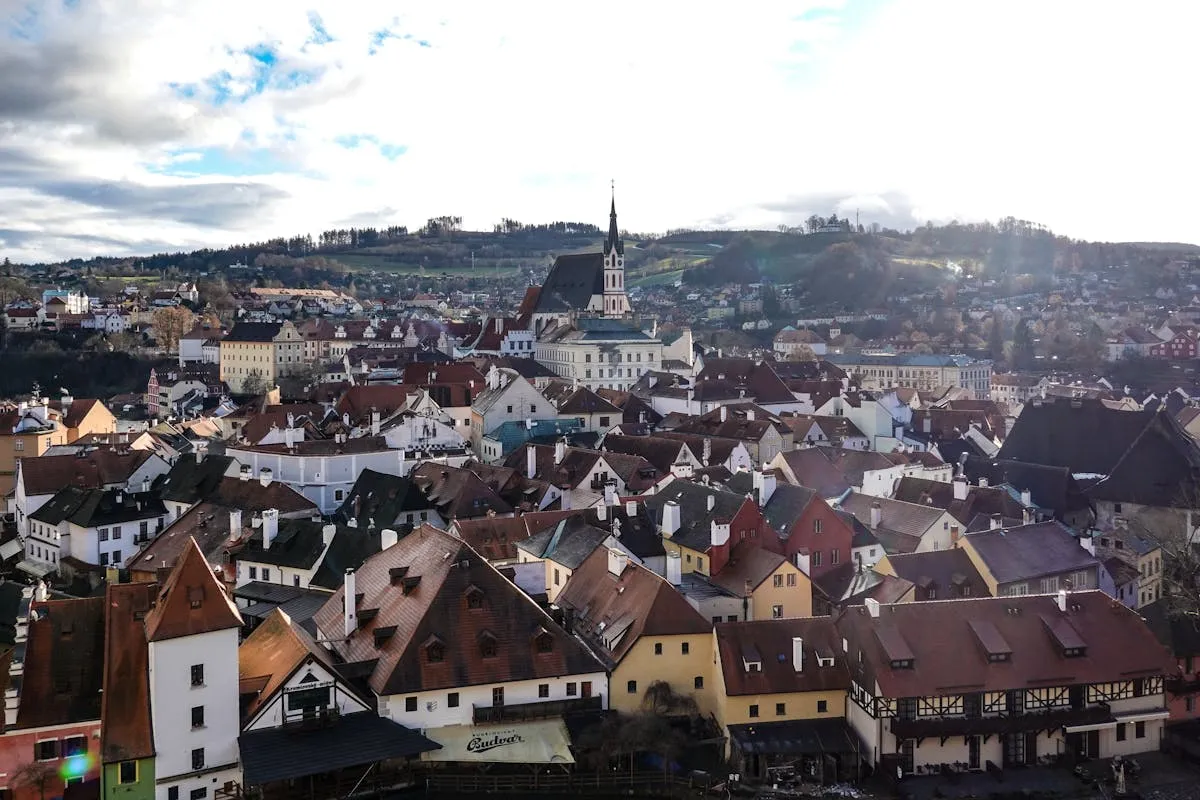
Among the top things to do in Czechia, explore Prague Castle, a historic complex overlooking the city. Walk across the Charles Bridge, a medieval stone bridge over the Vltava River. Visit the Old Town Square with the Astronomical Clock and discover the historic center of Český Krumlov, a UNESCO World Heritage site.
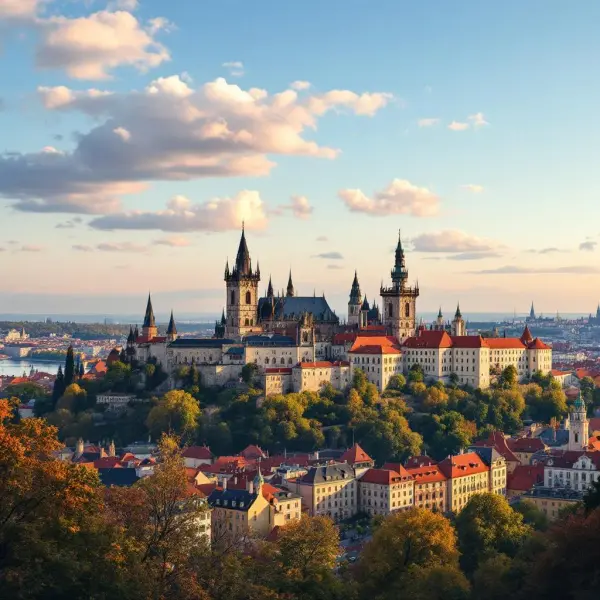
1. Prague Castle (Pražský hrad) - historic castle complex overlooking Prague
Epic hilltop views and centuries of spectacle. Wander courtyards, step into a soaring cathedral, and watch the noon guard change.
Quick facts: As you climb the hill, you encounter a maze of courtyards and churches, with stained glass windows and ancient stones that create an almost theatrical atmosphere. Halls filled with sacred art share space with gardens and viewpoints that change color at sunset, while the bells of the towers mark the visit.
Highlights: It is considered by Guinness as the largest ancient castle in the world, occupying almost 70,000 square meters. The Gothic towers and red roofs form a mosaic that shines in the sun and stretches to the horizon. In 1618, during the famous defenestration that helped trigger the Thirty Years' War, two governors were thrown out of a window and survived by falling onto a pile of manure. This dirty detail is told by local guides with a smile and still makes the stairs smell of history.
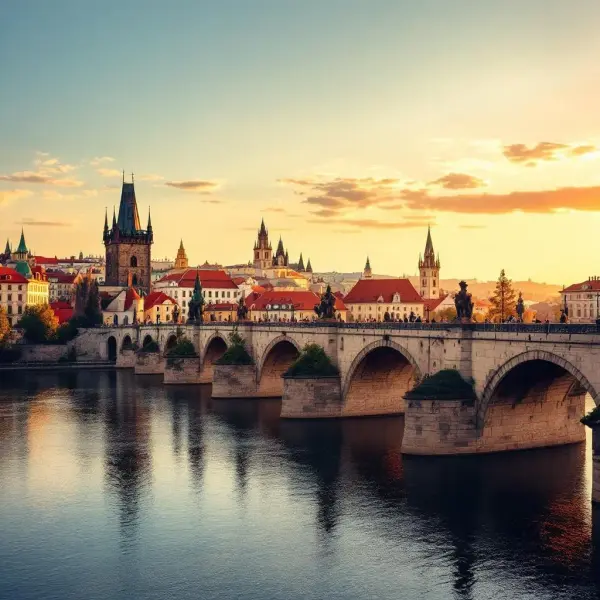
2. Charles Bridge (Karlův most) - iconic medieval stone bridge over the Vltava River in Prague
A living gallery of sculpture and skyline views worth a slow walk. Expect sunrise glow, polished bronze, buskers, and river reflections.
Quick facts: Underfoot, cobblestones creak as about 30 Baroque statues watch over visitors, creating amazing angles for photos at dawn. Often taken over by street musicians and artists, the crossing becomes magical in the early hours when the light bathes the sculptures and the city seems suspended.
Highlights: A curiosity: the cornerstone was laid on July 9, 1357, at 5:31 a.m. in a numerical sequence 1-3-5-7-9-7-5-3-1 that King Charles IV believed would bring protection. Touch the bronze plaque dedicated to Saint John of Nepomuk. You will feel the polished surface slightly warmed by thousands of hands over the centuries, and local tradition swears that whoever touches it will return one day.
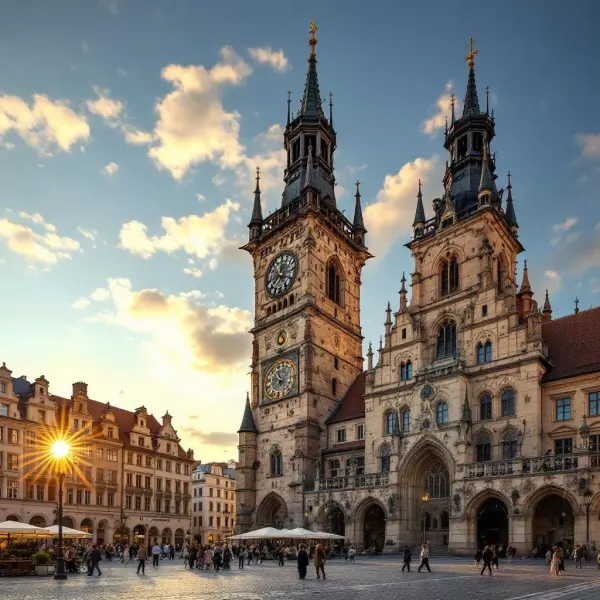
3. Old Town Square & Prague Astronomical Clock (Staroměstské náměstí & Orloj) - historic square with the famous clock
See living medieval clockwork in motion. Hourly carved figures, ringing bells, and lively street markets await.
Quick facts: Upon arrival, the square vibrates with bells and the buzz of visitors gathering for the hour when mechanical figures parade through the clock's window. From the top of the towers, the view reveals a mosaic of rooftops and Gothic churches, while the medieval mechanism calculates solar, zodiacal, and lunar positions with a precision that anchors the imagination.
Highlights: At the hour strike, twelve small wooden apostles parade through two little windows while the figure of Death pulls a rope. The metallic sound cuts through the buzz and seems to pull everyone closer to the dial. It is said that the clockmaker Hanuš was blinded in 1490 so no one would copy his work. To this day, polished bronze disks from the original 1410 mechanism show the phases of the moon and zodiac signs with precision.
Have you heard of free walking tours?
After traveling to 30+ countries, there's one thing I wish someone had told me from day one, and it completely changed how I experience new cities.
Free walking tours. Yes, actually free. No credit card needed. No catch.
Local guide, 2-3 hours
Major sights, hidden gems, local stories
100% tip-based
Guides earn only tips, so they give their absolute best
You tip what feels right
At the end, just tip whatever you feel is right
I've done these in dozens of cities and they've been the highlight of almost every trip. If you're visiting Czechia, do this on your first day. You'll thank me later.
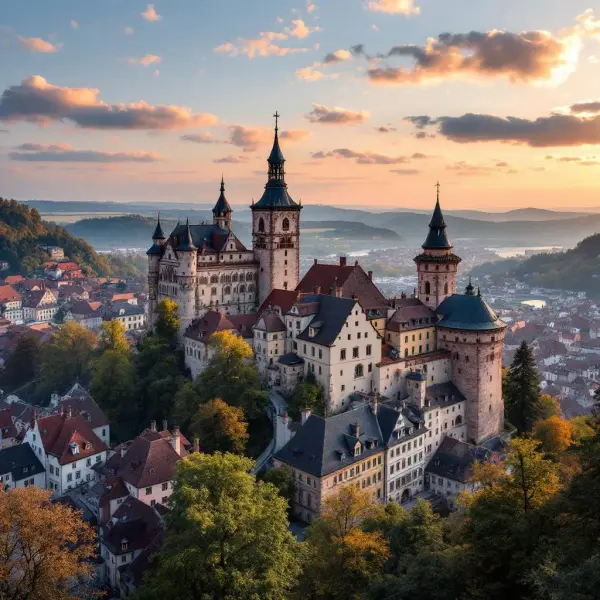
4. Český Krumlov Historic Center & Castle - UNESCO-listed medieval town and castle in South Bohemia
Fairytale town and soaring castle, worth a wander. Cobbled streets, riverside views and an authentic Baroque theatre.
Quick facts: Cobblestone streets wind through a maze of towers and courtyards, where painted windows and colorful facades seem to compose an open-air theater performance. The river that embraces the houses creates perfect natural viewpoints for photos, and the Baroque theater inside still surprises with mechanical sets used in historical performances.
Highlights: There is an 18th-century Baroque theater in the complex, with hand-painted sets, candlelight, and original scenic machinery. The smell of wax and old wood under the boards transforms each performance into a sensory journey. Every summer, in the last week of July, residents follow a procession of wooden masks through about 13 medieval alleys, and local legend says that the five bells atop the tower ring by themselves on foggy nights to announce luck.
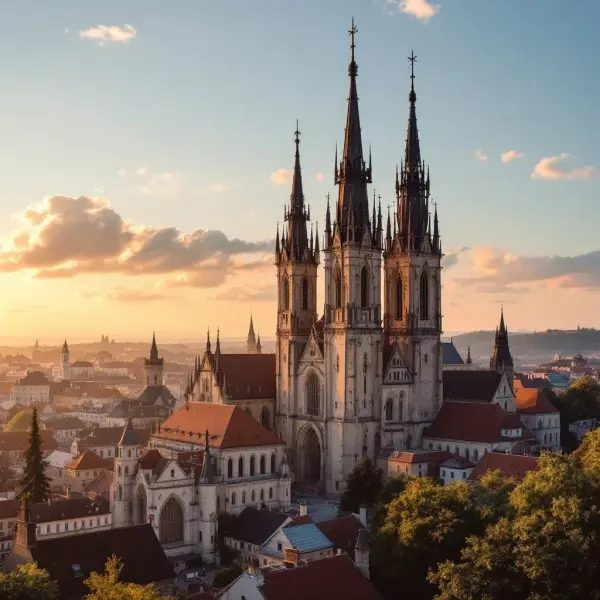
5. Kutná Hora – Sedlec Ossuary (Bone Church) & St. Barbara's Church - UNESCO sites near Prague
UNESCO sites near Prague
Unforgettable contrast: macabre artistry beside soaring Gothic beauty. Explore bone chandeliers and colorful miner frescoes up close.
Quick facts: Entering, one feels the impact of a chandelier made of human bones, an overwhelming arrangement gathering about 40,000 skeletons and turning the chapel into a macabre yet strangely beautiful experience. The stained glass and Gothic vault draw the eye upward, while frescoes with mining scenes tell how ore fueled local wealth.
Highlights: In a tiny chapel, a gigantic chandelier is made from human bones: it is estimated that about 40,000 people rest there, and the candlelight shining on the bones creates shadows that seem to dance over the skulls. In the Gothic church dedicated to the patron saint of miners, frescoes show mines, wooden carts, and extraction scenes. The construction, begun in 1388 and only completed in 1905, makes the vault ribs seem like sculpted echoes of the underground galleries.
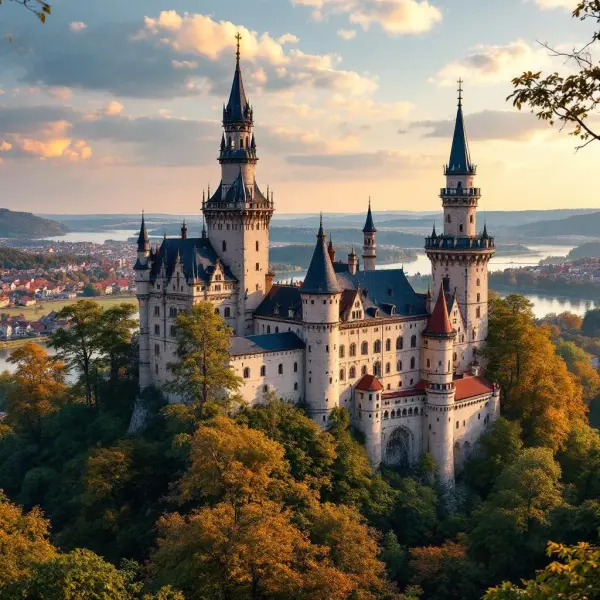
6. Karlštejn Castle - Gothic castle founded by Charles IV near Prague
Gothic castle founded by Charles IV near Prague
Epic hilltop castle guarding a jewel-filled royal chapel. Climb cobbles, feel the hush of the chapel, and soak sweeping valley views.
Quick facts: Climbing the steep trail to the gate, you smell damp stone and can easily imagine ancient guards patrolling narrow corridors, while light filtered through tiny windows casts dramatic shadows. Surprisingly, the royal treasure protected there included relics and documents of great political importance, which is why the architecture is so defensive and full of fortified areas.
Highlights: Founded by Charles IV in 1348 to guard the crown jewels and sacred relics, the castle hides in the Chapel of the Holy Cross 129 panels painted by Master Theodoric, with golden backgrounds and crystal inlays that shine intensely in candlelight. According to old reports, women were forbidden to enter the most sacred area, and local guides still tell the story in a low voice while pointing to the iron door and the 14th-century lock.
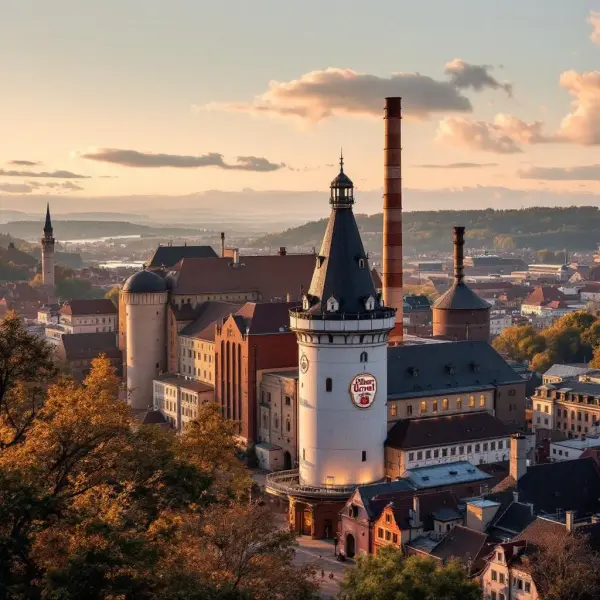
7. Pilsner Urquell Brewery (Plzeň) - historic brewery and beer-tasting tours in Plzeň
See where pale lager changed beer history. Descend into cool cellars, tour copper kettles, and taste beer straight from the barrel.
Quick facts: A deep aroma of malt and oak welcomes visitors in the cellars, where old gears and barrels reveal how the process affects every sip. Lively guides lead sensory tastings, and many are surprised to taste beer directly from barrels that still follow traditional techniques.
Highlights: Descending to the lager cellars founded in 1842, you are met by an intense aroma of roasted malt and wood, and can taste unfiltered beer directly from oak barrels, served fresh at around 7 degrees Celsius. Guides tell curious stories about how brewers measured quality by looking at bubbles and shine in lamplight, and you can still see the same manual techniques used more than 150 years ago.
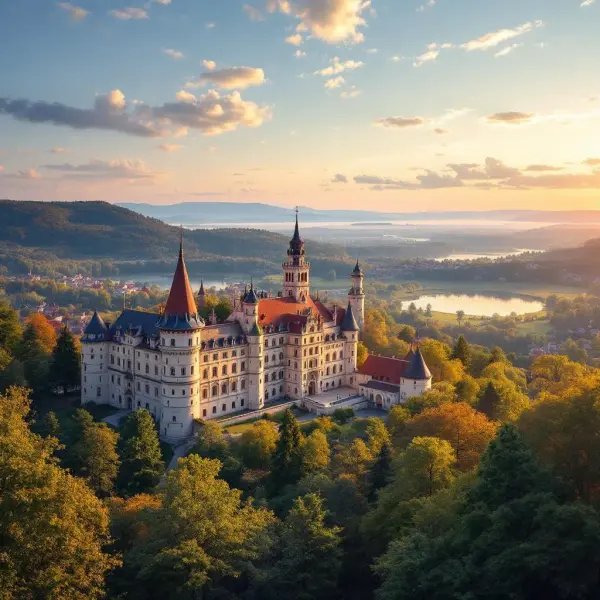
8. Lednice–Valtice Cultural Landscape (Lednice Castle & Valtice) - large chateau park complex, UNESCO-listed in South Moravia
UNESCO-listed in South Moravia
Romantic palaces and vast gardens invite slow exploration. Climb a 60 m minaret, row a serene lake, capture cinematic photos.
Quick facts: Walking down tree-lined avenues reveals scents of wet earth and flowers; the landscape looks like a living painting where pavilions and ruins appear like sets. Visitors find surprises at every turn: pavilions, viewpoints, and small buildings dot the park, creating architectural compositions that play with scale and perspective.
Highlights: Climb the 60-meter minaret for a 360-degree view of red roofs, aligned woods, and lakes that sparkle in the sun, the wind bringing scents of lindens and old wood. The Lichtenstein family spread eccentric pavilions and scenic ruins throughout the park, and there was a tradition of night parties on illuminated boats when the water reflected candles and laughter.
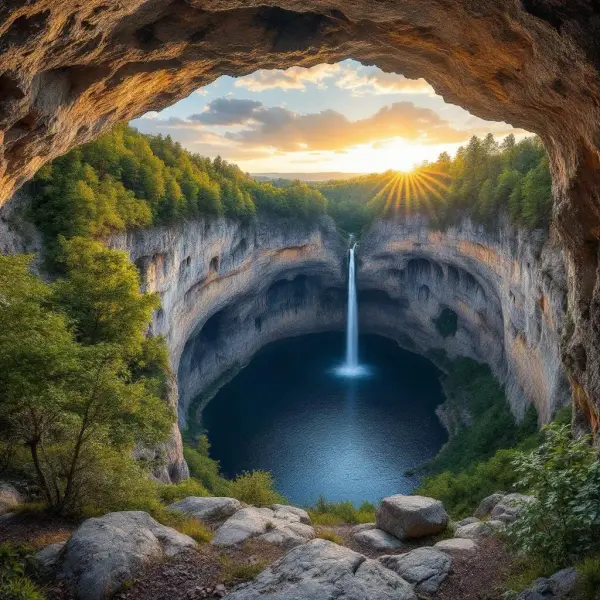
9. Moravian Karst & Macocha Abyss (Punkva Caves) - extensive cave system and deep sinkhole near Blansko
Spectacular underground landscapes worth the trip. Descend 138.5 m and glide on an underground river past dripping stalactites.
Quick facts: Exploring underground walkways and boat rides, you feel the damp air and see stalactites and stalagmites forming true limestone cathedrals. The abyss impresses with its depth, reaching about 138 meters at its deepest point, while underground rivers continue carving secret galleries.
Highlights: The region has over 1,100 caves and gorges, and one of the abysses resulted from the collapse of underground galleries: its vertical walls reach about 138.7 meters, with a dark lake at the bottom where drops echo like distant drums. On guided tours, you can descend to observation platforms and then navigate a subterranean river in small boats. Lights reveal halls where stalactites look like crystals, and the cold air brings a mineral smell so strong it forms clouds when you breathe deeply on the coldest mornings.
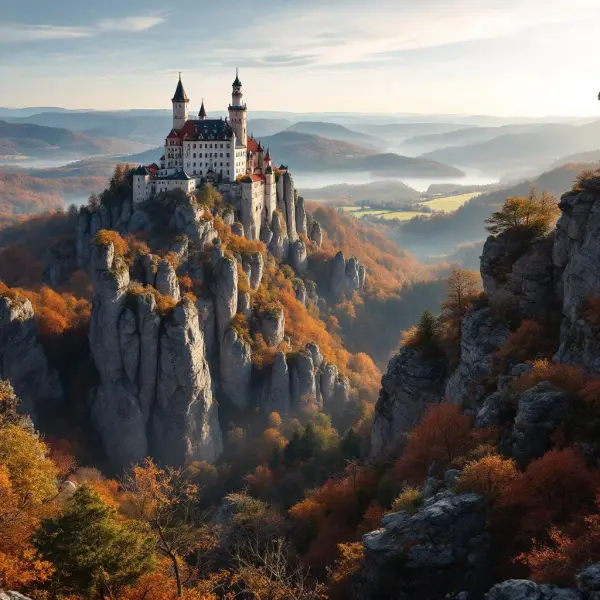
10. Bohemian Paradise (Český ráj) – rock formations, castles and hiking around Prachov Rocks and Hrubá Skála
Sandstone towers, fairy-tale cliffs and castle views make for a day full of discovery. Hike narrow gorges, climb viewpoints, and capture dramatic panoramas.
Quick facts: Sandstone towers sculpted by the wind form perfect labyrinths for climbing and trails, with viewpoints offering dizzying drops and cool shadows on foggy mornings. Castles perched on cliffs give the sensation of entering a fairy tale, while well-marked routes add up to dozens of kilometers for those wanting to explore multiple viewpoints and stone passages.
Highlights: Sandstone rocks reaching about 40 meters form labyrinths of pillars and passages where the wind whistles through cracks, creating a thin sound like a distant flute as you climb stone-carved stairs. Since the 19th century, hikers and locals place colorful ribbons and coins in crevices as a luck charm for the trail. This discreet tradition today paints stretches among pines with red and blue stripes and offers unexpected photos at every turn.
Where to Stay in Czechia
Selected by City Buddy based on guest reviews and proximity to top attractions
Search all hotels in CzechiaPowered by agoda
Popular Cities in Czechia
Traditional Sweet Dishes

Trdelník
Trdelník is a spit-roasted, sugar-coated pastry that crisps on the outside and stays soft inside, and its spiral shape makes it look like an edible chimney.
Medovník
Medovník is a layered honey cake whose flavor deepens after resting for a day, which is why many Czech families bake it ahead for holidays.

Koblihy
Koblihy are light yeast doughnuts traditionally filled with plum jam or rosehip preserves, and they are a beloved treat during carnival season before Lent.
Traditional Savory Dishes
Svíčková
Svíčková is braised beef in a silky root vegetable cream sauce, served with bread dumplings, a wedge of lemon, whipped cream, and cranberry jam for a pleasantly sweet and tangy contrast.
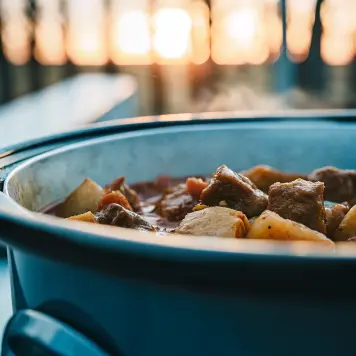
Goulash
Czech goulash is a thick, paprika-rich beef stew served with dumplings or bread, it began as a practical one-pot meal for workers and travelers and remains a national comfort food.

Knedlíky
Knedlíky are steamed bread or potato dumplings that are usually sliced with a length of string to keep them intact, and they act as the essential sauce mop for many Czech dishes.
Traditional Beverages
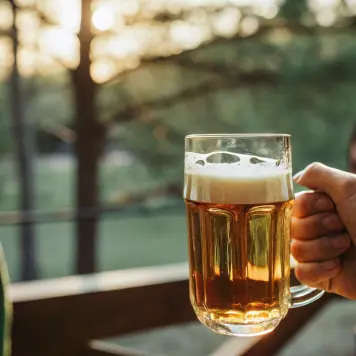
Pilsner beer
Pilsner was born in Plzeň in 1842 when brewers created the first clear, golden lager, and that single innovation launched the global pilsner beer style.

Becherovka
Becherovka is a secret recipe herbal liqueur from Karlovy Vary, originally marketed as a digestive aid, and its cinnamon and herb flavor is instantly recognizable in the Czech Republic.

Slivovice
Slivovice is a potent plum brandy often distilled at home from ripe plums, and its high alcohol content and fruity character make it a traditional celebratory drink.
Frequently Asked Questions about Czechia
What is the best time to visit the Czech Republic?
Is the Czech Republic an expensive country to live in?
How is public transportation in the Czech Republic?
Is tap water in the Czech Republic safe to drink?
How many tourists visit the Czech Republic each year?
Get a PDF with the most popular attractions sent to your email
Get a PDF with all attractions, ratings, and tips. Perfect for offline use.
Most popular day trips
Kutná Hora
UNESCO town with historic silver mines and Gothic St. Barbara's.
Český Krumlov
Picturesque medieval town and castle on the Vltava.
Karlovy Vary
Famous spa town with colonnades and thermal springs.
Getting there
Airports
Train stations
InterCity, EuroCity, domestic and international (Vienna, Berlin, Budapest)
Domestic (Prague, Ostrava) and international (Vienna, Bratislava)
From PRG take the Airport Express bus or bus+metro; buy a Lítačka/PID ticket.
Click to get eSim for Czechia
The easiest and most affordable way to get mobile internet wherever you travel.
Visa & entry
EU/EEA, UK, USA, Canada, Australia, Japan, South Korea, New Zealand, Israel
Many African and Asian countries (e.g., China, India, Russia, Belarus) typically need a visa.
Schengen short-stay visa: apply via Czech consulate; allow 15+ days for processing.
Comments (6)
Skip restaurants right on the Old Town Square, walk two blocks toward Josefov or Vinohrady and you'll find cheaper, tastier places with locals.
Expected more nightlife, bars close earlier than I thought and tourist traps near the Old Town are pricey. Still safe though.
Buy a 24 or 72 hour ticket in the PID app before you board, inspectors check often and single fares add up if you hop trams all day.
Loved the dumplings and goulash, cheap beer everywhere. Museums are pricier than expected, plan budget accordingly.
Felt like a fairy tale at first, cobbled streets and beer. Crowds get intense after midday, but evenings are magical.