 CityBuddy
 English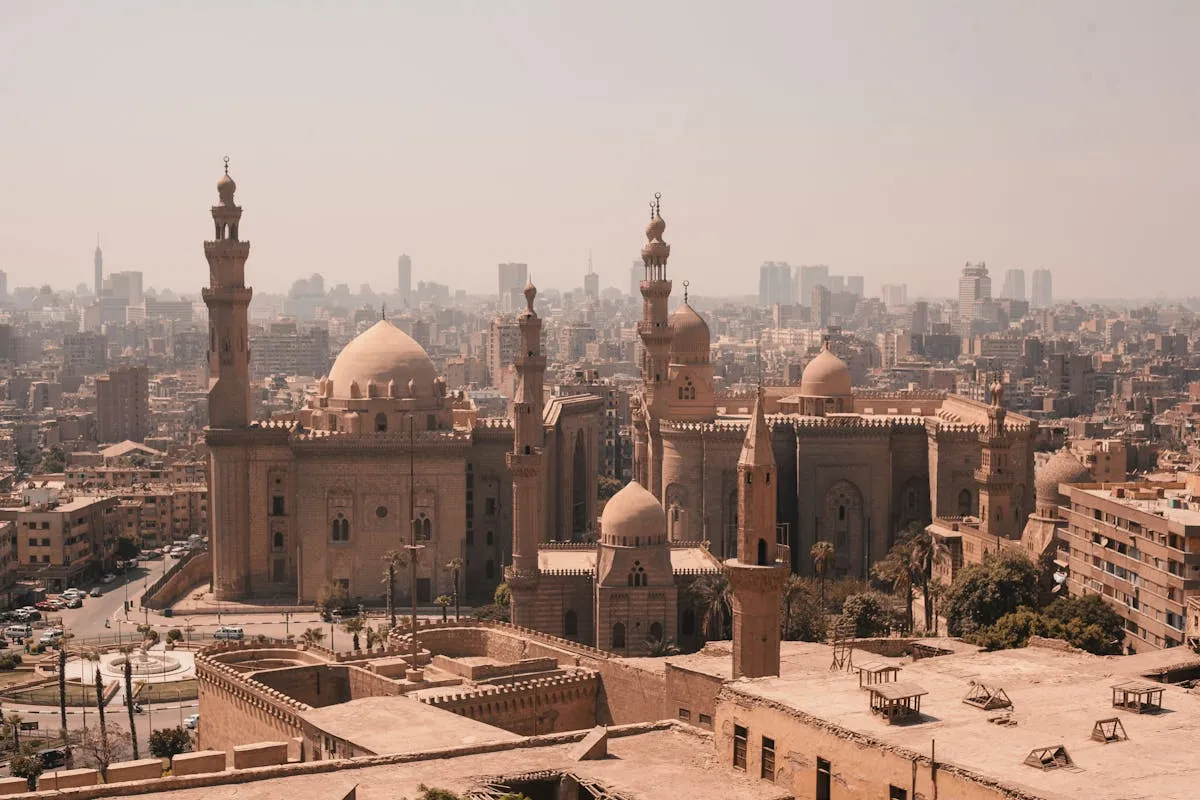
Things to Do in Cairo, Egypt
Photo made by Omar Elsharawy on Pexels.com
When to visit
Plan your perfect trip to Cairo, Egypt
Get a complete travel plan built just for you in under 30 seconds, with daily routes, local food tips, budget estimates and more.
Are any of these especially important to you?
Select all that apply
Plan language: EnglishMost popular attractions in Cairo, Egypt
Among the top things to do in Cairo, Egypt, exploring the Great Pyramid of Giza, the oldest of the Seven Wonders, is essential. Nearby, the Great Sphinx of Giza impresses with its massive limestone structure. Art enthusiasts will find the Grand Egyptian Museum, showcasing thousands of artifacts, a captivating visit.
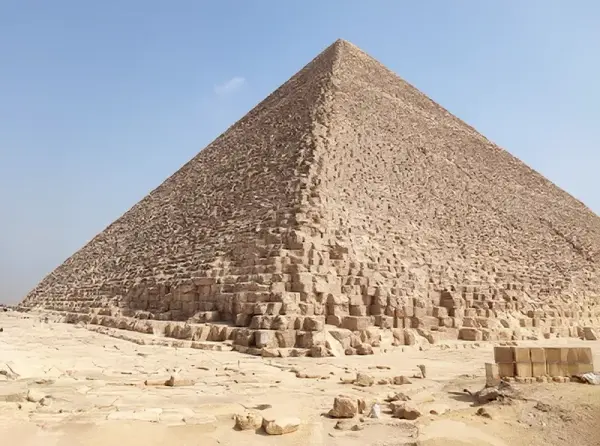
1. Great Pyramid of Giza (Pyramid of Khufu)
Pyramid of Khufu
Ancient engineering at colossal scale, the Great Pyramid reveals over 4,500 years of history. Walk the base, glimpse the burial chambers, and feel the monument's size up close.
Quick facts: Walking up to the steep, weathered sides, you can almost imagine the original smooth limestone surface flashing in the sun, a shimmer that would have made the whole structure glow. Experts estimate roughly 2.3 million limestone blocks were placed with such precision that the base is level within a few centimeters over more than 230 meters, a technical accomplishment that still puzzles modern engineers.
Highlights: Step into the central corridor and you feel the air cool against your skin, the stone smelling faintly of dust and cedar; the builders stacked roughly 2.3 million limestone blocks, some as heavy as 80 tonnes, to reach the original height of about 146.6 meters. A quirky 19th-century tradition has visitors tracing the soot-marked names left by explorers like Giovanni Battista Belzoni in 1818, a tangible link to the moment when the inner chambers were first reopened to the modern world.
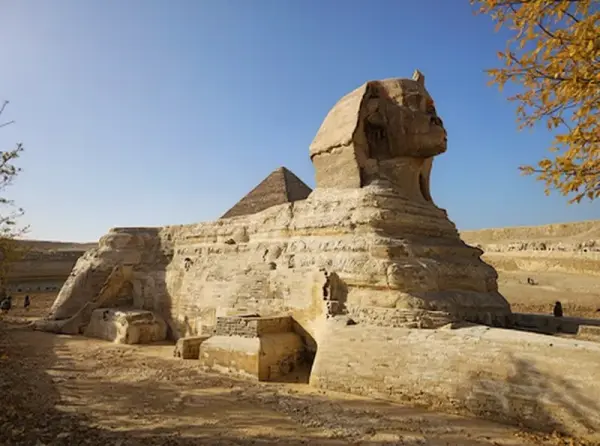
2. Great Sphinx of Giza
One of the oldest monumental sculptures, the Great Sphinx connects you to ancient Egypt. Walk beside its colossal limestone body and see the face framed by the pyramids.
Quick facts: A sun-baked limestone colossus squats beneath the open sky, its weathered visage and missing nose fueling more myths than any plaque can resolve. Archaeologists and curious travelers alike press close to study chisel marks and patched repairs, surprised by how much of the figure was carved from the living bedrock rather than assembled stone.
Highlights: In 1378 a Sufi named Muhammad Sa'im al-Dahr chiseled off the nose in protest against peasants leaving offerings, and chroniclers record he was executed for the vandalism. Get closer and you can see it was carved from a single limestone ridge about 73 meters long and 20 meters high, the weathered tool marks and different colored layers of stone giving the face an oddly small profile, which has led experts to suggest the head was recut from an earlier lion statue around 2500 BCE, roughly 4,500 years ago.
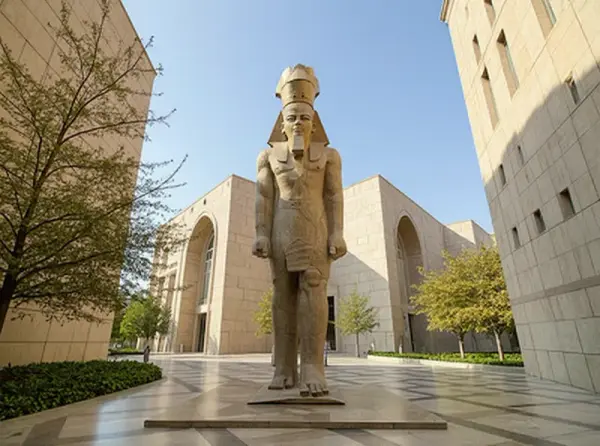
3. Grand Egyptian Museum (GEM)
GEM
Home to Egypt's largest collection and the complete Tutankhamun treasure. Walk wide galleries, study ornate funerary objects up close, and glimpse the Pyramids from the roof.
Quick facts: Walk into a vast glass atrium and you're greeted by thousands of artifacts, with an unprecedented concentration of objects from Tutankhamun's tomb arranged for intimate viewing. At night the complex glows amber under dramatic lighting, and public conservation labs let visitors watch restorers expertly clean and stabilize ancient treasures.
Highlights: Walk through cool, shadowed galleries where more than 100,000 artifacts are staged so close you can spot ancient chisel marks on limestone; the collection includes almost all of the roughly 5,000 objects recovered from Tutankhamun's tomb. Peek into a glass-front conservation lab where restorers, under bright magnifying lamps, delicately repair gilded wood and linen while the faint metallic scent of brass and old papyrus hangs in the air.
Have you heard of free walking tours?
After traveling to 30+ countries, there's one thing I wish someone had told me from day one, and it completely changed how I experience new cities.
Free walking tours. Yes, actually free. No credit card needed. No catch.
Local guide, 2-3 hours
Major sights, hidden gems, local stories
100% tip-based
Guides earn only tips, so they give their absolute best
You tip what feels right
At the end, just tip whatever you feel is right
I've done these in dozens of cities and they've been the highlight of almost every trip. If you're visiting Cairo, Egypt, do this on your first day. You'll thank me later.
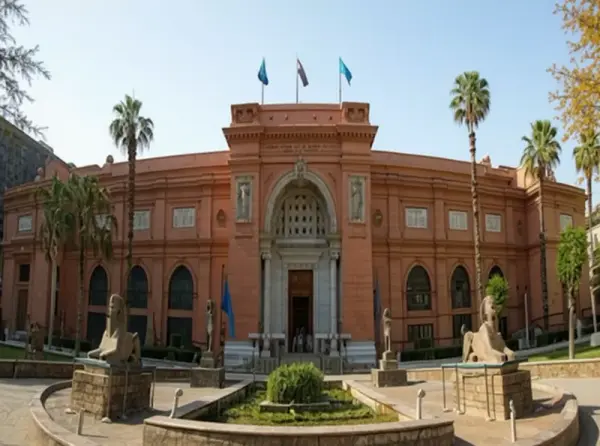
4. Egyptian Museum (Tahrir)
Tahrir
Stand face to face with pharaohs and priceless relics in Cairo's central museum. Wander marble halls full of golden coffins, statues and preserved mummies.
Quick facts: Dim galleries hold more than 120,000 artifacts, where gilded masks and towering stone statues make the air feel thick with stories. A famous gold funerary mask draws audible gasps, and tiny inlaid jewelry rewards patient, close-up inspection.
Highlights: Lean in: low, honey-colored lighting and a faint, dust-and-wood scent make the echoing galleries feel like a time machine, where roughly 120,000 artifacts are packed into rooms from tiny faience ushabti figurines to oversized stone reliefs. During the 2011 uprising, curators famously formed human chains around display cases and kept a handwritten conservation log by candlelight, details you can still sense in scuffed floors and sticky notes clinging to century-old cabinets.
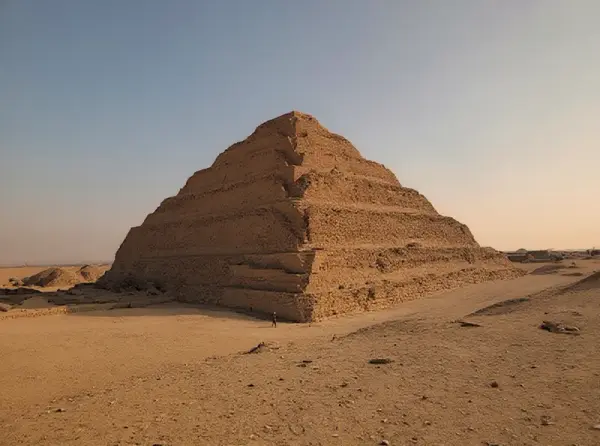
5. Saqqara (Step Pyramid of Djoser)
Step Pyramid of Djoser
Walk among the world’s earliest monumental stone structures at Saqqara. Explore Djoser’s Step Pyramid, subterranean chambers, and a vast royal necropolis.
Quick facts: Walking up to the stepped silhouette, you feel the scale: massive limestone blocks stacked like a giant’s staircase, warm desert light turning weathered edges a honeyed color. Hidden below, a maze of cool corridors and painted chambers holds carved reliefs and eerie silence, and recent restorations have surprisingly revealed traces of bright pigments and intricate decorations.
Highlights: Imagine a roughly 4,600-year-old stepped tomb with six staggered stone layers, where inside the cool limestone corridors your torch picks out tiny blue-green faience tiles that once shimmered like the Nile. Local guides still whisper about sealed clay jars and scarab-stamped sealings bearing the pharaoh's name, some of which give off a faint hint of myrrh or resin when a shaft is opened at dawn.
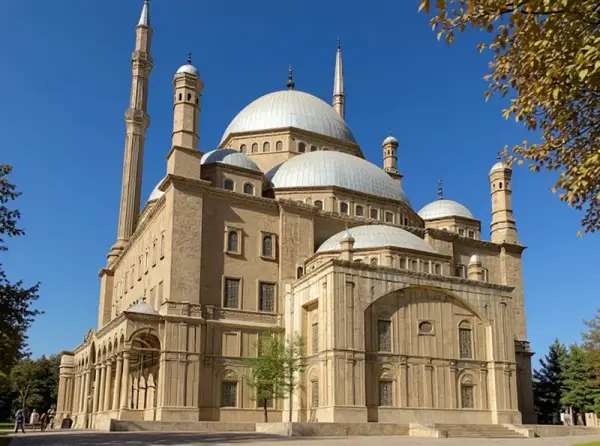
6. Citadel of Saladin (Muhammad Ali Mosque)
Muhammad Ali Mosque
Iconic Ottoman fortress offering sweeping views across Cairo. Marvel at the alabaster mosque, ornate interiors, and panoramic city and desert vistas.
Quick facts: From the hilltop terrace you can feel the weight of history and watch the city unfurl below as the mosque's burnished alabaster and chandeliers catch the golden hour light. Inside, a soaring Ottoman-style dome and slender minarets frame a space where echoes linger, and an oversized clock in the courtyard, a diplomatic gift from Europe, became the subject of local stories when it famously failed to keep perfect time.
Highlights: Climb the long stone stairway to the hilltop compound at sunset and watch the alabaster-clad domes switch from creamy white to warm pink, while the air fills with rosewater, grilled meat, and the distant murmur of the city below. Built between 1830 and 1848 under Muhammad Ali Pasha as a bold 19th-century statement, the site holds his ornate marble tomb beneath the central dome and two slender Ottoman minarets that pierce the sky.
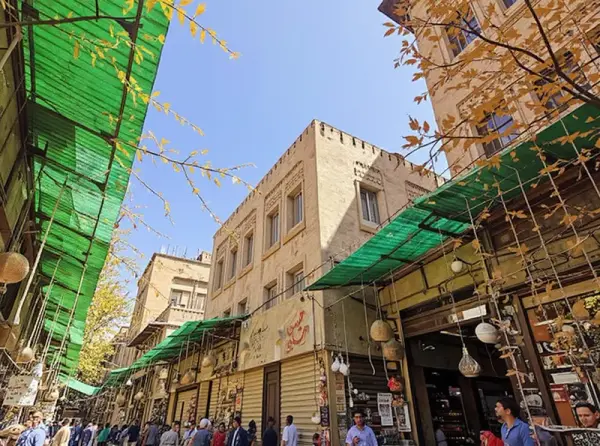
7. Khan el-Khalili Bazaar
A centuries-old market where craftsmen, spices and stories meet. Wander colorful alleys full of brass shops, spice stalls and lively cafés.
Quick facts: Wandering down maze-like lanes you'll encounter a riot of gleaming brass lamps, piles of fragrant spices, and artisans hammering silver amid a chorus of voices. Expect haggling to feel like a friendly ritual rather than a chore, with many stalls still run by the same families for generations and bargains often sealed over a cup of sweet tea.
Highlights: Wander down a narrow lane where a single brass workshop has hammered lanterns for over 120 years, the metal flashing gold under oil lamps while the air mixes dust, jasmine and the bitter bite of strong cardamom coffee. Locals still use a playful haggling ritual: a seller quotes a round number like 50 Egyptian pounds, pours you a tiny glass of hibiscus or mint tea, then lowers the price coin by coin as you sip, turning negotiation into a shared slow ceremony.
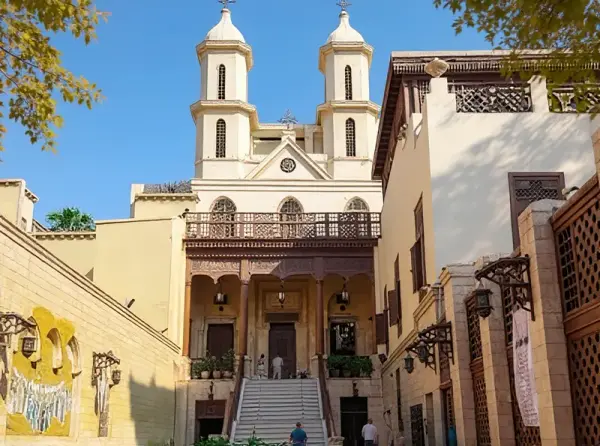
8. Hanging Church (Saint Virgin Mary's Coptic Orthodox Church)
Saint Virgin Mary's Coptic Orthodox Church
Ancient Coptic heart of Cairo, perched above a Roman gate. Explore gilded icons, carved wooden choir stalls and panoramic views from the upper gallery.
Quick facts: Step through the low doorway and you immediately sense the nave hanging above older rooms, with carved wooden screens and gilded icons warmed by candlelight. Visitors often linger before a revered icon of the Virgin, while reused Pharaonic columns and Coptic fresco fragments give the interior a layered, almost archaeological feel.
Highlights: Climb a narrow, worn staircase and you pop into a wooden basilica perched above an ancient fortress gate, the nave literally suspended so shafts of sunlight slash across gilded icons and centuries-old woodwork. Legend says one of the Virgin's icons was painted by Saint Luke, and the air always smells of warm beeswax and resin incense, making the gold leaf and carved screens glow under an amber light.
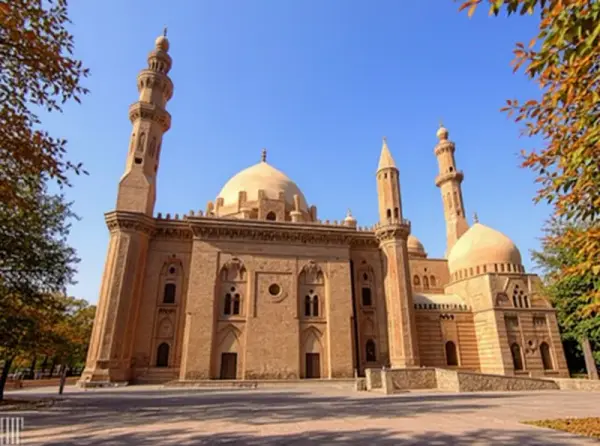
9. Mosque-Madrasa of Sultan Hassan
Monumental Mamluk architecture shows medieval Cairo's ambition. Walk beneath soaring iwans and ornate stonework in a hushed courtyard.
Quick facts: Step into a monumental courtyard where soaring stone portals and intricate muqarnas make every carved detail feel theatrical. Filtered sunlight paints jewel-toned patterns across marble floors, while the enormous iwans and hidden mausoleum spaces hint at ambitions beyond a typical religious complex.
Highlights: Walk into the colossal courtyard and the scale hits you: four towering iwans frame a shadowy marble mausoleum commissioned by Sultan an-Nasir Hasan in the mid-14th century (1356–1363), meant as a madrasa to teach the four Sunni legal schools. Stand beneath the monumental stone portal and the cool, dusty air carries a single voice so that a recited verse or a guide's clap blooms into a sustained echo across the hollow hall, a quirky acoustic local guides still demonstrate to show how sermons once filled the space.
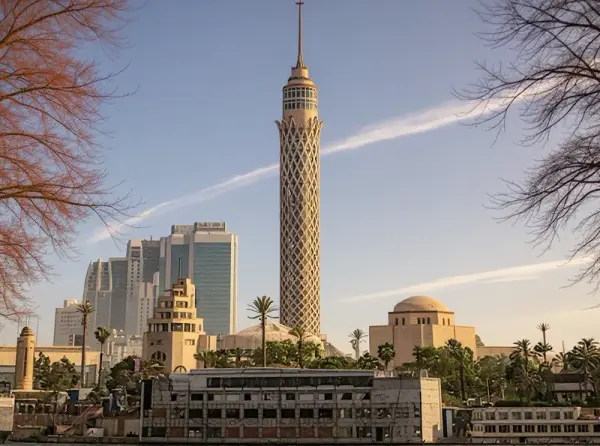
10. Cairo Tower
Panoramic landmark rising above the Nile, offering sweeping views of Cairo. Ride the elevator to the observation deck for 360° skyline shots and sunset views.
Quick facts: From the observation decks a warm river breeze carries the scent of nearby gardens while the structure's ribbed, latticed concrete casts intricate shadows like a stone column turned lace. At roughly 187 meters tall, a revolving restaurant near the top makes every meal feel like a slow citywide panorama, and quick elevators whisk visitors up to radio gear and sweeping views in minutes.
Highlights: Designed by Naoum Shebib and completed in 1961, the tower's fluted concrete lattice was modeled on a lotus, so sunlight pours through honeycomb openings and paints rippling, fish-scale shadows across the interior. Rising 187 meters, its revolving restaurant and observation deck let you sip mint tea while a silver ribbon of river unspools beneath you, with the horizon stretching about 49 kilometers on a clear night.
Where to Stay in Cairo, Egypt
Selected by City Buddy based on guest reviews and proximity to top attractions
Search all hotels in Cairo, EgyptPowered by agoda
Traditional Sweet Dishes
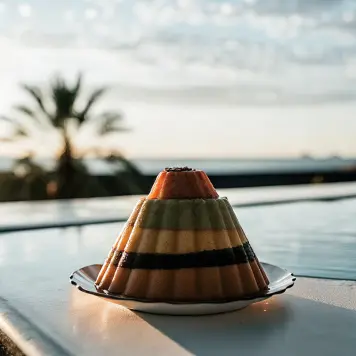
Basbousa
Basbousa is a semolina cake that soaks up fragrant syrup and is often crowned with a single almond, making it a symbol of hospitality at Egyptian gatherings.
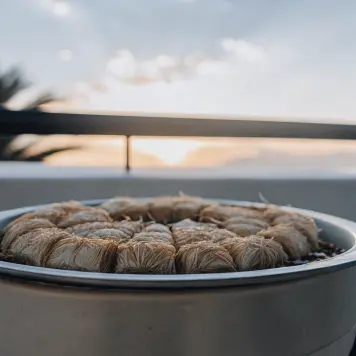
Konafa
Konafa wraps molten sweet cheese or cream in a crisp nest of shredded pastry, creating a dramatic contrast of textures that makes it a Ramadan favorite in Cairo.
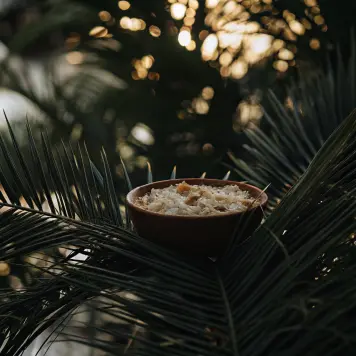
Umm Ali
Umm Ali is a warm, milky bread pudding made with flaky pastry and nuts, and its comforting richness turned a simple leftover dessert into a beloved Egyptian classic.
Traditional Savory Dishes
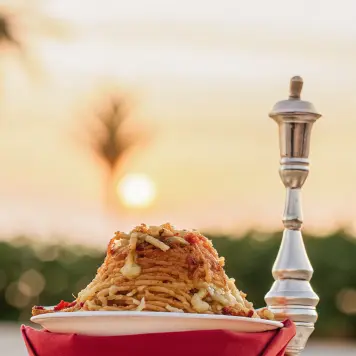
Koshari
Koshari stacks rice, lentils, and macaroni under spicy tomato sauce and crispy fried onions, it is a delicious mashup that became Cairo's everyday street-food emblem.
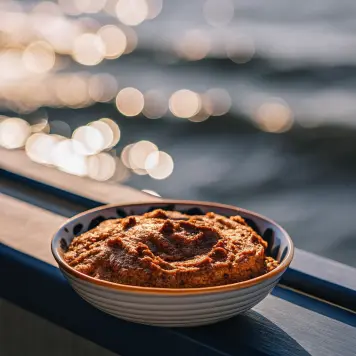
Ful Medames
Ful Medames is a humble fava bean stew seasoned with olive oil, lemon, and cumin, it has fueled Egyptians for centuries as a hearty breakfast and street-food staple.

Ta'amiya (Falafel)
Ta'amiya, Egypt's falafel, is traditionally made from fava beans rather than chickpeas, giving it a vivid green interior and a uniquely Egyptian flavor.
Traditional Beverages
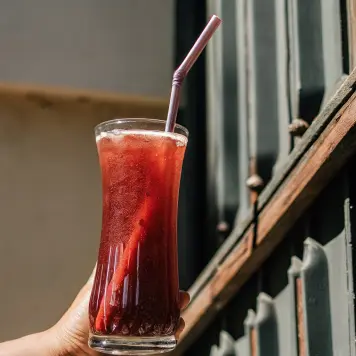
Karkade
Karkade is a tart, deep-crimson hibiscus drink often served cold in Cairo, it doubles as a festive refreshment and a natural source of vitamin C.

Sahlab
Sahlab is a creamy, fragrant milk pudding thickened with orchid flour or starch, topped with cinnamon and nuts to warm Cairo winters with floral sweetness.
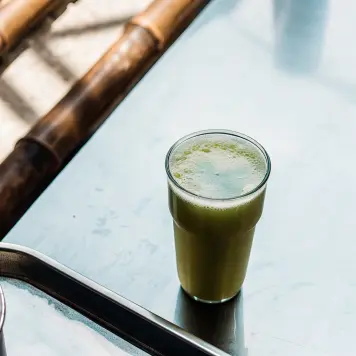
Sugarcane juice
Fresh sugarcane juice, pressed at Cairo street stalls, tastes like liquid sunshine and was prized by workers for quick, natural energy.
Frequently Asked Questions about Cairo, Egypt
When is the best time to visit Cairo, Egypt?
Is Cairo, Egypt expensive for travelers?
How safe is Cairo, Egypt for tourists?
How many days should I spend in Cairo, Egypt?
How to get around Cairo, Egypt?
Get a PDF with the most popular attractions sent to your email
Get a PDF with all attractions, ratings, and tips. Perfect for offline use.
Most popular day trips
Giza Plateau (Pyramids & Sphinx)
World-famous pyramids and the Great Sphinx near Cairo.
Fayoum (Wadi El Rayan & Lake Qarun)
Oases, waterfalls, and a scenic desert-lake landscape.
Alexandria
Mediterranean city with historic sites and corniche.
Getting there
Train stations
Main lines to Alexandria, Delta and Upper Egypt
Local and regional services; access to Giza area
Use CAI airport shuttle/taxis or Uber; Ramses Station links to the metro and city center.
Find flights to Cairo, Egypt
Click to get eSim for Cairo, Egypt
The easiest and most affordable way to get mobile internet wherever you travel.
Comments (8)
Pyramids at Giza at sunrise are actually worth the hype, smaller museums felt meh but the main sites hit hard.
Crazy vibrant city, food is unreal if you like bold spices. Expect noise and honking, but the energy kept us awake and exploring.
Start major museums right when they open, afternoons get packed. Also bring cash, some tickets lines/terminals glitch and there are cheap late-entry slots.
Crowds were intense at major spots, but wandering side streets gave real glimpses of daily life. Not a polished tourist city, and I loved that.
Use the metro for long runs, but for short hops use Careem or Uber. Avoid white cabs that refuse meters, always agree price or insist on meter.