 CityBuddy
 English
Things to Do in Trier, Germany
Photo made by Rodolfo Gaion on Pexels.com
When to visit
Plan your perfect trip to Trier, Germany
Get a complete travel plan built just for you in under 30 seconds, with daily routes, local food tips, budget estimates and more.
Are any of these especially important to you?
Select all that apply
Plan language: EnglishMost popular attractions in Trier, Germany
Things to do in Trier, Germany include exploring the ancient Porta Nigra, a massive Roman city gate dating back to 180 AD. Visit Trier Cathedral, with its stunning Romanesque architecture and priceless art. Don't miss the nearby Church of Our Lady, known for its Gothic beauty and historical significance.
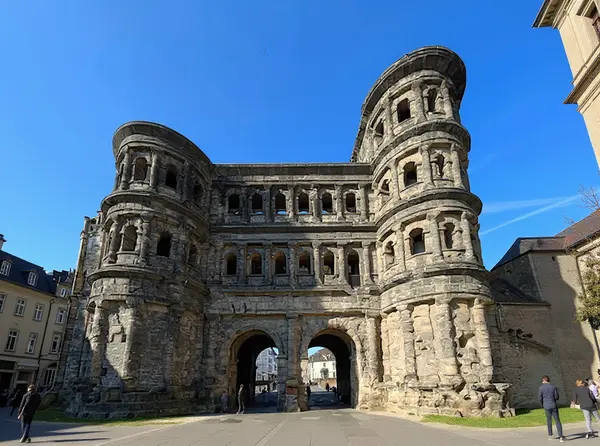
1. Porta Nigra
Spectacular Roman gate that shows Trier's imperial past. Walk through towering arches, climb the upper levels, and view the city from ancient stone ramparts.
Quick facts: You can spot enormous blocks of grey sandstone forming the largest Roman city gate north of the Alps, the structure rising to roughly 30 meters. Inside one tower, a hermit named Simeon lived and was later buried there, a burial that transformed the place into a pilgrimage church for about 800 years.
Highlights: Climb narrow stone ramps and feel the ridged sandstone underfoot, the original Roman masonry still held by iron clamps that you can trace with your fingers. In a surprising medieval twist, a hermit named Simeon was buried inside one chamber and his tomb kept the gate a place of worship for about 800 years, leaving layers of graffiti and devotional marks visitors can still spot today.
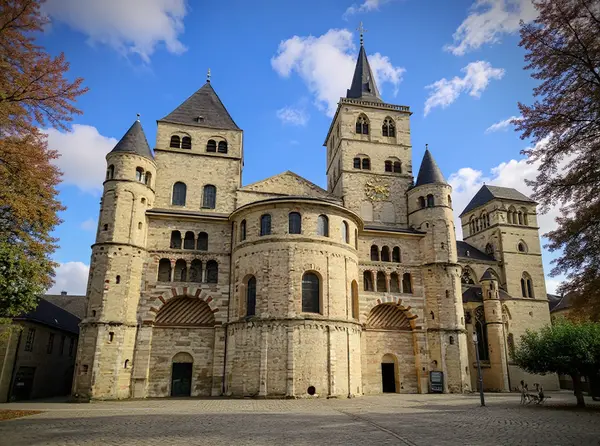
2. Trier Cathedral
Germany's oldest cathedral, layered with Roman, medieval and baroque history. Explore the soaring nave, the Imperial Treasury, and the relic of the Holy Tunic.
Quick facts: Look up to see a jumble of styles where heavy Romanesque pillars meet airy Gothic vaults, a patchwork that reflects centuries of changes. A famous relic, the Holy Robe, draws pilgrims and curious visitors to the treasury and chapel.
Highlights: Sneak into the small northern chapel and you'll find the Holy Robe kept under low light, the fabric's faintly ribbed weave visible behind protective glass. A single lantern illuminates the robe during rare showings, and many visitors say the hush and cool air make the stitch details look almost luminous.
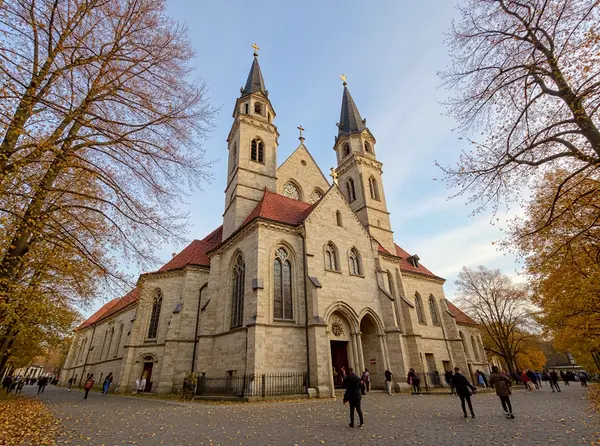
3. Church of Our Lady (Liebfrauenkirche)
Liebfrauenkirche
A landmark medieval church blending Romanesque solidity with Gothic height. Walk under vaulted stone, study centuries-old sculptures, and find quiet cloister gardens.
Quick facts: One of the earliest Gothic churches north of the Alps, the building blends Romanesque heft with soaring Gothic vaults so sunlight pours through tracery and colors the interior. An integral part of a UNESCO World Heritage ensemble with nearby Roman monuments, you can sense over a thousand years of layered history when footsteps echo across carved capitals and worn flagstones.
Highlights: Step inside and late-afternoon sun around 3 pm pours through the tall traceried windows, bathing carved capitals and cool flagstones in warm gold and deep blue. Local guides often point out a shallow groove on a north pillar where townspeople have smoothed the stone with offerings for more than 200 years, you can feel the polished patch under your fingertips.
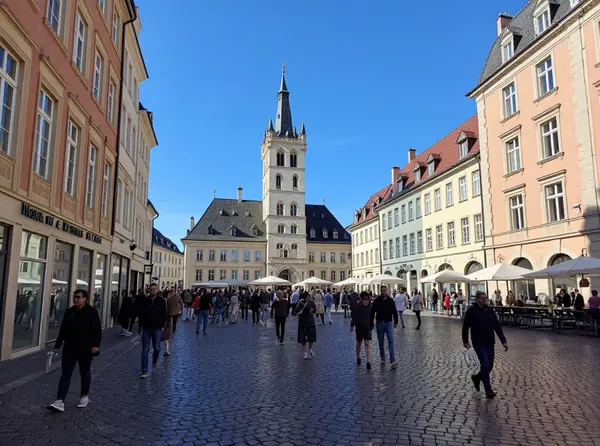
4. Hauptmarkt
Historic market heart of Trier, buzzing with markets and medieval architecture. Expect fountains, colourful gabled houses, outdoor cafés and a lively Saturday farmers market.
Quick facts: Cobblestones ring with the clatter of vendor carts and conversation, while colorful stalls spill flowers, crafts and glasses of local Riesling into the open air. A patinated market fountain anchors the space, offering one of the favorite meeting points for residents and photographers who love a bold silhouette at golden hour.
Highlights: Glowing clusters of roughly 100 wooden stalls cram the square each winter for the Christmas market, filling the air with mulled wine, cinnamon and roasted chestnuts under strings of warm bulbs. If you peer at the fountain's base you can spot tiny mason's marks and carved initials, a silent register of the craftsmen who shaped the square, catching sunlight in unexpected crevices.
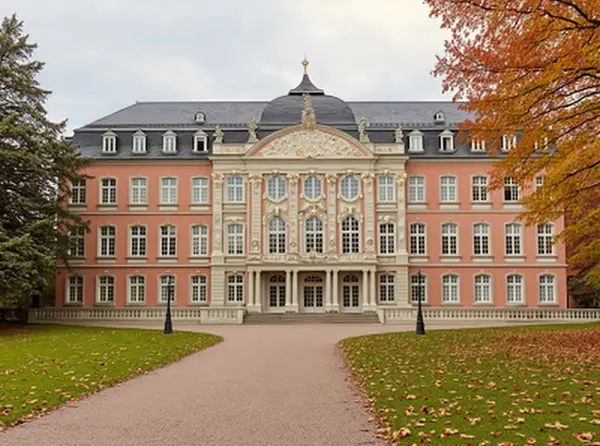
5. Electoral Palace (Kurfürstliches Palais)
Kurfürstliches Palais
Elegant Baroque palace with a neat formal garden that reflects Trier's aristocratic past. Walk grand rooms, photograph the façade, then relax by the reflecting pond.
Quick facts: You can wander enormous vaulted halls with gilded ceilings, where ceremonial footsteps still seem to echo through the stone. Surprising contrasts between medieval foundations and flamboyant Baroque flourishes show up at every turn, and a secluded garden provides a quiet spot to sit and watch light spill over old stone.
Highlights: Step into the main banquet hall and you can almost smell wax and orange peel, a local story claims Elector Clemens Wenceslaus once hosted roughly 400 guests for a masked ball there. Look for the small tucked-away corridor with 12 worn stone steps, locals say students used to race down them on festival days, the scuffed edges still shiny underfoot.
Where to Stay in Trier, Germany
Selected by City Buddy based on guest reviews and proximity to top attractions
Search all hotels in Trier, GermanyPowered by agoda
Traditional Sweet Dishes

Quetschekuchen
A plum cake made with local damson plums, Quetschekuchen celebrates the Moselle harvest and is a seasonal favorite in Trier cafés and bakeries, especially in autumn.

Rheinischer Apfelkuchen
Rhenish apple cake, often spiced and served with whipped cream, is a homey, much-loved dessert found throughout Trier and the surrounding Rhineland-Palatinate region.

Dampfnudel with vanilla sauce
Steamed yeast dumplings served hot with vanilla sauce or fruit compote, Dampfnudeln are a comforting traditional dessert enjoyed at family meals and local festivals in the region.
Traditional Savory Dishes
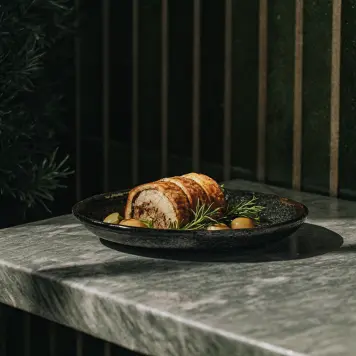
Saumagen
Originally from the Palatinate but widely eaten across Rhineland-Palatinate, Saumagen is a hearty stuffed pork-and-potato dish that became famous nationally and is still served in traditional Trier restaurants.

Himmel und Erde
Himmel und Erde, meaning Heaven and Earth, combines mashed potatoes and apple purée with blood sausage or fried bacon, offering a sweet and savory contrast typical of Rhineland cuisine and common in Trier.
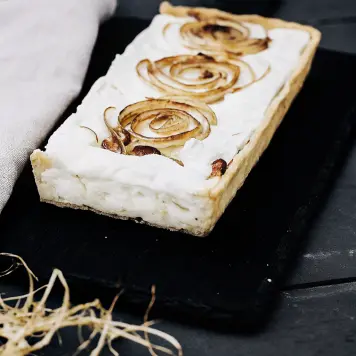
Zwiebelkuchen
Onion tart made with a yeasted or flaky crust topped with caramelized onions and bacon, Zwiebelkuchen is a staple at Moselle wine festivals and pairs perfectly with local new wine.
Traditional Beverages
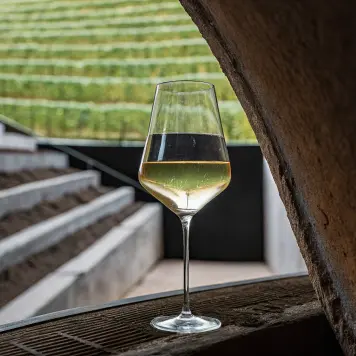
Mosel Riesling
Riesling from the Moselle is world-renowned, its crisp acidity and mineral notes come from steep slate terraces that define Trier's wine culture and seasonal festivals.

Federweißer
Federweißer is a young, partially fermented grape must available in autumn during the grape harvest, commonly enjoyed in Trier with savory pastries and at wine festivals.

Mosel Sekt
Locally produced sparkling wine, Mosel Sekt is the region's bubbly choice for celebrations and offers a fruit-driven, mineral character that reflects Trier's vineyards.
Frequently Asked Questions about Trier, Germany
Is Trier, Germany safe for travelers?
How many days should I spend in Trier, Germany?
What is the best time to visit Trier, Germany?
Is Trier, Germany expensive to visit?
How to get around Trier, Germany?
Get a PDF with the most popular attractions sent to your email
Get a PDF with all attractions, ratings, and tips. Perfect for offline use.
Most popular day trips
Luxembourg City, Luxembourg
Grand Ducal Palace, Old Town, compact international capital.
Bernkastel-Kues (Mosel Valley), Germany
Picturesque wine village, half-timbered houses, river views.
Burg Eltz (Eltz Castle), Germany
Well-preserved medieval castle in a forested valley.
Koblenz and Deutsches Eck, Germany
Confluence of Mosel and Rhine, cable car to Ehrenbreitstein.
Saarbrücken, Germany
Regional capital with French influence, shops and museums.
Rent a car in Trier, Germany
Getting there
Train stations
Regional and Intercity services to Koblenz, Luxembourg, Saarbrücken and Cologne
From Luxembourg Airport take train or shuttle to Trier; from Hahn use airport bus; Trier Hbf is walkable from center.
Find flights to Trier, Germany
Click to get eSim for Trier, Germany
The easiest and most affordable way to get mobile internet wherever you travel.
Comments (10)
River walks and the weekly market made the trip, felt very safe, though weekends get packed with day trippers.
April was unpredictable, bring layers and a light rain jacket. Quiet and pretty, not a party town.
Buses run early and late but not very frequently, check the RMV app and keep some cash for small cafes.
Buy the Trier Card at tourist info, it covered museums and buses for two days and saved us money.
Skip restaurants around Hauptmarkt, walk two blocks east for authentic food and much better prices.