 CityBuddy
 English
Things to Do in Keflavík, Iceland
Photo made by Piotr Kowalonek on Pexels.com
When to visit
Plan your perfect trip to Keflavík, Iceland
Get a complete travel plan built just for you in under 30 seconds, with daily routes, local food tips, budget estimates and more.
Are any of these especially important to you?
Select all that apply
Plan language: EnglishMost popular attractions in Keflavík, Iceland
Things to do in Keflavík, Iceland include visiting the Viking World museum, which features a full-scale Viking ship called Íslendingur, and experiencing local culture at the Duus Museum, which focuses on regional history and art. Stroll along Keflavík Harbour to enjoy dining by the water and charming views of boats, all just minutes from the town center.
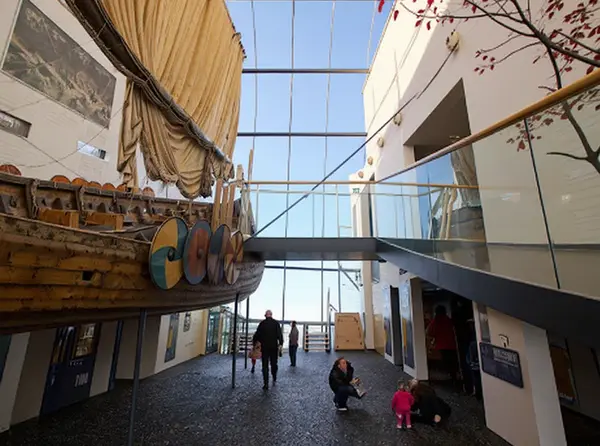
1. Viking World (Víkingaheimar) – Víkingasafnið með víkingaskipinu Íslendingi
Step onto a full-size Viking ship and delve into Norse maritime history. See the Íslendingur up close, enjoy interactive exhibits and watch a short film.
Quick facts: A life-sized Viking longship is showcased under a glass roof filled with natural light, revealing its smoky oak planks, iron rivets, and curved ribs from a nearby walkway. Interactive displays combine saga excerpts with hands-on navigation demonstrations, allowing you to learn how to read stars and weather like a Norse sailor.
Highlights: Lean over the railing and notice how the tar-scented oak, iron rivets, and shadowed ribs bring the hull to life, like a paused journey you can explore on foot. A label on the wall states the hull's length as 22 meters, a measurement you can confirm by walking the gallery and realizing how many rowers would have fit in that tight space.
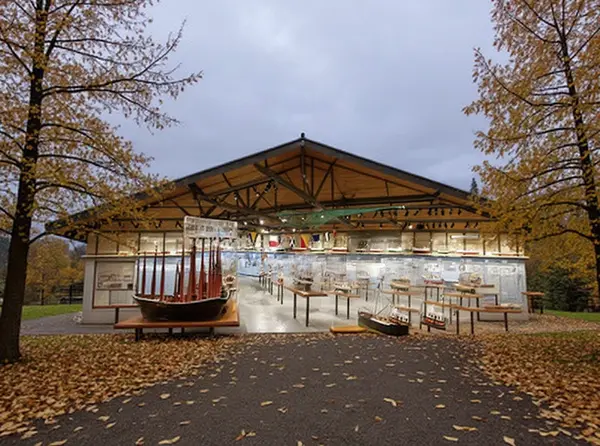
2. Duus Museum (Duushús / Duus Safnahús) – local history & art museum in Keflavík
Explore Keflavík's local heritage and lively art scene in a small, engaging museum. Discover maritime artifacts, period rooms, and rotating contemporary exhibits.
Quick facts: Enter a small museum that brings together naval history, town folklore, and modern art within a relaxed setting. You will find rooms filled with creaky ship models, faded uniforms, and vivid community photography. Friendly volunteer guides enjoy sharing old sea tales as you explore unique artifacts like signed flight jackets and a photographic archive documenting daily life across the decades.
Highlights: Downstairs, a dimly lit room scented with old wood and salt offers more than 30 taped oral histories on request. You can hear Jón, a former fisherman, describe navigating past NATO ships in 1963. A small glass case holds a handwritten 'knot book' featuring 12 lifesaving knots annotated by Sigurður Magnússon. When a guide opens the case, you can almost feel the oil-stained pages beneath your fingertips.
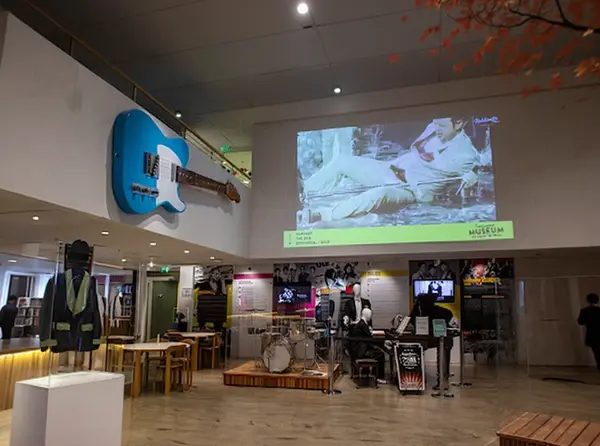
3. Icelandic Museum of Rock 'n' Roll (Keflavík Rock Museum) – music museum dedicated to Icelandic rock
Learn about Iceland's rock history from NATO-era concerts to today’s indie music scene. Interactive displays, original instruments, vintage posters, and musician stories await.
Quick facts: Trace decades of Icelandic rock through immersive exhibits and a vinyl-rich collection boasting over 500 records and numerous stage-worn items. An engaging audio tour delivers concert clips and backstage stories from artists like Björk and Mugison, leaving you humming riffs between the displays.
Highlights: Down a narrow stairwell, a dimly lit listening room glows red. Here, headphones let you isolate raw guitar tracks and listen to a rare demo by Þeyr up close. Visitors are invited to write on a shared electric guitar covered with more than 2,000 signatures and doodles in pen and paint, letting you run your fingers across decades of scribbles as a bass loop hums beneath.
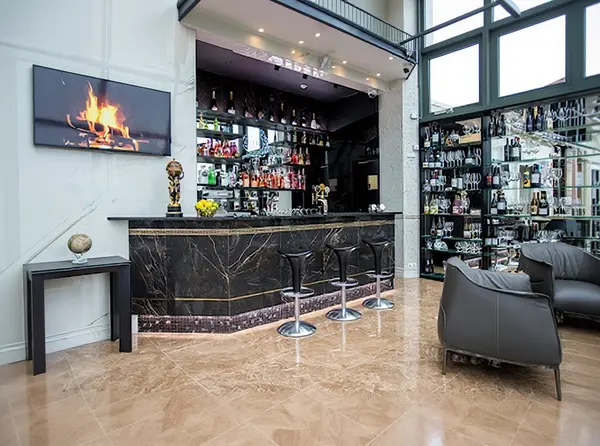
4. Keflavík Harbour (Keflavík Old Fishing Village) – waterfront, restaurants and boat views
Vibrant fishing boats and seafood shacks present authentic Icelandic harbour life. Walk the quay, watch boats come in, and photograph coastal views with Mount Keilir behind.
Quick facts: The salty air and the scrape of nets set the scene along a narrow quay where brightly painted skiffs sit next to seafood restaurants serving the day's catch. Several small crews land fresh cod and langoustine most afternoons, and diners often watch them unload crates just steps from their tables.
Highlights: Locals point out a weathered trawler named Gunnar moored by the fish pier, where crews unload 20 to 30 live langoustines that chefs purchase directly from the deck. A neighborhood tradition gathers around fifteen people behind a cracked blue boathouse to share smoked cod and a dram of Brennivín under string lights, the smoke and salt blending into the flavor.
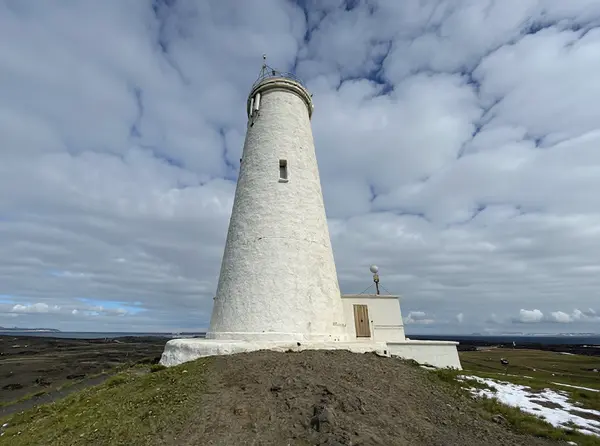
5. Reykjanesviti Lighthouse – historic lighthouse on the Reykjanes Peninsula
Enjoy dramatic coastal views and the history of Icelandic lighthouses on the Reykjanes Peninsula. Walk cliffside paths, watch waves crash, and capture stunning seascapes.
Quick facts: Perched on wind-battered black lava, the tower marks a dramatic meeting point of sea and basalt where spray often soaks the cliff path. At night, a steady white beam scans the horizon, and during storms, the foghorn rumbles so deeply you feel it in your ribs.
Highlights: Salt stings your lips and wind steals your breath as you descend to the viewpoint, the crashing waves sounding like a drumline. Old tales about a keeper named Gunna still circulate here, with fishermen pointing to the exact ledge where she supposedly appeared during a January storm.
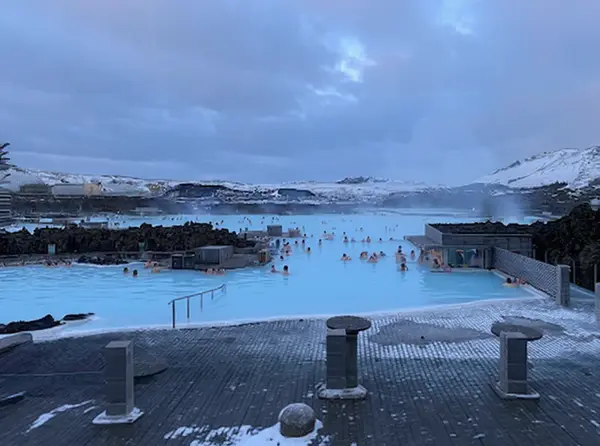
6. Blue Lagoon (Bláa Lónið) – famous geothermal spa near Grindavík (serves many Keflavík visitors)
serves many Keflavík visitors
Relax in milky-blue geothermal waters set in a striking lava field. Unwind in warm pools, steam rooms, and silica mud treatments while gazing out over the ocean.
Quick facts: Milky-blue geothermal water stays around 37 to 39°C, feeling silkier than many hot springs due to its rich silica and mineral content. Pools and wooden walkways rest among black lava fields, with the facility circulating millions of liters of mineral-rich water daily from nearby geothermal runoff.
Highlights: At twilight, steam plumes hover over the electric-blue water surface, creating an almost otherworldly glow against the dark lava that photographers seek during golden hour. Visitors often apply chalky white silica mud to their faces for 10 to 20 minutes, letting the gritty paste dry to a matte mask before rinsing it off to reveal noticeably smoother skin.
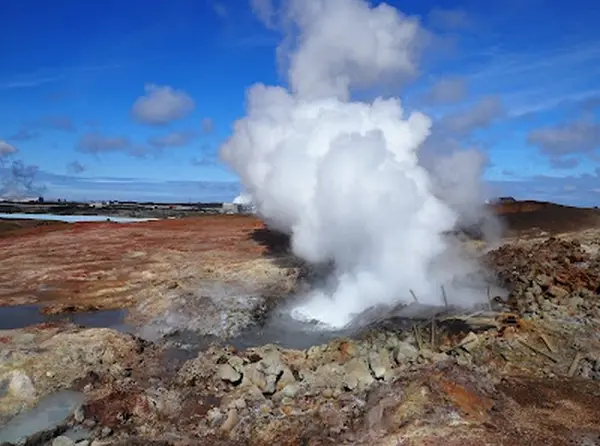
7. Gunnuhver Hot Springs – active geothermal area with mud pools and steam vents
Experience raw geothermal energy near Keflavík's coastline. Wander boardwalks past steaming vents and vibrant boiling mud pools.
Quick facts: Steam hisses from bubbling mud pools, and a sharp sulfur scent hits your nose as soon as you step on the boardwalk. Ground temperatures often exceed 120°C a meter down, so elevated paths keep visitors safely several meters from scalding vents.
Highlights: A local legend tells of a woman named Gunnhildur swallowed by a steam vent in the 18th century. Many who linger near a certain plume swear they hear whispers in the hiss. Stand close on a windy day and feel warm heat on your face while salty sea mist and mineral-rich steam paint the air in yellow and ochre hues, a surreal mix photographers love to capture at golden hour.
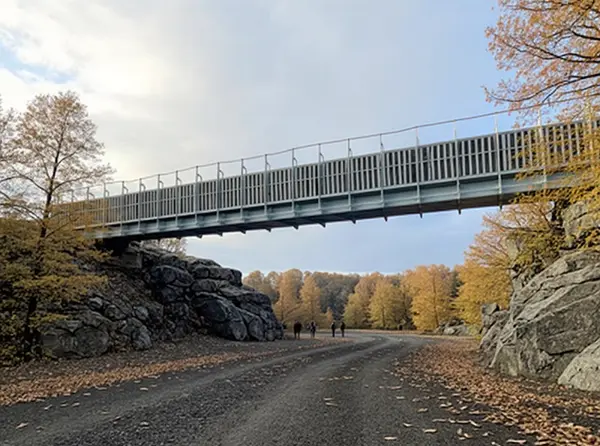
8. Bridge Between Continents (Brú milli heimsálfa) – footbridge across the Eurasian and North American plates
Stand between two tectonic plates and sense Earth's slow shifts. Cross a short footbridge, photograph the rift, and take in wild Atlantic views.
Quick facts: You can stand with one foot on each tectonic plate and look into the visible rift where oceanic crust meets continental rock. Scientists monitor the plates drifting apart at about two to three centimeters per year, so the crack widens roughly by the width of a fingernail every few years.
Highlights: Local visitors enjoy lining up for a "two-continent" selfie, often spending five to ten minutes balancing each foot on a different plate while a friend takes the picture. Sharp, salty air and the mineral scent of cooled lava greet you as wind whistles through the rift. The hollow clack of the footbridge underfoot turns a simple crossing into a surprisingly cinematic moment.
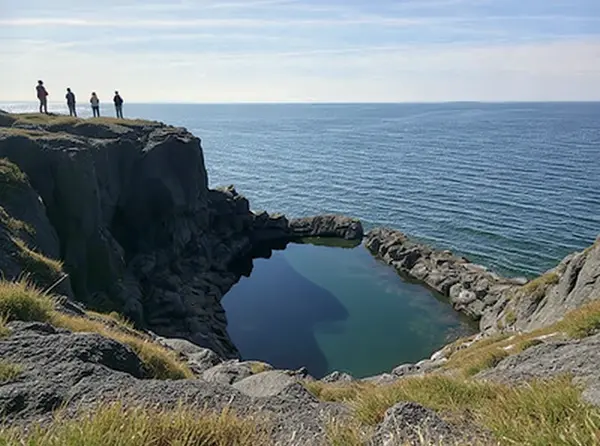
9. Brimketill – natural lava rock sea pool and coastal viewpoint
Visit a lava-formed sea pool on a rugged headland near Keflavík. Feel the pounding Atlantic waves, examine sculpted black lava rock, and capture expansive coastal views.
Quick facts: Jagged lava rock traps seawater in a shallow pool, letting you observe anemones and tiny crustaceans while waves crash nearby. A narrow, wind-whipped ledge gives the spot a cinematic feel at golden hour, and photographers adore the glossy reflections on the basalt.
Highlights: A hollow basin roars like a kettle when a big wave hits, spraying salty mist that tingles on your face and smells strongly of iron. Stand just a few meters from the edge on a narrow rock ledge and watch a spectacular moment when wet black basalt flashes molten orange as the sun sets, a moment local photographers often time for pictures.
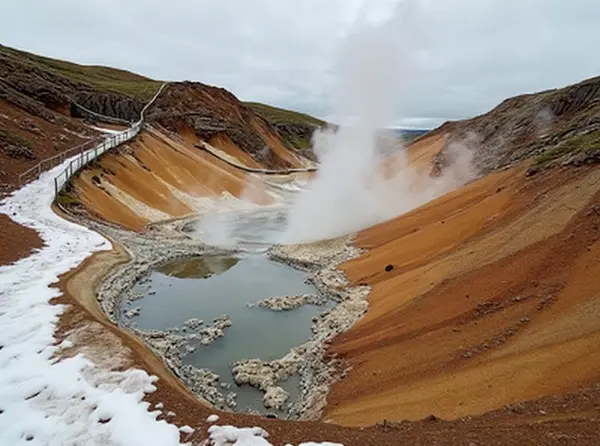
10. Seltún / Krýsuvík Geothermal Area – colorful fumaroles, mud pots and walking trails
Steam, bubbling mud, and bright mineral colors create a surreal geothermal landscape. Walk raised boardwalks past fumaroles, mud pots, and hot springs for close-up photos.
Quick facts: Bright yellow, orange, and emerald mineral streaks line steaming fumaroles and bubbling mud pots, while a sharp sulfur scent lingers on the breeze. Well-placed wooden boardwalks and short trails let visitors get surprisingly close to hissing vents and mud pots without stepping on the fragile crust.
Highlights: A compact 2-kilometer loop runs within 3 to 5 meters of active steam vents, where steam bursts can nearly boil and leave vivid mineral stains. Local guides often point out bacterial mats known as iron-oxidizing bacteria and cyanobacteria, which color runoff in rusty reds and bright greens. These bacteria thrive in water between 40 and 80°C, close enough for you to smell the minerals.
Where to Stay in Keflavík, Iceland
Selected by City Buddy based on guest reviews and proximity to top attractions
Search all hotels in Keflavík, IcelandPowered by agoda
Traditional Sweet Dishes
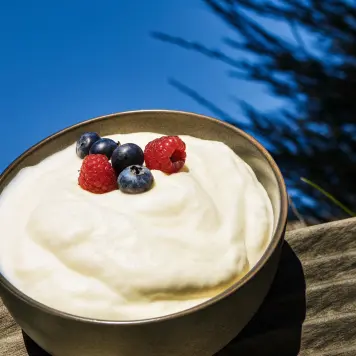
Skyr
Skyr is creamy, thick and technically a cultured dairy product rather than true yogurt. Locals in Keflavík enjoy it with wild berries for breakfast, and it has been a staple since Viking times.
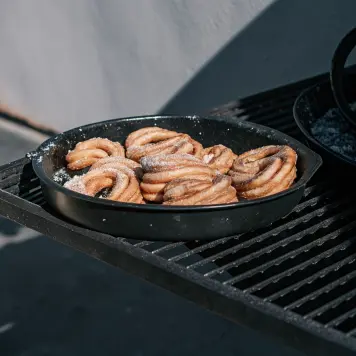
Kleinur
Kleinur are twisted, airy fried pastries flavored with cardamom, they were once made to use up leftover dough and became a beloved snack at Kaffihús in Keflavík.
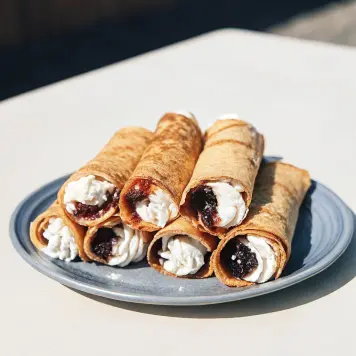
Pönnukökur (pancakes)
Pönnukökur are paper-thin pancakes served rolled with jam and whipped cream, they are a party favorite in Keflavík where children learn to flip them for festive gatherings.
Traditional Savory Dishes
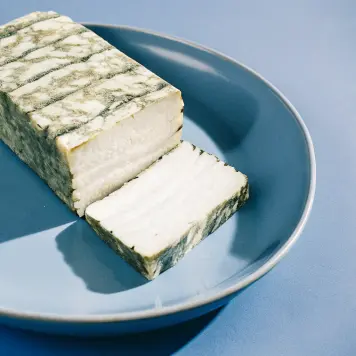
Hákarl
Hákarl is fermented Greenland shark with a powerful ammonia aroma. Trying it in Keflavík is treated like a local rite of passage and it is often washed down with Brennivín.
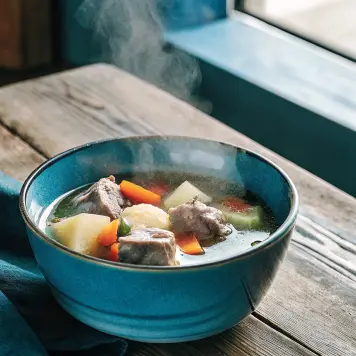
Kjötsúpa (lamb soup)
Kjötsúpa is a hearty lamb and vegetable soup that kept fishermen and families warm through harsh Icelandic winters. In Keflavík it is a symbol of home cooking and communal meals.
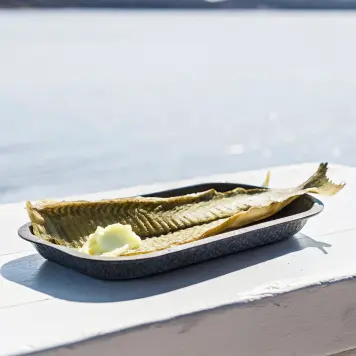
Harðfiskur (dried fish)
Harðfiskur is wind-dried fish that flakes like paper and was vital as a lightweight, high-protein snack for seafarers. Locals in Keflavík still eat it with a smear of butter.
Traditional Beverages
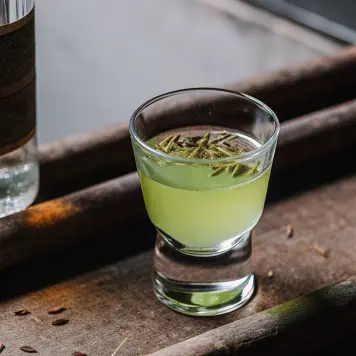
Brennivín
Brennivín is a caraway-flavored schnapps nicknamed black death, it is the traditional chaser for Hákarl and a bold emblem of Icelandic drinking culture in Keflavík.
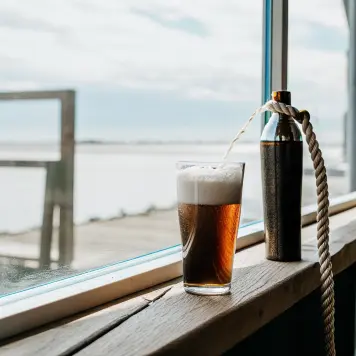
Icelandic beer
Icelandic beer enjoyed a renaissance after prohibition ended in 1989, and Keflavík now boasts lively microbreweries that mix global styles with local ingredients like glacier water and Arctic herbs.
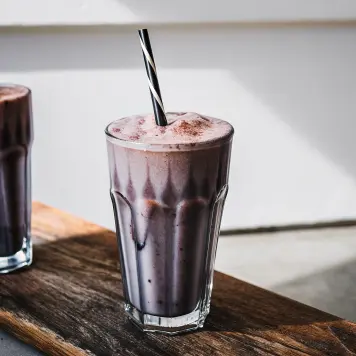
Skyr smoothies
Skyr smoothies are a modern Keflavík favorite, blending protein-rich skyr with local berries for a thick, refreshing drink that fuels long walks along the coast.
Frequently Asked Questions about Keflavík, Iceland
Is Keflavík, Iceland safe for travelers?
What is the best time to visit Keflavík, Iceland?
Is Keflavík, Iceland expensive to live or visit?
How do you get around Keflavík, Iceland?
How many tourists visit Keflavík annually?
Get a PDF with the most popular attractions sent to your email
Get a PDF with all attractions, ratings, and tips. Perfect for offline use.
Most popular day trips
Reykjavík
Iceland's capital with museums, cafes, and nightlife.
Golden Circle (Þingvellir, Geysir, Gullfoss)
Classic route with rifts, geysers, and waterfalls.
Snæfellsnes Peninsula
Diverse landscapes, lava fields, and coastal cliffs.
Reykjanes Peninsula highlights (Gunnuhver, Bridge Between Continents)
Volcanic sites, hot springs, and dramatic coastlines.
Rent a car in Keflavík, Iceland
Getting there
Train stations
From KEF take the Flybus shuttle or taxi to Keflavík/Reykjanesbær; prebook in summer.
Find flights to Keflavík, Iceland
Click to get eSim for Keflavík, Iceland
The easiest and most affordable way to get mobile internet wherever you travel.
Comments (5)
Airport area felt more industrial than scenic, only worth staying if you're doing nearby tours or have a long layover.
Crazy windy, bring layers. Locals were friendly and coffee spots are great, nightlife is tiny so plan day trips.
Avoid restaurants right at the terminal, walk 8 to 10 minutes inland for cheaper fish soup and better portions.
Book the Flybus shuttle online for a lower fare and reserved seat, it saves time on busy morning arrivals.
Small town vibes and dramatic coastline, food was surprisingly good but pricey. Perfect for 1 or 2 nights.