 CityBuddy
 English
Things to Do in Ahmedabad, India
When to visit
Plan your perfect trip to Ahmedabad, India
Get a complete travel plan built just for you in under 30 seconds, with daily routes, local food tips, budget estimates and more.
Are any of these especially important to you?
Select all that apply
Plan language: EnglishMost popular attractions in Ahmedabad, India
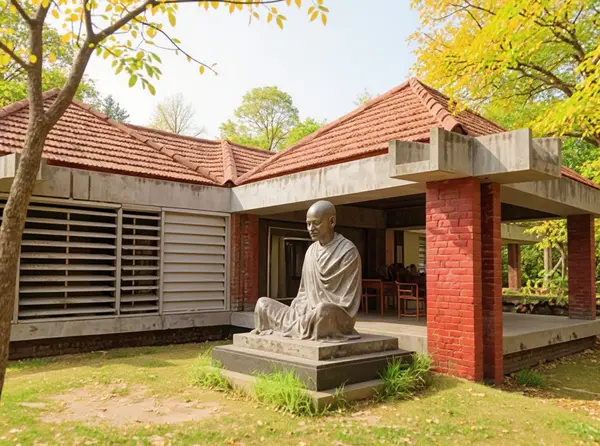
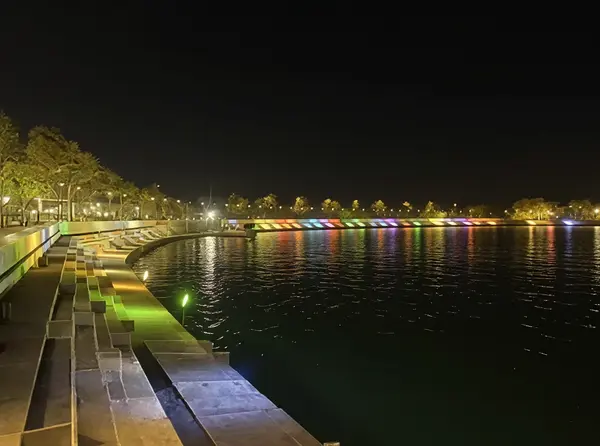
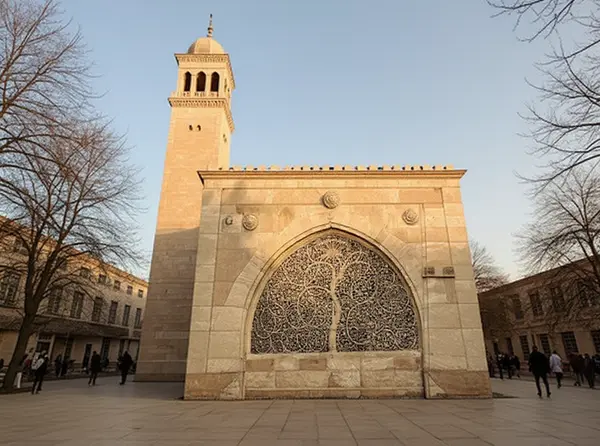
Things to do in Ahmedabad, India, include visiting the serene Sabarmati Ashram, located on the banks of the Sabarmati River, where Gandhi lived for years. Explore Kankaria Lake, a 34-hectare circular lake with various attractions. Don't miss the intricate stone lattice work at Sidi Saiyyed Mosque, a masterpiece of Indo-Islamic architecture.
1. Sabarmati Ashram
Walk Gandhi's peaceful riverside ashram to learn the story of India's freedom. See simple cottages, original letters and a quiet museum along shaded paths.
Quick facts: A tranquil riverside compound preserves the modest belongings and daily rhythms that shaped a prominent leader's approach, from a hand-spun wheel to spare living quarters. Morning light floods low-slung rooms and courtyards, and the scent of oil and cotton from spinning wheels mixes with the earthy river air.
Highlights: Mahatma Gandhi often rose at 4:00 a.m. to walk along the riverbank wearing simple wooden sandals, a habit visitors can imagine while tracing the same narrow path. Volunteers still teach visitors to turn a charkha by hand, with the rhythmic clack of the wheel and the coarse feel of raw cotton under your fingers making the practice feel startlingly immediate.
2. Kankaria Lake
A lively waterfront hub offering culture, rides and evening lights. Enjoy boat rides, a toy train, laser shows and bustling food stalls.
Quick facts: A broad circular lake covers about 34 acres, where evening promenades fill with vendors, music, and the smell of grilled corn. Visitors ride a miniature train that loops the waterfront, pass a small zoo and children's city, and often finish the circuit in roughly 15 minutes.
Highlights: Nagina Wadi, the island pavilion at the center, hosts nightly sound-and-light performances that wash colored reflections across the water and stage occasional Garba dances under strings of lanterns. Adventurous crowds line up for a tethered balloon climb that rises about 300 feet, delivering a surprisingly silent, panoramic view and the uncanny sensation of floating over a living postcard.
3. Sidi Saiyyed Mosque
Famed for its carved stone latticework, a pinnacle of 16th-century Indo-Islamic art. See the famous 'Tree of Life' jaali and watch light play through delicate tracery.
Quick facts: A tiny prayer hall hides some of the most intricate stone latticework you'll see, each panel carved so finely it reads like filigree in sandstone. Local craftsmen still point to the 'Tree of Life' screen as an iconic example of sculptural skill, its silhouette reproduced on posters, shop signs, and university emblems.
Highlights: One window holds the famous 'Tree of Life' jali, a single carved panel whose twisting branches cast lace-like shadows across the stone floor. Watch at midday when the sun is high; narrow shafts of light pick out every curl and leaf, making the stone seem almost translucent and warm under your fingertips.
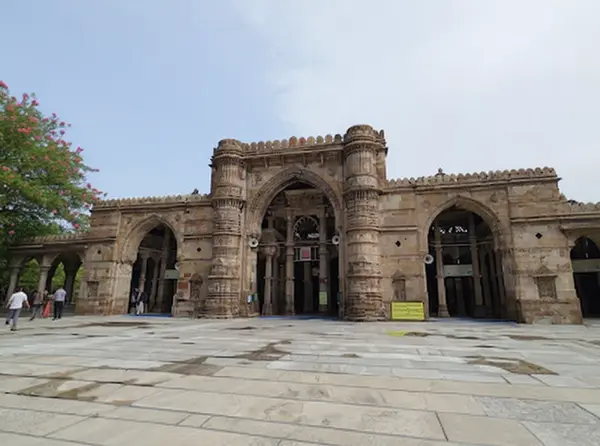
4. Jama Masjid
Explore Ahmedabad's 15th-century mosque with striking stone-carved facades. Walk the cool marble courtyard, admire carved columns, and watch daily prayers.
Quick facts: Massive courtyard and shaded arcades make the space feel cool even on hot afternoons, while carved stone pillars throw delicate lace-like shadows across the floor. Carved calligraphy and floral motifs mix Persian and local styles, so every wall rewards a slow, curious eye.
Highlights: Step into the main courtyard and you can hear how sound plays across the space, the echo turning a single spoken phrase into a soft, room-filling chorus. Local stories point to Sultan Ahmed Shah I and teams of Persian and Gujarati craftsmen, and you can still spot subtle Persian rosettes tucked into local floral carvings if you look closely.
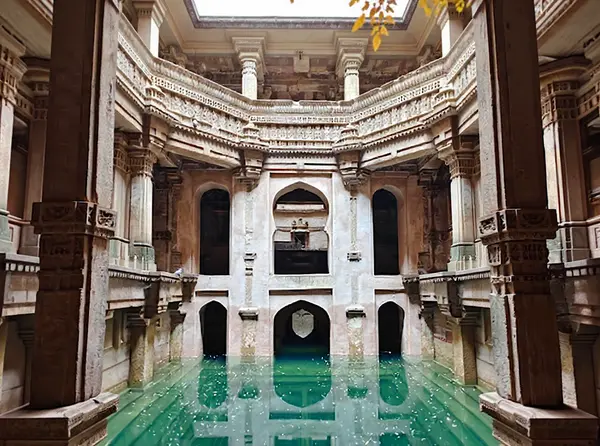
5. Adalaj Stepwell
A striking 15th-century stepwell showcasing intricate stone carvings and clever water engineering. Descend cool marble steps into layered galleries and photograph ornate pillars and shadow patterns.
Quick facts: Sunlight slices through narrow shafts to illuminate five descending levels of intricately carved balconies and pillars. Stone steps lead down to a cool, echoey chamber where the air feels noticeably cooler than the courtyard above.
Highlights: A local legend tells of Rudabai, who is said to have bargained with a ruler to protect the water source, and visitors often point out a carved female figure they say represents her. Low, cool air and repeating carved pillars create a living theatre for echoes, so a single laugh from the bottom level rises and ripples up across the five storeys.
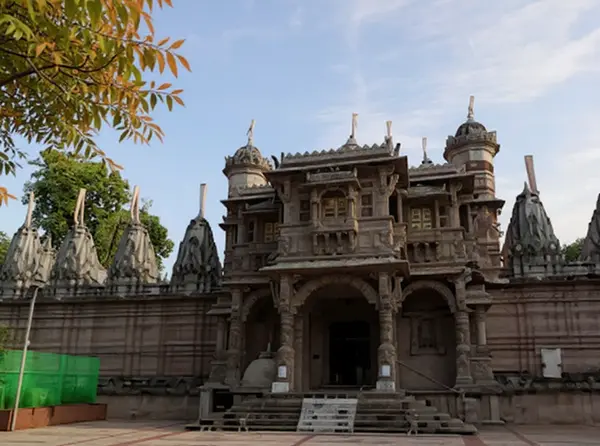
6. Hutheesing Jain Temple
A 19th-century marble Jain temple famed for elaborate stone carving and a tranquil courtyard. Explore ornate domes, carved pillars, and quiet prayer halls.
Quick facts: Hundreds of carved figures, floral patterns, and miniature shrines crowd the exterior, making the stone look almost lace-like when sunlight hits it. Visitors often notice the cool hush under the carved ceilings, where the air carries a faint hint of camphor and incense during morning prayers.
Highlights: Local storytellers still mention Sheth Hutheesing, whose donation sparked a wave of artisan work that left the inner halls covered in micro-carvings visitors can trace with their fingertips. Warm evening light turns the sandstone honey-colored, and the soft chant echoes between carved pillars, creating a sensory hush that rarely gets captured in photos.
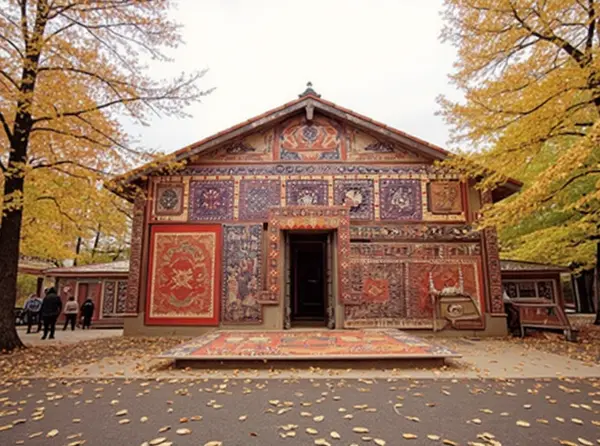
7. Calico Museum of Textiles
An intimate museum preserving rare Indian textiles and centuries of weaving craft. Explore handwoven saris, block prints and a calm archive with clear curator labels.
Quick facts: Step into dimly lit galleries where layered indigo, madder and turmeric still whisper their dye stories, and magnifying lamps reveal embroidery stitches no wider than a hair. Catalogues note thousands of objects from block-printed chintz to handwoven ikat, with climate-controlled stacks tuned to precise light and humidity settings to protect fragile pigments.
Highlights: Curators unroll a rare palampore about 3 by 4 meters on the central table so visitors can study its tree-of-life motifs at arm's reach. Conservators mend tears using rice starch and thin Japanese tissue paper during public demos, the faint scent of starch and simmering indigo adding an oddly intimate, tactile layer to the viewing experience.
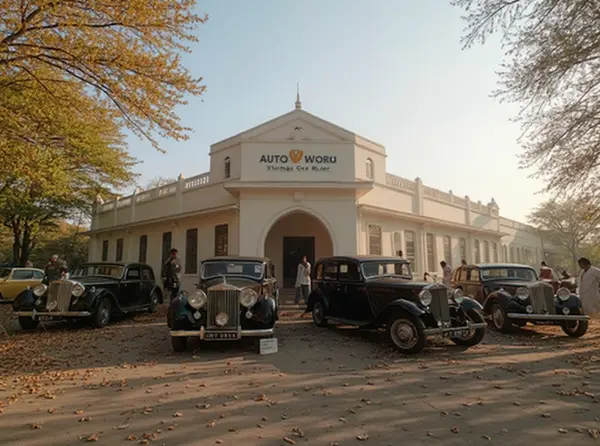
8. Auto World Vintage Car Museum
A unique private collection of rare vintage cars, classic racers and royal coaches. Walk among restored classics and period displays, ideal for close-up photos and nostalgia.
Quick facts: Step inside and you'll find more than 110 vintage vehicles, from a 1928 Ford Model A to a 1960s Cadillac, arranged like a rolling timeline. Expect to notice glossy chrome, leather seats and the faint scent of petrol, while curator notes and original accessories reveal stories about owners, races and restorations.
Highlights: Visitors who time their visit right hear a 1934 Ford V8 fired for a 90-second demo, the engine's 85-decibel roar and warm exhaust smell making the whole hall vibrate. Curator Anil Shah keeps a surprising habit of preserving handwritten maintenance logs and a glovebox stash of 12 original letters from a 1950s film star, each signed and dated, that add a private, human layer to the metal and chrome.
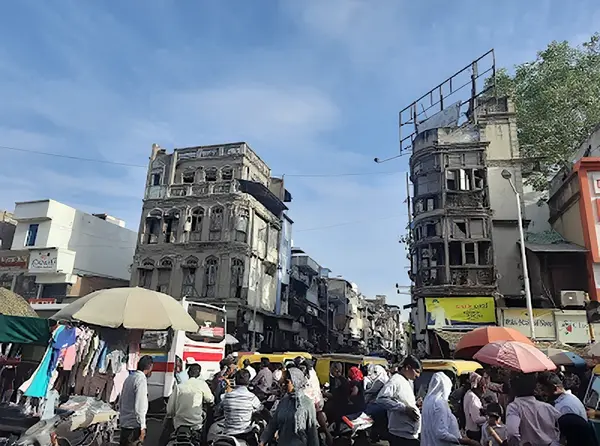
9. Manek Chowk
A four-in-one square where wholesale bazaars meet Ahmedabad's busiest night-food market. Glittering jewelry stalls by day, sizzling street-food feast by night.
Quick facts: Crowds squeeze through narrow lanes lined with jewelers, cloth merchants and morning wholesale traders, and boisterous bargaining can shave prices by up to a third for confident haggling. At night the space flips into a bustling street-food market under strings of bare bulbs, where vendors serve sizzling pav bhaji, tangy chaat and spiraling jalebi to leaning queues.
Highlights: After 10 PM more than 60 food stalls pop up, their woks spitting oil and chilies while the air fills with ghee, cardamom and smoky sugar as jalebis fry in big coils. A quirky local habit sees jewelers stacking tiny silver samples into pyramid piles during festival nights, and one elderly goldsmith still keeps sales recorded in a handwritten ledger dated 1925.

10. Gujarat Science City
Interactive science labs and a planetarium that spark curiosity. Enjoy hands-on exhibits, a 3D dome show, and peaceful lakeside gardens.
Quick facts: Step into a geodesic dome where a starry planetarium show makes the night sky feel within arm's reach. Expect dozens of interactive exhibits and a lively aquarium, where playful displays invite you to touch, tinker, and test simple physics with your own hands.
Highlights: A dark dome show envelopes you in a 360-degree starfield, the sound vibrating in your chest as projected comets streak across a black ceiling. Locals often time their visits to catch a 25-minute live demonstration in the outdoor energy area, where solar arrays click and a model wind turbine hums for a surprisingly tactile lesson.
Where to Stay in Ahmedabad, India
Selected by City Buddy based on guest reviews and proximity to top attractions
Search all hotels in Ahmedabad, IndiaPowered by agoda
Traditional Sweet Dishes
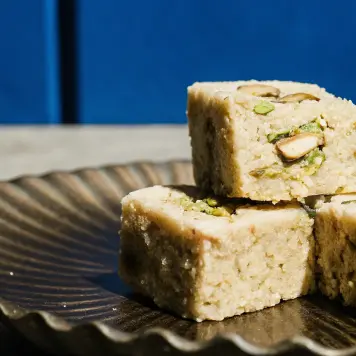
Mohanthal
A dense, crumbly gram flour fudge flavored with ghee, cardamom and nuts, Mohanthal is a classic Gujarati sweet served at festivals and weddings.
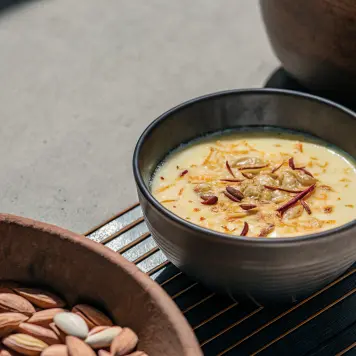
Basundi
Slow-reduced milk scented with saffron and cardamom, Basundi is often chilled and garnished with chopped nuts, and is a beloved dessert at Ahmedabad sweet shops.

Jalebi
Deep-fried spirals of fermented batter soaked in sugar syrup, jalebi is inseparable from Ahmedabad's famed fafda-jalebi breakfast and festive celebrations.
Traditional Savory Dishes

Fafda
Crispy fried sticks made from gram flour, fafda are a beloved Ahmedabad breakfast item, traditionally paired with spicy chutney, fried green chilies and sweet jalebi.

Khaman Dhokla
Steamed, airy cakes made from fermented gram batter, khaman dhokla is a go-to Gujarati snack, prized for its light texture and tangy mustard tempering.

Handvo
A savory rice and lentil vegetable cake that is baked or pan-fried until crisp, handvo showcases Gujarati cuisine's balance of flavors and is often enjoyed as a hearty street food.
Traditional Beverages

Chaas
Also called buttermilk, chaas is a lightly spiced, cooling yogurt drink drunk across Ahmedabad to beat the heat and aid digestion after meals.

Jaljeera
A tangy, cumin-spiced drink made with tamarind and roasted spices, jaljeera is a popular digestive and street-side refresher in Ahmedabad, especially in summer.

Masala Chai
Aromatic black tea brewed with spices like ginger, cardamom and cloves, masala chai is the city's ubiquitous companion to breakfast and evening snacks at local tea stalls.
Frequently Asked Questions about Ahmedabad, India
What is the best time to visit Ahmedabad, India?
Is Ahmedabad, India expensive for travelers?
How is public transportation in Ahmedabad, India?
How many tourists visit Ahmedabad, India each year?
What are the common ways to get around Ahmedabad, India?
Get a PDF with the most popular attractions sent to your email
Get a PDF with all attractions, ratings, and tips. Perfect for offline use.
Most popular day trips
Champaner-Pavagadh Archaeological Park
Historic ruins and a hilltop temple complex.
Getting there
Train stations
Major national routes; connects to Mumbai, Delhi, Chennai and other cities.
Local and long distance services, links to major express trains.
Serves suburban routes and some express connections to Ahmedabad.
At AMD use prepaid taxi or app cab; metro and local trains link stations to central areas; allow 20-45 min.
Find flights to Ahmedabad, India
Click to get eSim for Ahmedabad, India
The easiest and most affordable way to get mobile internet wherever you travel.
Comments (12)
Old city vibes are intoxicating, but the summer heat drains you fast. Plan shorter outdoor walks and lots of water breaks.
Good museums and textile shopping, but traffic eats time. Two days covers highlights, a week if you want slow wandering.
Quiet mornings at Sabarmati Ashram were calming, and the architecture everywhere makes wandering a pleasure.
Amazing food scene, especially the street snacks at night. Old city lanes are charming, but be ready for crowds.
Loved the street food in Manek Chowk at night, chaotic but brilliant. Expect crowds, bring cash and an empty stomach.