 CityBuddy
 English
Things to Do in Kolkata, India
Photo made by Dibakar Roy on Pexels.com
When to visit
Plan your perfect trip to Kolkata, India
Get a complete travel plan built just for you in under 30 seconds, with daily routes, local food tips, budget estimates and more.
Are any of these especially important to you?
Select all that apply
Plan language: EnglishMost popular attractions in Kolkata, India
Things to do in Kolkata, India include exploring Victoria Memorial, a grand marble palace surrounded by lush gardens. Walk across Howrah Bridge, a cantilever bridge spanning the Hooghly River. Visit Dakshineswar Kali Temple, located 22 km from central Kolkata, known for its stunning architecture and spiritual significance.
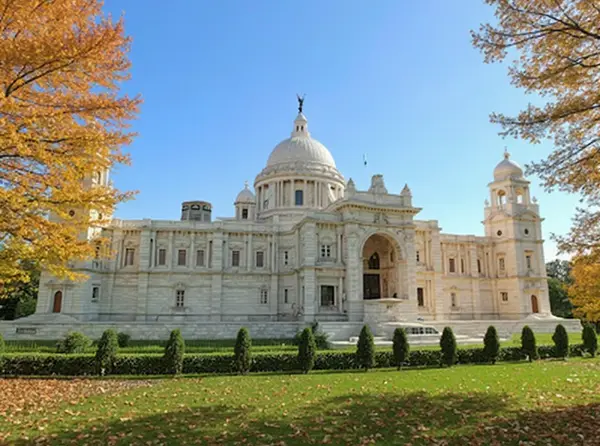
1. Victoria Memorial
Grand white-marble memorial showcasing Kolkata's colonial-era art and history. Walk landscaped gardens, browse galleries of paintings, sculptures and period rooms.
Quick facts: Gleaming white marble catches late-afternoon sun, turning the façade into a warm, luminous landmark against the city skyline. Inside, a network of galleries displays paintings, sculptures, and royal memorabilia that let you trace the dramatic personal stories behind imperial pageantry.
Highlights: A dramatic bronze statue of Queen Victoria anchors the central hall, her silhouette looming from the marble steps as sunlight slices through the domes above. Resident peacocks roam the terraced lawns at dawn, their crested heads and metallic tail feathers flashing under photographers’ lenses while the air carries the scent of wet soil and jasmine.
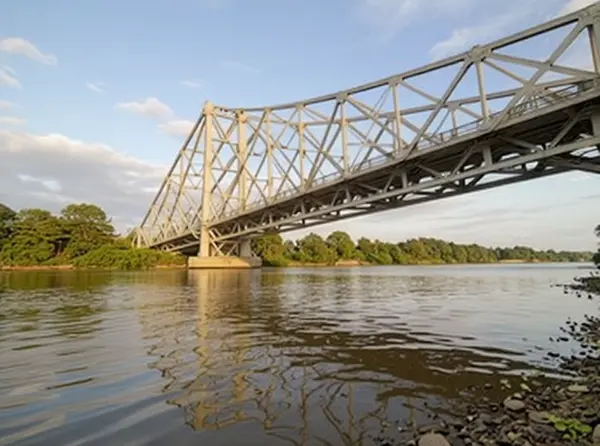
2. Howrah Bridge (Rabindra Setu)
Rabindra Setu
Iconic steel span linking Kolkata's riverfront and railway heart. Walk the breezy deck at sunrise or sunset for river views, boat traffic, and dramatic city silhouettes.
Quick facts: A massive steel cantilever arches over the river, its riveted trusses forming a lacework that looks fragile up close and industrially elegant from afar. More than 100,000 people and vehicles press across daily, turning the walkway into a streaming market of vendors, office commuters, and schoolchildren.
Highlights: Beneath the lamps, vendors hand out jhal muri in paper cones, the mustard-oil aroma and chili tang blending with the river breeze. A quirky tradition sees families mark and keep the same railing space with colored cloth strips, a custom some sellers say has persisted for over 40 years and passes down through three generations.
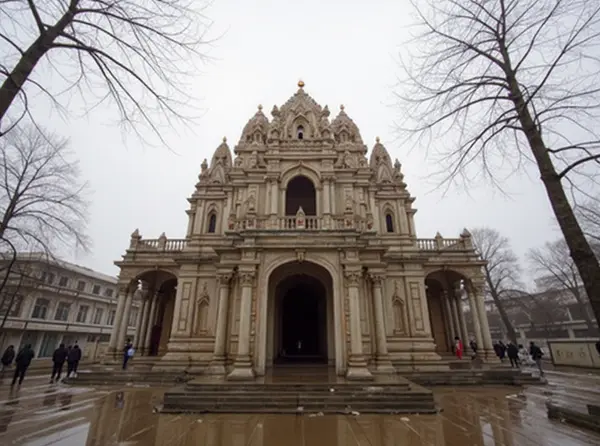
3. Dakshineswar Kali Temple
Spiritual energy and 19th-century architecture meet at Dakshineswar Kali Temple. Expect soulful puja, riverside views, and dramatic sunrise or aarti photos.
Quick facts: A sweeping riverside complex features a towering nine-spired temple to the fierce mother goddess, flanked by a neat row of twelve Shiva shrines that align with the river. Pilgrims and curious visitors often drift along marble courtyards to the rhythm of devotional songs, while marigold garlands and incense fill the air on busy mornings.
Highlights: A charismatic 19th-century mystic named Ramakrishna used to sit for hours in a tiny puja room chanting until the oil lamp's flame warped, and devotees still point out the exact marble step he favored. Hundreds of clay lamps glide along the river during major festivals, saffron-clad priests fling flower garlands into the current, and the deep bass of conch shells vibrates through the wet stone steps.
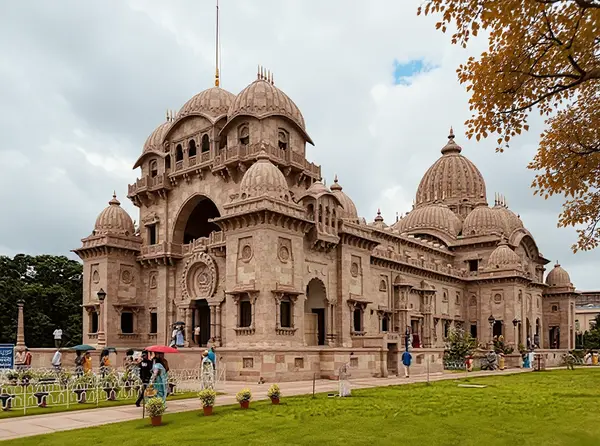
4. Belur Math, Howrah (near Kolkata)
near Kolkata
Riverside spiritual complex blending Hindu, Christian and Islamic architecture, steeped in the Ramakrishna movement. Walk peaceful gardens, attend prayer, and explore the shrine and museum.
Quick facts: Belur Math occupies a riverside campus on the Hooghly, where a deliberate fusion of Hindu, Christian and Islamic architectural motifs creates a harmonious white complex of domes and pillared verandas. Monastic life remains active with daily aarti, a small museum of relics and a library that preserves letters from Ramakrishna and early correspondence of Swami Vivekananda, offering a tangible link to 19th-century spiritual movements.
Highlights: A nightly aarti features a procession of 12 brass lamps carried in rhythm by monks, the warm oil-glow and jasmine incense reflecting off the river and filling the air. On display behind glass is an original handwritten letter by Ramakrishna, where visitors can peer at his looping Bengali script and an ink blot that feels like a direct, human trace.
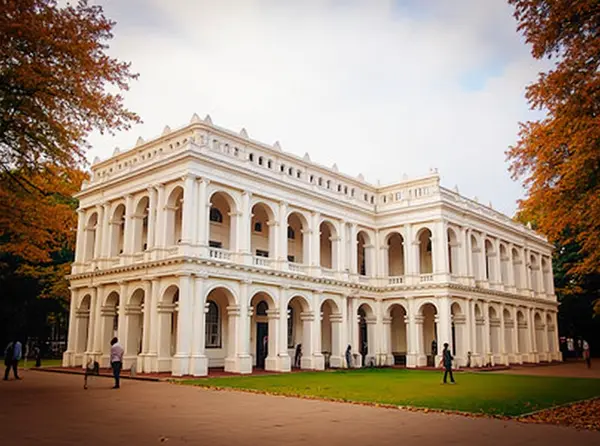
5. Indian Museum
Oldest and largest museum in India, with vast art, archaeology and natural history collections. See fossils, Mughal paintings, Buddhist sculptures and an Egyptian mummy.
Quick facts: More than 100,000 artifacts cover natural history, archaeology, and art, so you can stumble from fossilized plant imprints to Mughal miniatures without leaving a single gallery. High-ceilinged rooms and polished teak staircases bathe displays in warm light, making taxidermy predators and carved stone reliefs feel unexpectedly theatrical.
Highlights: A dim gallery smells of old paper and beeswax, where oil lamps and period glass cases make small, detailed objects, like luminous mineral specimens and tiny enamel paintings, pop with theatrical contrast. A brass plaque credits 19th-century collector Nathaniel Wallich for several specimens, a tiny handwritten accession number that ties a single display to an actual expedition and feels like a whispered colonial-era story.
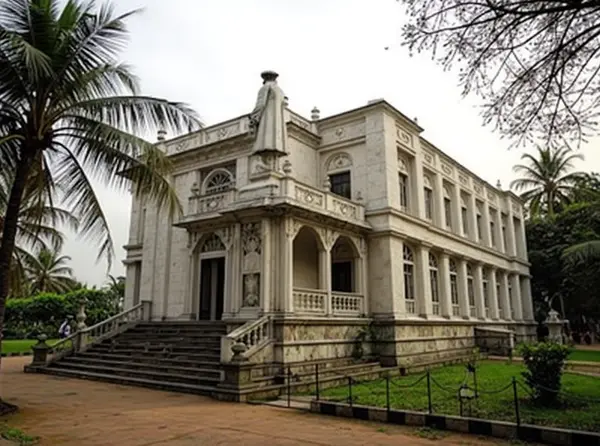
6. Marble Palace
Marble Palace offers grand 19th-century marble architecture and rare artworks. Explore ornately carved rooms, antique furniture, and roaming peacocks in a quiet courtyard.
Quick facts: Step through a heavy wooden gate and you'll find rooms filled with gleaming marble statues, chandeliers that scatter light like confetti, and paintings hung salon-style on every wall. What you experience is a private collection assembled by Raja Rajendra Mullick, where European oils, Chinese porcelain and Victorian furniture mingle in a theatrical, museum-meets-house atmosphere.
Highlights: Wandering the corridors you might catch the cool kiss of marble under your palm and the faint perfume of old wood and beeswax, sensations that make the collection feel lived-in rather than curated. Legend has it Raja Rajendra Mullick kept peacocks in the courtyard, and spotting their iridescent tails against a backdrop of white marble creates a tiny, surprising theater of color.
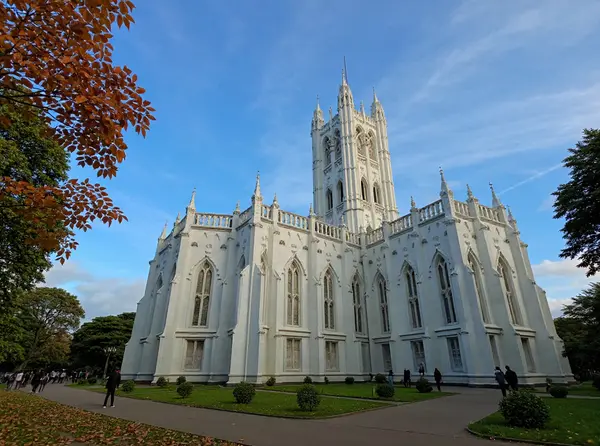
7. St. Paul's Cathedral
Rare Gothic revival architecture and colonial-era splendour in central Kolkata. Wander stained-glass aisles, marble memorials and a peaceful churchyard.
Quick facts: High, ribbed arches funnel your eye upward while cool stone and a faint candle-scented air make the interior feel unexpectedly intimate. A large pipe organ thunders during services, the low notes rattling windowpanes and settling into your chest.
Highlights: Step inside and the low, resonant toll of three bells vibrates through the floorboards, a sound that makes conversation drop to a hush. Sunlight slicing through a set of tall stained-glass panels throws ruby and emerald patches across wooden pews, spotlighting carved angels no bigger than a forearm.
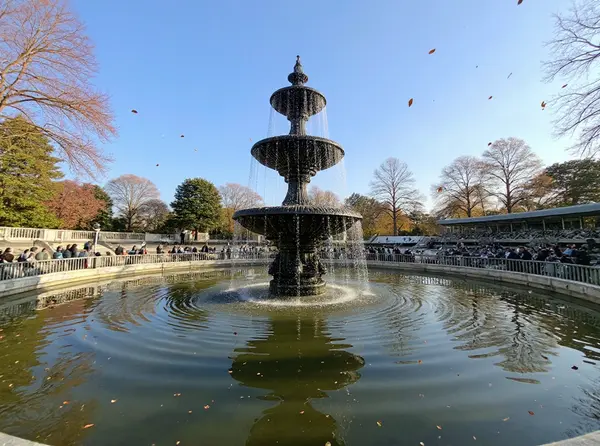
8. Eden Gardens
World-famous Kolkata cricket stadium steeped in history. Experience roaring match-day energy and sweeping views from the stands.
Quick facts: On big match days drums, horns, and a sea of colorful scarves make the atmosphere feel like a carnival that never lets up. An enormous banyan tree and pockets of jacaranda give sudden green shade near the stands, surprising people who expect only concrete and noise.
Highlights: V.V.S. Laxman's 281 in 2001 erased a follow-on and sent the crowd into delirium, a single innings that still gets fans whispering after decades. When roughly 68,000 supporters chant player names and stomp together, the resulting roar feels almost physical, while smells of fried samosas and simmering tea add a warm, oddly comforting layer to the chaos.
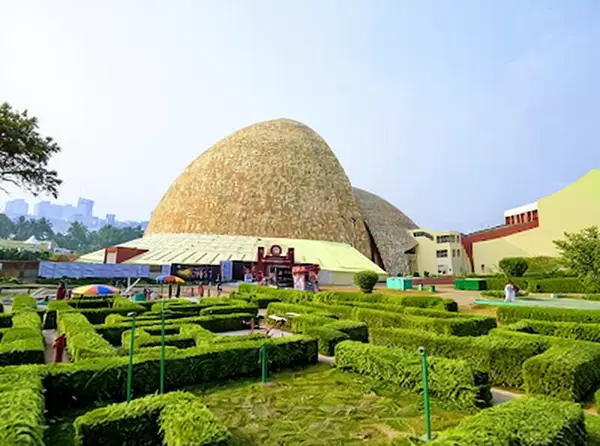
9. Science City
Hands-on exhibits spark curiosity across physics, space and environment. Expect interactive demos, a 3D space theatre, and outdoor science-park fun.
Quick facts: A sprawling complex mixes hands-on experiments, an outdoor science park, and immersive domes so you press buttons, climb exhibits, and watch science happen up close. Crowds love lining up at the walk-through globe and interactive physics stations, where live demos turn simple ideas into surprising, noisy moments that stick with you.
Highlights: Step into the dim dome where a 4D show combines wind, fog, and deep bass that you feel in your chest, transforming a planet-talk into a full-body thrill. On many school days a glowing 10,000-volt Van de Graaff generator is used during a 'hair-raising' demonstration, sending visible sparks and squeals from the front row.
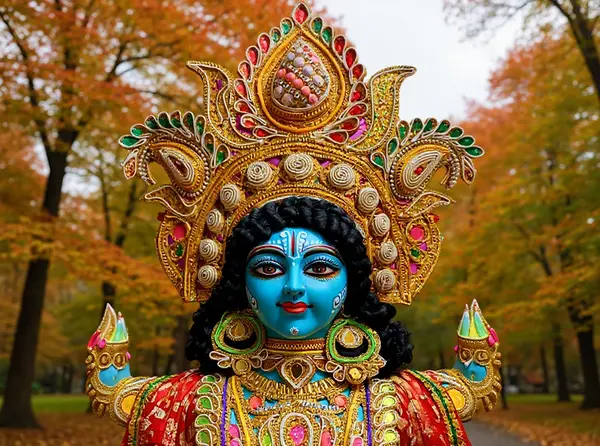
10. Kumartuli (Potters' Quarter)
Potters' Quarter
Watch master potters shape Kolkata's festival idols by hand. Wander narrow lanes of workshops, clay dust, bright paints and live sculpting.
Quick facts: You can smell wet clay and linseed oil in narrow lanes where more than 1,000 artisans hand-sculpt gods, goddesses, and animal figures season after season. Lantern light and plaster dust fill small courtyards while artisans use wooden tools and layers of fine cloth to coax lifelike expressions from rough clay.
Highlights: Workshops crank out between 3,000 and 5,000 clay idols in the run-up to Durga Puja, with entire families often working through nights under bare bulbs to meet frantic orders. A hush falls when the head sculptor performs chokkhu daan, painting an idol's eyes in a single steady stroke, a ritual many families say awakens the figure and marks it ready for consecration.
Where to Stay in Kolkata, India
Selected by City Buddy based on guest reviews and proximity to top attractions
Search all hotels in Kolkata, IndiaPowered by agoda
Traditional Sweet Dishes
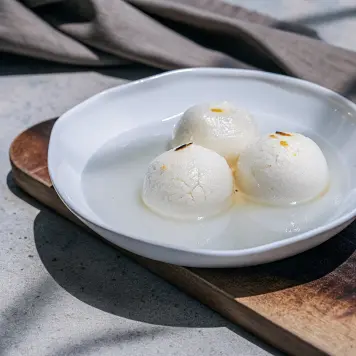
Rasgulla
Spongy balls of chhena cheese simmered in light sugar syrup, rasgulla became synonymous with Kolkata confectionery in the 19th century and is at the center of a famous origin debate with Odisha.
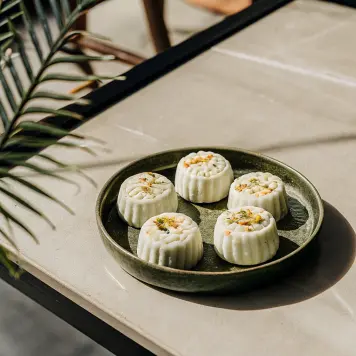
Sandesh
Made from fresh chhena and sugar, sandesh is prized for its delicate texture and countless regional variations, often molded and flavored with ingredients like saffron and pistachio.
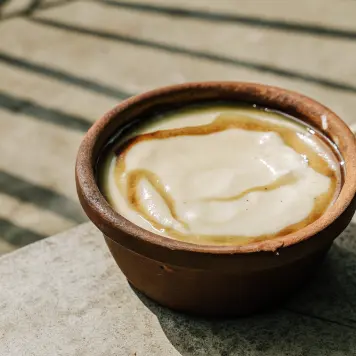
Mishti Doi
Sweet, caramel-toned yogurt traditionally set in earthen pots, mishti doi is a staple at Bengali festivals and an enduring symbol of Kolkata sweets culture.
Traditional Savory Dishes
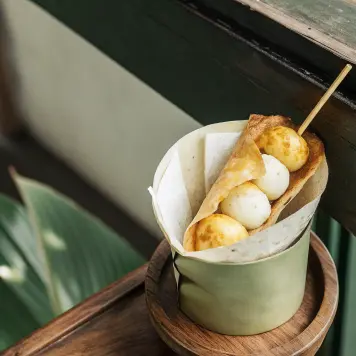
Kathi Roll
Invented in Kolkata at Nizam's, the kathi roll wraps skewered kebab and eggs in flaky paratha, it became an iconic portable street food that reflects the city's cosmopolitan tastes.

Puchka
Kolkata's version of pani puri, puchka are hollow fried spheres filled with spiced tamarind water and mashed potato, famed for their tangy spicy burst and ubiquitous street presence.
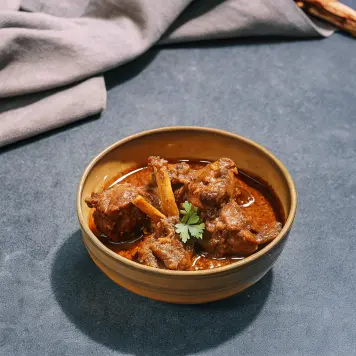
Kosha Mangsho
A slow-cooked Bengali mutton curry with deeply caramelized onions and warm spices, kosha mangsho is a celebratory dish commonly served at weddings and festivals.
Traditional Beverages
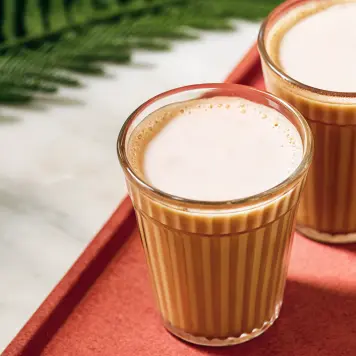
Cutting Chai
A strong, small-glass tea sold at street stalls, cutting chai fuels Kolkata's adda culture and is a daily ritual for city commuters and writers alike.

Nolen Gur Milkshake
A seasonal milkshake sweetened with date palm jaggery, nolen gur milkshake evokes the flavors of Bengali winter and the region's famed jaggery-based sweets.
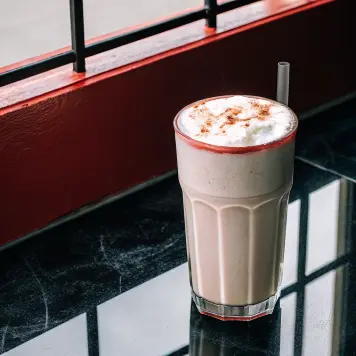
Kolkata-style Lassi
A thick, creamy yogurt drink commonly sold in sweet shops and stalls, Kolkata-style lassi is often topped with malai or rabri and enjoyed to cool the palate after rich meals.
Frequently Asked Questions about Kolkata, India
What is the best time to visit Kolkata, India?
Is Kolkata, India expensive for travelers?
How to get around Kolkata, India?
How many tourists visit Kolkata, India each year?
Is Kolkata, India safe for tourists?
Get a PDF with the most popular attractions sent to your email
Get a PDF with all attractions, ratings, and tips. Perfect for offline use.
Most popular day trips
Belur Math and Dakshineswar
Major spiritual sites on the Hooghly riverbank.
Sundarbans (Godkhali gateway)
Tidal mangrove forest, wildlife and boat cruises.
Santiniketan (Bolpur)
Tagore's university town, arts, crafts and festivals.
Getting there
Train stations
National long-distance routes; eastern and southern corridors
Eastern and suburban routes; regional and local services
Intercity and regional services
From CCU, use prepaid taxi or app taxi to reach central Kolkata; allow 45 to 60 minutes in traffic.
Find flights to Kolkata, India
Click to get eSim for Kolkata, India
The easiest and most affordable way to get mobile internet wherever you travel.
Comments (10)
Felt a bit overwhelmed, crowds and pollution made midday walks rough. Food stalls saved the day though.
Carry small cash notes, drivers often say meter is broken. Insist on the meter or agree fare upfront to avoid hassle.
Most museums have a late afternoon break or close early, so go right when they open to avoid crowds and midday heat.
Durga Puja parades at night are electric, insane crowds but worth it if you can handle the crush and noise.
One of my favorite Indian cities, vibrant culture and amazing breakfasts. Budget friendly if you avoid taxis.