 CityBuddy
 English
Things to Do in Mumbai, India
Photo made by NEOSiAM 2024+ on Pexels.com
When to visit
Plan your perfect trip to Mumbai, India
Get a complete travel plan built just for you in under 30 seconds, with daily routes, local food tips, budget estimates and more.
Are any of these especially important to you?
Select all that apply
Plan language: EnglishMost popular attractions in Mumbai, India
Exploring things to do in Mumbai, India, includes visiting the Gateway of India, a stunning archway overlooking the Arabian Sea. Just 10 km away, the Chhatrapati Shivaji Maharaj Terminus offers a glimpse into Victorian Gothic architecture. Don't miss the 7th-century Elephanta Caves, a quick ferry ride from the Gateway.
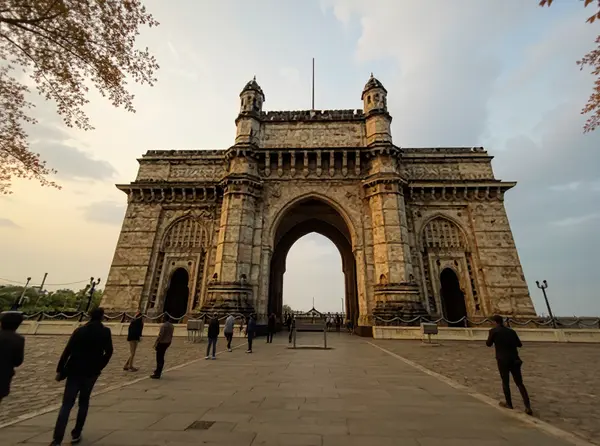
1. Gateway of India
Iconic waterfront monument symbol of Mumbai's colonial past. Enjoy sea views, lively promenades and boat rides to Elephanta Caves.
Quick facts: Salt-stained basalt walls rise about 26 meters above the waterfront, forming a dramatic silhouette that drew visiting royalty and filmmakers. Crowds of strollers and vendors spill onto the promenade, steaming cups of chai and the smell of roasted corn mixing with the calls of boatmen.
Highlights: Run your fingers along the lower stones and you'll find salt-encrusted brass bolts and tiny shell impressions, the sea's fingerprints left from daily spray. Roughly a dozen fishing boats bob near the shore with lanterns that paint moving gold bands on the worn steps, making the whole scene glow like a ripple of candlelight.
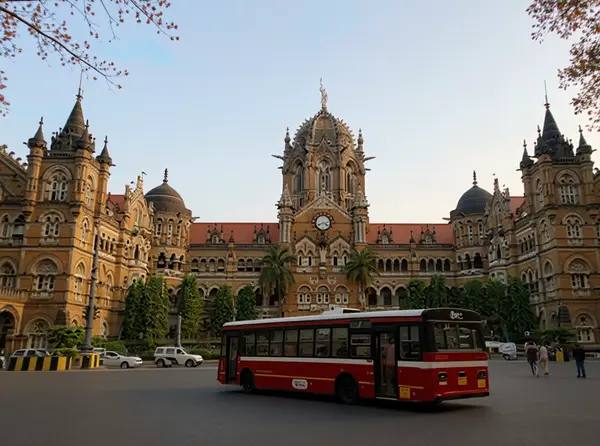
2. Chhatrapati Shivaji Maharaj Terminus
A UNESCO-listed Victorian Gothic railway marvel with carved stonework and stained glass. Walk bustling halls, watch trains, and photograph the dramatic facade at golden hour.
Quick facts: A dizzying mash-up of Victorian Gothic spires, Mughal domes, and Indian stone carving invites slow, repeated looks, revealing sculpted animals and floral motifs you wouldn't expect on a railway hub. More than 300,000 commuters pass through daily, so you'll feel the pulse of the city as ornate arches frame a constant river of people.
Highlights: Slip in just before dawn and the great stone arches throw long, honey-colored shadows while vendors hand over steaming cutting chai for about INR 10, the cardamom-sweet steam blurring the ornate carvings. Local photographers swarm specific vantage points, like the central ramp and end balconies, to capture perfect symmetry at golden hour, then trade prints and tips afterwards.
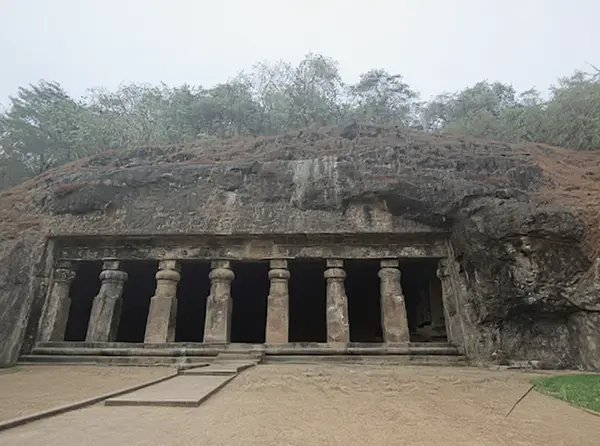
3. Elephanta Caves
Rock-cut temples on an island showcase monumental Shiva sculptures. Walk cavernous halls, study detailed reliefs, and enjoy sweeping Mumbai Harbour views.
Quick facts: Salt-tanged sea air and the echo of boat engines greet visitors before a short climb up worn basalt steps leads to shadowed chambers. Inside, more than forty high-relief carvings and pillars emerge from the rock, anchored by a three-headed deity sculpture that spans roughly 20 feet across.
Highlights: Step into the main hall and a single, massive three-faced stone head named Trimurti dominates the space, late-afternoon light slicing across carved features and seeming to animate each face. A quirky historical note: sailors' logs from the 1600s mention a weathered elephant statue at the landing that inspired local names, and some guides still show shallow hollows in the floor where oil lamps once flickered during rituals.
Have you heard of free walking tours?
After traveling to 30+ countries, there's one thing I wish someone had told me from day one, and it completely changed how I experience new cities.
Free walking tours. Yes, actually free. No credit card needed. No catch.
Local guide, 2-3 hours
Major sights, hidden gems, local stories
100% tip-based
Guides earn only tips, so they give their absolute best
You tip what feels right
At the end, just tip whatever you feel is right
I've done these in dozens of cities and they've been the highlight of almost every trip. If you're visiting Mumbai, India, do this on your first day. You'll thank me later.
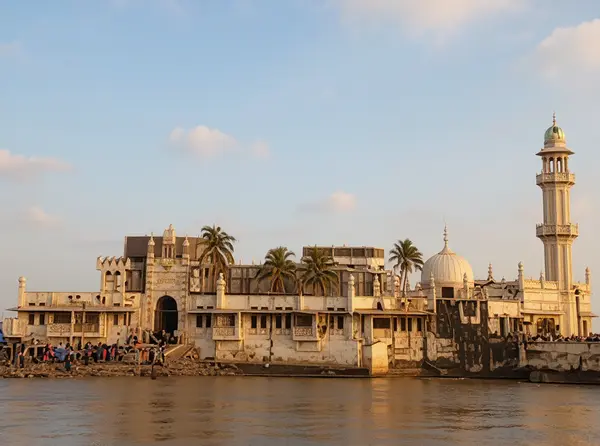
4. Haji Ali Dargah
Ocean-front mosque-shrine on a narrow causeway, a peaceful escape in hectic Mumbai. Walk the causeway, see ornate tomb interiors, and catch a golden sunset over the Arabian Sea.
Quick facts: A white mosque and shrine stand on a small, heart-shaped islet reached by a narrow stone causeway that disappears under high tide, creating dramatic sea views. People of many faiths visit daily, with crowds swelling to several thousand during Ramadan and on Thursday evenings.
Highlights: A narrow causeway disappears under the sea twice each day, so the walk feels like a vanishing path laced with salt spray and the cries of passing gulls. Worshippers often circle the inner sanctum exactly seven times while tying colored threads to the railings, leaving hundreds of coins and rose petals that rattle like a drum when the tide rolls in.
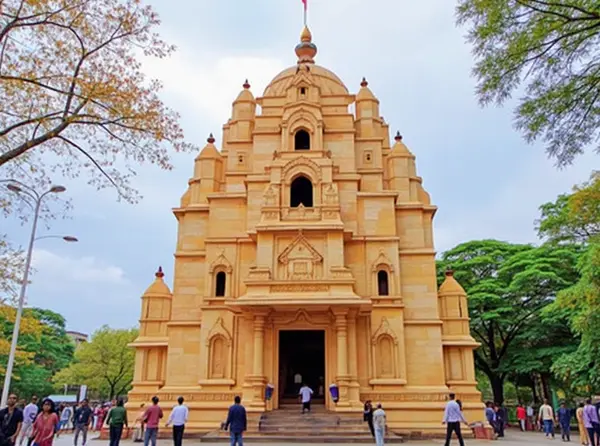
5. Siddhivinayak Temple
One of Mumbai's most famous Ganapati temples, bustling with devotion and history. Experience lively aartis, ornate sanctum, and the city's devotional pulse.
Quick facts: A shimmering inner sanctum draws devotees into a compact, golden-lit space where priests move with calm precision and the air is thick with incense and marigold. Crowds can surge dramatically, with queues often stretching for hours and authorities managing lines with disciplined efficiency.
Highlights: An unusual tradition sees laddoo prasadam served after the main ritual, with volunteers handing out roughly 10,000 laddoos during peak festival days, a sticky, sweet contrast to the fragrant smoke. A corridor of over 200 brass bells hung by visitors tinkles whenever a fresh offering is made, producing a delicate, chiming soundtrack that lingers long after you leave.
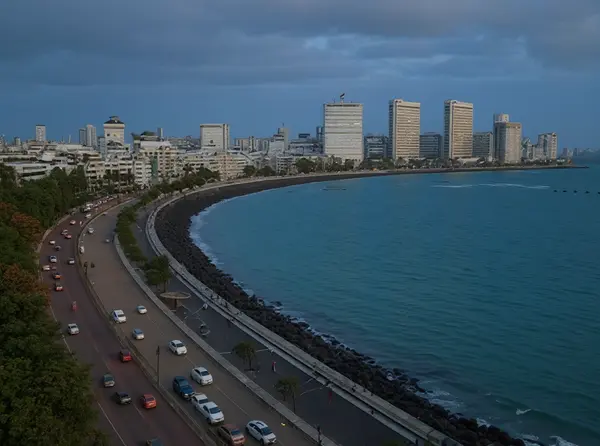
6. Marine Drive
A sweeping seaside promenade with dramatic sunsets and Art Deco skyline. Enjoy a sunset walk, local snacks, sea breeze, and skyline photo ops.
Quick facts: A curving seawall runs about 3.6 kilometres along a bustling bay, creating a long crescent that glows at night. Nighttime streetlights outline the curve so perfectly people describe it as a necklace, while monsoon winds slam the promenade with dramatic spray.
Highlights: Early-morning groups often run two laps of the crescent for a 7–8 kilometre workout, while elderly players meet at the benches to play noisy, fast-paced chess. Orange sunsets stain the basalt promenade, and during certain festivals families set off strings of six to eight sparklers that ripple like tiny starbursts against the night.
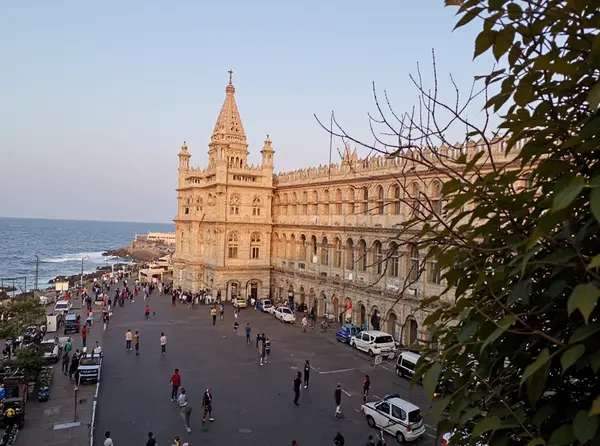
7. Colaba Causeway
Seaside shopping lane with colonial charm and lively markets. Expect bargains, street food stalls, and colorful crowds weaving through narrow lanes.
Quick facts: Markets spill onto the pavement with stalls selling everything from antique maps and Bollywood posters to handcrafted jewelry, and bargaining is part of the fun. Colors, scents and a steady hum of conversation blend with street music and tiny bookshops tucked between clothing racks.
Highlights: Neon-lit stalls sometimes reveal true oddities, like a vendor’s handwritten ledger documenting sales and customers since 1964 and a single stall offering more than 300 varieties of scarves. Sip strong chai brewed in waist-high samovars at an old Irani cafe, the steam thick with cardamom and condensed milk so dense you can see spice flecks floating.
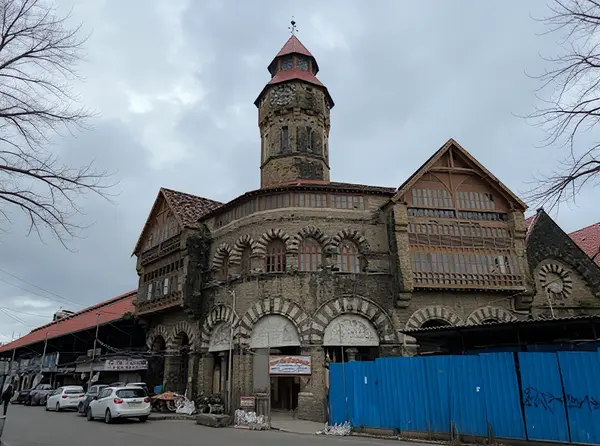
8. Crawford Market
Colonial-era market offering intense taste, scent and color. Walk through stalls selling fruits, spices, pets and antiques beneath a Victorian façade.
Quick facts: Expect a heady mix of spices, fruits and vintage décor under one high, ornate roof, where bargaining is part sport and part conversation. Local shopkeepers often shout prices in Marathi and Hindi, using age-old scales and wooden balances alongside modern billing machines.
Highlights: Step inside and the air fills with the sweet, earthy scent of fresh coriander and tangy citrus, while dozens of parrots chatter from cages near the pet stalls. A practiced rhythm emerges as traders with chalk-stained hands count out prices and stack wooden crates in seconds, a human choreography that keeps long lines moving during festival rushes.
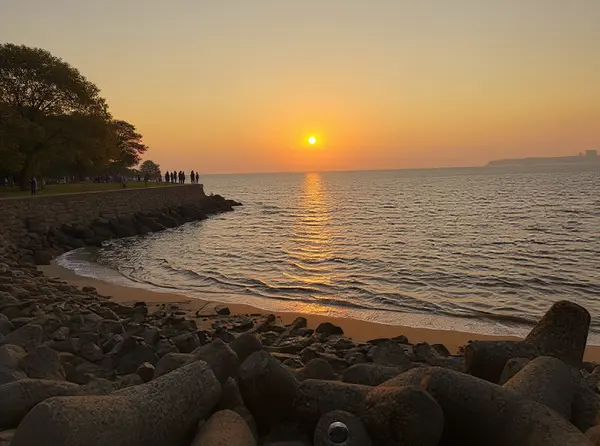
9. Girgaum Chowpatty
Iconic Mumbai beach with lively street food and sunset views. Stroll the promenade, sample bhel and kulfi, and watch the city light up.
Quick facts: Golden sand meets a thrumming city skyline at the crescent-shaped beachfront, where evening joggers and kite-flyers share space with sizzling food carts. Local vendors hawk bhelpuri, pav bhaji and roasted corn, and a single sunset hour can fill the air with at least five distinct spices and the salty tang of the sea.
Highlights: At the high point of Ganesh Visarjan, hundreds of earthen lamps and thousands of marigold petals are floated at once, turning the surf into a shimmering carpet of orange and candlelight. Street-food aromas mix with devotional chants and the clink of brass lotas, as families send tiny clay boats bobbing away under the salt-scented night sky.
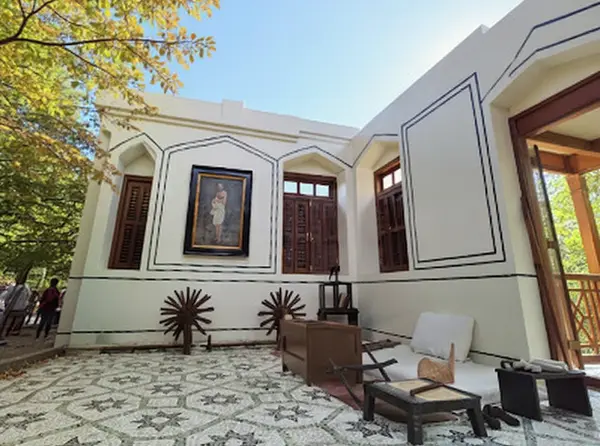
10. Mani Bhavan
Step into the house where Gandhi planned key campaigns, preserved as a quiet museum. Walk his simple study, see period photos and a peaceful courtyard garden.
Quick facts: Sunlit rooms hold a modest collection of handwritten letters, rare photographs, and personal objects that reveal the everyday habits of a towering political figure. Guided tours often point out the preserved study and a simple spinning wheel, while the rooftop offers a quiet view that contrasts with the city's bustle below.
Highlights: Step into a tiny upstairs room where a low wooden cot, a frayed charkha and a pair of round spectacles in glass make the past feel almost touchable, the smell of old paper and polish still noticeable. A local tradition rings a brass bell at 5:00 pm every day, volunteers saying a short prayer and many visitors pausing in silence, the single clear tone threading through the surrounding lanes.
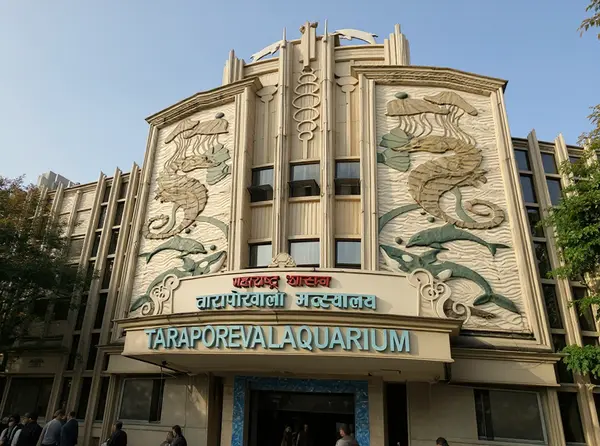
11. Taraporewala Aquarium
Explore India's long-standing marine aquarium near Marine Drive, home to diverse coastal and tropical species. Walk past glass tanks, spot colorful fish, rays and occasional feeding sessions up close.
Quick facts: Step inside and you'll find a kaleidoscope of tanks holding over 2,000 fish from more than 200 species, colors flashing against curated coral backdrops. Ambient blue lighting and the low rumble of filters make visits feel like walking through an underwater city, where curious rays and bright clownfish bob inches from the glass.
Highlights: One unforgettable moment is the way the 55 tanks are arranged, channeling light and motion so a swirling school of silver fish can fill your whole field of view. Listen closely during the weekday afternoon feeding, staff announce names of species and you can hear the rasp of nets and the splash as staff coax a dozen rays to the viewing glass, creating a surprisingly theatrical, slightly salty soundtrack.
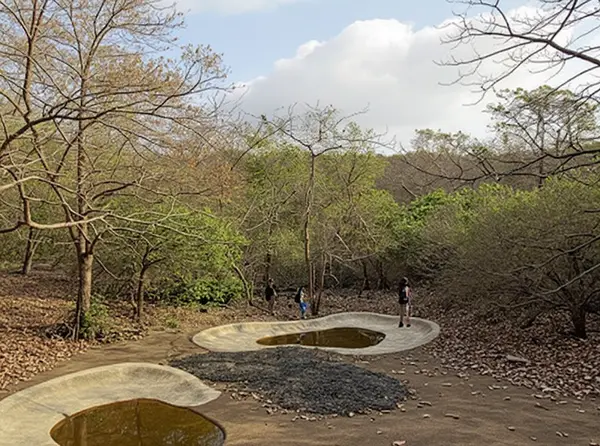
12. Sanjay Gandhi National Park and Kanheri Caves
A leafy wildlife escape inside Mumbai with waterfalls and ancient rock-cut caves. Walk shaded trails, spot birds and deer, and explore the Kanheri Caves.
Quick facts: Thick green canopy covers roughly 87 square kilometers, where monkeys chatter from tree to tree and leopards are occasionally spotted at the edge of walking trails. A cluster of about 109 rock-cut Buddhist caves climbs the basalt slopes, featuring carved chaityas, monastic cells, and inscriptions that turn stone into a vivid record of everyday life.
Highlights: Step into a cool, pillared rock hall where a single beam of sunlight turns a carved stupa into a sudden spotlight, and dust motes glitter like suspended stars. Follow the narrow path that threads through 109 chambers, where villagers still leave small jasmine offerings in carved niches, the faint scent and distant birdcalls making the place feel like a living ritual.
Where to Stay in Mumbai, India
Selected by City Buddy based on guest reviews and proximity to top attractions
Search all hotels in Mumbai, IndiaPowered by agoda
Traditional Sweet Dishes

Gulab Jamun
Soft, milk-solid dumplings fried and soaked in rose-scented sugar syrup, Gulab Jamun is a staple at Indian festivals, weddings and celebrations, beloved for its melt-in-your-mouth texture.
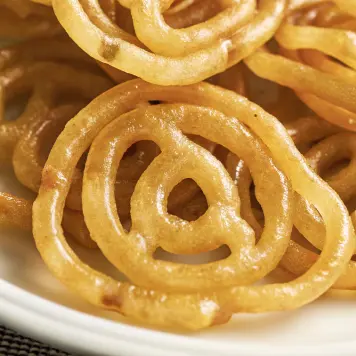
Jalebi
Bright orange, coiled strands of fermented batter fried until crisp and then soaked in syrup, Jalebi is a street-food favorite that is enjoyed hot for breakfast or as a dessert.
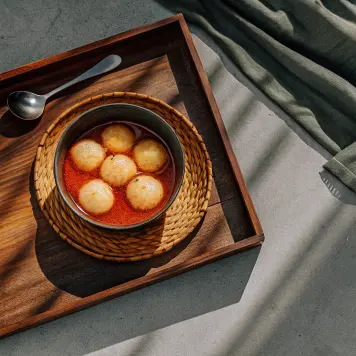
Rasgulla
Made from chhena cheese balls cooked in light sugar syrup until spongy, Rasgulla is especially associated with Eastern India and is known for its delicate, milky sweetness.
Traditional Savory Dishes
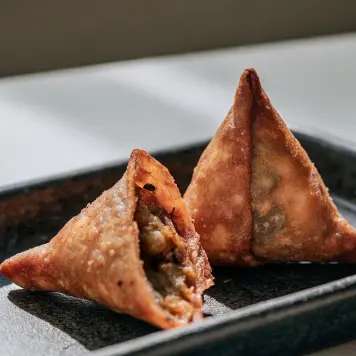
Samosa
A triangular fried pastry filled most commonly with spiced potatoes and peas, Samosa is a ubiquitous snack across India and a popular street food enjoyed with chutneys.

Biryani
A fragrant, layered rice dish cooked with marinated meat or vegetables and aromatic spices, Biryani has royal Mughal roots and regional varieties like Hyderabadi and Lucknowi that are celebrated nationwide.
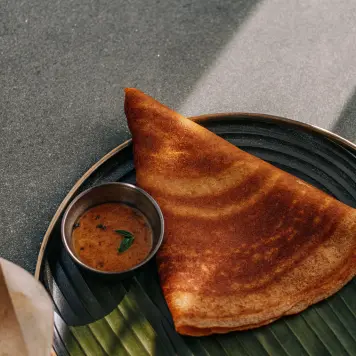
Dosa
A thin, crisp crepe made from fermented rice and lentil batter, Dosa hails from South India and is traditionally served with sambar and coconut chutney for breakfast or a light meal.
Traditional Beverages

Masala Chai
A spiced milk tea brewed with black tea, milk, sugar and warming spices such as cardamom and ginger, Masala Chai is a daily ritual in many Indian homes and tea stalls.
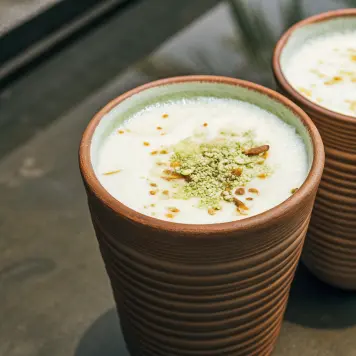
Lassi
A yogurt-based drink that can be sweet, salty or fruit-flavored, Lassi is cooling and popular in the north, especially Punjab, often enjoyed during hot weather and with heavy meals.
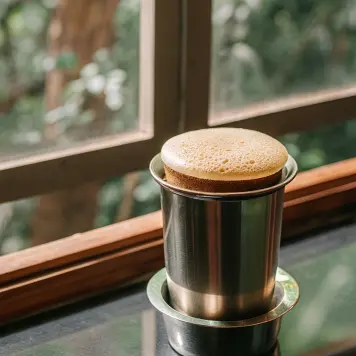
Filter Coffee
South Indian filter coffee is a strong brew made from roasted coffee mixed with chicory, served with hot milk in a traditional metal tumbler and davara, and is an integral part of morning routines in the south.
Frequently Asked Questions about Mumbai, India
What is the best time to visit Mumbai, India?
Is Mumbai, India expensive for travelers?
How do most travelers get around Mumbai, India?
How many tourists visit Mumbai annually?
Is Mumbai, India safe for tourists?
Get a PDF with the most popular attractions sent to your email
Get a PDF with all attractions, ratings, and tips. Perfect for offline use.
Most popular day trips
Elephanta Caves
Island with ancient rock-cut Hindu cave temples.
Alibaug
Beach town with forts and laid-back vibe.
Lonavala and Khandala
Popular hill stations with waterfalls and viewpoints.
Matheran
Car-free hill station with viewpoints and forest trails.
Getting there
Train stations
Central line, long-distance trains
Western line, long-distance trains
From the airport take a prepaid taxi or app cab to the city; local trains are fastest, avoid peak hours.
Find flights to Mumbai, India
Click to get eSim for Mumbai, India
The easiest and most affordable way to get mobile internet wherever you travel.
Comments (7)
Colonial buildings and the sea breeze are lovely, crowds and horns wear you down though. Take afternoon breaks and hydrate.
Two weeks let me explore suburbs and local trains, budget-friendly once you avoid tourist traps, not a polished city but very alive.
Stifling humidity in April made midday walks brutal, but rooftop dinners and fresh seafood more than made up for it.
Skip restaurants on the main Colaba strip, walk two blocks inland for real local thalis and much better prices, bring small cash notes.
Crazy energy and nonstop street food, locals were warm but the traffic is intense. Four days felt perfect to get a good taste.