 CityBuddy
 English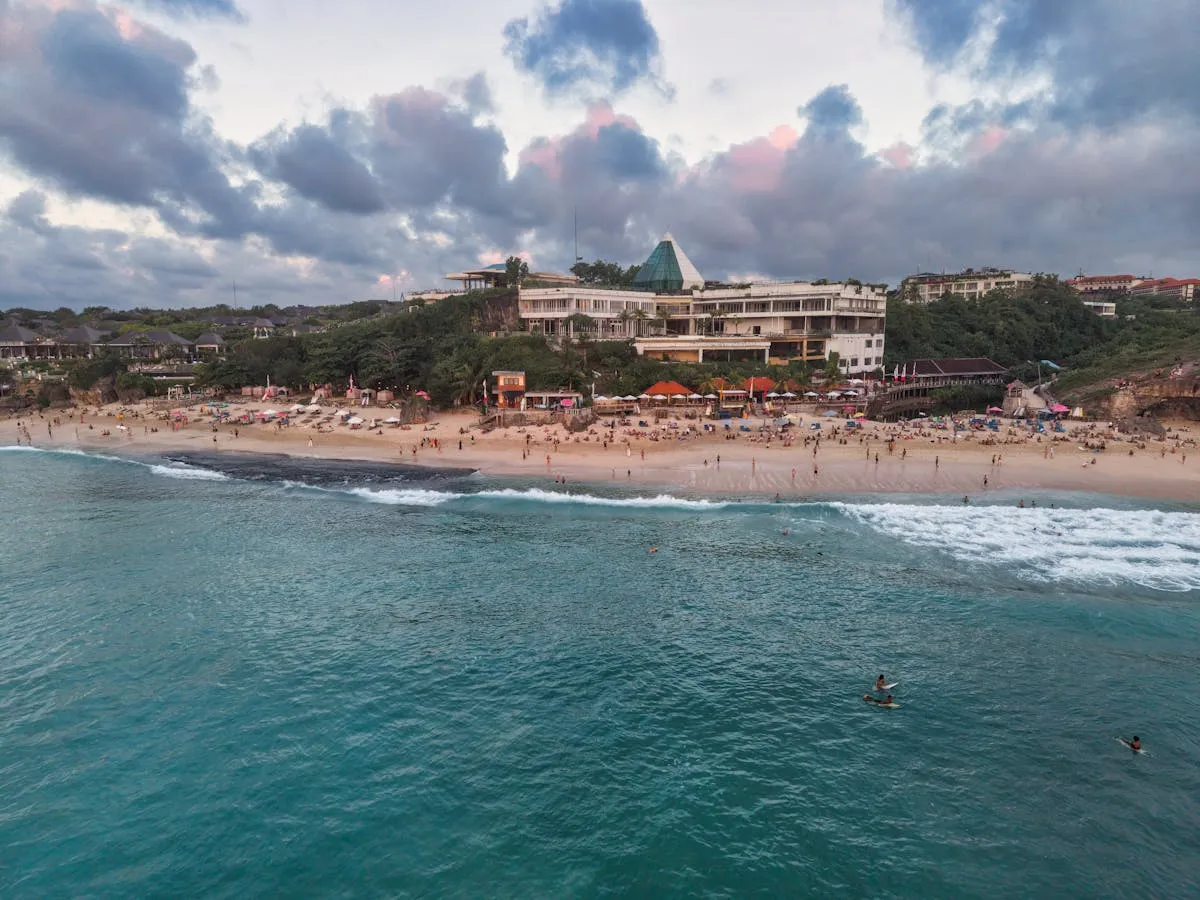
Things to Do in Bali, Indonesia
Photo made by Tom Fisk on Pexels.com
When to visit
Plan your perfect trip to Bali, Indonesia
Get a complete travel plan built just for you in under 30 seconds, with daily routes, local food tips, budget estimates and more.
Are any of these especially important to you?
Select all that apply
Plan language: EnglishMost popular attractions in Bali, Indonesia
Things to do in Bali, Indonesia, are abundant starting with a visit to Uluwatu Temple, perched 70 meters above the ocean, offering stunning sunset views. Explore the Sacred Monkey Forest Sanctuary in Ubud for a close encounter with playful macaques. Don't miss the expansive Tegallalang Rice Terraces, with their intricate irrigation system, perfect for photography and peaceful walks.
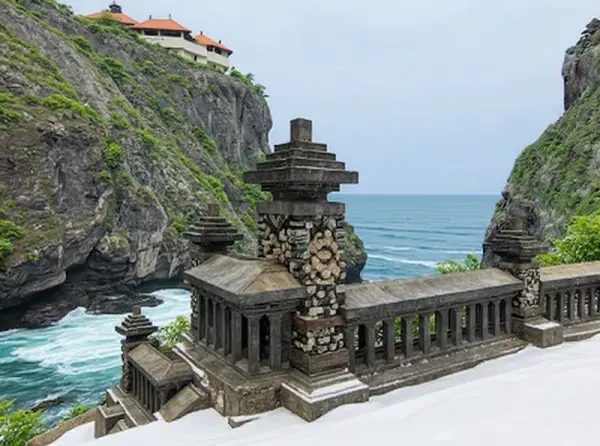
1. Uluwatu Temple (Pura Luhur Uluwatu)
Pura Luhur Uluwatu
Perched on dramatic limestone cliffs, Uluwatu offers jaw-dropping ocean sunset views. Explore ancient shrines, daring clifftop walks, playful monkeys, and the nightly Kecak fire dance.
Quick facts: Perched atop a sheer limestone cliff about 70 meters above the surf, visitors often watch bold grey-headed macaques brazenly snatch sunglasses or snacks from the unwary. As the sun lowers, the rhythmic chanting of Kecak dancers mixes with crashing waves, making the sunset feel like a live, sensory theatre performance.
Highlights: Perched on a 70-meter-high cliff, the clifftop stage becomes a dramatic amphitheater at sunset where a 100-voice Kecak chorus chants in layered rhythms around a ring of fire, the sound swelling against crashing surf. Local legend says a troop of long-tailed macaques will casually snatch anything shiny, so stewards often hang a banana basket to distract up to a dozen cheeky thieves while visitors taste salt on the air and hear the dancers' rhythmic clapping.
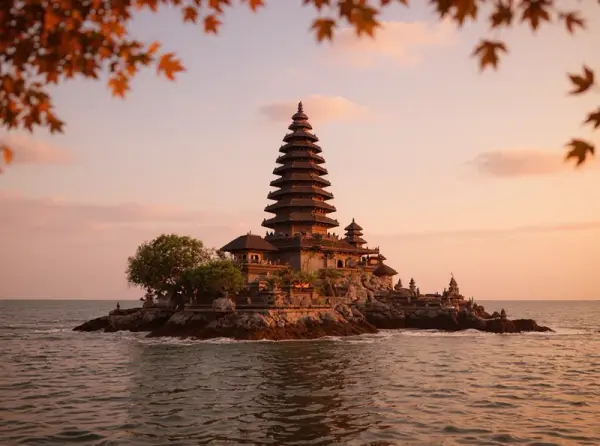
2. Tanah Lot Temple (Pura Tanah Lot)
Pura Tanah Lot
Iconic sea temple perched on a rocky outcrop, offering dramatic ocean views and Balinese rituals. Expect tidal walkways, sunset silhouettes, and lively market stalls.
Quick facts: Waves slam against a jagged sea stack topped by a shrine, turning sunsets into spectacular silhouetted shows that draw photographers and pilgrims alike. Local priests still perform sea offerings on special days, and careful restoration using volcanic rock helped stabilize the eroding foundation against relentless tides.
Highlights: Legend says a 16th-century priest, Dang Hyang Nirartha, meditated on a sea-sculpted rock and left behind sacred black sea snakes that locals still protect today. At low tide a stony path appears; locals set out tiny banana-leaf canang of frangipani and incense, their sweet scent riding the briny wind as the sun drops blood-orange over the horizon.
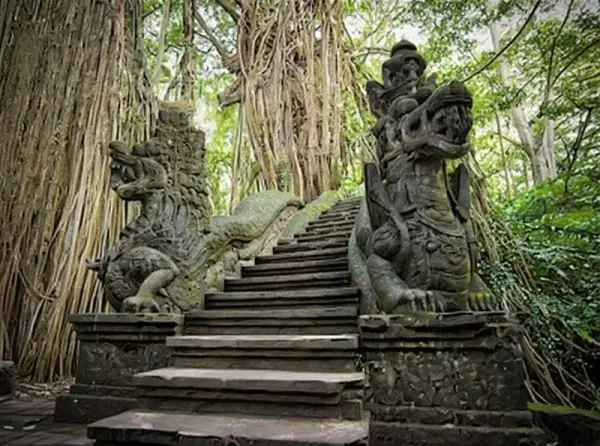
3. Sacred Monkey Forest Sanctuary (Ubud Monkey Forest)
Ubud Monkey Forest
Sacred temples and lively macaques in a lush jungle make for a rare mix of Balinese culture and wildlife. Walk mossy paths, watch macaque antics, and photograph ornate shrines.
Quick facts: Strolling beneath a lush canopy of banyan and fig trees, you'll hear constant chattering and often see long-tailed macaques swinging across mossy stone statues. More than 700 monkeys live among the temple ruins, so keep cameras and snacks tucked away: the macaques are unusually bold and clever when it comes to grabbing loose items.
Highlights: Around 600 long-tailed macaques patrol a shady compound of mossy stone steps and towering banyan roots, chittering like a living percussion section while they snatch sunglasses, cameras, and the occasional ripe mango from unsuspecting visitors. In the heart of the grove three centuries-old temples keep baskets of incense and fruit as daily offerings, and sometimes a local priest will walk straight through the troop, smiling nervously as the alpha male inspects his orange sarong.
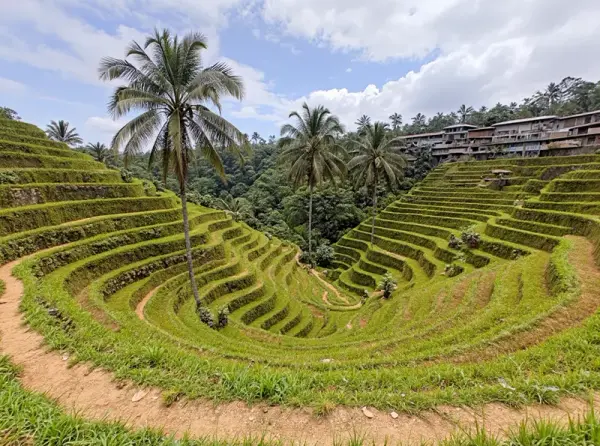
4. Tegallalang Rice Terraces
Terraced emerald paddies sculpt Bali's volcanic slopes, offering calm, photogenic scenery. Walk narrow paths, watch rice farmers and capture sunrise light across layered fields.
Quick facts: Stepped emerald terraces cascade down the hillside, offering dizzyingly close viewpoints and Instagram-ready panoramas framed by palm and banana leaves. Local farmers still rely on a communal subak irrigation system, coordinating water and planting schedules so each rice field thrives without modern machinery.
Highlights: A centuries-old Subak irrigation system, recognized by UNESCO in 2012, channels water through carved stone spouts so that hundreds of narrow emerald terraces are flooded in precise rotations, producing mirrorlike reflections after heavy rains. Local farmers still follow the quirky habit of blessing the water at small temple ceremonies before harvest, priests tinkle tiny bells while woven palm trays of offerings scent the air, and you can smell wet loam and charcoal-roasted coffee as frogs begin their dusk chorus.
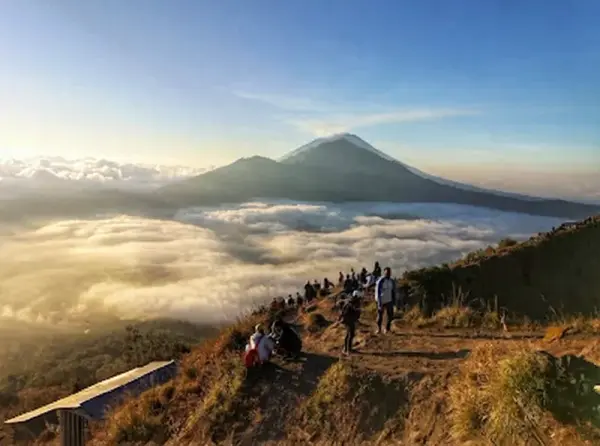
5. Mount Batur (Gunung Batur) - Kintamani
Kintamani
Stunning sunrise over an active volcano and Lake Batur draws photographers and adventurers. Hike before dawn to watch the caldera glow and capture panoramic views.
Quick facts: Steam rises from a dramatic caldera at dawn, rewarding hikers with a warm glow and sweeping views across layered volcanic ridges. Rich ash soils feed terraced farms and fumaroles occasionally scent the air with sulfur, while jagged lava flows carve stark cliffs that feel otherworldly.
Highlights: At 1,717 meters the crater rim opens into a milky, steam-filled caldera with a bright lake at the bottom, and guides commonly start 3:00 AM hikes of about 1.5 to 2 hours so you reach sunrise as plumes of steam curl across scorched black rock. Local guides will hand you an egg boiled in a geothermal vent, the shell mottled grey and the yolk carrying a faint sulfur tang, while villagers still bring woven coconut-leaf offerings to the rim before dawn to bless the climb.
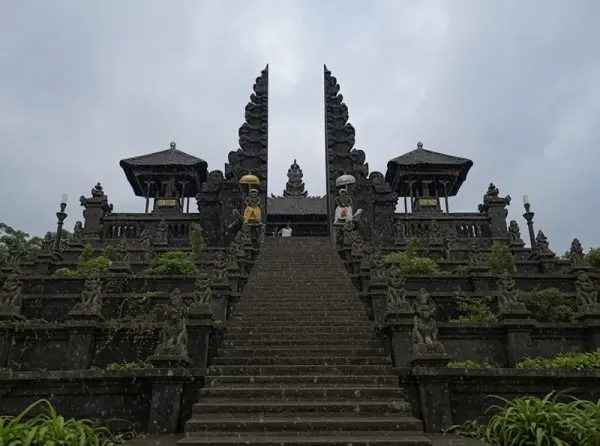
6. Besakih Temple (Pura Besakih)
Pura Besakih
Sacred temple complex on Mount Agung slopes offering layered shrines and sweeping mountain views. Explore terraced courtyards, ornate gateways, and frequent Balinese ceremonies.
Quick facts: Steep stone stairways and tiered shrines climb a volcanic slope, where incense, fragrant flowers, and ritual smoke mingle into the air. Crowds swell for major ceremonies, with dozens of separate temples in the complex hosting processions and pilgrims in bright sarongs numbering into the thousands.
Highlights: A sprawling complex of 23 linked shrines climbs the volcano’s flank, the central sanctuary capped by an 11-tiered meru and constantly scented with frangipani and smoldering incense as priests move through layers of white and saffron cloth. Locals still tell how the 1963 eruption devastated nearby villages yet left the complex largely intact, a story that sends barefoot pilgrims up the steep stone staircases while elderly priests chant and scatter tiny offerings of rice and flower petals into the breeze.
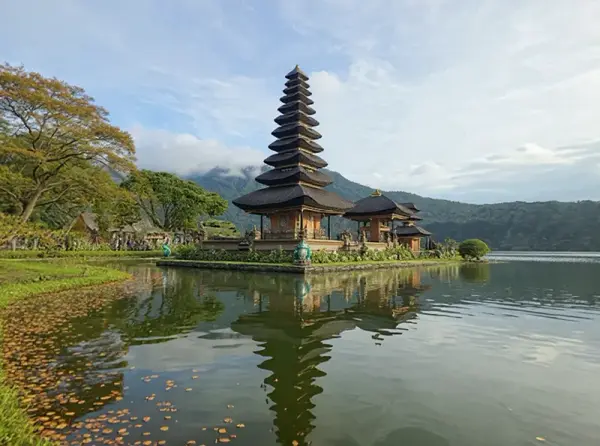
7. Ulun Danu Beratan Temple (Pura Ulun Danu Bratan) - Lake Bratan
Lake Bratan
Sacred lakeside temple with layered meru shrines set against misty mountains. Expect mirror-like reflections, colorful offerings, and peaceful lakeside paths.
Quick facts: Misty mornings often make the tiered shrines seem to float on the lake, producing the mirror-like reflections photographers chase at sunrise. Locals still leave lotus and fruit offerings to the water goddess, and seasonal ceremonies sustain ancient irrigation traditions that shape nearby rice terraces.
Highlights: At sunrise, priests in crisp white sarongs perform melukat purification rites that use jasmine and frangipani smoke, the 17th century temple, built in 1633 for Dewi Danu the water goddess, seems to float because its tiered meru reflect perfectly on the glassy lake. Local farmers still tell stories of bargaining with temple guardians by sending tiny coconut-leaf offerings across the water to secure irrigation, a tactile ritual you can hear as soft paddles and the plop of leaves breaking the mountain-cool silence at about 1,240 meters above sea level.
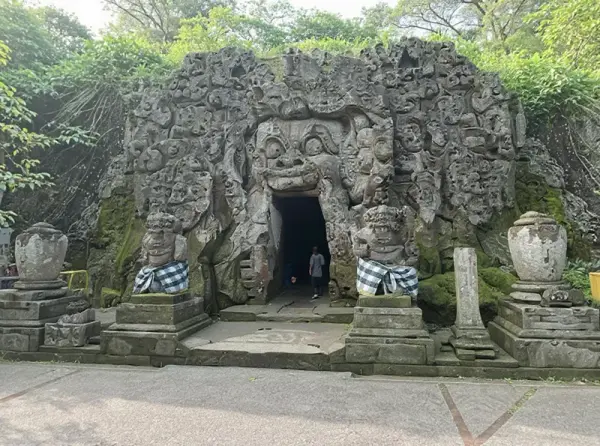
8. Goa Gajah (Elephant Cave)
Elephant Cave
Carved stone mouth and jungle pools reveal Bali's early temple art. Wander among sculpted figures, sacred pools and shaded courtyards.
Quick facts: Step through a carved stone portal shaped like a fierce open mouth and feel the cool, damp air of a small cave lined with intricate reliefs. Mossy bathing pools below ornate stone carvings reflect a surprising blend of Hindu and Buddhist motifs, offering a calm, intimate spot that many visitors find unexpectedly serene.
Highlights: Walk through a monstrous stone mouth carved in the 11th century and you step into cool, incense-scented air where the walls still hold ancient Hindu and Buddhist reliefs, some dating back over 1,000 years. Locals quietly perform melukat purification at the shallow bathing pools fed by trickling carved spouts, the water sounding like soft bells while priests arrange tiny floral offerings called canang on the mossy ledges.
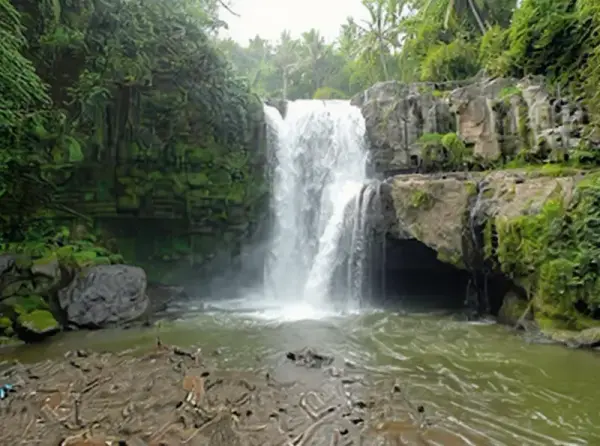
9. Tegenungan Waterfall (Air Terjun Tegenungan)
Air Terjun Tegenungan
Powerful cascading falls set in lush jungle, just a short drive from Ubud. Walk down steps to a misty pool, photo platforms, and riverside cafes.
Quick facts: Roaring water plunges into a jade-green pool framed by mossy cliffs, offering a refreshing swim and dramatic photo spots for adventurous visitors. Local stalls line the short, steep path with cold coconuts and snacks, and the mist on your face can feel like a mini rainforest even when the access road is busy.
Highlights: At dawn local families still gather for melukat purification, wading into the cool, tannin-dark river to chant, splash holy water and tuck tiny woven palm offerings called canang onto mossy stones, the air alive with low voices and the scent of frangipani. A narrow carved path and a handful of steep steps lead down to a viewing ledge where the spray hits your face with a mineral tang, and you can taste river silt on your lips while bright moss and fluttering butterflies blur under the roar.
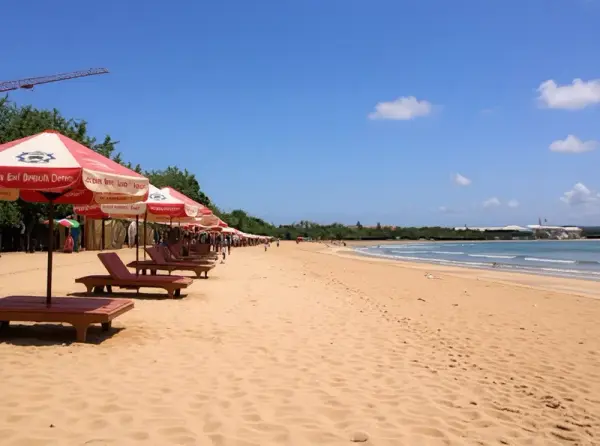
10. Kuta Beach
Wide golden sand and reliable surf make Kuta Beach a lively Bali staple. Expect surf schools, busy sunsets, lively markets, and endless beachfront cafes.
Quick facts: Golden sand stretches along a bustling shoreline, where beginner-friendly surf and long rides draw a constant parade of boarders and sunbathers. Neon-lit evenings pulse with live music and street food aromas, turning the beachfront into a lively, sensory-packed corridor that stays animated well after sunset.
Highlights: At dawn the long crescent of sand, roughly 2.5 kilometers, fills with surf instructors, neon rental boards stacked like books, and the smell of fried bananas and clove cigarettes rising over the salty wind. Once a year before Nyepi, hundreds of worshippers in white perform the Melasti purification right on the shoreline, priests carrying temple effigies into the surf while gamelan drums and incense mingle with crashing waves.
Where to Stay in Bali, Indonesia
Selected by City Buddy based on guest reviews and proximity to top attractions
Search all hotels in Bali, IndonesiaPowered by agoda
Traditional Sweet Dishes
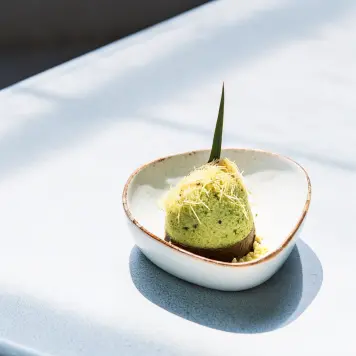
Dadar Gulung
Dadar gulung is a thin, bright green pancake scented with pandan and filled with sweet grated coconut and palm sugar, its vivid color and soft roll make it look like a little green pillow of dessert.
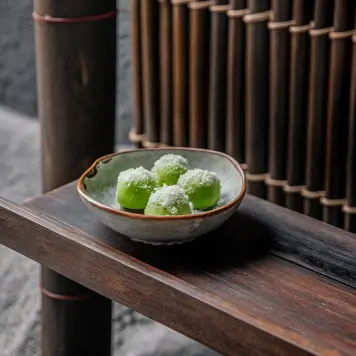
Klepon
Klepon are chewy rice balls filled with molten palm sugar that burst in your mouth and are rolled in grated coconut to give a salty-sweet contrast of textures and flavors.
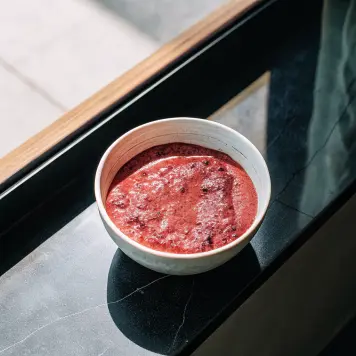
Bubur Injin
Bubur injin uses black glutinous rice that turns deep purple when cooked, producing a nutty, sticky porridge often finished with rich coconut milk and palm sugar.
Traditional Savory Dishes
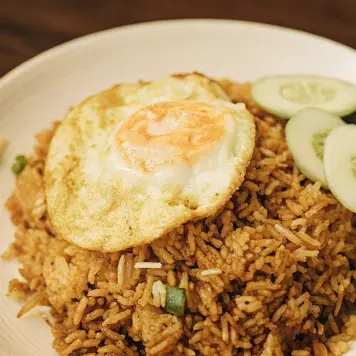
Nasi Goreng
Nasi goreng is Indonesia’s iconic fried rice, flavored with kecap manis and aromatics and commonly topped with a fried egg, making it a comforting dish that varies widely by region.
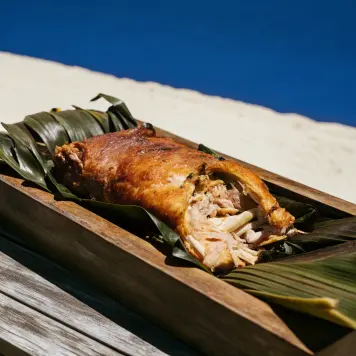
Babi Guling
Babi guling is a spit-roasted suckling pig stuffed with a vibrant paste of turmeric, coriander and lemongrass, it is both a festival centerpiece and a symbol of Balinese communal celebration.

Sate Lilit
Sate lilit is minced fish or meat mixed with grated coconut and spices then hand-wrapped around a lemongrass stalk, the stalk acts as both skewer and aromatic flavoring as it grills.
Traditional Beverages
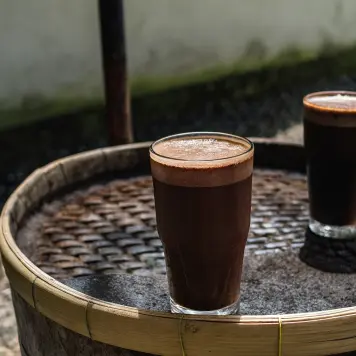
Bali Coffee
Bali coffee, often grown in highland regions like Kintamani, is roasted over wood fires and brewed strong, offering bold, earthy notes and sometimes a hint of chocolate.
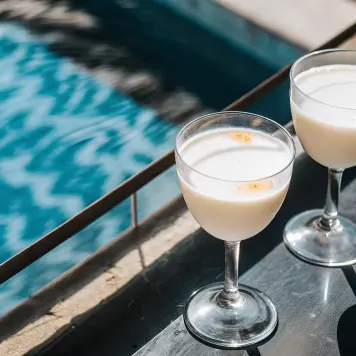
Arak
Arak is a potent distilled spirit made from fermented palm sap or rice, it plays a role in Balinese ceremonies and also serves as the base for lively local cocktails.

Jamu
Jamu is a centuries-old herbal tonic made from turmeric, ginger and tamarind, locals drink it as a daily health boost and street vendors sell it fresh from colorful jars.
Frequently Asked Questions about Bali, Indonesia
What is the best time to visit Bali, Indonesia?
Is Bali, Indonesia expensive for travelers?
How to get around Bali, Indonesia?
Is Bali, Indonesia safe for tourists?
How many tourists visit Bali, Indonesia each year?
Get a PDF with the most popular attractions sent to your email
Get a PDF with all attractions, ratings, and tips. Perfect for offline use.
Most popular day trips
Mount Batur (Kintamani)
Sunrise volcano trek, lake views and hot springs.
Nusa Penida
Rugged island with dramatic bays and snorkeling.
Rent a car in Bali, Indonesia
Getting there
Airports
Train stations
N/A — island has no rail network
From DPS, use Blue Bird taxi or prebook a private transfer; expect 20–45 min to main areas.
Find flights to Bali, Indonesia
Click to get eSim for Bali, Indonesia
The easiest and most affordable way to get mobile internet wherever you travel.
Useful information for Bali, Indonesia
Overview for Bali, Indonesia
Most popular itineraries for Bali, Indonesia
Browse trip plans created by other travelers
Comments (7)
Street food blew my mind, ate satay and nasi campur every day. Cultural dance nights are beautiful, just arrive early to grab a decent seat.
Skip restaurants right on the cliff or beach, walk two streets back for fresher seafood at half the price. Always carry cash, many places don’t take cards.
Budget travel is doable if you avoid the beachfront tourist hubs, scooters are cheap but tourist traps will drain cash. Five days felt a bit rushed.
Hot and humid most days with short heavy afternoon rains. Temples are peaceful in the early morning, bring a scarf for modesty and shade for the heat.
Loved the rice terraces and sunsets, food at local warungs is incredible. Beaches are crowded but the vibe still feels relaxed. 7-10 days recommended.