 CityBuddy
 English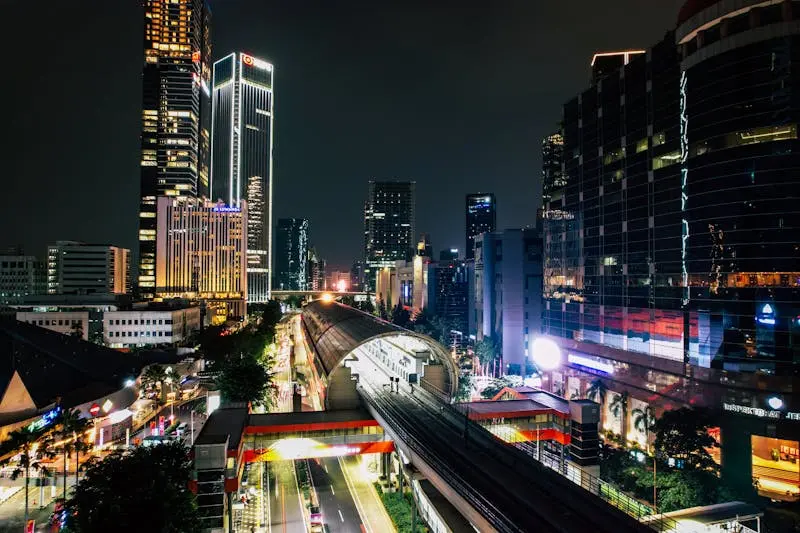
Things to Do in Jakarta, Indonesia
Photo made by Afif Ramdhasuma on Pexels.com
When to visit
Plan your perfect trip to Jakarta, Indonesia
Get a complete travel plan built just for you in under 30 seconds, with daily routes, local food tips, budget estimates and more.
Are any of these especially important to you?
Select all that apply
Plan language: EnglishMost popular attractions in Jakarta, Indonesia
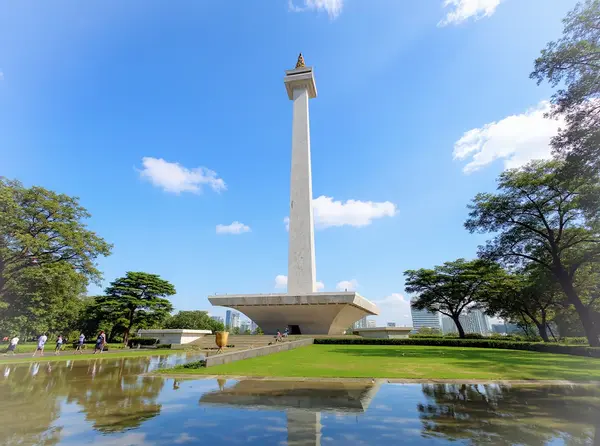
Top things to do in Jakarta, Indonesia include visiting the National Monument, which stands 132 meters tall in Merdeka Square, perfect for panoramic city views. Explore Kota Tua to experience colonial architecture and cobblestone streets. Don't miss Taman Mini Indonesia Indah, a cultural park showcasing Indonesian heritage with replicas from across the archipelago.
1. National Monument (Monas)
Monas
Icon of Indonesia's independence and skyline. Ride to the observation deck, visit the independence museum underground, and enjoy the surrounding park.
Quick facts: A towering obelisk reaches 132 meters, capped by a flame covered with about 35 kilograms of gold leaf that catches sunlight like a molten beacon. Visitors can ride an elevator up to an observation deck for sweeping 360-degree city views, a favorite spot for watching the city lights flip on after dusk.
Highlights: Descend into a basement museum where 51 dioramas use painted backdrops, mannequins, and recorded voices to stage pivotal historical scenes, making history feel oddly theatrical and immediate. A little-known practice sees the presidential flag-raising staged on the lawn during Independence Day, on August 17th, complete with drums, marching boots, and crowds gathering beneath the gold-plated flame.
2. Kota Tua
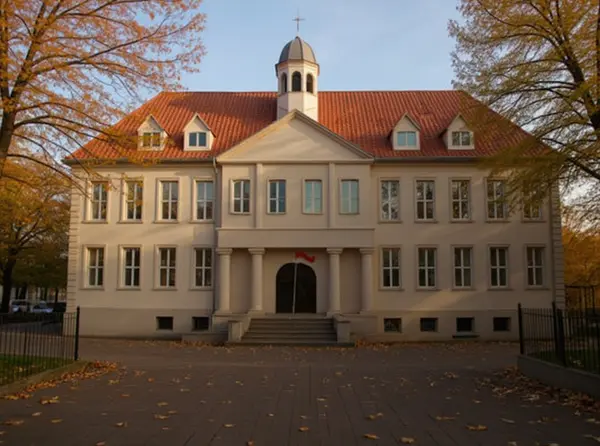
Walk through Jakarta's colonial heart, where Dutch-era buildings meet lively street life. Explore museums, vintage trams, cafés and photogenic plazas.
Quick facts: Cobblestone streets, faded Dutch-era façades and horse-drawn carriages create a cinematic feel, with colonial buildings now housing museums and cafés.
Highlights: A cracked clock tower still chimes every hour, its gears oiled twice a week by an elderly caretaker named Pak Agus who locks up with a heavy iron key. Local vendors and musicians gather under the portico during full-moon nights, about 30 people typically dancing to keroncong while the smell of fried banana and sweet coconut fills the air.

3. Istiqlal Mosque
Southeast Asia's largest mosque, famous for its soaring dome and vast courtyard. Tour the serene prayer halls and capture dramatic dome shots from the pedestrian bridge.
Quick facts: A huge prayer hall holds around 120,000 people during major prayers, its cool marble floors and high vaults keeping the space surprisingly airy. A towering minaret rises to about 96.66 meters, and a giant stainless-steel chandelier often scatters warm, dancing reflections across the interior.
Highlights: Rows of low tables and woven mats appear in the courtyard, volunteers serving roughly 20,000 people who break the fast together beneath strings of lights. Frederich Silaban insisted on keeping the exterior restrained, a choice that makes the enormous central dome feel like a luminous theater when noon light pours through skylights.
Have you heard of free walking tours?
After traveling to 30+ countries, there's one thing I wish someone had told me from day one, and it completely changed how I experience new cities.
Free walking tours. Yes, actually free. No credit card needed. No catch.
Local guide, 2-3 hours
Major sights, hidden gems, local stories
100% tip-based
Guides earn only tips, so they give their absolute best
You tip what feels right
At the end, just tip whatever you feel is right
I've done these in dozens of cities and they've been the highlight of almost every trip. If you're visiting Jakarta, Indonesia, do this on your first day. You'll thank me later.
4. Taman Mini Indonesia Indah
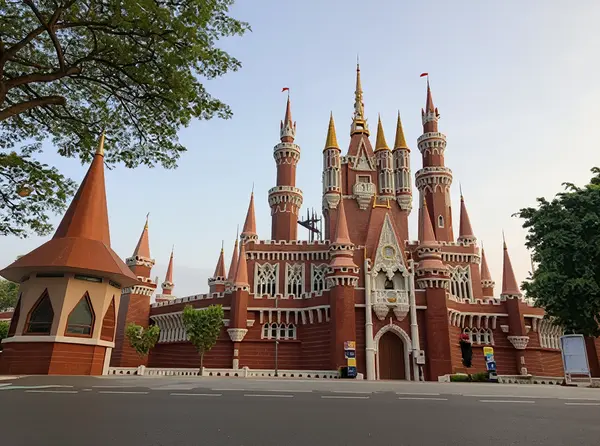
Experience Indonesia's cultures in one colorful park. Explore traditional houses, museums, a cable car, and live performances.
Quick facts: You can wander through replicas of 34 provincial pavilions, where dozens of traditional houses and carved roofs concentrate centuries of regional styles into a single stroll. A skyride soars over lakes and gardens, giving a bird's-eye view of the miniature landscapes across roughly 150 hectares, while museums, theaters, and a colorful transport museum add quirky detours.
Highlights: Hidden behind a shimmering golden shell, a snail-shaped theater projects panoramic local films onto a curved screen, the hull catching sunlight and splashing gold reflections across the adjoining lagoon. Listen closely during the afternoon costume parades when performers from up to 34 provinces appear in hand-woven textiles and clattering wooden sandals, the air rich with coconut smoke and the sharp tang of sambal.
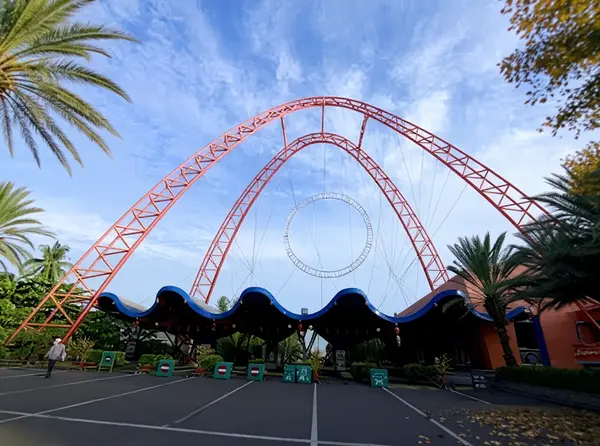
5. Ancol Dreamland
Jakarta's biggest beachfront entertainment complex, offering theme-park thrills and seaside relaxation. Enjoy roller coasters, SeaWorld, water slides and boardwalk sunsets.
Quick facts: Salt air mixes with the scent of popcorn and fried street snacks as roller coasters and Ferris wheels scream along the waterfront. Around four million visitors arrive each year to ride more than 30 attractions, watch marine shows, and stroll a long beachfront promenade.
Highlights: Neon-lit rides reflect off the mangrove-streaked bay at dusk, while the aroma of grilled fish and sweet coconut pancakes pulls crowds toward lively food stalls. A 30-minute ocean amphitheater show pairs trained dolphins with pyrotechnics and live gamelan percussion, producing a splashy, drum-driven spectacle that smells of salt and smoke and sticks in your memory.
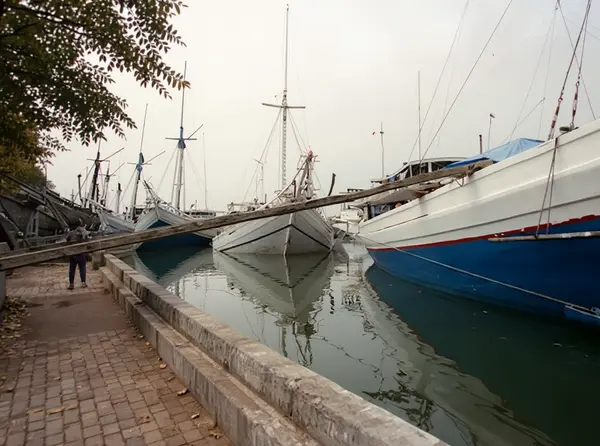
6. Sunda Kelapa Harbor
Experience Jakarta's living maritime history at atmospheric Sunda Kelapa harbor. Watch towering wooden pinisi schooners arrive, local crews load cargo, and lively quay scenes unfold.
Quick facts: Weathered wooden schooners with towering masts crowd the waterfront, as crews still load sacks and crates by hand while small sampans weave between hulls. More than 60 traditional pinisi vessels anchor along the quays, their teak planks and colorful sails keeping centuries-old sea-trade techniques alive.
Highlights: Step onto the quay at dawn and the air will be thick with tar, clove smoke, and diesel, while soaring masts over 30 meters cast long, dramatic shadows across oily water. A quirky local custom has shipwrights carving their initials and the year inside the keel, with markings like 'H. Rahman 1912' or 'M. Saleh 1928' that act as a private ledger only visible to those who peer under the planks.
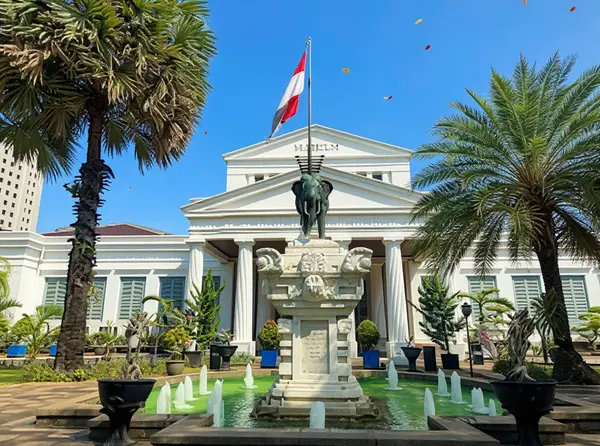
7. National Museum of Indonesia
One of Southeast Asia's largest cultural collections, discover Indonesia's story from prehistoric to colonial eras. Walk marble galleries filled with kris, bronzes and carved stone reliefs.
Quick facts: A neoclassical colonnade delivers a dramatic first impression, and inside you'll find more than 140,000 artifacts spanning stone tools, royal regalia, and colonial-era curiosities. Visitors often linger over gleaming gold and embossed bronze pieces, many with visible tool marks that make craftsmanship centuries old feel astonishingly immediate.
Highlights: Curators still whisper about a dusty crate labeled 'Wonoboyo' from a 1990 excavation, which revealed tiny gold cups and intricate jewelry no bigger than a fingertip. In one dimly lit gallery a row of more than 40 carved kris hilts sits under soft amber light, the ivory and wood catching the glow so visitors can spot hammered patterns and faded pigments with just a step closer.
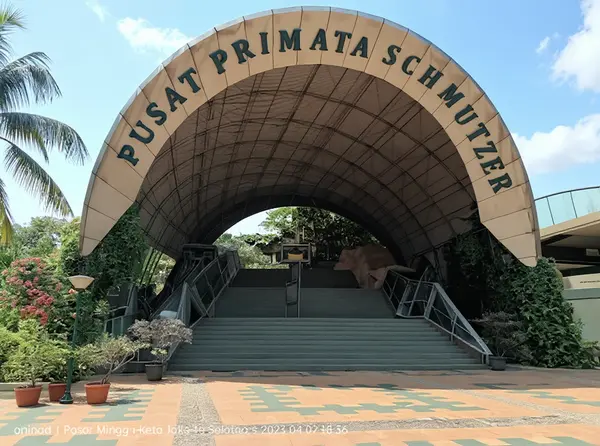
8. Ragunan Zoo
Leafy park showcasing Indonesia's wildlife, ideal for families and nature lovers. Stroll trails to spot orangutans, birds, primates, and kid-friendly exhibits.
Quick facts: You can stroll through roughly 140 hectares of shady parkland where hornbills and macaques share tree-lined avenues with lotus-filled ponds. Guides often point out that the collection spans several hundred species and a few thousand animals, so expect everything from tiny frogs to hefty reptiles.
Highlights: Early mornings around 7:00 AM reward visitors with roving peafowl that unfurl iridescent tails along the pathways, their metallic calls echoing between trees. Later, head to the primate area at 10:00 AM for a noisy feeding where orangutans eagerly take papaya slices, leaving sticky orange juice on nearby railings and onlookers' shoes.
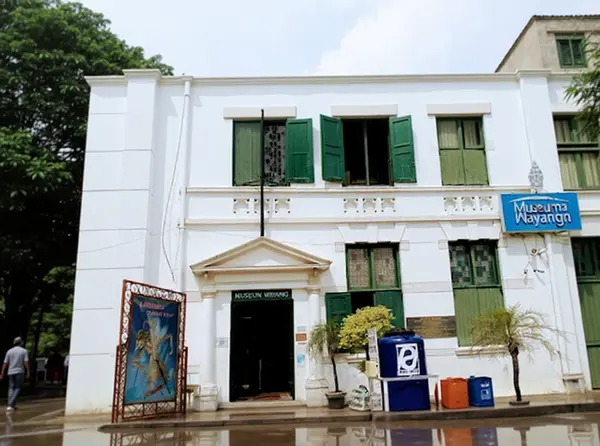
9. Wayang Museum
Discover centuries of Javanese puppetry in a handsome colonial museum. View hundreds of carved wayang puppets and catch a short shadow-play demo.
Quick facts: Hushed galleries display rows of intricately carved leather puppets, many painted so finely you can read tiny expressions on their faces. Glass cases hold wooden rod puppets and miniature theater sets, showing the surprising variety of regional styles and costume details.
Highlights: You can hear the dalang's low chant weave with gamelan rhythms as leather puppets cast shimmering silhouettes on a white screen, the shadows sharp enough to show painted eyes. Long performances often run 6 to 8 hours, and a dramatic entrance by Gatotkaca, with his metal headdress catching every lamp, regularly sparks cheers from the audience.
Where to Stay in Jakarta, Indonesia
Selected by City Buddy based on guest reviews and proximity to top attractions
Search all hotels in Jakarta, IndonesiaPowered by agoda
Traditional Sweet Dishes
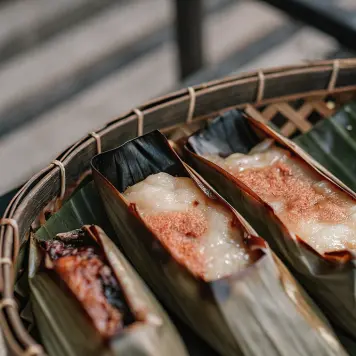
Kue Rangi
A charcoal-grilled coconut and sago cake from Betawi, traditionally cooked in a special mold and served with thick palm sugar syrup.

Kue Cubit
A popular Jakarta street snack, these mini pancake-like cakes are cooked in a cast-iron pan and often topped with chocolate sprinkles or cheese.
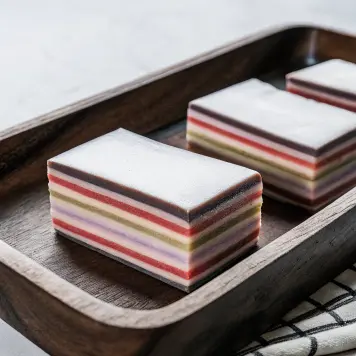
Kue Lapis
A fragrant layered steamed cake made from rice and tapioca flour, the thin colorful stripes make it a festive treat at celebrations in Jakarta.
Traditional Savory Dishes
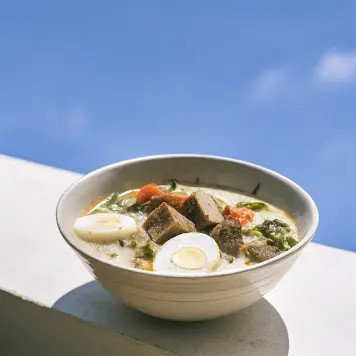
Soto Betawi
A rich beef soup from the Betawi people that uses coconut milk or cream for a creamy broth, flavored with local spices and often served with rice or lontong.
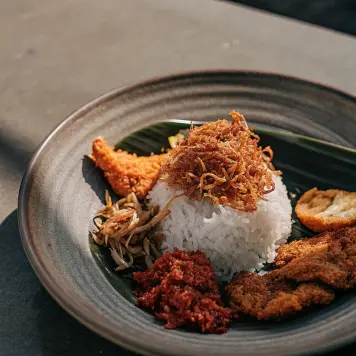
Nasi Uduk
Fragrant coconut milk rice originally from Betawi cuisine, commonly served with fried shallots, fried chicken, tempeh, and sambal at Jakarta street stalls.
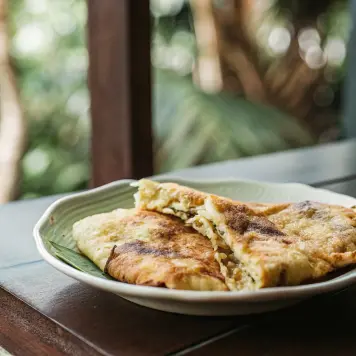
Kerak Telor
A crispy Betawi omelette made from glutinous rice, egg, shredded coconut, and dried shrimp, traditionally cooked over charcoal at festivals and markets.
Traditional Beverages

Es Cendol (Dawet)
A sweet iced drink with green rice-flour jelly, coconut milk, and palm sugar syrup, popular for cooling down in Jakarta's tropical heat.
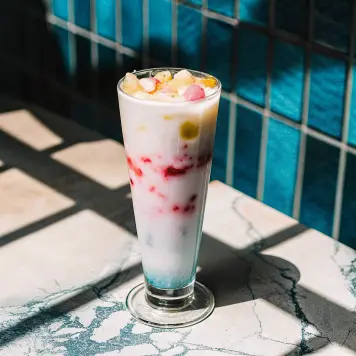
Es Campur
A colorful mixed-ice dessert drink that combines fruits, jellies, sweet syrups, and condensed milk, found at street vendors and food courts across the city.

Bir Pletok
A non-alcoholic Betawi drink made from steamed spices like ginger, lemongrass, and pandan, originally created as a festive alternative to beer.
Frequently Asked Questions about Jakarta, Indonesia
What are the best months to visit Jakarta, Indonesia?
Is Jakarta, Indonesia expensive to live in or visit?
How is the public transport system in Jakarta, Indonesia?
How many tourists visit Jakarta, Indonesia annually?
What is the best way to get around Jakarta, Indonesia?
Get a PDF with the most popular attractions sent to your email
Get a PDF with all attractions, ratings, and tips. Perfect for offline use.
Most popular day trips
Bogor
Botanical gardens, colonial sites, cool mountain air.
Thousand Islands (Pulau Seribu)
Beaches, snorkeling, close island escapes from Jakarta.
Bandung
Cooler highland city, shopping, cafes, colonial architecture.
Rent a car in Jakarta, Indonesia
Getting there
Train stations
Long-distance trains to Bandung, Surabaya, Yogyakarta
Economy and long-distance trains to eastern Java
Commuter network hub, some long-distance connections
Use the Soekarno-Hatta Airport Rail Link to BNI City, or book official taxi or ride-hailing; allow extra time for traffic.
Find flights to Jakarta, Indonesia
Click to get eSim for Jakarta, Indonesia
The easiest and most affordable way to get mobile internet wherever you travel.
Useful information for Jakarta, Indonesia
Overview for Jakarta, Indonesia
Most popular itineraries for Jakarta, Indonesia
Browse trip plans created by other travelers
Comments (7)
Three full days did the trick, markets, a museum and a canal walk. Nightlife isn't huge, but food stalls run late.
Honestly a bit overwhelmed, felt like a nonstop city with construction and crowds. Not as relaxing as I hoped.
Kota Tua before 9am is quiet and photogenic, go early if you want pictures without the tourist buses.
Skip eateries right by Monas, walk two blocks away and you'll find identical food at much lower prices and friendlier service.
Amazing street food everywhere, satay stands at night were the real highlight. Traffic is chaos, but locals made the trip worth it.