 CityBuddy
 English
Things to Do in Liscannor, Ireland
Photo made by Engin Akyurt on Pexels.com
When to visit
Plan your perfect trip to Liscannor, Ireland
Get a complete travel plan built just for you in under 30 seconds, with daily routes, local food tips, budget estimates and more.
Are any of these especially important to you?
Select all that apply
Plan language: EnglishMost popular attractions in Liscannor, Ireland
Things to do in Liscannor, Ireland include exploring the Cliffs of Moher, which rise sharply more than 200 meters above the Atlantic Ocean. At the Cliffs of Moher Visitor Centre, visitors can learn about the local geology and wildlife. Be sure to visit O'Brien's Tower for breathtaking panoramic views along the coastline.
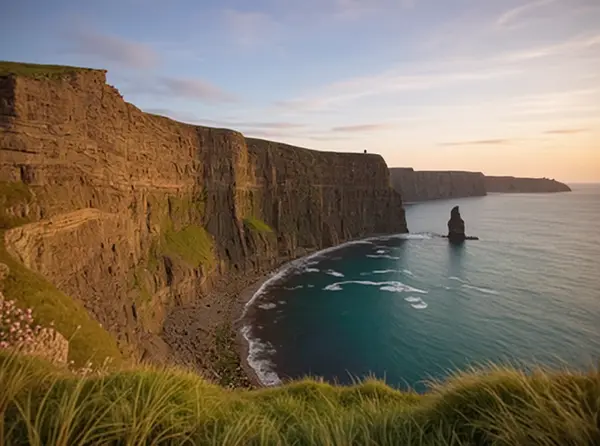
1. Cliffs of Moher
Stunning cliffs reaching 214 meters above the Atlantic create dramatic coastal views. Follow cliff-top trails, observe puffins, and on clear days, see the Aran Islands.
Quick facts: Winds shape towering walls of basalt and shale that drop sharply to the sea, reaching around 214 meters at the highest point. Stretching about 14 kilometers along the coast, these cliffs are home to over 20 seabird species and colonies that number in the tens of thousands.
Highlights: At dawn, low clouds rise like a curtain revealing sheer rock faces streaked with orange lichen and the roar of waves, the air crisp with salt and the metallic bite of spray. Volunteers conducting seasonal seabird counts still document nests using chalk and paper on numbered ledges, and recent surveys note roughly 30,000 breeding seabirds including many razorbills, guillemots, and kittiwakes.
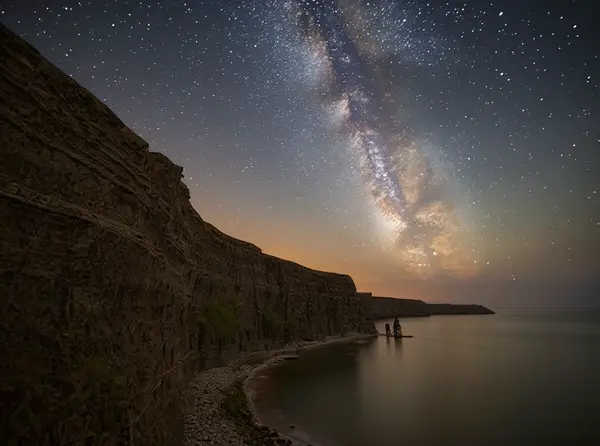
2. Cliffs of Moher Visitor Centre
Breathtaking Atlantic cliffs rise above crashing waves, providing dramatic coastal panoramas. Walk cliff-top paths, take photos of sea stacks, and spot puffins during summer.
Quick facts: Sheer sea cliffs rise to around 214 meters at the highest point, offering a dizzying edge where waves crash against the rocks and kittiwakes swirl above. More than a million visitors walk the cliff trails each year, and the visitor centre places much of its exhibition underground to keep the horizon uninterrupted.
Highlights: The smell of salt spray carries iodine and wet grass, and guillemots and razorbills often fly so near you can hear their wings whirring. A clever design feature is the turf-covered roof of the visitor centre. You descend through an underground gallery and suddenly step onto a viewing platform that runs right to the cliff’s edge.
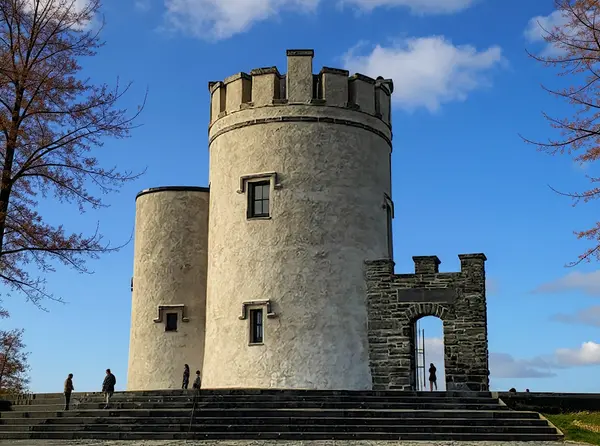
3. O'Brien's Tower (Cliffs of Moher)
Cliffs of Moher
Impressive cliffs showcase raw Atlantic views and striking rock formations. Climb O'Brien's Tower for panoramic views, seabird colonies, and sunset photography opportunities.
Quick facts: The sea-spray scented air often carries the cries of nesting seabirds, with about 30,000 birds visible along the cliffs at peak breeding time. Visitors climb the circular stone viewing platform to look over 214 meters of sheer rock toward the ocean, spotting puffins, razorbills, and guillemots against the white columned cliffs.
Highlights: A faint copper taste in the wind and the thunder of waves below give the panorama a cinematic feel, while a solitary octagonal turret marks where a lamp formerly flashed every 30 seconds to warn passing ships. Local guides enjoy telling the story of how Cornelius O'Brien raised funds in 1835 to add the viewing platform, giving the place an old-fashioned lookout charm rather than just a scenic stop.
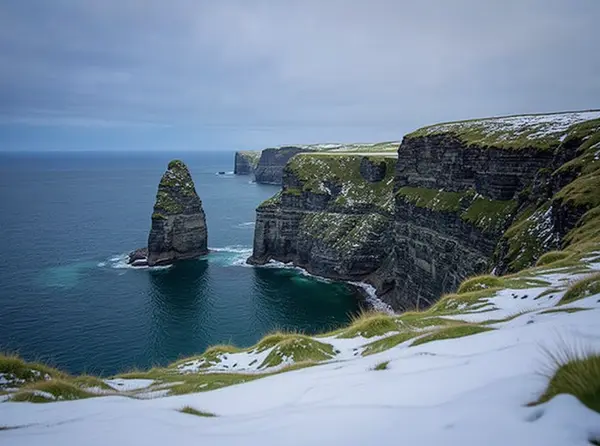
4. Hag's Head (Cliffs of Moher)
Cliffs of Moher
Striking sea cliffs feature a medieval headland fort. Stroll along cliff paths with expansive Atlantic views and close-up encounters with seabird colonies.
Quick facts: Jagged limestone cliffs drop into the roar of Atlantic surf, with a ruined watchtower perched where the rock juts out like the bow of a ship. You often catch the salty tang of the sea and the sharp sweetness of wild grasses, and nearby seabird colonies can number over 20,000 pairs.
Highlights: An old local legend tells of a hag who leapt from the headland, and the jagged rock line has a shape many swear looks like a crouching woman. Golden light fills the west-facing curve for about 20 minutes each evening. Standing where gulls ride the thermals, you can feel the wind pressing against your ribs like a drumbeat, a moment cherished by photographers and storytellers.
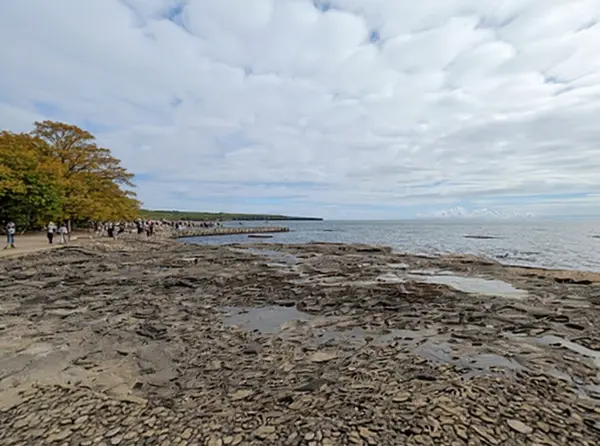
5. Liscannor Harbour
A coastal harbour with colourful fishing boats and views towards the Cliffs of Moher. Walk the quay, watch for seals, and capture the golden-hour light over the breakwater.
Quick facts: A small working harbour still handles a few day boats and lobster pots, creating a rhythm of creaking ropes and damp canvas along the quay. The salt-laden air carries gull calls and the metallic tang of net menders, so you can almost tell the tide by sound alone.
Highlights: As the tide goes out, it reveals a patchwork of rock pools where twelve flatfish and clusters of razor shells shine like coins, turning a short walk into a surprising micro-ecosystem. Three generations of a local family still ring an old brass bell, a 60-centimetre relic recovered after a strong 1989 storm, to signal boats when fog rolls over the water.
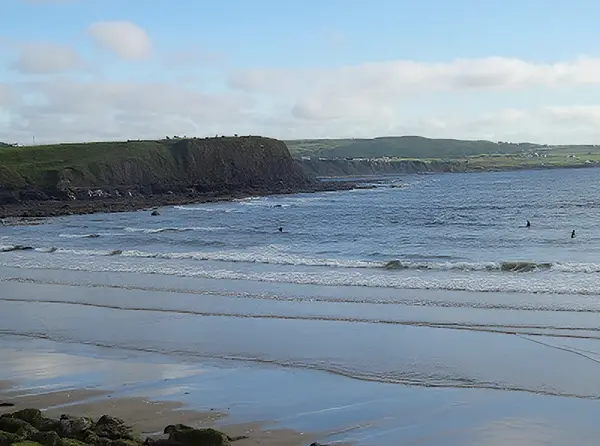
6. Liscannor Beach
Dramatic Atlantic views and golden sandy beaches offer a serene contrast to the Cliffs of Moher. Walk along the crescent-shaped beach, explore rock pools, and watch surfers.
Quick facts: Salt-laden gusts sweep over the pebbly beach where surfers find nine-foot swells on the windiest days. Smooth, round stones click underfoot while local anglers haul up pollack and mackerel from small wooden boats near the headland.
Highlights: A narrow tidal channel reveals palm-sized rock pools teeming with 12 types of limpets and jewel-like anemones at low tide, a favorite spot where local storyteller Seamus O'Connor gathers children to recite sea shanties. Moonlit nights bring a salty hush and a quirky ritual: fishermen count their catch aloud, usually 20 to 30 small pollack, then sort lines by knot color passed down through three generations.
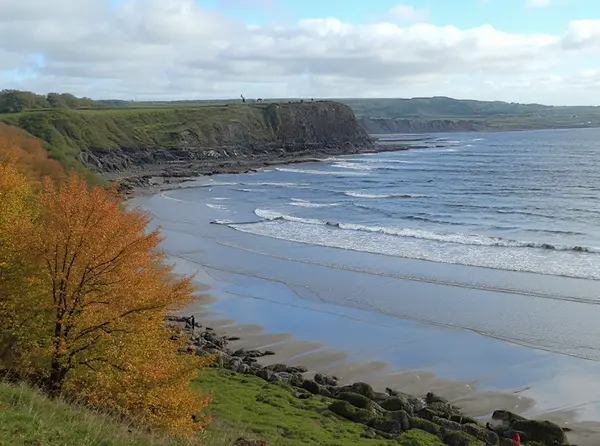
7. Lahinch Beach
Powerful Atlantic waves and long stretches of golden sand make Lahinch a coastal playground. Walk the promenade, try surfing, and enjoy dramatic light views towards the Cliffs.
Quick facts: A wide stretch of golden sand meets powerful Atlantic swells, with strong rip currents making lifeguards advise swimming only between the flags. Local surf schools and cafés line the promenade, creating a lively scene of beginner lessons, kite flyers, and walkers enjoying salt-sweet air on sunny afternoons.
Highlights: Morning sessions often bring glassy, shoulder-high waves glowing with orange reflections, making early paddling feel cinematic. At extreme low tides, sandbanks can extend up to 150 meters offshore, forming shallow, warm pools where children hunt for crabs and longboarders practice smooth noserides.
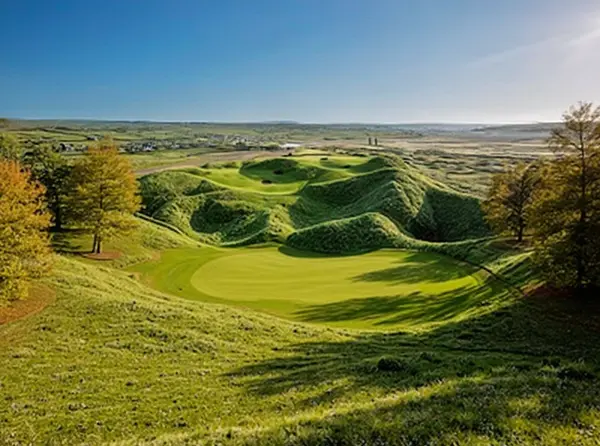
8. Lahinch Golf Club
World-class links golf with wild Atlantic views. Expect rolling dunes, challenging holes, and dramatic sea vistas.
Quick facts: Expect wind-swept fairways, sea salt in the air, and dune-shaped lies that challenge players to make creative, precise shots off the tee. Fast, firm greens combine with blind carries over ridges so club selection often involves reading the wind as much as judging the turf.
Highlights: On blustery days, gusts often exceed 40 km/h, with salt tasting on your lips and the ocean audible less than 50 meters from some fairways. Locals maintain a quirky tradition of signing an old wooden scoreboard for rounds under 80, the chalked names sparking friendly teasing and stories over a post-round pint.
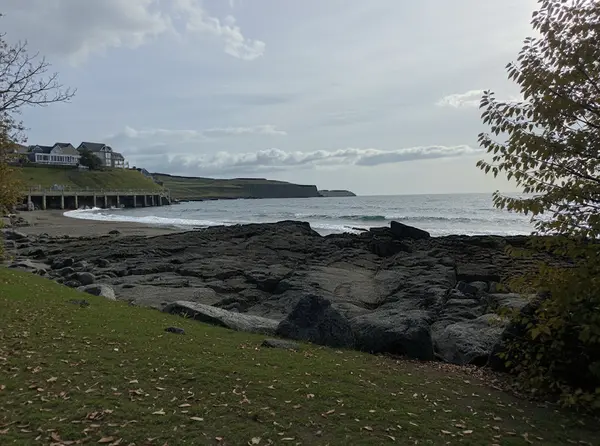
9. Doolin Pier
Wild Atlantic views and ferries to the Aran Islands make Doolin Pier a worthwhile stop. Watch boats, seabirds, and catch brief glimpses of the Cliffs of Moher from the quay.
Quick facts: Gulls circle overhead and a mix of salt and seaweed scents the air as wooden planks creak beneath your feet, punctuated by the clack of ropes and clang of metalwork. Small passenger boats and ferries shuttle visitors regularly, moving several hundred people on busy days while crews load crates, gear, and luggage onto the low, functional slipway.
Highlights: In the low sun, weathered timbers glow amber and spray sends sparkling beads across jackets, creating a sensory postcard of sea salt and diesel. Local skippers often make up to 10 crossings on busy Saturdays, and a quirky pocket tradition has crew tucking a sprig of fresh kelp under their caps for luck before the final evening run.
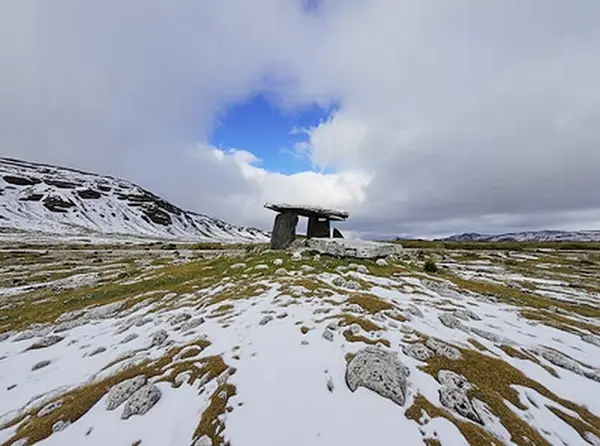
10. The Burren National Park
Limestone pavements and rare wildflowers on Ireland's wild west coast invite exploration. Walk karst trails, spot orchids, and enjoy sweeping sea views.
Quick facts: Jagged limestone pavement forms a moonlike landscape of clints and grikes, with fossilized corals visible underfoot. A surprising blend of Arctic, Alpine, and Mediterranean plants squeeze into the cracks, turning a spring walk into a small-plant safari.
Highlights: About 1,500 hectares of exposed rock hide narrow grikes only a few centimetres wide, where sun-warmed thyme and limestone release a warm, lemony scent by midday. Local farmers still herd flocks across the slopes, a practice that shapes grass patterns and helps rare orchids appear in patches just a few square meters each spring.
Where to Stay in Liscannor, Ireland
Selected by City Buddy based on guest reviews and proximity to top attractions
Search all hotels in Liscannor, IrelandPowered by agoda
Traditional Sweet Dishes

Barmbrack
Barmbrack is a fruit-studded tea bread traditionally served at Halloween, with hidden tokens like a ring or coin baked inside so one slice can decide your romantic fate or fortune.
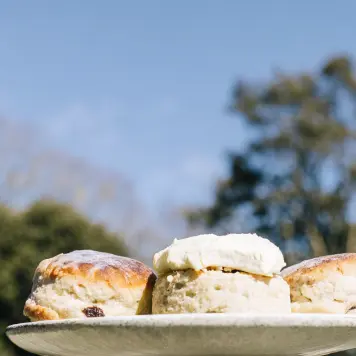
Scones
In Liscannor tea rooms, scones arrive warm from the griddle, split and slicked with butter and jam, they are the simple, buttery treat that turns foggy afternoons into slow celebrations.

Irish brown bread with jam
Irish brown bread, made from wholemeal and often griddle-baked, stays dense and nutty so a smear of bright jam creates a salty-sweet bite beloved by locals.
Traditional Savory Dishes

Irish stew
Traditional Irish stew in Clare was a peasant one-pot built around mutton or lamb, potatoes and onions, its long, gentle simmering made it the island's original comfort food.
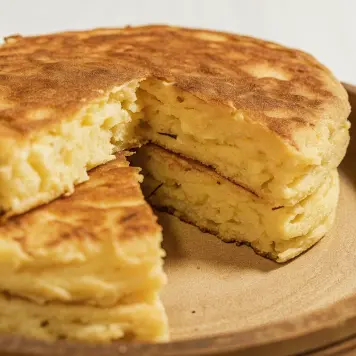
Boxty
Boxty, a pancake made from grated and mashed potatoes, was a West of Ireland staple because it turned the humble spud into crispy, chewy pockets of flavor for breakfast or supper.
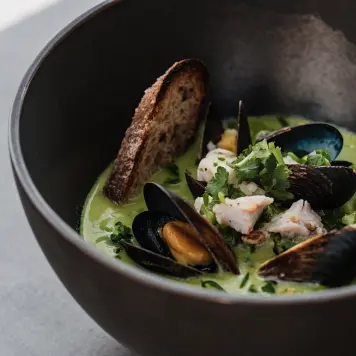
Seafood chowder
Liscannor seafood chowder often features the Atlantic's freshest catch, including mussels and white fish, finished with cream and served with buttered brown bread for dipping.
Traditional Beverages

Guinness
A perfectly poured pint of Guinness is almost ceremonial in local pubs, where the two-part pour and short settle time is as important as the company you keep.

Irish whiskey
Irish whiskey's smooth, triple-distilled character made it the drink of choice for Clare fishermen, who prized a small dram for warming hands and sharing stories after a long day.

Irish coffee
Irish coffee was invented in nearby Foynes and quickly became a Liscannor favorite, a hot mix of strong coffee, whiskey and cream that warmed travelers and seafarers alike.
Frequently Asked Questions about Liscannor, Ireland
Is Liscannor, Ireland safe for travelers?
How many days should I spend in Liscannor, Ireland?
What is the best time to visit Liscannor, Ireland?
Is Liscannor, Ireland expensive for travelers?
How to get around Liscannor, Ireland?
Get a PDF with the most popular attractions sent to your email
Get a PDF with all attractions, ratings, and tips. Perfect for offline use.
Most popular day trips
Cliffs of Moher
World-famous cliffs with visitor center and coastal views.
Doolin
Traditional music village, ferry point to Aran Islands.
Galway City
Vibrant city with shops, restaurants, and culture.
Bunratty Castle & Folk Park
Medieval castle and living history folk park.
Getting there
Train stations
Limerick-Galway line, connections to Limerick and Galway
Dublin-Galway mainline, regional connections
Mainline to Dublin, Cork, connections via Ennis
From Shannon take a bus or hire car to Ennis, then regional bus or taxi to Liscannor.
Find flights to Liscannor, Ireland
Click to get eSim for Liscannor, Ireland
The easiest and most affordable way to get mobile internet wherever you travel.
Comments (5)
Avoid the restaurants by the cliff car park, walk five minutes inland for fresher food and fairer prices. Best light for photos at sunrise.
Take the local bus to Lahinch early, it's way cheaper than taxis. Keep small notes for pubs and B&Bs, some card machines go offline.
Quiet village, locals were lovely, but shops shut early and it gets touristy around the car park. Great as a day base.
Loved Liscannor's sleepy vibe, fresh seafood in tiny pubs, dramatic coast even in drizzle. Two nights felt perfect.
Not much nightlife, we ended up watching a storm roll in from the pier. Beautiful scenery but bring layers and patience.