 CityBuddy
 English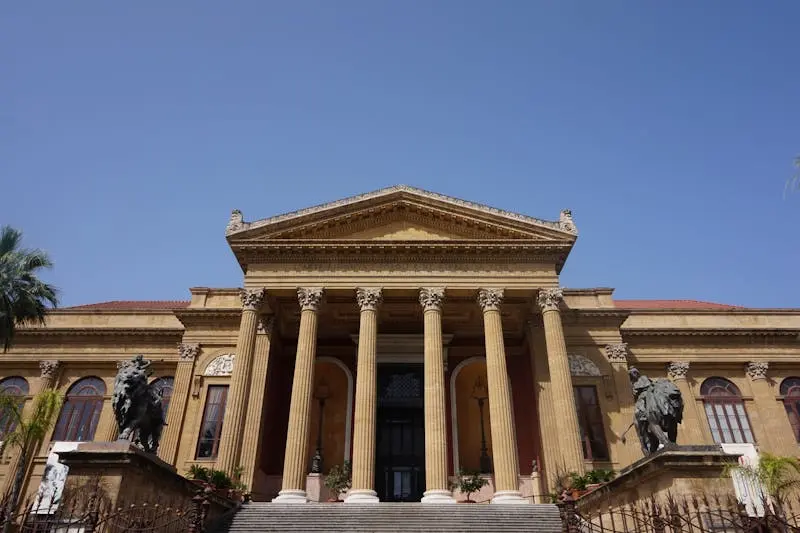
Things to Do in Palermo, Italy
Photo made by Inmaculada Peña on Pexels.com
When to visit
Plan your perfect trip to Palermo, Italy
Get a complete travel plan built just for you in under 30 seconds, with daily routes, local food tips, budget estimates and more.
Are any of these especially important to you?
Select all that apply
Plan language: EnglishMost popular attractions in Palermo, Italy
Among the top things to do in Palermo, Italy, visiting the Palermo Cathedral is essential for its striking Arab-Norman architecture. Explore the 9th-century Palazzo dei Normanni, home to the stunning Cappella Palatina. Don't miss Teatro Massimo, Italy's largest opera house, for its impressive design and acoustics.
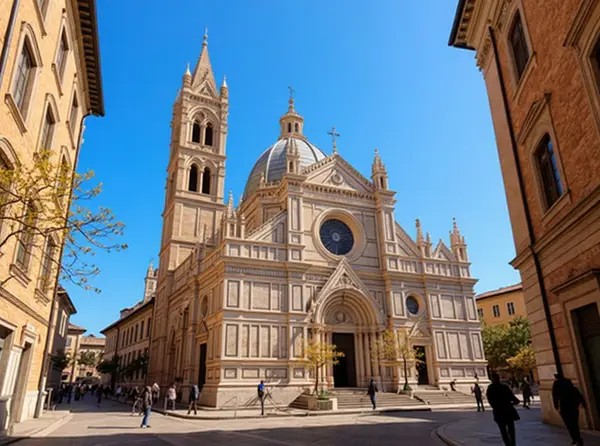
1. Palermo Cathedral
A stunning fusion of Norman, Arab and Baroque styles showcasing Sicily's layered history. Climb the rooftop, see royal tombs and ornate chapels up close.
Quick facts: Step inside and you'll notice Norman arches, Arab mosaics, and Baroque flourishes sitting side by side, the layered styles making the interior feel like a living history book. A rooftop walkway offers close-up views of sculpted gargoyles and bell towers, plus sweeping panoramas of the city.
Highlights: Hushed stone corridors lead to royal tombs for figures like Roger II and Emperor Frederick II, where marble effigies lie under flickering candlelight. Climb a narrow spiral stair to the terraces and you can trace carved lions and cherubs with your fingertips while the city spreads below, turning the rooftop into a surprisingly intimate lookout.
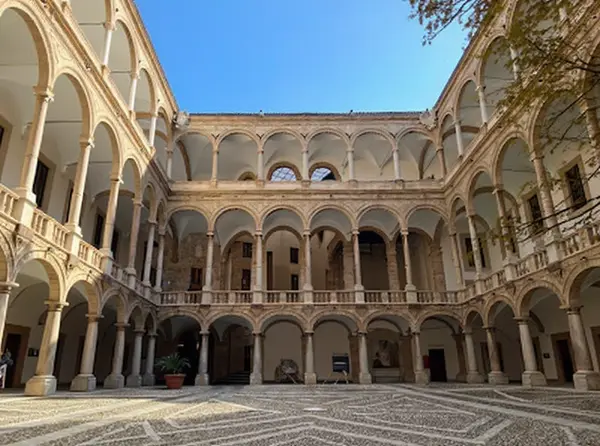
2. Palazzo dei Normanni
A royal palace with breathtaking Norman-Arab mosaics and centuries of history. Explore glittering Palatine Chapel mosaics and stately royal apartments.
Quick facts: Sunlight pours over glittering Byzantine mosaics, turning golden tesserae into a shimmering ceiling that catches every head turned upward. Local politicians still work in ornate rooms where a medieval throne room shares corridors with modern offices, so marble halls echo both royal pageantry and everyday debate.
Highlights: Whispered guides point out a tiny inlaid throne installed by King Roger II, the scale of the gold mosaics and jewel-like icons make the chapel feel like a reliquary. Light hitting the gold tesserae turns faces into moving expressions, and a narrow Latin inscription names Byzantine artists side by side with Norman patrons, a detail that surprises many visitors.
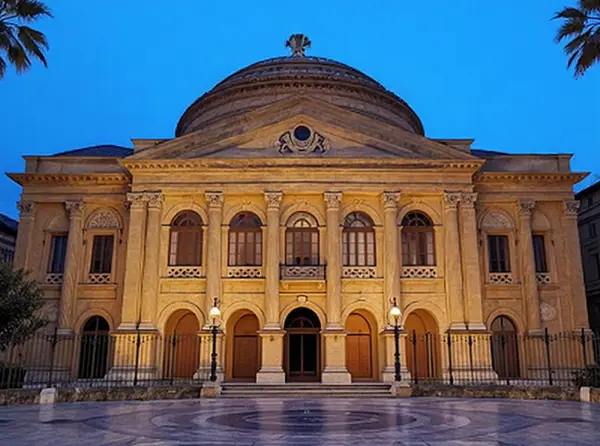
3. Teatro Massimo
An opulent 19th-century opera house with superb acoustics and lavish marble interiors. Explore the grand foyer and ornately frescoed auditorium on a tour, or hear an unforgettable live performance.
Quick facts: One of Europe’s largest opera houses seats about 1,400 people beneath an airy dome and a frescoed ceiling that feels almost cinematic. You can still notice the giant Carrara marble staircase and ornate bronze reliefs that give the foyer a theatrical hush before performances.
Highlights: Walk into the auditorium and you’ll feel the air hum, the horseshoe-shaped tiers wrapping around roughly 1,400 crimson velvet seats gilded in gold leaf. A fun twist: filmmakers used the auditorium for the final scenes of The Godfather Part III in 1990, so you can spot the same red curtains and balcony angles from the film while looking up.
Have you heard of free walking tours?
After traveling to 30+ countries, there's one thing I wish someone had told me from day one, and it completely changed how I experience new cities.
Free walking tours. Yes, actually free. No credit card needed. No catch.
Local guide, 2-3 hours
Major sights, hidden gems, local stories
100% tip-based
Guides earn only tips, so they give their absolute best
You tip what feels right
At the end, just tip whatever you feel is right
I've done these in dozens of cities and they've been the highlight of almost every trip. If you're visiting Palermo, Italy, do this on your first day. You'll thank me later.
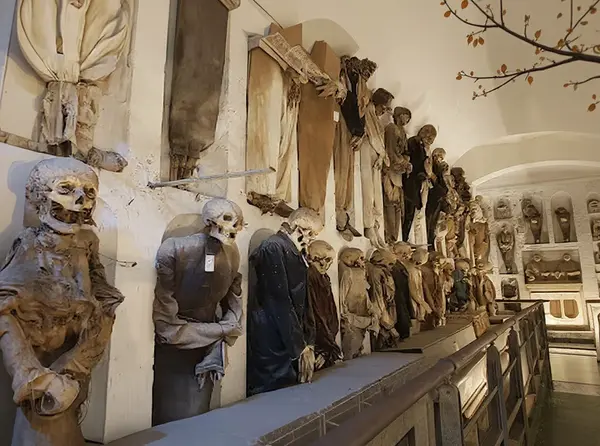
4. Catacombe dei Cappuccini
Step into Palermo's eerie past among thousands of preserved bodies, a study in social history and funerary art. Wander quiet vaults where monks and citizens rest in elaborate dress.
Quick facts: Rows of preserved bodies line narrow corridors, dressed in their original garments and arranged by status so the display feels like a frozen neighborhood of everyday life. Visitors encounter over 8,000 catalogued mummies, many still wearing corsets, gloves, and jewelry that reveal personal style and social rank.
Highlights: A famously well-preserved child named Rosalia Lombardo rests in a glass case, her waxy cheeks and curled eyelashes giving the eerie impression of peaceful sleep. Conservator Alfredo Salafia's embalming notes were crucial to a 1996 restoration that helped keep her skin supple, and the cool, slightly musty air of the crypt often leaves a faint chalky scent that tends to hush conversation.
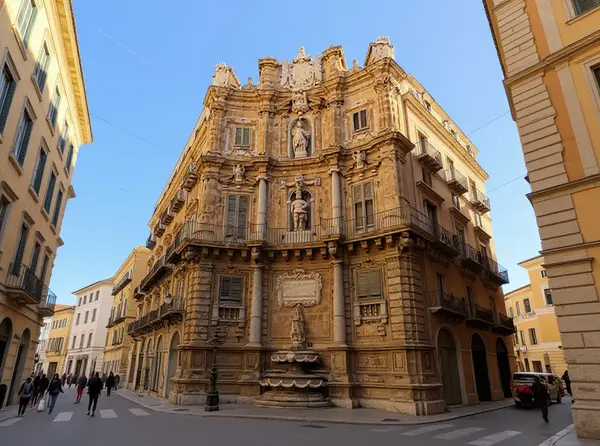
5. Quattro Canti
Baroque centerpiece of Palermo where four ornate corner facades face each other. Walk the lively intersection, admire statues and intricate fountain details.
Quick facts: Four ornate Baroque facades meet at a diagonal crossroads, each corner topped with statues, fountains, and heraldic shields that locals use as a favorite meeting point. Warm night lighting gives the stonework a honeyed glow, and the constant mix of chatter, church bells, and scooter engines creates a lively, cinematic atmosphere.
Highlights: Four curving facades rise in three stacked tiers, each niche packed with sculpted figures so close you can read chisel marks and worn names on the plinths. Brass bands and candlelit processions flood the streets on July 14-15 for the Festino di Santa Rosalia, the drums and trumpets bouncing off the stone while the air fills with fried sfincione.
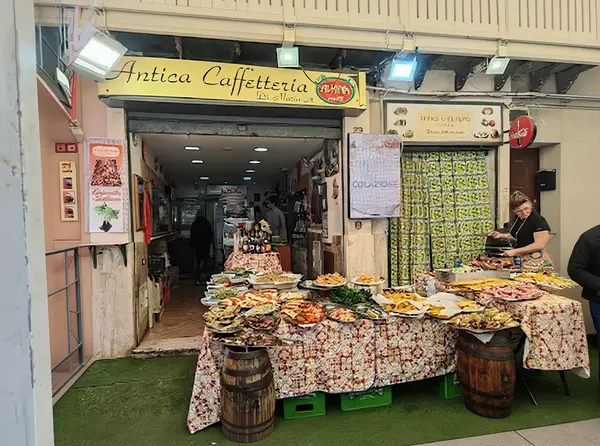
6. Ballarò Market
Lively Palermo market overflowing with Sicilian flavors and local character. Wander narrow alleys, sample street food, and bargain with vendors.
Quick facts: A cacophony of voices and frying oil hits you as you step among stalls, with vendors shouting prices and customers haggling over overflowing baskets of citrus, olives and freshly caught fish. Local chefs, home cooks and street-food vendors move about 3 tonnes of produce through the lanes every week, so by mid-morning the stalls often look like organized chaos.
Highlights: At one corner a vendor named Salvatore flips giant sfincione on a pan the size of a cart, typically selling about 200 slices during a busy afternoon. A lively ritual happens every Friday before noon, when a brass scale takes center stage and the seller sings the weight aloud so customers can double-check with their own hands, a practice that keeps local dialect and bargaining tricks alive.
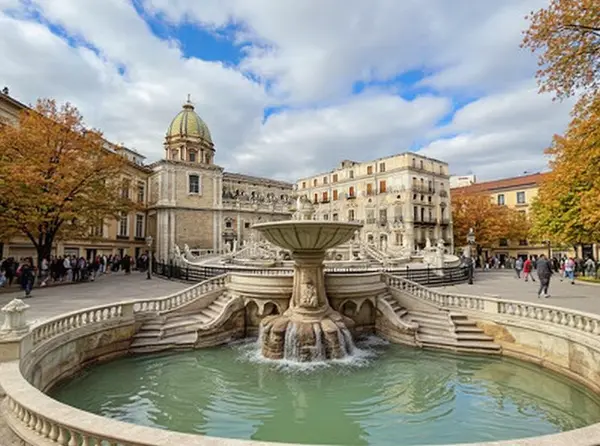
7. Fontana Pretoria
Striking 16th-century marble fountain famed for dramatic statues and ornate detail. Wander among sculptures in a lively Palermo square, perfect for quick photos.
Quick facts: Clusters of marble statues spill around a vast basin, with 16 main figures and dozens of smaller nudes creating a theatrical, almost chaotic scene. Local gossip once nicknamed the fountain 'la Vergogna' because the unabashed nudity shocked 16th-century sensibilities, a reputation that still makes visitors chuckle today.
Highlights: Listen closely and you'll hear a clear metallic clink as coins land on the tiled floor of the inner basin, that small sound makes the water sparkle and attracts impromptu photographs. A surprising conservation detail: reassembly in 1574 required 14 replacement pedestals, the mismatched stone tones still let you pick out which figures were reset centuries ago.
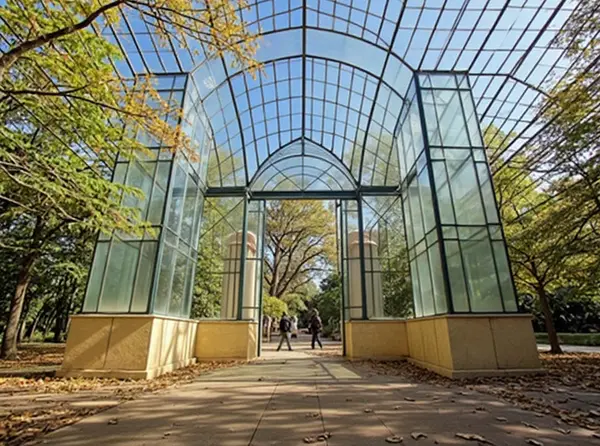
8. Orto Botanico di Palermo
A peaceful historic botanical garden with rare Mediterranean and tropical plants in central Palermo. Stroll shaded avenues, palm-lined pools, glasshouses and centuries-old trees.
Quick facts: A university-run botanical garden mixes temperate and tropical collections, with palms, cycads and a forest of figs that create shady, humid microclimates. Wandering paths pass greenhouses, ponds and a succulent courtyard where unexpected scents of spice, citrus and wet earth rise after a summer drizzle.
Highlights: Under a canopy of giant figs you'll find aerial roots forming natural tunnels that feel almost cathedral-like, the air thick with the sweet, damp smell of leaf mold. Locals sometimes visit at dusk to listen to dozens of croaking frogs around a palm-lined pond, a living chorus that swells as lanterns begin to glow.
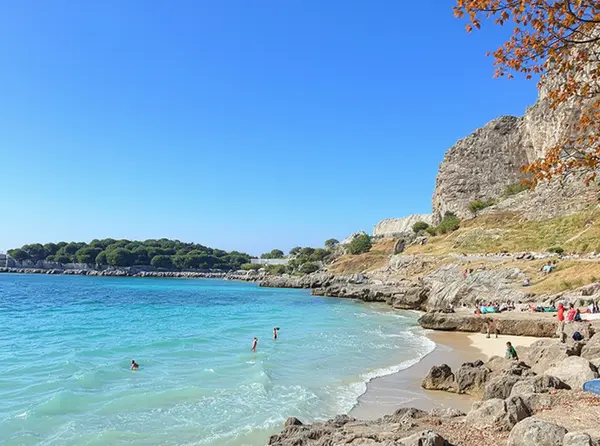
9. Mondello Beach
Fine white sand and clear turquoise water offer a breezy escape from Palermo. Swim, stroll the Art Nouveau seafront, and sip espresso at seaside cafés.
Quick facts: A crescent of powdery pale sand stretches about 1.5 kilometers, with shallow turquoise water that warms quickly in summer. Colorful Art Nouveau bathhouses and striped wooden cabanas punctuate the seafront, while windsurfers and sunbathers share the bay on breey afternoons.
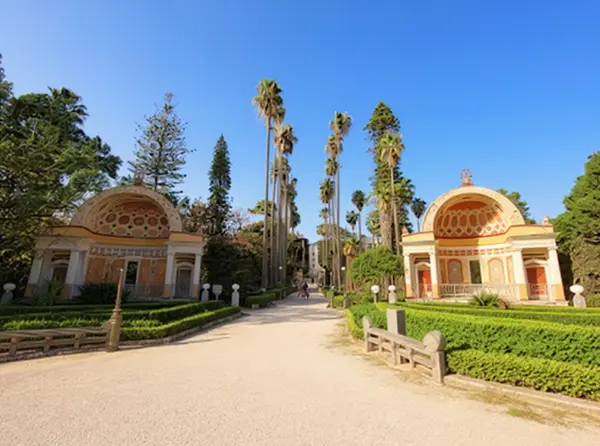
10. Relax at Villa Giulia
Escape into a lush green retreat filled with exotic plants and serene fountains. Enjoy a peaceful stroll surrounded by history and natural beauty.
Quick facts: This villa covers about 8 hectares with a vast botanical collection. The gardens once served as a royal retreat, offering a mix of exotic and native plants.
Highlights: Marvel at the rare species like the ancient pine trees and the artfully designed water fountains. The garden layout combines classical Italian garden symmetry with lush, wild areas that invite peaceful wandering.
Where to Stay in Palermo, Italy
Selected by City Buddy based on guest reviews and proximity to top attractions
Search all hotels in Palermo, ItalyPowered by agoda
Traditional Sweet Dishes
Cannoli
A symbol of Sicilian pastry, cannoli are fried pastry tubes filled with sweet ricotta, often studded with candied fruit or pistachios, and they became popular in Palermo during Carnival.
Cassata Siciliana
This colorful layered cake combines ricotta, sponge cake, marzipan and candied fruit, showing Arab and Norman influences and originally developed by Palermo confectioners.
Frutta Martorana
Made from almond paste and hand-painted to look like real fruit, these marzipan sweets originated in Palermo's convents and are famed for their lifelike detail and bright colors.
Traditional Savory Dishes
Panelle (pane e panelle)
Chickpea flour fritters served in a sesame roll, panelle are a staple of Palermo street food and have been a working-class favorite for generations.
Pani ca Meusa
A sandwich of veal spleen and other offal, often topped with ricotta or caciocavallo cheese, pani ca meusa is a must-try Palermo specialty rooted in the city's medieval market traditions.
Sfincione
A thick, spongy Sicilian-style pizza topped with tomato, onions, breadcrumbs and anchovies, sfincione originated in Palermo and is traditionally eaten around festive occasions.
Traditional Beverages
Granita
This icy, flavored semi-frozen dessert is often enjoyed for breakfast with a soft brioche in Palermo, with almond, lemon and pistachio among the classic local flavors.
Marsala
A fortified wine from western Sicily, Marsala is used both in cooking and as a sipping wine, and it has been exported from Sicily since the 18th century.
Amaro Averna
A Sicilian herbal liqueur created in the 19th century, Amaro Averna is commonly enjoyed after meals in Palermo as a digestif, with a bittersweet and aromatic profile.
Frequently Asked Questions about Palermo, Italy
What is the best time to visit Palermo, Italy?
Is Palermo, Italy expensive for travelers?
How many tourists visit Palermo each year?
Is the tap water safe to drink in Palermo, Italy?
How is the public transportation system in Palermo?
Get a PDF with the most popular attractions sent to your email
Get a PDF with all attractions, ratings, and tips. Perfect for offline use.
Most popular day trips
Cefalù
Beaches, medieval streets and a hilltop cathedral.
Erice
Medieval hilltop town with cobbled streets and views.
Agrigento (Valle dei Templi)
Impressive Greek temples set on a scenic ridge.
Rent a car in Palermo, Italy
Getting there
Train stations
Regional and intercity to Messina, Catania, Agrigento, Trapani; airport shuttle train
Suburban services and regional connections in the Palermo area
Take the Prestia e Comandante shuttle train from Palermo Centrale to the airport, or use taxis for late arrivals.
Find flights to Palermo, Italy
Click to get eSim for Palermo, Italy
The easiest and most affordable way to get mobile internet wherever you travel.
Useful information for Palermo, Italy
Overview for Palermo, Italy
Most popular itineraries for Palermo, Italy
Browse trip plans created by other travelers
3-Day Relaxed Sightseeing in Palermo
A gentle-paced spring trip exploring Palermo's historic landmarks, scenic walks, local markets, and cozy cafes with leisure time to soak in the atmosphere.
7-Day Palermo Spring Elegance
Experience the vibrant culture, historic treasures, and seaside charm of Palermo in spring. From iconic landmarks to flavorful markets, every day is a new adventure waiting to be discovered.
3-Day Palermo Spring Escape for Offbeat Culture Seekers
Discover Palermo beyond the usual with hidden gems, local vibes, and rich history in spring's mild embrace.
3-Day Palermo for the Offbeat Backpacker
Discover Palermo's authentic local life, secret spots, and vibrant street scenes on a budget with this 3-day itinerary for curious travelers.
2-Day Palermo Spring Cultural & Coastal Escape
Experience the rich history, vibrant markets, majestic architecture, and beautiful seaside of Palermo in this rejuvenating spring two-day trip.
Comments (9)
Beautiful historic buildings but very touristy near the port, pick quieter neighborhoods to get the real vibe and better prices.
The cathedral at sunset is a highlight, but peak hours are packed. Go early in the morning to enjoy it without crowds.
Many museums and a few churches offer free entry first Sunday of the month, check official schedules and book big sites ahead to skip lines.
Streets full of life, markets are chaotic in the best way. Food is outstanding, gelato every day, one week felt perfect.
Take the AMAT bus from the airport, it drops you on Via Roma for much less than a taxi, buy tickets beforehand from the kiosk.