 CityBuddy
 English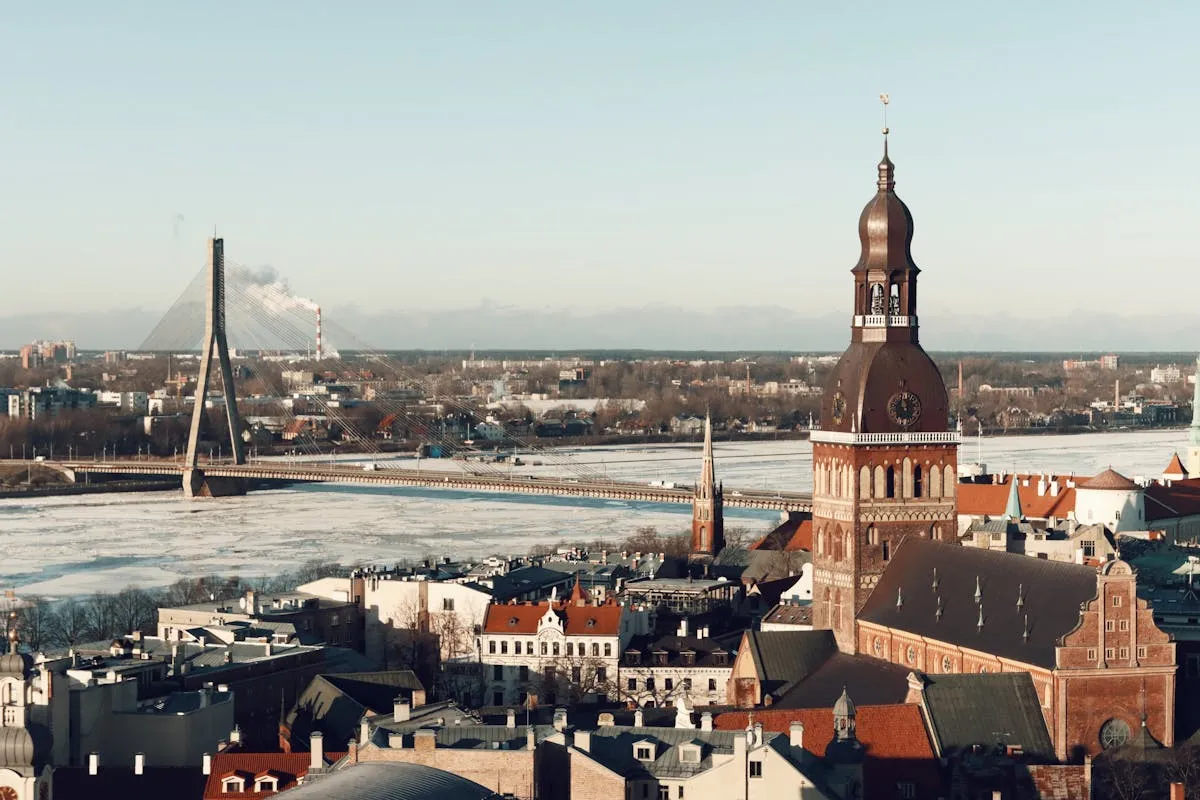
Things to Do in Riga, Latvia
Photo made by Efrem Efre on Pexels.com
When to visit
Plan your perfect trip to Riga, Latvia
Get a complete travel plan built just for you in under 30 seconds, with daily routes, local food tips, budget estimates and more.
Are any of these especially important to you?
Select all that apply
Plan language: EnglishMost popular attractions in Riga, Latvia
Things to do in Riga, Latvia include exploring the House of the Blackheads, a stunning guild house dating back to the 14th century, wandering through Riga Old Town with its cobblestone streets, and visiting the towering Riga Cathedral. Dome Square offers lively atmosphere, while a stop at the Freedom Monument pays homage to Latvia's independence.
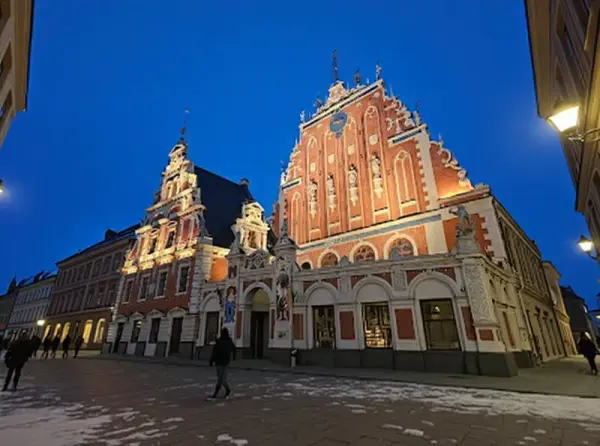
1. House of the Blackheads, Riga Old Town, Riga
Latvia
A richly decorated guildhall that tells Riga's mercantile history. Explore ornate facades, lavish ceremonial halls and museum displays inside.
Quick facts: A facade of intricate sculpted figures and gleaming coats of arms makes the building feel like a fairytale stage where grand ceremonies once shimmered under candlelight. Step inside to encounter lavish woodwork, a dramatic ceremonial hall, and meticulous reconstructions that bring lost treasures and ornate detail vividly back to life.
Highlights: A brotherhood of unmarried merchants once used the hall as a private clubhouse, and their 17th-century ledgers still tell of boisterous midnight feasts where members signed guest lists by ship names rather than family names. After wartime ruin the façade was painstakingly reconstructed and reopened in 1999, and when you stand close the gilded faces and brass chandeliers seem to catch the light like actors waiting for applause.
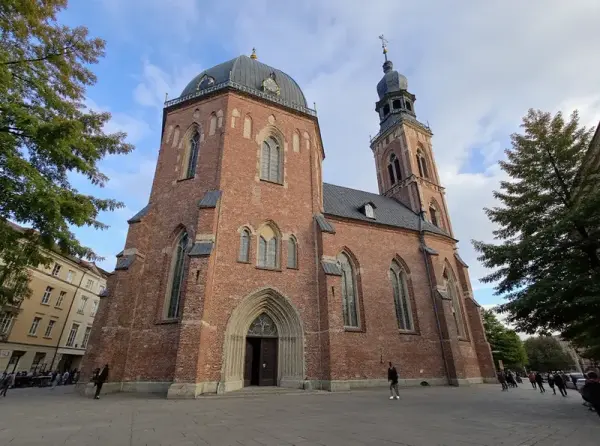
2. Riga Cathedral (Rīgas Doms), Dome Square, Riga
Latvia
One of Riga's oldest churches, home to the Baltic's largest pipe organ. Hear organ recitals, study medieval art, and climb the tower for sweeping Old Town views.
Quick facts: A thunderous pipe organ with thousands of pipes fills the nave during concerts, its sound still drawing music lovers and echoing across the square. Sun-worn stonework and stained glass create a visible timeline of Romanesque, Gothic, and Baroque details, so you can trace centuries of style as you walk around.
Highlights: Step into the nave and the cathedral's massive organ, with over 6,000 pipes, turns the lowest notes into a tactile rumble you can feel in your ribs while sunlight through the high windows paints the dust motes gold. Underfoot a carpet of centuries-old carved tombstones, some dated to the 13th century, tells quiet stories of merchants and bishops, and local guides love to point out a nicked stone that legend says came from a 17th-century duel.
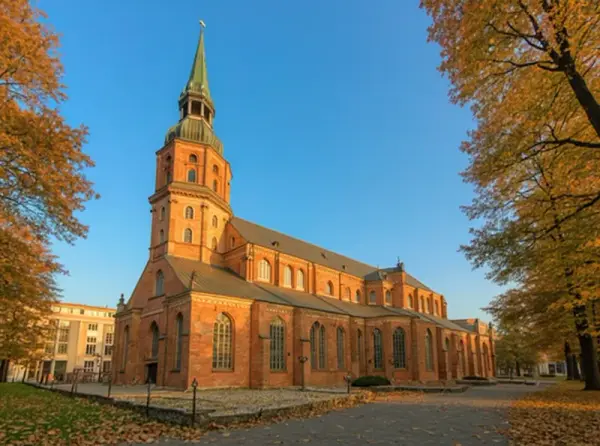
3. St. Peter's Church (Sv. Pētera Baznīca), Rātslaukums, Riga
Latvia
Iconic medieval church with one of Riga's best rooftop views. Climb the tower for sweeping Old Town, Daugava river and city panoramas.
Quick facts: Peer up the slender spire and you'll spot an observation deck offering sweeping city views that feel surprisingly intimate. Inside, intricate wooden altarpieces and a vaulted nave create echoing acoustics that bring concerts to life.
Highlights: You can ride an elevator almost to the top of the 123 meter spire, then step onto a narrow wooden platform where the air smells of old tar and cold stone and the city unfolds below like a miniature model. In the dim crypt beneath the nave, centuries-old gravestones rest under glass panels, and local guides point out a worn 17th century carving that many visitors still touch for luck before wandering back out to the market.
Have you heard of free walking tours?
After traveling to 30+ countries, there's one thing I wish someone had told me from day one, and it completely changed how I experience new cities.
Free walking tours. Yes, actually free. No credit card needed. No catch.
Local guide, 2-3 hours
Major sights, hidden gems, local stories
100% tip-based
Guides earn only tips, so they give their absolute best
You tip what feels right
At the end, just tip whatever you feel is right
I've done these in dozens of cities and they've been the highlight of almost every trip. If you're visiting Riga, Latvia, do this on your first day. You'll thank me later.
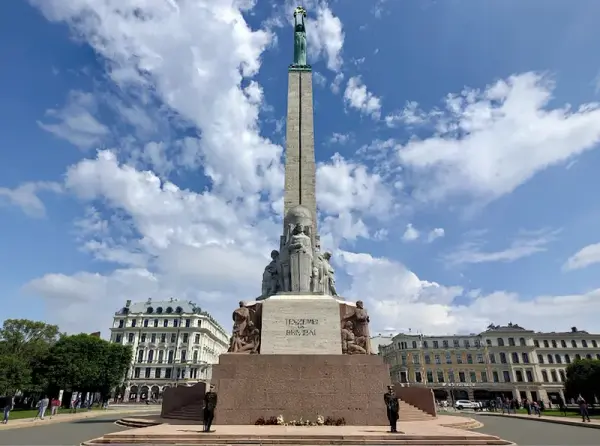
4. Freedom Monument (Brīvības piemineklis), Brīvības bulvāris, Riga
Latvia
An iconic symbol of Latvian independence and resilience in the heart of Riga. Experience solemn ceremonies, lively boulevard atmosphere, and striking photo opportunities of the statue topped with three stars.
Quick facts: A bronze figure holding three stars tops a soaring granite column, and locals often leave flowers or candles at its base during quiet, impromptu vigils. At night floodlights make the sculpture glow against the skyline, and the site anchors national ceremonies that draw quiet, multigenerational crowds.
Highlights: A 42-meter granite-and-travertine column topped by the copper figure affectionately called Milda, holding three gilded stars that represent Kurzeme, Vidzeme, and Latgale, was unveiled in 1935 and still inspires a quirky local habit: people slip tiny wildflower posies into the stone crevices every morning. At dawn you can hear the soft scrape of boots and the clink of candle tins as veterans and schoolchildren lay hundreds of candles and folded photos on anniversaries like November 18, a ritual that helped anchor public courage during the independence rallies of the late 1980s.
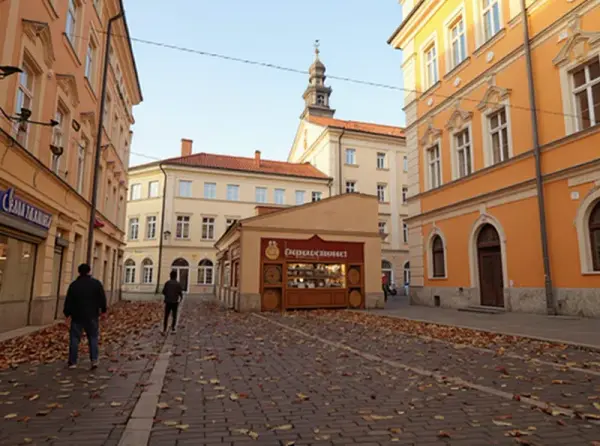
5. Riga Central Market (Rīgas Centrāltirgus), Nēģu iela, Riga
Latvia
Historic Zeppelin hangars now host one of Europe's largest food markets, full of local flavours. Wander colourful stalls selling smoked fish, cheeses, rye bread and seasonal produce.
Quick facts: Step into vast vaulted pavilions made from repurposed airship hangars, where stalls overflow with smoked fish, bright berries, and pungent cheeses that perfume the aisles. Regulars like to say you can taste the whole country in a single stroll, and over two million visitors pass through each year, far more than most expect from a neighbourhood market.
Highlights: Five cavernous metal pavilions were built from repurposed German World War I Zeppelin hangars, their corrugated roofs and arched steel ribs still echoing vendors' calls as crates of ruby-red tomatoes and strings of garlic gleam under hanging brass scales. In the fish pavilion the smoky, oily tang of freshly smoked nēģi hits you first, vendors slice it thin onto dense dark rye with a sprig of dill while customers haggle by the kilo and steam rises from kettles of black tea.
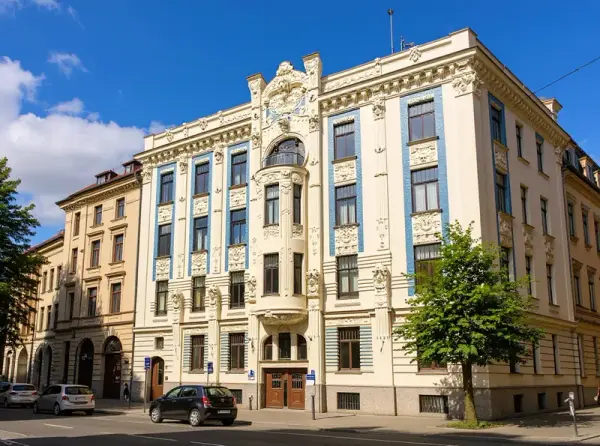
6. Art Nouveau District (Alberta iela), Alberta iela, Riga
Latvia
Marvel at Riga's best collection of Art Nouveau facades on Alberta iela. Stroll the ornate street to spot sculpted masks, floral details and quiet courtyards.
Quick facts: Wandering along the avenue, you'll notice flamboyant facades crowded with carved masks, peacocks and vegetal swirls that catch sunlight and throw it into unexpected shadows. Guides love pointing out quirky details like metalwork balconies shaped like seashells and hidden lions, and many buildings conceal lavish staircases and ornate doorways that reward a closer look.
Highlights: Look up along the street and you’ll spot dozens of sculpted masks, tiny owls, and winding floral motifs hiding in cornices and balconies, the flamboyant work of Mikhail Eisenstein and other architects from the early 1900s. On warm summer evenings amber streetlights make the stonework glow, and playful local guides often dare visitors to find a small brass medallion tucked into a niche, a little scavenger-hunt tradition that visitors love.
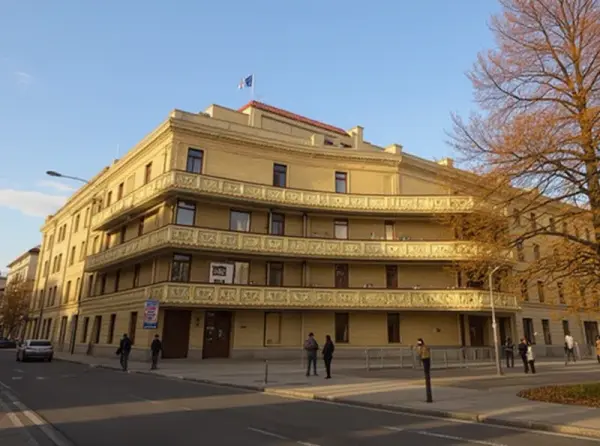
7. Latvian National Opera and Ballet, Aspazijas bulvāris, Riga
Latvia
World-class opera and ballet in an elegant 19th-century theatre. Expect soaring arias, polished choreography and richly decorated interiors.
Quick facts: Step inside and you’ll hear a warm acoustic glow that turns even whispered phrases into intimate moments, while gilded balconies and chandeliers catch the house lights. Seasonal programmes pair daring contemporary choreography with beloved operatic classics, and the main auditorium seats roughly 1,200 so performances feel grand without losing intimacy.
Highlights: On opening nights the backstage still hands out tiny cups of blackcurrant liqueur to singers, a quirky ritual that dates back over 100 years and is said to steady nerves and sharpen high notes. Stand beneath the gilded chandelier in the foyer and listen closely: regulars say you can hear the orchestra warming up through the floorboards as a soft, human-silk hum, a private acoustic trick that makes applause feel like a secret shared between the house and its crowd.
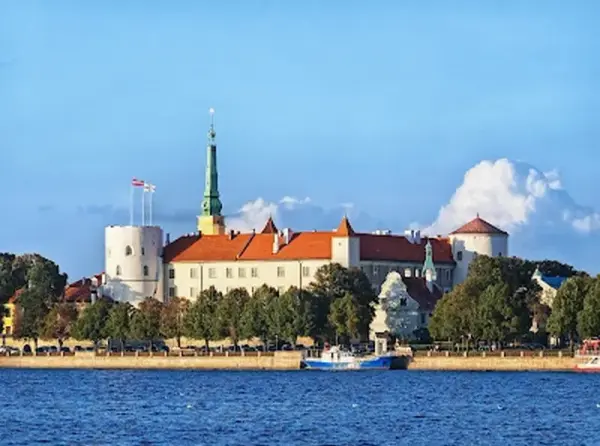
8. Riga Castle (Rīgas pils), Pils laukums, Riga
Latvia
Riga Castle holds centuries of Latvian history and active presidential halls. Explore state rooms, the National History Museum, and riverfront views.
Quick facts: Moonlight gilds the pale walls, and riverside strollers often pause to hear church bells and café chatter blend into a nostalgic soundtrack. Secret state rooms sit alongside public museums, letting curious visitors move from grand ceremonial halls into dim vaulted cellars that reveal layers of history.
Highlights: If you linger on the square at dawn you can watch the presidential standard go up, a hush falls and people still nod as the guard's boots click on 14th-century cobbles. In the long halls the air keeps the faint perfume of old linden wood and lime mortar, and at sunset the flood of honey-gold light makes the centuries-old portraits look shockingly alive.
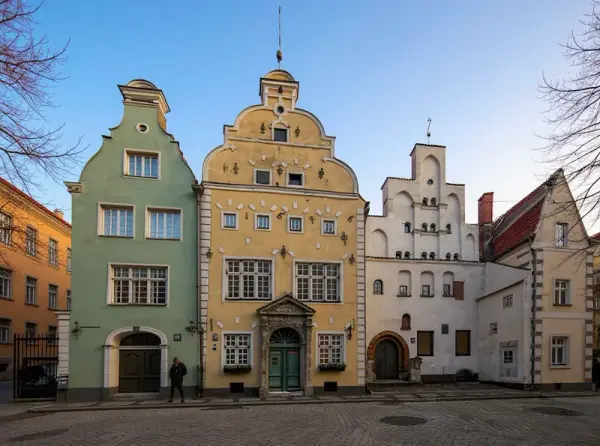
9. Three Brothers (Trīs brāļi), Maza Pils iela, Riga
Latvia
Three Brothers showcases three centuries of Riga architecture in one compact courtyard. Walk close to ornate façades and capture photogenic rooflines.
Quick facts: Step close and you notice how three adjacent medieval houses vary wildly in scale and detail, the smallest looking like a jewel box with thick lime-washed walls and tiny, deep-set windows. Run a hand over the carved stone lintel and you can still trace the chisel marks; one portal even bears a faint inscription with a 15th-century date, a surprising sign of the layered lives the facades have sheltered.
Highlights: If you press your cheek to the cool stone you can still pick up the honey-and-lime scent of centuries-old timber and mortar, and a tiny chalk flourish dated 1646 by apprentice mason Johan can be seen only in slanting morning light. Locals whisper that generations of carpenters named Anders secretly tucked small wooden tokens behind the central lintel, the last of which was unearthed in 1921 and kept by a cabinetmaker named Mikhail, who would say the tokens were meant to bring steady hands and quiet work.
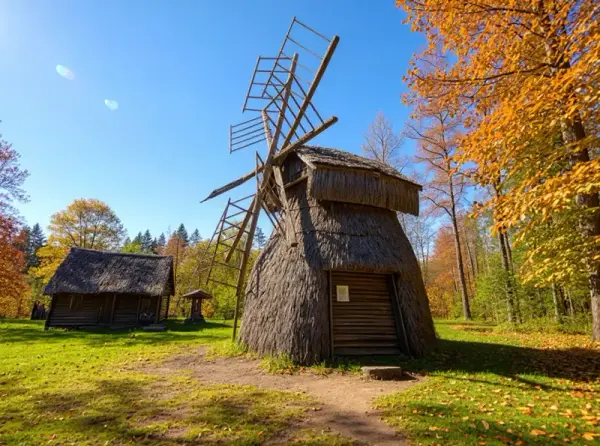
10. Latvian Ethnographic Open-Air Museum (Latvijas Etnogrāfiskais brīvdabas muzejs), Brīvības gatve 440, Riga
Latvia
Step into Latvia's rural past among authentic farmsteads and windmills. Wander recreated villages, meet craftspeople, and feel seasonal folk traditions come alive.
Quick facts: Wind carries the scent of pine and hearth smoke across lanes of thatched roofs, where living-history interpreters demonstrate traditional weaving, blacksmithing and seasonal rituals. You can stroll among over a hundred authentic rural buildings relocated from across the country, enjoy folk music and taste farmhouse recipes during lively seasonal festivals.
Highlights: More than 100 restored wooden buildings from the 17th to early 20th century are arranged like a living village, and stepping inside you can smell rye bread baking, hear creaking floorboards, and spot region-specific painted chests and textiles. Founded in 1924, the place keeps alive quirky traditions such as midsummer Līgo celebrations with wreath-making, bonfires, and communal singing, and craftsmen regularly demonstrate old skills like straw weaving and oxcart repair for visitors.
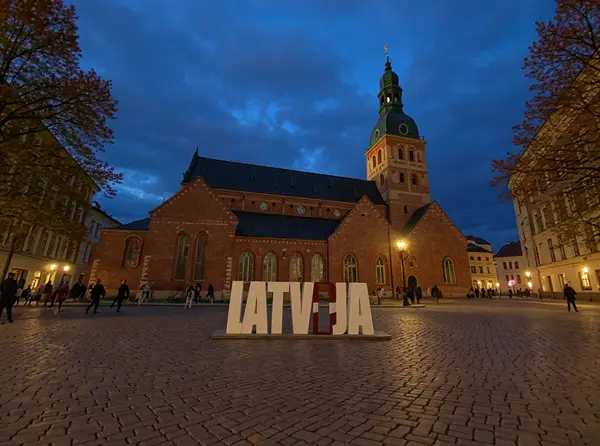
11. Evening walk in Dome Square
Experience the enchanting glow of the cobblestone square at dusk. Hear music blending past and present as you relax at a sidewalk café.
Quick facts: The square hosts the Dome Cathedral whose massive organ has over 6,700 pipes. At night, the square's cobblestones reflect the warm glow of historic street lamps, creating a storybook scene.
Highlights: Locals gather at sunset to witness a unique blend of street musicians playing classical music next to modern artists, crafting an unforgettable audio-visual experience. The open-air cafes around the square offer the perfect spot to sip a Latvian beer while soaking in the gentle evening breeze and lively conversations.
Where to Stay in Riga, Latvia
Selected by City Buddy based on guest reviews and proximity to top attractions
Search all hotels in Riga, LatviaPowered by agoda
Traditional Sweet Dishes
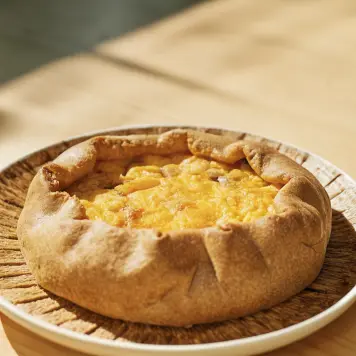
Sklandrausis
Sklandrausis is a centuries-old sweet pie made from a rye crust filled with mashed carrot and potato, its round, sunlike shape was traditionally linked to spring rituals and offerings to the sun.

Šakotis
Šakotis is a towering spit cake formed by pouring batter onto a rotating spit so the drips create distinctive tree-like spikes, and some wedding Šakotis take hours to bake and become a centerpiece of celebration.
Traditional Savory Dishes

Pīrāgi
Pīrāgi are small crescent buns stuffed with smoky bacon and onions, they were once a durable, portable snack for farmers and travelers and remain a beloved party treat.
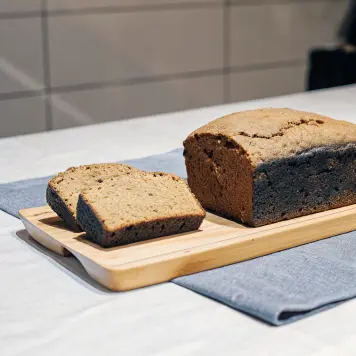
Rye bread
Latvian rye bread is a dense, sour loaf central to the country’s identity, and traditional slow-fermented rye can stay fresh for days and is used in both savory dishes and desserts.
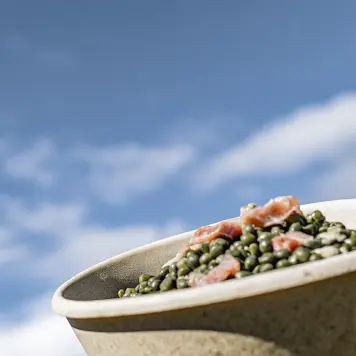
Grey peas with speck
Grey peas with speck pair earthy, nutty peas with salty, fried pork, a humble peasant dish that has become a cozy national favorite served at festivals and family tables.
Traditional Beverages
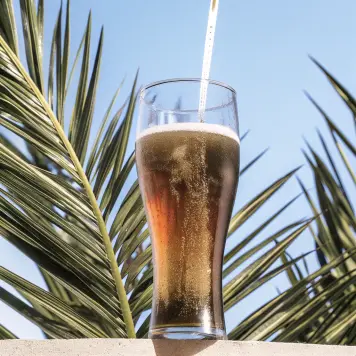
Kvass
Kvass is a lightly fermented, fizzy drink made from rye bread, it was commonly brewed at home and sold by vendors to cool and revive workers during long summer days.
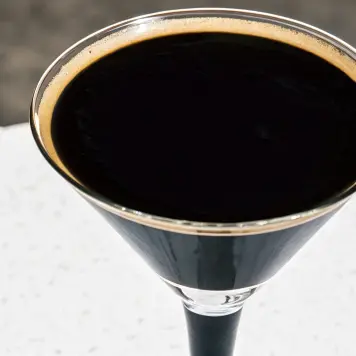
Riga Black Balsam
Riga Black Balsam is a dark herbal liqueur made from a secret blend of botanicals, locals often add it to hot tea or honey for a warming winter remedy.

Beer
Beer has been brewed in Riga since medieval Hanseatic times, and the city’s beer gardens and modern craft scene keep brewing at the center of social life.
Frequently Asked Questions about Riga, Latvia
What are the best months to visit Riga, Latvia?
Is Riga, Latvia expensive to live in?
How is the public transportation system in Riga, Latvia?
Is tap water safe to drink in Riga, Latvia?
How many tourists visit Riga, Latvia each year?
Get a PDF with the most popular attractions sent to your email
Get a PDF with all attractions, ratings, and tips. Perfect for offline use.
Most popular day trips
Jūrmala
Popular Baltic beach town with wooden villas and long sandy shore.
Sigulda
Gateway to Gauja National Park; castles, caves and outdoor activities.
Cēsis
Medieval town with a hilltop castle and charming old town streets.
Rundāle Palace
Baroque palace with grand gardens—Latvia's Versailles.
Kuldīga
Picturesque old town and Venta Rapid, Europe's widest waterfall.
Getting there
Train stations
Domestic to Sigulda, Jelgava, Daugavpils; limited international services
From RIX take bus 22 or a taxi to the city center; central station is a short tram/bus ride.
Find flights to Riga, Latvia
Click to get eSim for Riga, Latvia
The easiest and most affordable way to get mobile internet wherever you travel.
Useful information for Riga, Latvia
Overview for Riga, Latvia
Most popular itineraries for Riga, Latvia
Browse trip plans created by other travelers
Comments (10)
Went in October, cold and windy so pack layers. Museums are cozy, but don't expect beach weather until summer.
Buy the Riga Card at the visitor center, it covered trams and several museums for 24 or 72 hours and saved us time and money.
Charming mix of Art Nouveau and cheap beer, Old Town at night is lively but crowded. Three days felt perfect for us.
Two days was rushed for us, four days let us wander neighborhoods, parks and the market without hurrying.
Central Market is gold for budget meals, smoked fish and rye sandwiches for under 5 euros, sit with locals for the best stalls.