 CityBuddy
 English
Things to Do in Cebu City, Philippines
Photo made by Cyrill John Bunag on Pexels.com
When to visit
Plan your perfect trip to Cebu City, Philippines
Get a complete travel plan built just for you in under 30 seconds, with daily routes, local food tips, budget estimates and more.
Are any of these especially important to you?
Select all that apply
Plan language: EnglishMost popular attractions in Cebu City, Philippines
Things to do in Cebu City, Philippines include exploring the Basilica Minore del Santo Niño, home to the oldest religious relic in the country, and visiting Magellan's Cross, a historical marker planted in 1521. Fort San Pedro offers a glimpse into the city's Spanish colonial past, while Taboan Public Market is ideal for tasting local dried fish and snacks.
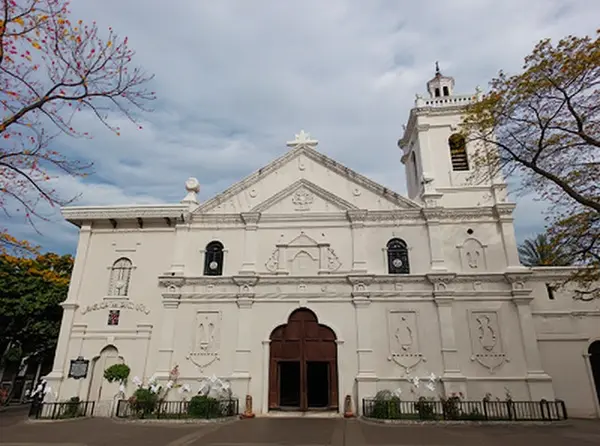
1. Basilica Minore del Santo Niño (Santo Niño Basilica)
Santo Niño Basilica
A centuries-old basilica housing the Philippines' oldest religious relic, steeped in Filipino devotion. Expect ornate Spanish colonial architecture, lively Masses, and bustling souvenir stalls.
Quick facts: Sunlight slips through stained-glass windows and picks out a small dark wooden statue that generations of devotees have kissed and dressed in miniature robes. More than one million people surge into the streets for a raucous January procession, where drums, trumpets, and clouds of incense turn the neighborhood into a moving, noisy festival.
Highlights: A tiny carved infant, roughly nine inches tall, is honored in a glass reliquary that receives fresh flowers and votive candles every day, creating a hush of flickering light. Devotees press handwritten ex-votos, tiny wax hearts and limbs, and rosaries to the glass while priests whisper blessings, the air thick with beeswax and frankincense.
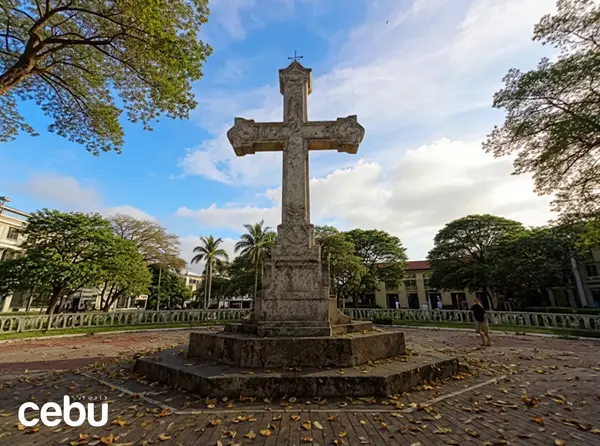
2. Magellan's Cross
See the cross that marked the Philippines' conversion to Christianity. Walk the compact chapel, view the encased original cross and nearby colonial murals.
Quick facts: A small, ornate wooden cross sits beneath a painted octagonal canopy, and many visitors reach out to touch the original wood safely behind glass while guides explain the layers of paint and repair. Locals and pilgrims often leave coins, rosaries, and faded prayer slips, and the interior's layered murals and overpainted icons surprise people with their bright colors and crowded detail.
Highlights: You can smell warm beeswax and burned palm as you lean in, and a tiny carved '1521' on a supporting beam sparks whispered stories about a dramatic first-contact encounter. Volunteers carefully collect and count more than 300 prayer slips tucked into cracks after dawn masses, while the pavilion fills with muttered prayers and the thin, metallic ring of the bell.
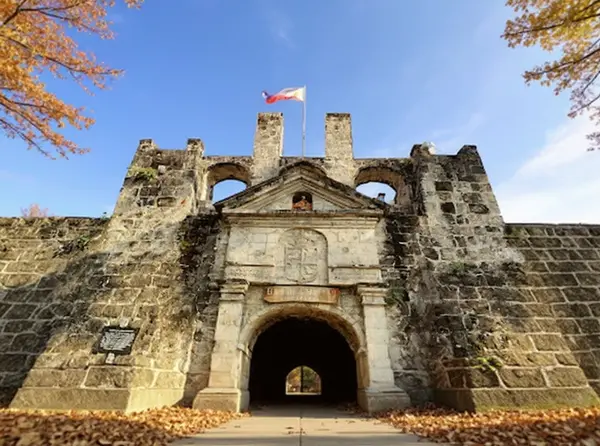
3. Fort San Pedro
A compact Spanish-era fort that tells Cebu's colonial story. Walk the ramparts, view artifacts and climb to the grassy moat for skyline photos.
Quick facts: Low, thick walls form a compact triangular footprint, surprising visitors who expect a sprawling military citadel. A tiny museum inside displays naval maps, faded uniforms, and a hand-painted scale model with ropes so fine you can practically count the knots.
Highlights: Climb three shallow stone steps to a low bastion to find a rust-streaked cannon stamped with the date 1785, its muzzle still pockmarked from musket fire and surprisingly tactile under a gloved hand. Local guides love to point out a faint graffiti carved into a plaza stone that reads 'María 1892', a small, personal inscription that turns the quiet interior into a layered scrapbook of sailors, lovers, and shouted orders.
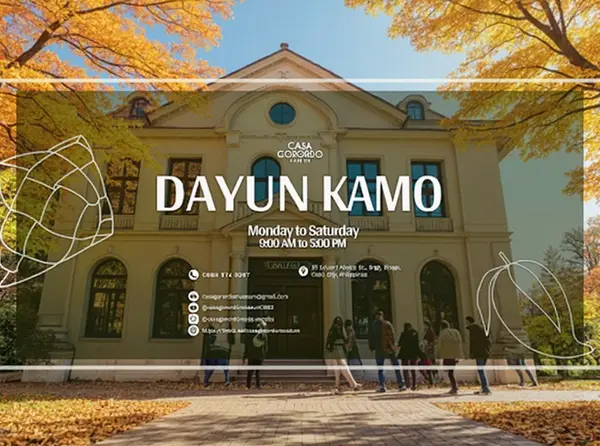
4. Casa Gorordo Museum
Explore a well-preserved 19th-century bahay na bato that reveals colonial Cebu life. Walk through period rooms, a vintage kitchen and a shady courtyard.
Quick facts: Classic Spanish-colonial furniture and capiz-shell windows give the house an old-world glow, making every room feel like a living postcard. Guided tours pass along lively family anecdotes and a surprising inventory of over 200 household items, from silver trays to embroidered barongs.
Highlights: A sunlit parlor fills with pearly light from more than 120 capiz panes, the glow tracing lace doilies and hand-painted furniture so you can almost overhear past conversations. Staff demonstrators play the original upright piano for about 10 minutes each Sunday, its slightly out-of-tune chords and the warm smell of old varnish making the wooden rooms feel remarkably lived-in.
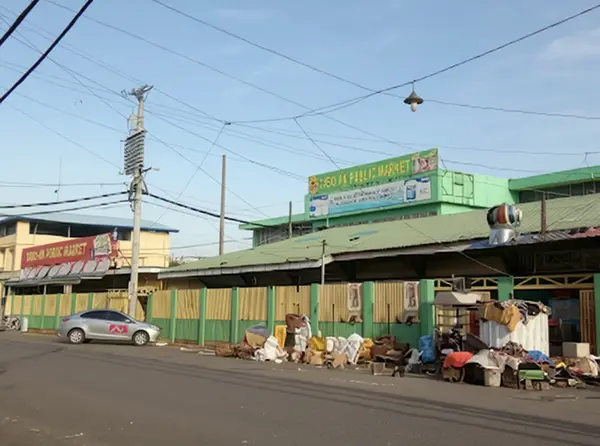
5. Taboan Public Market
Known for dried fish and pasalubong, Taboan serves authentic Cebu flavors. Expect crowded stalls, strong seafood aromas, and lively bargaining.
Quick facts: Expect an immediate blast of salty, smoky aroma as you weave past stalls piled high with cured seafood like danggit, tuyo, and dried squid. Locals tote purchases in insulated bags for long trips, and many vendors sell small, neatly wrapped portions labeled by weight so visitors can bring samples home.
Highlights: A quirky local habit is sampling on the spot, with some stalls displaying more than 20 varieties of dried fish arranged on banana leaves for quick taste tests. Up close, you can feel sun-crisp textures, smell a mingling of smoke and sea salt, and hear vendors chant names like "danggit" while wrapping purchases in paper and plastic for long journeys.
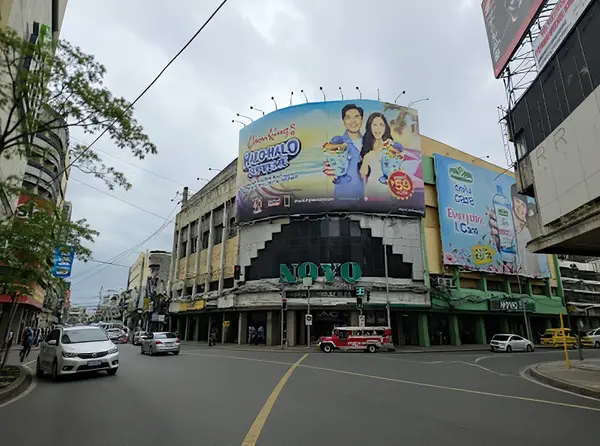
6. Colon Street
Colon Street traces Cebu's oldest commercial heart, full of history and lively street life. Wander colonial facades, bargain at stalls, and sample authentic street food.
Quick facts: Neon signs, sari-sari stalls, and rowdy jeepneys create a tight, noisy corridor where bargaining and banter happen at every corner. Locals often call it the country's oldest street, a title tricycle drivers and old-timers mention while pointing out faded storefronts and former movie houses.
Highlights: Step beneath flickering fluorescent bulbs and you'll be hit by a mix of smells: charcoal-grilled skewers, warm bread, and diesel, while vendors shout prices in a musical cadence. A narrow alley often turns into an informal night market where plastic chairs squeeze between stalls and elders point to faded cinema posters and hand-painted signs from the mid-20th century.
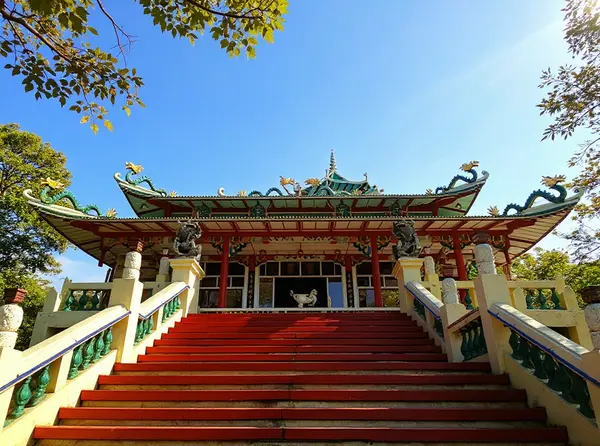
7. Taoist Temple (Cebu Taoist Temple)
Cebu Taoist Temple
Hilltop Taoist temple with ornate gates and sweeping Cebu City views. Climb dragon staircases, ring prayer bells and admire detailed carvings.
Quick facts: Bright vermilion roofs and ornate dragon sculptures punctuate a steep, gardened hillside, creating a visually arresting religious site. Visitors can smell incense and see intricate calligraphy plaques alongside twelve zodiac animal figures scattered through the courtyards, giving a tactile sense of a living tradition.
Highlights: Near the main courtyard you'll find a dozen bronze figures of the Chinese zodiac, many people rub the one matching their birth year to ask for luck, producing a polished gleam from years of touch. A warm glow from dozens of red lanterns lights the terraced gardens, incense curls into the salty sea breeze while soft chanting drifts down the hillside, making the scene startlingly cinematic.
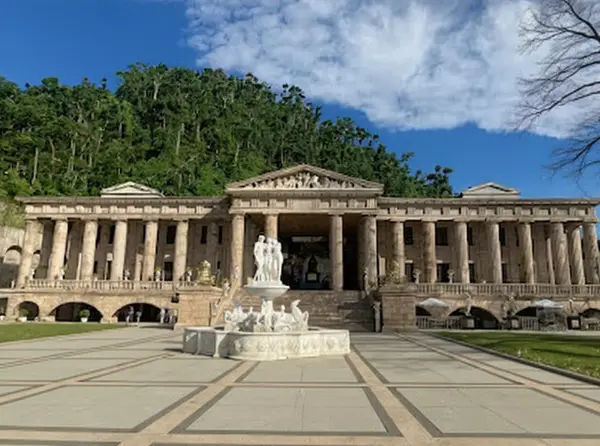
8. Temple of Leah
Roman-style monument with sweeping Cebu city and sea views. Wander marble halls, towering columns and statues, ideal for golden-hour photos.
Quick facts: Known for its dramatic Roman-style columns and marble staircases, the site was commissioned by businessman Teodorico Adarna as a lavish tribute to his wife Leah Albino Adarna.
Highlights: Local guides often point out the personal origin story: businessman Teodorico Adarna dedicated the complex to Leah Albino Adarna, and the solemn rows of statues and echoing marble halls feel more like a private love letter than a public monument. Step onto the main staircase at golden hour to watch the white marble turn honey-gold, feel the cool stone underfoot, and catch a salty breeze that carries the faint scent of garden blooms while the columns glow for photos.

9. Sirao Flower Farm (Sirao Garden)
Sirao Garden
A riot of colorful celosia on Cebu's hills, perfect for bright photos. Wander flower rows, climb viewpoints and snap dramatic Cebu skyline and mountain shots.
Quick facts: Rows of feathery celosia burst in hot pinks and fiery oranges, creating stepped carpets that photographers love. Visitors climb narrow wooden pathways for panoramic views, and many leave with sticky fingers from vendors selling warm cassava snacks.
Highlights: A quaint wooden windmill provides a playful backdrop, where dozens of couples book sunrise shoots to catch dew-speckled petals and soft, honeyed light. Hands-on gardeners tend the beds row by row, so you can hear the crinkle of dried leaves underfoot and smell sweet, earthy pollen when you crouch close to a celosia plume.
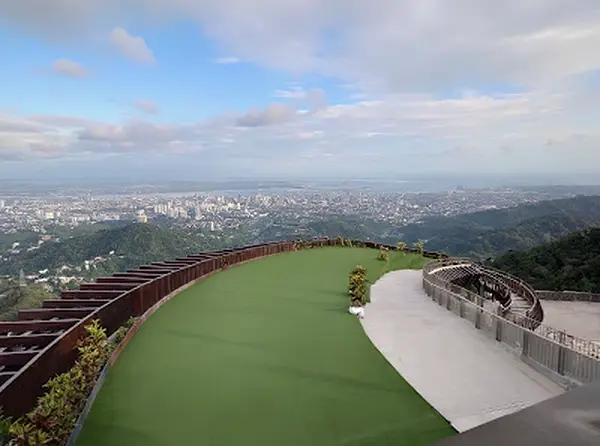
10. Tops Lookout (Busay)
Busay
Panoramic views of Cebu City, Mactan Island and mountain ranges make Tops Lookout worth the trip. Expect golden-hour sunsets, twinkling city lights and easy photo platforms.
Quick facts: Perched on a high ridge, the spot gives a panoramic sweep of the city, the coastline, and the low hills that blush at sunset. Crowds gather at dusk for the city-light show, where vendors sell grilled skewers and warm drinks and benches and telescopes invite lingering.
Highlights: A curving viewing platform delivers an almost 180-degree panorama, a cool, pine-scented breeze, and a glittering tapestry of thousands of amber lights at night. Many regulars arrive in small groups of 3–6 with thermoses and guitars, trading songs and stories as the skyline slowly switches from gold to starlit black.
Where to Stay in Cebu City, Philippines
Selected by City Buddy based on guest reviews and proximity to top attractions
Search all hotels in Cebu City, PhilippinesPowered by agoda
Traditional Sweet Dishes
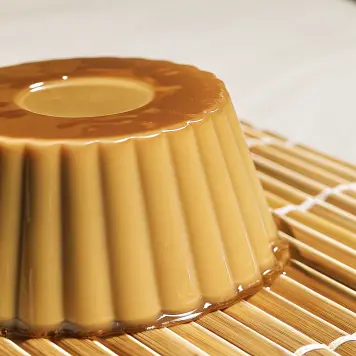
Leche flan
Cebu's leche flan is an ultra-silky custard made mostly from egg yolks and condensed milk, and its glossy caramel top is the hallmark of fiesta feasts across the island.
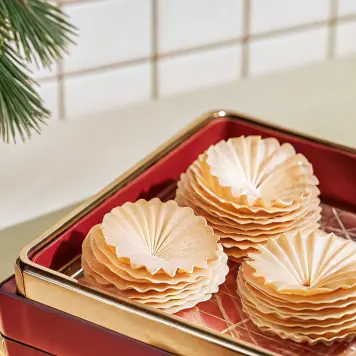
Otap
Otap is a paper-thin puff pastry cookie from Cebu, famous for its delicate, crackly layers and buttery sweetness that makes people buy it as a gift or souvenir.
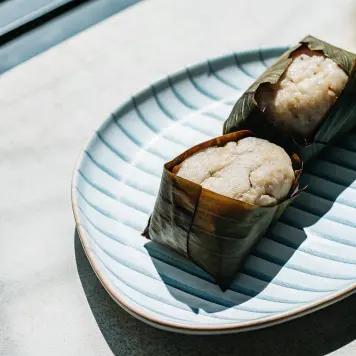
Puto maya
Puto maya is warm sticky rice flavored with ginger and wrapped in banana leaves, traditionally eaten with hot sikwate for breakfast or after midnight mass.
Traditional Savory Dishes
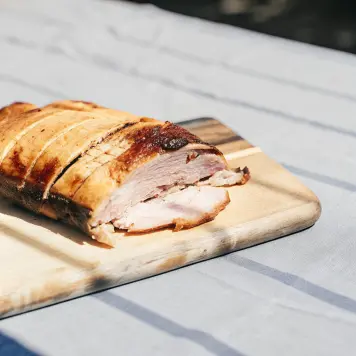
Lechon
Cebu lechon is a whole pig roasted over charcoal until the skin turns paper-crisp, and its deeply seasoned, herb-stuffed cavity is what locals say makes the flavor legendary.
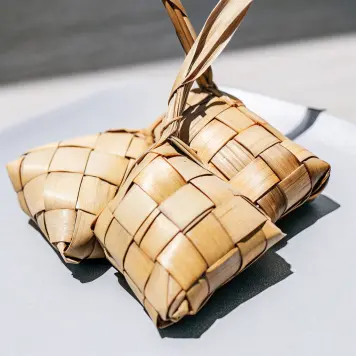
Puso
Puso are rice parcels steamed inside intricately woven coconut leaf pouches, designed so fishermen and travelers can eat rice on the go without plates.
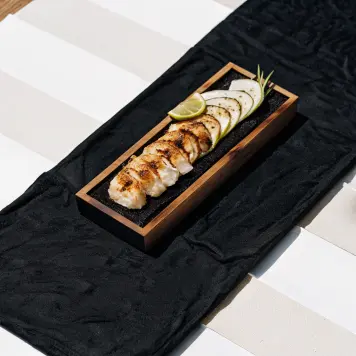
Sutukil (grilled seafood)
Sutukil is the Cebu way to eat seafood, you choose fresh catch at the market then have it grilled, stewed, or cured as ceviche, so every meal is freshly tailored to your taste.
Traditional Beverages
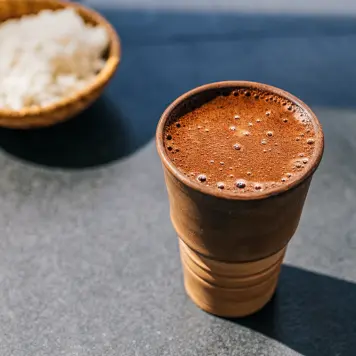
Sikwate (chocolate drink)
Sikwate is a thick, frothy hot chocolate made from stone-ground cacao tablets called tablea, and it is traditionally paired with sticky rice or sweet pastries.
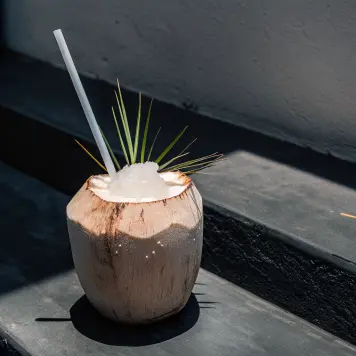
Tuba (palm wine)
Tuba is the slightly sweet, tangy palm wine made from freshly tapped coconut sap, enjoyed young for its effervescence or fermented into stronger spirits, and it features in many local celebrations.
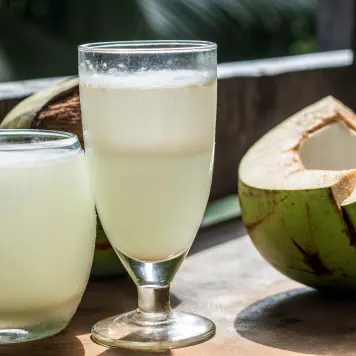
Buko juice
Buko juice is the clear, slightly sweet water of young coconuts, prized across Cebu for instant hydration and a direct-from-shell freshness that is a beachside trademark.
Frequently Asked Questions about Cebu City, Philippines
Is Cebu City, Philippines safe for travelers?
How many days should I spend in Cebu City, Philippines?
What is the best time to visit Cebu City, Philippines?
Is Cebu City, Philippines expensive to visit?
How to get around Cebu City, Philippines?
Get a PDF with the most popular attractions sent to your email
Get a PDF with all attractions, ratings, and tips. Perfect for offline use.
Most popular day trips
Mactan Island (Lapu-Lapu)
Beaches, resorts, diving, and historic Lapu‑Lapu sites.
Sirao Flower Garden & Temple of Leah
Colorful gardens, mountain views and local cafés.
Kawasan Falls (Badian)
Turquoise multi-tiered falls and canyoneering trips.
Oslob (Whale sharks & Sumilon)
Swim with whale sharks; nearby Sumilon sandbar island.
Getting there
Airports
Train stations
N/A — intercity travel is by bus and ferry
From Mactan–Cebu Airport take taxi/Grab (20–40 min); airport taxis have fixed rates—expect peak traffic.
Find flights to Cebu City, Philippines
Click to get eSim for Cebu City, Philippines
The easiest and most affordable way to get mobile internet wherever you travel.
Comments (10)
If doing Kawasan canyoning, book a reputable operator and go early. Afternoons get crowded and sudden rains cancel trips fast.
Loved the mix of history and nightlife, museums felt small though. Worth three full days if you want to taste everything.
Crowded in the city center, jeepneys and tuk-tuks are a circus. Bring patience and a good hat for the sun.
Street food steals the show, seafood stalls beat the tourist places. Ate incredibly well on a tiny budget.
Cebu exceeded expectations, locals were warm and lechon is legendary. Traffic is annoying, but food and beaches made the trip.