 CityBuddy
 English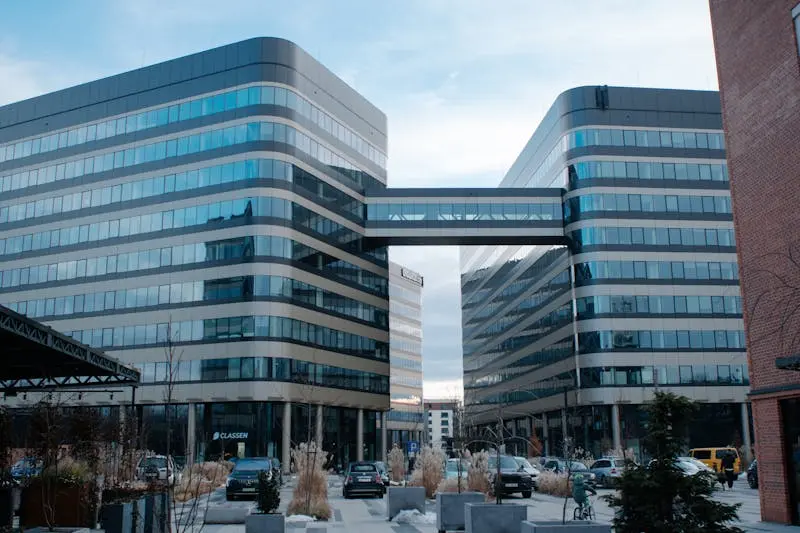
Things to Do in Kraków, Poland
Photo made by Raymond Petrik on Pexels.com
When to visit
Plan your perfect trip to Kraków, Poland
Get a complete travel plan built just for you in under 30 seconds, with daily routes, local food tips, budget estimates and more.
Are any of these especially important to you?
Select all that apply
Plan language: EnglishMost popular attractions in Kraków, Poland
For things to do in Kraków, Poland, begin at the Main Market Square, Europe's largest medieval town square spanning 40,000 square meters. Visit St. Mary's Basilica nearby for its extraordinary wooden altarpiece. Explore Wawel Royal Castle and the adjacent Wawel Cathedral, standing proudly 228 meters above the Vistula River.
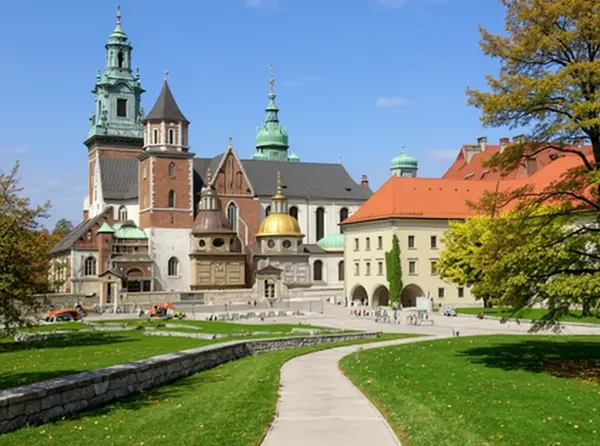
1. Wawel Royal Castle (Zamek Królewski na Wawelu)
Zamek Królewski na Wawelu
Poland's royal seat, packed with centuries of art, coronations and medieval architecture. Wander ornate state rooms, visit the cathedral crypts and climb for sweeping city views.
Quick facts: Climbing the worn stone stairs reveals gilded state rooms, Renaissance arcades, and soaring Gothic vaults that still hum with courtly echoes. Visitors linger for the quirky legend of a dragon's lair and to study lavish royal tombs plus a crown collection so ornate even casual tourists stop and stare.
Highlights: A 12,600-kilogram bronze bell named Zygmunt hangs in the hilltop cathedral tower, and its rare peals, reserved for coronations, major funerals, and a handful of national anniversaries, make the air thrum and the cobbles underfoot vibrate. Under the same hill a centuries-old dragon legend lives on: a motorized bronze dragon by the riverside periodically spits a real jet of flame while vendors hand you a hot, sesame-studded obwarzanek that steams in your palms.
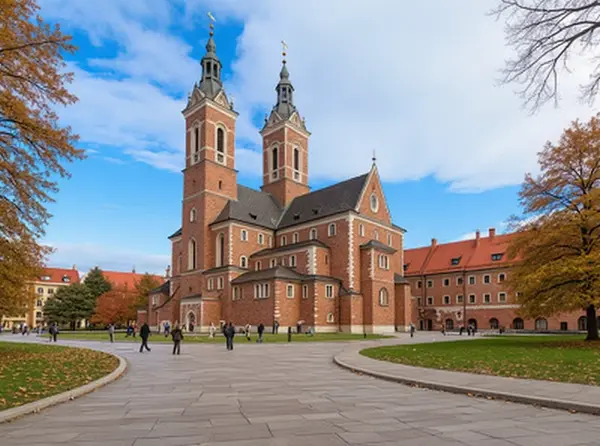
2. Wawel Cathedral (Katedra Wawelska)
Katedra Wawelska
A central site of Polish royal history and sacred art. Walk through coronation chapels, royal tombs and stand beneath the thunderous Sigismund bell.
Quick facts: Wandering beneath soaring Gothic vaults, you feel the hush of coronations and see chapels that glitter with intricate tombs and dramatic sculptures. A thunderous bell that marks momentous occasions dominates the soundscape, while dozens of royal sarcophagi and hidden burial chambers reveal surprising personal stories when you pause and listen.
Highlights: If you crane your neck into the south tower you'll spot the Sigismund Bell, a hulking bronze cast by Hans Behem in 1520 that weighs roughly 13,000 kilograms and is rung only on the gravest national and religious occasions. A crew of about a dozen ringers hauls the ropes to swing it, the sound landing like low brass thunder you feel in your ribs as dust trembles from the rafters and the whole place falls into a respectful hush.
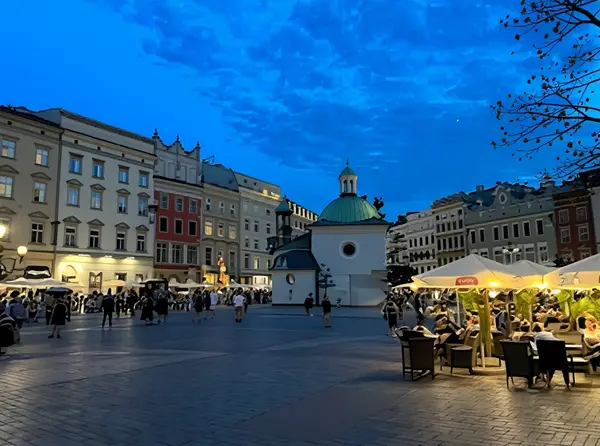
3. Main Market Square (Rynek Główny)
Rynek Główny
Vibrant medieval square anchored by the Cloth Hall and St. Mary's Basilica. Experience street performers, market stalls, outdoor cafés and skyline views.
Quick facts: Cobblestones and open-air cafés combine with hourly trumpet calls from a nearby tower, so the whole square unfolds like a living stage. Beneath shop floors, archaeologists keep uncovering medieval foundations and market stalls, proving layers of the city are literally stacked under your feet.
Highlights: Every hour on the hour a lone trumpeter plays from the tower of St. Mary's Basilica, the four-bar hejnał stopping mid-note because legend says a 13th-century trumpeter was shot in 1241 while warning the city. Below the tower a Renaissance cloth hall called Sukiennice hosts dozens of stalls selling hand-carved amber and traditional pierogi, while the open square often smells of roasting chestnuts and strong coffee from outdoor kiosks.
Have you heard of free walking tours?
After traveling to 30+ countries, there's one thing I wish someone had told me from day one, and it completely changed how I experience new cities.
Free walking tours. Yes, actually free. No credit card needed. No catch.
Local guide, 2-3 hours
Major sights, hidden gems, local stories
100% tip-based
Guides earn only tips, so they give their absolute best
You tip what feels right
At the end, just tip whatever you feel is right
I've done these in dozens of cities and they've been the highlight of almost every trip. If you're visiting Kraków, Poland, do this on your first day. You'll thank me later.
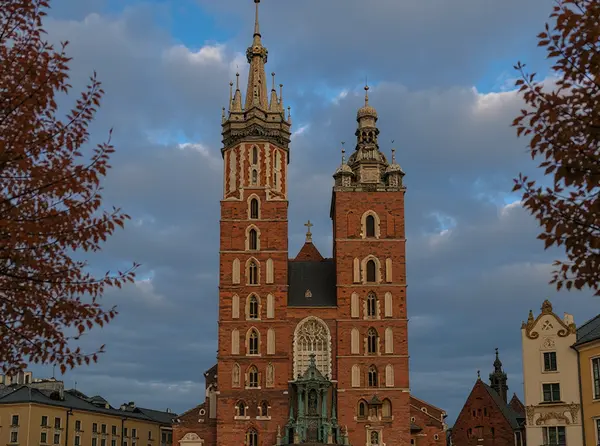
4. St. Mary's Basilica (Kościół Mariacki)
Kościół Mariacki
Gothic landmark with the magnificent Veit Stoss altarpiece. Hear the hourly hejnał and admire carved chapels and medieval frescoes.
Quick facts: Step inside and you'll hear the trumpeter's five-note call that unexpectedly cuts off mid-melody, a haunting signal that once warned the city and still rings out from the taller tower. Look up to the high altar where a massive Gothic altarpiece bursts with over 200 carved and painted wooden figures, their worn colors and gold catching the light like a small, carved city of saints.
Highlights: Inside the church the giant late-Gothic wooden altarpiece carved by Veit Stoss between 1477 and 1489 soars about 13 meters high, its hundreds of tiny carved saints and wrinkled faces catching flecks of candlelight and gold leaf. Up in the taller tower a lone trumpeter still plays the famous hejnał every hour and abruptly stops mid-melody, a dramatic break that commemorates the trumpeter said to have been shot while warning the city in 1241.
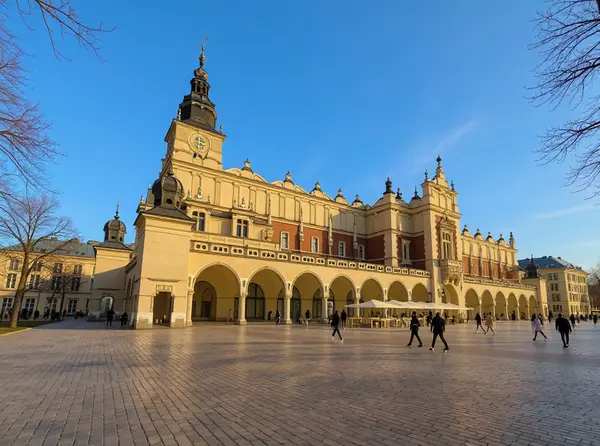
5. Cloth Hall (Sukiennice)
Sukiennice
Renaissance trading hall on Kraków's Main Market Square, steeped in history and lively trade. Browse amber and handicrafts on the ground floor, then view 19th-century Polish art upstairs.
Quick facts: Cobblestone echoes and the scent of roasting coffee fold around a long, arcade-like structure where vendors still sell amber, textiles, and handmade crafts. Step up to the balcony for a bird's-eye view of the square below, and don't miss the upstairs gallery that showcases regional art and draws crowds year-round.
Highlights: Beneath the long Renaissance arcades merchants once traded cloth, salt and Venetian spices, and since 1879 the upstairs hall was turned into a national gallery where Jan Matejko's huge historical canvases face the carved wooden market stalls. Every morning the air still carries the warm smell of grilled obwarzanki and the glitter of amber beads in dozens of stalls creates a honey-gold shimmer that photographers often chase with a 50mm lens.
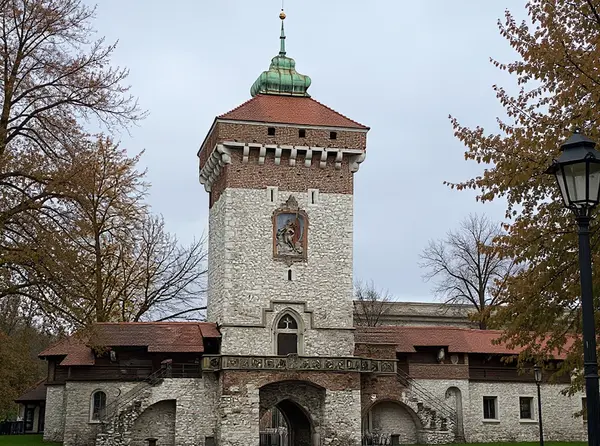
6. St. Florian's Gate & Barbican (Brama Floriańska i Barbakan)
Brama Floriańska i Barbakan
Medieval city defenses show Kraków's past in stone. Pass through Florian Gate and circle the Barbican for dramatic photos and a sense of medieval life.
Quick facts: You can feel a deep, hollow echo under the arched gate as centuries of footsteps have smoothed the cobbles, while battle scars in the stone hint at the violent encounters once fought there. Climb the narrow circular walkway that crowns the outer fortification, and you'll find hidden embrasures and twisting passages that were used to coordinate defense and now delight curious explorers.
Highlights: Seven stout semicircular turrets ring the outer circular fortification, creating an echo chamber where footsteps ricochet off roughly three-meter-thick brick walls and the narrow gunports still smell faintly of old lime mortar. Each year during the loud, colorful Lajkonik procession a rider in a reed-horse costume thunders through the arch, tapping spectators with a wooden mace for luck and reminding locals of a quirky victory legend that dates back centuries.
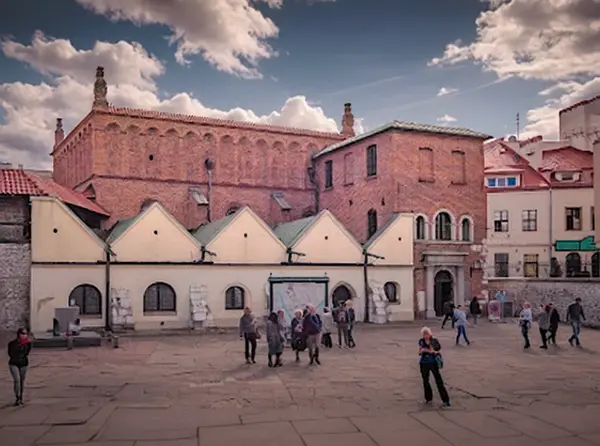
7. Kazimierz — Jewish Quarter (including Old Synagogue / Stara Synagoga)
including Old Synagogue / Stara Synagoga
Explore Kazimierz for its deep Jewish heritage and lively street culture. Wander cobbled lanes, visit Stara Synagoga, galleries, and cozy cafés.
Quick facts: Cobblestone streets echo with klezmer rhythms and the smell of strong coffee from tiny cafés, while colorful murals and quiet courtyards reveal layers of memory and revival. Inside a venerable synagogue, carved wooden benches, ornate plasterwork and Hebrew inscriptions transform the space into a moving museum of communal life and resilience.
Highlights: At dusk a brass klezmer quartet led by a fiddler named Marek often sets up beneath a massive plane tree, and their slow, woody violin notes mix with the tang of pickled herring and the honeyed warmth of fresh challah, so the narrow cobbled lane feels like an old film scene. A quirky local practice has visitors and elderly residents tuck small folded notes into the cracks of an ancient stone wall, sometimes a single line in Polish, sometimes a faded Yiddish blessing, and when rain comes the paper darkens and rustles like tiny secret waterfalls.
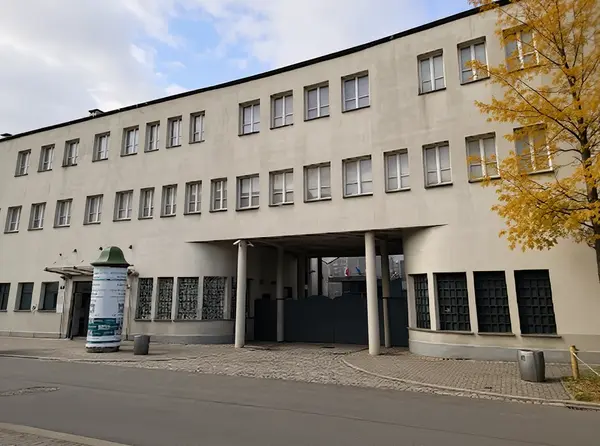
8. Oskar Schindler's Enamel Factory (Oskar Schindler's Museum / Fabryka Schindlera)
Oskar Schindler's Museum / Fabryka Schindlera
Powerful wartime story told in a preserved enamel factory. Walk through Schindler's office, wartime reconstructions, and moving survivor testimony.
Quick facts: A surprisingly personal archive hides in an industrial shell, with lists of more than 1,000 names and ordinary objects that tell the stories of people saved against impossible odds. Step into the recreated workshops and you can almost hear the clink of enamelware while authentic documents and audio testimonies make the bureaucratic and human ingenuity painfully immediate.
Highlights: Inside the former enamel plant the dim rooms are staged like a wartime workshop, complete with grainy 1940s photographs, clattering machine soundscapes, and the stark fact that roughly 1,200 people were saved because they were declared essential workers. A surprising detail is that Schindler spent his fortune on bribes and supplies, and surviving invoices and letters mention bottles of cognac, sewing machines, and cash payments used to persuade officials to spare specific employees.
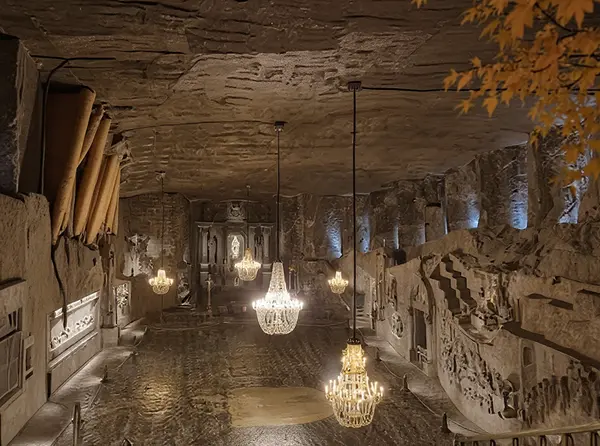
9. Wieliczka Salt Mine (Kopalnia Soli Wieliczka)
Kopalnia Soli Wieliczka
Explore centuries of salt-mining history beneath Kraków's streets. Descend through lit chambers to chapels, sculptures and an underground lake on a guided tour.
Quick facts: Descending steep, lamp-lit shafts feels like slipping into a glittering underworld, where chapels and chandeliers are intricately carved from crystalline salt. Guided routes reveal a maze of tunnels stretching nearly 300 kilometers, with saline lakes and a cool microclimate that many visitors find oddly soothing to the lungs.
Highlights: Descending roughly 327 meters along carved stairways leads you into a cathedral-sized chamber where altarpieces, chandeliers and even floor reliefs are hewn from crystalline salt, the cool, slightly humid air carrying a clean, saline scent while amber lights make the walls glitter like sugar. A 13th-century legend of Saint Kinga says her engagement ring miraculously turned up in a lump of salt here, and miners commemorated the story by sculpting a ring and holding annual blessings that visitors can still hear recounted on tours.
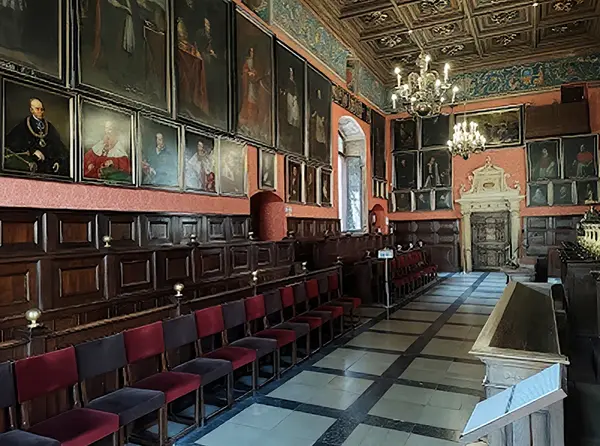
10. Collegium Maius
Jagiellonian University
Poland's oldest university offers a compact dive into medieval scholarship and academic curiosities. Walk through Gothic courtyards, old lecture halls and a museum of historic instruments.
Quick facts: Step into a sunlit courtyard where Gothic arches and a tinkling Renaissance fountain make the air feel scholarly and unexpectedly intimate. You can linger over a rare collection of medieval astronomical instruments and worn library chests, tiny carved details and faded marginalia rewarding a careful look.
Highlights: Oak beams creak above a honey-lit Gothic courtyard, the air smelling of old parchment and beeswax as brass astrolabes and a 15th-century armillary sphere catch the afternoon light. You can almost picture Nicolaus Copernicus pacing those same flagstones when he enrolled in 1491, and if you lean close you'll even find student graffiti and tally marks carved into the wooden benches.
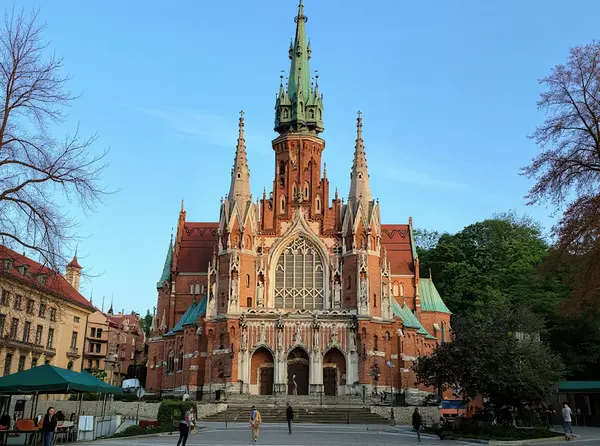
11. Rynek Podgórski Market Visit
Experience a pulsating market where tradition meets creativity. Explore unique crafts and savor authentic street foods in a festive atmosphere.
Quick facts: A vibrant hub nestled on the Vistula riverbank, the market bustles with local artisans and fresh produce traders every weekend. You can find traditional Polish delicacies alongside contemporary crafts that capture the city’s creative pulse.
Highlights: The square transforms every Sunday into a lively fair where over 50 vendors showcase hand-crafted pottery, textiles, and pierogi making demonstrations. Catch the impromptu folk music sessions that animate the cobblestones, creating an unforgettable sensory mix of sights and sounds.
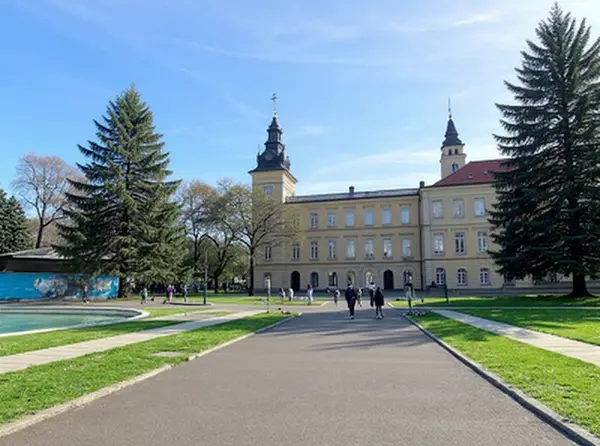
12. Visit Jordan Park
Escape to a lush riverside haven alive with summer festivals and peaceful trails. Experience magical evenings bathed in firefly light and picturesque views from a historic bridge.
Quick facts: A vast green space nestled along the Vistula River serves as a favorite outdoor retreat for locals and students alike. The park features a charming blend of natural woodlands and manicured gardens, hosting lively festivals during summer evenings.
Highlights: Catch the glowing fireflies lighting up the riverside paths on warm summer nights, creating a magical natural light show. The park’s old railway bridge converted into a pedestrian walkway offers stunning panoramic views perfect for sunset photos.
Where to Stay in Kraków, Poland
Selected by City Buddy based on guest reviews and proximity to top attractions
Search all hotels in Kraków, PolandPowered by agoda
Traditional Sweet Dishes
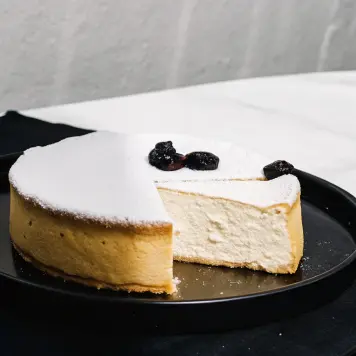
Sernik (cheesecake)
Kraków sernik is typically made from twaróg, a dry curd cheese that gives it a dense, slightly tangy texture, and many bakers finish it with a thin sugary crust or a scattering of raisins for contrast.
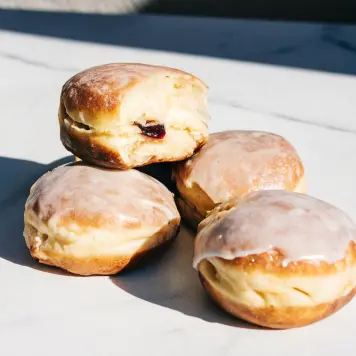
Pączki (donuts)
Pączki were originally fried in rich fat to use up lard and eggs before Lent, and local varieties are often filled with rosehip or plum jam and enjoyed on Fat Thursday as a joyful citywide tradition.
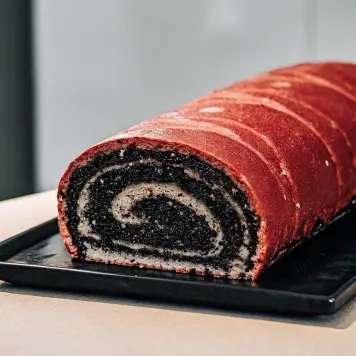
Makowiec (poppy-seed roll)
Makowiec is a rolled poppy-seed cake with a dense, opulent filling of ground poppy seeds, honey, and raisins, and it is traditionally served at Christmas as a symbol of abundance and good fortune.
Traditional Savory Dishes

Pierogi
Pierogi in Kraków range from savory potato and cheese to sweet fruit-filled versions, and they became so beloved they inspired whole festivals and competitions in the city.

Obwarzanek krakowski
Obwarzanek krakowski is a braided, boiled-and-baked ring bread sold at street stalls around Kraków's Old Town for centuries, it carries Protected Geographical Indication status and is usually topped with sesame, poppy, or salt.
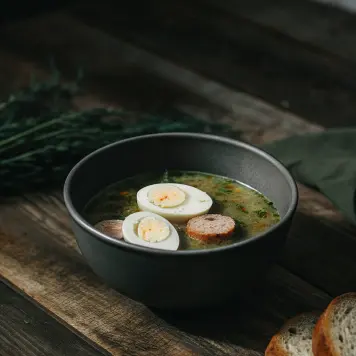
Żurek (sour rye soup)
Żurek is a sour rye soup made from a fermented rye starter, it is typically served with sausage and a hard-boiled egg and was prized by peasants for its filling, preserved flavor.
Traditional Beverages
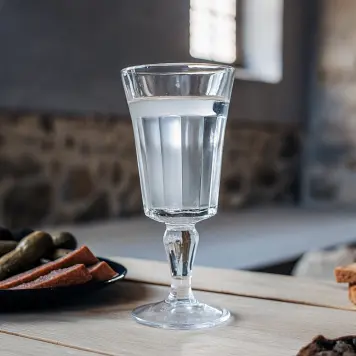
Vodka
Kraków's vodka culture includes historic cellars and tasting houses where vodkas are sipped slowly, often flavored with local herbs or served with pickled snacks to balance the spirit's clean bite.
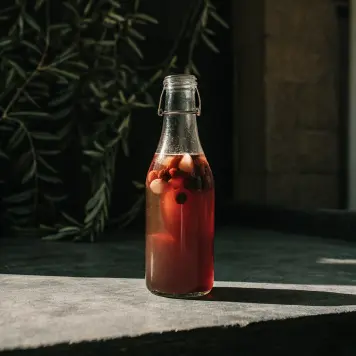
Kompot
Kompot is a simple stewed-fruit drink made by simmering fresh or dried fruit with sugar and spices, it was a classic way to preserve summer flavors through the winter and is still served at family gatherings.
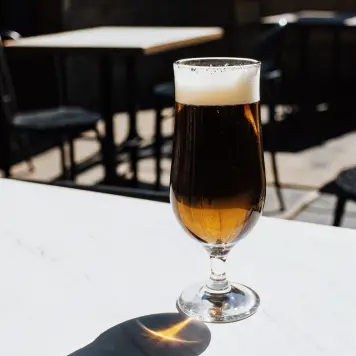
Local craft beer
Kraków's craft beer scene mixes modern brewing with regional ingredients like honey and local hops, and many microbreweries name beers after city legends or medieval traditions.
Frequently Asked Questions about Kraków, Poland
What is the best time to visit Kraków, Poland?
How expensive is Kraków, Poland for living and travel?
Is Kraków, Poland safe for travelers?
How do I get around Kraków, Poland?
Is the tap water in Kraków, Poland safe to drink?
Get a PDF with the most popular attractions sent to your email
Get a PDF with all attractions, ratings, and tips. Perfect for offline use.
Most popular day trips
Wieliczka Salt Mine
Historic underground salt chambers and sculptures.
Oświęcim (Auschwitz-Birkenau)
Former Nazi concentration camp and memorial site.
Zakopane / Tatra Mountains
Poland's mountain town for hiking and skiing.
Ojców National Park
Limestone cliffs, castles, caves and short hikes.
Wadowice
Birthplace of Pope John Paul II; small-town charm.
Rent a car in Kraków, Poland
Getting there
Airports
Train stations
Main national and international hub (Warsaw, Wrocław, Prague, Vienna, Budapest)
Regional and suburban connections
From KRK take the train or shuttle bus to Kraków Główny; taxis have fixed fares.
Find flights to Kraków, Poland
Click to get eSim for Kraków, Poland
The easiest and most affordable way to get mobile internet wherever you travel.
Useful information for Kraków, Poland
Overview for Kraków, Poland
Most popular itineraries for Kraków, Poland
Browse trip plans created by other travelers
3 Jours à Cracovie au Printemps pour les Amoureux d'Histoire et de Culture
Découvrez l'histoire riche, les ruelles pittoresques et les saveurs locales de Cracovie au printemps, pour un séjour mémorable mêlant patrimoine, gastronomie et nature.
17-Day Kraków Spring Cultural & Culinary Adventure
Experience Kraków in spring with rich history, vibrant neighborhoods, traditional flavors, and unique cultural journeys over 17 unforgettable days.
6-Day Springtime Adventure in Kraków
Experience the best of Kraków in spring with historic treasures, vibrant culture, and authentic local flavors. Walk through medieval streets, explore Jewish heritage, and indulge in traditional Polish cuisine under blooming skies.
14-Day Kraków Summer Discovery
Experience Kraków's rich history, vibrant culture, and lively summer atmosphere with a perfect blend of iconic sights, local flavors, and unique activities.
8-Day Kraków for Budget Backpackers and Culture Enthusiasts in Spring
An 8-day Kraków itinerary balancing budget-friendly and local experiences with cultural highlights, off-the-beaten paths, food exploration, and active outdoor activities in spring.
4-Day Kraków for Offbeat Culture and Food Explorers
Explore Kraków beyond the tourist crowds with hidden gems, local hangouts, rich history, and authentic food experiences on a budget in spring.
5-Day Kraków Journey for General Travelers in Spring
Explore Kraków's rich history, vibrant quarters, and unique sites with a balanced itinerary designed for general travelers, including iconic landmarks, cultural insights, and authentic local experiences.
Comments (9)
Buy a 72-hour tram and bus pass at the airport kiosk, it saves cash and you can use public transport right away.
Check museum sites for free or reduced late entry times, many require pre-booking a slot on busy days.
Night trams were safe and cheap, locals helped me with directions even when my Polish failed miserably.
Skip restaurants on the square, walk a couple of blocks out of the Old Town for real prices and bigger portions.
Lovely old town architecture, got rained out half my trip so pack layers. Museums are worth it on cold days.