 CityBuddy
 English
Things to Do in Porto, Portugal
Photo made by Joost van Os on Pexels.com
When to visit
Plan your perfect trip to Porto, Portugal
Get a complete travel plan built just for you in under 30 seconds, with daily routes, local food tips, budget estimates and more.
Are any of these especially important to you?
Select all that apply
Plan language: EnglishMost popular attractions in Porto, Portugal
Among the top things to do in Porto, Portugal, stroll along the Ribeira waterfront to enjoy riverside cafes and colorful houses. Cross the Dom Luís I Bridge for panoramic Douro River views. Explore Livraria Lello, a historic bookstore known for its stunning architecture and ornate wooden staircase.
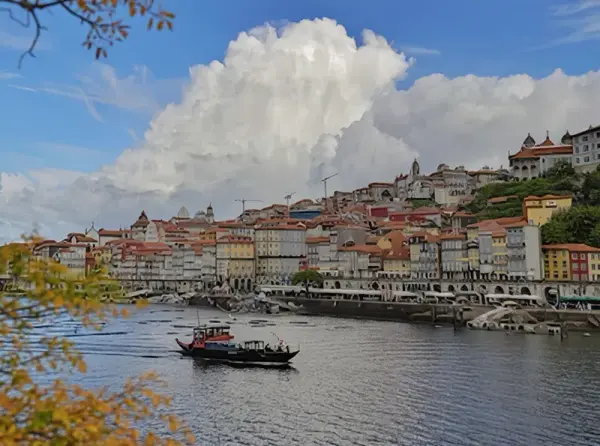
1. Ribeira (Cais da Ribeira)
Cais da Ribeira
Riverside heart of Porto with colorful buildings, lively cafes, and river views. Stroll the quayside, watch rabelo boats, and enjoy Port wine at sunset.
Quick facts: Golden dusk floods the patchwork of narrow, colorful façades along the waterfront, and the air carries the smoky tang of grilled sardines mixed with the sweet warmth of fortified wine. Street musicians and animated terraces spill onto the cobbles, while dozens of wooden boats bob gently at the quay, creating a lively soundtrack for evening wandering.
Highlights: At dusk the clink of glasses and low chords of Fado spill from cellar doors, mixing with the taste of grilled sardines and the sweet, vinous aroma of aging port. Crouch by the quay and you can hear the hollow thump of rabelo boats nudging barrels, a practice that helped ship port to Britain in the 18th century, and stare up at pastel-painted houses tiled with 17th-century azulejos and a flaking shop sign that still reads António.
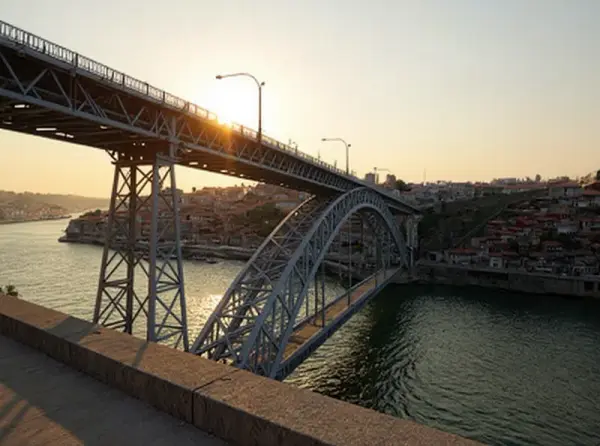
2. Dom Luís I Bridge (Ponte Dom Luís I)
Ponte Dom Luís I
Iconic iron bridge offering sweeping views over the Douro River. Cross the upper deck for panoramic Porto and Vila Nova de Gaia vistas.
Quick facts: Step onto the pedestrian level and you’ll feel the ironwork hum underfoot while trams and trains glide above, creating a dramatic soundtrack for sunset views. A sweeping double-deck arch frames photos like a giant steel gateway, and the latticework carries thousands of tons while welcoming both foot traffic and light rail.
Highlights: Designed by engineer Téophile Seyrig and opened in 1886, the two-level iron arch carries a tram and pedestrians on its upper deck so you often feel metro vibrations underfoot while the metal sings with a clean, ringing echo. Locals still time their strolls to sunset to watch orange light scatter across the rivet-work and the river below, and on quiet nights you can smell fermenting wine barrels from the quays while hearing the soft clatter of rails.
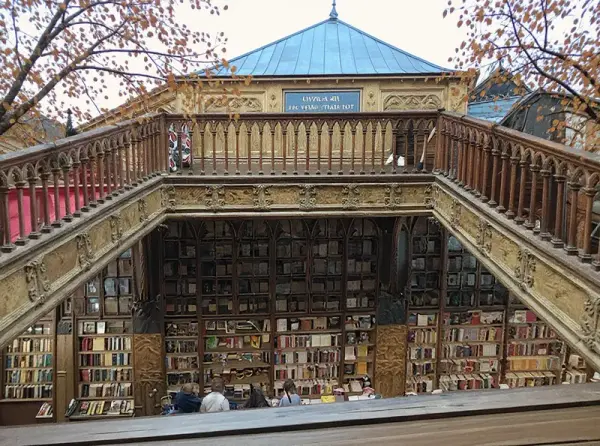
3. Livraria Lello
Ornate Neo-Gothic bookshop known for its carved red staircase and stained-glass skylight. Wander among shelves, snap iconic photos, and shop to redeem your ticket.
Quick facts: Stepping inside feels like slipping into a fairy-tale set, thanks to the swirling mahogany staircase and jewel-toned stained-glass skylight that photographers covet. Expect curated queues and a small admission charge to manage crowds, but the rich scent of old paper and the hush of browsing make the experience utterly worth it.
Highlights: Sunlight filters through a painted stained-glass skylight, throwing ruby and emerald patches across carved mahogany shelves and a swooping red wooden staircase that feels more like a theatrical prop than a bookstore feature. For years visitors have paid a small €5 entrance fee that is redeemable as a book voucher, so many people actually buy a paperback to get their fee back while locals whisper that a young J.K. Rowling sketched story ideas there during the late 1990s.
Have you heard of free walking tours?
After traveling to 30+ countries, there's one thing I wish someone had told me from day one, and it completely changed how I experience new cities.
Free walking tours. Yes, actually free. No credit card needed. No catch.
Local guide, 2-3 hours
Major sights, hidden gems, local stories
100% tip-based
Guides earn only tips, so they give their absolute best
You tip what feels right
At the end, just tip whatever you feel is right
I've done these in dozens of cities and they've been the highlight of almost every trip. If you're visiting Porto, Portugal, do this on your first day. You'll thank me later.
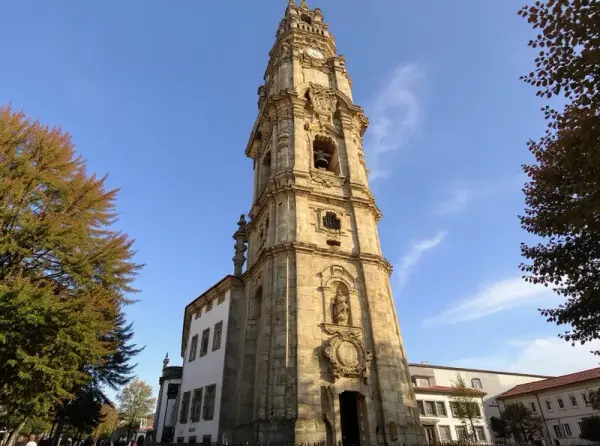
4. Clérigos Tower (Torre dos Clérigos)
Torre dos Clérigos
Climb Porto's iconic Baroque tower for sweeping city and river views. Expect a narrow 225-step ascent, historic bells, and panoramic photo spots at the top.
Quick facts: Climbing 225 narrow, corkscrew steps rewards you with a sweeping, almost theatrical panorama where tile roofs and the river glitter beneath a bell chamber that still marks the hour. Nicolau Nasoni's Baroque flair shows in the ornate stonework and dramatic silhouette that punctuates the skyline, making the tower as much a sculptural landmark as a viewpoint.
Highlights: Climb 225 narrow, spiraling stone steps up the baroque tower designed by Nicolau Nasoni to a tiny lantern room where sunlight strips the terracotta rooftops into a patchwork, and the massive 18th-century bronze bells vibrate so strongly you feel them in your chest. Locals keep a quirky tradition: on New Year's Eve and at midnight weddings dozens squeeze onto the top landing to hear the bells ring, insisting that a kiss beneath the belfry makes your echo drift for several blocks and seals a good year.
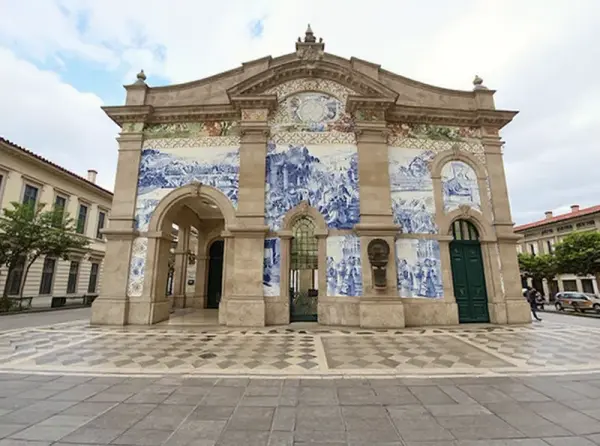
5. São Bento Railway Station (Estação de São Bento)
Estação de São Bento
World-famous azulejo panels turn a working station into a living history gallery. Walk the vaulted hall to admire 20,000 blue-and-white tiles depicting Portugal's past.
Quick facts: Step into a vaulted hall where around 20,000 hand-painted azulejo tiles form sweeping blue-and-white panoramas depicting rural scenes and historic battles. Sunlight on the glossy tiles makes the murals glow, prompting visitors to pause for photos beneath the station's ornate clock.
Highlights: Nearly 20,000 glossy blue-and-white azulejo tiles by Jorge Colaço, painted between 1905 and 1916, cover the vaulted main hall in sweeping narrative panels that depict historic battles and everyday village life, their glazed surfaces catching the light like rippling water. The building was raised on the stones of a former Benedictine convent, the original baroque portal and carved stone still framing the entrance so arriving trains feel like a modern drama played out against centuries-old masonry.
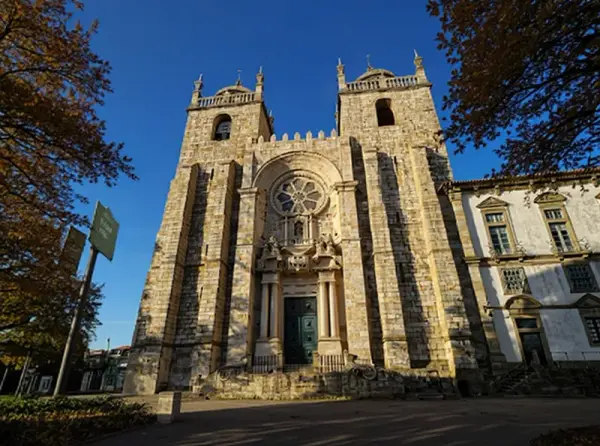
6. Porto Cathedral (Sé do Porto)
Sé do Porto
Ancient fortress-like cathedral at Porto's highest point, rich in history and architecture. Wander ornate cloisters, gilded chapels and a rooftop terrace over the river.
Quick facts: A towering, fortress-like silhouette crowns the hill, its massive rose window casting latticed sunlight across rough granite that visitors can feel underfoot. Inside, a lavish baroque chapel and a cloister hung with blue-and-white azulejo panels reveal surprising royal links, and an occasional organ recital makes the stone vaults vibrate.
Highlights: Built in the 12th century, its fortress-like silhouette with twin crenellated towers and a squat Romanesque nave feels like stepping back into the 1100s, with damp stone, faint incense, and echoes that make footsteps reverberate. The cloister is lined with 18th-century blue-and-white azulejos depicting biblical scenes, their painted tiles flickering under slanted light while worn stone steps still carry the grooves of centuries of pilgrim feet.
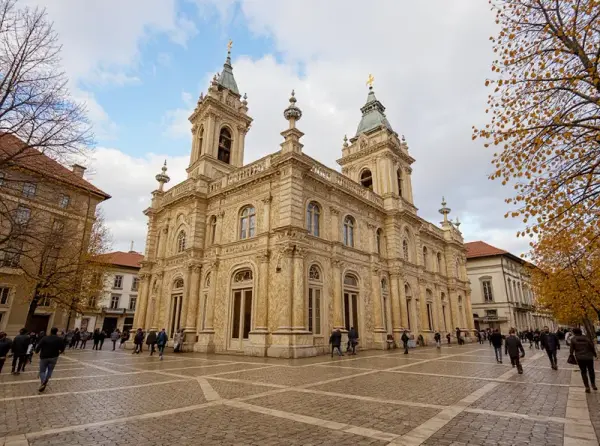
7. Palácio da Bolsa (Stock Exchange Palace)
Stock Exchange Palace
Lavish 19th-century palace reflecting Porto's trade power and decorative arts. Guided tours reveal the Arabian Hall, opulent salons, grand stairway and richly painted rooms.
Quick facts: Step through the heavy doors and you meet soaring gilded ceilings, marble staircases, and an Arabian Hall that glitters like a stage set. Guided tours highlight a thunderous reception hall used for international events and a surprisingly intimate Trading Room where merchants once shouted over ledgers.
Highlights: A lavish reception room was redesigned in 19th-century Moorish style inspired by the Alhambra, with filigreed plasterwork and a honeyed cedar ceiling so detailed you can spot tiny geometric stars and hand-painted arabesques from mere inches away. A quirky lighting tradition lingers: during formal receptions curtains are kept drawn and warm oil lamps or low amber lighting is used to create a hushed golden glow, a staging trick guests often say makes whispered conversations feel conspiratorial.
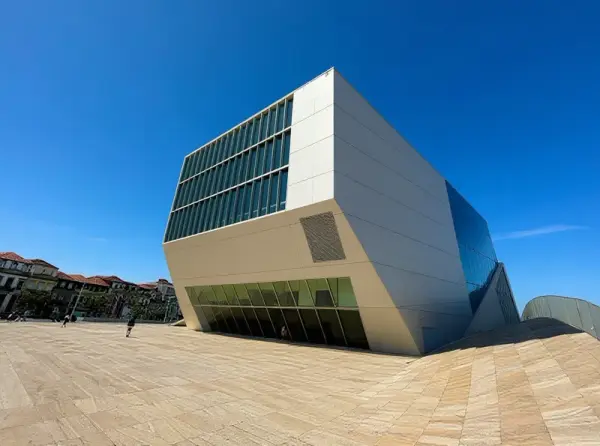
8. Casa da Música
Bold modern architecture and superb acoustics make Casa da Música worth a detour. Guided tours, concerts, and rooftop views bring the building to life.
Quick facts: A striking faceted concrete box feels like a sculpted instrument, with bold angles and a cathedral-like main hall that delivers surprisingly clear, warm acoustics. Visitors often feel low-frequency pulses through the floor during symphonies, while free lunchtime concerts and experimental nights attract packed, wide-ranging crowds.
Highlights: Rem Koolhaas's angular 2005 concert hall looks like a tilted white cube, its slanted windows acting as skylights that slice the city into framed vignettes. Inside, the main auditorium of over 1,000 seats has wood-clad walls and quirky, offset balconies that carry a single whispered instruction from stage to top row so clearly that musicians and ushers often grin about the unplanned, shared secret after rehearsals.
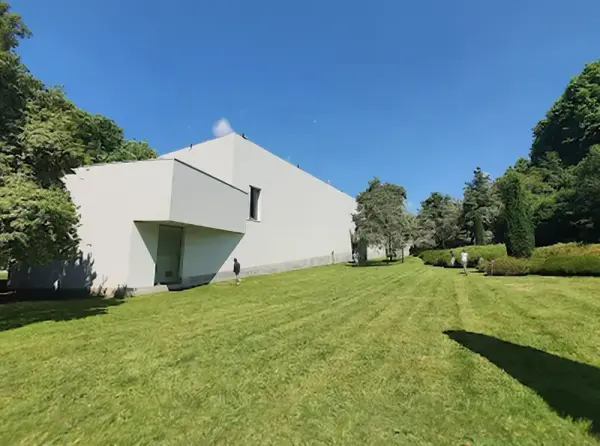
9. Serralves Museum & Park (Museu de Serralves)
Museu de Serralves
Bold contemporary art in a parkland setting. Wander galleries, an Art Deco villa and formal gardens for art, architecture and nature in one visit.
Quick facts: Wandering the sculpted lawns and artfully planted woods feels like stepping into a living exhibition, with whispering leaves and reflective pools framing bold modern forms. Expect provocative contemporary shows that play with space and light, plus more than 18 hectares of varied parkland where paths reveal surprises around every bend.
Highlights: Wind down a cedar-lined avenue into an 18-hectare park where a 1930s Art Deco villa crouches among ponds, camellia beds, and sculpted hedges, so quiet that you can hear the clack of a pigeon’s wings and the scrape of curators’ boots on gravel. The contemporary museum, designed by Álvaro Siza Vieira and opened in 1999, was deliberately kept low to let the landscape rule the view, and local guides still tell the quirky story that early morning fog once forced a whole exhibition to be moved outdoors, turning the park into an accidental open-air gallery.
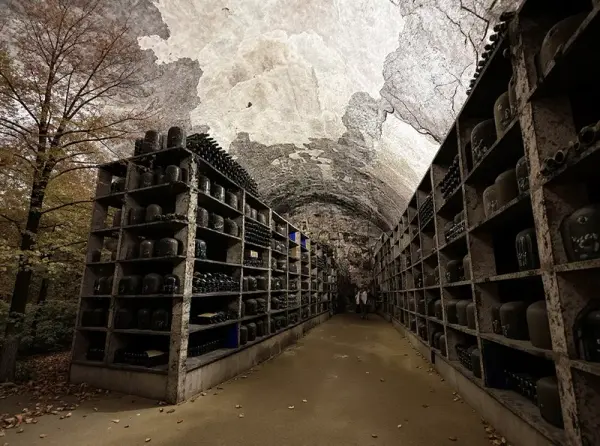
10. Vila Nova de Gaia Port Wine Cellars (Port Wine Cellars)
Port Wine Cellars
Taste centuries of craftsmanship in cool, limestone cellars. Guided tours lead through barrel rooms to tastings with riverside views.
Quick facts: Stepping into dim, oak-scented galleries, visitors smell decades of aging barrels and taste the sweet, tannic richness that turns fortified wine into a dessert companion. Guided tastings include surprising stats: some houses store thousands of labelled casks and offer vertical flights that reveal how sweetness, color, and spice shift with each vintage.
Highlights: In dim, stone-lined cellars owned by names like Taylor's and Sandeman you can smell cinnamon, dried fig and old oak as you descend a spiral stairway, and guides will point out barrels labeled 10, 20 and 30 years that glow amber under soft lamplight. A quirky ritual survives where cellar masters still show visitors a sealed pipe from the 1800s and offer a taste ritual: sip a drop, swirl it on your tongue, then sniff the damp stone to notice how the wine's caramel and nutty notes bloom after a rush of cool air.
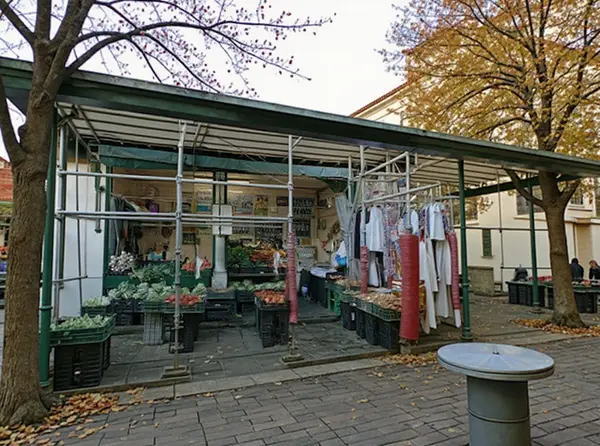
11. Bolhão Market
Bursting with local flavors and sights, this market is an authentic slice of Porto's culture. Taste, see, and hear the bustling heart of the city in one vibrant stop!
Quick facts: A lively pulse of local life, it hosts over 200 vendors under one roof, juggling everything from fresh fish to artisan bread. The market's vibrant atmosphere is a daily festival, with vendors shouting their specials and colorful stalls dazzling the eyes.
Highlights: Sunlight streams through the stained glass windows, casting kaleidoscopic patterns on the cobblestone paths where merchants and locals trade in a symphony of sounds and smells. Don't miss the traditional Francesinha sandwich stand, a crowd favorite offering a unique Porto classic experience amid the buzzing market energy.
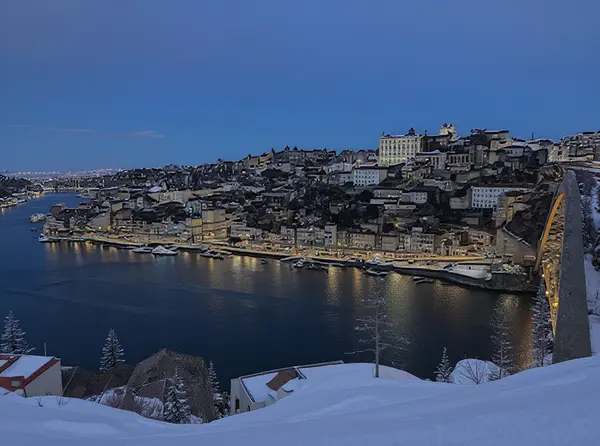
12. Secret Viewpoint at Jardim do Morro
Stunning river views and artistic benches await. Experience a serene sunset with iconic bridge sights and vibrant city life below.
Quick facts: A sweeping panorama unfolds over the Douro River and the colorful Ribeira district. This spot is a favorite for locals seeking the perfect sunset or a relaxed evening with friends.
Highlights: Unique wooden benches here are carved by local artists, each telling a story through intricate designs. The viewpoint offers an unobstructed sightline to the iconic Dom Luís I Bridge, an engineering marvel spanning 2,240 feet.
Where to Stay in Porto, Portugal
Selected by City Buddy based on guest reviews and proximity to top attractions
Search all hotels in Porto, PortugalPowered by agoda
Traditional Sweet Dishes

Pastel de nata
Porto’s beloved custard tart forms its caramelized, speckled top when the custard meets extreme oven heat, creating tiny sunbursts of flavor on flaky pastry.

Toucinho do céu
Toucinho do céu translates to "bacon of heaven," and despite the name it is a church-born almond and egg yolk confection that earned its title because of its rich, melt-in-your-mouth texture.

Rabanadas
Rabanadas started as a clever way to rescue stale bread, soaking slices in milk or wine, frying them, and finishing with sugar and cinnamon to become a Christmas staple in Porto.
Traditional Savory Dishes

Francesinha
The Francesinha began in Porto when an emigrant mixed French sandwich ideas with local appetite, producing a towering meat-and-cheese sandwich drowned in a secretive beer and tomato sauce, often crowned with a fried egg.

Bacalhau à Gomes de Sá
Bacalhau à Gomes de Sá was created by a 19th-century Porto merchant who turned salted cod with potatoes, onions, olives, and eggs into a comforting, now emblematic family dish.

Tripas à moda do Porto
Tripas à moda do Porto comes from a legendary act of civic sacrifice, when Porto gave its best meat to sailors and kept the tripe, earning the city the nickname "tripeiros" and a hearty, spicy stew.
Traditional Beverages
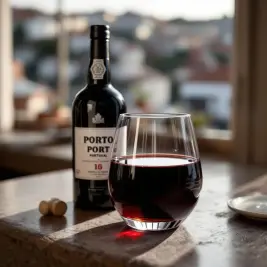
Port wine
Port wine gets its name from Porto because the fortified wines were aged and traded in cellars on the city’s riverside, and the old rabelo boats used to carry barrels down the Douro are still an evocative symbol.

Ginjinha
Ginjinha is a punchy sour cherry liqueur often served with a whole cherry at the bottom of the glass, and locals enjoy it in quick, cheerful sips at tiny street stalls.

Vinho verde
Vinho verde means "young wine," it often has a lively spritz from residual carbon dioxide, and it was made to be drunk young and crisp alongside seafood and summer fare.
Frequently Asked Questions about Porto, Portugal
Is Porto, Portugal safe for travelers?
How many days should I spend in Porto, Portugal to explore it well?
What is the best time to visit Porto, Portugal?
Is Porto, Portugal expensive for travelers?
How to get around Porto, Portugal?
Get a PDF with the most popular attractions sent to your email
Get a PDF with all attractions, ratings, and tips. Perfect for offline use.
Most popular day trips
Douro Valley (Peso da Régua / Pinhão)
Scenic river valley, vineyards, and port-wine estates.
Guimarães
Medieval center and Portugal’s birthplace (UNESCO site).
Rent a car in Porto, Portugal
Getting there
Airports
From OPO take Metro Line E to Trindade (~25–30 min) or taxi for door-to-door.
Find flights to Porto, Portugal
Click to get eSim for Porto, Portugal
The easiest and most affordable way to get mobile internet wherever you travel.
Useful information for Porto, Portugal
Overview for Porto, Portugal
Most popular itineraries for Porto, Portugal
Browse trip plans created by other travelers
4-Day Relaxed Spring Retreat in Porto
A leisurely 4-day exploration of Porto with iconic sights, scenic strolls, cozy cafes, and local flavors tailored for relaxed sightseeing in spring.
2-Day Relaxed Spring in Porto
A laid-back 2-day itinerary exploring Porto's charming landmarks, scenic walks, cozy cafes, and local shops with time to savor the atmosphere.
3-Day Porto and Braga for Hidden Treasures and Nature Lovers
Discover hidden gems, scenic nature spots, and vibrant local culture in Porto and Braga with this balanced 3-day adventure.
3-Day Springtime Porto Highlights and Flavors
Experience the charm and culture of Porto in spring with guided tours, iconic sights, delicious flavors, and scenic river views.
5-Day Porto Springtime Discovery
Experience the lively charm, rich history, and vibrant flavors of Porto in spring with guided tours, iconic landmarks, local markets, and scenic riverside walks.
4-Day Porto Hidden Gems for Off-the-Beaten-Path Explorers
Discover Porto's local secrets from winding alleys and vibrant street food scenes to secret viewpoints and authentic neighborhood spots far from the tourist trails.
4-Day Porto for Culture, Nature, and Hidden Gems
Discover Porto's rich history, cultural treasures, and stunning nature with this immersive 4-day summer itinerary. Explore iconic landmarks, secret local spots, and scenic outdoor adventures.
8-Day Spring Adventure in Porto, Lisbon, and Sintra
Experience the best of Porto and Lisbon with a magical day trip to the fairy-tale town of Sintra, full of historic palaces and stunning landscapes.
7-Day Spring in Porto: Culture, Cuisine, and Coastal Charm
Discover Porto's stunning riverfront, historic sites, vibrant markets, and delightful cuisine with perfect springtime weather for outdoor explorations and wine tastings.
Comments (9)
Weather swung from bright sun to sudden rain. Pack layers and a compact umbrella, you will use both in one day sometimes.
Many smaller museums have free mornings on certain days, check each museum site. Arrive at opening to beat local school groups.
Ribeira at sunset felt overrun, overpriced drinks and pushy vendors. Still pretty, but not the peaceful waterfront I expected.
If you love books, go to Livraria Lello first thing, otherwise skip the long line and enjoy the architecture from outside.
Porto surprised me, tiles everywhere, port wine tours are fun, food was fantastic, narrow streets are charming but expect a lot of hills.