 CityBuddy
 Norsk Bokmål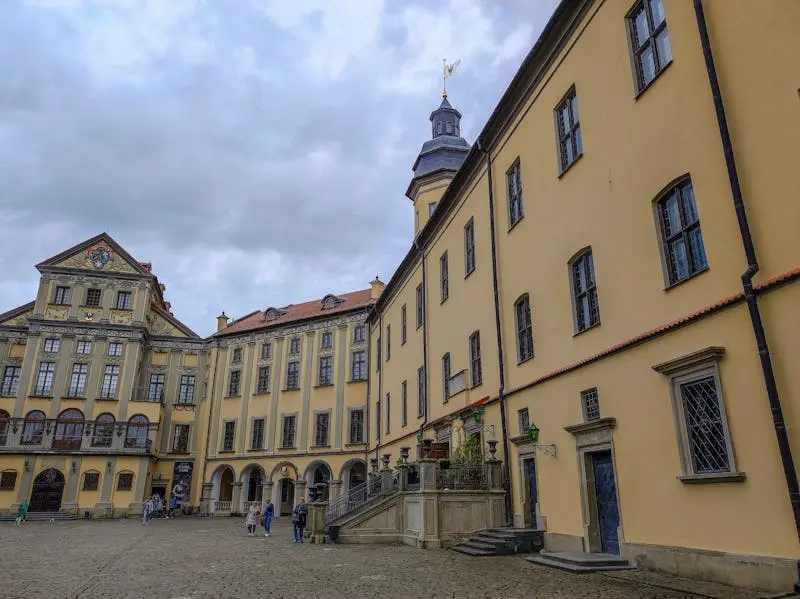
Ting å gjøre i Nesvizh, Belarus
Foto tatt av Sun452 på Pexels.com
Når bør du besøke
Mest populære attraksjoner i Nesvizh, Belarus
Hvis du leter etter ting å gjøre i Nesvizj i Hviterussland, er Nesvizj slott det beste utgangspunktet. Denne 1600-tallsfestningen med sin vakre park gir en dyp følelse av historie. Det er også verdt å besøke Corpus Christi-kirken, som er et av de første eksemplene på barokkarkitektur i Øst-Europa. Slottsparken og Slutsk-porten tilfører byen en spesiell sjarm.
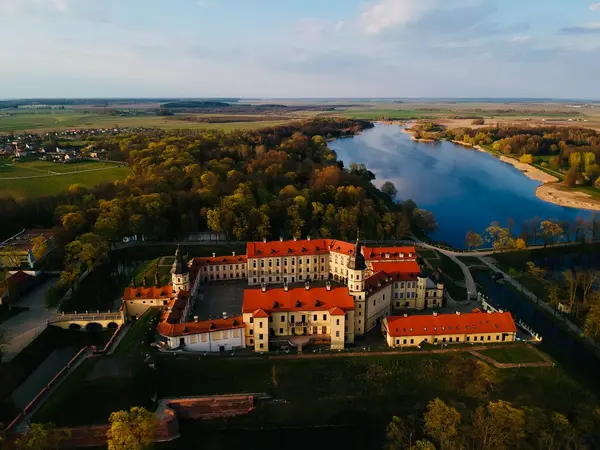
1. Nesvizh Castle
Tre dypt inn i 400 år gammel historie, der Radziwill-slektens murer taler. Du går gjennom de store salene, beundrer steinportretter og puster inn duften av gamle bøker i slottsbiblioteket.
Raske fakta: Slottet bygget på 1500-tallet er en av de få bevarte middelalderfestningene i Hviterussland, som gjennom tidene har blitt utvidet og ombygget. Slottet har også en vakker landskapspark og en innsjø, som skaper en romantisk atmosfære.
Høydepunkter: I slottets kjellere ligger en 30 meter dyp brønn som en gang skal ha skjult en skatt til en verdi av anslagsvis 20 millioner dollar. Veggene er dekorert med fresker fra 1700-tallet som avbilder jaktscener og antikk mytologi.
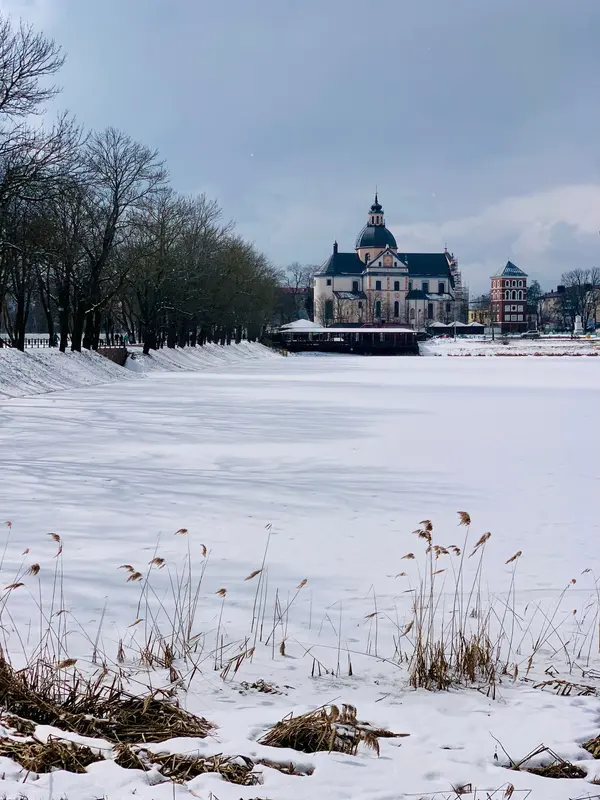
2. Corpus Christi Church
En av Europas første barokkirker utenfor Italia, som forener arkitektur og symbolikk på en unik måte. Den besøkende vandrer gjennom historien og beundrer 1600-tallets veggmalerier og Radziwill-familiens gravkammer.
Raske fakta: Dette er en av de få europeiske kirkene som avbilder sankt Georgs kamp mot dragen direkte på fasaden. I 2005 ble den ført opp på UNESCOs verdensarvliste sammen med Nesvizh-slottets anlegg.
Høydepunkter: Kirkens interiør er dekorert med fresker fra 1600-tallet som er bevart nesten fullstendig, noe som er en sjeldenhet, for mange barokkirker har blitt overmalt eller ødelagt gjennom tidene. Spesielt fremtredende er altertavlen, der scenene skifter farge når lyset faller, takket være en spesiell blanding av olje og tempera.
3. Nesvizh Park
Med mosegrodde broer og hemmelighetsfulle kanaler inviterer en romantisk landskapspark deg til å glemme tidens gang. En spasertur langs slyngede stier fører over tre øyer og på leting etter en neshornfigur.
Raske fakta: Parkens 30 hektar store område omfatter tre kunstige innsjøer og mer enn 60 treslag. Radziwill-familien anla den i andre halvdel av 1800-tallet for å skape en romantisk landskapspark med eksotiske planter.
Høydepunkter: Parkens mest hemmelighetsfulle sted er Lille Sveits, hvor stier slynger seg mellom kunstig anlagte åser og skaper en ekte fjellfølelse midt i det flate Hviterussland. Parkarbeiderne plantet alpiner og fjellfuruer som ble hentet inn spesielt, og som får deg til å glemme at du egentlig bare er et par hundre kilometer fra Minsk.
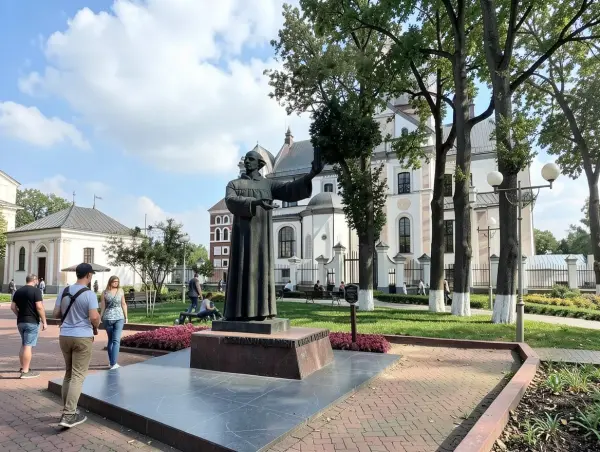
4. Monument to Symon Budny
Her står en av de mest symbolske skulpturene i hviterussisk skriftkultur. Sett deg på benken, se på skulpturen og reflekter over motet til mannen som trosset sin tids makthavere.
Raske fakta: Den står i byen Nesvizh til minne om skribenten og trykkerikunstneren Symon Budny. Budny var en humanist på 1500-tallet som utga bibeloversettelser og bidro til utviklingen av det hviterussiske skriftspråket.
Høydepunkter: Minnesmerket viser Budny i sittende stilling, som om han funderer over sine radikale ideer, som på den tiden satte ham i konflikt med både den katolske og den ortodokse kirken. Under hånden hans ligger en bok som henviser til hans oversettelsesarbeid og ønsket om å gjøre kunnskap tilgjengelig for vanlige folk.
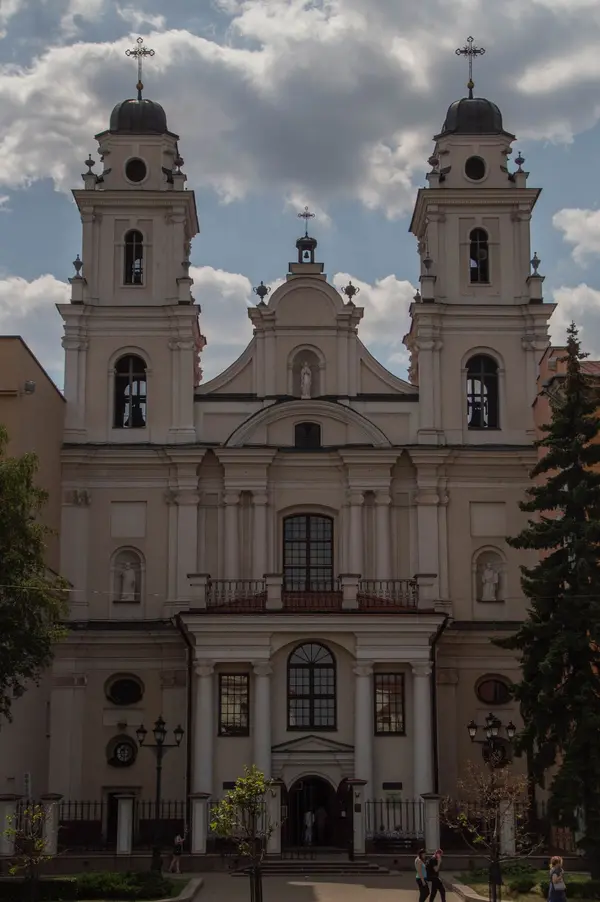
5. Church of the Ascension of the Virgin Mary
Skritt inn i 1600-tallets barokkundervær, der hver veggkrok skjuler historier om Radziwill-slekten. Her kan du klatre opp i det 80 meter høye tårnet og beundre utsikten over Nesvizj-slottet.
Raske fakta: Bygningen, som er 176 meter lang og 104 meter bred, har plass til 6500 mennesker samtidig. Der finnes Europas største orgel, med over 6000 piper.
Høydepunkter: I denne kirken finnes Europas mest moderne virtuell virkelighet-omvisning, som tar besøkende til Nesvizh på 1700-tallet. I gulvet er det bygget inn glasspaneler der man under kan se gravkamre fra 1500-tallet som ble funnet under utgravninger.
6. Alba Park
Et historisk parkanlegg der århundregamle trær møter skjulte innsjøer og slottsromantikk. Her kan du vandre gjennom sidene i Europas historie og kjenne Radziwillenes ånd.
Raske fakta: Denne parken er en av de eldste parkene med regulær utforming i Hviterussland, anlagt på 1500-tallet av Radziwill-familien. Parken er prydet med dusinvis av sjeldne treslag, blant annet en 300 år gammel eik som har vært vitne til århundrer med historie.
Høydepunkter: Midt i Alba-parken ligger en mystisk innsjø, og under den skjuler det seg ruiner av kunstige øyer anlagt på 1700-tallet. Disse tidligere stedene for sommerlige festligheter og forestillinger kan fortsatt i dag stige opp over vannoverflaten når vannstanden er lav.
Where to Stay in Nesvizh, Belarus
Selected by City Buddy based on guest reviews and proximity to top attractions
Search all hotels in Nesvizh, BelarusPowered by agoda
Åpningsdager i Nesvizh, Belarus
Hvilke av de beste severdighetene er stengt hvilken ukedag. Den klassiske reiseødeleggeren, sjekket for deg.
Gode nyheter: alle 3 toppseverdigheter med kjente åpningstider er åpne alle dager i uken.
Stengt på mandag · 0 stengt, 3 åpne
Ingenting er stengt på mandag. Alle 3 severdigheter med kjente åpningstider er åpne.
Åpningsdager fra Google Maps (sjekket 2026-08-04). Helligdager, streiker og sesongbaserte åpningstider kan variere. Sjekk den offisielle nettsiden før du drar.
Tradisjonelle søte retter
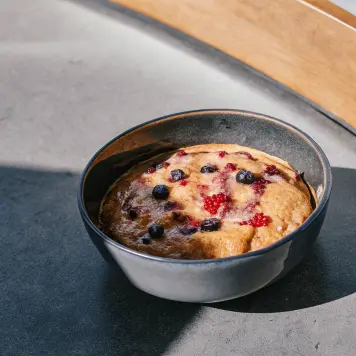
Kulaga
Kulaga is a traditional Belarusian berry pudding made from wild berries, rye flour, and honey. It has a sweet and tangy taste and was historically considered a medicinal treat for colds.

Verashchaka (Draniki with sour cream)
While draniki are potato pancakes often served savory, in Nesvizh they are frequently topped with sweet sour cream and honey or jam. The town celebrates its own Draniki Festival every year.
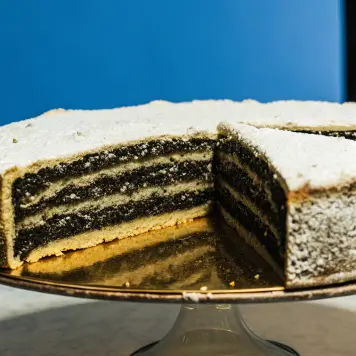
Makovy Tort (Poppy Seed Cake)
This layered poppy seed cake is a beloved dessert in Nesvizh, often baked for holidays and family celebrations. Poppy seeds have deep symbolic meaning in Belarusian culture, representing prosperity and dreams.
Tradisjonelle salte retter

Draniki (Potato Pancakes)
Draniki are the national dish of Belarus, and Nesvizh claims to be one of the best places to try them. These crispy potato pancakes are traditionally served with sour cream and smoked pork cracklings called shkvarki.
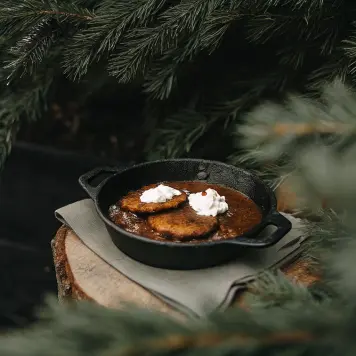
Machanka
Machanka is a thick, hearty meat sauce made with pork, onions, and sour cream, typically served with draniki or pancakes. It is a staple of home cooking in the Nesvizh region, especially during cold winters.
Kolduny (Stuffed Potato Dumplings)
Kolduny are potato dumplings stuffed with seasoned meat, mushrooms, or cheese, boiled to perfection. In Nesvizh, they were reportedly a favorite dish of the powerful Radziwill family who ruled the town for centuries.
Tradisjonelle drikker
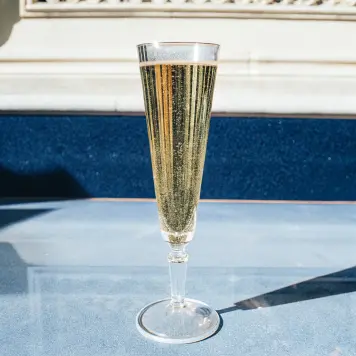
Krambambula
Krambambula is a traditional Belarusian spiced mead made with honey, alcohol, and a blend of cloves, cinnamon, and nutmeg. It dates back to the Grand Duchy of Lithuania era and is strongly associated with festive gatherings in Nesvizh.
Kvass
Kvass is a mildly fermented rye bread beverage that is a beloved everyday drink across Belarus. In Nesvizh, homemade kvass is still brewed in many households using old family recipes passed down through generations.
Byarozavik (Birch Sap)
Byarozavik is fresh birch sap collected in early spring from birch trees in the forests around Nesvizh. It is naturally sweet, packed with minerals, and traditionally believed to cleanse the blood and boost energy after a long winter.
Ofte stilte spørsmål om Nesvizh, Belarus
Er Nesvizj, Hviterussland trygt?
Hvor mange dager bør man tilbringe i Nesvizj?
Når er den beste tiden å besøke Nesvizj?
Er Nesvizj dyrt?
Hvordan kommer man seg rundt i Nesvizj?
Få en PDF med de mest populære attraksjonene sendt til din e-post
Få en PDF med alle attraksjoner, vurderinger og tips. Perfekt for offline bruk.
Mest populære dagsturer
Mir Castle
UNESCO World Heritage castle with Gothic and Renaissance architecture
Minsk
Capital city of Belarus with museums, parks and Soviet history
Brest Fortress
Iconic WWII memorial and fortress complex on the Polish border
Belovezhskaya Pushcha
Ancient primeval forest and UNESCO site with European bison
Hvordan komme dit
Flyplasser
Togstasjoner
Regional trains to Minsk, Baranovichi and Brest
Buses and minibuses run from Minsk Central Bus Station to Nesvizh. Travel time is about 2 hours.
Nyttig informasjon for Nesvizh, Belarus
Oversikt for Nesvizh, Belarus
Vil du ha en dag-for-dag-plan for Nesvizh, Belarus? Åpne reiseplanleggeren
Når skal du til Nesvizh, Belarus?
Velg dine datoer og reise-stil for å få:
Er noen av disse spesielt viktige for deg?
Velg alle som gjelder
Komme seg rundt
Hvordan vil du bevege deg mellom stedene?
Planspråk: Norsk Bokmål