 CityBuddy
 Norsk Bokmål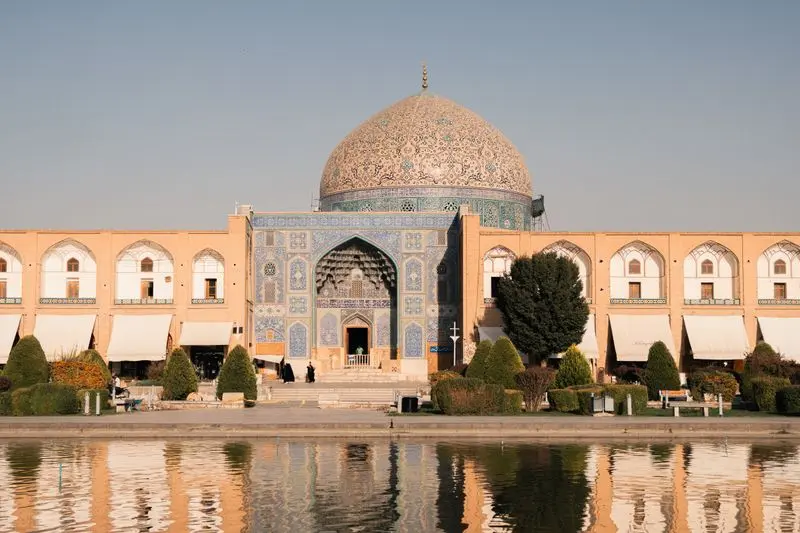
Ting å gjøre i Isfahan, Iran
Foto tatt av Faruk Tokluoğlu på Pexels.com
Når bør du besøke
Mest populære attraksjoner i Isfahan, Iran
Når du tenker på ting å gjøre i Isfahan i Iran, er et besøk til Naqsh-e Jahan-plassen uunngåelig, en av verdens største bytorg med et areal på 89.600 kvadratmeter. Der skiller Sheikh Lotfollah-moskeen seg ut med vakre fliser, og den storslåtte Imam-moskeen som daglig tiltrekker seg tusenvis av besøkende med sine perfekte akustiske kupler.
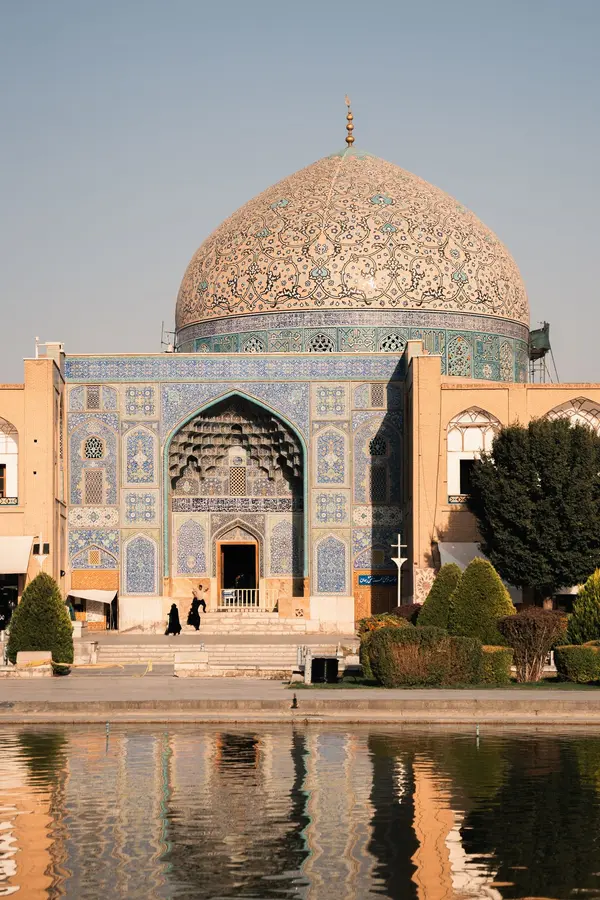
1. Sheikh Lotfollah Mosque
Opplev et lysspill som du ikke finner noen andre steder i verden. Besøkende går gjennom en mørk korridor og får plutselig øye på en kuppel som skifter farge som en påfuglfjær.
Raske fakta: Under en kuppel på 32 meters høyde endrer dagslyset seg i løpet av dagen og skaper en illusjon av en påfuglhale på innerveggene. Moskeen har aldri hatt et minarett fordi den utelukkende ble bygget for kongefamiliens behov, ikke for offentlige bønner.
Høydepunkter: I midten av kuppelen, i en høyde på 32 meter, er det en liten åpning i form av en påfugl som sollyset trenger gjennom på bestemte tider av døgnet. Denne lysstrålen beveger seg langs moskeens vegger som om den ønsker å berøre hver eneste dekorasjon, og vårjevndøgn retter den nøyaktig mot bønnenisjen.
2. Ali Qapu Palace
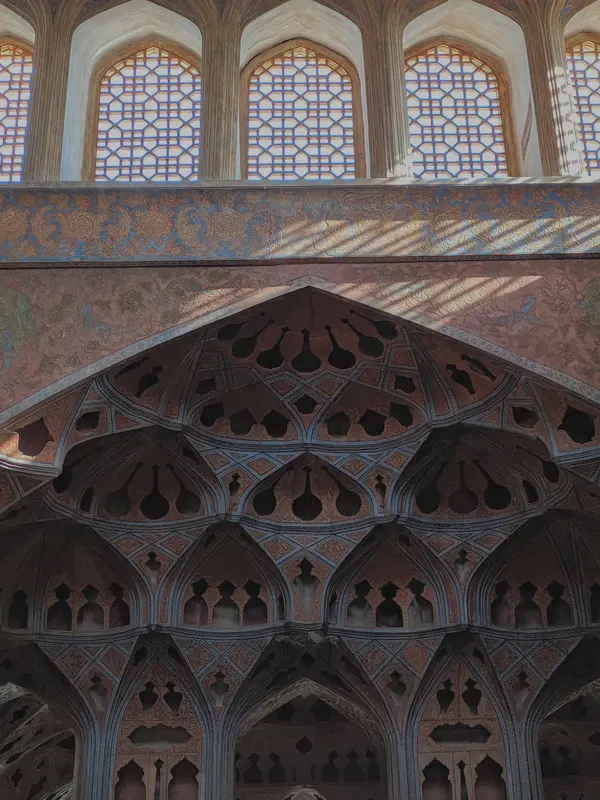
Solnedgangen gjennom terrassens stalaktitthvelv gjør hvert bilde til et mesterverk. Du klatrer opp tretrappene mens lydene fra den gamle musikksalen gjenlyder under føttene dine.
Raske fakta: Hallen med 18 tresøyler tjente som en kongelig losje for å se polokamper nede på Naqsh-e Jahan-plassen. Akustikken ble forbedret med fordypninger i vegger og tak formet som musikkinstrumenter, slik at en hvisking fra scenen når helt til bakerste rad.
Høydepunkter: Det mest fortryllende detaljen er takene som er skåret ut i form av lutter og tamburaer, og som ikke bare ser spektakulære ut, men også er bevisst formet for å forsterke lyden. Når musikerne spiller i nisjene på balkongen, vibrerer hele terrassen som en levende høyttaler over den 400 år gamle plassen.
3. Si-o-se-pol Bridge
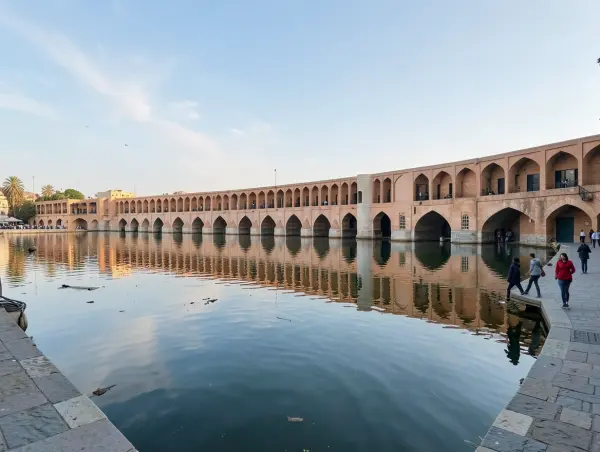
Ingen solnedgang i Isfahan er komplett uten en spasertur over denne broen med 33 buer. Kjenn hvordan den eldgamle steinen kjølner under føttene mens hundrevis av små lamper tennes over den stille elven.
Raske fakta: Broen med 33 buer strekker seg 298 meter over elven Zayandeh Rud. Den toetasjes strukturen gjør at man kan spasere på øvre nivå for fotgjengere, mens nedre nivå fungerer som en demning for å regulere vannstrømmen.
Høydepunkter: I skumringen, når de 33 buene lyses opp, forvandles hele broen til en rekke gylne halvmåner som skimrer på vannet. Lokale diktere tror at hver bue har sin egen akustikk, slik at en hvisking fra den ene enden av broen bare kan høres av den som står på den motsatte buen.
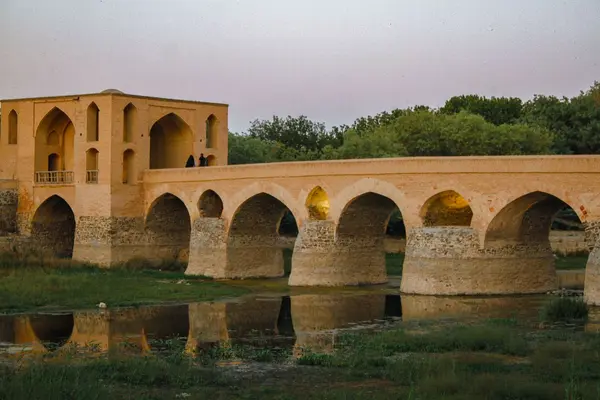
4. Khaju Bridge
Den eneste broen i verden som forener en gangpromenade, en demning og et tehus. Gå gjennom buene mens vannet strømmer stille under deg og kjenn ånden fra safavidperioden.
Raske fakta: Med 23 buer og 7 meters bredde fungerer denne broen også som en demning som regulerer vannstanden i elven Zayandeh. Om natten blir buene belyst med varmt lys, og tidligere ble det holdt opptredener med te og levende musikk i sittenisjene.
Høydepunkter: Shah Abbas II overvåket personlig byggingen og kom ofte hit for å drikke te mens han lyttet til tradisjonell musikk og betraktet lysets spill på vannet. Den sentrale paviljongen var utelukkende reservert for sjahen og hans gjester, og trappene på begge sider av broen gjorde det mulig for forbipasserende å sette seg ned og nyte utsikten.
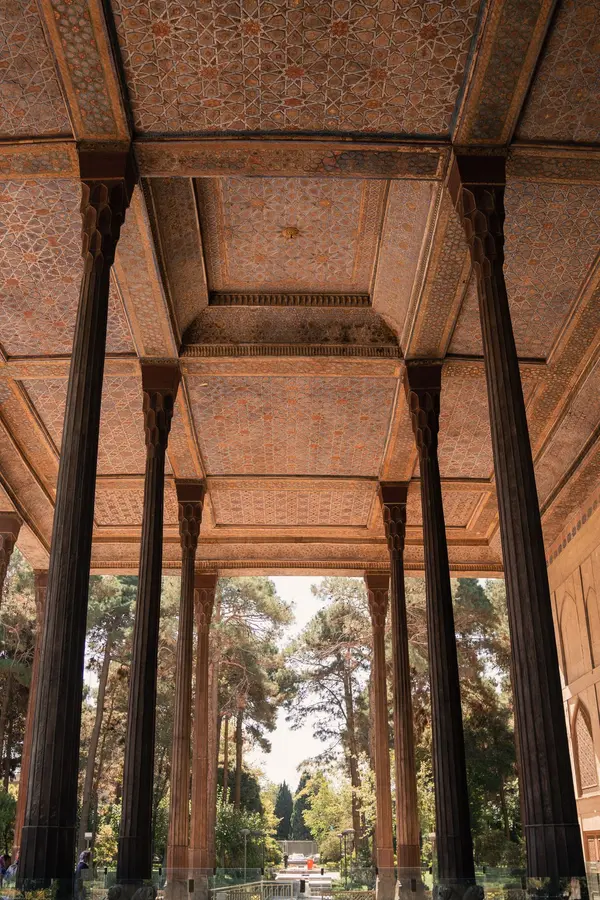
5. Chehel Sotoun Palace
Titt inn i salen der sjahene tok imot utenlandske ambassadører med vin og poesi. Du går gjennom rom med originale fresker og perlemordekorasjoner som er nesten 400 år gamle.
Raske fakta: Tjue søyler av platantrær omkranser den åpne terrassen, selv om navnet oversettes som "Førti søyler" på grunn av den poetiske effekten av speilingen i vannet. Freskene inne i palasset viser historiske slag og kongelige gjestebud fra safavideperioden, og noen er restaurert etter å ha overlevd jordskjelvet i 1853.
Høydepunkter: Inngangsportene i tre er 4,5 meter høye og utsmykket med utskjæringer i elfenben og perlemor, og hver av dem forteller en annen symbolsk scene. Bare tjue søyler holder taket, men speilet i bassenget skaper en illusjon av at det er førti, noe som var et bevisst triks fra safavidearkitektene.
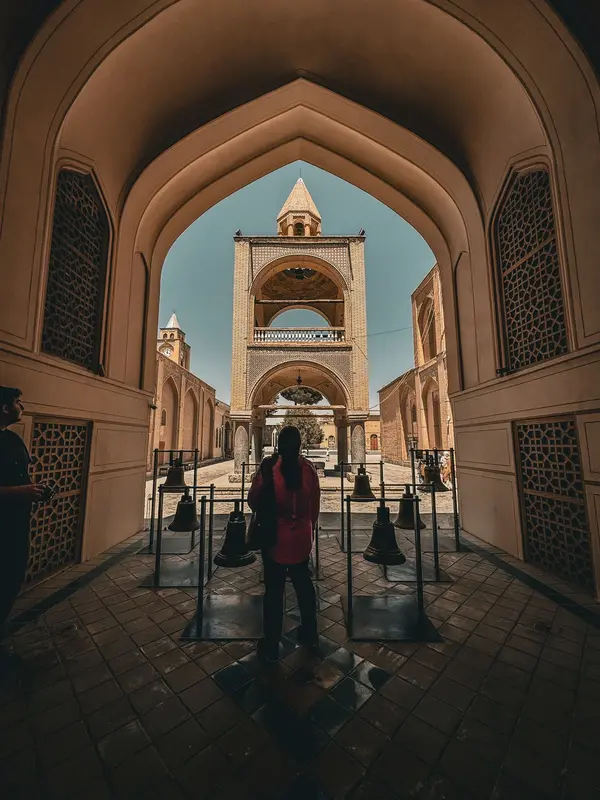
6. Vank Cathedral
Det eneste stedet i verden hvor et kristent alter skjuler seg bak en persisk arabesk. Kjenn lukten av røkelse mens du går gjennom en gårdsplass full av appelsintrær og hviskende historier.
Raske fakta: Inne i denne katedralen skjuler det seg en kunstverden som forener kristne og islamske motiver. Veggene er dekket av mer enn 100 overdådige fresker og forgylte utskjæringer som forteller historien om det armenske samfunnet i hjertet av Persia.
Høydepunkter: Når du kommer inn, vil du legge merke til at takene er malt med scener fra paradiset, mens gulvene viser hverdagslivet til armenske handelsmenn. En freske viser en engel som bærer en persisk turban, et perfekt symbol på kulturell sammensmelting som du ikke vil se noe annet sted.
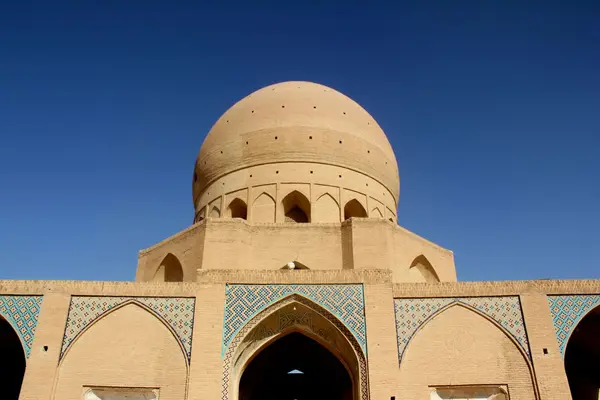
7. Jameh Mosque of Isfahan
Du vandrer gjennom et levende museum av tusen års islamsk arkitektur. Hver av de fire gårdsportalene forteller en spesiell historie gjennom ulike stiler av teglbygging og ornamentale detaljer.
Raske fakta: Kupolene til denne moskeen utgjør et sant arkitektonisk laboratorium for islamsk kunst, hvor man kan se stiler fra hele fire forskjellige historiske perioder. Her ble teknikkene for bygging av mursteinskupoler perfeksjonert, noe som senere skulle bli varemerket for persisk arkitektur.
Høydepunkter: Under den sørlige kupolen skjuler det seg en akustisk fenomen: en hvisking sagt i den ene enden av rommet høres perfekt på den fjerne motsatte veggen, selv når rommet er fullt av mennesker. Denne lydhemmeligheten ble brukt av imamer gjennom århundrene for å forsterke bønnene sine uten noen moderne apparater.
8. Hasht Behesht Palace
Åtte himler på ett sted: et palass som fører deg gjennom persiske hager mens du går på én etasje. Spaser gjennom rom i ulike farger og kjenn historiens ånde i de fargerike glassmaleriene.
Raske fakta: Med sine 32 meters høyde er denne paviljongen faktisk betydelig lavere enn det nærliggende Chehel Sotoun-palasset, men overgår det i rikdommen av malte tak der scener fra hofflivet, jakt og mytiske vesener flettes sammen. Selv om det kalles «Åtte himler», har palasset bare fire etasjer, og fikk navnet etter de åtte rommene i første etasje som symboliserer de åtte paradishagene fra persisk mytologi.
Høydepunkter: I første etasje omkranser åtte rom den sentrale hallen, og hvert av dem var en gang innredet i en annen farge og viet til en av de åtte himmelske hagene, noe som gir inntrykk av at du vandrer gjennom et regnbuespekter når du går fra rom til rom. Interessant nok fungerte palasset som en sommerpaviljong: vann fra en underjordisk kanal (qanat) rant gjennom et system av bassenger i bakkeplanet, og kjølte luften på en naturlig måte lenge før klimaanlegg i det hele tatt eksisterte.
Where to Stay in Isfahan, Iran
Selected by City Buddy based on guest reviews and proximity to top attractions
Search all hotels in Isfahan, IranPowered by agoda
Åpningsdager i Isfahan, Iran
Hvilke av de beste severdighetene er stengt hvilken ukedag. Den klassiske reiseødeleggeren, sjekket for deg.
Gode nyheter: alle 7 toppseverdigheter med kjente åpningstider er åpne alle dager i uken.
Stengt på mandag · 0 stengt, 7 åpne
Ingenting er stengt på mandag. Alle 7 severdigheter med kjente åpningstider er åpne.
Åpningsdager fra Google Maps (sjekket 2026-07-23). Helligdager, streiker og sesongbaserte åpningstider kan variere. Sjekk den offisielle nettsiden før du drar.
Tradisjonelle søte retter
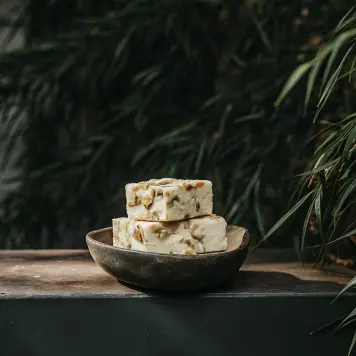
Gaz (Isfahanian Nougat)
Gaz is a famous Persian nougat made with pistachios, rose water, and the sap of the angebin plant, a desert shrub unique to the Isfahan region. This chewy, white confection has been produced in Isfahan for over 450 years.
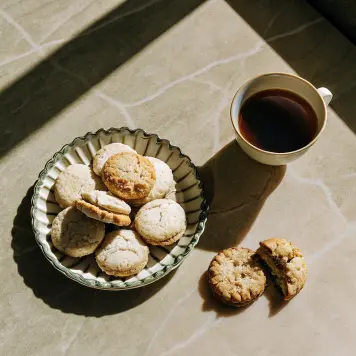
Koloocheh
Koloocheh is a soft, buttery cookie filled with a sweet mixture of walnuts, cinnamon, and cardamom, and it is a beloved specialty of Isfahan. These cookies are often enjoyed with a cup of Persian tea during gatherings and holidays.
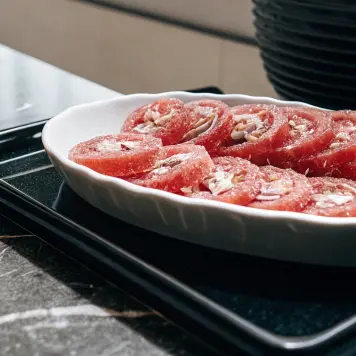
Poolaki
Poolaki are thin, crisp, disc-shaped candies made from sugar, rose water, and saffron or mint, originating from Isfahan. Their delicate, melt-in-the-mouth texture and subtle floral flavor make them a classic gift for visitors.
Tradisjonelle salte retter
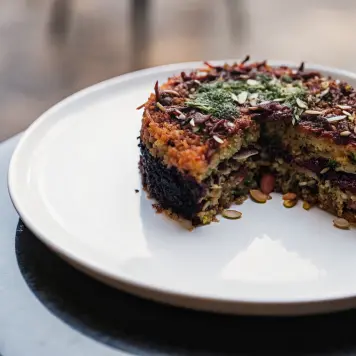
Berenj Polo (Rice with Saffron and Barberries)
This iconic Isfahani rice dish is layered with saffron, barberries, and slivered almonds, creating a vibrant, tart, and savory flavor. The crispy tahdig (golden rice crust) at the bottom is considered the best part by many locals.
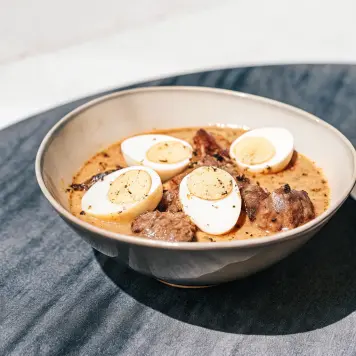
Khoresht-e Mast (Yogurt Stew)
Khoresht-e Mast is a unique Isfahani stew made from lamb, yogurt, saffron, and egg yolks, creating a rich, creamy, and tangy sauce. This ancient dish is said to date back to the Safavid era and is a proud specialty of Isfahan.
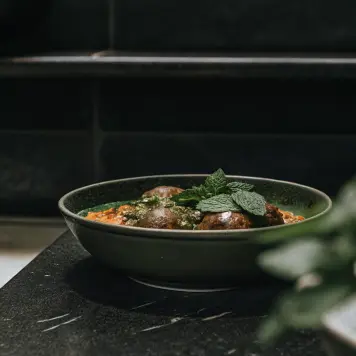
Bademjan (Isfahani Eggplant Stew)
Unlike other Persian eggplant stews, Isfahani Bademjan includes a distinctive addition of split peas, fried mint, and garlic, giving it a uniquely bold and herby profile. It is typically served over saffron rice and is a comfort food staple in local homes.
Tradisjonelle drikker

Doogh
Doogh is a savory, carbonated yogurt drink flavored with mint, salt, and sometimes dried lime, and it is the quintessential refreshment of Isfahan. It is traditionally served alongside kebabs and rice dishes to aid digestion.

Sharbat-e Sekanjebin
This traditional Persian drink is made from a syrup of vinegar and honey or sugar, diluted with cold water and often served with fresh mint leaves and cucumber. It is beloved in Isfahan for its sweet and tangy taste, especially during hot summers.
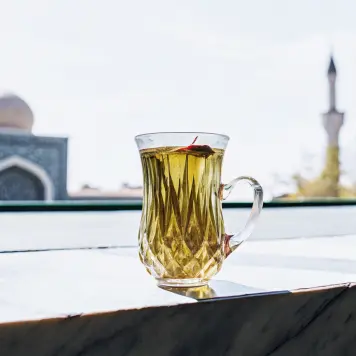
Chai-e Gol Mohammadi (Rose Tea)
Isfahan is famous for its fragrant rose tea, which blends black tea with dried rose buds and rose water for a delicate floral flavor. It is often sweetened with rock candy and sipped alongside traditional sweets like Gaz and Koloocheh.
Ofte stilte spørsmål om Isfahan, Iran
Er Isfahan i Iran trygt for turister?
Hvor mange dager trenger man for å besøke Isfahan?
Hva er den beste tiden å besøke Isfahan på?
Er Isfahan dyrt for reisende?
Hvordan kommer man seg rundt i Isfahan?
Få en PDF med de mest populære attraksjonene sendt til din e-post
Få en PDF med alle attraksjoner, vurderinger og tips. Perfekt for offline bruk.
Mest populære dagsturer
Abyaneh Village
A historic red-hued village with traditional architecture and culture.
Kashan
City of historic houses, Fin Garden, and the ancient Tepe Sialk.
Persepolis
UNESCO ruins of the ceremonial capital of the Achaemenid Empire.
Varzaneh Desert
Scenic desert landscape with sand dunes and caravanserai.
Hvordan komme dit
Flyplasser
Togstasjoner
Main line connecting Tehran, Mashhad, and southern Iran
Taxis and ride-hailing apps available from the airport to the city center. The train station is south of the city near the bus terminal.
Nyttig informasjon for Isfahan, Iran
Oversikt for Isfahan, Iran
Vil du ha en dag-for-dag-plan for Isfahan, Iran? Åpne reiseplanleggeren
Når skal du til Isfahan, Iran?
Velg dine datoer og reise-stil for å få:
Er noen av disse spesielt viktige for deg?
Velg alle som gjelder
Komme seg rundt
Hvordan vil du bevege deg mellom stedene?
Planspråk: Norsk Bokmål