CityBuddy

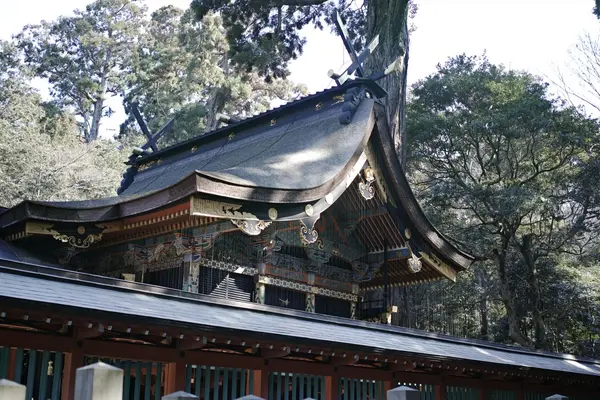
Futarasan Shrine
Beste tid å besøke
Spring and autumn offer the most spectacular landscapes, with cherry blossoms in April and red and golden foliage between October and November. Weekday mornings are the calmest for walking the trails without crowds.
Budsjettips
Entry to the main complex is free, only a symbolic fee is paid to access the sanctuary's treasure museum (about 500 yen). The combined Nikko bus ticket may include discounts at several attractions in the area, so it is worth checking before buying individual tickets.
Anbefalt for
Lovers of Japanese history and culture, Nature and architecture photographers, Spiritual travelers, Hikers who combine shrines with mountain trails
Planlegg ditt besøk
1-2 hours
Om
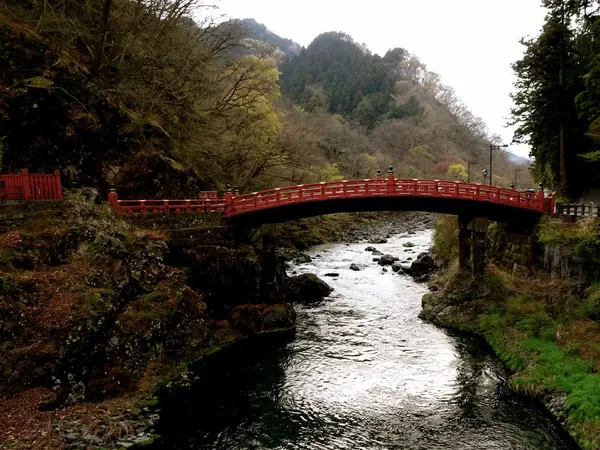
Raske fakta: Den har mer enn 1.200 års historie og rommer mer enn 300 gjenstander erklært som nasjonale skatter eller viktige kulturminner. Hovedhelligdommen ligger ved bredden av Chuzenji-sjøen, mens den ikoniske inngangen ligger ved Shinkyo-broen, regnet som en av Japans tre vakreste broer.
Høydepunkter: Helligdommen beskytter et hellig bronsesverd fra 800-tallet, en gjenstand som er så æret at den bare vises for publikum én gang hvert 12. år under den store festivalen. Den vokter også en trestatue av Bishamonten, en av de syv lykkegudene, skåret så fint at foldene i klærne ser ut som ekte stoff som beveger seg i vinden.
Insidertips
- Wear comfortable, non-slip footwear, because the stone paths become slippery with rain or morning dew.
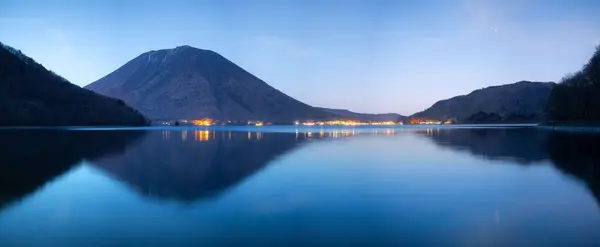
- Walk to the shrine by Lake Chuzenji, it is much emptier than the main complex and offers spectacular views of the water and mountains.
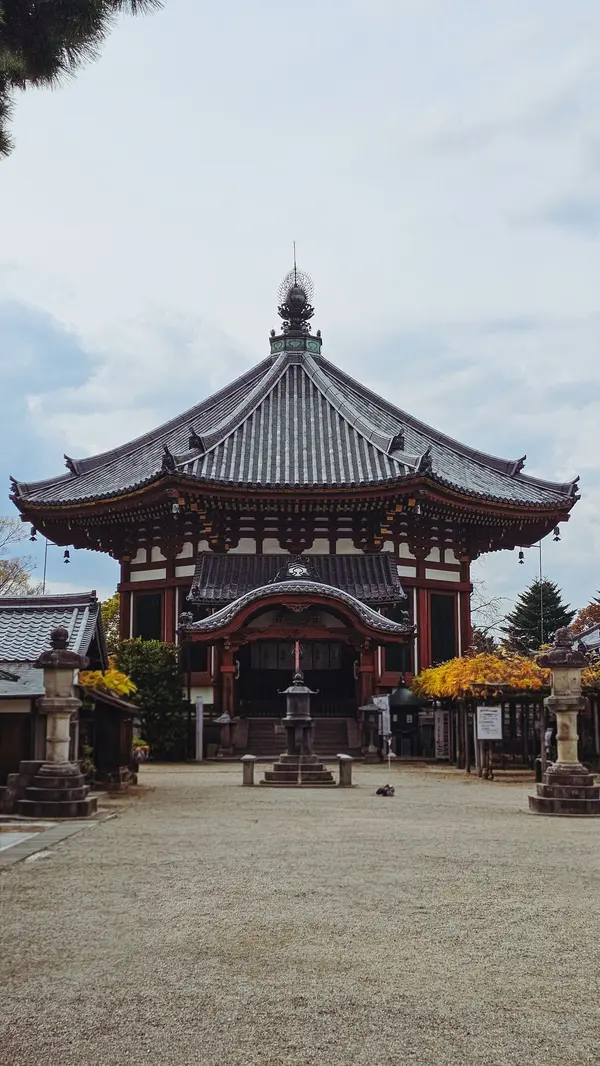
- The bronze lanterns in front of the main hall are over 300 years old and make a spectacular photo during the golden hour, just before sunset.
- If you have flexibility with dates, avoid October weekends when the autumn foliage attracts massive crowds to Nikko in general.
Where to Stay in Nikkō
Selected by City Buddy based on guest reviews and proximity to top attractions
Search all hotels in NikkōPowered by agoda