 CityBuddy
 Norsk Bokmål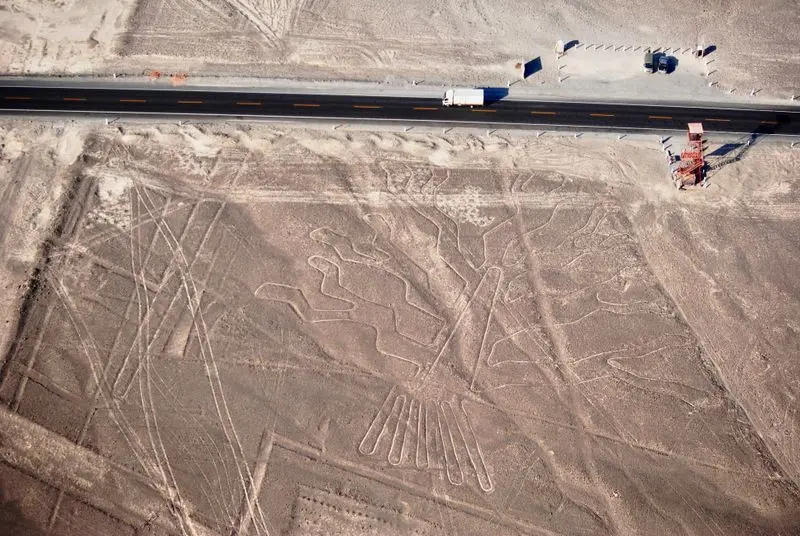
Ting å gjøre i Nazca, Peru
Foto tatt av Janeth Charris på Pexels.com
Når bør du besøke
Mest populære attraksjoner i Nazca, Peru
Hvis du leter etter ting å gjøre i Nazca i Peru, har du kommet til rett sted. Begynn med utsiktstårnene for å få et fugleperspektiv av de enorme geoglyfene. Utforsk deretter Cantalloc-akveduktene, et før-inkansk system med 45 spiralformede kanaler som fortsatt fører vann i dag. Avslutt dagen på Nazca-planetariet med kveldsshow om astronomi som knytter ørkenkunsten til stjernene.
1. Maria Reiche Museum
Stig inn i det ydmyke ørkenhjemmet til matematikeren som viet livet sitt til Nazca-linjene. Se hennes sandaler av bildekk, håndlagde verktøy og tårnet hun klatret opp i hver morgen for å beskytte de eldgamle tegningene mot ødeleggelse.
Raske fakta: Maria Reiche brukte 50 år av livet sitt på å beskytte og studere Nazca-linjene, og gikk i ørkenen i sandaler laget av gamle dekk. Hun bodde i et beskjedent rom på et lokalt hotell og spiste det samme enkle måltidet med brød og ost i flere tiår, og dedikerte alt til å bevare disse eldgamle geoglyfene.
Høydepunkter: Besøkende kan stå i Maria Reiches faktiske soverom, bevart akkurat slik hun forlot det med bøkene, kartene og et par av tøffelsandalene hennes fortsatt ved sengen. Museet ligger inne i huset hun til slutt bygde med egne sparepenger, der hun pleide å klatre opp i det hjemmelagde utsiktstårnet barbeint ved daggry for å feie ørkengulvet med en kost.
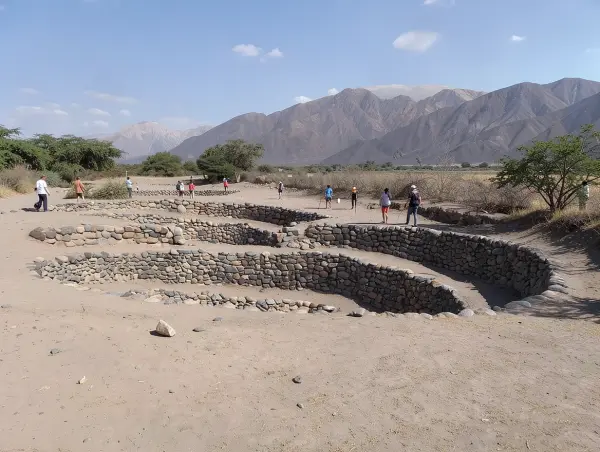
2. Cantalloc Aqueducts
Gå langs 1500 år gamle spiralformede vanningskanaler som fortsatt slukker tørsten til ørkenåkerne i dag. Titt inn i steinkledde åpninger og følg hvordan eldgamle ingeniører fraktet vann gjennom det tørre landskapet uten å miste en dråpe til fordampning.
Raske fakta: Disse eldgamle spiralformede akveduktene har ledet grunnvann gjennom Perus tørre kystørken i over 1500 år. Mer enn 30 av de opprinnelige 46 stein- og leirkanalene fungerer fortsatt i dag, og forsyner bomullsfelt og vinmarker med vann akkurat som de gjorde i før-inkatiden.
Høydepunkter: Ser du ned i en av de mer enn 30 spiralåpningene, ser du klart vann som fosser 10 meter under overflaten gjennom tunneler hugget ut med enkle steinredskaper. Hver akvedukt utnytter det gamle Nazca-folkets forståelse av underjordiske filtreringssystemer, og renser vannet naturlig mens det passerer gjennom lag av vulkansk stein og sand.
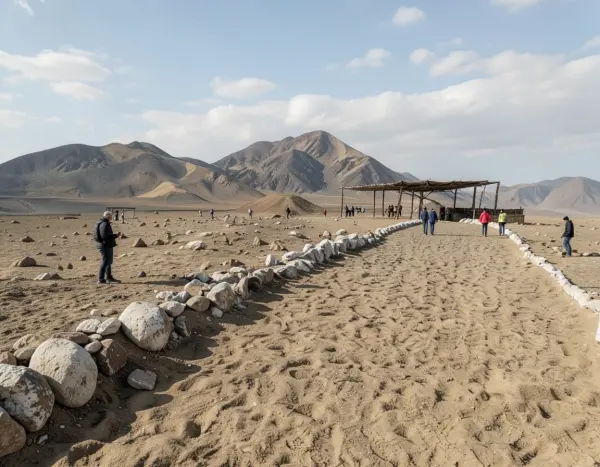
3. Chauchilla Cemetery
Ingen andre steder kan du stå ansikt til ansikt med tusen år gamle mumier som fortsatt sitter i sine opprinnelige friluftsgraver. Eldgamle bein, hår og tekstiler ligger helt åpent i den glødende ørkensolen og skaper et uforglemmelig møte med Perus før-inka fortid.
Raske fakta: Ørkenluften har perfekt bevart over 100 eldgamle mumier her, noen fremdeles med sine originale bomullsklær og flettede hår fra for 1000 år siden. Dette er ikke Egypt-inspirerte innsvøpte mumier: de sitter i fosterstilling med knærne trukket opp, vendt mot soloppgangen akkurat som Wari- og Ica-Nazca-kulturene deres foreskrev.
Høydepunkter: Du vil se mumier med langt svart hår intakt, hud strukket over bein, og tannrike smil blottlagt mot åpen himmel gjennom takløse graver. I motsetning til museumsutstillinger bak glass kan du gå helt bort til disse eldgamle levningene og se de nøye utlagte gravgodene ved siden av dem: keramiske kar, matofringer og vever tekstiler som har overlevd et årtusen.
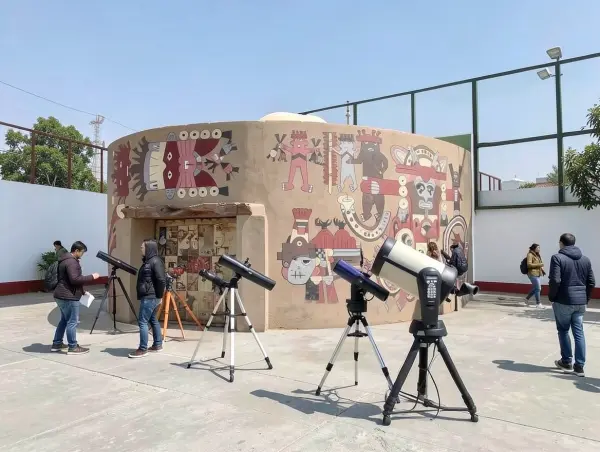
4. Nazca Planetarium
Koble sammen eldgammel astronomi og gigantiske ørkenfigurer i ett immersivt show. Du vil se Nazca-himmelen våkne til liv på en kuppel over deg mens du lærer hva linjene egentlig betydde.
Raske fakta: Planetariet ligger rett ved siden av det berømte utsiktstårnet for Nazca-linjene, noe som gjør det enkelt å kombinere begge opplevelsene i én tur. Dets kuppede teater viser daglige forestillinger som forklarer hvordan det gamle Nazca-folket fulgte stjernene og hvorfor de laget de enorme ørken-tegningene.
Høydepunkter: Forestillingene her bruker et 360-graders digitalt projeksjonssystem som gjenskaper nattehimmelen nøyaktig slik Nazca-folket så den for over 1500 år siden. Du kan se stjernebildene de ga navn, og forstå hvordan himmelmønstre direkte inspirerte formene på edderkopper, aper og andre geoglyfer risset inn i ørkenbakken.
5. Plaza de Armas de Nazca
Et livlig torg hvor Nazca-folk faktisk lever hverdagslivet sitt, ikke bare et sted for turistfotografier. Se barn jage duer mellom fontenestråler mens selgere roper ut ceviche og tamales fra skyggefulle hjørner.
Raske fakta: Det sentrale springvannet har en bronseskulptur av en havfrue som lokalbefolkningen har kalt «La Sirena», lagt til under en oppussing på 1960-tallet. Høye fikustrær skygger over plassen, og de enorme røttene skaper naturlige benker hvor gateselgere selger choclo con queso (mais med ost) hver ettermiddag.
Høydepunkter: I motsetning til de fleste hovedplasser i Peru har denne plassen ingen katedral eller kolonialkirke som forankrer omkretsen, noe som gir den en uvanlig åpen og luftig følelse. Etter mørkets frembrudd lyser springvannet opp i skiftende farger mens lokale familier samles til gratis offentlige dansetimer i marinera og huayno hver fredag kveld.
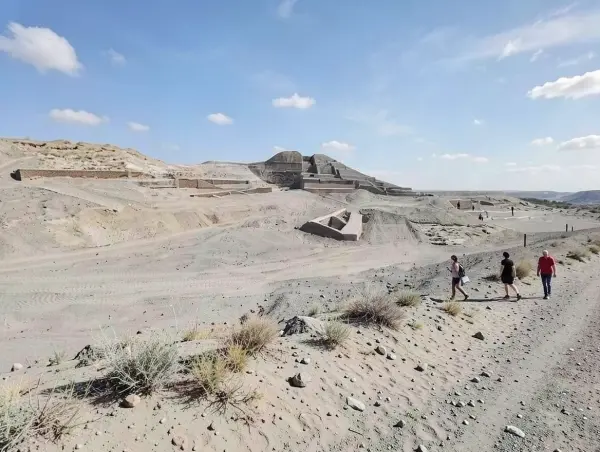
6. Cahuachi Pyramids
Stig inn i et av verdens eldste og største seremoniområder, hvor adobe-pyramider reiser seg fra den golde Nazca-ørkenen. Gå blant 40 uutgravde hauger og stå på toppen av den store pyramiden, og kjenn den eldgamle åndelige energien til før-inka pilegrimer.
Raske fakta: Dette seremonielle senteret dekker over 24 kvadratkilometer og inneholder verdens største adobe-pyramide målt i volum. Mer enn 40 hauger reiser seg fra ørkenbakken, men bare en brøkdel av dette vidstrakte komplekset er utgravd av arkeologer.
Høydepunkter: I motsetning til de berømte Nazca-linjene risset inn i nærliggende åssider, ble disse pyramidene bygget helt og holdent av tusenvis av koniske adobe-stein laget av håndpakket elveleire. Stedet var et pilegrimsmål der eldgamle sjamaner ledet seremonier med sang, dans og inntak av San Pedro-kaktus under den brennende ørkensolen.
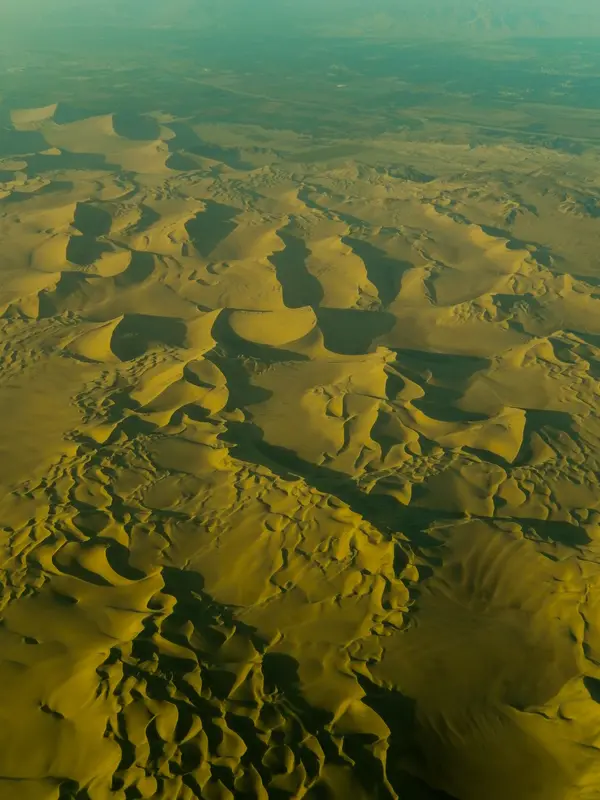
7. Cerro Blanco Sand Dune
Kjør eller skli ned en av planetens høyeste sanddyner. Kjenn adrenalinet når du skjærer over ren, gylden sand i full fart.
Raske fakta: Med en høyde på 1178 meter er dette en av verdens høyeste sanddyner, og rager over ørkenen nær Nazca. Sandboardere og sanddyne-biler suser nedover den bratte siden i hastigheter over 80 kilometer i timen.
Høydepunkter: I motsetning til de fleste dyner som flytter seg med vinden, forblir denne massive toppen bemerkelsesverdig stabil takket være et naturlig fuktlag dypt inne i sanden. Å klatre til toppen føles som å bestige et fjell av gyllent pulver, med hele Nazca-ørkenen utstrakt nedenfor som et rynkete brunt teppe.
8. Paredones Ruins
Klatr opp i en tusen år gammel pyramide hvor prester en gang fulgte solen og stjernene. La fingrene gli langs originale adobe-vegger mens kondorer sirkler over hodet i den tause ørkenen.
Raske fakta: Disse eldgamle seremonielle ruinene strekker seg over nesten 20 kvadratkilometer, med murer laget av leire og store steiner som har overlevd århundrer med ørkenvind. Arkeologer har identifisert over 40 ulike strukturer her, inkludert en pyramidelignende plattform som er på linje med vintersolverv.
Høydepunkter: I motsetning til Nazcas berømte linjer som du bare kan se ovenfra, kan du faktisk gå gjennom disse ruinene og ta på de originale adobe-murene som fortsatt viser fingeravtrykk fra hendene som bygde dem. Stedet inneholder et sjeldent før-inka-akveduktsystem kalt puquios, der spiralformede åpninger i bakken lar deg høre vann som fosser under føttene dine gjennom underjordiske kanaler bygget for over 1500 år siden.
Where to Stay in Nazca, Peru
Selected by City Buddy based on guest reviews and proximity to top attractions
Search all hotels in Nazca, PeruPowered by agoda
Åpningsdager i Nazca, Peru
Hvilke av de beste severdighetene er stengt hvilken ukedag. Den klassiske reiseødeleggeren, sjekket for deg.
Gode nyheter: alle 6 toppseverdigheter med kjente åpningstider er åpne alle dager i uken.
Stengt på mandag · 0 stengt, 6 åpne
Ingenting er stengt på mandag. Alle 6 severdigheter med kjente åpningstider er åpne.
Åpningsdager fra Google Maps (sjekket 2026-06-29). Helligdager, streiker og sesongbaserte åpningstider kan variere. Sjekk den offisielle nettsiden før du drar.
Tradisjonelle søte retter

Mazamorra Morada
This purple corn pudding gets its striking color from a special variety of corn found only in the Andes and is thickened with chuño, a freeze-dried potato starch used since Inca times.

Arroz con Leche
Peruvian arroz con leche is distinct from other versions because it is infused with cinnamon and clove and often topped with a sprinkle of ground cinnamon in decorative patterns.

Picarones
These ring-shaped sweet fritters are made from a mix of squash and sweet potato, a recipe that dates back to the colonial era when African, Spanish, and indigenous flavors merged.
Tradisjonelle salte retter

Ceviche Nazqueño
Nazca's version of ceviche uses fresh ocean fish marinated in citrus and is often served with cancha (toasted corn) and camote (sweet potato), reflecting the region's ancient agricultural heritage.

Pachamanca
This ancestral earth-oven cooking method involves burying marinated meats, potatoes, and herbs under hot stones for hours, a tradition that has been practiced in the Nazca region for over 2,000 years.

Cuy Chactado
Guinea pig is a traditional protein in the Nazca highlands, and cuy chactado is prepared by flattening and frying the meat with herbs until crispy and golden brown.
Tradisjonelle drikker

Chicha Morada
This non-alcoholic drink is made from boiled purple corn, pineapple, cinnamon, and clove, and has been enjoyed in Peru since pre-Columbian times, including by the ancient Nazca civilization.
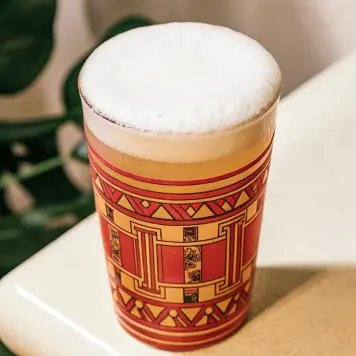
Chicha de Jora
This fermented corn beer was considered a sacred beverage by the Nazca people and was used in religious ceremonies, often consumed from elaborate ceramic vessels decorated with geometric motifs.

Emoliente
This warm, herbal street drink is made from flaxseed, barley, and medicinal herbs like horsetail and boldo, and is sold by vendors in Nazca as a traditional remedy for digestion and overall wellness.
Ofte stilte spørsmål om Nazca, Peru
Er Nazca i Peru trygt?
Hvor mange dager bør jeg planlegge i Nazca i Peru?
Når er den beste tiden å besøke Nazca i Peru?
Er Nazca i Peru dyrt å besøke?
Hvordan kommer man seg rundt i Nazca i Peru?
Få en PDF med de mest populære attraksjonene sendt til din e-post
Få en PDF med alle attraksjoner, vurderinger og tips. Perfekt for offline bruk.
Mest populære dagsturer
Chauchilla Cemetery
Ancient Nazca burial site with well-preserved mummies
Cantalloc Aqueducts
Remarkable pre-Columbian aqueduct system still in use
Reserva Nacional San Fernando
Coastal reserve with penguins, sea lions, and dolphins
Hvordan komme dit
Flyplasser
Togstasjoner
Occidental Railway (limited tourist service from Lima)
Most travelers reach Nazca by bus from Lima (7 hours) or Cusco (10 hours). The main bus terminal is a short taxi ride from the city center.
Nyttig informasjon for Nazca, Peru
Oversikt for Nazca, Peru
Vil du ha en dag-for-dag-plan for Nazca, Peru? Åpne reiseplanleggeren
Når skal du til Nazca, Peru?
Velg dine datoer og reise-stil for å få:
Er noen av disse spesielt viktige for deg?
Velg alle som gjelder
Komme seg rundt
Hvordan vil du bevege deg mellom stedene?
Planspråk: Norsk Bokmål