 CityBuddy
 Norsk Bokmål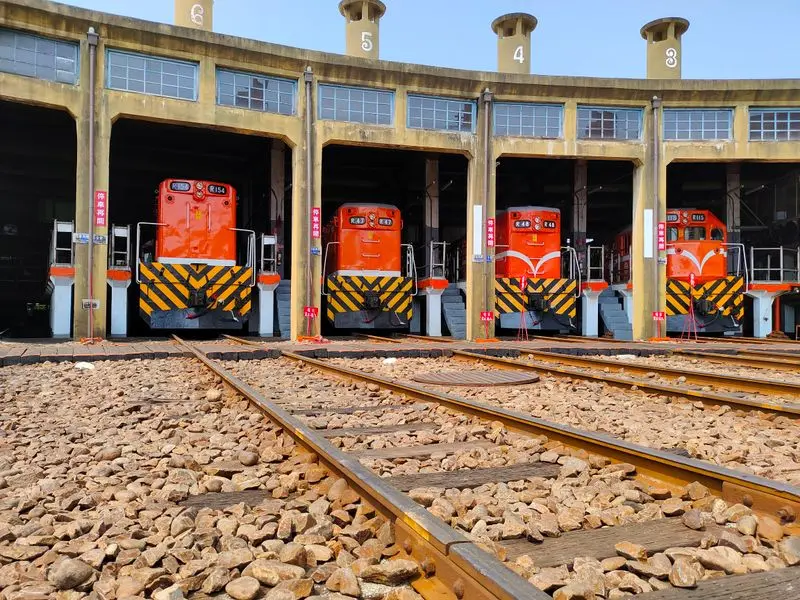
Ting å gjøre i Changhua, Taiwan
Foto tatt av 瑞宏 簡 på Pexels.com
Når bør du besøke
Mest populære attraksjoner i Changhua, Taiwan
Besøkende som leter etter ting å gjøre i Changhua, Taiwan, vil finne en engasjerende blanding av historie og kultur. Den 22 meter høye Baguashan Store Buddha sitter på toppen av en ås med utsikt over byen. Lukang gamle gate bevarer et 300 år gammelt tempel og handelskvarter med tradisjonell arkitektur. Changhua rundhuset, bygget i 1922, tilbyr turer for togentusiaster daglig.
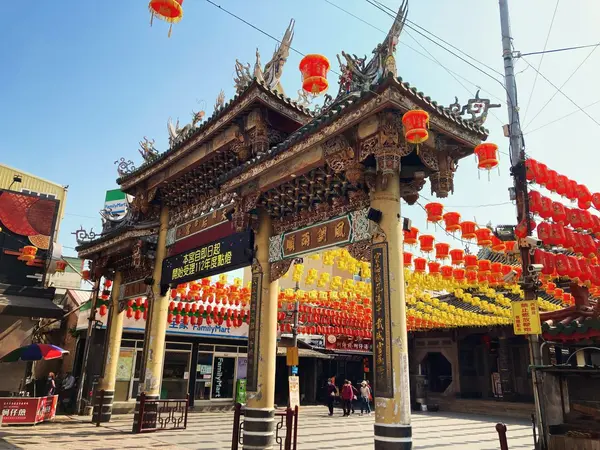
1. Lukang Old Street
Vandre gjennom trange smug hvor tradisjonelt håndverk har overlevd i generasjoner, og duften fra matboder driver gjennom eldgamle tempelgårdsrom. Smak på nylaget østersomelett, se lykter males for hånd, og utforsk de labyrintlignende smugene som en gang forvirret pirater.
Raske fakta: De krokete smugene ble anlagt som en labyrint for å forvirre pirater og beskytte beboerne. Over 200 historiske templer ligger spredt i området, noe som gir det en av de høyeste tempeltetthetene i Taiwan.
Høydepunkter: Gå inn i labyrinten med ni svinger og atten smug, der veggene smalner til knapt en skulderbredde. Her finner du et tradisjonelt lanterneverksted som fortsatt bruker bambusrammer håndmalt av håndverkere i fjerde generasjon. Klapringen fra treklubber som former oksesener til tradisjonelle tøfler, gjenlyder gjennom smugene, et håndverk som har overlevd her i over et århundre.
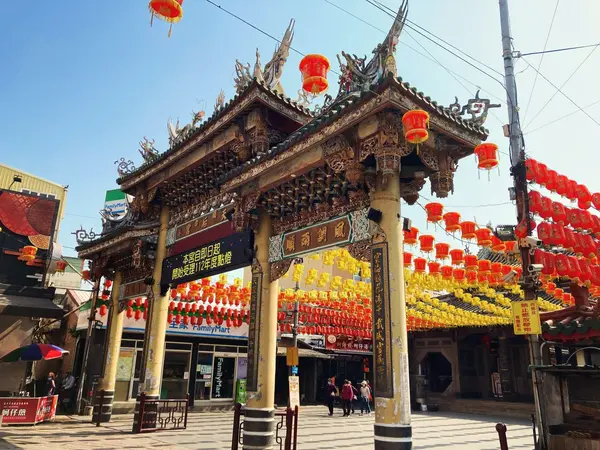
2. Lukang Tianhou Temple
Tre århundrer med kunsthåndverk og tro møtes i ett tempel. Se røkelsesrøyk drive forbi gammel kalligrafi mens lokalbefolkningen ber ved siden av deg.
Raske fakta: Et par steinsøyler med drager som flankerer hovedinngangen, ble hogd ut av enkle granittblokker for tre århundrer siden. Over 10 000 pilegrimer strømmer gjennom disse portene under de årlige Mazu-fødselsfeiringene.
Høydepunkter: Over hovedalteret er det et åttekantet trehimling kalt bagua zaojing, med 16 sammenlåste brakettsjikt holdt sammen uten en eneste spiker. Hvert utskårne panel rundt kanten skildrer et forskjellig mirakel fra havets gudinnes liv, og midten er bevisst holdt åpen slik at bønner kan stige rett opp.
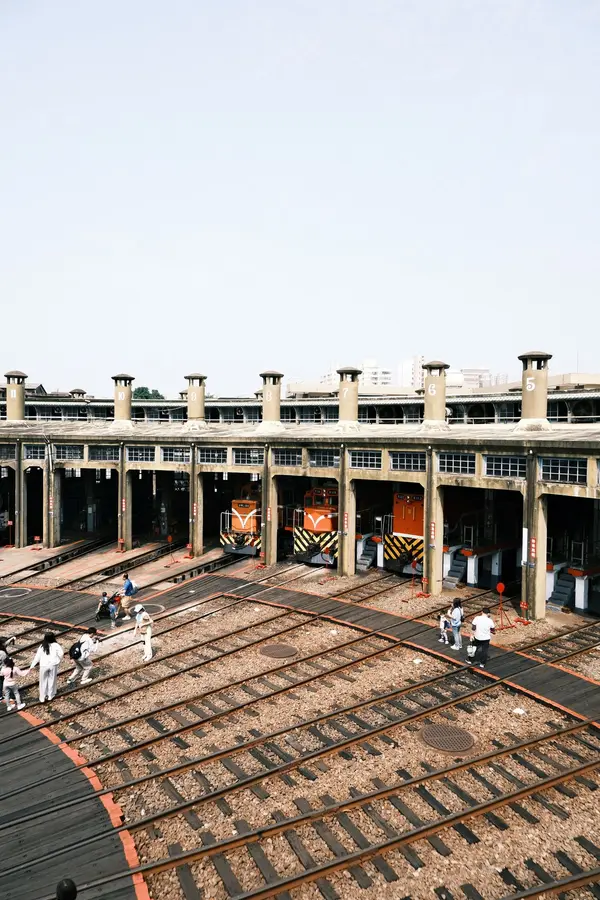
3. Changhua Roundhouse
Det eneste operative lokomotivstallanlegget i Taiwan hvor damplokomotiver fortsatt ruller inn for service. Se de gigantiske jernmaskinene dreie på den manuelle dreieskiven, og gå helt bort til skinnene.
Raske fakta: En av Taiwans siste operative lokomotivstaller for damplokomotiver, med en vifteformet utforming som holder et dusin spor som stråler ut fra en sentral dreieskive. Dreieskiven spinner fortsatt i dag, manuelt betjent for å svinge lokomotiver inn på sine angitte plasser, som et gigantisk jernbanekompass.
Høydepunkter: I motsetning til museumsgjenstander som er låst bak glass, er denne 102 år gamle lokomotivstallen fortsatt et fullt fungerende vedlikeholdsdepot der mekanikere fortsatt smører lagre og fyrer i fyrkassene på levende dampmaskiner. Se i ærefrykt på når et 100-tonns lokomotiv kjører opp på dreieskiven og roterer med et mekanisk stønn, og stiller seg perfekt inn på parkeringsplassen sin på under to minutter.
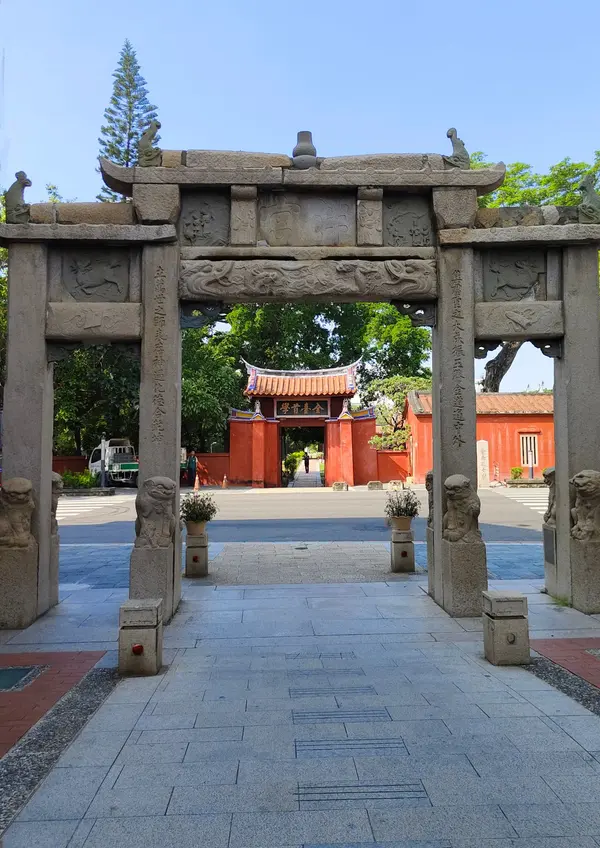
4. Changhua Confucius Temple
Step into a quiet courtyard where centuries of scholars once sought wisdom. Expect ornate carvings, a serene pond, and the faint scent of incense lingering in the air.
Raske fakta: Rundt 300 år med akademiske seremonier har funnet sted under disse sveipende buede takene. Hvert år æres Confucius med to storslåtte seremonier med musikk, dans og offerdyr, en tradisjon som har holdt seg stort sett uendret siden Qing-dynastiet.
Høydepunkter: Dette er et av de eldste konfucianske templene i Taiwan, og den falmede rød-grønne malingen på søylene forteller historien om århundrer med røkelse. Se nøye på takmøneene, så vil du se små keramiske figurer av lærde og udødelige, hver enkelt plassert der for å beskytte templets akademiske oppdrag.
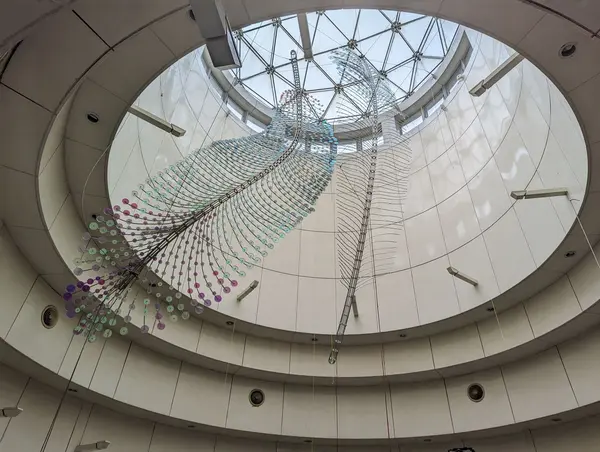
5. Taiwan Glass Gallery
Step into a world where everything glitters, from chandeliers to entire buildings. You'll walk through a glass cathedral, cross a transparent bridge, and watch artists blow molten glass into art before your eyes.
Raske fakta: Rundt 2 000 glasskulpturer, installasjoner og hverdagsgjenstander fyller utstillingshallene i flere etasjer her. Samlingen spenner fra sarte blåste vaser til en full glasslaget replika av et tradisjonelt marked, alt laget av taiwanske håndverkere.
Høydepunkter: Kronjuvelen er en fullskala glassreplika av en katedral laget av over 2 000 individuelle glasspaneler, og besøkende kan faktisk gå gjennom det lysende, gjennomsiktige interiøret. På taket finner du en glassbro som strekker seg over parken nedenfor, hvor du kan stå på et gjennomsiktig gulv høyt over bakken med hele komplekset speilet under deg.
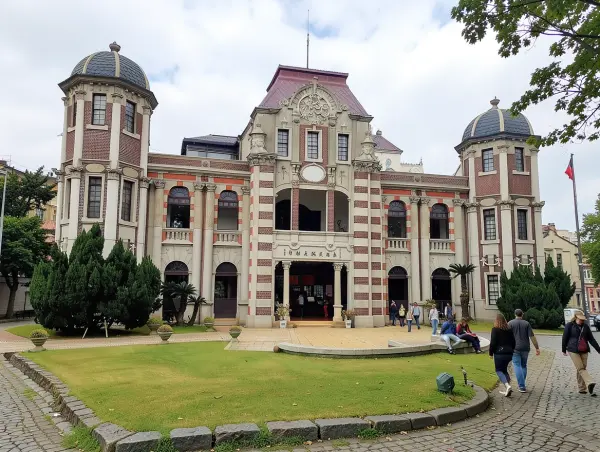
6. Lukang Folk Arts Museum
Trad inn i et barokkherskapshus fra 1919 hvor Taiwans mektigste familie en gang bodde. Vandre gjennom rom fylt med 3 000 hverdagsting, fra silkebrudekjoler til over hundre år gamle leker og kjøkkenredskaper.
Raske fakta: En barokkherregård fra 1919 tilhørte en gang familien Koo, en av Taiwans mest innflytelsesrike klaner under den japanske kolonitiden. Over 3000 gjenstander fyller rommene, fra en overdådig utskåret bryllupsseng til vintage grammofoner og antikke opiumspiper.
Høydepunkter: Selve herregården var boligen til Koo Hsien-jung, mannen som berømt åpnet portene til Taipei for japanske styrker i 1895, og forandret Taiwans historie for alltid. Besøkende kan fortsatt se det originale familiespisebordet dekket med porselen, som om familien Koo nettopp hadde forlatt et formelt middagsselskap.
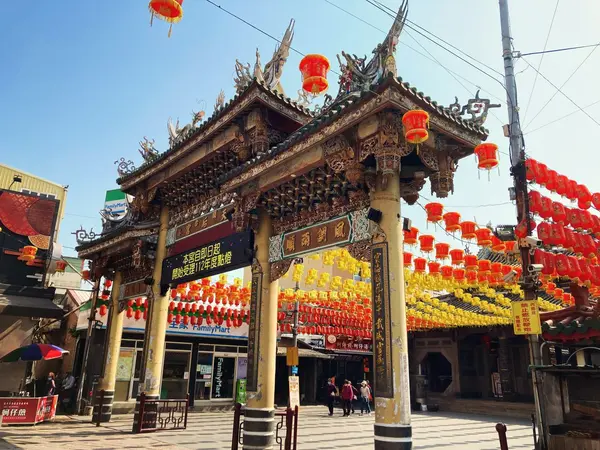
7. Qingshuiyan Temple
Et 300 år gammelt tempel hvor gamle kamfertrær vokter en naturlig kilde, og ildfluer danser på vårkveldene. Vandre i fredfulle gårdsrom, nipp til te ved fjellbekken, og se munker feie mose fra steinstiene.
Raske fakta: Three ancient camphor trees shade the courtyards, one of them over 300 years old and stretching 20 meters wide. A natural spring still flows beside the shrine, giving the temple its name which means "clear water."
Høydepunkter: Every April, thousands of fireflies flicker through the surrounding forest paths, turning the hillside into a living constellation. The temple's resident calligraphy master gives free lessons on weekends, letting visitors paint their own wishes on wooden plaques to hang by the spring.
8. Tianwei Highway Garden
Sykle gjennom endeløse felt av blomsterfylte drivhus hvor Taiwans blomsterbønder gjør arbeidet sitt. Du kan stoppe ved hvilket som helst gartneri, kjøpe en orkide i potte for under 5 dollar, og se dyrkerne pakke den inn rett fra drivhuset.
Raske fakta: Over 200 hagebutikker og planteskoler ligger langs veiene her, noe som gjør dette til et av Asias største knutepunkter for blomsterdistribusjon. Området leverer nesten 70 prosent av Taiwans prydplanter og snittblomster, og skifter farger med hver årstid når krysantemum, julestjerner og solsikker blomstrer etter tur.
Høydepunkter: I motsetning til en enkelt velstelt hage er dette et 4,8 kilometer langt levende marked hvor du vandrer gjennom aktive planteskoler og drivhus, og handler direkte fra dyrkerne som steller dem. Den virkelige magien skjer i skumringen når tusenvis av små eventyrlys som henger mellom drivhusene tennes, og forvandler hele området til et glødende eventyrland.
Where to Stay in Changhua, Taiwan
Selected by City Buddy based on guest reviews and proximity to top attractions
Search all hotels in Changhua, TaiwanPowered by agoda
Åpningsdager i Changhua, Taiwan
Hvilke av de beste severdighetene er stengt hvilken ukedag. Den klassiske reiseødeleggeren, sjekket for deg.
mandag: 3 av 8 toppseverdigheter er stengt. Planlegg museumsbesøk en annen dag.
Stengt på mandag · 3 stengt, 5 åpne
Åpningsdager fra Google Maps (sjekket 2026-06-27). Helligdager, streiker og sesongbaserte åpningstider kan variere. Sjekk den offisielle nettsiden før du drar.
Tradisjonelle søte retter
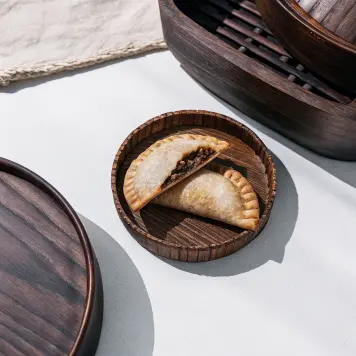
Lukang Ox Tongue Pastry (牛舌餅)
Despite its name, this pastry contains no ox tongue. It is a thin, crispy, maltose-filled biscuit shaped like an ox tongue, and Lukang is the most famous place in Taiwan to buy it.
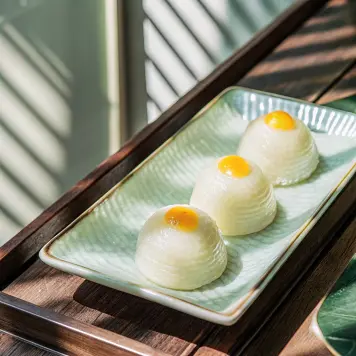
Phoenix Eye Cake (鳳眼糕)
This delicate, crumbly white pastry is made from premium glutinous rice flour and sugar. It gets its name from its oval shape resembling a phoenix eye, and it was once a tribute snack served to Qing Dynasty officials.
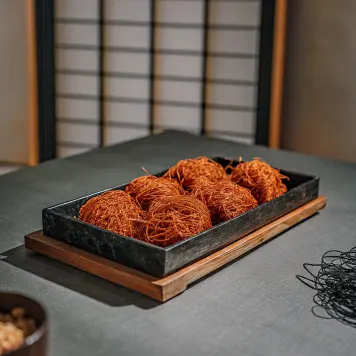
Dragon Beard Candy (龍鬚糖)
This traditional Chinese candy is made by pulling sugar into thousands of fine, hair-like strands, resembling a dragon's beard. It is filled with crushed peanuts, sesame seeds, and coconut, and Lukang is one of the best places to watch it made by hand.
Tradisjonelle salte retter

Changhua Meatballs (彰化肉圓)
Changhua meatballs are arguably the most famous ba wan in Taiwan. Unlike other versions, they are steamed then deep-fried, giving them a crispy exterior, and they are served with a sweet and savory brown sauce.
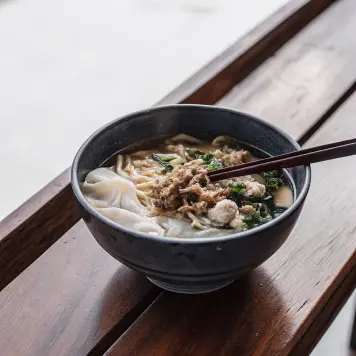
Cat and Mouse Noodles (貓鼠麵)
Despite its unusual name, this dish contains no cat or mouse. It was named after the nickname of its creator who was called "cat and mouse" for his agility, and the noodle soup features a rich, clear broth with ground pork and tender wontons.
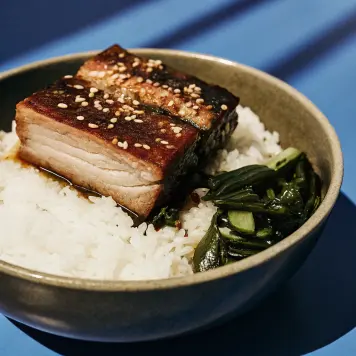
Changhua Braised Pork Rice (彰化爌肉飯)
Changhua is famous for its braised pork rice, featuring a massive, tender slab of pork belly slow-braised in soy sauce and spices. It is so beloved that many shops sell it as a late-night or breakfast staple, with some restaurants operating 24 hours a day.
Tradisjonelle drikker
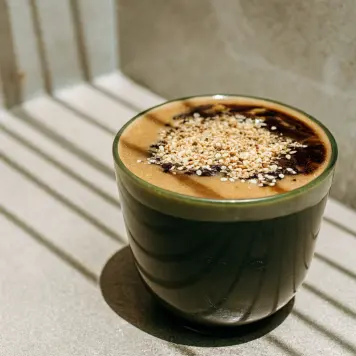
Mian Cha (麵茶)
Mian Cha is a warm, thick, porridge-like drink made from toasted wheat flour, sesame seeds, and sugar. It was originally a filling breakfast for farmers and is still a beloved nostalgic street drink in Lukang, Changhua.

Sour Plum Drink (酸梅湯)
This tangy and refreshing drink is made by simmering smoked plums, hawthorn, licorice, and rock sugar for hours. It is a classic accompaniment to heavy street food in Changhua and is believed to aid digestion on hot days.
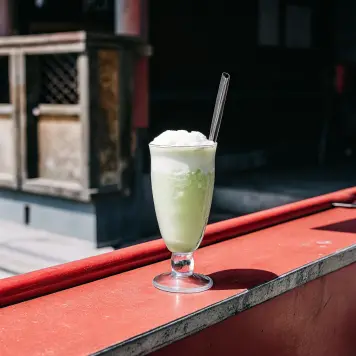
Mung Bean Shake (綠豆沙)
This creamy, slushy drink is made by blending cooked mung beans with ice and sugar until smooth. In Changhua's Lukang district, it is a wildly popular summer treat sold at iconic old-school stalls that have been operating for decades.
Få en PDF med de mest populære attraksjonene sendt til din e-post
Få en PDF med alle attraksjoner, vurderinger og tips. Perfekt for offline bruk.
Mest populære dagsturer
Lukang Old Town
Historic port town with ancient temples, narrow alleys, and traditional crafts
Baguashan Great Buddha
Iconic hilltop Buddha statue with panoramic city views and hiking trails
Taichung City
Vibrant city with night markets, museums, and Rainbow Village
Xitou Nature Area
Mountain forest reserve with bamboo groves and suspension bridges
Hvordan komme dit
Togstasjoner
Taiwan Railway West Coast Line (TRA)
Taiwan High Speed Rail connecting Taipei to Kaohsiung
From Taichung HSR station, take local TRA train or bus to Changhua Station in about 15 minutes. From Taichung Airport, take bus to Changhua.
Nyttig informasjon for Changhua, Taiwan
Oversikt for Changhua, Taiwan
Vil du ha en dag-for-dag-plan for Changhua, Taiwan? Åpne reiseplanleggeren
Når skal du til Changhua, Taiwan?
Velg dine datoer og reise-stil for å få:
Er noen av disse spesielt viktige for deg?
Velg alle som gjelder
Komme seg rundt
Hvordan vil du bevege deg mellom stedene?
Planspråk: Norsk Bokmål