 CityBuddy
 English
Things to Do in Yazd, Iran
Photo made by SYDE Yvi on Pexels.com
When to visit
Plan your perfect trip to Yazd, Iran
Get a complete travel plan built just for you in under 30 seconds, with daily routes, local food tips, budget estimates and more.
Are any of these especially important to you?
Select all that apply
Plan language: EnglishMost popular attractions in Yazd, Iran
In Yazd, Iran, countless exciting programs await travelers. Among the most important things to do in Yazd, Iran is admiring the stunningly tall, 52-meter minarets of the 14th-century Jameh Mosque of Yazd. The facade of the Amir Chakhmaq Complex features 12 massive arches in a row. Do not miss a visit to the Zoroastrian Fire Temple of Yazd either, where a 1,500-year-old sacred fire burns.
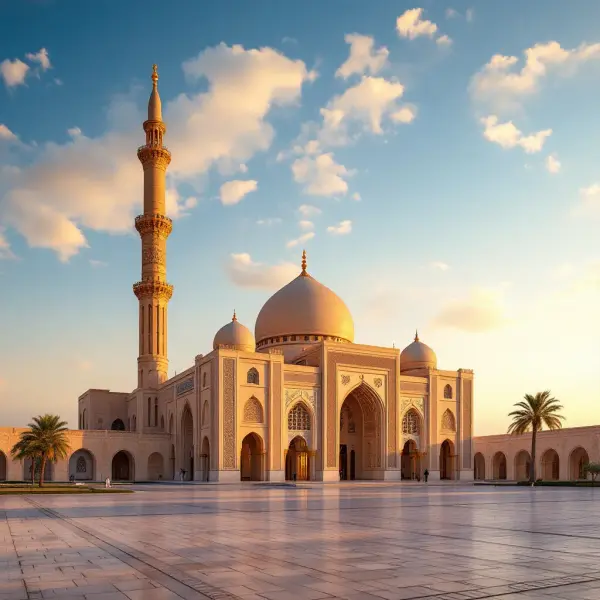
1. Jameh Mosque of Yazd
Persian architectural masterpiece where the blue tiles practically glow in the desert sunlight. Walk under the 11th century brick dome while discovering the pinnacle of decorative art.
Quick facts: One of the most magnificent examples of Iranian ceramic and tile art, where the color blue dominates the walls. 900 square meters of tile cover the building, and its entrance portal is Iran's tallest Islamic gate at 24 meters.
Highlights: In the morning light, the blue tiles almost begin to glow, and in the afternoon sunshine, the intricate details of the arabesque patterns on the facades also emerge. Standing under the building's massive brick dome, the visitor is greeted by the stunning acoustic experience of 11th-century Seljuk architecture.
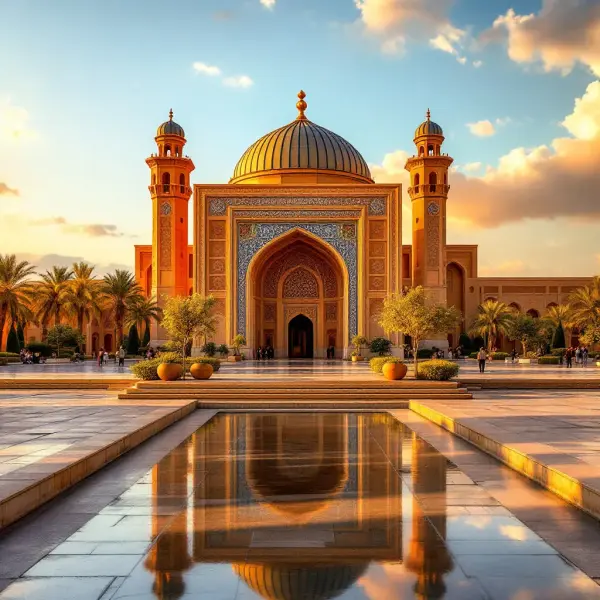
2. Amir Chakhmaq Complex
Here you can see one of Persia's most photogenic facades, which truly lights up at dusk. Walk through the covered bazaar, have a tea in the square, and watch the locals go about their daily lives.
Quick facts: The 19th-century Shiite monument is recognizable by its single massive wall dotted with regular recesses, rising three stories high. The bazaar belonging to it winds for 400 meters, and the locals primarily know the square as the setting for daily shopping and tea house conversations.
Highlights: The 567 regular niches of the facade are bathed in orange light in the evenings, as if a giant illuminated honeycomb were rising from the edge of the desert. The lone water reservoir standing in the middle of the square also fades into the obscurity of the past, though during hot summers, passersby used to cool their melons here with a bucket pulled up from the depths.
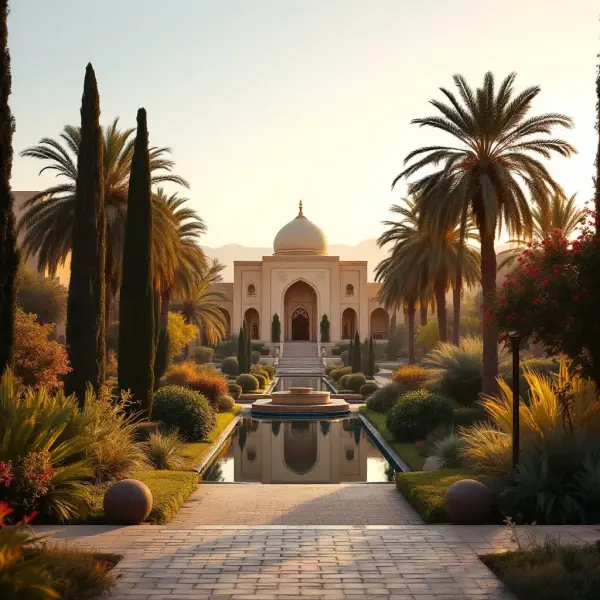
3. Dowlatabad Garden
Head to one of the most beautiful Persian gardens where a 33 meter wind tower cools the air. Walk through the mirrored halls accompanied by the soft murmur of underground channels.
Quick facts: The 33-meter tower is one of the tallest wind towers in Iran, cooling the interior spaces with natural ventilation. The garden was built in the 18th century by Mohammad Taqi Khan, who also created a massive underground aqueduct system for the city's water supply.
Highlights: Inside the octagonal pavilion standing in the middle of the bagh (Persian garden), the walls are covered with intricately worked mirror mosaics that scatter sunlight hundreds of times throughout the rooms. Through the 65-meter-long underground corridor system, air flows up through the wind tower into the pavilion, remaining 15-20 degrees Celsius cooler even during the heatwave.
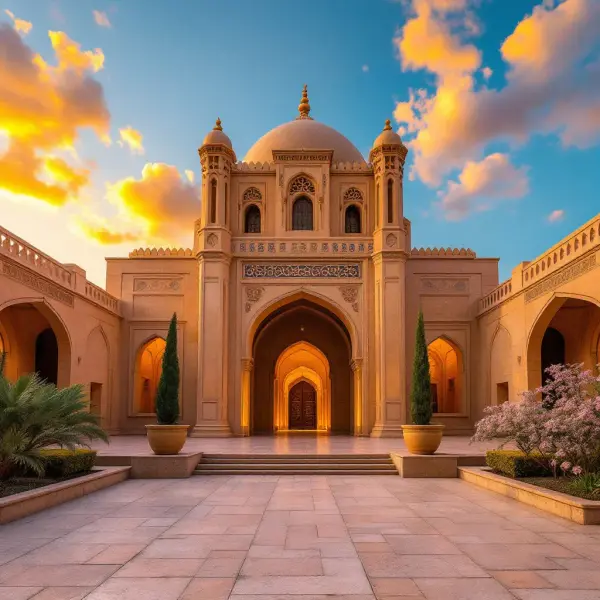
4. Zoroastrian Fire Temple of Yazd
Here you can see one of the world's oldest continuously burning fires, which has blazed for more than fifteen centuries. Sit in the dim hall and watch the flames dance while surrounded by the silence of the Zoroastrian faith.
Quick facts: The flame that burns here is said to have been alight for over 1500 years, making it one of the oldest continuously burning fires in the world. The sacred fire kept in the temple was collected from nine different sources before being brought here at the beginning of the 20th century.
Highlights: A huge Faravahar symbol carved in stone watches over visitors in the center of the facade, one of the most ancient symbols of the Zoroastrian faith. The light filtering through the temple's stained glass dances in the interior, surrounding the ancient flame with an almost supernatural glow.
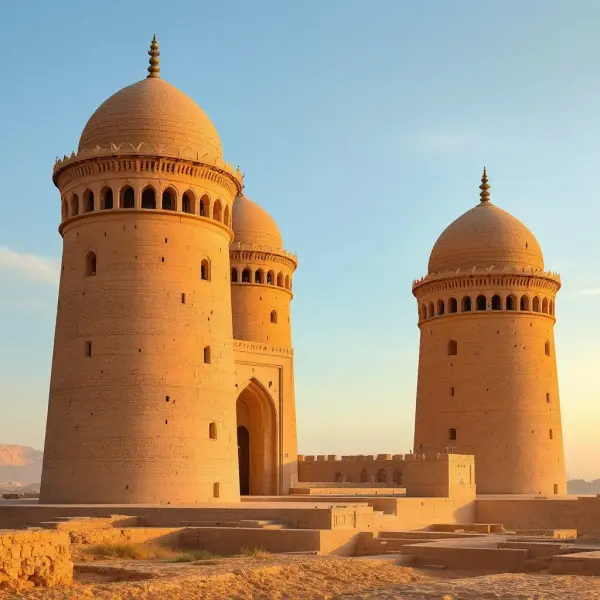
5. Towers of Silence
A place where death meets the desert wind in almost tangible silence. You can see the stone towers and the desert as sunlight turns the sand into gold.
Quick facts: According to the Zoroastrian funeral ritual, the bodies were exposed to the vultures on this elevated site. The towers built in the 6th century no longer host ceremonies, but the spirit of the place remains just as strong.
Highlights: Inside the towers there is nothing frightening and no spectacular architectural elements. What can be felt on the hilltop is the complete silence and the 2500-year-old wisdom that death does not mean the end of life, but the return to nature.
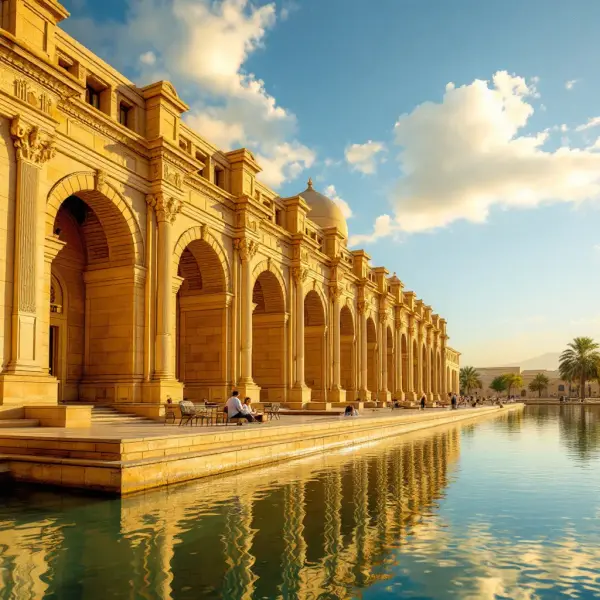
6. Yazd Water Museum
Here you can understand how the Persians kept desert cities alive. Climb down into an ancient underground channel where the stone cold water and sinking sand give a tangible experience.
Quick facts: Centuries ago, Persian engineers built an underground canal system that carried water even in the desert heat. Some of the qanats displayed in the museum could be as long as 70 kilometers, and the water never touched the surface.
Highlights: You can walk down underground alongside a 300-year-old qanat, where you can hear the water babbling among the stone walls. One of the most unique pieces in the exhibition is a 2000-year-old clay pipe that the ancient Persians used for water conduction.
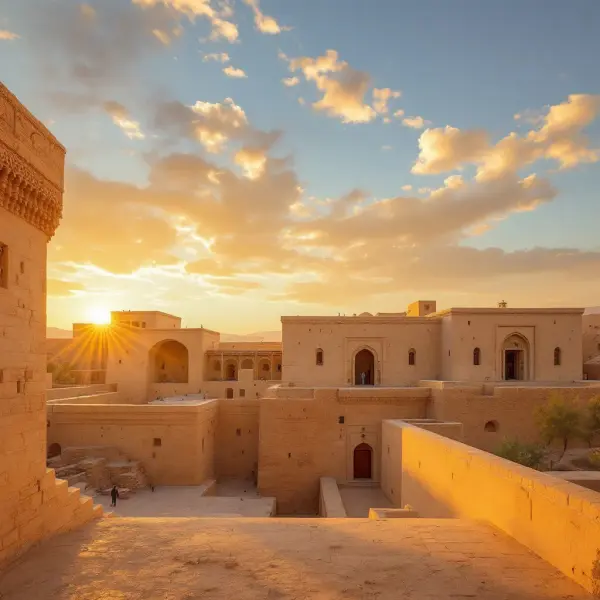
7. Alexander's Prison
A place where the secrets of the past meet ingenious Persian architecture. Step into the dimness, feel the cool air and discover the fascinating mechanism of the hidden water collection system.
Quick facts: The 9th-century structure was actually never a prison, but a huge cistern and resting place in ancient Persia. The name comes from local legends saying that Alexander the Great held rebellious nobles captive here.
Highlights: Inside, a vast dark dome hall unfolds before you, where the walls of the 8-meter-deep cistern are traced by light reaching from above. The perfect silence and the air that is 12 degrees cooler creates the feeling as if you have stepped back into another century.
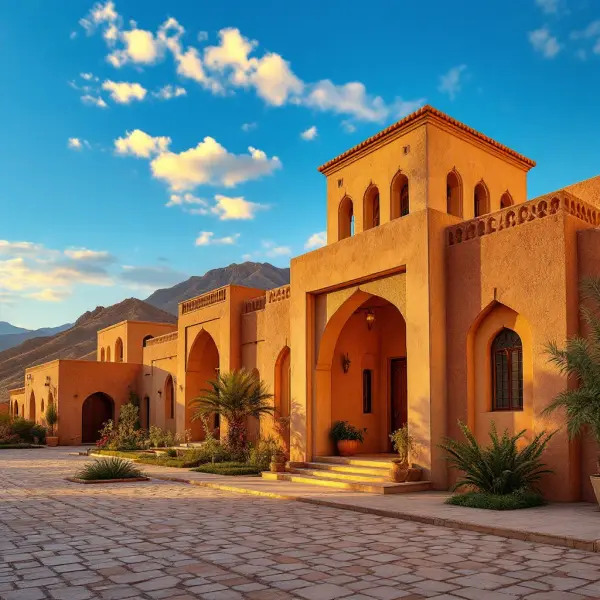
8. Lariha House
Here you can travel back in time into the daily life of a wealthy Persian family. Listen to the whisper of the wind catchers and the splashing of the pool while sipping a mint tea.
Quick facts: The 19th-century merchant palace boasts hand-carved beams and stained glass windows. The pool in the middle of the courtyard creates the cool microclimate of Persian gardens in the desert heat.
Highlights: The interior walls of the house are covered with 47 different geometric patterns, hand-carved from gypsum stucco with the consistency of whipped cream. On the ceiling of one room, there is a 200-year-old wooden circular composition hiding secret symbols that can only be discovered at a certain angle of the southern sunlight.
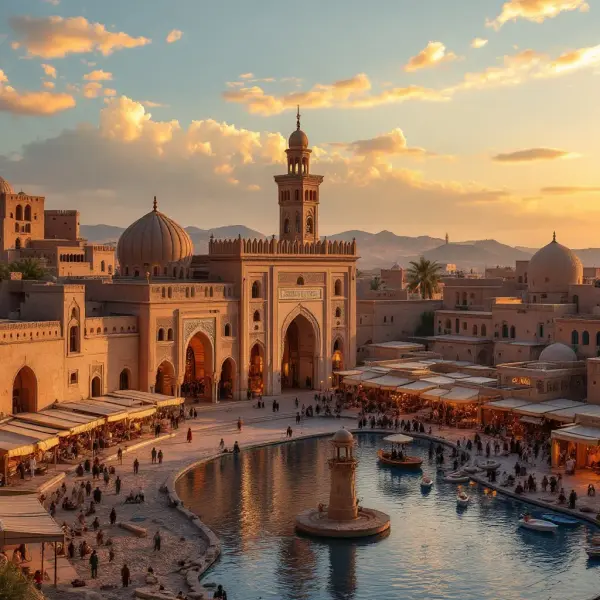
9. Khan Bathhouse and Bazaar
Immerse yourself in the magical atmosphere of a 400 year old Persian bathhouse and market. Colorful mosaics, mirrored halls and the scent of fresh spices accompany you through the labyrinthine corridors.
Quick facts: A continuously operating bath complex for over 400 years, where you can admire a stunning example of Persian architecture. Beneath the enormous domes covered with colorful mosaics and mirror decorations, not only a bathhouse but also a bazaar awaits, where you can buy handmade products.
Highlights: Sunlight filters through hundreds of tiny openings in the inner side of the dome, creating a starry sky above the pools even during the day. Standing under the 12-meter-high ceiling adorned with colorful glass mosaics, you almost forget that you are in an underground structure.
Where to Stay in Yazd, Iran
Selected by City Buddy based on guest reviews and proximity to top attractions
Search all hotels in Yazd, IranPowered by agoda
Traditional Sweet Dishes
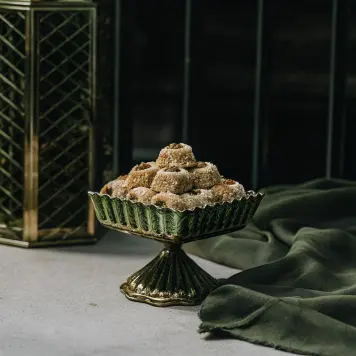
Baklava (Yazdi style)
Unlike the filo-based versions in Turkey or Greece, Yazdi Baklava is a diamond-shaped cookie made with almonds, cardamom, and rosewater, and soaked in a thick sugar syrup for a delightfully chewy texture.
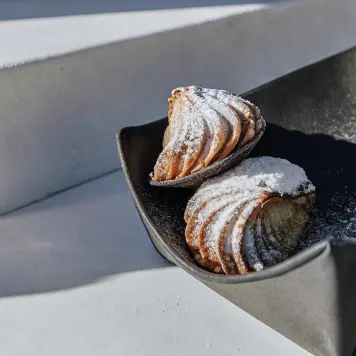
Qottab
These deep-fried almond-filled pastries are dusted with powdered sugar and have a delicate, crescent shape. They are a signature of Yazd and often served at celebrations and Nowruz gatherings.
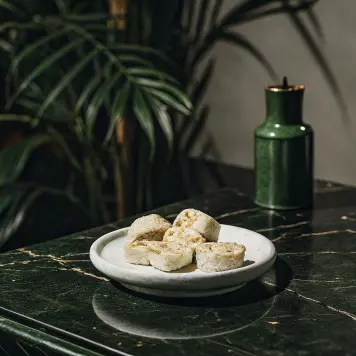
Hajji Badami
A crumbly, biscuit-like cookie packed with whole almonds and ground cardamom, Hajji Badami is named after a famous Yazdi baker. Its dry, melt-in-your-mouth texture makes it perfect for dipping in tea.
Traditional Savory Dishes

Shuli (Sholeh)
This thick, hearty Yazdi soup is made from lamb, lentils, spinach, and a tart herb called "ghoureh" (unripe grapes). It is famous for its tangy, sour flavor that is unique to the region.

Yazdi Koofteh (Koofteh Yazdi)
Unlike the classic Tabrizi meatball, this version is a large, stuffed meatball made from ground lamb or beef with rice, split peas, and a surprising sour center made from dried plums or prunes.
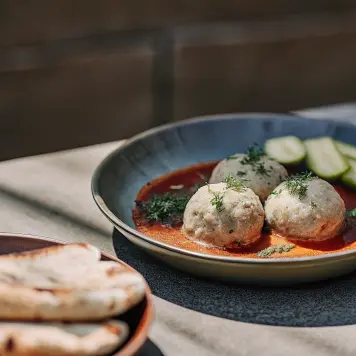
Gondi (Yazdi style)
Gondi are chickpea and chicken meatballs, slow-cooked in a spiced broth and often served with pita bread, pickles, and fresh herbs. Yazd's version is particularly famous for its light, fluffy texture.
Traditional Beverages

Sekanjebin-e Yazdi
This sweet and sour syrup is made from vinegar, honey or sugar, and mint. Yazdi families often ferment it for weeks, giving it a complex, slightly fizzy quality that is incredibly refreshing in the desert heat.

Kashk-e Bademjan (as a drink)
While commonly a dip, in Yazd they prepare a unique warm, drinkable version (often called "Aab-e Kashk") made from diluted fermented whey, mint, and walnuts, served as a restorative winter beverage.

Chai-ye Nabat (Yazdi Rock Candy Tea)
This is simply strong black tea served with a stick of amber-colored rock candy (nabat) on the side. The diner stirs the candy to their desired sweetness, and the saffron in the nabat gives the tea a golden hue.
Frequently Asked Questions about Yazd, Iran
Is Yazd, Iran safe?
How many days should you spend in Yazd?
What is the best time to travel to Yazd?
Is Yazd, Iran expensive?
How can you get around in Yazd?
Get a PDF with the most popular attractions sent to your email
Get a PDF with all attractions, ratings, and tips. Perfect for offline use.
Most popular day trips
Chak Chak (Zoroastrian Fire Temple)
Sacred Zoroastrian pilgrimage site nestled in desert mountains.
Kharanaq (Ancient Village)
Abandoned 1000-year-old mud-brick village with a shaking minaret.
Isfahan
Iconic city with Naqsh-e Jahan Square and stunning mosques.
Getting there
Airports
Train stations
Tehran, Isfahan, Kerman, Mashhad
From the airport, taxis cost around 10-15 USD to the city center. Yazd is well connected by night trains from Tehran (6-7 hours).
Find flights to Yazd, Iran
Click to get eSim for Yazd, Iran
The easiest and most affordable way to get mobile internet wherever you travel.
Comments (9)
Book your train from Tehran to Yazd overnight. Saves a day and a hotel night, arrives early morning fresh.
The food scene surprised me. Simple but flavorful. Try the ash reshteh from a local spot, not the hotel buffet.
Honestly found Yazd a bit too quiet for my taste. Two days was enough. The desert landscapes outside were way more interesting.
Carry cash, most small shops and tea houses don't take cards. Exchange at the bazaar rate is better than the airport.
Don't bother with the fancy rooftop restaurants. Go to Silk Road Hotel for sunset tea, best view and cheap.