 CityBuddy
 English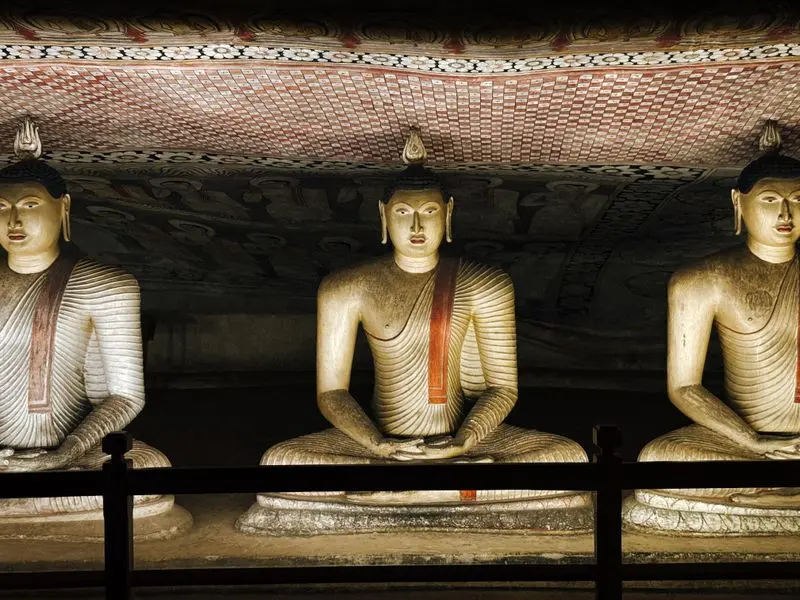
Things to Do in Dambulla, Sri Lanka
Photo made by Marina Zvada on Pexels.com
When to visit
Plan your perfect trip to Dambulla, Sri Lanka
Get a complete travel plan built just for you in under 30 seconds, with daily routes, local food tips, budget estimates and more.
Are any of these especially important to you?
Select all that apply
Plan language: EnglishMost popular attractions in Dambulla, Sri Lanka
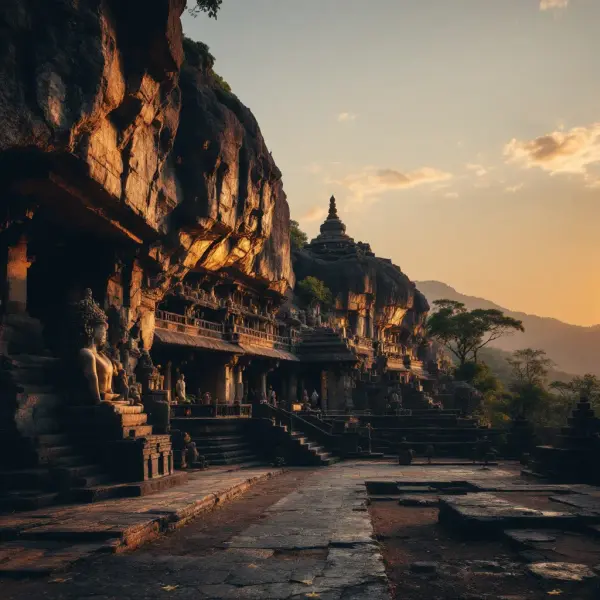
The top things to do in Dambulla, Sri Lanka center on two World Heritage sites within 12 miles of each other. Climb 600 steps to the Dambulla Cave Temple's five caverns featuring 153 Buddha statues. Then hike 200 meters up the Sigiriya Rock Fortress, a 5th-century palace towering 660 feet above the jungle. Both offer stunning sunrise views from their summits.
1. Dambulla Cave Temple
Step into a sprawling cave network packed with over 150 Buddha statues and vivid murals stretching across every ceiling. You will walk barefoot through five candlelit chambers filled with the scent of incense and centuries of devotion.
Quick facts: Over 80 cave shrines are carved into the rock face, but only five main caves are open to the public. The site has been a pilgrimage destination for over 2,000 years, making it one of the oldest and most continuously used cave temple complexes in the world.
Highlights: Nearly 1,500 ceiling paintings cover the cave roofs, with some sections still showing vivid colors from natural pigments applied hundreds of years ago. One cave contains a 14-meter-long reclining Buddha carved directly from the rock, with a wooden pillow shaped to hold a relic.
2. Pidurangala Rock
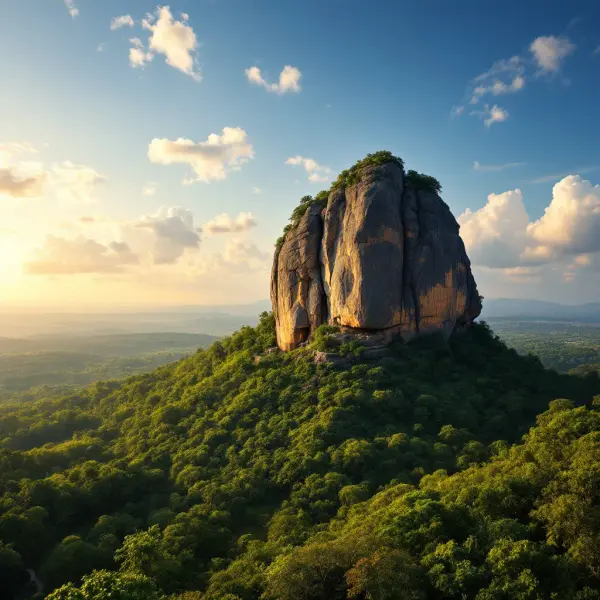
Skip the crowds at Sigiriya for a climb that's wilder, cheaper, and gives you an even better view of it. You'll scramble over boulders, squeeze through a cave, and top out on a massive flat summit with 360-degree jungle views.
Quick facts: Rising 200 meters above the surrounding jungle, this massive granite outcrop was once part of the same rock formation as Sigiriya before centuries of erosion split them apart. Monks lived in caves on this hill for over 2,000 years, and a 3rd century BCE Buddhist monastery still has visible inscriptions and meditation platforms carved into the stone.
Highlights: At the summit, you get a view of Sigiriya that's actually better than standing on Sigiriya itself: the entire ancient fortress sits a kilometer away like a perfect miniature. Locals say the sunrise here turns the entire landscape shades of molten gold and deep violet, with mist pooling between the two rocks like a lake of clouds.
3. Dambulla Museum
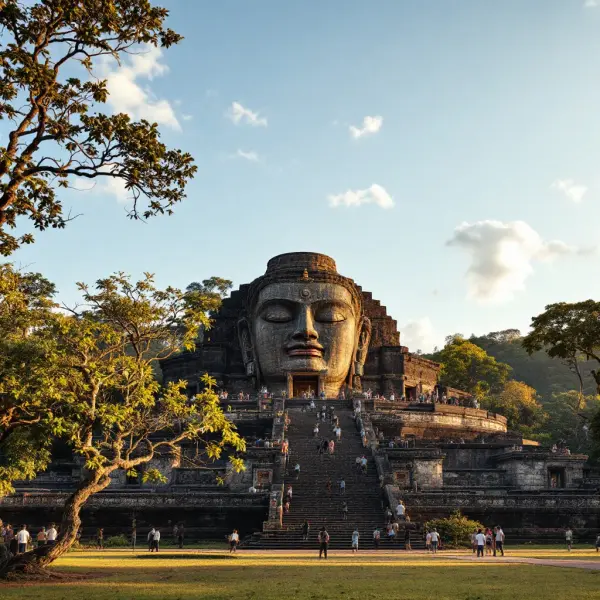
Nowhere else will you find 2,000 vintage radios crammed into one passionate, dusty collection. Twist a few knobs, hear static pop, and watch Sri Lanka's broadcast history glow through glass tubes.
Quick facts: Tucked inside the Dambulla Economic Centre's upper floor, this quirky museum showcases over 2,000 vintage transistor radios from the 1950s through the 1980s. A single family's four-decade collection fills the glass cabinets, spinning everything from Japanese Sony models to Soviet-made devices.
Highlights: One shelf holds a 1960s Philips radio that still crackles to life, playing Sinhala station broadcasts just as it did during Sri Lanka's independence era. The collection's centerpiece is a rare 1958 Grundig model with a turntable lid, one of fewer than 200 ever produced in West Germany.
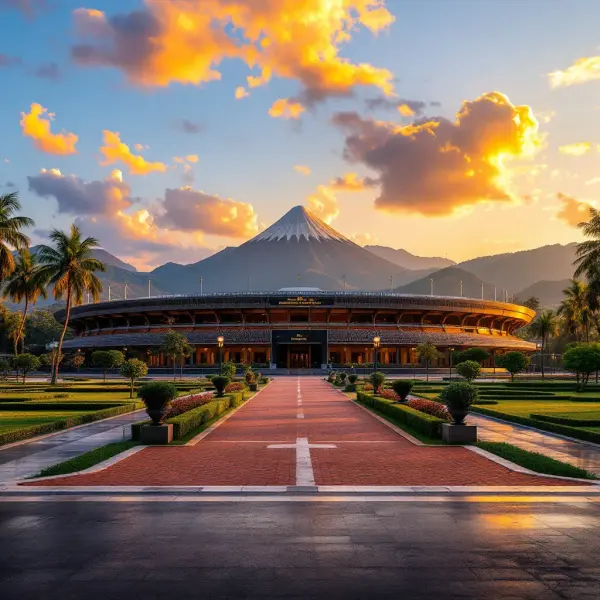
4. Rangiri Dambulla International Stadium
Watch international cricket with a 2,000-year-old fortress looming behind the sight screen. The roar of the crowd and the crack of the bat echo off the surrounding jungle canopy.
Quick facts: During the 2010 Asia Cup final, 22,000 fans packed every inch of this stadium making it feel like the stands would burst at the seams. The ground sits on a dry lake bed, which means afternoon matches often come with a shimmering heat haze dancing across the outfield.
Highlights: Before sunrise, the towering rock fortress of Sigiriya appears to float right behind the northern pavilion, creating one of the most surreal cricket backdrops on earth. Ground staff say the closest seats to the boundary are barely 55 meters from the pitch, close enough that you can hear the batsmen calling for a run.
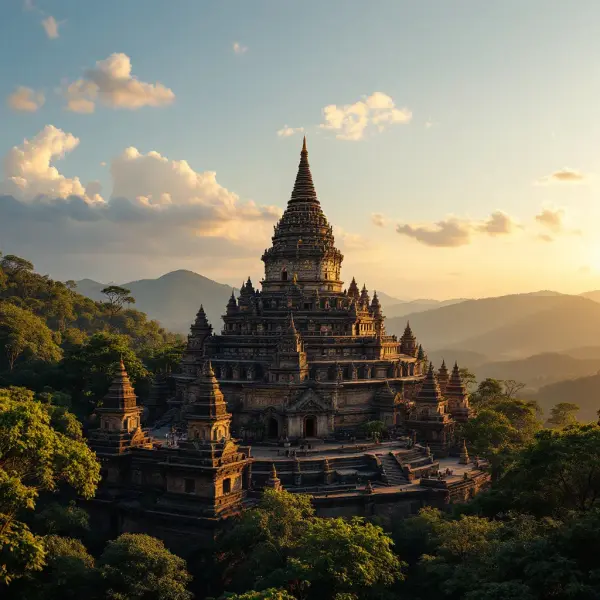
5. Jathika Namal Uyana
Nowhere else in Sri Lanka can you walk through an ancient ironwood forest and then climb a pink quartz mountain in the same afternoon. Feel the cool shade of rare endemic trees, then watch the valley light up in golden hues from the summit.
Quick facts: Home to Sri Lanka's largest ironwood forest, this sprawling 3,000-acre park preserves rare endemic trees that have stood for centuries. The name translates to "National Rosewood Garden," though the real showstopper is the towering pink quartz mountain that glows at sunrise.
Highlights: The pink quartz mountain here is one of the largest such deposits in Asia, a 600-million-year-old geological wonder that shifts from soft rose to deep coral as the sun moves across the sky. Visitors can walk right up to the exposed quartz face and touch the warm, glittering stone that feels almost otherworldly under your fingers.
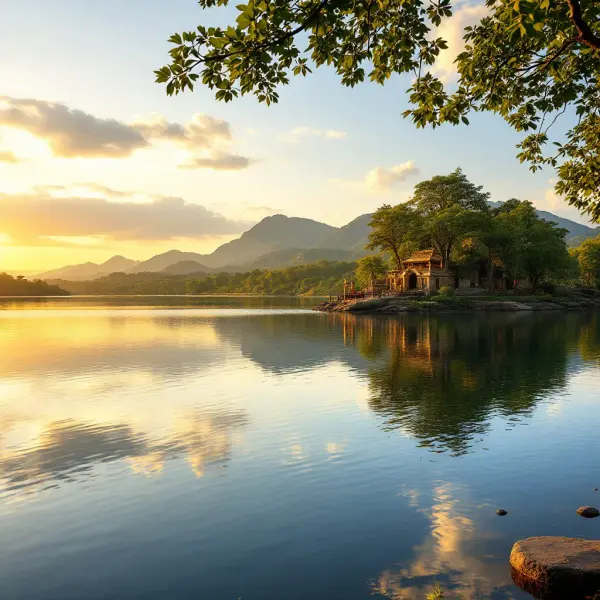
6. Kandalama Lake
A shimmering freshwater lake where wildlife comes to drink right before your eyes. Watch elephants bathe at sunset while painted storks and cormorants roost in the surrounding treetops.
Quick facts: Fed entirely by rainwater and underground springs, this lake swells and shrinks dramatically between wet and dry seasons. Its placid waters host over 200 species of birds and serve as a vital watering hole for elephants, crocodiles, and sambar deer throughout the year.
Highlights: During the dry season, the receding waters reveal a 2,000-year-old forest of petrified tree stumps standing like silent sentinels from a submerged ancient landscape. Local fishermen still paddle traditional outrigger canoes at dawn and dusk, their silhouettes creating reflections that shift with every ripple.
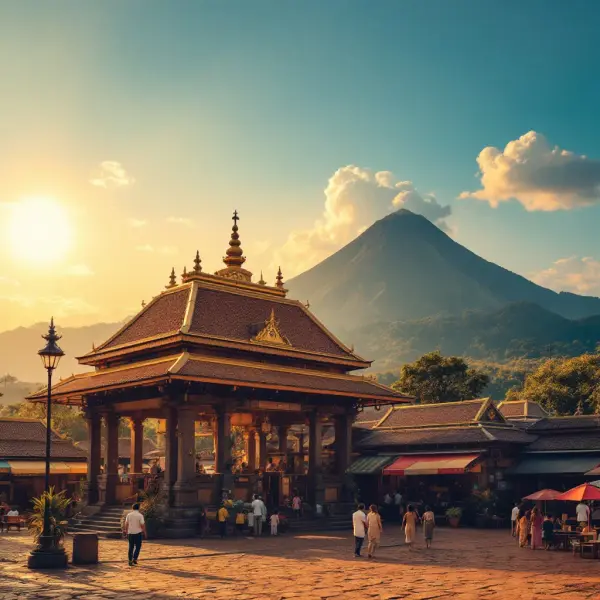
7. Dambulla Market
The beating heart of Sri Lanka's produce trade, where thousands of farmers and middlemen move tons of fruit before sunrise. Wander endless alleys stacked with mangoes, king coconuts, and spices while deals are shouted across scales.
Quick facts: Over 500 vendors pack this cavernous wholesale and retail market daily, supplying nearly all the fresh produce for Sri Lanka's Central Province. The market's strategic position along the A9 highway makes it a natural crossroads where farmers from the dry zone meet distributors heading to Kandy and Colombo.
Highlights: Walk past the dried fish aisle and you'll hit the chili room, where 30 varieties of dried chilies form shocking red mountains that sting your eyes and throat from 10 meters away. Elderly Sinhalese women in sarongs sit cross-legged sorting heaps of hibiscus into two grades by hand, a sorting method unchanged for generations.
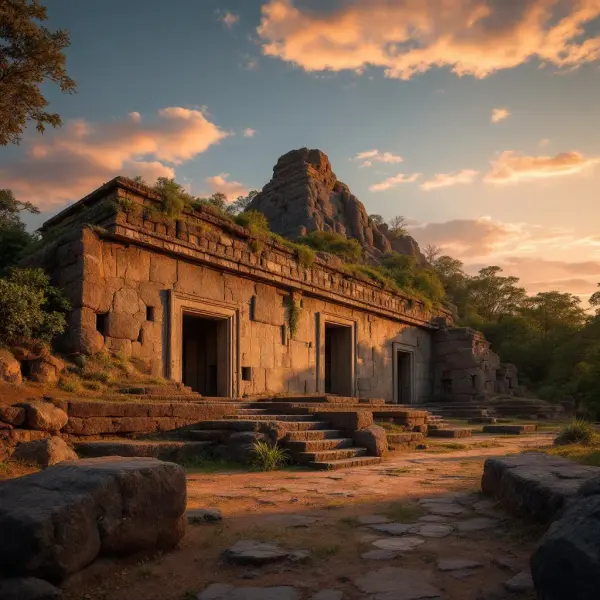
8. Ibbankatuwa Megalithic Site
Stand among 2,000-year-old stone circles that predate Sri Lanka's medieval kingdoms. You'll walk through an active excavation site where ancient burial chambers lie exposed, surrounded by wild scrub forest.
Quick facts: Scientists have unearthed over 40 burial chambers at this ancient cemetery, each carefully arranged in circular clusters across the dry zone landscape. Carbon dating places these stone circle graves between the 5th and 2nd centuries BCE, making them older than most of Sri Lanka's famous cave temples.
Highlights: Each burial urn here holds cremated remains alongside tiny clay offerings, personal ornaments, and iron implements that hint at what the deceased valued in life. Archaeologists discovered one chamber containing the skeleton of a dog buried deliberately with its owner, suggesting these prehistoric communities shared deep bonds with their animals.
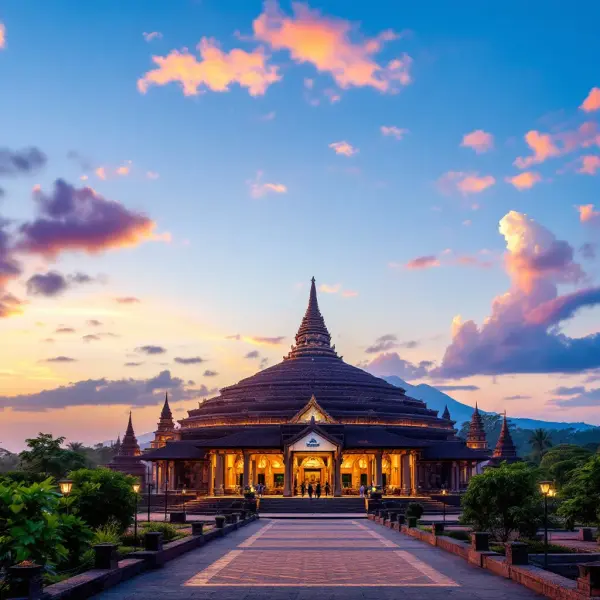
9. Dambulla Economic Centre
Experience the raw energy of Sri Lanka's largest produce market where half a million kilos of fruit and veg change hands daily. Walk through mountains of bananas, king coconuts, and chilies as vendors shout prices and haggle in the chaos before sunrise.
Quick facts: Over 2,000 vendors gather here daily, moving roughly 500 tons of fresh produce before noon. The vegetable auction alone handles nearly 200 varieties, making this one of the largest distribution hubs in the country.
Highlights: Watch the banana auction where bundles change hands every few seconds, prices shouted in rapid Sinhala while workers stack pyramids of green plantains. The king coconut section runs entirely on trust, farmers leaving piles of fruit with handwritten price tags and returning hours later to collect payment.
Where to Stay in Dambulla, Sri Lanka
Selected by City Buddy based on guest reviews and proximity to top attractions
Search all hotels in Dambulla, Sri LankaPowered by agoda
Traditional Sweet Dishes
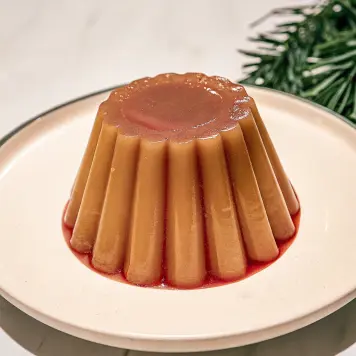
Kiri Toffee
Kiri Toffee is a beloved Sri Lankan sweet made by slowly simmering condensed milk and sugar until it thickens and caramelizes. It gets its name from "kiri" meaning milk in Sinhalese, and this chewy, fudge-like confection is a popular homemade treat across the island.
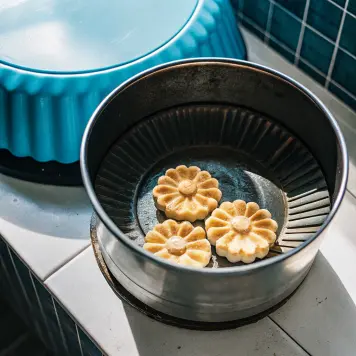
Kavum
Kavum is a traditional deep-fried oil cake made from rice flour and treacle, often shaped like a flower or star. It is a staple during the Sinhala and Tamil New Year celebrations and gets its signature spongy texture from careful fermentation of the batter overnight.
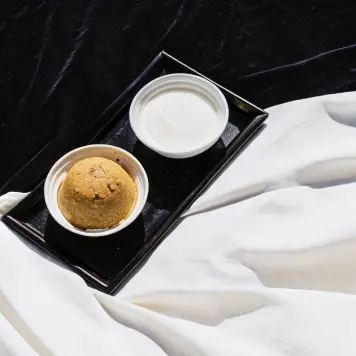
Watalappan
Watalappan is a rich, steamed coconut custard pudding flavored with jaggery, cardamom, and nutmeg. This dessert shows strong Malay influence in Sri Lankan cuisine and is especially popular during festive occasions and Ramadan celebrations.
Traditional Savory Dishes
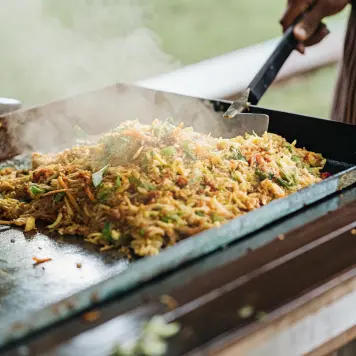
Kottu Roti
Kottu Roti is one of Sri Lanka's most iconic street foods, made by chopping and stir-frying shredded godhamba roti with vegetables, egg, and meat on a hot griddle. The rhythmic clanging of the metal blades chopping the roti is a signature sound of Sri Lankan street food stalls.
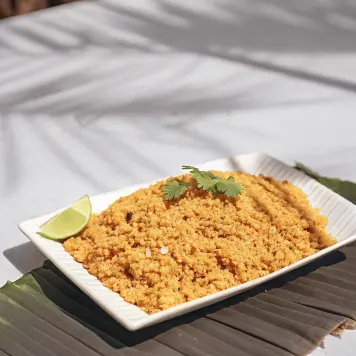
Pol Sambol
Pol Sambol is a fiery coconut relish made with freshly grated coconut, chili powder, lime juice, and Maldive fish. It is served alongside nearly every Sri Lankan meal, adding a burst of heat and texture that perfectly complements rice and curry.
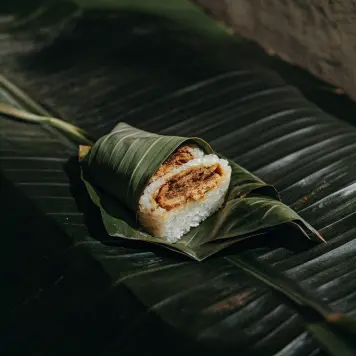
Lamprais
Lamprais is a Dutch Burgher inheritance featuring rice, meat curry, sambols, and frikkadels wrapped in a banana leaf and baked. The banana leaf imparts a unique aroma and flavor, and the name comes from the Dutch word "lomprijst" meaning a packet of food.
Traditional Beverages
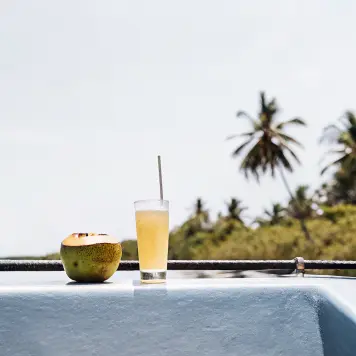
King Coconut Water
King Coconut water, known as "thambili" in Sinhala, is the bright orange coconut variety abundant around Dambulla. Unlike regular green coconuts, king coconut water is naturally sweeter and packed with electrolytes, making it a perfect natural refreshment in Sri Lanka's tropical heat.
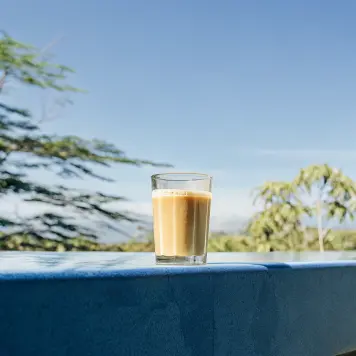
Ceylon Tea
Ceylon tea, particularly the Dimbula variety grown in the highlands near Dambulla, is world-famous for its bright color and crisp, refreshing flavor. Sri Lanka is one of the largest tea exporters in the world, and tea is an integral part of daily life, often served with milk and sugar.
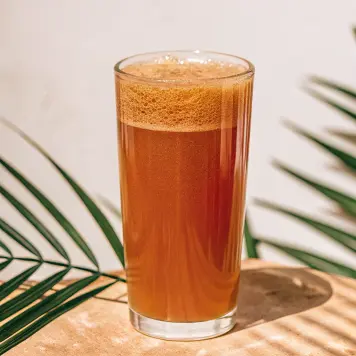
Wood Apple Juice
Wood apple juice is made from the brown, hard-shelled fruit of the wood apple tree, which has a unique sweet and tangy flavor. The pulp is mixed with water, sugar, and a pinch of salt to create a refreshing drink that is especially popular in the dry zone regions around Dambulla.
Frequently Asked Questions about Dambulla, Sri Lanka
Is Dambulla, Sri Lanka safe?
How many days in Dambulla, Sri Lanka?
Best time to visit Dambulla, Sri Lanka?
Is Dambulla, Sri Lanka expensive?
How to get around Dambulla, Sri Lanka?
Get a PDF with the most popular attractions sent to your email
Get a PDF with all attractions, ratings, and tips. Perfect for offline use.
Most popular day trips
Sigiriya Rock Fortress
Ancient rock fortress with stunning views and frescoes.
Polonnaruwa Ancient City
UNESCO World Heritage site with well preserved ruins.
Minneriya National Park
Famous for large herds of wild elephants during dry season.
Anuradhapura Sacred City
Ancient capital with sacred Bo tree and massive dagobas.
Getting there
Airports
Train stations
Main Line connecting Colombo to northern Sri Lanka
Main Line, closer to Sigiriya area
From Colombo airport, take a private taxi or bus (approx 3.5 hours). Trains from Colombo to Habarane station then a short tuk-tuk ride.
Find flights to Dambulla, Sri Lanka
Click to get eSim for Dambulla, Sri Lanka
The easiest and most affordable way to get mobile internet wherever you travel.
Comments (6)
Wish we had stayed more than one night. The cave temple was incredible but the town itself has a really chill vibe we didn't expect.
The climb up to the cave temple is no joke in the heat. Bring water and go before 9am or after 4pm. Also keep your shoes in a bag, monkeys will grab them.
Skip the main road curry places and walk toward the lake. There is a family run joint with no sign but amazing rice and curry for cheap.
Food was surprisingly good. Found a tiny place near the bus stand that did amazing kottu roti for like 300 rupees. Way better than hotel restaurants.
Honestly found it a bit boring after the second day. Temple is cool but everything else closes early and not much nightlife.