 CityBuddy
 English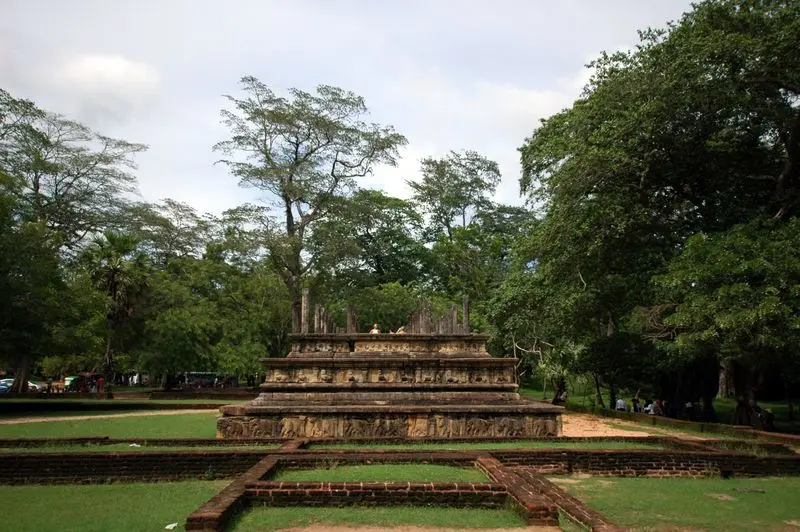
Things to Do in Polonnaruwa, Sri Lanka
Photo made by Alfred Franz on Pexels.com
When to visit
Plan your perfect trip to Polonnaruwa, Sri Lanka
Get a complete travel plan built just for you in under 30 seconds, with daily routes, local food tips, budget estimates and more.
Are any of these especially important to you?
Select all that apply
Plan language: EnglishMost popular attractions in Polonnaruwa, Sri Lanka
When looking for things to do in Polonnaruwa, Sri Lanka, the first thought goes to the ancient sacred city. Admire the Gal Vihara, where four imposing Buddha statues, up to 7 meters tall, are carved into the granite rock. Visit the Parakrama Samudra, a 12th century artificial lake that stretches for 22 kilometers. The Polonnaruwa Vatadage instead houses four seated Buddhas around a circular stupa, a perfect example of Sinhalese sacred architecture.
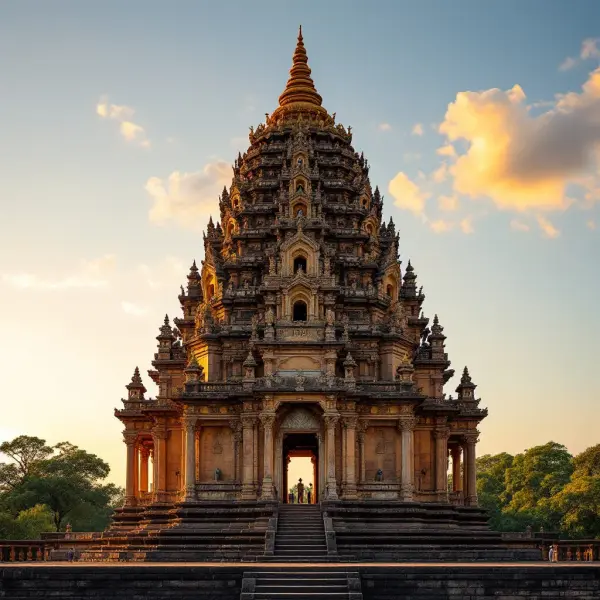
1. Gal Vihara
Four colossal Buddhas carved into a single granite cliff under the open sky. You will walk along the rock, looking up at stone expressions that still seem to breathe with life.
Quick facts: Here four Buddha statues were carved directly into the granite wall. The most impressive is a 14-meter long reclining Buddha representing the passage to nirvana.
Highlights: The 4.6-meter seated statue holds its arms crossed over its chest in a unique gesture not found on any other Buddha in Sri Lanka. Modern pilgrims still stop in silence before the standing Buddha, touching the rock smoothed by a thousand years of devotional gestures.
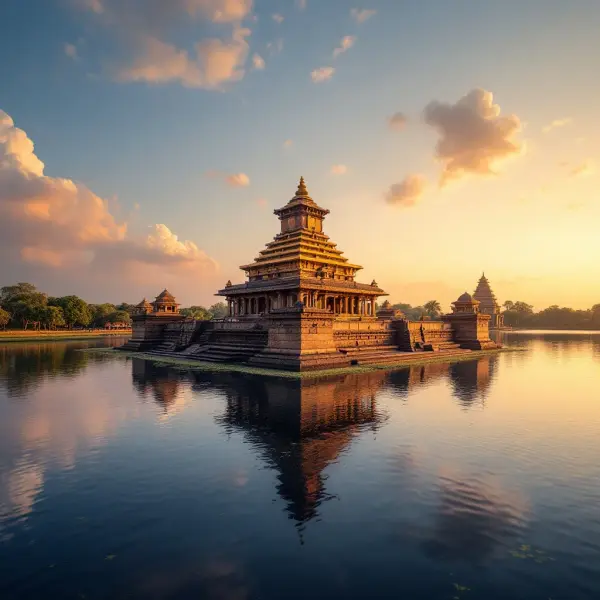
2. Parakrama Samudra
A 12th-century artificial lake that still sustains entire communities today. Walk along the thousand-year-old embankment and watch fishermen, water birds, and the sun painting the water gold.
Quick facts: With a surface area of 5,800 hectares, it is one of the largest artificial reservoirs of antiquity. King Parakramabahu had it built in the 12th century, proclaiming that "no drop of water received from the rain should go to the sea without being useful to man."
Highlights: The retaining wall stretches for over 14 kilometers, a structure that still regulates water flow to rice paddies and villages today. At sunset, the reflection of the fiery sky on the calm waters blends with the silhouettes of the ancient ruins mirrored on the surface.
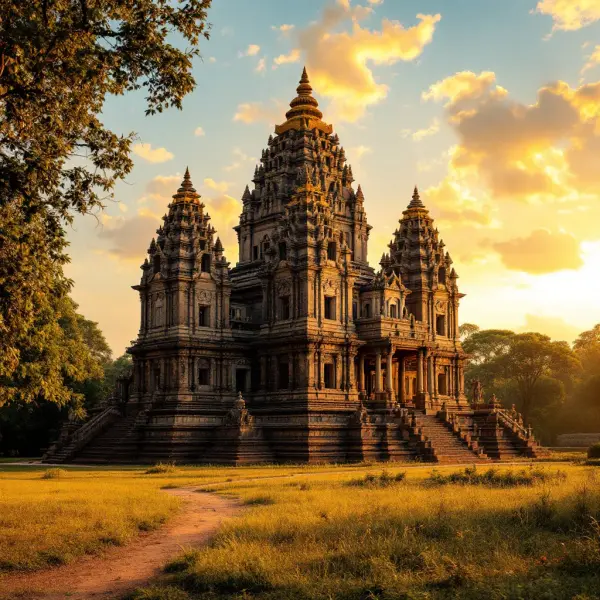
3. Polonnaruwa Vatadage
Enter the perfect circle of the best-preserved round temple in Sri Lanka. You will feel the silence among stone columns that guarded the island's most sacred relic for centuries.
Quick facts: These circular brick walls once guarded Sri Lanka's most sacred treasure: the relic of the Buddha's tooth. Four splendid carved entrances, each facing a cardinal point, lead to the small central stupa that rises at the center of this 12th-century structure.
Highlights: Look closely at the three bands of intricate carvings on the lowest platform: each layer tells a different story, with elephants, lions, and dancing dwarfs chiseled into the stone. The moonstone (sandakada pahana) at the northern entrance is considered the finest example of Sinhalese sculptural art, with its five concentric rows of flames, animals, and lotus flowers.
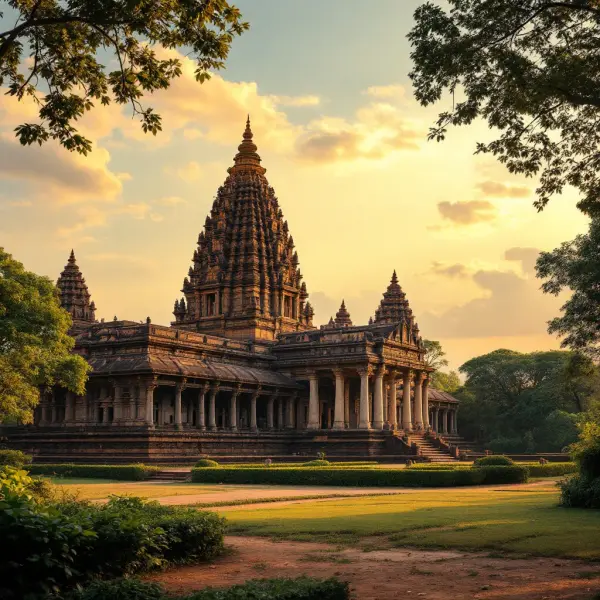
4. Lankatilaka Temple
Among the ruins of Polonnaruwa, this multi-story temple defies time with its brick walls standing 17 meters high. You will walk among ancient frescoes and ceremonial halls, imagining the pilgrims who for centuries walked the same steps.
Quick facts: Its walls rise to 17 meters, an impressive height for a 12th-century temple. Archaeologists have discovered that the original Buddha statue was over 4 meters tall; today only its feet remain.
Highlights: Unlike other stone temples, its side walls were built of red brick, an architectural anomaly that makes it almost unique among the ruins of Polonnaruwa. Climbing to the top floor, where the Buddha statue once stood, you enjoy a breathtaking view of the surrounding jungle that makes you understand why this place held such powerful sacred significance.
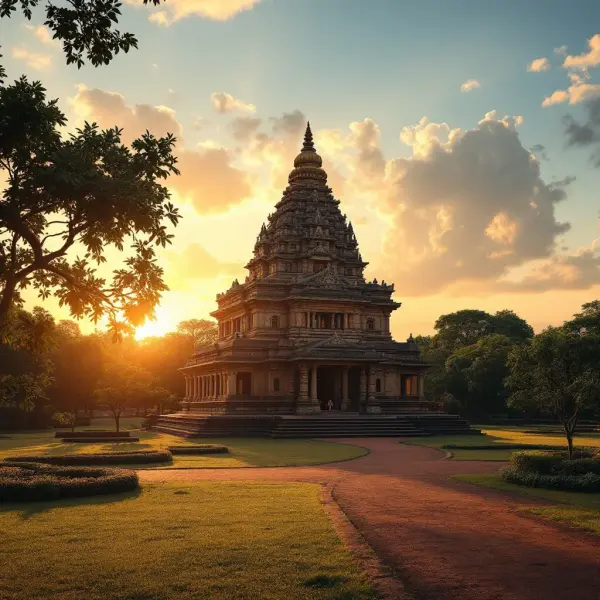
5. Thuparama Image House
A Buddhist temple unlike any other, with three imposing Buddha statues still wrapped in an aura of mystery. Enter the dim light and let yourself be surprised by the details of the original frescoes that withstand time.
Quick facts: Called the "House of Images," it houses some of the most impressive standing Buddha statues in Polonnaruwa, over 3 meters high. The interior walls preserve fragments of original 12th-century frescoes, still visible despite centuries of exposure to the elements.
Highlights: Unlike the other open temples, here you walk in an enclosed space that amplifies the echo of footsteps, creating an almost hypnotic atmosphere. The statues are not aligned as one would expect: one is slightly turned toward the entrance, as if welcoming those who enter with a sideways glance.
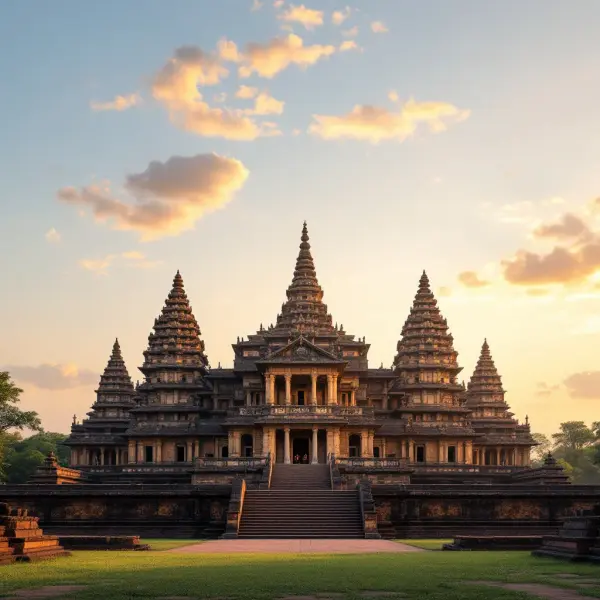
6. Royal Palace of King Parakramabahu
A royal palace that once rose seven stories high in the heart of ancient Polonnaruwa. Stroll among the ruins of an empire and imagine 12th-century court life.
Quick facts: Built with 12 million bricks, this palace was once the most imposing royal residence in Southeast Asia. The original structure rose seven stories, although today only the first three levels of majestic walls remain.
Highlights: Walking among these walls means entering a site that in the 12th century contained over a thousand rooms. The walls still preserve traces of colored plaster and holes for wooden beams, details that tell of the incredible engineering of the Sinhalese builders.
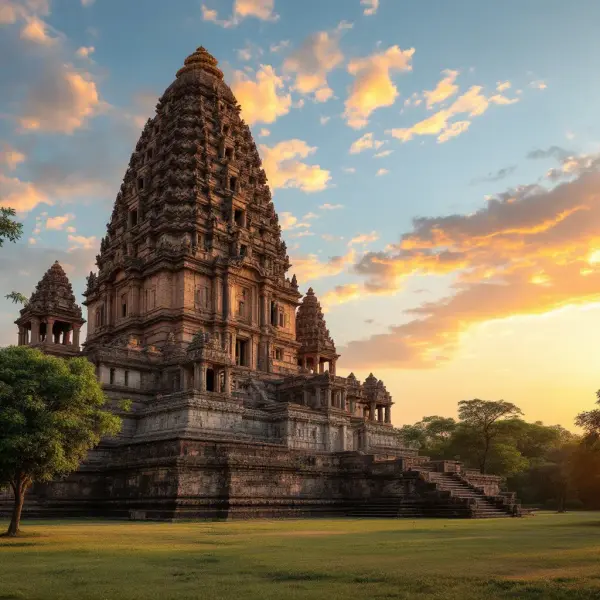
7. Kiri Vehera
One of the best-preserved stupas of ancient Sri Lanka, still alive between faith and history. You will smell the lotus flowers and the sound of Tibetan bells carried by the wind.
Quick facts: Every day hundreds of Buddhist devotees arrive with lotus flowers to honor this 30-meter high stupa. It dates back to the 12th century and is part of Sri Lanka's cultural triangle, yet today it is still a very active place of worship.
Highlights: If you sit on the east side of the stupa at dawn, the sun rises exactly behind the white dome, creating a golden glow that lasts barely four minutes. Locals call this moment "the awakening of the stupa" and many arrive in silence to meditate during those instants.
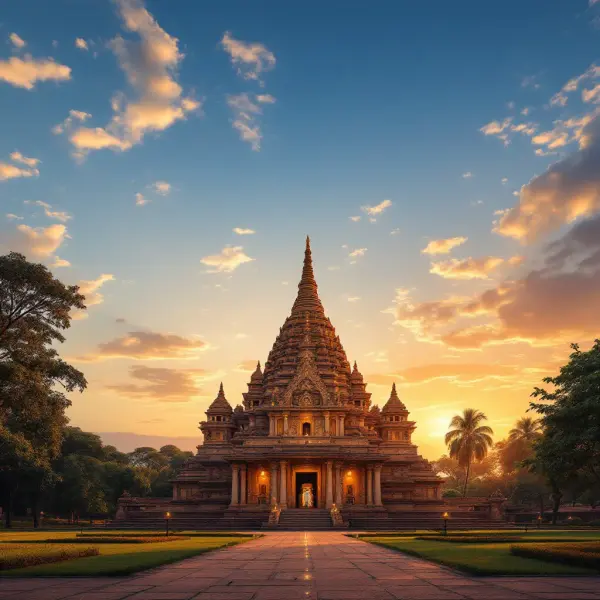
8. Sathmahal Prasada
The only seven-story tower in all of Sri Lanka, a stone enigma that tourists often overlook. Climb the worn steps and discover an architectural masterpiece with no roof nor windows, alive under the sun of Polonnaruwa.
Quick facts: Climb to the seventh floor and you will still see the holes for the wooden beams that once supported the floors, a true stone skeleton open to the sky. No one knows for sure who built it: perhaps King Parakramabahu, perhaps Chinese merchants, perhaps a forgotten Hindu temple.
Highlights: Unlike the other structures of Polonnaruwa, this seven-story tower has a pyramidal shape unique in Sri Lanka, almost like a Chinese pagoda grown in Sinhalese soil. Try standing at the center of the north side: from there the entire structure aligns perfectly with the summer solstice sunrise, an astronomical alignment that few visitors notice.
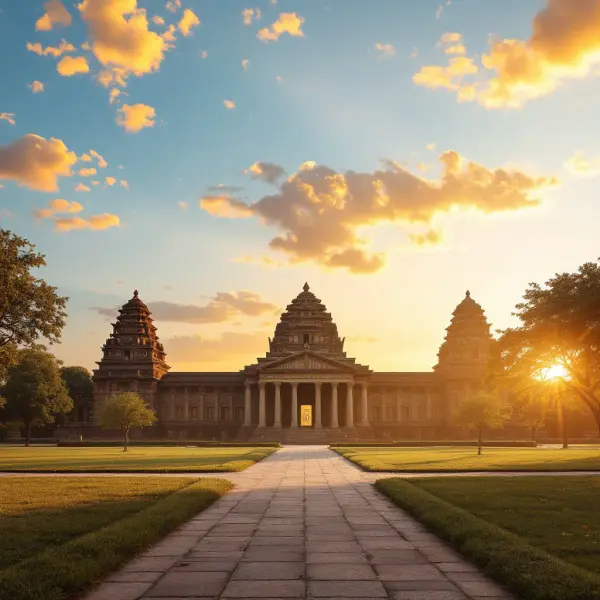
9. Polonnaruwa Archaeological Museum
A journey into the second medieval capital of Sri Lanka comes to life among thousand-year-old statues and golden objects. You will walk among stone inscriptions 900 years old and jewels that still smell of history.
Quick facts: Housed within the ancient royal palace, the museum gathers over 800 artifacts from the sacred city of Polonnaruwa. Its halls hold limestone Buddha statues and one of the most complete collections of medieval Sinhalese coins in Sri Lanka.
Highlights: Few know that here lies one of the most striking bronze statues of the dancing god Shiva, found intact among the ruins of a Hindu temple. The details carved into the hand gestures and the serene expression on the face still seem alive, as if the cosmic dance had stopped just an instant ago.
Where to Stay in Polonnaruwa, Sri Lanka
Selected by City Buddy based on guest reviews and proximity to top attractions
Search all hotels in Polonnaruwa, Sri LankaPowered by agoda
Traditional Sweet Dishes
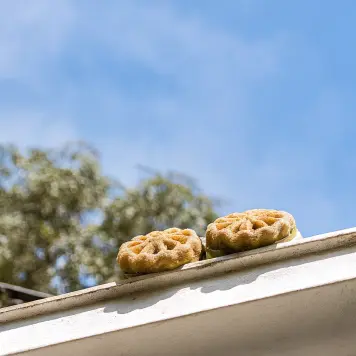
Kavum
Kavum is a deep fried oil cake made from rice flour and treacle. It is traditionally prepared during the Sinhalese and Tamil New Year and its shape is said to resemble a lotus flower.
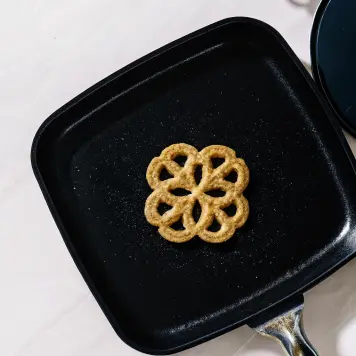
Kokis
Kokis is a crispy, layered, deep fried sweet snack made from rice flour and coconut milk. Its beautiful flower-like pattern is created by using a special metal mold dipped in batter and fried in oil.
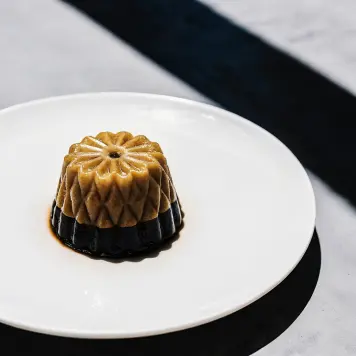
Aluwa
Aluwa is a diamond shaped sweet confection made from roasted rice flour and treacle or sugar. It is often flavored with cardamom and has a hard, brittle texture that melts in your mouth.
Traditional Savory Dishes
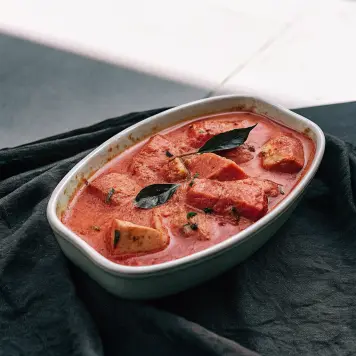
Polos Curry
Polos curry is a tender young jackfruit curry cooked in coconut milk and spices. In Polonnaruwa, jackfruit trees have been cultivated since ancient times and this dish has been enjoyed for over a thousand years.
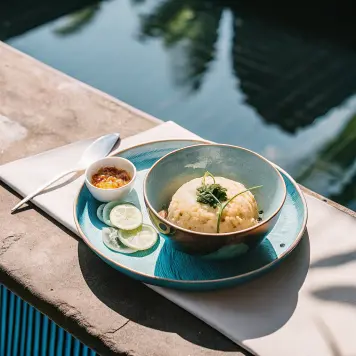
Kiri Bath
Kiri Bath is creamy coconut milk rice, often served with lunu miris (a spicy onion and chili relish). It is considered an auspicious dish in Sri Lankan culture and is commonly prepared for ceremonies and special occasions.
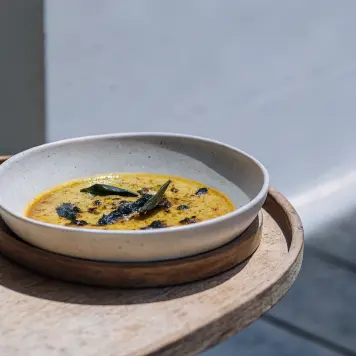
Dhal Curry (Parippu)
Parippu is a staple red lentil curry cooked with coconut milk, turmeric, and pandan leaves. It is a daily essential in Sri Lankan meals and the version from the Polonnaruwa region often uses locally grown coconuts for extra richness.
Traditional Beverages
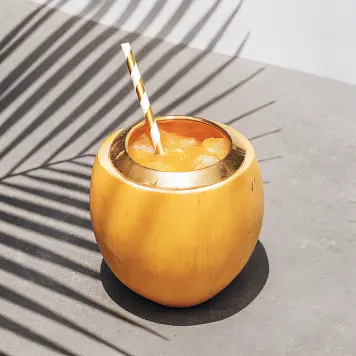
King Coconut Water (Thambili)
Thambili is the refreshing juice of the golden king coconut, which is native to Sri Lanka. Unlike regular coconuts, the king coconut is bright orange and its water is naturally sweet and rich in electrolytes.

Ceylon Tea
While most famous in the hill country, Ceylon tea is enjoyed throughout Sri Lanka including Polonnaruwa. A traditional method involves brewing the tea with fresh ginger and a stick of cinnamon for a warming, aromatic drink.
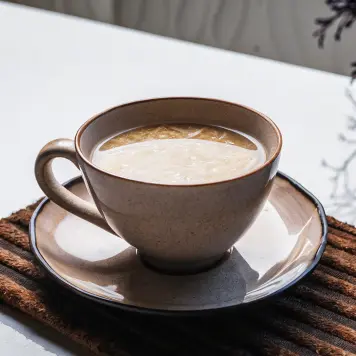
Ranawara Tea
Ranawara is a traditional herbal tea made from the flowers of the Cassia auriculata plant. It has been used for centuries in Sri Lanka as a natural remedy for cooling the body and supporting kidney health.
Frequently Asked Questions about Polonnaruwa, Sri Lanka
Is Polonnaruwa, Sri Lanka safe?
How many days are needed to visit Polonnaruwa, Sri Lanka?
What is the best time to visit Polonnaruwa, Sri Lanka?
Is Polonnaruwa, Sri Lanka expensive?
How do you get around Polonnaruwa, Sri Lanka?
Get a PDF with the most popular attractions sent to your email
Get a PDF with all attractions, ratings, and tips. Perfect for offline use.
Most popular day trips
Sigiriya Rock Fortress
Ancient rock fortress and UNESCO World Heritage Site with frescoes and lion gate.
Dambulla Cave Temple
Largest cave temple complex in Sri Lanka with stunning Buddha statues and murals.
Anuradhapura
Ancient capital and sacred city with massive dagobas and sacred Bodhi tree.
Minneriya National Park
Famous for large elephant gatherings during dry season and diverse wildlife.
Getting there
Train stations
Main Line connecting Colombo, Kandy, and Batticaloa
Nearby station on the Main Line
From Colombo airport, take a taxi or bus to Colombo Fort station, then train to Polonnaruwa (5-6 hours). Alternatively hire a private car.
Find flights to Polonnaruwa, Sri Lanka
Click to get eSim for Polonnaruwa, Sri Lanka
The easiest and most affordable way to get mobile internet wherever you travel.
Comments (10)
The food stalls near the museum entrance are overpriced. Walk toward the main road junction and eat where the tuk tuk drivers eat. Half the cost.
Went in November and the weather was perfect. Not too hot, some clouds. Got great photos without sweating through my shirt.
Bring cash, the ATM at the entrance was broken when I went. Had to pay the driver in Sri Lankan rupees and barely had enough left for entry fees.
Got bitten by mosquitoes like crazy near the water. Don't skip repellent even if you think you're fine. Learned that the hard way.
Rent a bicycle at the entrance not an e-bike. You will thank me later when you see the prices. Cycling through the ruins is an experience itself.