 CityBuddy
 Polski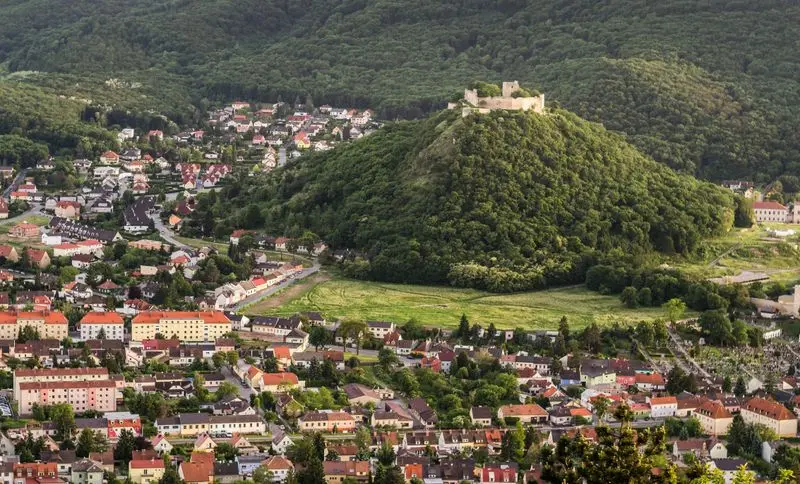
Co robić w Hainburg an der Donau, Austria
Zdjęcie wykonane przez Karol Czinege na Pexels.com
Kiedy odwiedzić
Kiedy jedziesz do Hainburg an der Donau, Austria?
Wybierz daty i styl podróży, aby otrzymać:
Czy coś z tego jest dla Ciebie szczególnie ważne?
Wybierz wszystkie, które pasują
Plan language: PolskiNajpopularniejsze atrakcje w Hainburg an der Donau, Austria
Jeśli szukasz atrakcji w Hainburg an der Donau w Austrii, zacznij od XIII-wiecznego zamku Burg Hainburg, fortecy na wzgórzu z widokiem na dolinę Dunaju. Przejdź przez średniowieczną bramę Wiener Tor, a następnie wejdź po 222 schodach wieży widokowej Haymburgwarte, aby podziwiać panoramiczny widok na region Wachau.
1. Burg Hainburg
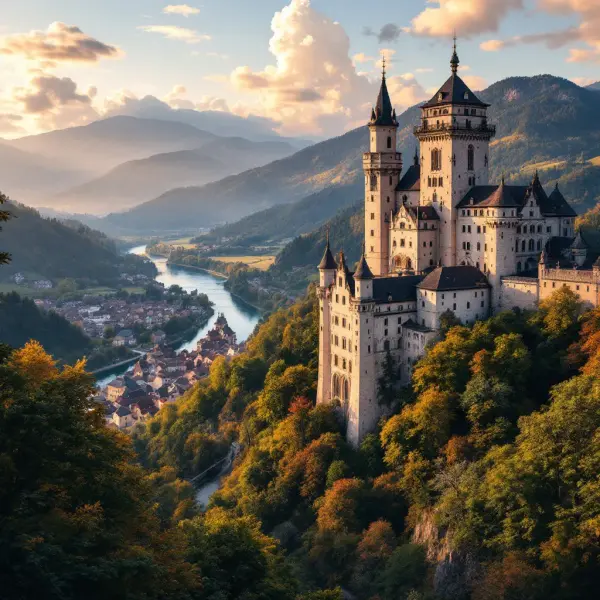
Climb Austria's longest medieval defensive wall for jaw dropping Danube views across three countries. Walk the same battlements where guards once watched for approaching armies.
Szybkie fakty: Perched on a hill above the Danube, this medieval fortress boasts the longest surviving defensive wall in Austria at 250 meters. Its 12th century keep survived multiple sieges and offers 360 degree views across three countries on clear days.
Najważniejsze atrakcje: Unlike most restored castles, the tower interior remains deliberately raw: rough stone walls, worn spiral stairs, and original medieval torch holders. You can stand in the same guard room where soldiers scanned the river for approaching armies over 800 years ago.
2. Wiener Tor
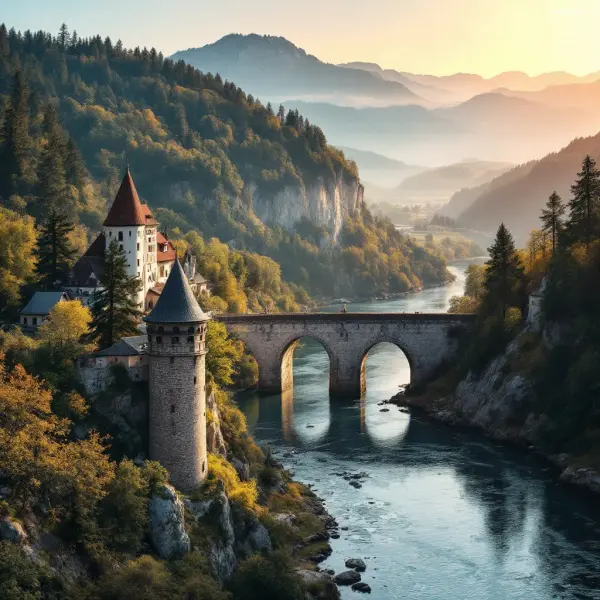
Stand where medieval soldiers once watched for approaching armies along the Danube. Climb the winding stone staircase for a sweeping panorama over Austria, Slovakia, and Hungary all at once.
Szybkie fakty: Two stone towers crown a hilltop overlooking the Danube River and Slovakian border. The 13th-century fortification once guarded the eastern edge of the Holy Roman Empire.
Najważniejsze atrakcje: Three heavy iron cannonballs from the 1683 Ottoman siege still stick out of the south tower's outer wall. Visitors can run their fingers over the impact craters, feeling the same dents left by artillery fire over 340 years ago.
3. Braunsberg
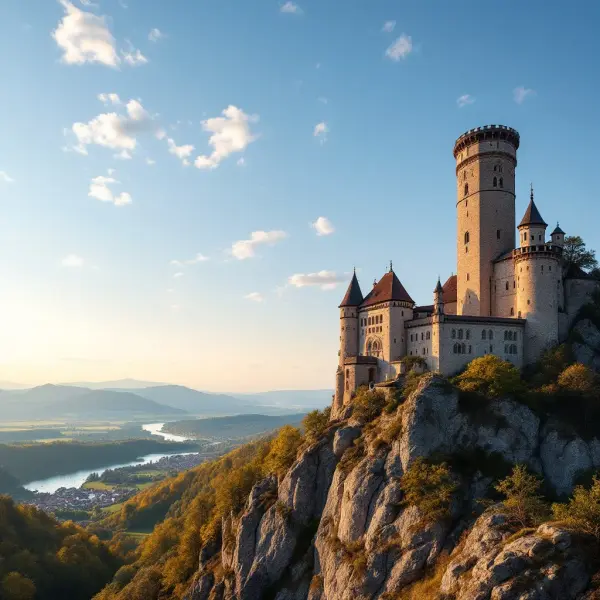
Braunsberg rewards you with one of Central Europe's best three-country viewpoints after a short uphill walk. Follow the trail through wildflower meadows and beech forests to reach the medieval fortress ruins at the summit.
Szybkie fakty: Wejście na szczyt średniowiecznej wieży po 443 stopniach nagradza panoramą widokową na miejsce, gdzie spotykają się trzy kraje: Austria, Słowacja i Węgry. Mury twierdzy rozciągają się na ponad 500 metrów i zostały zbudowane z wapienia wydobytego w kamieniołomie oddalonym o 8 kilometrów.
Najważniejsze atrakcje: Twierdza nigdy nie została zdobyta w walce, dlatego jej oryginalna gotycka architektura pozostała niezwykle nienaruszona. Wewnątrz wieży wciąż można zobaczyć średniowieczne graffiti wydrapane w kamiennych ścianach przez znudzonych strażników z XV wieku.
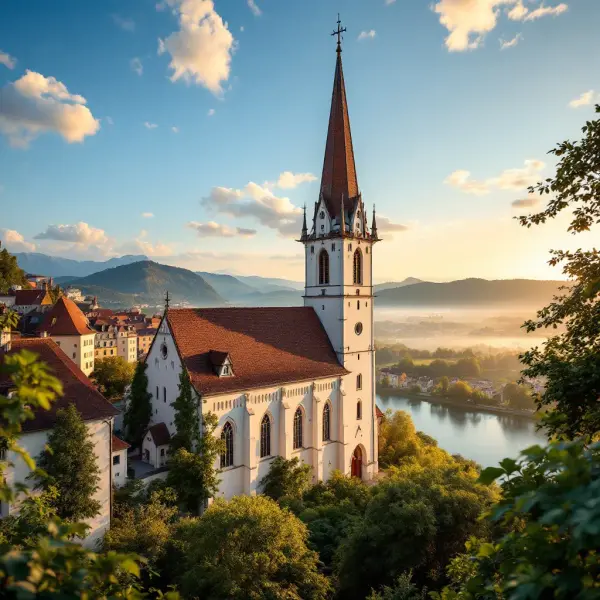
4. Pfarrkirche Hainburg
Step inside a Gothic masterpiece where medieval stone carvers left their secrets in every pillar. You will stand beneath towering ribbed vaults and discover wooden choir stalls with 700-year-old hidden scenes.
Szybkie fakty: Kościół góruje nad Hainburgiem dzięki swojej 86-metrowej wieży, widocznej z kilometrów wzdłuż Dunaju. Jego fundamenty położono w XIII wieku, w okresie, gdy Hainburg służył jako kluczowa twierdza graniczna dynastii Babenbergów.
Najważniejsze atrakcje: W stallach chóru wykutych jest 42 unikalnych siedzeń misericordia, każde przedstawiające inną średniowieczną scenę z życia codziennego, od zbiorów winogron po muzyków grających na dudach. Te drewniane rzeźby przetrwały oblężenia tureckie i wojny napoleońskie, co czyni je jednym z najlepiej zachowanych zestawów tego typu w Austrii.
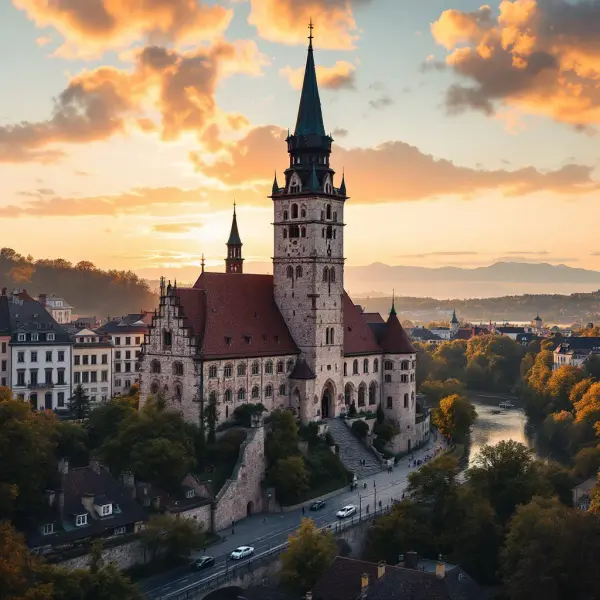
5. Stadtmuseum Hainburg
Step inside a 300-year-old monastery turned time capsule of regional life. You'll wander from prehistoric tools to a full 19th-century grocer's shop, all under vaulted stone ceilings.
Szybkie fakty: The museum occupies a former Franciscan monastery built around 1700, complete with a preserved cloister courtyard. Its collections span over 20,000 objects, from Celtic artifacts found on nearby Mount Braunsberg to exhibits about the 1683 Ottoman siege.
Najważniejsze atrakcje: One entire room recreates a 1920s Hainburg pharmacy with original walnut cabinets, glass-stoppered jars, and hand-labeled remedy bottles still fragrant with dried herbs. A darkened corner displays the "Hainburg Venus," a 5,000-year-old clay fertility figurine discovered during local construction work.
Where to Stay in Hainburg an der Donau, Austria
Selected by City Buddy based on guest reviews and proximity to top attractions
Search all hotels in Hainburg an der Donau, AustriaPowered by agoda
Tradycyjne słodkie potrawy
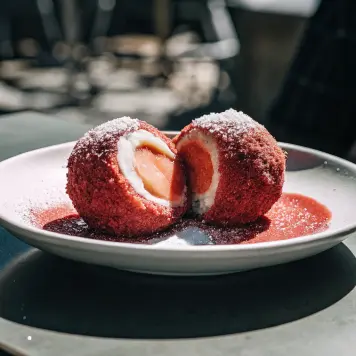
Marillenknödel
These apricot dumplings are a famous Austrian dessert from the Danube region. The apricots are wrapped in potato dough, boiled, and rolled in buttered breadcrumbs and powdered sugar.
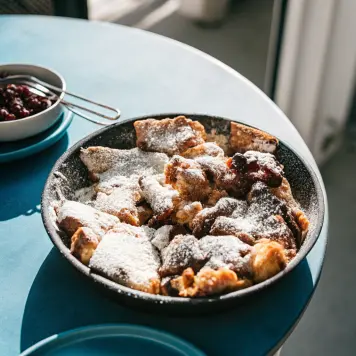
Kaiserschmarrn
This shredded caramelized pancake was supposedly named after Emperor Franz Joseph I, who loved it as a simple yet elegant dessert. It is often served with plum compote or apple sauce.

Topfenstrudel
Unlike the famous apple strudel, this version features a creamy quark cheese filling with raisins and lemon zest. Hainburg's location along the Danube made it a crossroads for this beloved pastry tradition.
Tradycyjne słone potrawy

Wiener Schnitzel
Though named after Vienna, this breaded and fried veal cutlet is beloved throughout Lower Austria, including Hainburg. The city's location near the Slovakian border means local versions sometimes include a slight Hungarian paprika twist.

Schweinsbraten mit Knödel
This classic roast pork with crispy crackling and bread dumplings is a Sunday staple in Hainburg. The local beer from the region is often used to deglaze the roasting pan for a rich, flavorful gravy.
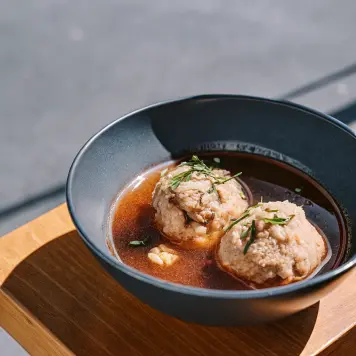
Leberknödelsuppe
This clear beef broth with liver dumplings is a traditional starter across Austrian taverns. In Hainburg, the dumplings are often made with a hint of marjoram and served with chives on top.
Tradycyjne napoje

Melange
This classic Viennese coffee drink, made with espresso and steamed milk topped with milk foam, is a daily ritual in Hainburg's cafés. It is traditionally served with a small glass of water on the side.
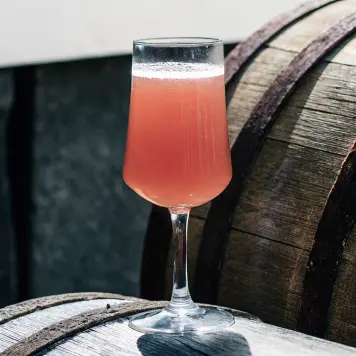
Sturm
Sturm is a partially fermented young wine enjoyed in autumn throughout the wine regions of Lower Austria near Hainburg. It is lightly fizzy, sweet, and only available for a few weeks each year during grape harvest season.

Almdudler
Often called Austria's national soft drink, this herbal lemonade is made from Alpine mountain herbs. It was created in 1957 and remains a beloved non-alcoholic refreshment in Hainburg and across the country.
Frequently Asked Questions about Hainburg an der Donau, Austria
Czy Hainburg an der Donau w Austrii jest bezpieczne?
Ile dni spędzić w Hainburg an der Donau w Austrii?
Kiedy najlepiej odwiedzić Hainburg an der Donau w Austrii?
Czy Hainburg an der Donau w Austrii jest drogie?
Jak poruszać się po Hainburg an der Donau w Austrii?
Wyślij PDF z najpopularniejszymi atrakcjami na swój e-mail
Otrzymaj PDF ze wszystkimi atrakcjami, ocenami i wskazówkami. Idealne do użytku offline.
Najpopularniejsze wycieczki jednodniowe
Vienna
Austria's imperial capital with palaces, museums, and coffee houses
Devín Castle
Ruins of a historic castle at the confluence of Danube and Morava rivers
Carnuntum Archaeological Park
Open-air museum showcasing ancient Roman city ruins
Bratislava Forest Park
Large nature reserve with hiking trails and panoramic views
Rent a car in Hainburg an der Donau, Austria
Jak dojechać
Stacje kolejowe
Regional rail lines to Vienna and Bratislava
Main hub with connections to all major Austrian cities and international routes
From Vienna Airport, take the S-Bahn or Railjet to Wien Hauptbahnhof, then transfer to a regional train to Hainburg.
Znajdź loty do Hainburg an der Donau, Austria
Kliknij, aby uzyskać eSim dla Hainburg an der Donau, Austria
Najprostszy i najtańszy sposób na dostęp do internetu mobilnego gdziekolwiek podróżujesz.
Komentarze (8)
The Danube bike path goes right through here. Perfect spot to stop for a coffee if you're cycling Vienna to Bratislava.
Really charming old town with the castle ruins up top. Stayed one night and that felt enough for most people.
Honestly kind of sleepy. Beautiful streets but not much going on after 5pm unless you're there for a hike.
Weather was drizzly and gray when I went in October. I bet it's gorgeous in spring with the hills all green.
Had lunch at a little cafe near the Rathaus. Prices were surprisingly fair for Austria. Goulash was solid.