 CityBuddy
 Polski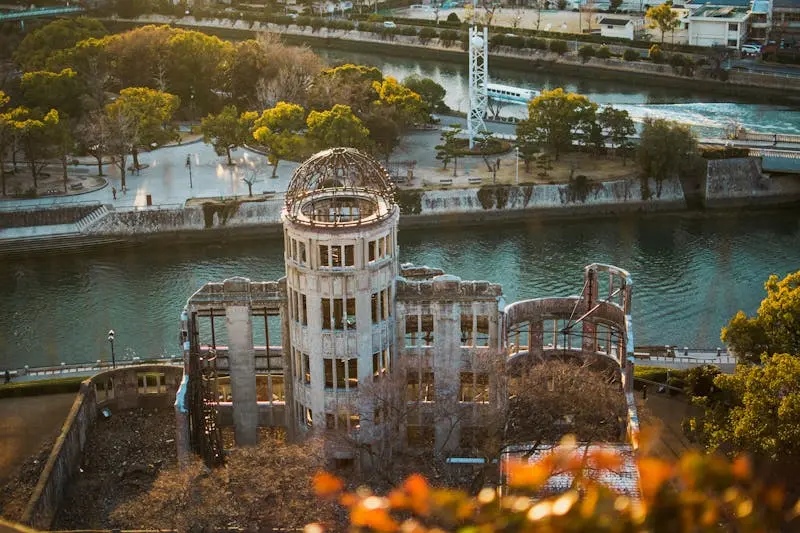
Co robić w Hiroshima, Japan
Zdjęcie wykonane przez Hoi Wai na Pexels.com
Kiedy odwiedzić
Hiroshima jest #12 najbezpieczniejsze miasto na świecie na podstawie naszych danych z setek miejsc docelowych.
Najpopularniejsze atrakcje w Hiroshima, Japan
Rzeczy do zrobienia w Hiroszimie w Japonii obejmują wizytę w Kopule Bomby Atomowej, przejmującym przypomnieniu oddalonym zaledwie 2 km od centrum miasta. Zwiedź Muzeum Pamięci Pokoju w Hiroszimie, aby poznać ważną lekcję historii. Przejdź się po Parku Pamięci Pokoju, spokojnej przestrzeni o powierzchni 120 000 metrów kwadratowych, upamiętniającej odporność i nadzieję.
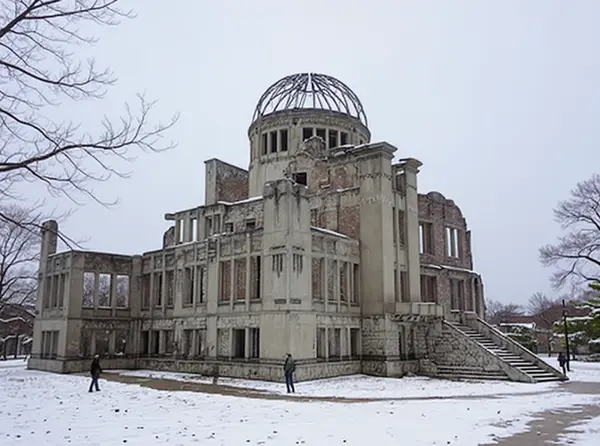
1. Atomic Bomb Dome
Potężny pomnik wojennych zniszczeń i ludzkiej odporności. Przejdź się wśród zachowanych ruin, czytaj tablice i poczuj uroczystą atmosferę.
Szybkie fakty: Szczątki budowli zdobią nadrzeczny park, odsłonięta cegła i powykręcana stal rysują na tle nieba dziwną, cichą sylwetę. Odwiedzający często zatrzymują się w milczeniu, gdy światło słoneczne przenika przez popękane okna, a gołębie gniazdują wśród żelaznych elementów, oferując zaskakująco spokojny kontrast z ciężką przeszłością tego miejsca.
Najważniejsze atrakcje: W pobliżu tradycja przyciąga dzieci z całego świata, które co roku składają ponad 50 000 papierowych żurawi, wiele z wypisanymi imionami i krótkimi modlitwami, które falują na wietrze. Ciepłe pomarańczowe światło wlewa się przez potłuczone okna, zamieniając pęknięte szkło w maleńkie lustra, podczas gdy cichy szum rzeki i odległe kroki sprawiają, że miejsce to wydaje się dziwnie żywe.
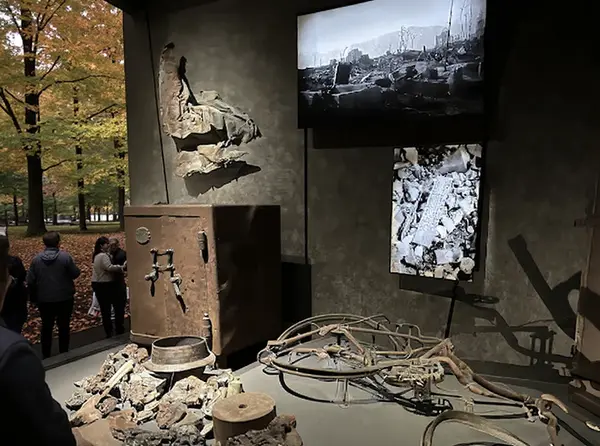
2. Hiroshima Peace Memorial Museum
Potężne muzeum dokumentujące bombardowanie atomowe w 1945 roku i promujące pokój. Zobacz oryginalne artefakty, świadectwa ocalałych i starannie dobrane eksponaty.
Szybkie fakty: Wewnątrz ekspozycji przedmioty osobiste, takie jak zwęglone ubrania, wygięte koło roweru i stopiony zegarek, który zatrzymał się o 8:15, uwydatniają ludzki wymiar wybuchu. Audioprzewodniki i relacje naocznych świadków dostępne są w kilku językach, a wielu odwiedzających zauważa ciszę panującą w galeriach, przez którą zwykłe miejskie odgłosy wydają się potem zaskakująco bliskie.
Najważniejsze atrakcje: Eksponat honoruje Sadako Sasaki, prezentując zachowany sznur tysiąca origami, a grupy szkolne i odwiedzający zostawiają na zewnątrz dziesiątki tysięcy więcej, spiętych w kolorowe wiązki układające się jak konfetti. Czując delikatny zapach kadzidła i widząc, jak błyszczący papier łapie światło, można odczytać drobne odręczne imiona i daty na niektórych żurawiach, co stanowi namacalną, trwającą odpowiedź na ludzkie historie kryjące się za eksponatami.
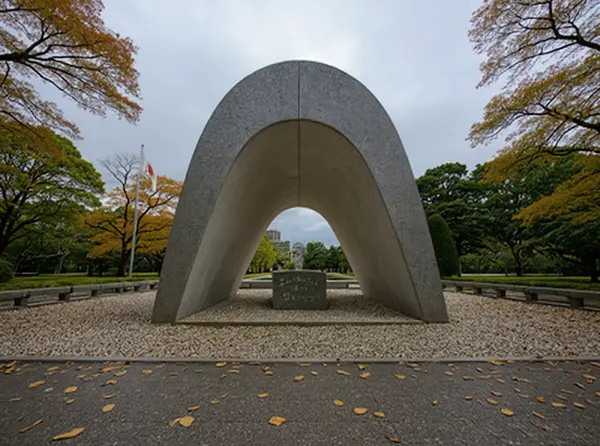
3. Peace Memorial Park
Potężny plenerowy pomnik dokumentujący historię i odporność Hiroszimy. Spaceruj spokojnymi ścieżkami, zobacz Kopułę Bomby Atomowej, cenotaf i poruszające wystawy muzealne.
Szybkie fakty: Szkieletowa kopuła w ruinie wznosi się wśród drzew miłorzębu, zachowana jako uderzająca, cicha sylwetka po wybuchu. Odwiedzający spacerują zadrzewionymi alejkami obok zakrzywionego kamiennego cenotafu i rzeki, dostrzegając dziesiątki posągów oraz płomień utrzymywany jako symboliczna obietnica przeciwko broni jądrowej.
Najważniejsze atrakcje: Brązowy posąg małej dziewczynki owinięty jest kolorowymi papierowymi żurawiami, co nawiązuje do historii Sadako Sasaki, która chciała złożyć 1000 papierowych żurawi jako wyraz nadziei na wyzdrowienie. Wokół cichego płomienia słychać ciche syczenie i czuć zapach oleju, co są szczegółami zmysłowymi, które sprawiają, że obietnica wyeliminowania broni jądrowej wydaje się nieoczekiwanie natychmiastowa, podczas gdy paczki z żurawiami wciąż przybywają z ponad 100 krajów.
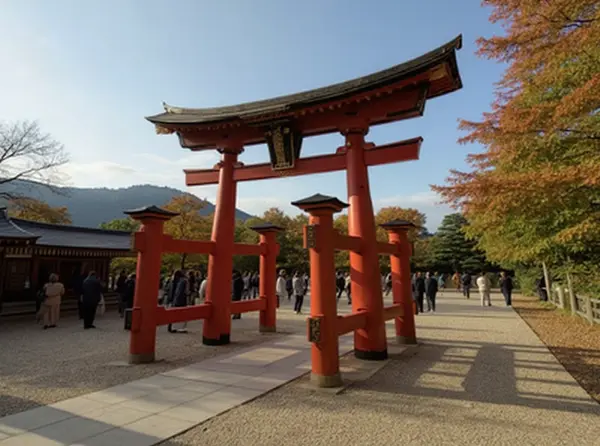
4. Itsukushima Shrine
Cynobrowa brama torii wznosząca się z morza otacza niezapomniane widoki na wybrzeże. Przejdź się po promenadach świątyni podczas zmieniających się pływów i obserwuj oswojone jelenie na wyspie.
Szybkie fakty: Żywy, szkarłatny torii wydaje się unosić na zatoce podczas przypływu, oferując idealnie skomponowane odbicie, które fotografowie gonią o wschodzie słońca. Tłumy gęstnieją podczas sezonu kwitnienia wiśni i jesiennych kolorów, ludzie stoją ramię w ramię wzdłuż brzegu, aby uchwycić odbity w wodzie zarys bramy.
Najważniejsze atrakcje: 16,6-metrowy torii zdaje się unosić, gdy poziom wody podnosi się, a podczas odpływu można przejść po mokrym piasku i stanąć pod jego rzeźbionymi filarami, podczas gdy mewy krążą nad głową. Mieszkańcy wciąż obchodzą festiwal Kangen-sai, wypuszczając dziesiątki lakierowanych łodzi, a muzycy w jedwabnych szatach grają starożytną muzykę dworską przy blasku pochodni, gdy dźwięk rozchodzi się po wodzie.
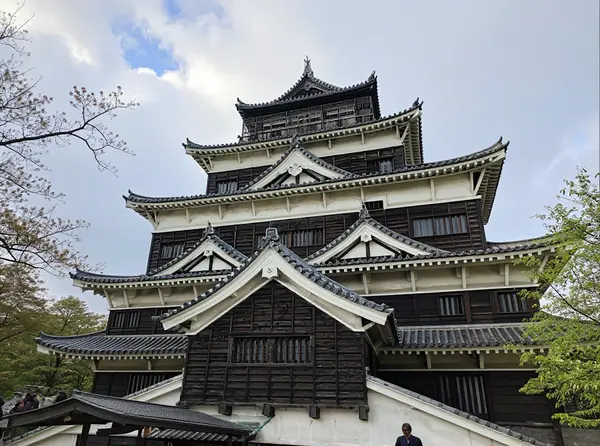
5. Hiroshima Castle
Wejdź w historię epoki samurajów w Zamku w Hiroszimie. Wdrap się na odbudowany donżon, by zobaczyć eksponaty muzealne i rozległe widoki na miasto.
Szybkie fakty: Spójrz w górę, a zobaczysz złocone ozdoby shachihoko błyszczące wzdłuż linii dachu, małe rzeźby mające odpędzać ogień. Pięciopiętrowa wieża główna mieści eksponaty zbroi samurajskiej i historyczne mapy, a fosa wraz z odbudowanymi basztami zapewnia zaskakująco fotogeniczny spacer.
Najważniejsze atrakcje: Wejdź na taras widokowy na piątym piętrze, aby podziwiać panoramę miasta, a w wyjątkowo bezchmurne dni dojrzeć miyajimskie torii około 20 kilometrów po drugiej stronie zatoki. Wstrząsające zdjęcie z 1945 roku w pobliżu wejścia uchwyciło tylko kamienną podstawę po wybuchu 6 sierpnia, a kontrast nadaje przechowywanym w muzeum zbrojom samurajskim i papierowym mapom zaskakująco intymną, ludzką skalę.
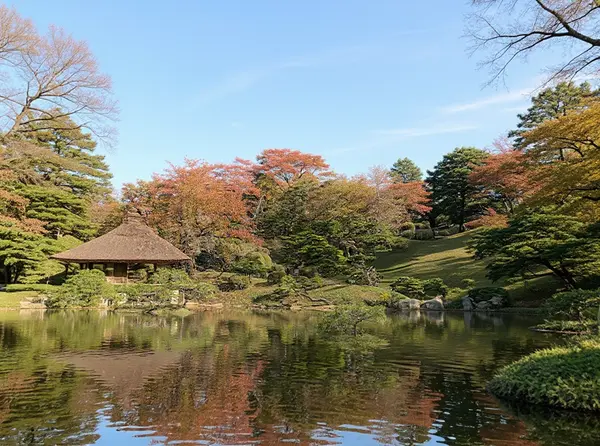
6. Shukkeien Garden
Spokojny klasyczny japoński ogród w centrum Hiroszimy, z miniaturowymi krajobrazami, domkami do herbaty i lustrzanymi stawami. Spaceruj krętymi ścieżkami, fotografuj wiśnie wiosną i klony jesienią.
Szybkie fakty: Ciche ścieżki wiją się przez miniaturowe krajobrazy, gdzie kamienne latarnie wyglądają z omszałych brzegów, a klony akcentują każdą panoramę. Sezonowe widowiska przechodzą od bladych kwiatów wiśni do ognistych klonów, podczas gdy karpie suną pod drewnianymi mostkami, które zaginają odbicia w żywe plamy tuszu.
Najważniejsze atrakcje: Przechodząc przez niską bramę, ogród zapada się w żywą dioramę, gdzie pojedynczy centralny staw otacza miniaturowe wyspy, małe mostki i przycięcia tak precyzyjne, że każde wzgórze wygląda jak pociągnięcie pędzla. We wczesnym porannym mglistym powietrzu czuć lekki zapach mokrego kamienia i zielonej herbaty, a kucając blisko, słychać ciche plaśnięcia karpich ogonów, gdy latarnie falują w wodzie.
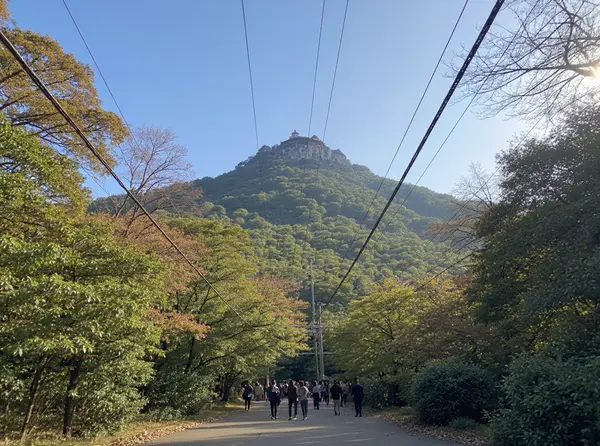
7. Mount Misen
Zapierające dech w piersiach widoki na wybrzeże i starodawne lasy cedrowe na szczycie świętej góry Miyajimy. Wybierz się pieszo lub wjedź kolejką linową do świątyń, wiecznego płomienia i rozległych widoków na Morze Wewnętrzne Seto.
Szybkie fakty: Schowany wśród starych cedrów szczyt nagradza wędrowców panoramą 360 stopni obejmującą dziesiątki małych wysp i wijących się dróg wodnych. Strome szlaki wznoszą się na około 535 metrów, a ciekawskie dzikie makaki czasem obserwują z zacienionych skał, podczas gdy wiatr pachnący sosną niesie delikatny słony zapach.
Najważniejsze atrakcje: Niewielka sala na szczycie góry przechowuje „wieczny płomień”, którego zapalenie tradycja przypisuje mnichowi Kūkai w 806 roku, a iskra z tego ognia została użyta do zapalenia pokojowego płomienia pamięci w 1964 roku. Podchodząc blisko, można poczuć ciepłe powietrze i zapach kadzidła, gdy brązowy dym unosi się wokół zniszczonych przez czas drewnianych posągów, których pielgrzymi wciąż dotykają na szczęście.
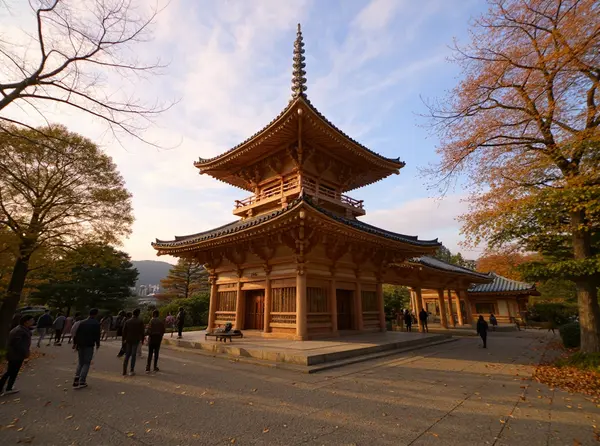
8. Hiroshima Orizuru Tower
Panoramiczne widoki na Hiroszimę plus interaktywne doświadczenie składania papierowego żurawia. Złóż własnego Orizuru na miejscu, wejdź na taras na dachu i podziwiaj Park Pokoju z góry.
Szybkie fakty: Na tarasie widokowym wysoko nad miastem rozpościerają się panoramiczne widoki, gdzie nowoczesne szkło styka się z posępną sylwetką kopuły ruiny po drugiej stronie rzeki. Odwiedzający mogą złożyć papierowego żurawia i dołożyć go do wspólnej ekspozycji, rytuału, który co roku wypełnia ściany tysiącami kolorowych origami.
Najważniejsze atrakcje: Wejdź na taras na dachu, a wiatr przyniesie odległy, metaliczny zapach rzeki, podczas gdy każdy kąt kadruje zrujnowaną kopułę niczym zatrzymane w czasie zdjęcie. Lokalni pracownicy zbierają złożone przez gości żurawie w paczki po około 1000 sztuk do comiesięcznych ekspozycji lub darowizn, co zamienia indywidualne papierowe pulsacje w długie łańcuchy kolorów i odręcznych życzeń.
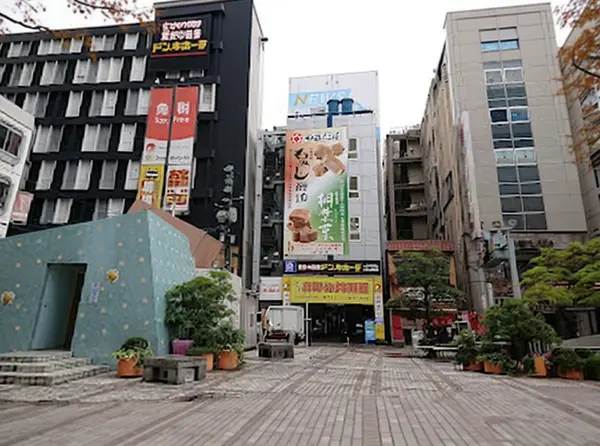
9. Okonomimura
Tętniące życiem centrum autentycznego okonomiyaki w stylu hiroszimskim i gwarnych kontuarów do jedzenia. Spróbuj licznych wariantów z różnych stoisk, obserwując kucharzy grillujących na teppanie.
Szybkie fakty: Kompaktowy budynek skrywa ponad 25 maleńkich kuchni prowadzonych przez różne stoiska, rozmieszczonych na kilku piętrach, z których każda serwuje swoją wersję warstwowego, pikantnego naleśnika. Gorące żeliwne płyty dudnią od kapusty, makaronu, ciasta i wieprzowiny, a powietrze wypełnia słodko-słony sos i majonez, gdy kucharze przewracają zamówienia jeden po drugim.
Najważniejsze atrakcje: Jedno stoisko rutynowo układa do pięciu naleśników w jednym zamówieniu, a każdy przewrót tryska parą, aromatem sezamu i wędzonym posmakiem do pomieszczenia. Stali bywalcy zapisują ulubione kombinacje na wspólnej tablicy kredowej, wymieniając podwójny sos, zawijas majonezu i dodatkowy makaron, a ty możesz wskazać nabazgraną nazwę jak „Specjalność Mamy", aby otrzymać popisowe danie kucharza.
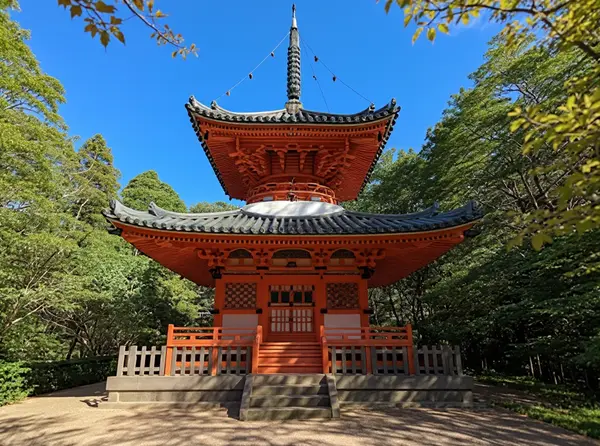
10. Mitaki-dera
Spokojna świątynia ukryta w omszałej dolinie, idealna na jesienne kolory i cichą refleksję. Przejdź się zacienionymi ścieżkami, usłysz szum wodospadów i sfotografuj kamienne Jizo oraz trójkondygnacyjną pagodę.
Szybkie fakty: Osłonięte starymi cedrami i klonami, tereny przecinają trzy iskrzące się wodospady, które tłumią hałas miasta w delikatny szum. Odwiedzający wędrują omszałymi alejkami obok wyblakłych kamiennych latarni i sezonowych kwiatów, znajdując bujne hortensje latem i ogniste klony jesienią.
Najważniejsze atrakcje: Omszała ścieżka prowadzi na wyciągnięcie ręki od głównego wodospadu, gdzie chłodna mgła, ociekające wodą kamienie i niski dźwięk świątynnych dzwonów łączą się w zaskakująco intymną atmosferę. O zmierzchu małe bursztynowe wota wstawione w kamienne latarnie rzucają drżące światło na wykute postacie Buddy, a niektórzy starsi ludzie po cichu wrzucają pojedynczą monetę do ofiarowania, gdy światło świec zbiera się na mokrym granicie.
Where to Stay in Hiroshima, Japan
Selected by City Buddy based on guest reviews and proximity to top attractions
Search all hotels in Hiroshima, JapanPowered by agoda
Dni otwarcia w Hiroshima, Japan
Które z najważniejszych atrakcji są zamknięte w poszczególne dni tygodnia. Klasyczny pogromca wycieczek, sprawdzony za Ciebie.
Dobra wiadomość: wszystkie 8 najważniejsze atrakcje ze znanymi godzinami otwarcia są otwarte każdego dnia tygodnia.
Zamknięte w poniedziałek · 0 zamkniętych, 8 otwartych
Nic nie jest zamknięte w poniedziałek. Wszystkie 8 atrakcje ze znanymi godzinami są otwarte.
Dni otwarcia z Google Maps (sprawdzone 2026-02-24). Święta, strajki i godziny sezonowe mogą się różnić. Sprawdź oficjalną stronę przed wyjazdem.
Tradycyjne słodkie potrawy
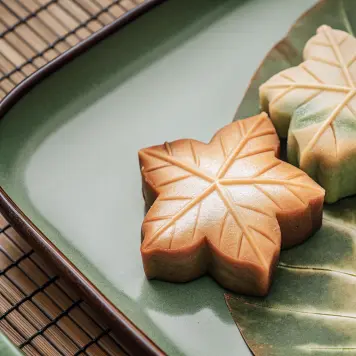
Momiji Manju
A maple-leaf-shaped cake filled with sweet red bean paste, Momiji Manju originated on Miyajima and became the region's most iconic souvenir sweet.
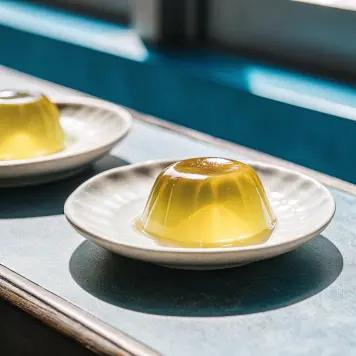
Hassaku Jelly
Made from hassaku, a tart citrus grown around Hiroshima, these jellies and candies capture the bright, tangy flavor local orchards are famous for.

Setouchi Lemon Cake
Using lemons grown on islands in the Seto Inland Sea, these light lemon cakes showcase Hiroshima's reputation for citrus and pair beautifully with tea.
Tradycyjne słone potrawy

Hiroshima-style Okonomiyaki
The Hiroshima-style pancake is layered with batter, large amounts of cabbage, pork, and often soba or udon noodles, distinguishing it from the Osaka version and making it a beloved local comfort food.
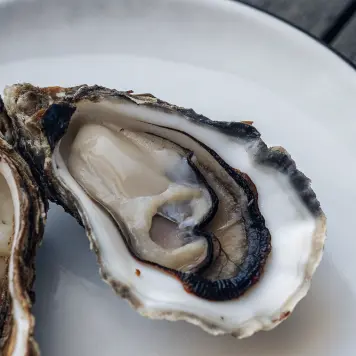
Kaki (Hiroshima Oysters)
Hiroshima produces around half of Japan's oysters, and locals enjoy them fresh, grilled, deep-fried, or simmered in nabe during the winter season.
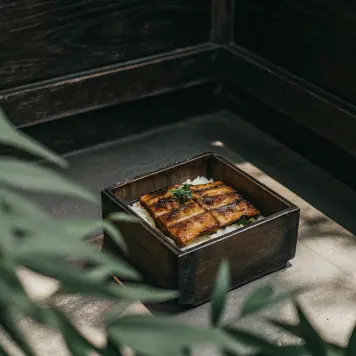
Anago Meshi
A specialty of Miyajima, anago meshi features grilled conger eel glazed with a sweet soy sauce over rice, commonly sold as a local bento and souvenir.
Tradycyjne napoje

Saijo Sake
The Saijo area in Higashihiroshima is famous for its century-old breweries and mellow, well-balanced sake, making it one of Japan's most respected sake regions.

Setouchi Lemon Chu-hai
A refreshing highball made with local Setouchi lemons and shochu, lemon chu-hai highlights Hiroshima's citrus produce and is popular in summer festivals and izakayas.
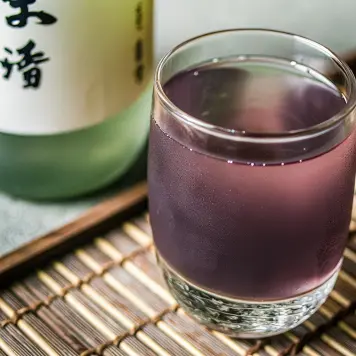
Umeshu (Plum Wine)
Homemade and locally produced umeshu are common in Hiroshima, offering a sweet, fruity liqueur traditionally served on the rocks or with soda.
Co warto wiedzieć przed wyjazdem
Ile kosztuje dzień w Hiroshima i czego unikać
Koszt na osobę dziennie
Często zadawane pytania o Hiroshima, Japan
Jaka jest najlepsza pora na wizytę w Hiroszimie w Japonii?
Czy Hiroszima w Japonii jest bezpieczna dla podróżnych?
Jak drogie jest życie lub pobyt w Hiroszimie w Japonii?
Jak poruszać się po Hiroszimie w Japonii?
Czy woda z kranu w Hiroszimie jest bezpieczna do picia?
Wyślij PDF z najpopularniejszymi atrakcjami na swój e-mail
Otrzymaj PDF ze wszystkimi atrakcjami, ocenami i wskazówkami. Idealne do użytku offline.
Najpopularniejsze wycieczki jednodniowe
Miyajima (Itsukushima)
Famous floating torii, shrine, island hikes and views.
Iwakuni (Kintaikyo Bridge)
Historic wooden bridge, castle, and riverside scenery.
Onomichi
Canal-side town, temple walks, gateway to Shimanami Kaido.
Kurashiki (Bikan Quarter)
Preserved merchant district, canals, art museums.
Himeji
Iconic UNESCO castle, well preserved feudal architecture.
Jak dojechać
Lotniska
Stacje kolejowe
Sanyo Shinkansen, JR Sanyo Line, local lines and trams
Sanyo Shinkansen, JR Sanyo Line
JR Sanyo Line, ferry access to Miyajima
From Hiroshima Airport take the airport limousine bus to Hiroshima Station, about 45 minutes.
Przydatne informacje dla Hiroshima, Japan
Przegląd dla Hiroshima, Japan
Chcesz plan dzień po dniu dla Hiroshima, Japan? Otwórz planer podróży
Kiedy jedziesz do Hiroshima, Japan?
Wybierz daty i styl podróży, aby otrzymać:
Czy coś z tego jest dla Ciebie szczególnie ważne?
Wybierz wszystkie, które pasują
Przemieszczanie się
Jak chcesz się przemieszczać między miejscami?
Język planu: Polski