 CityBuddy
 Polski
Co robić w Hokkaido, Japan
Zdjęcie wykonane przez Alexander Kovalev na Pexels.com
Kiedy odwiedzić
Hokkaido jest #3 najbezpieczniejsze miasto na świecie na podstawie naszych danych z setek miejsc docelowych.
Najpopularniejsze atrakcje w Hokkaido, Japan
Rzeczy do zrobienia na Hokkaido w Japonii łączą naturę, kulturę i przygodę. Odwiedź Zoo Asahiyama, aby z bliska zobaczyć unikalne zachowania zwierząt. Przejdź się malowniczym kanałem Otaru, wzdłuż którego stoją zabytkowe magazyny. Odkryj Park Narodowy Shiretoko, obiekt UNESCO, z surowymi wybrzeżami i różnorodną przyrodą.
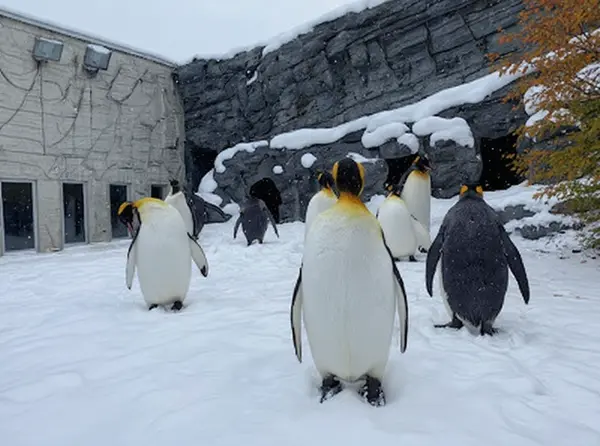
1. Asahiyama Zoo
Zachowania zwierząt z bliska w kreatywnych wybiegach sprawiają, że Zoo Asahiyama jest wyjątkowo angażujące. Obejrzyj paradę pingwinów i zajrzyj przez szklane tunele, by uzyskać intymne widoki.
Szybkie fakty: Pingwiny regularnie przechadzają się po ośnieżonej ścieżce tuż obok zwiedzających podczas żywej parady pingwinów, w której często bierze udział około 30-50 ptaków we frakach. Pochylone szklane panele i podwodne tunele zapewniają widok z pierwszej linii na foki i niedźwiedzie polarne, które ślizgają się i wykonują salta, sprawiając wrażenie bardziej morskiego teatru niż typowego wybiegu.
Najważniejsze atrakcje: Obserwuj, jak około 30 pingwinów maszeruje po odśnieżonej ścieżce, ich błoniaste stopy chrzęszczą na ubitym śniegu, podczas gdy opiekunowie prowadzą je cichymi nawoływaniami i małymi rybkami jako przysmakami. Wąskie podwodne okna widokowe pozwalają pływakom przepłynąć w odległości metra od twojej twarzy, więc możesz poczuć bryzę i zobaczyć z bliska bąbelki oraz wąsy, gdy foki i niedźwiedzie wykonują zabawne przewroty.
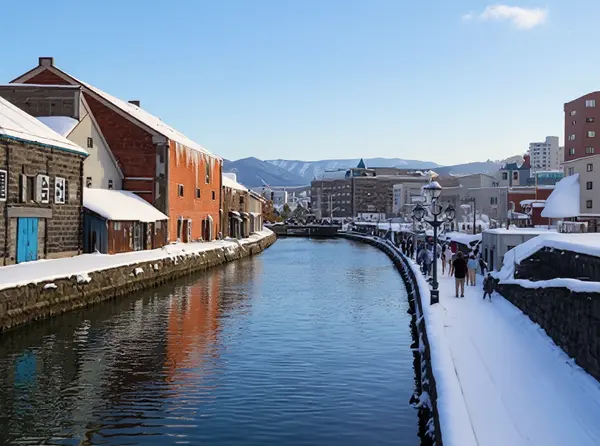
2. Otaru Canal
Nastrojowy kanał otoczony odrestaurowanymi kamiennymi magazynami i latarniami gazowymi, idealny na powolny, malowniczy spacer. Przejdź się brukowanymi ścieżkami, popłyń krótką łódką i fotografuj złote refleksy o zmierzchu.
Szybkie fakty: Poranna mgła zamienia szlak wodny w szklaną wstęgę, sprawiając, że odbicia ceglanych magazynów wyglądają jak akwarelowe obrazy, które fotografowie uwielbiają gonić. Barki towarowe niegdyś przesuwały skrzynie wzdłuż nabrzeży, a dziś brukowane deptaki mieszczą przytulne kawiarnie, pracownie szklarskie i ciąg zabytkowych lamp gazowych, między którymi można przejść w niespełna piętnaście minut.
Najważniejsze atrakcje: Bursztynowe lampy gazowe stoją wzdłuż kamiennego nabrzeża, około dwudziestu, rzucając złote smugi na wodę i zalewając twarze oraz obiektywy aparatów ciepłym światłem. Lokalny zwyczaj nakazuje grupom puszczanie małych papierowych lampionów w chłodniejsze noce, czasem wypuszczając sto lub więcej maleńkich światełek, które dryfują powoli i stukają o drewniane barki, cichy, lśniący pokaz, który prawie można usłyszeć.
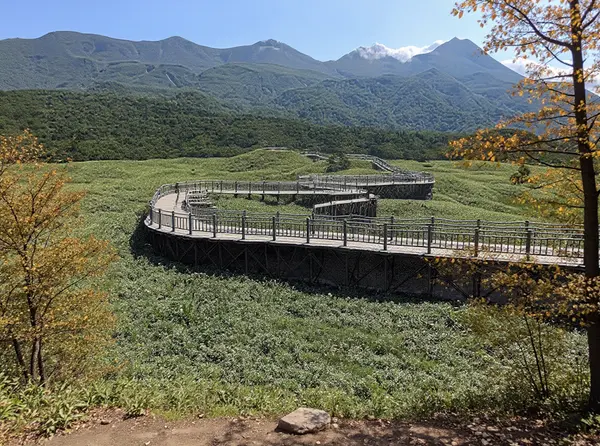
3. Shiretoko National Park
Dzika przybrzeżna pustka i bogata fauna na odległym półwyspie Shiretoko na Hokkaido. Spodziewaj się spotkań z niedźwiedziami, rejsów wśród kr lodowych, dramatycznych klifów i relaksujących gorących źródeł.
Szybkie fakty: Poszarpane klify morskie i pierwotny las są domem dla ponad 20 gatunków dużych ssaków, w tym niezwykle gęstej populacji niedźwiedzi brunatnych, którą odwiedzający czasami dostrzegają z bezpiecznych punktów widokowych. Prądy oceaniczne co zimę przynoszą dryfujący lód pakowy, zamieniając wybrzeże w pola niebiesko-białych kry, na które cierpliwie czekają fotografowie i obserwatorzy wielorybów.
Najważniejsze atrakcje: Mgła i niskie chmury często zamieniają skupisko pięciu szmaragdowych jezior w idealne lustra o świcie, a powietrze pachnie sokiem cedrowym i wilgotnym mchem pod stopami. Pokruszony lód pakowy otacza linię brzegową i tworzy scenę, na której bieliki Stellera o rozpiętości skrzydeł ponad dwóch metrów czasami pikują w odległości dziesięciu metrów od łodzi badawczych, co jest widokiem, który zadziwia nawet doświadczonych przyrodników.
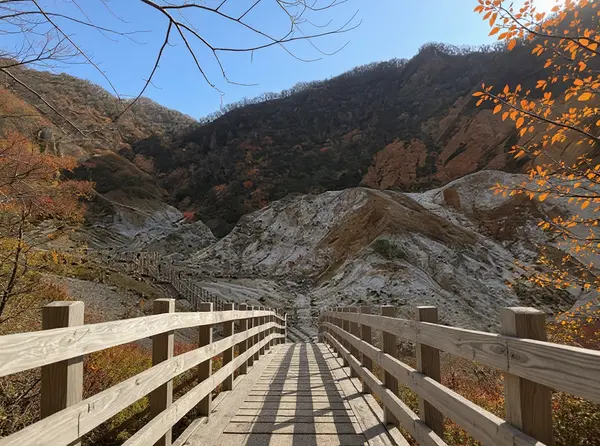
4. Noboribetsu Jigokudani (Hell Valley)
Hell Valley
Surowa energia wulkaniczna w dramatycznym krajobrazie geotermalnym Hokkaido. Przejdź się parującymi szlakami, obserwuj bulgoczące otwory i skosztuj jajek gotowanych w onsen nad rzeką.
Szybkie fakty: Para unosi się z wrzących otworów wulkanicznych i wypełnia powietrze ostrym zapachem siarki, a skaliste wąwozy i bulgoczące baseny błotne tworzą nieziemski krajobraz. Drewniane kładki wiją się nad fumarolami i gorącymi strumieniami, a w pobliżu niektórych otworów temperatura wody przekracza 100°C, więc można dosłownie poczuć ciepło unoszące się spod stóp.
Najważniejsze atrakcje: Żółte kryształy siarki i smugi tlenku żelaza barwią klify, a z wyższych punktów widokowych można dostrzec ponad dwadzieścia otworów parowych skupionych jak miniaturowe dymiące miasto. Lokalne stragany sprzedają jajka na parze ogrzewane ciepłem doliny za około 150 jenów każde, skorupki często są zabrudzone, a żółtka kremowe z delikatnym aromatem siarki, który ludzie zajadają między punktami widokowymi.
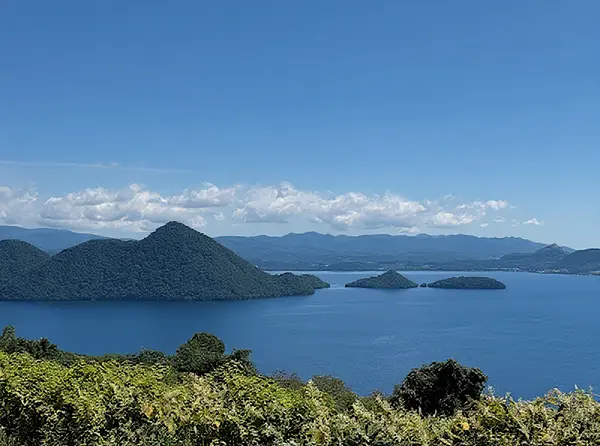
5. Lake Toya
Jezioro kalderowe otoczone górą Usu i porośniętą drzewami wyspą, z dramatycznymi wulkanicznymi widokami. Ciesz się onsen nad jeziorem, rejsami na wyspę Nakajima i letnimi fajerwerkami nad wodą.
Szybkie fakty: Prawie idealnie okrągła kaldera kryje w sobie zaskakująco błękitne jezioro, którego szklana tafla odbija otaczające je wulkaniczne grzbiety. Miasta z gorącymi źródłami przylegają do jednego brzegu, więc możesz moczyć się w wodach termalnych, gdy para unosi się nad wodą, a potem spacerować promenadami wzdłuż jeziora.
Najważniejsze atrakcje: Grupa czterech porośniętych drzewami wysepek zwana Nakajima zdobi środek jeziora, a małe łodzie pozwalają zejść na ląd, by spacerować wśród sosen i wdychać chłodne, nasycone minerałami powietrze. O świcie cienka warstwa pary z pobliskich otworów geotermalnych pokrywa taflę jeziora płynnym złotem i pomarańczem - widok często uwieczniany przez fotografów używających obiektywów 300 mm, by wyizolować wyspy na tle rozświetlonej wody.
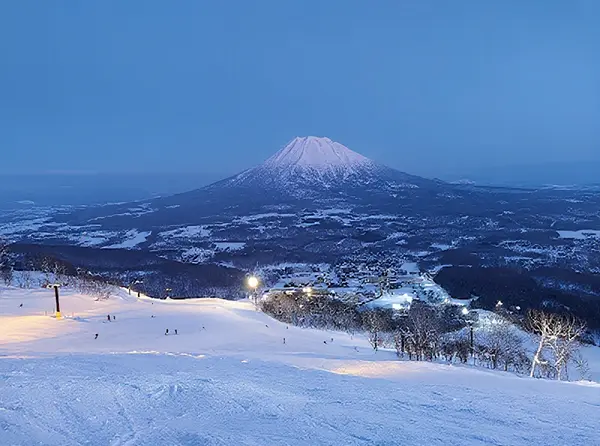
6. Niseko United
Głęboki, suchy proszek na pięciu połączonych ośrodkach sprawia, że Niseko jest warte podróży. Spodziewaj się zróżnicowanego terenu, jazdy nocą, dostępu do backcountry i onsen po dniu na stoku.
Szybkie fakty: Niseko United słynie z jednego z najlżejszych i najgłębszych na świecie puchu, z rocznymi opadami śniegu często przekraczającymi 15 metrów w czterech połączonych ośrodkach. Obszar ten oferuje również zaskakującą mieszankę międzynarodowych restauracji i przytulnych onsenów, z dziesiątkami kawiarni przyjaznych angielskojęzycznym gościom i tętniącymi życiem scenami après-ski w wioskach u podnóża gór.
Najważniejsze atrakcje: To, co czyni Niseko United naprawdę wyjątkowym, to zsynchronizowana sieć wyciągów łącząca cztery góry, pozwalająca narciarzom i snowboardzistom na pokonywanie długich, różnorodnych tras bez długich dojazdów. W szczytowe dni puchowe lokalni przewodnicy prowadzą małe grupy do pobliskich backcountry kotłów, gdzie świeże 30 do 50 centymetrów śniegu z nocy tworzy miękkie jak poduszki linie i niemal zupełną ciszę między skrętami.
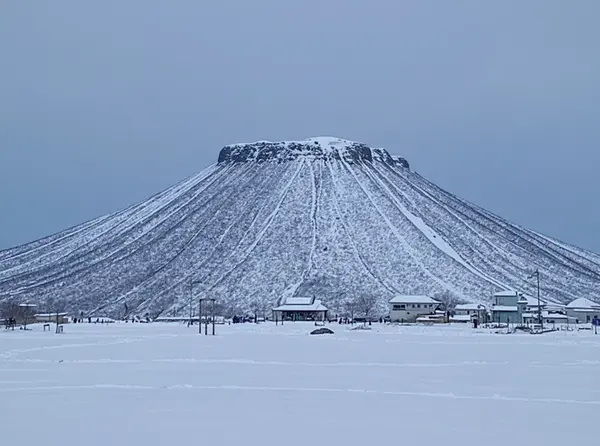
7. Mount Hakodate
Panoramiczne widoki miasta i morza ze zwartego szczytu czynią Hakodate niezapomnianym. Wjedź kolejką linową i podziwiaj migoczący pejzaż nocny lub wschód słońca nad zatoką.
Szybkie fakty: Strome, zalesione wzniesienie osiąga 334 metry, oferując rozległą panoramę zatoki w kształcie półksiężyca i zwartej siatki ulic poniżej. Obserwatorzy cenią panoramiczny nocny krajobraz, często wymieniany wśród trzech najlepszych widoków w Japonii, gdzie światła miasta zakrzywiają się jak błyszczący półksiężyc.
Najważniejsze atrakcje: Fotografowie planują przyjazd na 10 do 20 minut po zachodzie słońca, gdy niebieska godzina zmienia niebo w indygo, a światła miasta zaostrzają się w idealny półksiężyc. Krótka, trzyminutowa przejażdżka koleją linową wznosi się na 334 metry na zaokrąglony szczyt, gdzie zimne morskie bryzy wyostrzają neon, a w powietrzu unosi się zapach soli.
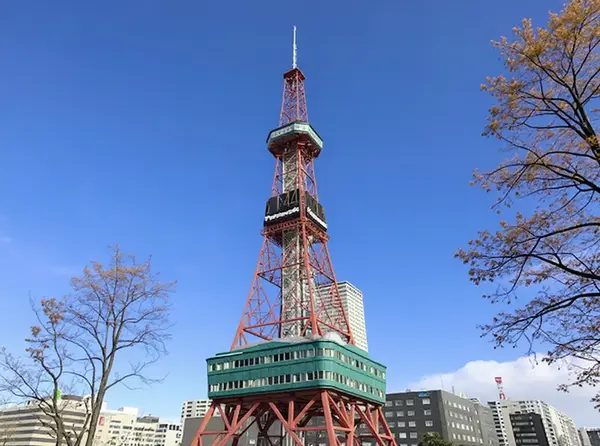
8. Sapporo TV Tower
Kultowy widok na panoramę nad parkiem Odori, idealny dla miłośników fotografii. Wjedź windą na taras widokowy, by oglądać panoramy Sapporo i odległych gór o zachodzie i w nocy.
Szybkie fakty: Wznosząca się na 147,2 metra czerwona kratownica wieży tworzy charakterystyczną sylwetkę na tle błękitnego nieba i śnieżnych zim. Odwiedzający docierają do przeszklonego tarasu widokowego na wysokości 90,38 metra, skąd rozciąga się widok 360 stopni od miejskiej siatki ulic po odległe pasma górskie.
Najważniejsze atrakcje: Wespnij się na taras na wysokości 90,38 metra i obserwuj, jak sezonowe iluminacje i dekoracje festiwalowe układają się w schludne wzory, a perspektywa zamienia dziesiątki rzeźb w miniaturową, pocztówkową panoramę miasta. Ciepło oświetlona stalowa kratownica nocą świeci zaprogramowanymi kolorami, a cichy szum windy i rześkie powietrze na twarzy sprawiają, że panorama wydaje się zaskakująco intymna i filmowa.
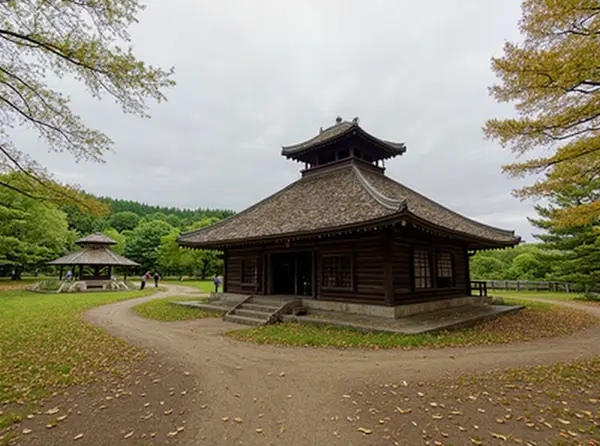
9. Farm Tomita
Lawendą pachnące wzgórza, które latem rozkwitają fioletowymi falami. Przejdź się po kolorowych tarasach kwiatowych, spróbuj lawendowego soft serve i zrób szerokokątne zdjęcia.
Szybkie fakty: Rzędy lawendy tworzą żywe, fioletowe wstęgi na zboczach, a ich zapach zamienia ciepły wietrzyk w miękkie, pachnące uściski. Lokalne lody soft-serve z lawendą zapewniają chłodny, kwiatowy kontrast dla jasnego letniego słońca, a sklep z pamiątkami sprzedaje woreczki zapachowe i olejki tłoczone z kwiatów.
Najważniejsze atrakcje: Rzędy lawendy Hidcote i Grosso posadzone są w wąskich pasach, a w szczytowym okresie kwitnienia personel ręcznie ścina około 10 000 łodyg każdego ranka na świeże bukiety sprzedawane wyłącznie w gospodarstwie. Z bliska liście pachną żywicznie i lekko kamforowo, podczas gdy maleńkie fioletowe kwiaty wydzielają słodką, niemal cytrusową nutę głowy, która zamienia powietrze w perfumy wyczuwalne na ustach.
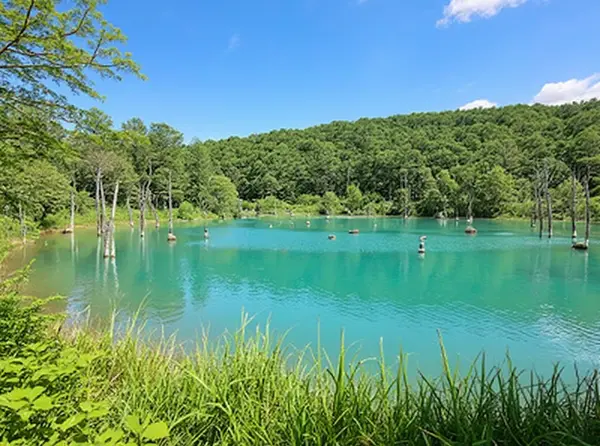
10. Shirogane Blue Pond
Surrealistyczne mlecznoniebieskie jeziorko otoczone brzozami i modrzewiami, utworzone przez minerały wulkaniczne. Spodziewaj się lustrzanych odbić i krótkiego spaceru do Wodospadu Shirahige, by zrobić świetne zdjęcia.
Szybkie fakty: Przyjrzyj się uważnie, a zauważysz, że woda ma dziwny, kobaltowy połysk, spowodowany drobno zawieszonymi minerałami rozpraszającymi światło słoneczne. Fotografowie często przybywają przed świtem, aby uchwycić odbicia w lustrze wody, a pnie buków i drzew iglastych wystające z powierzchni tworzą rzeźbiarskie sylwetki.
Najważniejsze atrakcje: Warstwa koloidalnego wodorotlenku glinu w wodzie rozprasza niebieskie fale, przez co staw może zmieniać kolor od turkusowego do kobaltowego w zależności od kąta padania światła słonecznego i stężenia minerałów. O świcie wielu fotografów używa długich czasów naświetlania od 1 do 3 sekund, aby wygładzić fale jak szkło, a delikatna mgła często niesie ze sobą słaby zapach sosny i zimnego metalu.
Where to Stay in Hokkaido, Japan
Selected by City Buddy based on guest reviews and proximity to top attractions
Search all hotels in Hokkaido, JapanPowered by agoda
Dni otwarcia w Hokkaido, Japan
Które z najważniejszych atrakcji są zamknięte w poszczególne dni tygodnia. Klasyczny pogromca wycieczek, sprawdzony za Ciebie.
Dobra wiadomość: wszystkie 8 najważniejsze atrakcje ze znanymi godzinami otwarcia są otwarte każdego dnia tygodnia.
Zamknięte w poniedziałek · 0 zamkniętych, 8 otwartych
Nic nie jest zamknięte w poniedziałek. Wszystkie 8 atrakcje ze znanymi godzinami są otwarte.
Dni otwarcia z Google Maps (sprawdzone 2026-02-24). Święta, strajki i godziny sezonowe mogą się różnić. Sprawdź oficjalną stronę przed wyjazdem.
Tradycyjne słodkie potrawy

Shiroi Koibito
These famous white chocolate sandwiched cookies are made by Ishiya in Sapporo and are the prefecture's most iconic souvenir, cherished for their delicate buttery biscuit and creamy filling.
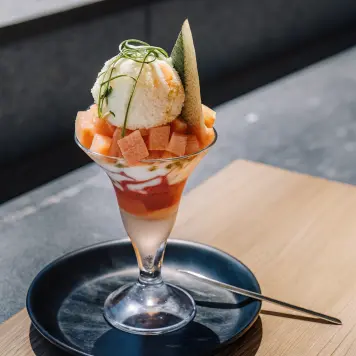
Yubari Melon Parfait
Yubari melons are prized for their intense sweetness and fragrance, and parfaits made with them showcase the fruit's luxury status, sometimes featuring melons that sold for record auction prices.
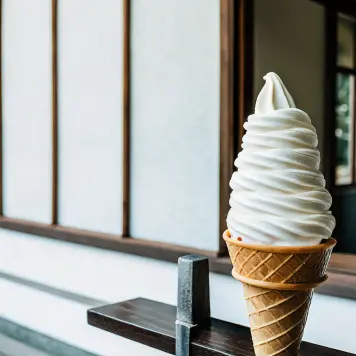
Hokkaido Soft Serve
Made from rich local milk, Hokkaido soft serve is famed across Japan for its ultra-creamy texture and pure dairy flavor, often found at farms and markets throughout the island.
Tradycyjne słone potrawy
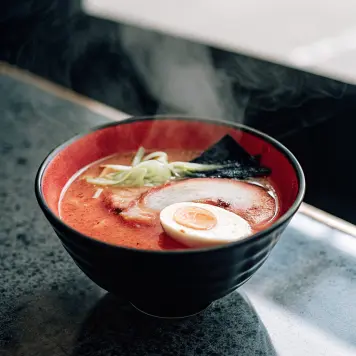
Sapporo Miso Ramen
Developed in Sapporo after World War II, this hearty miso-based ramen features a robust broth, thick noodles, and toppings like butter and corn that highlight Hokkaido's dairy and corn production.
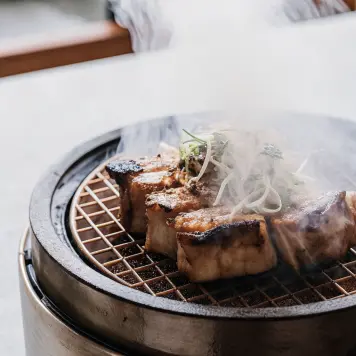
Jingisukan (Genghis Khan)
This distinctive dish of grilled lamb or mutton is cooked on a convex iron grill and remains a beloved Hokkaido specialty, reflecting the island's history of sheep farming and communal dining culture.
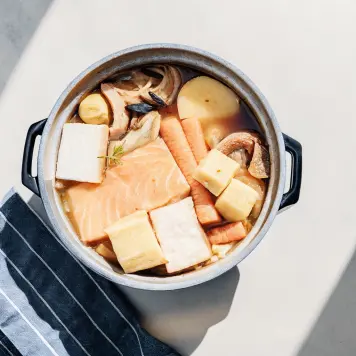
Ishikari Nabe
Named after the Ishikari River, this traditional salmon hotpot uses miso-based broth and regional vegetables, originating as a practical, warming dish for cold Hokkaido winters.
Tradycyjne napoje

Sapporo Beer
Founded in Sapporo in 1876, Sapporo is one of Japan's oldest breweries and its beers have become synonymous with the city and Hokkaido's brewing heritage.

Hokkaido Milk
Hokkaido's high-quality milk, produced from local dairy farms on fertile pastures, is celebrated nationwide and enjoyed fresh, in coffee, and as the base for many local dairy products.

Yoichi Whisky
The Yoichi Distillery, established by Masataka Taketsuru, brought Scottish-style single malt whisky production to Hokkaido, and its peaty, robust whiskies are highly regarded in Japan and abroad.
Często zadawane pytania o Hokkaido, Japan
Czy Hokkaido w Japonii jest bezpieczne dla podróżnych?
Ile dni powinienem spędzić na Hokkaido w Japonii?
Jaki jest najlepszy czas na wizytę na Hokkaido w Japonii?
Czy wizyta na Hokkaido w Japonii jest droga?
Jak poruszać się po Hokkaido w Japonii?
Wyślij PDF z najpopularniejszymi atrakcjami na swój e-mail
Otrzymaj PDF ze wszystkimi atrakcjami, ocenami i wskazówkami. Idealne do użytku offline.
Najpopularniejsze wycieczki jednodniowe
Noboribetsu
Famous hot spring, Jigokudani 'Hell Valley' sights.
Furano
Lavender fields and rural landscapes, seasonal flowers.
Niseko
World-class skiing, outdoor activities and nightlife.
Jak dojechać
Stacje kolejowe
JR Hakodate Main Line; Airport Rapid; limited express services
Sekihoku and Soya lines; limited express to Sapporo
Hakodate Main Line; connections via Shin-Hakodate-Hokuto for Shinkansen
From New Chitose, take the Airport Rapid JR train to Sapporo in about 37-45 minutes.
Przydatne informacje dla Hokkaido, Japan
Przegląd dla Hokkaido, Japan
Chcesz plan dzień po dniu dla Hokkaido, Japan? Otwórz planer podróży
Kiedy jedziesz do Hokkaido, Japan?
Wybierz daty i styl podróży, aby otrzymać:
Czy coś z tego jest dla Ciebie szczególnie ważne?
Wybierz wszystkie, które pasują
Przemieszczanie się
Jak chcesz się przemieszczać między miejscami?
Język planu: PolskiMost popular itineraries for Hokkaido, Japan
Browse trip plans created by other travelers