 CityBuddy
 Polski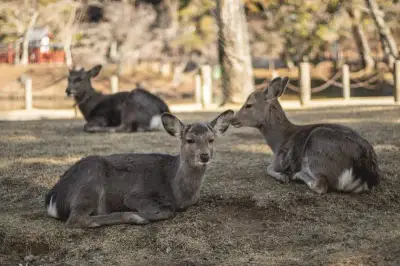
Co robić w Nara-shi, Japan
Zdjęcie wykonane przez Anele Ludaviciute na Pexels.com
Kiedy odwiedzić
Najpopularniejsze atrakcje w Nara-shi, Japan
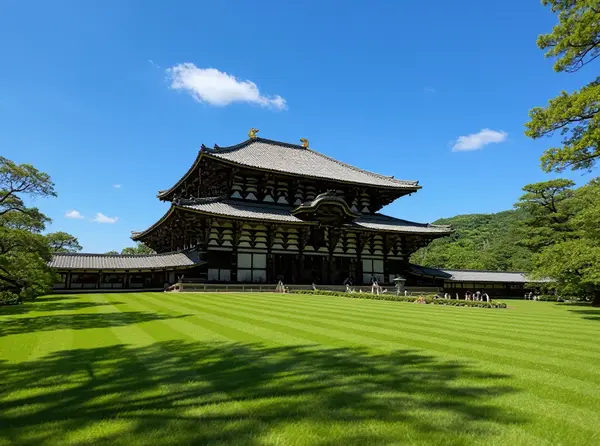
Atrakcje w Nara-shi w Japonii obejmują wizytę w świątyni Todai-ji, w której znajduje się ogromny, 15-metrowy brązowy posąg Buddy, oraz zwiedzanie parku Nara, gdzie przyjazne jelenie swobodnie przemierzają 660 hektarów. Sanktuarium Kasuga Taisha oferuje spacer wśród tysięcy kamiennych i brązowych latarni oświetlających spokojne lasy. Każde z tych miejsc wzbogaca twoją kulturową podróż.
1. Nara Park
Przeżyj bliskie spotkania z ponad 1000 jeleni w rozległym naturalnym otoczeniu. Ciesz się spokojnymi spacerami, starożytnymi świątyniami i zabawnymi jeleniami kłaniającymi się w zamian za smakołyki.
Szybkie fakty: Ponad 1000 swobodnie wędrujących jeleni przemierza park, uważanych w lokalnym folklorze za posłańców bogów. Park zajmuje 660 hektarów i przyciąga ponad 14 milionów odwiedzających rocznie, szczególnie w sezonie kwitnienia wiśni.
Najważniejsze atrakcje: Odwiedzający mogą kupić specjalne krakersy dla jeleni zwane "shika senbei", aby karmić zwierzęta, co tworzy niezapomniane interaktywne chwile. Jelenie kłaniające się odwiedzającym w zamian za jedzenie dodaje nieoczekiwanego i uroczego akcentu, który często zachwyca osoby odwiedzające po raz pierwszy.
2. Kasuga Taisha Shrine
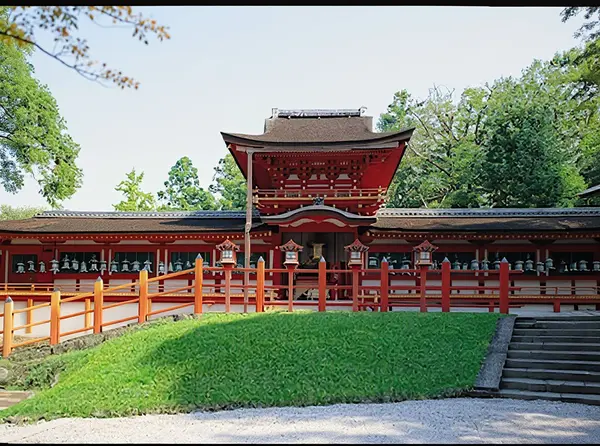
Poczuj blask tysięcy lampionów i spaceruj wśród świętych jeleni. Odczuj wielowiekową tradycję na spokojnych, rozświetlonych ścieżkach i w pogodnych leśnych zakątkach.
Szybkie fakty: Ponad 3000 kamiennych i brązowych latarni ustawionych jest wzdłuż ścieżek, oświetlając drogę magicznym blaskiem podczas festiwali. Jelenie swobodnie wędrują jako święci posłańcy, łącząc naturę z duchowością na terenie całego sanktuarium.
Najważniejsze atrakcje: Festiwal latarni rozświetla setki latarni jednocześnie dwa razy w roku, tworząc czarującą rzekę światła migoczącą obok cynobrowych bram torii. Osobliwa tradycja pozwala odwiedzającym pisać życzenia na drewnianych tabliczkach wystawionych wśród tysięcy wiszących pod okapami, z których każda niesie nadzieje i błogosławieństwa.
3. Nara National Museum
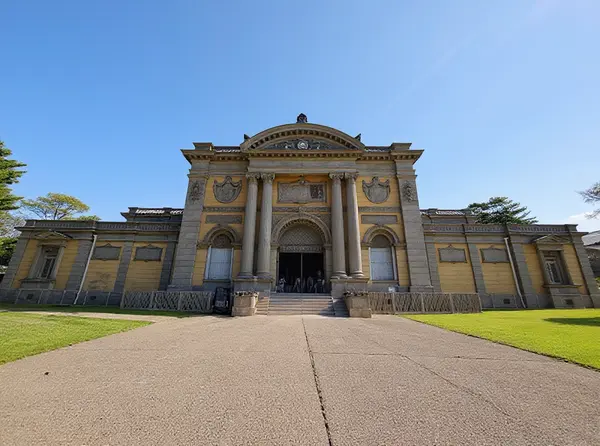
Odkryj rzadką sztukę buddyjską, która ukazuje starożytne duchowe historie. Poznaj spokojne galerie i pogodne ogrody kwitnące lotosami.
Szybkie fakty: Muzeum gromadzi ponad 10 000 eksponatów japońskiej sztuki buddyjskiej, w tym wykwintne rzeźby i zwoje. Odwiedzający mogą często oglądać wystawy czasowe, które prezentują różne epoki i style kultury buddyjskiej.
Najważniejsze atrakcje: Wyjątkową cechą jest galeria zbudowana w całości z drewna z tradycyjnymi japońskimi połączeniami, tworząca spokojną atmosferę, która uzupełnia duchową sztukę. Ogród na zewnątrz prezentuje sezonowe kwiaty lotosu odzwierciedlające buddyjskie motywy, co sprawia, że widok na zewnątrz jest przedłużeniem wystaw.
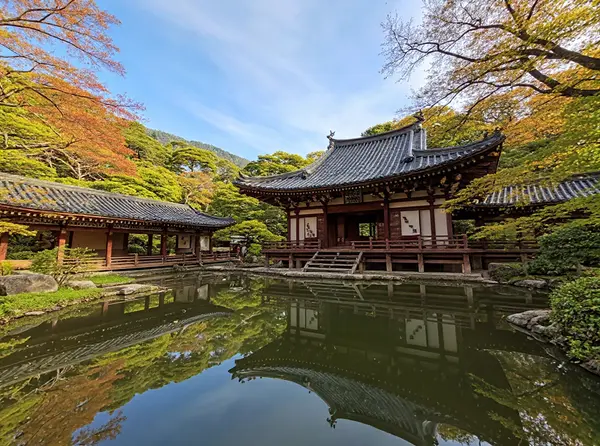
4. Isuien Garden
Odkryj precyzyjne japońskie rzemiosło ogrodowe z zapierającym dech widokiem na Salę Buddy świątyni Todai-ji. Przechadzaj się wśród kojących stawów i żywych sezonowych barw, które zmieniają twoją perspektywę.
Szybkie fakty: Spodziewaj się krajobrazów z herbaciarnią, stawami i tłem Wielkiej Sali Buddy w świątyni Todai-ji, która przebija się przez drzewa. Ogród zajmuje około 9000 metrów kwadratowych, łącząc styl z okresu Edo ze sprytnym wykorzystaniem zapożyczonego krajobrazu, aby zwiększyć głębię wizualną.
Najważniejsze atrakcje: Prawdziwa magia dzieje się przy stawie, gdzie pływają karpie otoczone starannie ułożonymi kamieniami przedstawiającymi wyspy; jesienią liście klonu tworzą ognisty kontrast z ciemną wodą, zaprojektowane tak, aby oglądać je z konkretnego miejsca na werandzie. Wokół zachodniego krańca starożytna śliwa licząca ponad 300 lat wybucha pachnącymi kwiatami, oferując zmysłową przyjemność wykraczającą poza wzrok.
5. Yoshikien Garden
Czekają spokojne spacery przez różnorodne krajobrazy. Odkryj bujne kobierce mchu i sezonowe eksplozje kwiatów w pogodnym otoczeniu ogrodu.
Szybkie fakty: Ogród ten obejmuje trzy odrębne strefy: ogród stawowy, ogród mchowy i ogród ceremonii herbacianej, z których każda została zaprojektowana tak, by podkreślać zmiany pór roku. Odwiedzający często odnajdują tu spokój, gdyż przyciąga on mniejsze tłumy niż pobliskie sławne miejsca, tworząc ciche ustronie.
Najważniejsze atrakcje: Ogród mchowy zajmuje około 600 metrów kwadratowych i obejmuje ponad 120 odmian mchu, tworząc bujny zielony dywan, który przez cały rok zmienia fakturę pod stopami. Wiosną ogród ceremonii herbacianej eksploduje kolorami azalii i glicynii, oferując wonną niespodziankę wśród tradycyjnych ścieżek i herbaciarni.
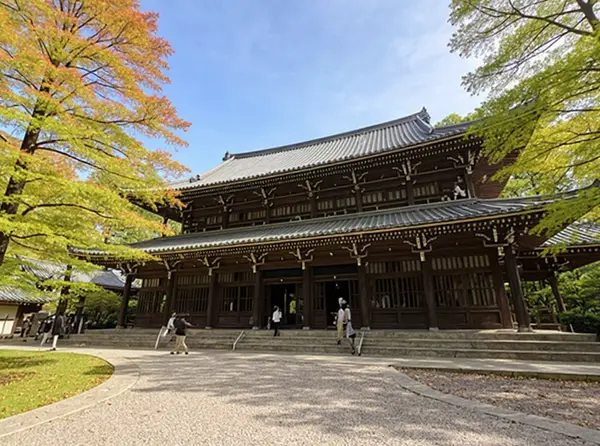
6. Nigatsu-do Hall
Poznaj starożytne rytuały w blasku ognistych pochodni. Ciesz się rozległymi widokami i świętymi tradycjami z bliska.
Szybkie fakty: Rytuał zwany Omizutori odbywa się co roku w marcu w tej sali, gdzie płoną ogromne pochodnie o długości do 8 metrów, tworząc zapierający dech w piersiach spektakl. Sala znajduje się na zboczu wzgórza, oferując panoramiczny widok na miasto Nara przez otwarte werandy.
Najważniejsze atrakcje: Podczas Omizutori iskry z ogromnych pochodni czasami spadają na widzów poniżej, co według wierzeń przynosi szczęście i zdrowie. Drewniane filary z cedru wewnątrz sali zachowują delikatny, wonny aromat po wiekach kadzidła palonego podczas ceremonii.
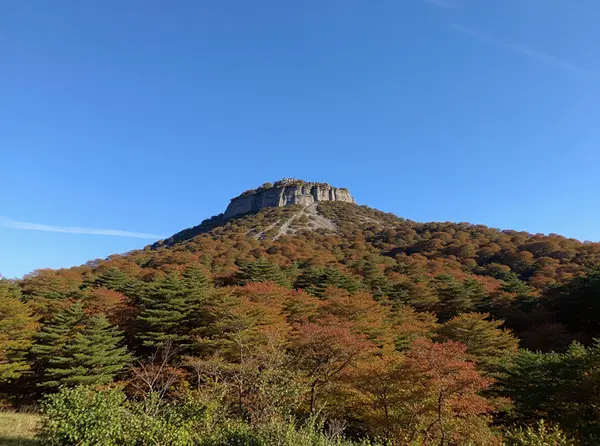
7. Mount Wakakusa
Przeżyj zapierające dech w piersiach panoramy i ogniste widowisko festiwalowe. Wejdź na wzgórze, by podziwiać świątynię, i bądź świadkiem wydarzenia ze świecącą trawą.
Szybkie fakty: Wzgórze to zajmuje około 33 hektarów i oferuje panoramiczne widoki, zwłaszcza na starożytne świątynie w okolicy. Co roku gromadzą się tu tysiące ludzi na festiwalu „Yamayaki", podczas którego trawiaste zbocza są podpalane w imponującym spektaklu.
Najważniejsze atrakcje: Coroczny festiwal Yamayaki rozświetla 8 hektarów trawy kontrolowanym ogniem, tworząc jarzący się pokaz widoczny z wielu kilometrów. Niegdyś na tych zboczach wypasano bydło, a jego obecność przez wieki pomogła ukształtować unikalny ekosystem wzgórza.
Where to Stay in Nara-shi, Japan
Selected by City Buddy based on guest reviews and proximity to top attractions
Search all hotels in Nara-shi, JapanPowered by agoda
Dni otwarcia w Nara-shi, Japan
Które z najważniejszych atrakcji są zamknięte w poszczególne dni tygodnia. Klasyczny pogromca wycieczek, sprawdzony za Ciebie.
poniedziałek: 1 z 6 najważniejszych atrakcji zamkniętych. Zaplanuj muzea na inny dzień.
Zamknięte w poniedziałek · 1 zamkniętych, 5 otwartych
Dni otwarcia z Google Maps (sprawdzone 2026-04-08). Święta, strajki i godziny sezonowe mogą się różnić. Sprawdź oficjalną stronę przed wyjazdem.
Tradycyjne słodkie potrawy
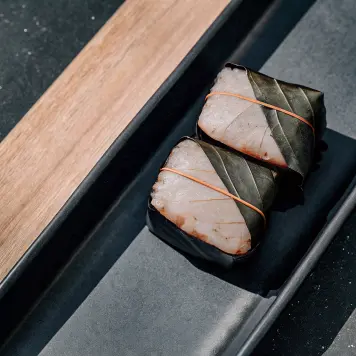
Kakinoha-zushi
While primarily a savory dish, Kakinoha-zushi sometimes features a subtly sweet vinegared rice that delights taste buds with its unique balance of flavors. It is sushi wrapped in persimmon leaves, which help preserve the freshness and add aroma.
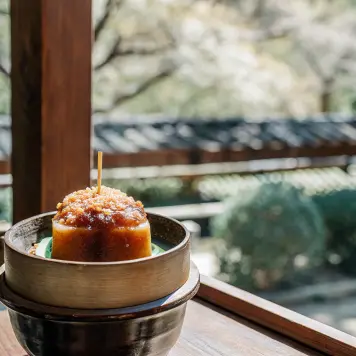
Kuzu Mochi
Kuzu Mochi is a traditional sweet made from kuzu starch and often served with kinako (roasted soybean flour) and kuromitsu (black sugar syrup), offering a chewy texture and rich, sweet taste.
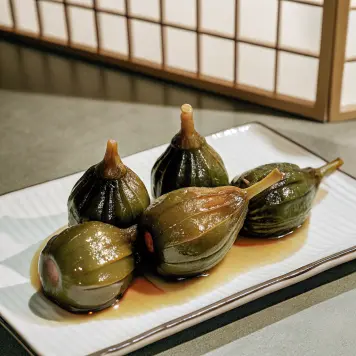
Narazuke
Narazuke is a type of sweet pickle made from vegetables soaked in sake lees, resulting in a sweet and slightly alcoholic flavor that is a unique local delicacy.
Tradycyjne słone potrawy
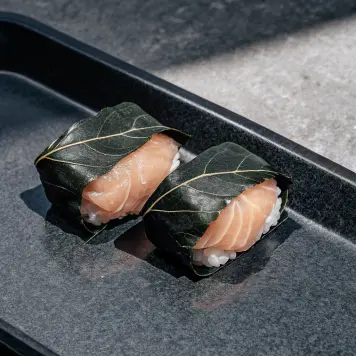
Kakinoha-zushi
Kakinoha-zushi is a famous local type of sushi from Nara, where mackerel or pressed sushi is wrapped in persimmon leaves, giving it a distinct aroma and flavor from the leaves.
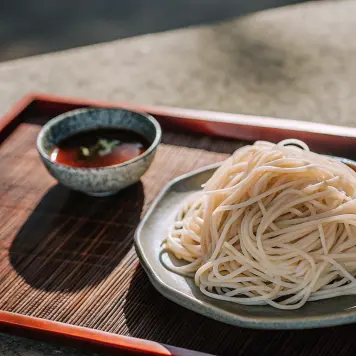
Miwa Somen
Miwa Somen noodles, originating from Nara's Miwa area, are thin wheat noodles often enjoyed cold with dipping sauce, known for their smooth texture and light taste.
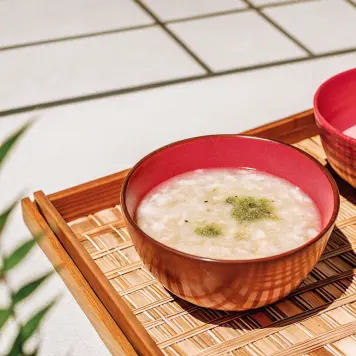
Chagayu
Chagayu is a savory rice porridge cooked with green tea, blending comforting rice and aromatic tea for a uniquely refreshing flavor that is popular in Nara.
Tradycyjne napoje
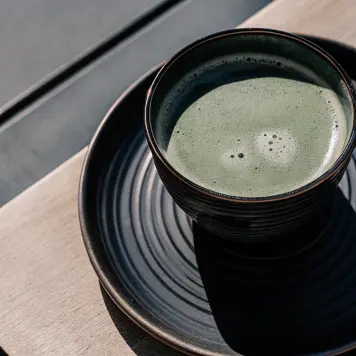
Yamato-cha
Yamato-cha is green tea from Nara’s Yamato region, prized for its rich aroma and smooth, slightly sweet flavor, reflecting the region's tea-growing tradition.

Umeshu
Umeshu, plum wine, is often enjoyed in Nara, made from local plums soaked in sake or shochu and sugar, resulting in a sweet and tangy drink.
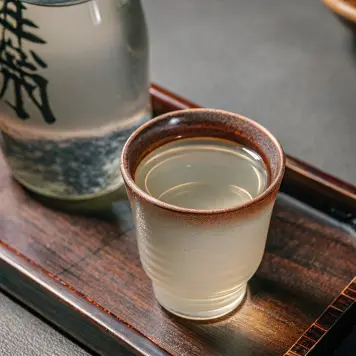
Sake from Nara
Nara is known for its high-quality sake brewing, utilizing pure water from the region and traditional methods to produce a smooth, refined sake with a deep umami profile.
Często zadawane pytania o Nara-shi, Japan
Czy Nara-shi w Japonii jest bezpieczne dla podróżnych?
Ile dni powinienem spędzić w Nara-shi w Japonii?
Kiedy najlepiej odwiedzić Nara-shi w Japonii?
Czy pobyt w Nara-shi w Japonii jest drogi dla podróżnych?
Jak poruszać się po Nara-shi w Japonii?
Wyślij PDF z najpopularniejszymi atrakcjami na swój e-mail
Otrzymaj PDF ze wszystkimi atrakcjami, ocenami i wskazówkami. Idealne do użytku offline.
Najpopularniejsze wycieczki jednodniowe
Kyoto
Historic city with temples, shrines, and traditional culture.
Osaka
Vibrant city known for food, shopping, and entertainment.
Kobe
Port city famous for beef, harbor views, and mountain scenery.
Jak dojechać
Lotniska
Stacje kolejowe
JR Yamatoji Line, Kintetsu Nara Line
From Kansai International Airport, take the Nankai or JR train to Osaka, then transfer to a direct train to Nara.
Przydatne informacje dla Nara-shi, Japan
Przegląd dla Nara-shi, Japan
Chcesz plan dzień po dniu dla Nara-shi, Japan? Otwórz planer podróży
Kiedy jedziesz do Nara-shi, Japan?
Wybierz daty i styl podróży, aby otrzymać:
Czy coś z tego jest dla Ciebie szczególnie ważne?
Wybierz wszystkie, które pasują
Przemieszczanie się
Jak chcesz się przemieszczać między miejscami?
Język planu: Polski