 CityBuddy
 Polski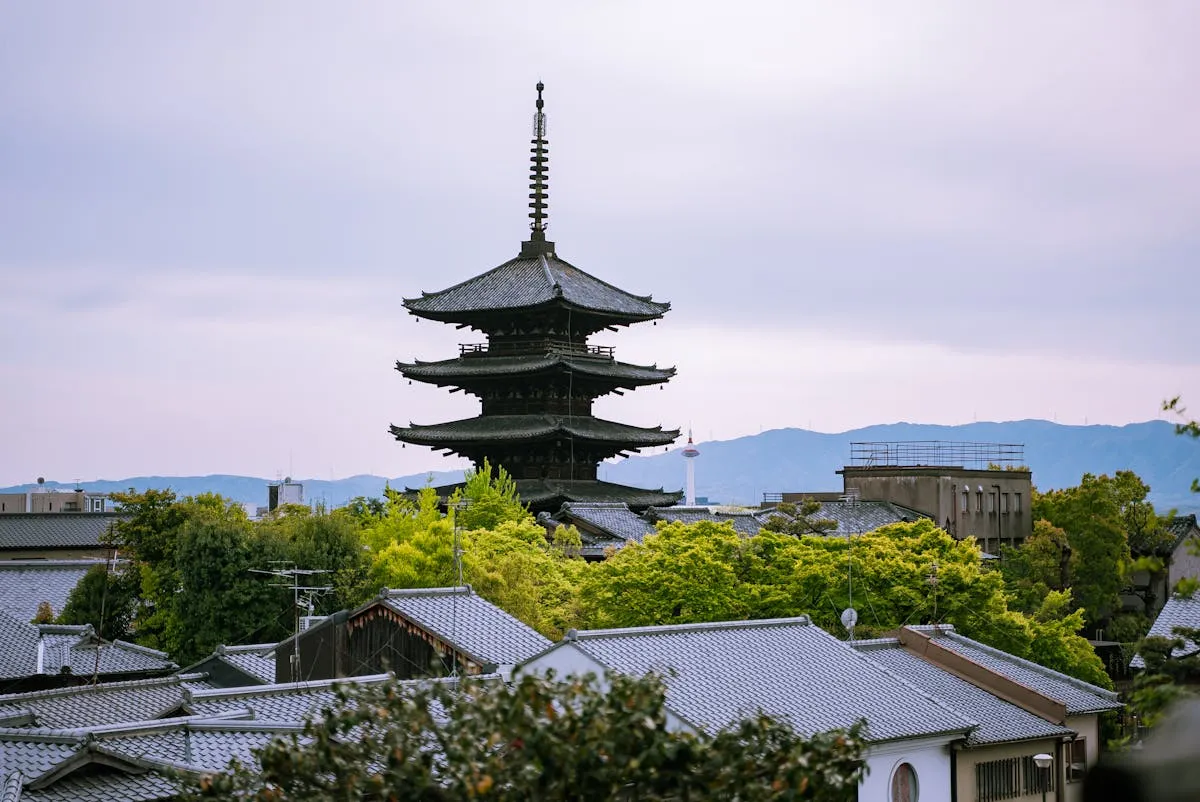
Co robić w Kyoto, Japan
Zdjęcie wykonane przez Satoshi Hirayama na Pexels.com
Kiedy odwiedzić
Kyoto jest #4 najczystsze miasto na świecie na podstawie naszych danych z setek miejsc docelowych.
Najpopularniejsze atrakcje w Kyoto, Japan
Rzeczy do zrobienia w Kioto w Japonii obejmują zwiedzanie Fushimi Inari Taisha z tysiącami czerwonych bram torii rozciągających się na 4 kilometry w górę góry, wizytę na drewnianym tarasie Kiyomizu-dera oferującym panoramiczne widoki na miasto oraz spacer przez Bambusowy Gaj Arashiyama, spokojną leśną ścieżkę otoczoną strzelistymi pędami bambusa.
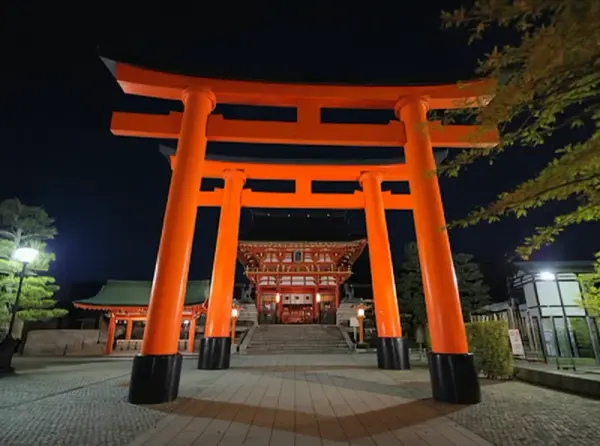
1. Fushimi Inari Taisha (伏見稲荷大社) - famous torii gate mountain shrine
Przejdź przez tysiące szkarłatnych bram torii, które wznoszą się wzdłuż cichego, zalesionego wzgórza. Odkryj lisie posągi, małe kapliczki i panoramiczne punkty widokowe na trasie.
Szybkie fakty: Przekraczając vermilionowe bramy, czujesz się jakbyś wchodził do jasnego, bezkresnego korytarza, gdzie powtarzające się filary i łaty światła przemieniają prosty spacer w surrealistyczną, niemal filmową wędrówkę. Ponad 10 000 pojedynczych torii wyznacza ścieżki, wiele z nich z wygrawerowanymi nazwiskami darczyńców, tworząc przesuwające się cienie i echo kroków, których o świcie szukają zarówno fotografowie, jak i lokalni czciciele.
Najważniejsze atrakcje: Rzędy vermilionowych torii zwężają ścieżkę w tunel za tunelem, tysiące jasnych filarów opatrzonych czarnymi znakami kanji z nazwiskami darczyńców, przez które światło słoneczne pada w pomarańczowe pasy, a powietrzem unosi się zapach cedru i kadzidła. Szlak wić się będzie po górze przez 233 metry aż do szczytu, przerywany przez zniszczone kamienne posągi kitsune trzymające w pyskach małe klucze, co jest dziwaczną tradycją oznaczającą rolę każdej świątyni jako strażnika ryżu i losów.
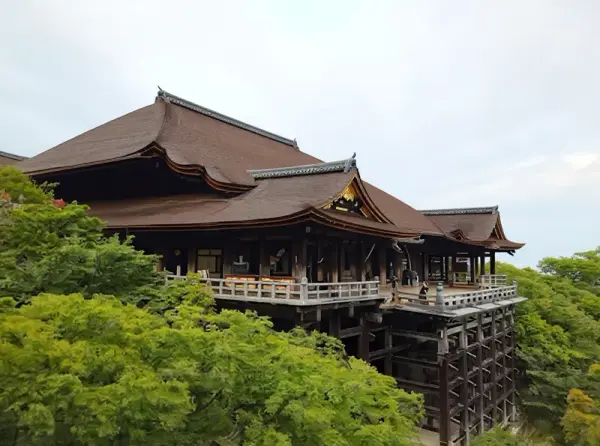
2. Kiyomizu-dera (清水寺) - historic hillside temple with wooden terrace
Położona nad Kioto, Kiyomizu-dera oferuje ikoniczną drewnianą architekturę i rozległe widoki na miasto. Przejdź się długim tarasem, napij się ze źródeł Otowa i odkrywaj ścieżki oświetlone latarniami.
Szybkie fakty: Szeroki drewniany taras wysuwa się nad stromym zboczem, oferując skierowany ku niebu tupot stóp i panoramiczne widoki na klony i wiśnie poniżej. Odwiedzający wrzucają monety w kierunku świętego wodospadu w nadziei, że spełnią się ich życzenia, a wieczory oświetlone lampionami spowijają kompleks ciepłym, kinowym blaskiem.
Najważniejsze atrakcje: Wejdź na drewnianą scenę świątyni na zboczu wzgórza, a poczujesz, jak deski lekko uginają się pod stopami; konstrukcja wysuwa się około 13 metrów nad dolinę, wsparta na około 139 zazębiających się drewnianych filarach, słynnie odbudowanych w 1633 roku pod rządami Tokugawy Iemitsu. Czujesz zapach starej laki i cedru w powietrzu, gdy wiatr porusza się wśród drzew. Na dole wąski wodospad rozdziela się na trzy strumienie, a odwiedzający ustawiają się w kolejce z długimi metalowymi kubkami, by napić się zimnej mineralnej wody: każdy strumień podobno daje inne błogosławieństwo, długowieczność, sukces akademicki lub szczęście w miłości, a miejscowi czasami szepczą, że picie ze wszystkich trzech jest niegrzeczne.
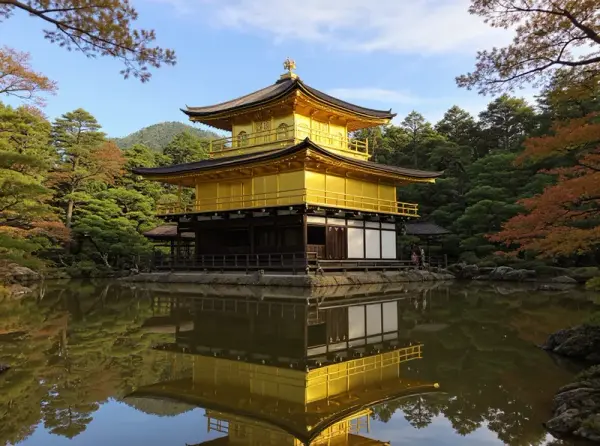
3. Kinkaku-ji (金閣寺, Golden Pavilion) - iconic gold-leaf temple
Golden Pavilion) - iconic gold-leaf temple
Lśniący pawilon ze złotej folii na tafli stawu niczym lustro, symbol wyrafinowanej estetyki Kioto. Spaceruj wypielęgnowanymi ścieżkami, uchwyć doskonałe odbicia i poczuj wieki wpływów zen.
Szybkie fakty: Pozłacane powierzchnie łapią słońce i rozpraszają migoczące refleksy na stawie, sprawiając, że każde zdjęcie wygląda na starannie skomponowane. Zbliżenie ujawnia delikatne tekstury złotej folii i lakierowania, podczas gdy otaczający ogród i delikatny skrzypiący żwir pod stopami dopełniają spokojną, niemal teatralną scenę.
Najważniejsze atrakcje: Ciekawostka: dwie górne kondygnacje pokryte są prawdziwą złotą folią, więc gdy niskie słońce pada na staw, cała scena mieni się jak roztopiony metal, a fale koi łamią idealne zwierciadlane odbicie. Po tym jak mnich podpalił oryginał w 1950 roku, pawilon został pieczołowicie odbudowany w 1955 roku według trzykondygnacyjnego planu z okresu Muromachi, a miejscowi wciąż zbierają się na mszystych ścieżkach ogrodu o świcie, by obserwować to migoczące odbicie.
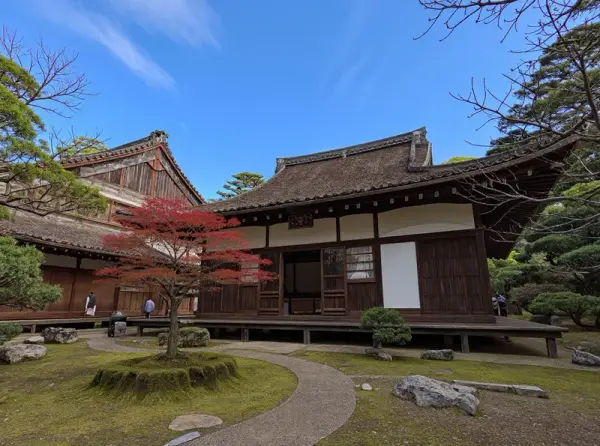
4. Ginkaku-ji (銀閣寺, Silver Pavilion) - Zen temple and moss garden
Silver Pavilion) - Zen temple and moss garden
Elegancka świątynia zen z urokliwymi mchowymi ogrodami i klasyczną estetyką Kioto. Spaceruj krętymi ścieżkami, zobacz Srebrny Pawilon i rzeźbione wzniesienie z piasku.
Szybkie fakty: Pod stopami można poczuć miękki mech, podczas gdy precyzyjnie przekomponowany żwir i rzeźbiony stożek z piasku zwany Kogetsudai tworzą miniaturowy krajobraz, który zachęca do powolnych, kontemplacyjnych spacerów. Pawilon nazwany na cześć srebra nigdy faktycznie nie został pokryty srebrną folią; jego ciche drewniane powierzchnie pomogły sformalizować estetykę wabi-sabi, która przeobraziła japońskie ogrody i kulturę herbaty.
Najważniejsze atrakcje: Cicha tradycja nakazuje, aby główny ogrodnik, pan Sato, prowadził wiosną pięcioosobowy zespół, który naprawia precyzyjnie 361 żłobień wygrabionych w srebrnym piasku, przedstawiających fale. Wzór ten był ostatnio odrestaurowany w 2005 roku po uszkodzeniach spowodowanych przez burzę. Legenda głosi, że surowy, dwupiętrowy pawilon nigdy nie został obłożony srebrem, tak jak planował Ashikaga Yoshimasa w 1489 roku, a kontrast między ciemnym lakierowanym drewnem a żywym zielonym mchem, który po deszczu pachnie lekko mokrym kamieniem, jest tym, co najbardziej zadziwia odwiedzających.
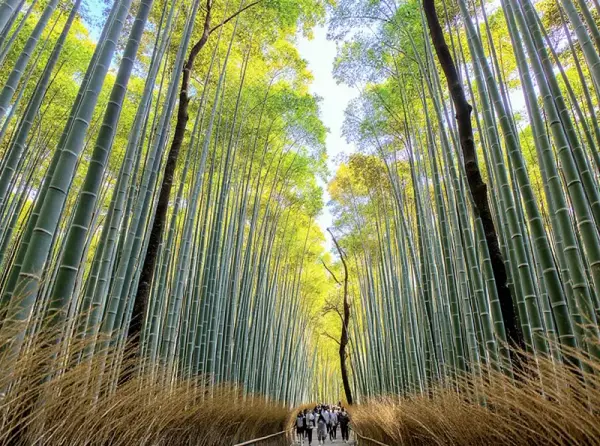
5. Arashiyama Bamboo Grove (Sagano Bamboo Forest) - scenic bamboo walk
Wysokie pędy bambusu tworzą uspokajający, nieziemski korytarz w Kioto. Przejdź się zacienioną ścieżką szepczącej zieleni i zrób dramatyczne zdjęcia między smugami światła.
Szybkie fakty: Wysokie łodygi bambusa tłoczą się wzdłuż ścieżki, ich puste trzony cicho stukają jak odległe dęte instrumenty, gdy wiatr ślizga się przez nie. Ponad 500 metrów krętych kładek przyciąga codziennie tysiące osób, ale poranna wizyta często nagradza ciszą i upiornym jadeitowo-zielonym światłem przenikającym przez koronę drzew.
Najważniejsze atrakcje: Przejdź wąskim, 500-metrowym korytarzem o świcie, a poczujesz, jak powietrze się ochładza, gdy wysokie bambusowe łodygi, niektóre ponad 20 metrów, kołyszą się nad tobą i tworzą pusty, metaliczny śpiew, gdy wiatr przechodzi przez trzony. Miejscowi mówią, że dźwięk idealnie współgra z samotnym graczem na shakuhachi podczas wschodu słońca, co jest spokojniejszym zwyczajem zachowanym przez nielicznych wykonawców, którzy wolą gaj do porannej praktyki.
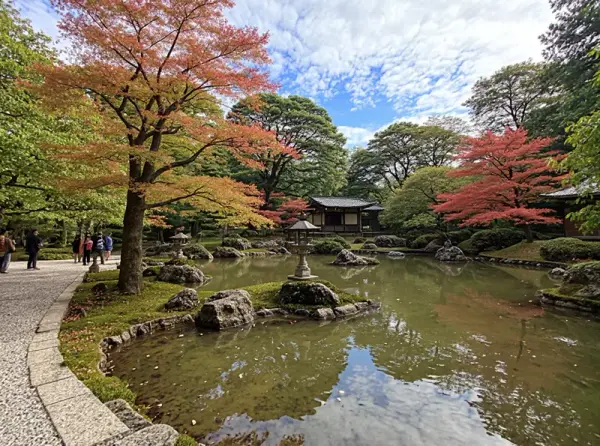
6. Ryoan-ji (龍安寺) - renowned Zen rock garden
Światowej sławy zenistyczny ogród skalny ukazujący minimalistyczny design i wieki cichego rytuału. Usiądź na drewnianej werandzie i studiuj grabowany żwir, mech i piętnaście starannie ułożonych kamieni.
Szybkie fakty: Usiądź na niskim, drewnianym werandzie i zrozumiesz, że scena z kamieni i żwiru została zaprojektowana tak, aby była badana z siedzącej, medytacyjnej perspektywy, czyniąc negatywną przestrzeń gwiazdą. Subtelne zmiany widoku ukrywają lub odsłaniają kamienie, zamieniając rytualne grabienie w cichą, nieoczekiwanie wyrazistą prezentację.
Najważniejsze atrakcje: Dokładny prostokąt z białego żwiru ukrywa piętnaście kamieni ułożonych tak celowo, że z każdego miejsca na drewnianej werandzie widać jednocześnie tylko czternaście, co goście uwielbiają liczyć i dyskutować na ten temat. Ogrodnicy grabią żwir każdego ranka w falujące wzory przypominające ocean, a otaczający mech, delikatny zapach kadzidła i miękkie szuranie sandałów sprawiają, że cisza wydaje się czymś, w co można wejść.
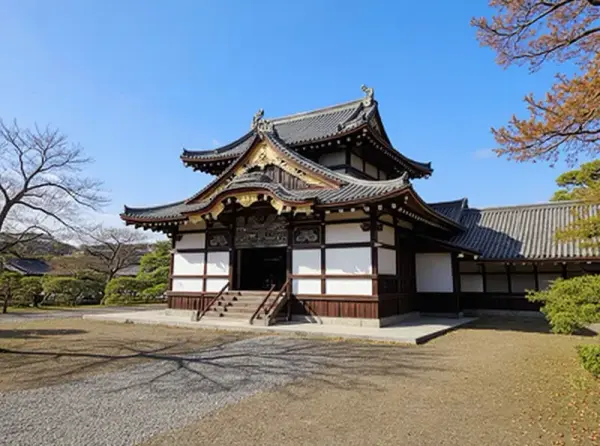
7. Nijo Castle (二条城) - Edo-period castle with nightingale floors
Wejdź do Kioto z epoki samurajów w bogato zdobionym pałacu szoguna. Przejdź się po skrzypiących podłogach i podziwiaj malowane drzwi przesuwne oraz ogrody spacerowe.
Szybkie fakty: Przechadzając się po żłobionych drewnianych korytarzach usłyszysz melodyjne ćwierkanie pod stopami, sprytny akustyczny trik, który ostrzegał straże przed intruzami. Ozdobne malowane ekrany i rozległe ogrody tworzą ciche widowisko; jeden akt polityczny tam kiedyś przesunął władzę w kraju i zmienił bieg historii.
Najważniejsze atrakcje: Stąpaj lekko, a deski podłogowe będą ćwierkać pod stopami, jasny, ptasi świergot powstający, gdy cienkie deski ocierają się o miedziane zaciski i ukryte gwoździe, tak że jedno kroki mogą wywołać tuzin maleńkich metalicznych ćwierknięć. W złoconym pokoju ostatni szogun, Tokugawa Yoshinobu, formalnie oddał władzę Cesarzowi w 1867 roku, cicha ceremonia, której cisza staje się niesamowita, gdy stoisz w miejscu, gdzie on kiedyś stał.
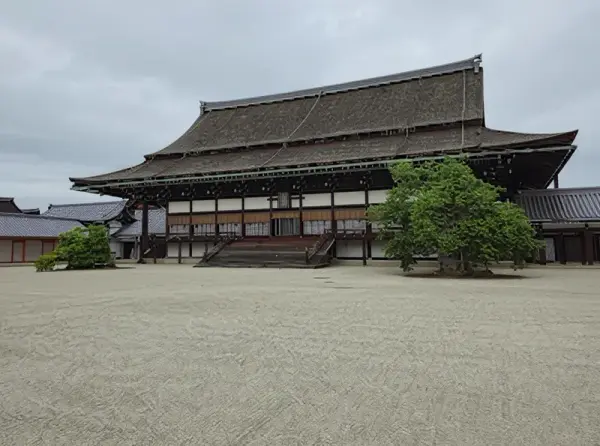
8. Kyoto Imperial Palace (京都御所) - historic residence of the imperial family
Zanurz się w wiekach cesarskiej historii wśród spokojnych ogrodów otoczonych murami. Odkryj eleganckie drewniane sale, rozległe trawniki i wyrafinowaną architekturę pałacu podczas zwiedzania z przewodnikiem.
Szybkie fakty: Przekraczając wielkie bramy, ma się wrażenie, że wchodzi się w żywy zwój, gdzie lakierowane sale, cynobrowe kolumny i starannie wygrabiony żwir tworzą atmosferę ceremonialnego spokoju. Wycieczki z przewodnikiem ujawniają zaskakujące szczegóły: wiele budynków pozostaje przeznaczonych na formalne funkcje dworskie, a wyważone proporcje tego miejsca dostrojono do rytuałów rządzących codziennym życiem cesarskim.
Najważniejsze atrakcje: Za lakierowanymi cynobrowymi kolumnami kryje się niespodzianka: główna sala ceremonialna wciąż mieści pozłacany tron intronizacyjny Takamikura, miniaturowe sanktuarium pokryte złotem płatkowym i lakierem, które dawniej było centrum ceremonii, w których uczestniczyli setki dworzan. Spacerując po przystrzyżonych ogrodach, poczujesz zapach sosny i mokrego kamienia, podczas gdy koi malują staw błyskami pomarańczy, a cedrowe belki nad głową skrzypią tą samą ciszą, którą słyszeli dworzanie podczas procesji z okresu Heian.
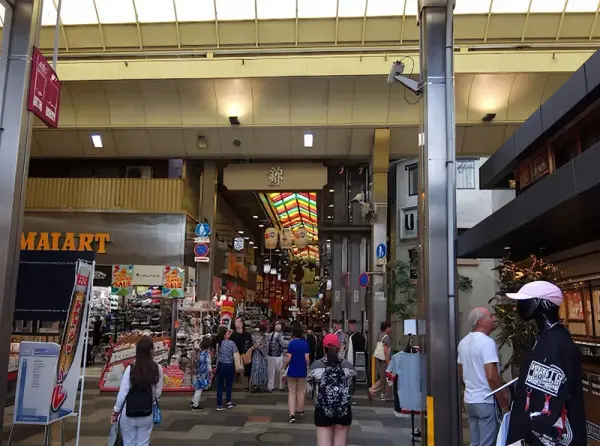
9. Nishiki Market (錦市場) - lively food market in downtown Kyoto
Uczta dla zmysłów w kulturze kulinarnej Kioto w tętniącej życiem krytej galerii handlowej. Spróbuj świeżych owoców morza, pikli i ulicznych przekąsek, rozmawiając z przyjaznymi sprzedawcami.
Szybkie fakty: Labirynt wąskich alejek tętni kolorami i zapachami. Sprzedawcy oferują wszystko, od grillowanych owoców morza i marynat po słodycze w stylu Kioto. Odwiedzający mogą w ciągu godziny przekąsić dziesiątki małych specjałów. Rodzinne stoiska działają od lat, strzegąc sekretów receptur przekazywanych z pokolenia na pokolenie.
Najważniejsze atrakcje: Przejdź się wąskim, zadaszonym korytarzem, a sprzedawcy podadzą ci na gorąco szaszłyk z grillowanego kalmara, z którego unosi się para i słodki sos sojowy. Ponad 100 małych sklepików oferuje marynaty, świeże tofu i owoce morza, dzięki czemu możesz spróbować kilkunastu przysmaków podczas krótkiego spaceru. Wstąp do sklepu z nożami Aritsugu i zobacz, jak mistrz ręcznie ostrzy kuchenne ostrze. Iskry i dźwięk metalu pod ciepłym światłem lampionów to pokaz wiekowego rzemiosła, które nadal jest na co dzień praktykowane.
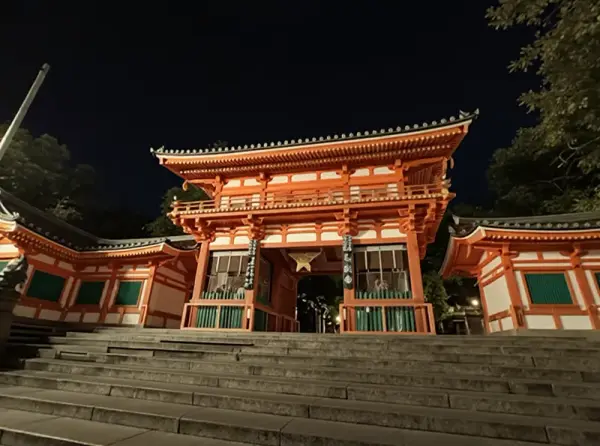
10. Gion District (祇園) - historic geisha district, including Hanami-koji and Yasaka Shrine
Wejdź do dzielnicy gejsz w Kioto, gdzie drewniane herbaciarnie oświetlone latarniami pielęgnują wieki tradycji. Przejdź się Hanami-koji, dostrzeż postaci w kimonach i odwiedź tętniącą życiem świątynię Yasaka.
Szybkie fakty: Świetlne lampiony odbijają się od wypolerowanych drewnianych machiya, gdy maiko ślizgają się wzdłuż wąskiej brukowanej uliczki otoczonej herbaciarniami, co sprawia, że wieczory nabierają filmowego charakteru. Żywy chram shinto położony na wschodnim krańcu dzielnicy przyciąga głośne letnie procesje oraz tysiące wiszących lampionów, tworząc żywy kontrapunkt dla wyrafinowanego spokoju herbacianych domów.
Najważniejsze atrakcje: O zmierzchu wąskie drewniane uliczki wypełniają się zapachem yakitori i węgla drzewnego, podczas gdy czerwone papierowe lampiony rzucają kałuże światła, a od czasu do czasu można dostrzec maiko w wielowarstwowych kimonach, ich biała twarz i kwiatowe kanzashi błyszczą, gdy drewniane chodaki stukają o kamienie. Chram założony w 656 roku n.e. jest centrum corocznego festiwalu lipcowego, podczas którego ogromne, ozdobione platformy zwane yamaboko są ciągnięte przez drużyny wieśniaków, wiekowy rytuał, który przemienia ciche uliczki w paradę bębnów i dymu z kadzideł.
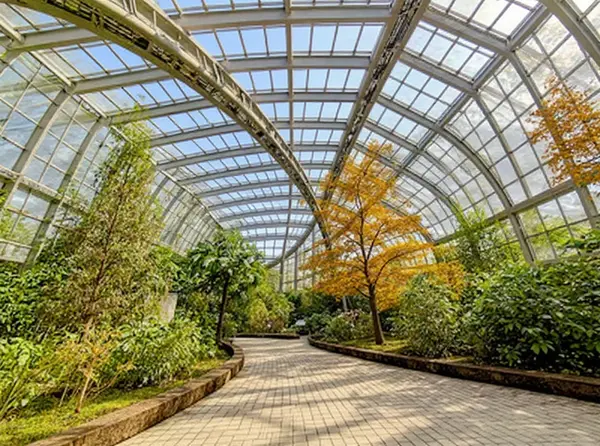
11. Visit Kyoto Botanical Gardens
Odkryj ponad 12 000 gatunków roślin w jednym rozległym ogrodzie. Podziwiaj stawy z koi i olśniewającą kolekcję róż.
Szybkie fakty: Odkryj ogród szczycący się ponad 12 000 gatunków roślin rozsianych na 24 hektarach. Odwiedzający spacerują po gigantycznej szklarni mieszczącej rośliny tropikalne i subtropikalne, co jest rzadkim doświadczeniem w tak umiarkowanym mieście jak Kioto.
Najważniejsze atrakcje: Ogród posiada ogród różany z około 700 odmianami, idealny do żywych, kolorowych zdjęć. Spokojny staw z rybami koi odbija otaczającą zieleń, tworząc sielankowe miejsce cenione przez artystów i fotografów.
Co zarezerwować z wyprzedzeniem w Kyoto
Te miejsca szybko się wyprzedają lub wymagają rezerwacji. Zarezerwuj je najpierw, w tej kolejności.
- 1.Kyoto Imperial Palace (京都御所) - historic residence of the imperial familyRezerwuj 3 dni wcześniejKilka dni do tygodnia wcześniej Sprawdź dostępność
Where to Stay in Kyoto, Japan
Selected by City Buddy based on guest reviews and proximity to top attractions
Search all hotels in Kyoto, JapanPowered by agoda
Dni otwarcia w Kyoto, Japan
Które z najważniejszych atrakcji są zamknięte w poszczególne dni tygodnia. Klasyczny pogromca wycieczek, sprawdzony za Ciebie.
poniedziałek: 1 z 10 najważniejszych atrakcji zamkniętych. Zaplanuj muzea na inny dzień.
Zamknięte w poniedziałek · 1 zamkniętych, 9 otwartych
Dni otwarcia z Google Maps (sprawdzone 2026-03-18). Święta, strajki i godziny sezonowe mogą się różnić. Sprawdź oficjalną stronę przed wyjazdem.
Tradycyjne słodkie potrawy
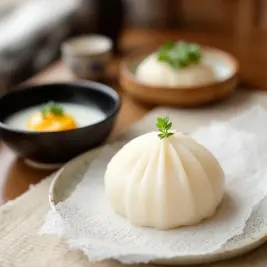
Mochi
Kyoto mochi is traditionally pounded by hand at festivals, producing a glossy, elastic texture that symbolizes good fortune and community spirit.
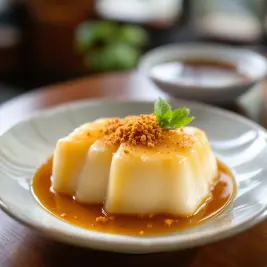
Yatsuhashi
Yatsuhashi is a cinnamon-flavored Kyoto sweet shaped like a folded triangle, and the soft unbaked version wrapped around sweet red bean paste is a must-try local specialty.
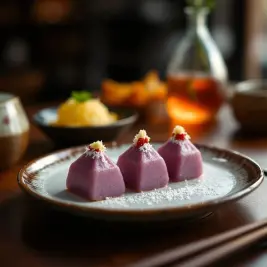
Wagashi
Kyoto wagashi are miniature seasonal landscapes you can eat, crafted to mirror flowers, leaves and festivals and designed to complement the bitterness of matcha during tea ceremonies.
Tradycyjne słone potrawy
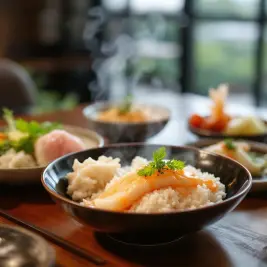
Kaiseki
Kaiseki in Kyoto is a poetic multi-course meal where each dish is arranged like a painting, highlighting one perfect seasonal ingredient and a delicate balance of taste and texture.
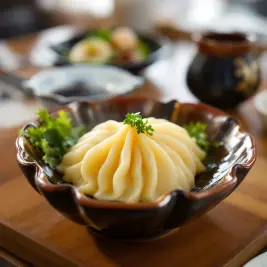
Yudofu
Yudofu is humble simmered tofu served near Kyoto temples, often enjoyed straight from the pot in a kelp-infused broth to celebrate simplicity, purity and the monk's palate.
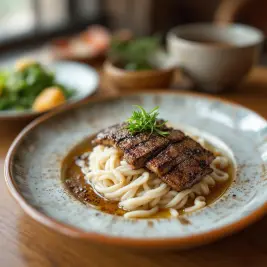
Obanzai
Obanzai is Kyoto's home-style cooking, made from small, seasonal ingredients sourced within the city and prepared with techniques passed down through generations, it embodies sustainable, everyday elegance.
Tradycyjne napoje

Matcha
Kyoto's matcha, especially from Uji, is prized for its bright green color and savory umami, and in the tea ceremony it is whisked into a froth to create a meditative moment of flavor and focus.

Sake
In Kyoto's Fushimi district the soft groundwater creates silky, mellow sake, and centuries-old breweries still use traditional wooden fermentation methods to produce nuanced flavors.
Co warto wiedzieć przed wyjazdem
Ile kosztuje dzień w Kyoto i czego unikać
Koszt na osobę dziennie
Największe naciągactwa, których unikać
- Kierowcy bez licencji w pobliżu stacji. Korzystaj z oficjalnego postoju taksówek i wybierz taksówkę z taksometrem; przed odjazdem upewnij się, że taksometr działa.
- Naganiacze kierujący do restauracji z prowizją. Odmawiaj zaproszeń od ulicznych naganiaczy; wybieraj lokale z wywieszonym menu i cenami przy wejściu.
- Punkty wymiany walut z niekorzystnym kursem. Zamiast tego korzystaj z bankomatów bankowych; jeśli musisz wymienić gotówkę, wcześniej porównaj kursy i unikaj punktów z odliczaniem czasu.
Uczciwa taksówka z lotniska: 9 000 ¥ - 15 000 ¥ (51 € - 85 €)
Tańsza opcja: Pociąg ekspresowy Haruka do stacji Kyoto (3 000 ¥)
Wszystkie naciągactwa, uczciwe ceny i zasadyCzęsto zadawane pytania o Kyoto, Japan
Najlepszy czas na wizytę w Kioto w Japonii?
Czy Kioto w Japonii jest bezpieczne dla podróżnych?
Czy wizyta w Kioto w Japonii jest droga?
Jak poruszać się po Kioto w Japonii?
Czy woda z kranu w Kioto w Japonii jest bezpieczna do picia?
Wyślij PDF z najpopularniejszymi atrakcjami na swój e-mail
Otrzymaj PDF ze wszystkimi atrakcjami, ocenami i wskazówkami. Idealne do użytku offline.
Najpopularniejsze wycieczki jednodniowe
Nara
Ancient temples and friendly free-roaming deer in Nara Park.
Osaka
Vibrant food, nightlife, and Osaka Castle.
Himeji
Home of Himeji Castle, Japan's best-preserved castle.
Amanohashidate
Scenic sandbar with classic 'view from above' lookout.
Jak dojechać
Lotniska
Stacje kolejowe
JR Tokaido/Sanyo Shinkansen, JR lines, Kintetsu connections
Keihan & Hankyu connections to Kyoto center
From KIX take the JR Haruka limited express or airport limousine bus to Kyoto Station.
Przydatne informacje dla Kyoto, Japan
Przegląd dla Kyoto, Japan
Porównaj Kyoto z innymi destynacjami
Ceny, bezpieczeństwo, pogoda i główne atrakcje obok siebie, z werdyktem dla każdego rodzaju podróżnika.
Chcesz plan dzień po dniu dla Kyoto, Japan? Otwórz planer podróży
Kiedy jedziesz do Kyoto, Japan?
Wybierz daty i styl podróży, aby otrzymać:
Czy coś z tego jest dla Ciebie szczególnie ważne?
Wybierz wszystkie, które pasują
Przemieszczanie się
Jak chcesz się przemieszczać między miejscami?
Język planu: PolskiMost popular itineraries for Kyoto, Japan
Browse trip plans created by other travelers
5-Day Relaxed Cultural and Culinary Journey in Kyoto
A comfortable-paced exploration of Kyoto's iconic landmarks, cultural sites, scenic walks, food markets, and local cuisine experiences over five spring days.
2-Day Autumn Exploration in Kyoto's Timeless Beauty
Immerse yourself in Kyoto's autumn charm with a perfect blend of historic temples, scenic walks, vibrant markets, and local experiences that capture the spirit of the season.
3-Day Autumn in Kyoto: Temples, Traditions, and Tranquility
Experience Kyoto's stunning autumn colors with temple visits, traditional experiences, and scenic strolls that capture the city's timeless charm.
4-Day Kyoto for Offbeat Culture and Food Explorers
Discover Kyoto's hidden gems and authentic local experiences through secret viewpoints, neighborhood eateries, ancient sites, and vibrant underground scenes this spring.