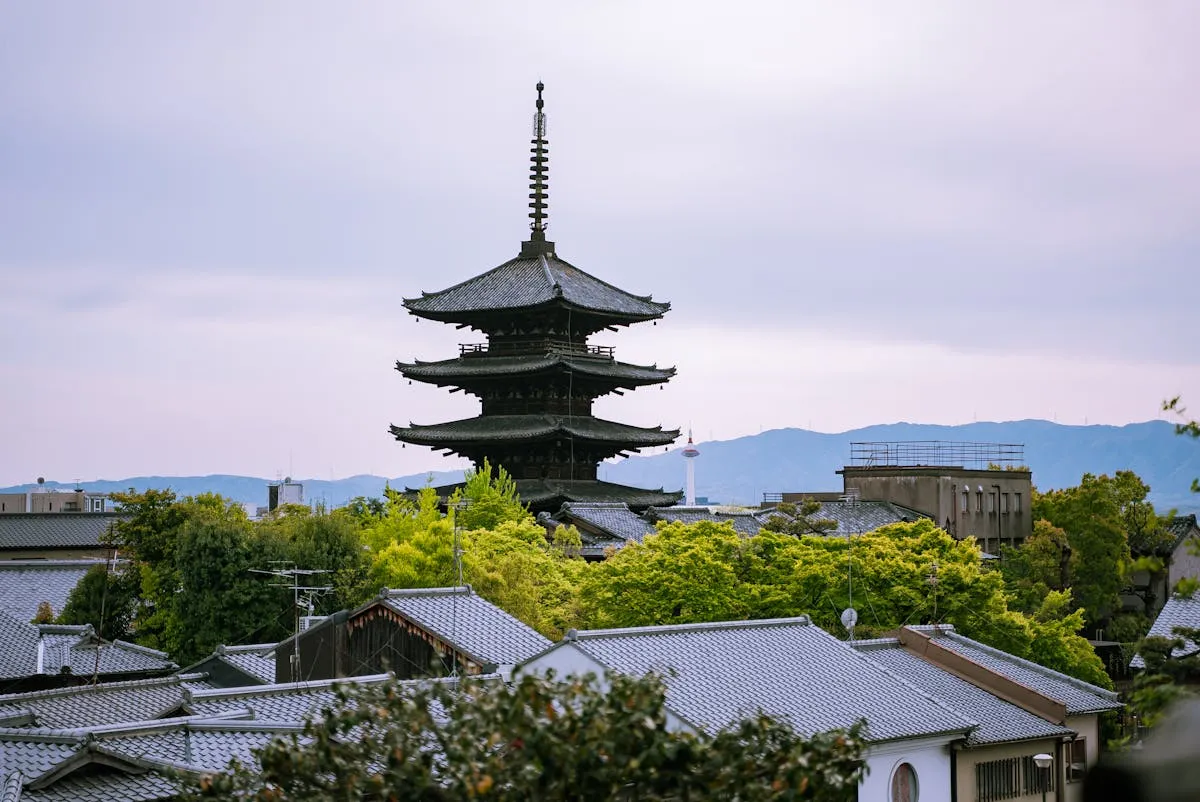
5-Day Relaxed Cultural and Culinary Journey in Kyoto
🏛️Culture & History🍽️Authentic Food☕Relaxed Pace
5 daysspring
A comfortable-paced exploration of Kyoto's iconic landmarks, cultural sites, scenic walks, food markets, and local cuisine experiences over five spring days.
5-Day Relaxed Cultural and Culinary Journey in Kyoto
🏛️Culture & History🍽️Authentic Food☕Relaxed Pace
5 daysspring
A comfortable-paced exploration of Kyoto's iconic landmarks, cultural sites, scenic walks, food markets, and local cuisine experiences over five spring days.
Kyoto's two subway lines and the JR loop are your backbone for reaching Nijo Castle, the Imperial Palace, and Kiyomizu-dera, while the Keihan line serves Fushimi Inari and Gion. Buses fill the gaps to Kinkaku-ji and Ginkaku-ji, though walking is best within the historic centre, especially along Philosopher's Path and through Gion. Arashiyama is a 20 minute train ride from central Kyoto via the JR Sagano line; the Bamboo Grove is a short stroll from the station. For taxis, use JapanTaxi, Uber, or DiDi; expect around $3 per kilometer. Nishiki Market and Pontocho are central, so walk between them.
Budget Breakdown
$625Trip total · $125 per day
Accommodation / night
$60
Food / day
$30
Transport / day
$10
Activities / day
$25
Daily total
$125
Trip total
$625
Accommodation based on mid-range hotels, food includes mix of restaurants and street food, transport includes public transit and occasional taxis, activities include entrance fees and classes.
Start your trip with orientation and local insights on a free guided city walk
Explore the Edo-period castle and its nightingale floors
What to order in Kyoto, Japan, with a fun fact for each
Traditional Savory Dishes
Kaiseki
Kaiseki in Kyoto is a poetic multi-course meal where each dish is arranged like a painting, highlighting one perfect seasonal ingredient and a delicate balance of taste and texture.
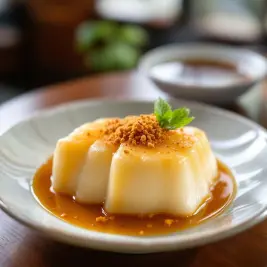
Yudofu
Yudofu is humble simmered tofu served near Kyoto temples, often enjoyed straight from the pot in a kelp-infused broth to celebrate simplicity, purity and the monk's palate.
Obanzai
Obanzai is Kyoto's home-style cooking, made from small, seasonal ingredients sourced within the city and prepared with techniques passed down through generations, it embodies sustainable, everyday elegance.
Traditional Sweet Dishes
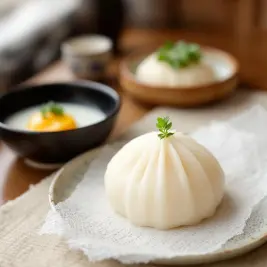
Mochi
Kyoto mochi is traditionally pounded by hand at festivals, producing a glossy, elastic texture that symbolizes good fortune and community spirit.
Yatsuhashi
Yatsuhashi is a cinnamon-flavored Kyoto sweet shaped like a folded triangle, and the soft unbaked version wrapped around sweet red bean paste is a must-try local specialty.
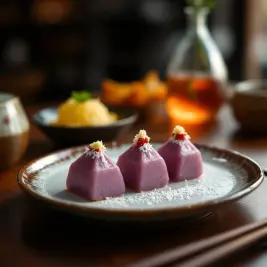
Wagashi
Kyoto wagashi are miniature seasonal landscapes you can eat, crafted to mirror flowers, leaves and festivals and designed to complement the bitterness of matcha during tea ceremonies.
Traditional Beverages
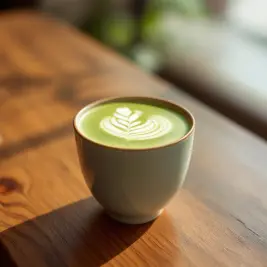
Matcha
Kyoto's matcha, especially from Uji, is prized for its bright green color and savory umami, and in the tea ceremony it is whisked into a froth to create a meditative moment of flavor and focus.
Sake
In Kyoto's Fushimi district the soft groundwater creates silky, mellow sake, and centuries-old breweries still use traditional wooden fermentation methods to produce nuanced flavors.
Export Your Trip
Get your trip plan as a PDF with maps and a CSV spreadsheet.
 CityBuddy