City BuddyCityBuddy
English
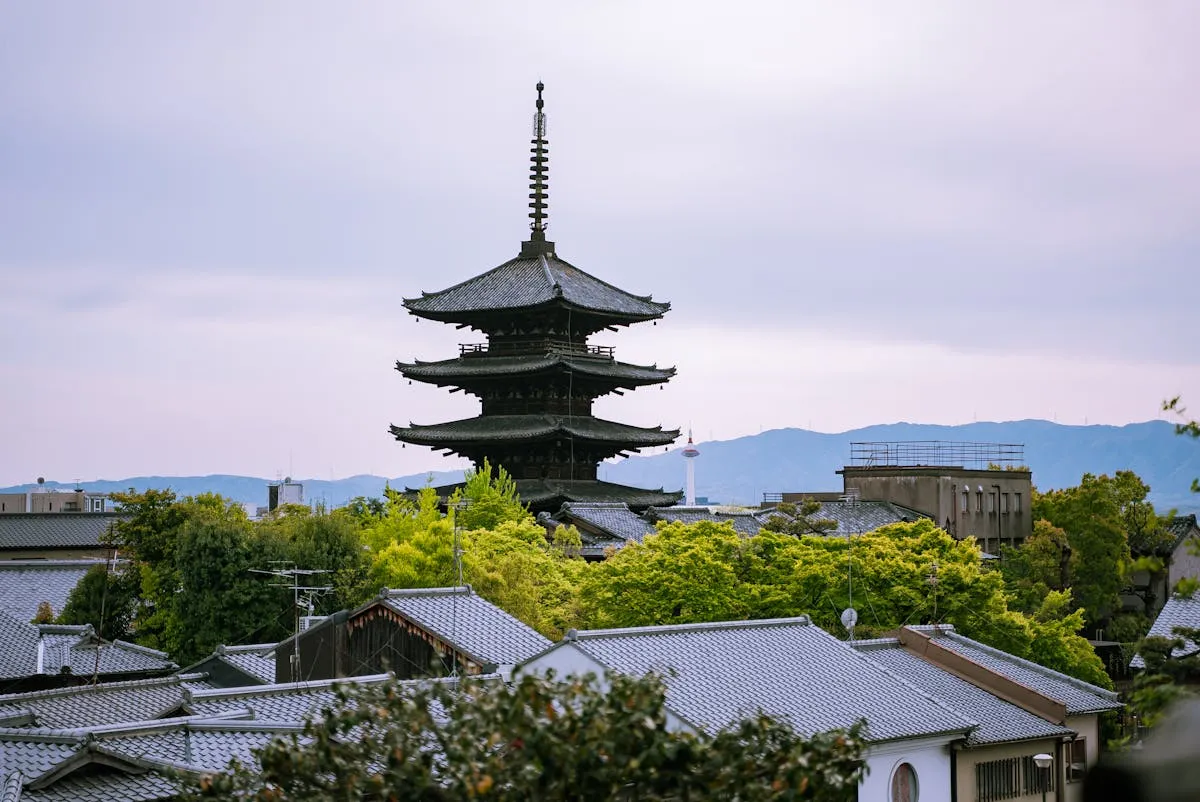
A captivating shot of Yasaka Pagoda amidst green foliage and traditional rooftops in Kyoto, Japan.

2-Day Autumn Exploration in Kyoto's Timeless Beauty

⚖️Balanced Mix
2 daysautumn

Immerse yourself in Kyoto's autumn charm with a perfect blend of historic temples, scenic walks, vibrant markets, and local experiences that capture the spirit of the season.

Loading

Getting around

By public transport

Kyoto is compact and well served by public transport, so you can leave the car behind. Use the Karasuma Subway Line for the Kyoto Botanical Gardens and the Tozai Line for Ryoan-ji and parts of the Philosopher's Path, while JR Nara Line trains from Kyoto Station quickly reach Fushimi Inari. The City Bus network links Arashiyama, Kiyomizu-dera, and Gion, but walking is best within the historic centre and along the Philosopher's Path. Taxis via JapanTaxi, Uber, or DiDi cost about $3 per kilometre for late nights or short cuts. Renting a car is possible but parking and narrow lanes make it far less convenient.

Budget Breakdown

$216Trip total · $108 per day

This plan belongs to another traveler, so it is read-only for you.

Where to stay tonight

Hotel in Gion (historic district with easy access to temples and nightlife) $60-90/night

Central location near major attractions visited today with plenty of dining and entertainment options.

Search hotels in this area
Where to stay tonight

Hotel in Central Kyoto (convenient location near Shijo and Kawaramachi shopping streets) $60-90/night

Central location allows easy access to both the historic temples and the Arashiyama area on Day 2.

Search hotels in this area

Must-try traditional foods & drinks

What to order in Kyoto, Japan, with a fun fact for each

Traditional Savory Dishes

Kaiseki

Kaiseki

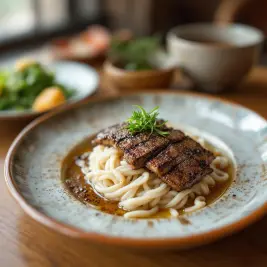
Kaiseki in Kyoto is a poetic multi-course meal where each dish is arranged like a painting, highlighting one perfect seasonal ingredient and a delicate balance of taste and texture.

Yudofu

Yudofu

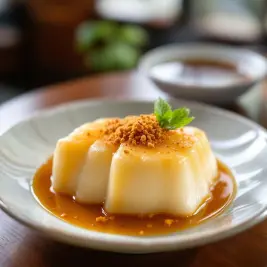
Yudofu is humble simmered tofu served near Kyoto temples, often enjoyed straight from the pot in a kelp-infused broth to celebrate simplicity, purity and the monk's palate.

Obanzai

Obanzai

Obanzai is Kyoto's home-style cooking, made from small, seasonal ingredients sourced within the city and prepared with techniques passed down through generations, it embodies sustainable, everyday elegance.

Traditional Sweet Dishes

Mochi

Mochi

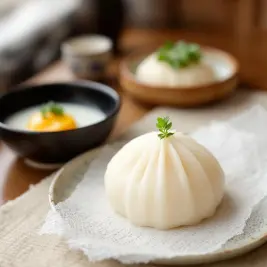
Kyoto mochi is traditionally pounded by hand at festivals, producing a glossy, elastic texture that symbolizes good fortune and community spirit.

Yatsuhashi

Yatsuhashi

Yatsuhashi is a cinnamon-flavored Kyoto sweet shaped like a folded triangle, and the soft unbaked version wrapped around sweet red bean paste is a must-try local specialty.

Wagashi

Wagashi

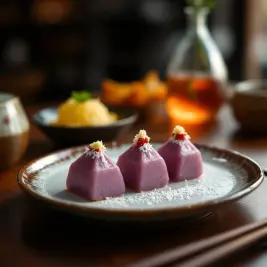
Kyoto wagashi are miniature seasonal landscapes you can eat, crafted to mirror flowers, leaves and festivals and designed to complement the bitterness of matcha during tea ceremonies.

Traditional Beverages

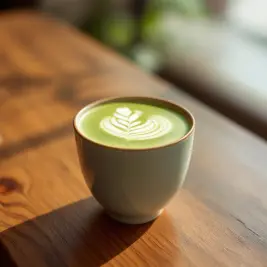
Matcha

Matcha

Kyoto's matcha, especially from Uji, is prized for its bright green color and savory umami, and in the tea ceremony it is whisked into a froth to create a meditative moment of flavor and focus.

Sake

Sake

In Kyoto's Fushimi district the soft groundwater creates silky, mellow sake, and centuries-old breweries still use traditional wooden fermentation methods to produce nuanced flavors.

Export Your Trip

Get your trip plan as a PDF with maps and a CSV spreadsheet.

Download PDF

Selected based on proximity to your itinerary attractions and guest reviews

Search all hotels in Kyoto

Powered by agoda

Create another trip plan