 CityBuddy
 Polski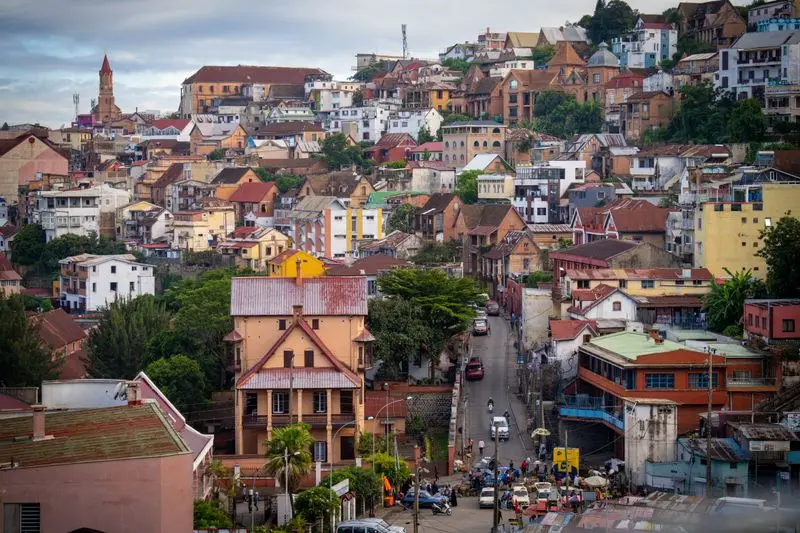
Co robić w Antananarivo, Madagascar
Zdjęcie wykonane przez Chen EdisoN na Pexels.com
Kiedy odwiedzić
Kiedy jedziesz do Antananarivo, Madagascar?
Wybierz daty i styl podróży, aby otrzymać:
Czy coś z tego jest dla Ciebie szczególnie ważne?
Wybierz wszystkie, które pasują
Getting around
How do you want to move between places?
Plan language: PolskiNajpopularniejsze atrakcje w Antananarivo, Madagascar
When searching for tips on what to do in Antananarivo on Madagascar, start at the Rova of Antananarivo, where the royal palace from 1610 stands with the mausoleum of Queen Ranavalona. Two streets further, Andafiavaratra Palace will surprise you with a collection of royal treasures, but also head to the Analakely market, which hundreds of microbuses reach from the center.
1. Andafiavaratra Palace
The seat of the last queen, visited by only a few hundred people a year. Personal objects from a hundred years ago lie here as if the owner had just stepped out a moment ago.
Szybkie fakty: Jej malgaska nazwa oznacza dosłownie "miejsce, gdzie rządzi wiatr" i dobrze oddaje położenie na odsłoniętym wzgórzu. Ostatnia panująca królowa pozostawiła w tych pokojach suknię ślubną, rękawiczki i fotografie, które leżą tu do dziś tak, jak je zostawiła.
Najważniejsze atrakcje: Największą tajemnicą są osobiste albumy ze zdjęciami, które zwiedzający może przeglądać własnymi rękami, oraz pokój sprzątnięty tak, jakby królowa przed chwilą z niego wyszła. Z balkonu spoglądasz na łagodne wzgórza, po których ostatnia władczyni chodziła, zanim w 1896 roku francuskie wojska wysłały ją na wygnanie.
2. Tsimbazaza Zoo
In a few hours you will walk through an entire island of lemurs, chameleons, and rare tortoises. The paths between the enclosures will lead you into a world you will not find anywhere else on the planet.
Szybkie fakty: Na powierzchni zaledwie kilku hektarów żyje tu około 80 gatunków madagaskarskich zwierząt, od królewsko niebieskich kameleonów przez fossy aż po największego lemura indri. Botaniczna część parku skrywa zielnik z około 80 tysiącami próbek roślin, które dokumentują wyspiarską florę, która w siedemdziesięciu procentach nie istnieje nigdzie indziej.
Najważniejsze atrakcje: Aj-aj, nocny lemur z długim pajęczym palcem, szuka tu sobie robaków pod korą bezpośrednio przed oczami zwiedzających, chociaż w domu w lesie deszczowym ludzie uważają go za zły znak. Pod wieczór rozlega się niepowtarzalny śpiew indri, którego echo rozchodzi się po cichnącym parku i w duszy przywołuje atmosferę dalekich lasów deszczowych.
3. Analakely Market
Vanilla, spices, and carvings straight from the trader, and prices can be haggled down to half. You walk between fragrant piles and take home trophies and new recipes.
Szybkie fakty: Vanilla from the east coast plantations, which the stalls here offer, covers about 80% of the world's natural production. Roughly 300 merchants sell spices, vegetables, raffia fabrics and wooden carvings here, and every price can be bargained down by up to half.
Najważniejsze atrakcje: In the side passage, a vanilla auction takes place every morning, where the price per gram rises within one minute and the winner pays cash on the spot. Bags of vanilla are placed on a large metal scale, and the air smells so strongly of sweet vanilla that your head spins.
4. Cathedral of the Immaculate Conception
Neogotyka na wyspie zaskoczy vás żywą afrykańską duchowością. Uvnitř usłyszycie mše po malgašsku i zobáčíte vitráže s baobabem.
Szybkie fakty: Soft light filters through over 24 colorful stained glass windows, tracing patterns on the stone floors that change with every hour; Sunday masses are held here in both French and Malagasy. The neo-Gothic structure of pale tuff stands on a hilltop above the city, and from its 35-meter tower you can see the entire metropolis.
Najważniejsze atrakcje: Since 1989 the church has kept the relics of the blessed Victoire Rasoamanarivo; her modest grave lies right by the side altar beneath a baobab wood sculpture. During Sunday mass the a cappella choir sings psalms in Malagasy, and the sound of the valiha carries out to the neighboring streets.
5. Mahamasina Municipal Stadium
A football evening full of drums, smoke shows, and chants you will not hear on TV. Take a seat in the lively section and feel the euphoria at every home goal.
Szybkie fakty: Over 22,000 fans fit in the stands, and at big concerts a standing crowd joins them out on the pitch. The home national football team Baréa plays its matches here, and the stadium also hosts big concerts and political rallies.
Najważniejsze atrakcje: The south section holds the loudest bunch of fans, who drum and dance nonstop through the whole match. When the home team scores a goal, yellow smoke rises above the stands and the whole arena immediately sings the same chant.
6. Lake Anosy
Fontanna na środku jeziora wieczorem gra światłem, a stado ptaków wypełnia brzegi życiem. Godzinny spacer wzdłuż wody da najpiękniejsze kadry i chwilę prawdziwego spokoju.
Szybkie fakty: Pośrodku tafli stoi trójpoziomowa fontanna z 1930 roku, która po zmroku rozświetla się kolorowymi reflektorami. Stado kilkudziesięciu kaczek i łabędzi żyje tu przez cały rok i podpływa do spacerowiczów po okruchy.
Najważniejsze atrakcje: Kolorowe refleksy trójpoziomowej fontanny wieczorem przesuwają się po tafli, a w bezwietrzną noc spadające krople odbijają światło pałacu jak tysiące drobnych monet. Najmniej osób zastaniesz tu o świcie, kiedy para łabędzi ma wodę tylko dla siebie, a z ogrodu dobiega wyłącznie chrzęst żwiru pod nogami.
7. Lemurs' Park
Jedyna okazja, by stanąć twarzą w twarz z lemurem w naturalnym lesie i nakarmić go z ręki. Przyjazne stada podbiegną do ciebie, a przewodnik opowie historię każdego z nich.
Szybkie fakty: Na zaledwie pięciu hektarach lasu żyje tu około 90 lemurów reprezentujących dziewięć gatunków, od śnieżnobiałych sifaków po rude wari. Strefę botaniczną tworzy ponad 400 endemicznych gatunków roślin, a każdy gość najpierw przechodzi krótkie szkolenie, zanim wkroczy między zwierzęta.
Najważniejsze atrakcje: Zamiast klatek jest otwarty las, po którym wolno przeskakuje ponad 90 osobników, a białe sifaki potrafią równym skokiem pokonać pięć metrów tuż nad twoją głową. Większość podopiecznych pochodzi z rąk przemytników, dlatego przewodnicy znają każdego lemura z imienia, historii i ulubionych przysmaków.
8. Is'Art Galerie
Jedyny taki przegląd młodej sztuki malgaskiej w stolicy. Zobaczysz prace, których nie kupisz nigdzie indziej, i porozmawiasz z samymi twórcami.
Szybkie fakty: Roczna frekwencja sięga około 30 tysięcy odwiedzających, a na ścianach przewija się ponad 40 nazwisk malgaskich twórców, od młodych debiutantów po uznanych mistrzów. Prawie połowa wystawianych płócien znajduje nabywców jeszcze przed oficjalnym otwarciem ekspozycji.
Najważniejsze atrakcje: Najbardziej elektryzujące są wernisaże, podczas których artyści malują na żywo przy dźwiękach valiha, tradycyjnego malgaskiego cytrusa. Kilkuset gości obserwuje w jednej sali, jak płótno przechodzi od pustego blejtramu do skończonego obrazu w ciągu jednego wieczoru.
Where to Stay in Antananarivo, Madagascar
Selected by City Buddy based on guest reviews and proximity to top attractions
Search all hotels in Antananarivo, MadagascarPowered by agoda
Tradycyjne słodkie potrawy
Koba
Koba is a sweet treat of ground peanuts and rice flour, wrapped in banana leaves and slowly simmered. The longer it cooks, the darker the banana leaf bundle becomes, and many families make it for festive gatherings.
Bonbon coco
Bonbon coco is a homemade coconut candy made from grated coconut and caramelized sugar. It is a beloved street food in Antananarivo, often sold in small paper twists by vendors.
Mofo gasy
Mofo gasy is a sweet fried rice bread often eaten for breakfast. It pairs perfectly with ranonapango, the traditional rice water drink, and has a soft, cake-like center.
Tradycyjne słone potrawy
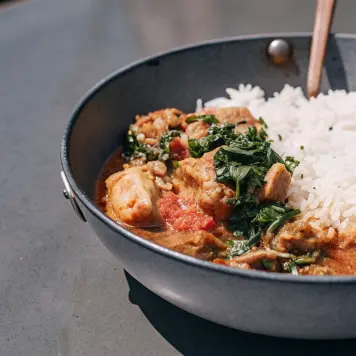
Romazava
Romazava is considered the national dish of Madagascar, a hearty stew of zebu beef and leafy greens. It is typically cooked with garlic, ginger, and tomato, and eaten with rice.
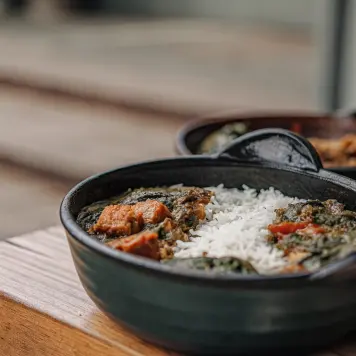
Ravitoto
Ravitoto is made from mashed cassava leaves cooked with pork and sometimes coconut milk. It is a rustic highland favorite around Antananarivo, usually served with white rice and herbs.
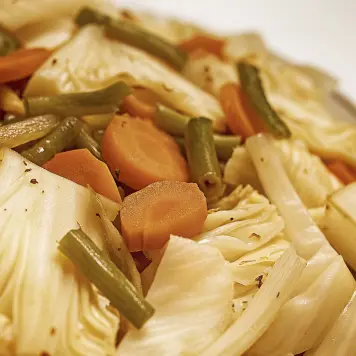
Achards
Achards are tangy pickled vegetables, a legacy of the Malagasy Chinese community in Antananarivo. Carrots, cabbage, and green beans are marinated with spices to accompany nearly every meal.
Tradycyjne napoje
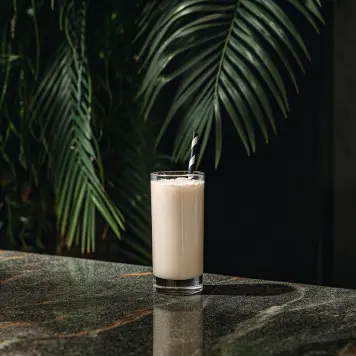
Ranonapango
Ranonapango is the starchy, milky water left after rice is cooked or rinsed. It is chilled and served alongside mofo gasy, and beloved by children as a sweet, comforting drink.
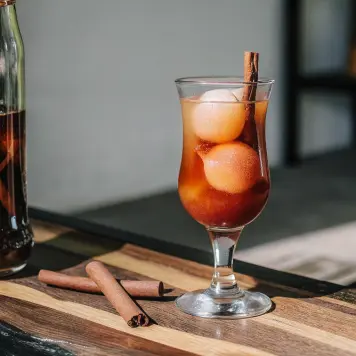
Rhum arrange
Rhum arrange is a spiced rum infused with tropical fruits and spices such as lychee, vanilla, and wild coffee. It is a popular aperitif served in many bars and restaurants of Antananarivo.
Cafe au lait
Madagascar grows prized robusta coffee, and Antananarivo's mornings begin with cafe au lait. Many locals enjoy it strong, while sweet cane sugar softens its bold flavor.
Frequently Asked Questions about Antananarivo, Madagascar
Is Antananarivo on Madagascar safe for tourists?
How many days are enough for visiting Antananarivo?
When is the best time of year to visit Antananarivo?
Is Antananarivo on Madagascar expensive?
What is the best way to get around Antananarivo?
Wyślij PDF z najpopularniejszymi atrakcjami na swój e-mail
Otrzymaj PDF ze wszystkimi atrakcjami, ocenami i wskazówkami. Idealne do użytku offline.
Najpopularniejsze wycieczki jednodniowe
Ambohimanga Royal Hill
Sacred royal hill with shrines and sweeping city views.
Lemurs' Park
Private reserve home to nine lemur species on guided walks.
Peyrieras Reserve
Butterfly farm and reptile park in lush eastern rainforest.
Andasibe-Mantadia National Park
Indri lemur habitat with night walks in protected forest.
Jak dojechać
Lotniska
Stacje kolejowe
Toamasina east coast line; historic route toward Antsirabe
Prebook a taxi or airport shuttle from Ivato to the center, about 45 minutes; agree on the fare first.
Kliknij, aby uzyskać eSim dla Antananarivo, Madagascar
Najprostszy i najtańszy sposób na dostęp do internetu mobilnego gdziekolwiek podróżujesz.
Komentarze (6)
Tana totally surprised me. Cooler than I expected up here and market days were electric. Four days felt just right, food was cheap and the street music is constant.
Honestly a bit let down. Rain hit every afternoon and pousse-pousse drivers triple prices once they see a tourist. Next time I would fly straight to the parks.
Loved the energy but the traffic is chaos and the air gets rough. Still, sunset from the old Rova hill made the whole trip worth it.
Big tip: do all your eating at the brochette stalls a couple blocks off the main drag. Same zebu and rice for half what the cafes near the center charge.
Land with cash already broken up. Shopkeepers and cabbies never have change for a 20k note, and sort a Telma sim at the airport before leaving the arrivals hall.