 CityBuddy
 Polski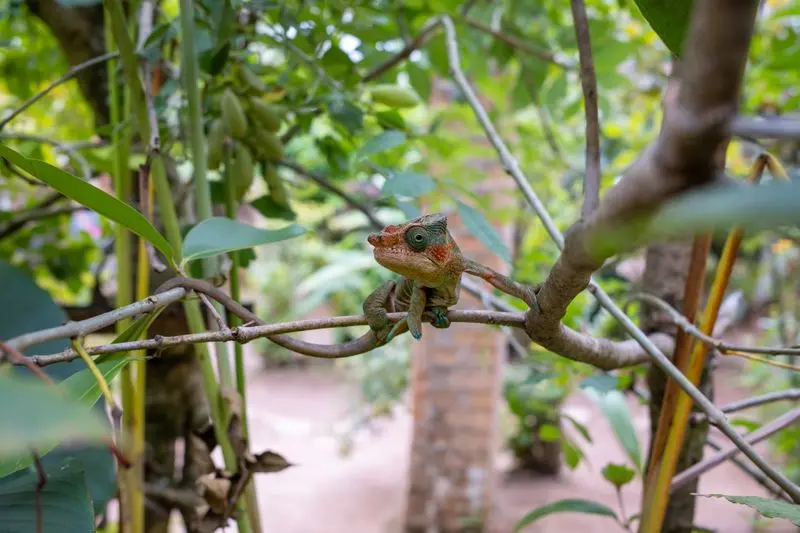
Co robić w Madagascar
Zdjęcie wykonane przez Pincalo na Pexels.com
Kiedy odwiedzić
Kiedy jedziesz do Madagascar?
Wybierz daty i styl podróży, aby otrzymać:
Czy coś z tego jest dla Ciebie szczególnie ważne?
Wybierz wszystkie, które pasują
Getting around
How do you want to move between places?
Plan language: PolskiNajpopularniejsze atrakcje w Madagascar
When you think about the things you can do in Madagascar, you cannot imagine anything more magnificent than a walk among the 30-meter-tall baobabs at the Avenue of the Baobabs. Be sure to visit Isalo National Park with its canyons and natural pools. And for the perfect getaway, there is also the island of Nosy Be with its turquoise waters and more than 20 diving spots.
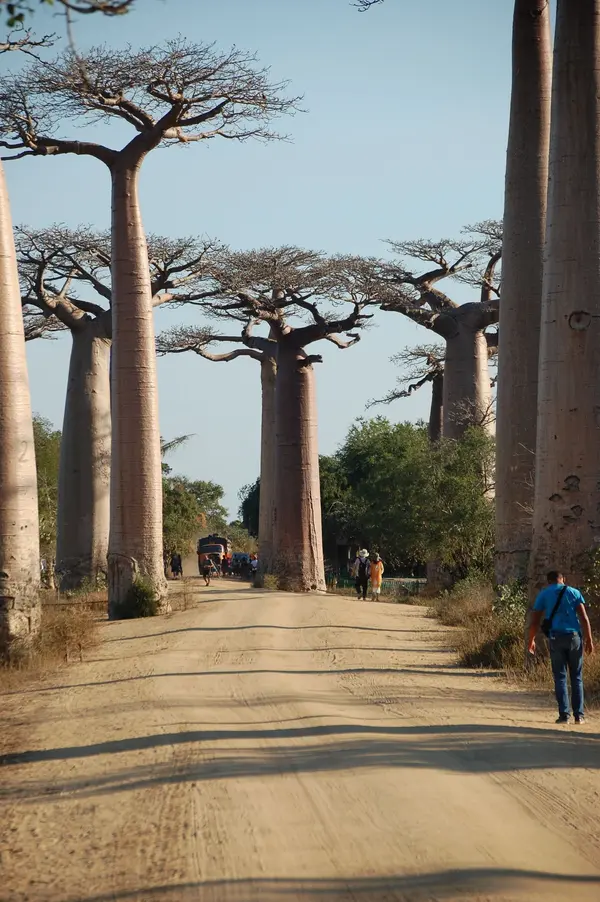
1. Avenue of the Baobabs
Morondava
A unique avenue of giant trees that you will not find anywhere else in the world. Stroll among the giant baobabs at sunset and feel a silence broken only by the rustling of leaves in the wind.
Szybkie fakty: Niektóre baobaby mają ponad 800 lat i posiadają ogromne pnie, które mogą pomieścić do 120 000 litrów wody. Większość tych olbrzymów dorasta do 30 metrów wysokości, a w porze suchej zrzucają liście i wyglądają, jakby rosły korzeniami do góry.
Najważniejsze atrakcje: O zachodzie słońca drzewa zamieniają się w sylwetki na pomarańczowym niebie, co tworzy widok, jakby namalował go sam Salvador Dali. W czasie pełni księżyca miodowe lemury wychodzą z lasu, aby żywić się kwiatami baobabów, co jest rzadkim i czarownym widokiem.
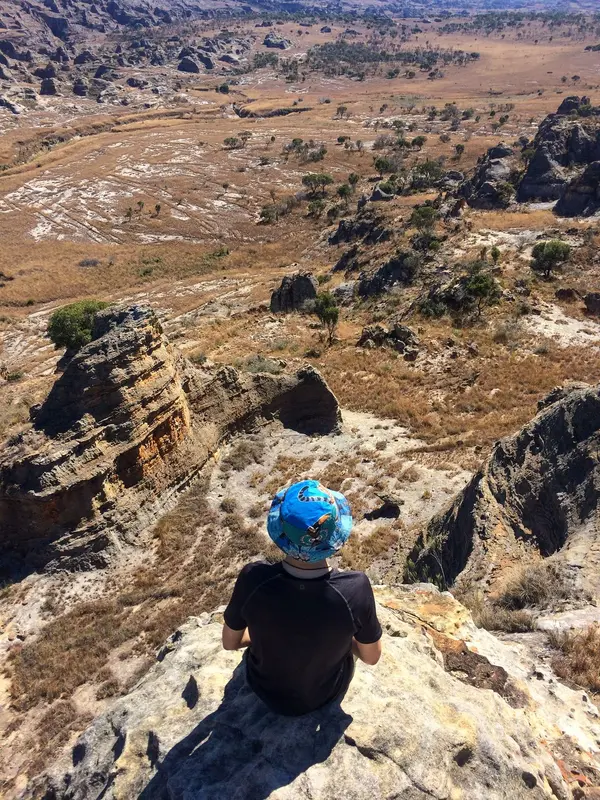
2. Isalo National Park
Ranohira
Discover the wild beauty of canyons and natural pools shaped by erosion over millions of years. You will walk past lemurs, swim in a natural pool, and admire the views from rocky plateaus.
Szybkie fakty: Ten park o powierzchni 81 500 hektarów na południu Madagaskaru powstał około 200 milionów lat temu, kiedy piaskowce otrzymały dzisiejszą formę. Co roku odwiedza go około 50 000 podróżników, których przyciągają zachwycające wąwozy, naturalne baseny i endemiczne gatunki roślin.
Najważniejsze atrakcje: W parku żyje lemur katta, którego na wolności można spotkać tylko na Madagaskarze, a jego grupy często napotkacie podczas spaceru przez kaniony. W sercu parku leży naturalny basen zwany Piscine Naturelle, gdzie w krystalicznie czystej wodzie można się orzeźwić w środku suchego sawannowego krajobrazu.
3. Nosy Be
Nosy Be
An island that smells of ylang-ylang and where humpback whales leap out of the water just a stone's throw from the shore. You will swim along coral reefs, stroll through vanilla plantations, and in the evening eat freshly caught seafood at sunset.
Szybkie fakty: Leży u północno-zachodnich wybrzeży Madagaskaru i słynie z plantacji ylang-ylang, które nadają wyspie słodki zapach tropikalnych kwiatów. Co roku przyciąga ponad 120 000 odwiedzających, którzy przyjeżdżają ze względu na lemury, humbaki i zapierające dech w piersiach plaże.
Najważniejsze atrakcje: W zatoce wyspy Nosy Be między czerwcem a wrześniem gromadzi się ponad 7 000 humbaków, co stanowi jedno z największych skupisk na planecie. Lokalni rybacy potrafią całkowicie bezgłośnie podpłynąć łodzią między nimi, tak że słychać oddech 15-metrowego olbrzyma zaledwie dziesięć metrów dalej.
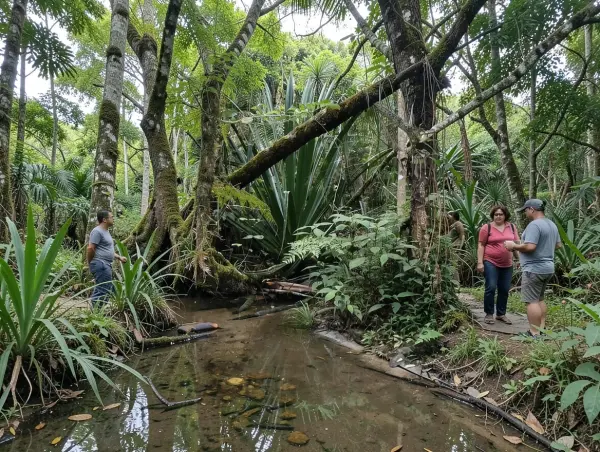
4. Andasibe-Mantadia National Park
Andasibe
The only place in the world where you will see and hear the indri in its natural habitat. At sunrise you will be awakened by its enchanting call, then you will chase glimpses of dozens of lemur species through the dense rainforest.
Szybkie fakty: Tu mieszka największy lemur na świecie, indri, którego ogłuszający poranny śpiew słychać z odległości ponad trzech kilometrów. Park chroni jeden z ostatnich skrawków nizinnego lasu deszczowego na Madagaskarze, gdzie odkryto ponad 100 gatunków storczyków.
Najważniejsze atrakcje: Przed wschodem słońca przez las rozbrzmiewa surrealistyczny chór indri, który miejscowi opisują jako śpiew duchów przodków. Naukowcy odkryli, że te pieśni lemurów służą do oznaczania terytorium i są przekazywane między rodzinami od wielu pokoleń.
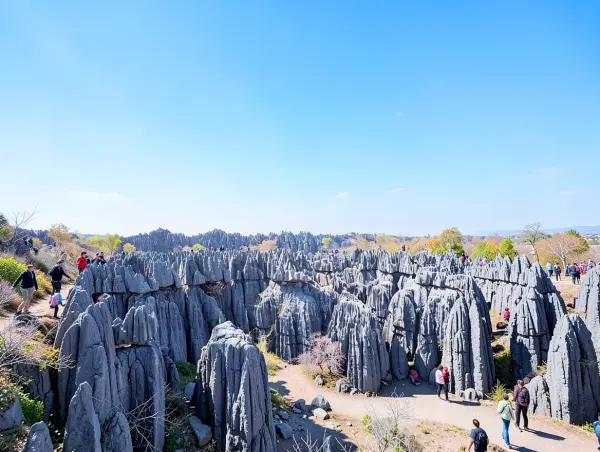
5. Tsingy de Bemaraha National Park
Antsalova
Climb among the sharp limestone needles that reach to the sky like knives. Walk across hanging bridges and discover the secretive world of lemurs and rocky labyrinths.
Szybkie fakty: Park obejmuje 157 000 hektarów wapiennych formacji skalnych, które zostały ukształtowane przez podziemne rzeki przez miliony lat. Żyje tu 11 gatunków lemurów, w tym rzadki biały lemur, którego można spotkać tylko na tym obszarze.
Najważniejsze atrakcje: W parku znajdują się spiczaste wapienne iglice, wysokie do 120 metrów, między którymi rozpięte są mosty wiszące, kołyszące się nawet 60 metrów nad ziemią. Pod powierzchnią kryje się sieć jaskiń i podziemnych rzek, w których żyje ślepa ryba Typhleotris madagascariensis.
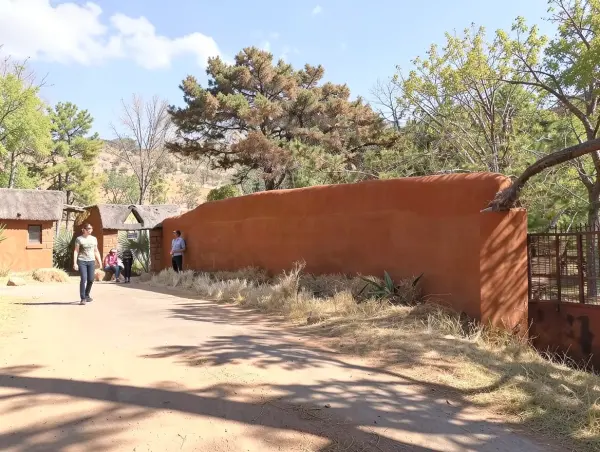
6. Lemurs' Park
Antananarivo
The only place in the world where you can walk freely among wild lemurs without fences. In the embrace of the Madagascan forest you will feel the wild within arm's reach.
Szybkie fakty: Mieszka tu ponad 60 lemurów siedmiu różnych gatunków, które swobodnie skaczą po 5 hektarach lasu. Założyciele otworzyli park w 2000 roku w celu ochrony tych zagrożonych zwierząt przed utratą naturalnego środowiska.
Najważniejsze atrakcje: Odwiedzający mogą karmić lemury prosto z ręki, ponieważ zwierzęta są całkowicie przyzwyczajone do obecności człowieka. Wyjątkowe uczucie towarzyszy, gdy na ramię wskakuje ci czarno-biały lemur wari, podczas gdy karmisz go kawałkiem banana.
7. Analakely Market
Antananarivo
The true heart of everyday life in the capital, where scents of vanilla, dried fish, and cinnamon mingle. A stroll among the stalls will give you a taste of a genuine Madagascan adventure.
Szybkie fakty: Każdego dnia spotyka się tu ponad 10 000 sprzedawców i kupujących, tworząc tętniące życiem centrum handlowe w samym sercu Antananarywy. Targ działa od 1932 roku i oferuje wszystko, od świeżych przypraw po ręcznie wykonane drewniane maski.
Najważniejsze atrakcje: Pod ogromnymi płóciennymi zadaszeniami rozpiętymi w poprzek głównej drogi sprzedawcy wystawiają filcowe tekstylia i niepowtarzalne wyroby z rogu zebu. Wejdź na pobliskie schody Place de l'Indépendance, skąd cały targ wygląda jak kolorowa mozaika barwnych parasoli i krzątających się ludzi.
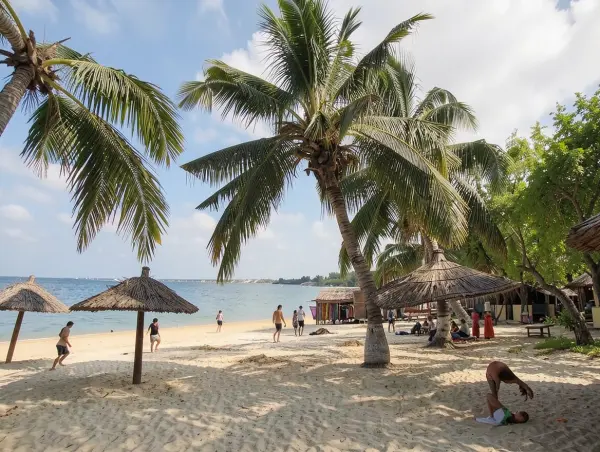
8. Ifaty Beach
Ifaty
Escape to a tropical paradise where turquoise seas meet endless palm plantations. Breathtaking sunsets, coral reefs, and unique wildlife await you.
Szybkie fakty: In Ifaty Bay lies one of the largest coral reefs in the southwestern Indian Ocean, stretching more than 20 kilometers along the coast. More than 130 species of coral and almost 500 species of fish live in the surrounding waters, and humpback whales also linger here during the season.
Najważniejsze atrakcje: When you walk along the beach at low tide, you can observe colorful sea stars and small octopuses in the shallows, hiding among the rocky pools. Right here, among the mangroves and dunes, lives the rare Verreaux's sifaka, a species of lemur found only in Madagascar.
9. Parc National de Ranomafana
Ranomafana
Step into a world where lemurs leap among the bamboo and the rare golden lemur enjoys deadly shoots. Stroll along winding rainforest trails full of hidden waterfalls and the shrieks of wild animals.
Szybkie fakty: This rainforest in southeastern Madagascar is home to more than 12 species of lemurs, including the rare bamboo lemur. In 1990 it was placed on the UNESCO World Heritage list, as it hides incredible biodiversity with over a hundred endemic species of plants and animals.
Najważniejsze atrakcje: In 1986 scientists discovered here a completely new species of mammal, the golden bamboo lemur, which nobody had known until then. Its main diet contains enough cyanide to kill most other animals, and the lemur digests it without difficulty.
Where to Stay in Madagascar
Selected by City Buddy based on guest reviews and proximity to top attractions
Search all hotels in MadagascarPowered by agoda
Popularne miasta w Madagascar


Tradycyjne słodkie potrawy

Koba Akondro
Koba Akondro is a steamed banana and peanut cake wrapped in banana leaves. It is often sold as a popular street food snack across Madagascar.
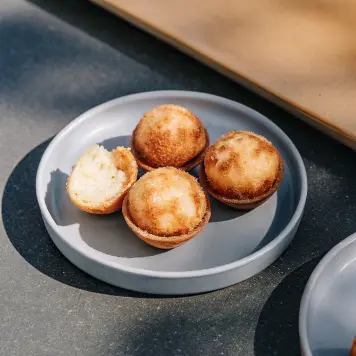
Mofo Gasy
Mofo Gasy are small, sweet rice flour fritters traditionally cooked in half-spherical pans. They are a beloved breakfast treat often eaten with coffee.
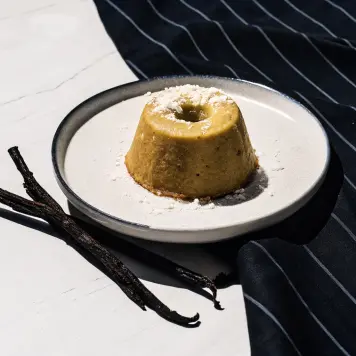
Mokary
Mokary is a dense, sweet cassava cake that is often flavored with coconut milk and vanilla. It is a staple dessert at celebrations and family gatherings.
Tradycyjne słone potrawy
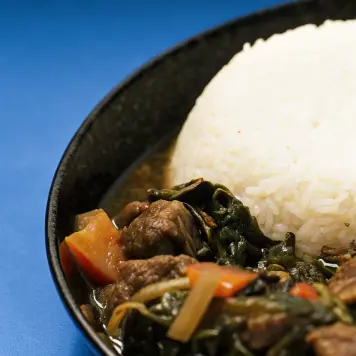
Romazava
Romazava is the national dish of Madagascar, a hearty meat and greens stew often made with zebu beef. It is typically served over a mound of steamed rice.
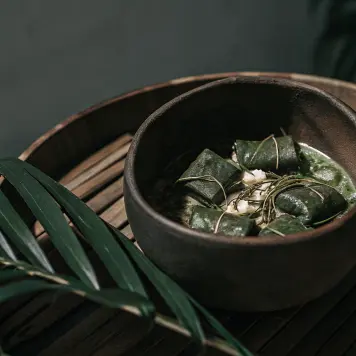
Ravitoto
Ravitoto is a savory dish made from pounded cassava leaves cooked with coconut milk and pork or beef. The pounding of the leaves gives the dish a uniquely creamy, rich texture.
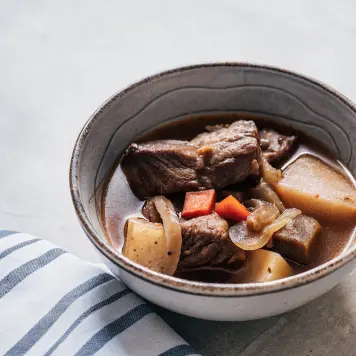
Lasopy
Lasopy is a traditional Malagasy vegetable soup made with cabbage, potatoes, carrots, and often zebu beef bones. It was influenced by French colonial cuisine but adapted to local ingredients.
Tradycyjne napoje
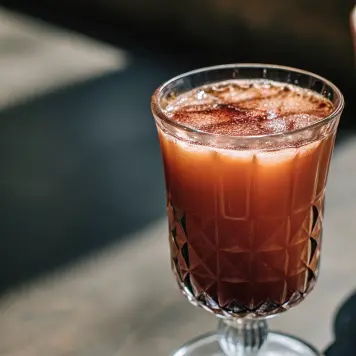
Ranonapango
Ranonapango is a simple yet beloved drink made from burnt or toasted rice steeped in hot water. It has a slightly smoky, nutty flavor and is commonly enjoyed after meals.
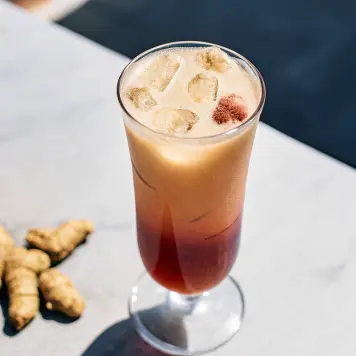
Betsabetsa
Betsabetsa is a traditional homemade ginger drink, often sweetened with sugar and served chilled. It is widely believed to aid digestion and provide natural energy.

Trembo
Trembo is a traditional palm wine tapped from the sap of coconut or raffia palm trees. It is naturally fermented and has a mildly sweet, effervescent taste, popular in coastal regions.
Frequently Asked Questions about Madagascar
Is Madagascar a safe destination for travelers?
How many days do you recommend for visiting Madagascar?
When is the best time to visit Madagascar?
Is Madagascar an expensive travel destination?
What is the easiest way to get around Madagascar?
Wyślij PDF z najpopularniejszymi atrakcjami na swój e-mail
Otrzymaj PDF ze wszystkimi atrakcjami, ocenami i wskazówkami. Idealne do użytku offline.
Najpopularniejsze wycieczki jednodniowe
Antananarivo
Capital city with royal palaces, bustling markets, and unique cultural heritage.
Antsirabe
Highland city known for thermal springs, rickshaws, and gemstone workshops.
Nosy Be
Island paradise with beaches, lemurs, snorkeling, and vanilla plantations.
Morondava
Gateway to the Avenue of the Baobabs and stunning sunset landscapes.
Antsiranana (Diego Suarez)
Northern port city with dramatic bays,Emerald Sea, and rainforests.
Jak dojechać
Lotniska
Stacje kolejowe
Antananarivo to Toamasina (east coast line)
Fianarantsoa to Manakara (south east scenic line)
Ivato Airport is 15 km from central Antananarivo. Taxis are available but negotiate the fare in advance. Pre-book a transfer for safety.
Kliknij, aby uzyskać eSim dla Madagascar
Najprostszy i najtańszy sposób na dostęp do internetu mobilnego gdziekolwiek podróżujesz.
Wiza i wjazd
Seychelles, Mauritius, Comoros, Kenya, some African nations
Most nationalities including USA, Canada, UK, EU, Australia, and Asian countries need a visa.
Visa on arrival available at Ivato Airport for most tourists. Fee is around 35 EUR for 30 days. Pay in local currency or EUR.
Komentarze (6)
Skip the taxi brousse if you can afford a private driver. The local buses are crammed, break down constantly, and add hours to your trip. Split a 4x4 with other travelers, way more worth it.
Download Maps.me offline before you go. Google Maps is useless there. Also bring cash from the airport ATM. Most towns have zero working card machines and the exchange rate at hotels is a total ripoff.
Loved the landscapes but Antananarivo was honestly chaotic and overwhelming. The food scene outside the capital is way better. Street markets near the coast had fresh seafood for cheap.
The baobabs at sunset are unreal. But honestly the roads are terrible. We budgeted 2 hours for a drive that took 6. Plan extra time everywhere or you'll stress yourself out.
Best trip of my life and I've been to 30 countries. The people are so warm, the nature is raw and untouched. Stay at least 2 weeks, anything less and you'll regret rushing.