 CityBuddy
 Polski
Co robić w Antsalova, Madagascar
Zdjęcie wykonane przez Zura Modebadze na Pexels.com
Kiedy odwiedzić
Kiedy jedziesz do Antsalova, Madagascar?
Wybierz daty i styl podróży, aby otrzymać:
Czy coś z tego jest dla Ciebie szczególnie ważne?
Wybierz wszystkie, które pasują
Getting around
How do you want to move between places?
Plan language: PolskiNajpopularniejsze atrakcje w Antsalova, Madagascar
The top things to do in Antsalova, Madagascar center on Tsingy de Bemaraha National Park, a UNESCO World Heritage Site where limestone pinnacles rise 200 meters above the plateau. From the village, pirogue trips cruise the Manambolo River through its steep gorges, then continue toward the Tsiribihina River.
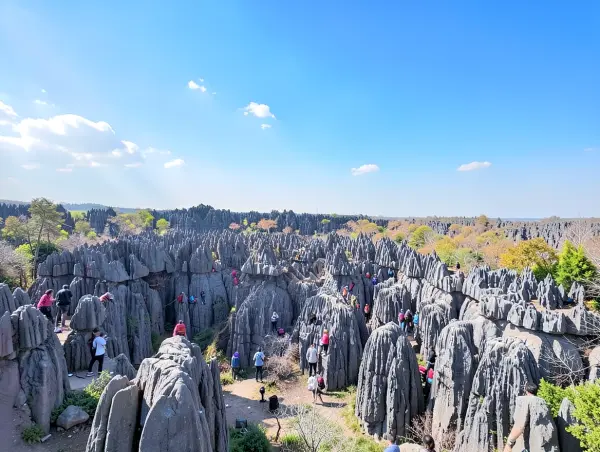
1. Tsingy de Bemaraha National Park
Imagine hiking across razor blades of limestone that pierce the sky. You'll traverse cable ladders through a colossal rock maze while white lemurs vault overhead.
Szybkie fakty: Vápencové iglice ostré jak brzytwa, wysokie nawet na 100 metrów, pokrywają płaskowyż mniej więcej dwukrotnie większy od Manhattanu. Lokalna nazwa tłumaczy się jako „chodzenie na palcach”, ponieważ postrzępiona skała wymaga właśnie tego.
Najważniejsze atrakcje: Sifaki Deckena, białe lemury potrafiące przeskakiwać 9 metrów między ostrzami skał, zamieszkują te wieże. Ich rechotliwe wrzaski odbijają się echem w kanionach o świcie niczym chór duchów, często dając się słyszeć na długo zanim je w ogóle dostrzeżesz.
2. Manambolo Gorges
A place where you can run your fingers across walls carved by water over millions of years. Feel the spray and hear the canyon echo as you descend into its cool, shadowed depths.
Szybkie fakty: Woda przez miliony lat przecięła kanion głębszy niż 100 metrów w warstwowym piaskowcu i wapieniu. Sezonowe deszcze zamieniają dno wąwozu w rwący nurt, a pora sucha pozostawia po sobie czyste baseny, w których odbijają się strzeliste pomarańczowoczerwone klify.
Najważniejsze atrakcje: Surowe żelazne drabiny przykręcone do ściany klifu sprowadzają cię na dno rzeki, gdzie obie ściany wznoszą się tak blisko, że możesz rozpostrzeć ramiona i niemal dotknąć obu stron. Ukryta przy górnym zakolu grota ocieka formacjami mineralnymi, które łapią światło czołówki i jarzą się głębokim bursztynem.
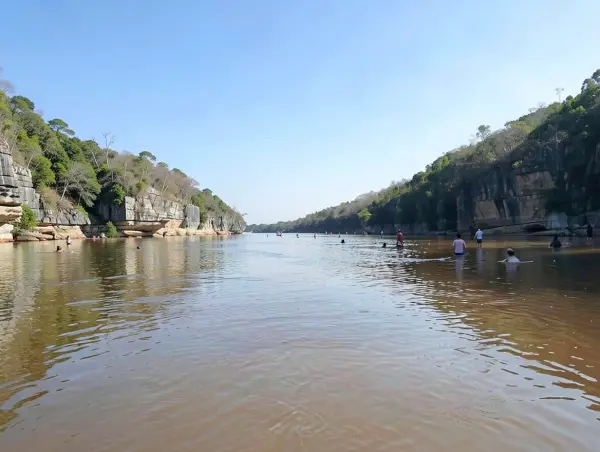
3. Manambolo River
Paddle a slender pirogue through a canyon of 100-meter limestone blades. You'll drift past leaping sifaka lemurs into a landscape that feels prehistoric.
Szybkie fakty: Brzegi wyznaczają wapienne iglice ostrze jak brzytwa, wysokie nawet na 100 metrów, rzeźbione przez miliony lat przez deszcz i podziemne źródła. Wioślarze pirog suną po spokojnej, herbacianej wodzie, a lemury sifaki Deckena skaczą po ścianach klifów nad ich głowami.
Najważniejsze atrakcje: W jednym zakręcie koryto zwęża się do ledwie trzech metrów, ściskając twoją pirogę między ścianami, które zdają się drapać niebo. Wioślarze mówią, że otwory jaskiń nad głową strzegą grobów Vazimba, mitycznych pierwszych osadników Madagaskaru, a moneta wrzucona w milczeniu w głębinę oddaje im cześć.
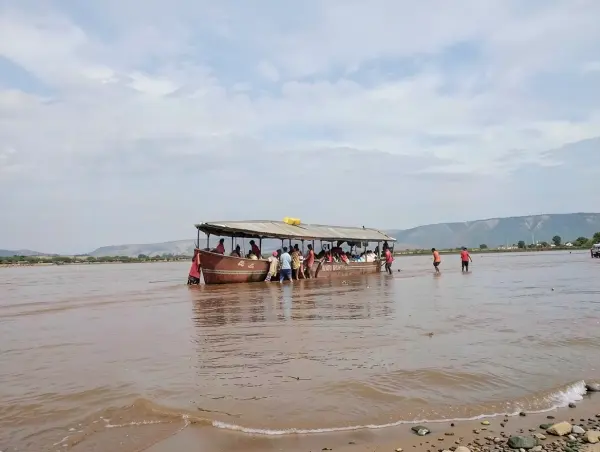
4. Tsiribihina River
Pole your own pirogue through rose-pink canyons and past thundering waterfalls. Camp on wild sandbanks, cook over open fires, and fall asleep to crocodile grunts.
Szybkie fakty: Zhruba 160 kilometrów dolnego biegu pokonuje się drewnianymi pirogami napędzanymi żerdziami podczas kilkudniowych spływów w stronę wybrzeża. Krokodyle wygrzewają się na piaszczystych łachach, a stada lemurów sifaka przedzierają się przez nadbrzeżny las nad głowami.
Najważniejsze atrakcje: W miejscu zwanym Saut de la Vierge woda huczy, spadając z 40-metrowej wysokości, a pod spodem można przejść, zanim ponownie wsiądzie się do pirogi niżej na rzece. Miękkie różowe ściany z piaskowca zwężają się miejscami do szerokości zaledwie jednej pirogi, a przewoźnicy sterują, czytając nurt rzeki, a nie mapy.
Where to Stay in Antsalova, Madagascar
Selected by City Buddy based on guest reviews and proximity to top attractions
Search all hotels in Antsalova, MadagascarPowered by agoda
Tradycyjne słodkie potrawy
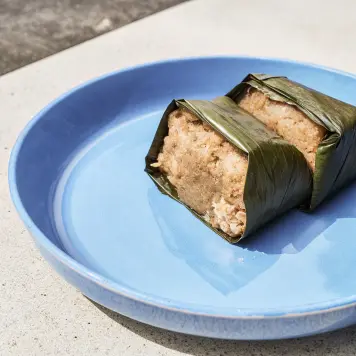
Koba akondro
Koba akondro is a sweet steamed cake made from ground peanuts, rice flour, and ripe bananas. It is traditionally wrapped in banana leaves and boiled for hours until it turns dense and sticky.
Mofo gasy
Mofo gasy is a sweet, yeast-risen breakfast bread fried as small round pancakes. Vendors often pull them straight from a large pan and serve them hot with coffee on the streets of Madagascar.
Mofo baolina
Mofo baolina are golden fried dough balls that are crisp outside and fluffy inside. They are a favorite schoolyard snack and are often sweetened with vanilla or coconut.
Tradycyjne słone potrawy
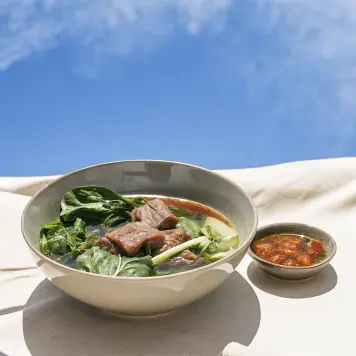
Romazava
Romazava is considered Madagascar's national dish, a hearty stew of beef and mixed leafy greens simmered with ginger and garlic. It is often finished with sakay, a fiery chili paste, at the table.
Ravitoto
Ravitoto is a rich dish of pork cooked with pounded cassava leaves. The greens are mashed or pounded until smooth, giving the stew a deeply earthy and savory flavor.
Vary amin'anana
Vary amin'anana is rice cooked together with leafy greens and often small pieces of meat or fish. In rural areas like Antsalova, it is a practical one-pot meal that makes the rice go further.
Tradycyjne napoje
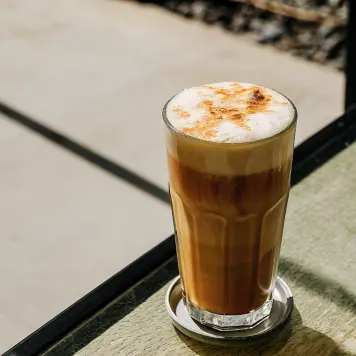
Ranonapango
Ranonapango is a comforting drink made by pouring water over the burnt rice crust left at the bottom of a cooking pot. The slightly toasty, nutty water is often sipped after meals.
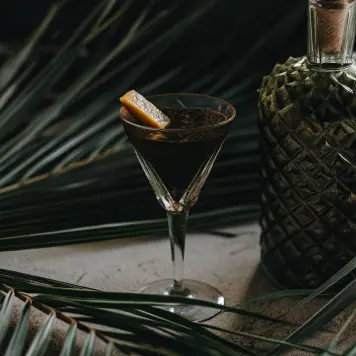
Toaka gasy
Toaka gasy is a traditional homemade rum distilled from sugarcane. It is often infused with local fruits, leaves, or herbs to create bold and aromatic spirits.
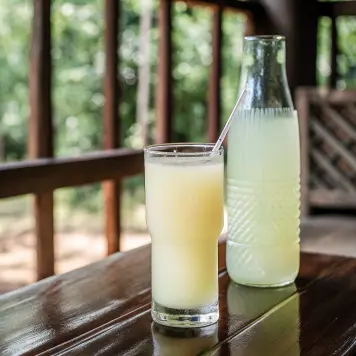
Betsabetsa
Betsabetsa is a lightly fermented drink made from leftover rice or maize porridge. It has a mildly sour, tangy taste and is prized as a refreshing drink in the hot western lowlands.
Frequently Asked Questions about Antsalova, Madagascar
Is Antsalova, Madagascar safe?
Best time to visit Antsalova, Madagascar?
How many days in Antsalova, Madagascar?
Is Antsalova, Madagascar expensive?
How to get around Antsalova, Madagascar?
Wyślij PDF z najpopularniejszymi atrakcjami na swój e-mail
Otrzymaj PDF ze wszystkimi atrakcjami, ocenami i wskazówkami. Idealne do użytku offline.
Najpopularniejsze wycieczki jednodniowe
Tsingy de Bemaraha
UNESCO limestone pinnacles and canyons, a stunning natural park
Avenue of the Baobabs
Famous dirt road lined with giant ancient baobab trees
Morondava
Coastal town and gateway to the Menabe region
Kirindy Forest
Protected dry forest with endemic lemurs and baobab species
Belo-sur-Tsiribihina
River village near the Tsiribihina river crossing
Jak dojechać
Stacje kolejowe
Main line from Toamasina, no direct service to Antsalova
Taxi-brousse routes from Antananarivo and Majunga
Most travelers fly to Morondava then take a taxi-brousse or 4x4 west; roads are rough and seasonal, so plan around the dry season.
Kliknij, aby uzyskać eSim dla Antsalova, Madagascar
Najprostszy i najtańszy sposób na dostęp do internetu mobilnego gdziekolwiek podróżujesz.
Komentarze (7)
Woke up to baobabs at sunrise and honestly lost it. The quiet here is unreal. One night felt way short, coulda stayed a week.
Market's great and locals are super warm. Only gripe is cash runs out fast, almost nothing takes card. Plan for that.
Only come May to October. Once the rains hit, the road from Morondava turns to mud and you'll be stuck for half a day. Check rain before booking.
It's properly off the map. Dusty, slow, zero rush, and that's the charm. Two nights was enough for me though.
That zebu stew from a roadside shack is a core memory. October was brutal hot but the evening breeze saved me. Would do it again.