 CityBuddy
 Polski
Co robić w Banaue, Philippines
Zdjęcie wykonane przez John Andrew Abala na Pexels.com
Najpopularniejsze atrakcje w Banaue, Philippines
Odkrywanie atrakcji na Filipinach to bogate połączenie historii i piękna przyrody. Przejdź się po Intramuros, XVI-wiecznym otoczonym murami mieście w Manili. Zachwyć się wulkanem Taal, jednym z najmniejszych aktywnych wulkanów na świecie, otoczonym malowniczym jeziorem. Nie przegap wpisanych na listę UNESCO tarasów ryżowych Banaue, wyrzeźbionych w górach ponad 2000 lat temu.
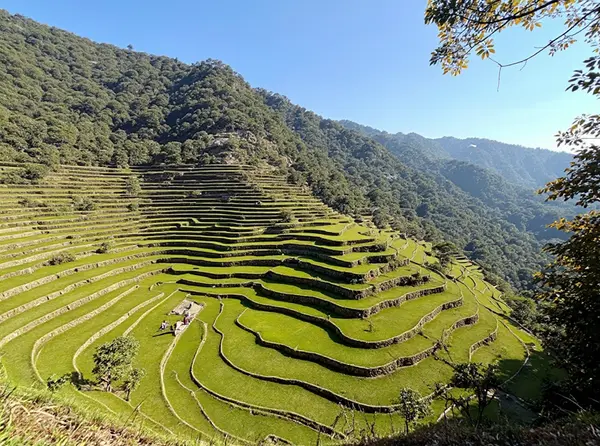
1. Banaue Rice Terraces
Banaue
Tarasy falują na zboczach gór, oferując spektakularne widoki. Wędruj wąskimi kamiennymi schodami i fotografuj lustrzane pola ryżowe o wschodzie słońca.
Szybkie fakty: Mozaika wąskich tarasów wspina się po stromych zboczach, zamieniając dolinę w żywe schody, przez które można spacerować. Ręcznie budowane kamienne ściany oraz sprytny system irygacji z bambusa i kanałów nadal kierują górską wodę źródlaną do równych, lustrzanych pól ryżowych.
Najważniejsze atrakcje: Lokalni starsi Ifugao wykonują pieśni hudhud na żniwa, które mogą mieć ponad 2000 wersów, rytmy splecione z rytuałami sadzenia i zbiorów. Wschód słońca zalewa tarasy, tworząc szkliste powierzchnie podwajające kolory nieba i sprawiające, że warstwy świecą jak schodkowe baseny.
Where to Stay in Banaue, Philippines
Selected by City Buddy based on guest reviews and proximity to top attractions
Search all hotels in Banaue, PhilippinesPowered by agoda
Tradycyjne słodkie potrawy
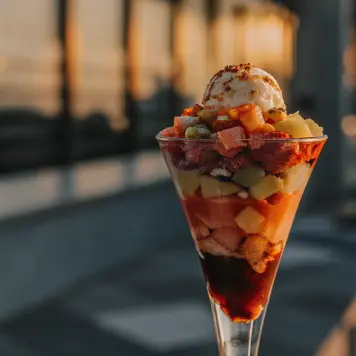
Halo-halo
Halo-halo's name literally means "mix-mix" in Filipino, and it can contain more than a dozen ingredients, creating a colorful layered dessert that celebrates variety and surprise in every spoonful.
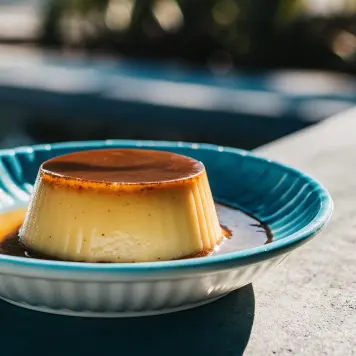
Leche flan
Leche flan is a dense, silky caramel custard introduced during Spanish colonial times, and its richness comes from a simple blend of egg yolks and sweetened milk.
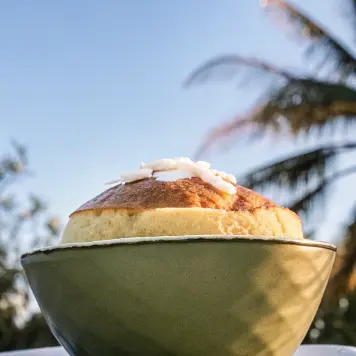
Bibingka
Bibingka is a rice cake traditionally baked in clay pots lined with banana leaves, giving it a smoky, aromatic crust and making it a beloved Christmas morning treat.
Tradycyjne słone potrawy
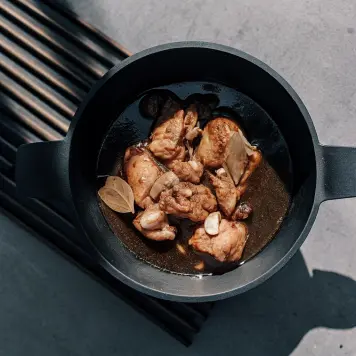
Adobo
Adobo is often called the unofficial national dish, and its versatile marinade of vinegar, soy sauce, garlic, and pepper lets it keep well and absorb bold, tangy flavors.
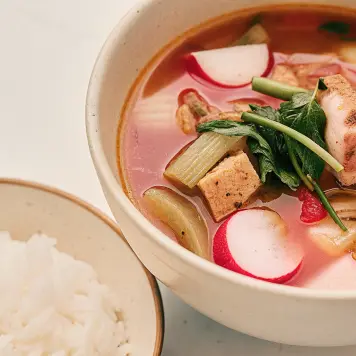
Sinigang
Sinigang is famous for its refreshingly sour broth, usually from tamarind, and Filipinos treasure it as a comforting, palate-cleansing soup that pairs perfectly with rice.
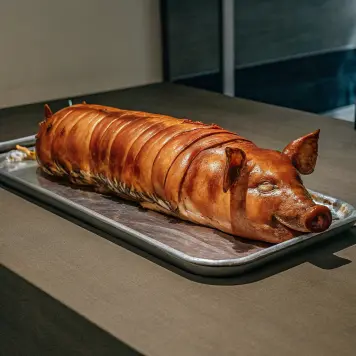
Lechon
Lechon is a whole roasted pig prized for crackling skin and tender meat, and at Filipino fiestas it serves as both a culinary showpiece and a symbol of celebration.
Tradycyjne napoje
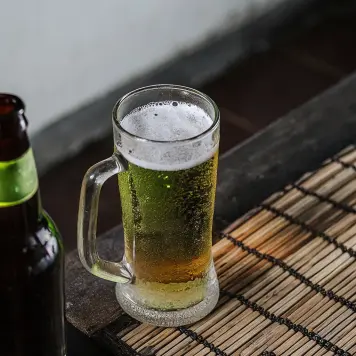
San Miguel beer
San Miguel is one of Asia's oldest beer brands, founded in 1890, and it played a major role in shaping social and culinary life across the Philippines and the region.
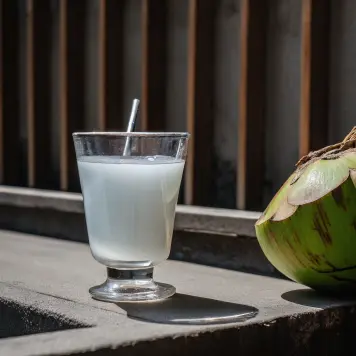
Buko juice
Buko juice is fresh young coconut water, naturally rich in electrolytes, and it is often sipped straight from the shell at beaches and roadside stalls for instant refreshment.

Sago't Gulaman
Sago't Gulaman combines chewy tapioca pearls and jelly with sweet brown sugar syrup, creating a refreshingly textural drink that is a staple of Filipino street stalls.
Często zadawane pytania o Banaue, Philippines
Jaki jest najlepszy czas na wizytę na Filipinach?
Czy Filipiny są drogie dla podróżnych?
Jak poruszać się po Filipinach?
Czy Filipiny są bezpieczne dla turystów?
Ilu turystów odwiedza Filipiny rocznie?
Wyślij PDF z najpopularniejszymi atrakcjami na swój e-mail
Otrzymaj PDF ze wszystkimi atrakcjami, ocenami i wskazówkami. Idealne do użytku offline.
Przydatne informacje dla Banaue, Philippines
Przegląd dla Banaue, Philippines
Chcesz plan dzień po dniu dla Banaue, Philippines? Otwórz planer podróży
Kiedy jedziesz do Banaue, Philippines?
Wybierz daty i styl podróży, aby otrzymać:
Czy coś z tego jest dla Ciebie szczególnie ważne?
Wybierz wszystkie, które pasują
Przemieszczanie się
Jak chcesz się przemieszczać między miejscami?
Język planu: Polski