 CityBuddy
 Polski
Co robić w Philippines
Zdjęcie wykonane przez John Andrew Abala na Pexels.com
Kiedy odwiedzić
Najpopularniejsze atrakcje w Philippines
Odkrywanie atrakcji na Filipinach to bogate połączenie historii i piękna przyrody. Przejdź się po Intramuros, XVI-wiecznym otoczonym murami mieście w Manili. Zachwyć się wulkanem Taal, jednym z najmniejszych aktywnych wulkanów na świecie, otoczonym malowniczym jeziorem. Nie przegap wpisanych na listę UNESCO tarasów ryżowych Banaue, wyrzeźbionych w górach ponad 2000 lat temu.
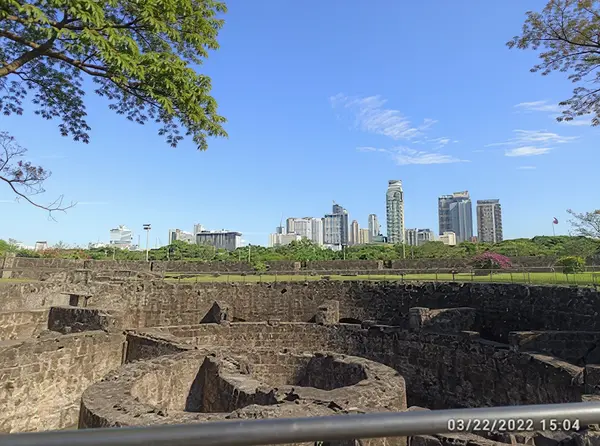
1. Intramuros
Manila
Wejdź do 400-letniego miasta otoczonego murami, zamrożonego między hiszpańską wspaniałością a historią naznaczoną wojnami. Wędruj brukowanymi uliczkami, wałami usianymi armatami i barokowymi kościołami w jedno popołudnie.
Szybkie fakty: Ta otoczona murami dzielnica o powierzchni 64 hektarów kryje kościoły, place i brukowane uliczki, które przetrwały wieki zmian, w tym ciężkie bombardowania podczas II wojny światowej. Jej 4,5 kilometra murów i fos niegdyś otaczało całe hiszpańskie kolonialne miasto, czyniąc ją najstarszą dzielnicą Metro Manila.
Najważniejsze atrakcje: O zmierzchu Baluarte de San Diego skrywa wyłożoną kamieniem sieć tuneli, która niegdyś łączyła działa i posterunki strażnicze, a pod trawą wciąż można przejść jej łukowatymi korytarzami. Kościół San Agustin to jedyny budynek w dzielnicy, który przetrwał bitwę o Manilę w 1945 roku nietknięty, a jego rzeźbione drewniane stalle chórowe pochodzą z XVII wieku.
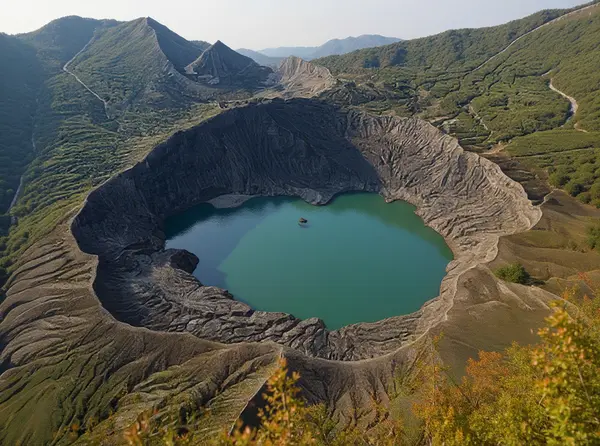
2. Taal Volcano & Lake
Tagaytay
Inny świat krajobrazów wulkanicznych wart wędrówki. Przepłyń łodzią po szklanym jeziorze, podejdź do parującego krateru i uchwyć dramatyczne zdjęcia.
Szybkie fakty: Zielona wyspa spoczywa w gorącym kraterowym jeziorze, otoczonym większą kalderą, co nadaje całemu krajobrazowi surrealistyczny, wielowarstwowy wygląd. Lokalni przewodnicy podkreślają, że wewnętrzny krater wykazywał aktywność ponad 30 razy w historii, więc krajobraz może się zauważalnie zmieniać między kolejnymi wizytami.
Najważniejsze atrakcje: O świcie jezioro czasem nabiera delikatnego różowego koloru, z unoszącą się wstęgami parą, a ziemia pod stopami jest ciepła i lekko siarkowa, co sprzyja nastrojowym zdjęciom. Lokalne łodzie zazwyczaj pobierają opłatę około 200-300 PHP za przeprawę w obie strony, a wiele z nich zawiera 30-minutowy przewodnik po krawędzi krateru, gdzie można zajrzeć do parujących fumaroli i poczuć ciepły popiół pod butami.
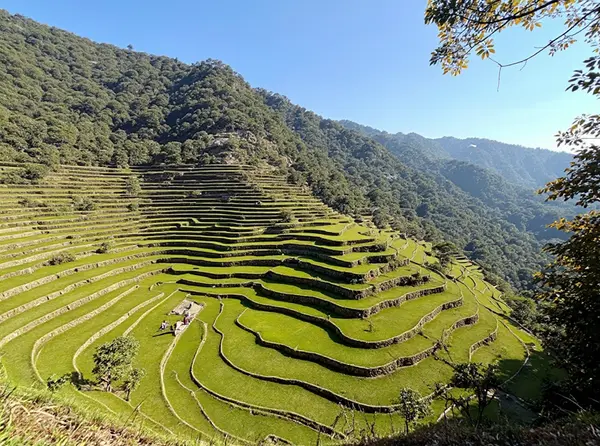
3. Banaue Rice Terraces
Banaue
Tarasy falują na zboczach gór, oferując spektakularne widoki. Wędruj wąskimi kamiennymi schodami i fotografuj lustrzane pola ryżowe o wschodzie słońca.
Szybkie fakty: Mozaika wąskich tarasów wspina się po stromych zboczach, zamieniając dolinę w żywe schody, przez które można spacerować. Ręcznie budowane kamienne ściany oraz sprytny system irygacji z bambusa i kanałów nadal kierują górską wodę źródlaną do równych, lustrzanych pól ryżowych.
Najważniejsze atrakcje: Lokalni starsi Ifugao wykonują pieśni hudhud na żniwa, które mogą mieć ponad 2000 wersów, rytmy splecione z rytuałami sadzenia i zbiorów. Wschód słońca zalewa tarasy, tworząc szkliste powierzchnie podwajające kolory nieba i sprawiające, że warstwy świecą jak schodkowe baseny.
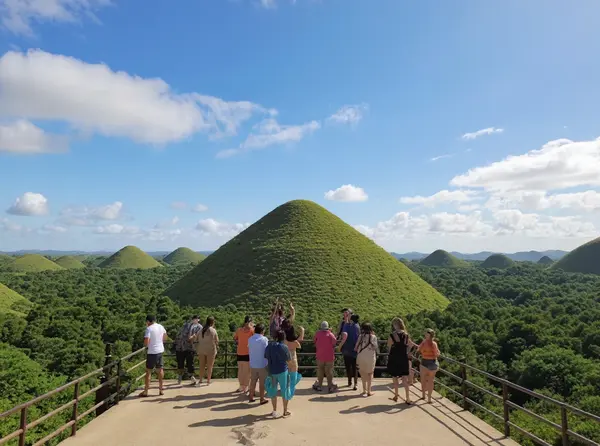
4. Chocolate Hills
Carmen
Falujące stożkowate wzgórza zmieniające kolor wraz z porami roku. Wejdź na punkt widokowy, by podziwiać rozległe panoramy i złociste światło o zachodzie słońca.
Szybkie fakty: Ponad 1200 stożkowatych pagórków rozciąga się po krajobrazie, niektóre o wysokości ponad 120 metrów, tworząc niezwykle regularny wzór. Suche trawy zmieniają kolor na głęboki brąz, przyciągając fotografów, którzy planują wizyty na złotą godzinę, by uchwycić zmieniające się kolory.
Najważniejsze atrakcje: W suchych miesiącach ponad 1260 trawiastych kopuł przybiera czekoladowobrązowy odcień, tworząc fale brązu rozciągające się aż po horyzont. Krótka wspinaczka po schodach na główną platformę widokową nagradza panoramicznym widokiem 360 stopni, zapachem suchej trawy i odległym dźwiękiem dzwonów pasących się carabao.
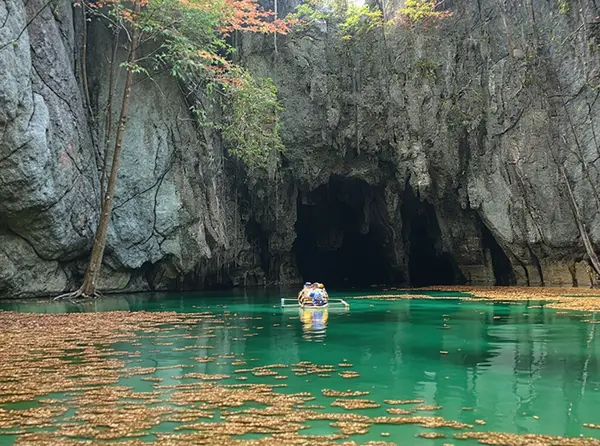
5. Puerto Princesa Subterranean River
Puerto Princesa
Płynąć łodzią przez dramatyczną podziemną rzekę. Doświadcz echa w jaskiniach, kapiących stalaktytów i kolonii nietoperzy.
Szybkie fakty: Można przepłynąć małą łodzią około 4,3 km spokojnej, lustrzanej rzeki biegnącej wewnątrz dramatycznych wapiennych jaskiń. Około 8,2 km korytarzy jaskiniowych wije się przez las krasowy, a miejsce to posiada uznanie UNESCO oraz tętniące kolonie nietoperzy.
Najważniejsze atrakcje: Podziemna rzeka oferuje rejs łodzią przez jaskinie, gdzie przewodnicy wskazują formacje nazwane, jak komnata "Katedra" i wąskie wapienne zasłony, podczas gdy nad głowami echem odbijają się nietoperze i jaskółki. Wpis na listę UNESCO z 1999 roku oraz wybór jako jednego z New7Wonders of Nature podkreślają unikalną bioróżnorodność krasu i dramatyczną architekturę jaskiń, które odwiedzający mogą zobaczyć z bliska.
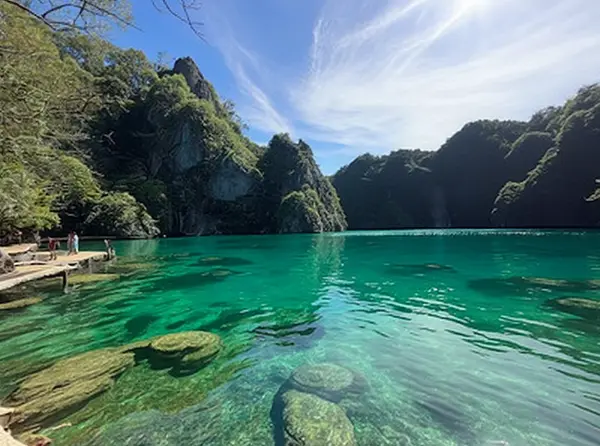
6. Kayangan Lake
Coron
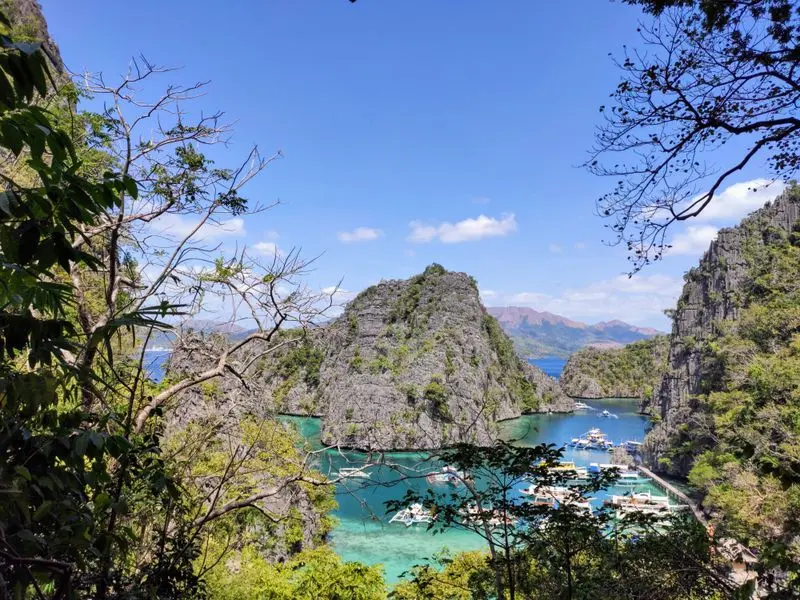
Krystalicznie czysta woda i strzeliste wapienne klify czekają. Spodziewaj się krótkiej przejażdżki łodzią, szybkiego wspinania i kąpieli w szmaragdowych wodach.
Szybkie fakty: Ostry wapienny amfiteatr opada do wody tak czystej, że można dostrzec ryby i szczegóły skał z powierzchni, często przy widoczności 10-15 metrów. Lokalnymi środkami transportu są łodzie z bocznym podparciem, a krótki spacer po stromych schodach nagradza dramatycznym punktem widokowym otoczonym klifami.
Najważniejsze atrakcje: Strome wapienne ściany wznoszą się na około 20-30 metrów nad wodą, a poranne słońce często rozświetla basen w klejnotowy turkus z przejrzystością 10-15 metrów. Żwawa wspinaczka trwająca 8-12 minut po około 50 wąskich stopniach prowadzi do panoramy, gdzie zamiast silników słychać ciszę, wiatr i ptaki, jeśli przybędziesz wcześnie.
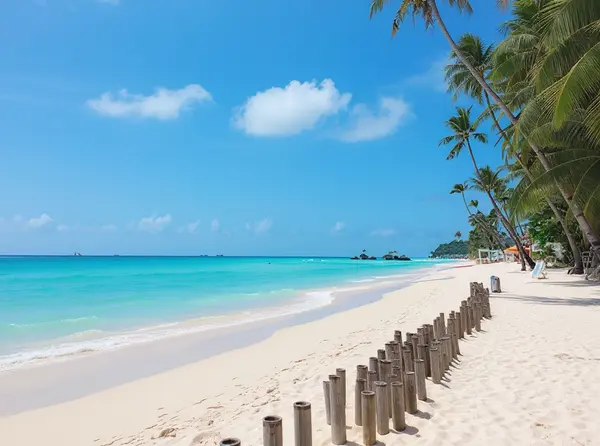
7. White Beach (Boracay / Malay)
Malay
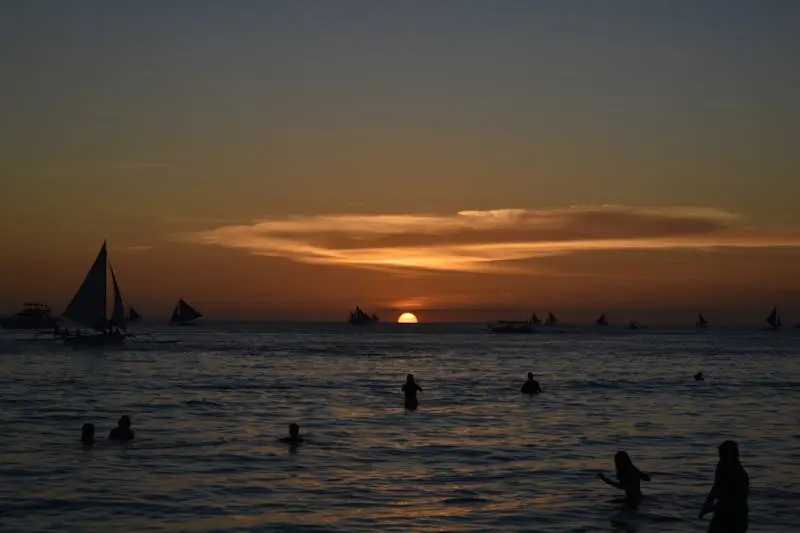
Puszysty piasek i elektryzujące zachody słońca tworzą niezapomniany dzień na plaży. Spodziewaj się płytkich kąpieli, kolorowych żagli i tętniących życiem barów przy plaży.
Szybkie fakty: Pudrowo drobny biały piasek rozciąga się na około cztery kilometry łagodnej, zakrzywionej linii brzegowej, co sprawia, że spacerowanie jest łatwe. Ciepła, sięgająca do pasa woda rozciąga się na dziesiątki metrów, co umożliwia większości odwiedzających łatwe snorkeling i kąpiele o zachodzie słońca.
Najważniejsze atrakcje: Po południu dziesiątki kolorowych łodzi paraw płyną przez zatokę, a weekendowe wyścigi paraw przyciągają żywe tłumy i barwne fotografie. Zachód słońca maluje płytkie mielizny na magentowo i pomarańczowo, tworząc światło, które przemienia zwykłe zdjęcia w kinowe.
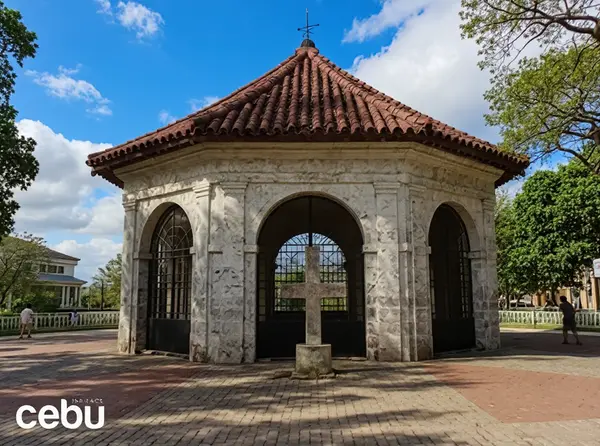
8. Magellan's Cross
Cebu City
Zobacz wiekowy drewniany krzyż traktowany jak żywa relikwia. Poczuj ciszę, podziwiaj żywe malowidła na suficie i stań blisko historii.
Szybkie fakty: We wnętrzu znajduje się drewniany krzyż, podobno z 1521 roku, umieszczony w ochronnej obudowie z drewna tindalo, które miejscowi kiedyś ścinali, by zabrać kawałki relikwii. Miejscowi i turyści wciąż zatrzymują się, by dotknąć obudowy i modlić się, podczas gdy malowany sufit nad głową dodaje żywych kolorów małej kapliczce.
Najważniejsze atrakcje: Delikatny oryginalny krzyż, który według przekazu został wbity 21 kwietnia 1521 roku przez ekspedycję z XVI wieku, jest otoczony grubym drewnem tindalo, by zapobiec dalszemu obłupywaniu. Wierni przyciskają do obudowy monety i notatki modlitewne, a światło południowe zamienia niebieskie i złote barwy sufitu w dramatyczną aurę nad krzyżem.
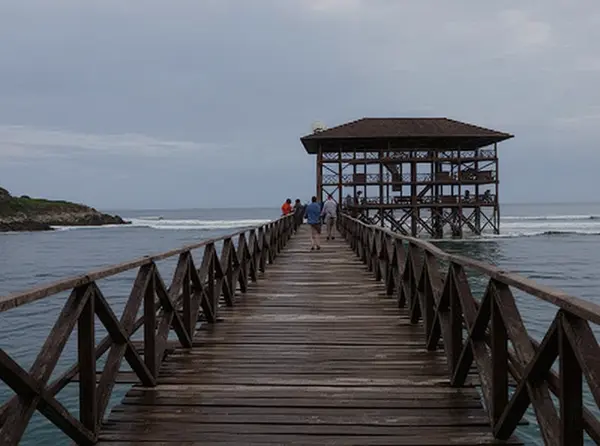
9. Cloud 9 Surf Break (General Luna / Siargao)
General Luna
Światowej klasy reef break dla surferów szukających pustych rur. Spodziewaj się grzmiących fal, słonej bryzy i tętniącej życiem drewnianej wieży obserwacyjnej.
Szybkie fakty: Legendarny złamany rafa wyrzuca szybkie, puste fale, które nagradzają odważnych, doświadczonych surferów po nadejściu południowo-wschodnich fal. Krucha drewniana platforma widokowa usytuowana tuż nad rafą oferuje zapierające dech w piersiach, bliskie widoki surferów w ich strefie.
Najważniejsze atrakcje: Fale o wysokości regularnie przekraczającej 1,5 metra tworzą podczas szczytowych fal ogromny huk i słoną mgiełkę, która moczy widzów na pomostach. Miejscowi mają zabawną tradycję oklaskiwania i wiwatowania po imponujących tubach, przemieniając wielkie przejazdy w wspólne świętowanie.
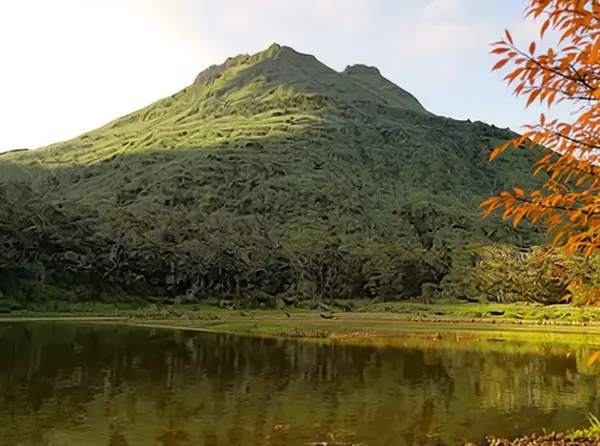
10. Mount Apo
Davao City
Dotrzyj do dramatycznego szczytu nad chmurami, nagrodzony rozległymi panoramami wschodu słońca. Spodziewaj się porośniętych mchem lasów, siarkowych wyrzutni i wymagających, ale ekscytujących szlaków.
Szybkie fakty: Aktywny szczyt wulkaniczny wznosi się na wysokość 2954 metrów, więc wierzchołki często znajdują się ponad chmurami, oferując panoramiczne widoki. Mieszanki mchowego lasu montalnego, wyziewów siarki i gospodarstw górskich tworzą dramatyczne zmiany siedlisk na popularnych trasach trekkingowych.
Najważniejsze atrakcje: Echa wołań orła filipińskiego przenikają przez mchowy baldachim, gatunek o rozpiętości skrzydeł bliskiej dwóch metrów. Grzbiety na wysokości 2954 metrów oferują panoramy o wschodzie słońca, zalewające doliny pomarańczowym światłem, podczas gdy chłodne, rzadkie powietrze ma lekki zapach siarki.
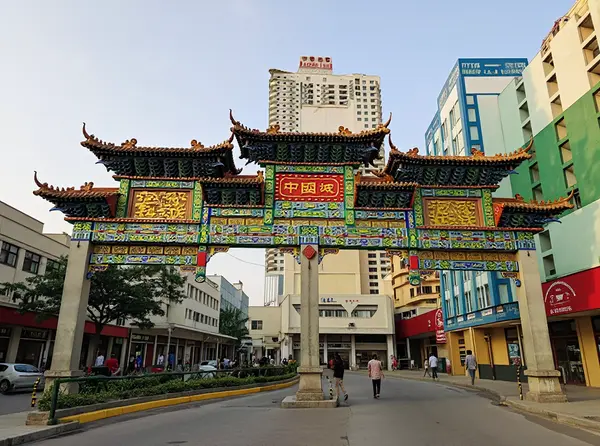
11. Binondo District
Raj dla smakoszy poszukujących przygód kulinarnych. Spodziewaj się mocnych smaków, gwaru straganów i wiekowych piekarni.
Szybkie fakty: Wąskie ulice tętnią nieustannym ruchem stoisk z jedzeniem, sklepów z makaronami i wielowiekowych piekarni, gdzie można spróbować ponad tuzina chińsko-filipińskich potraw. Ruchliwy plac znajduje się obok klasycznego kościoła, który przyciąga miejscowych na poranną mszę i weekendowe targi, podczas gdy o zmierzchu wąskie uliczki rozświetlają latarnie i sklepy z ziołami.
Najważniejsze atrakcje: Coroczny korowód z okazji Chińskiego Nowego Roku może obejmować ponad 20 zespołów tańca lwa, które łączą się w wąskich zaułkach, a bębny i talerze brzmią tak blisko, że czujesz rytm na skórze. Stary sklep zielarski blisko rynku przechowuje ręcznie pisane księgi leków z XIX wieku, a wnętrze pachnie jaśminem i jest pełne opisanych słoików oraz suszonych korzeni.
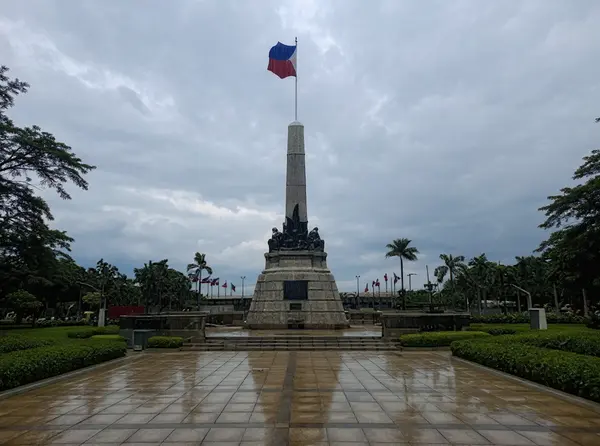
12. Rizal Park
Historyczny plac na wolnym powietrzu pełen pomników i zieleni. Czekają rzeźby, fontanny, uliczne przekąski i lokalni artyści.
Szybkie fakty: Buławy trawników i szerokie promenady rozciągają się na ponad 60 hektarach, oferując zacienione miejsca i otwarte widoki. Pomniki oraz wybitny obelisk przyciągają miejscowych na koncerty, protesty i poranne tai chi.
Najważniejsze atrakcje: Pomnik z brązu i marmuru upamiętniający José Rizala stoi na podniesionym granitowym piedestale, a podczas ceremonii opuszczania flagi towarzyszą mu sześciu uroczystych strażników. Wieczory przepełnia zapach grillowanej kukurydzy i halo-halo, gdy rodziny gromadzą się pod drzewami akacjowymi na spontaniczne koncerty i spacery przy świetle lampionów.
Where to Stay in Philippines
Selected by City Buddy based on guest reviews and proximity to top attractions
Search all hotels in PhilippinesPowered by agoda
Dni otwarcia w Philippines
Które z najważniejszych atrakcji są zamknięte w poszczególne dni tygodnia. Klasyczny pogromca wycieczek, sprawdzony za Ciebie.
Dobra wiadomość: wszystkie 8 najważniejsze atrakcje ze znanymi godzinami otwarcia są otwarte każdego dnia tygodnia.
Zamknięte w poniedziałek · 0 zamkniętych, 8 otwartych
Nic nie jest zamknięte w poniedziałek. Wszystkie 8 atrakcje ze znanymi godzinami są otwarte.
Dni otwarcia z Google Maps. Święta, strajki i godziny sezonowe mogą się różnić. Sprawdź oficjalną stronę przed wyjazdem.
Popularne miasta w Philippines
Tradycyjne słodkie potrawy

Halo-halo
Halo-halo's name literally means "mix-mix" in Filipino, and it can contain more than a dozen ingredients, creating a colorful layered dessert that celebrates variety and surprise in every spoonful.
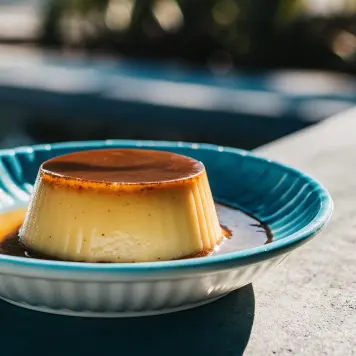
Leche flan
Leche flan is a dense, silky caramel custard introduced during Spanish colonial times, and its richness comes from a simple blend of egg yolks and sweetened milk.

Bibingka
Bibingka is a rice cake traditionally baked in clay pots lined with banana leaves, giving it a smoky, aromatic crust and making it a beloved Christmas morning treat.
Tradycyjne słone potrawy
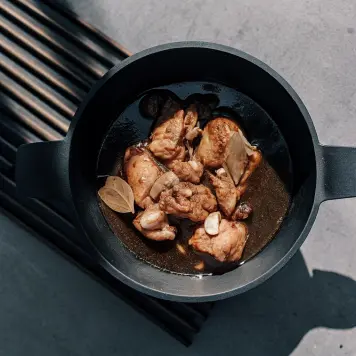
Adobo
Adobo is often called the unofficial national dish, and its versatile marinade of vinegar, soy sauce, garlic, and pepper lets it keep well and absorb bold, tangy flavors.
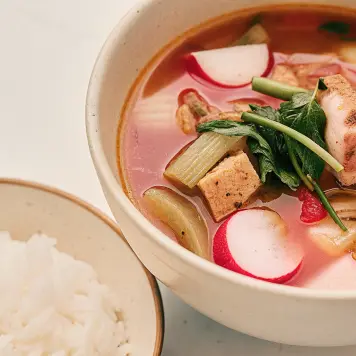
Sinigang
Sinigang is famous for its refreshingly sour broth, usually from tamarind, and Filipinos treasure it as a comforting, palate-cleansing soup that pairs perfectly with rice.

Lechon
Lechon is a whole roasted pig prized for crackling skin and tender meat, and at Filipino fiestas it serves as both a culinary showpiece and a symbol of celebration.
Tradycyjne napoje

San Miguel beer
San Miguel is one of Asia's oldest beer brands, founded in 1890, and it played a major role in shaping social and culinary life across the Philippines and the region.
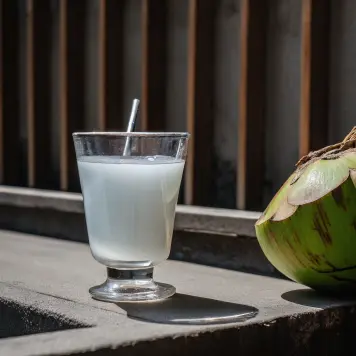
Buko juice
Buko juice is fresh young coconut water, naturally rich in electrolytes, and it is often sipped straight from the shell at beaches and roadside stalls for instant refreshment.

Sago't Gulaman
Sago't Gulaman combines chewy tapioca pearls and jelly with sweet brown sugar syrup, creating a refreshingly textural drink that is a staple of Filipino street stalls.
Często zadawane pytania o Philippines
Jaki jest najlepszy czas na wizytę na Filipinach?
Czy Filipiny są drogie dla podróżnych?
Jak poruszać się po Filipinach?
Czy Filipiny są bezpieczne dla turystów?
Ilu turystów odwiedza Filipiny rocznie?
Wyślij PDF z najpopularniejszymi atrakcjami na swój e-mail
Otrzymaj PDF ze wszystkimi atrakcjami, ocenami i wskazówkami. Idealne do użytku offline.
Najpopularniejsze wycieczki jednodniowe
Tagaytay (Taal viewpoint)
Cooler climate with iconic Taal Volcano lake views.
Pagsanjan Falls
Classic boat ride through a scenic gorge to waterfalls.
Jak dojechać
Lotniska
Stacje kolejowe
PNR Metro Commuter Line (Manila regional rail)
MRT-3 (North Avenue ↔ Taft Avenue), major urban connector
From NAIA use Grab or airport bus; allow 1–2 hours for traffic.
Wiza i wjazd
Most EU countries, UK, USA, Canada, Australia, New Zealand, Japan, South Korea, and ASEAN nations
Some African countries and nations with limited diplomatic ties; check embassy for specifics
If staying over 30 days, apply for a visa or extension at the Bureau of Immigration.
Przydatne informacje dla Philippines
Przegląd dla Philippines
Chcesz plan dzień po dniu dla Philippines? Otwórz planer podróży
Kiedy jedziesz do Philippines?
Wybierz daty i styl podróży, aby otrzymać:
Czy coś z tego jest dla Ciebie szczególnie ważne?
Wybierz wszystkie, które pasują
Przemieszczanie się
Jak chcesz się przemieszczać między miejscami?
Język planu: Polski