 CityBuddy
 Polski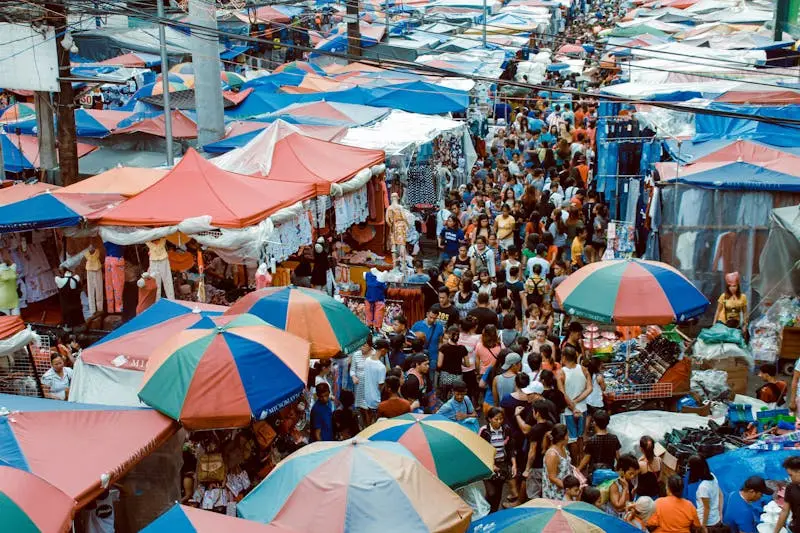
Co robić w Manila, Philippines
Zdjęcie wykonane przez NIC LAW na Pexels.com
Kiedy odwiedzić
Manila jest #14 najbardziej przyjazne obcokrajowcom miasto na świecie na podstawie naszych danych z setek miejsc docelowych.
Najpopularniejsze atrakcje w Manila, Philippines
Najważniejsze atrakcje w Manili na Filipinach to zwiedzanie Intramuros, historycznego miasta otoczonego murami, sięgającego czasów kolonii hiszpańskiej. Odwiedź Fort Santiago, cytadelę o bogatej historii, położoną zaledwie 600 metrów od wybrzeża. Nie przegap Kościoła i Muzeum San Agustin, najstarszego kamiennego kościoła w kraju, oferującego fascynujące artefakty i architekturę.
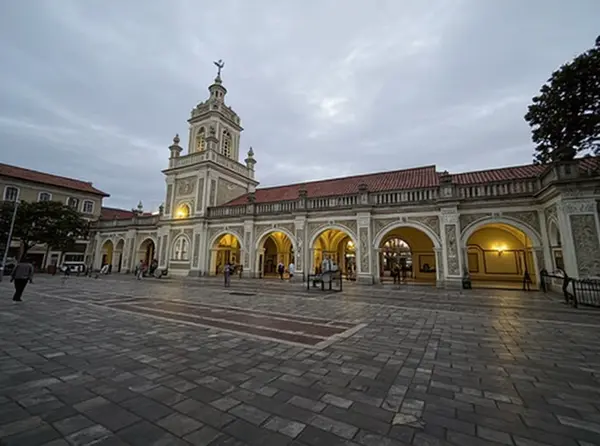
1. Intramuros (Historic Walled City)
Historic Walled City
Wejdź w wieki filipińskiej historii za potężnymi kamiennymi murami. Spaceruj brukowanymi uliczkami, koloniałnymi kościołami, muzeami i podziwiaj zachody słońca z murów obronnych.
Szybkie fakty: Światło słoneczne pada na pokryte mchem kamienne mury, bryczki ciągnięte przez konie stukają po brukowanych uliczkach, a kawiarnie roztaczają akustyczną muzykę w wąskich placach. Ponad tuzin odrestaurowanych fortyfikacji i budynków kolonialnych obecnie mieści muzea, galerie sztuki i ogrody na dachach, więc spacerowanie daje wrażenie wejścia do żywej kapsuły czasu.
Najważniejsze atrakcje: Wędruj po brukowanych uliczkach rozgrzanych słońcem, mijając Kościół San Agustin ukończony w 1607 roku i pod łukowatą bramą Fortu Santiago, gdzie zardzewiałe hiszpańskie armaty z XVII wieku nadal wskazują na zatokę, a Świątynia Rizala oznacza celę, w której José Rizal przebywał przed egzekucją w 1896 roku. W ciągu dnia bryczki konne stukają na kamieniach, a warsztaty wypuszczają dziesiątki bambusowych rowerów turystycznych. Powietrze przeszywają zapachy oleju do smażenia, jaśminu i słaby metaliczny posmak rzeki, dzięki czemu można poczuć trzy wieki nawarstwionych zapachów i historii naraz.
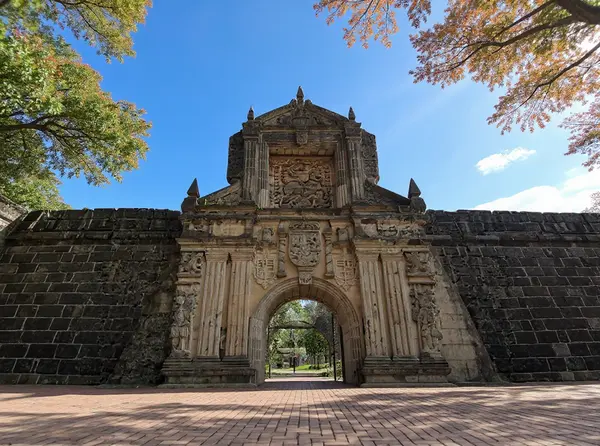
2. Fort Santiago
Kamienny Fort Santiago ukazuje hiszpańską koloniałą i wojenną przeszłość Manili. Przejdź się po zacienionych dziedzińcach, zobacz Sanktuarium Rizala i spójrz na rzekę Pasig z dawnych murów obronnych.
Szybkie fakty: Grube ściany z kamienia wulkanicznego i cichy suchy rów tworzą filmową ciszę, gdzie można nadal poczuć pod stopami architekturę kolonialną i blizny wojenne. Zwiedzający często zatrzymują się przy małym muzeum i w wąskiej celi, gdzie José Rizal pisał swoje ostatnie wiersze, wyobrażając sobie ciszę przed jego ostatnim marszem.
Najważniejsze atrakcje: Wejdź do ciemnej celi, gdzie José Rizal spędził swoje ostatnie noce przed egzekucją 30 grudnia 1896 roku. Szorstkie ceglane ściany są nadal podrapane imionami i mają słaby metaliczny posmak po dawnych armatniach. Co roku 30 grudnia setki uczniów i członków loży masońskich zbierają się, by złożyć wieńce i zapalić świece przy małym marmurowym znaku, ciszę przerywa jedynie samotna trąbka odgrywająca narodową lamentację.
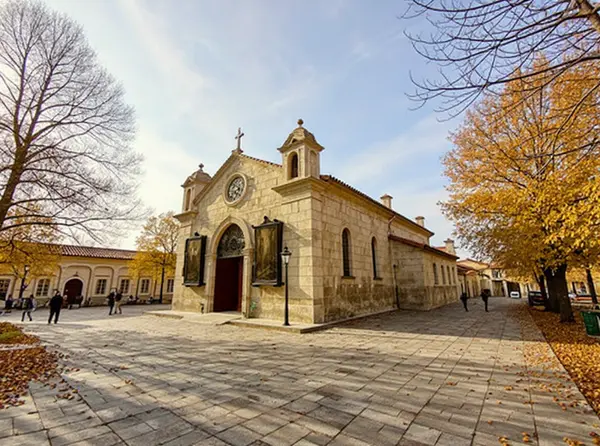
3. San Agustin Church and Museum
Wejdź do Manili z hiszpańskiej epoki w kościele San Agustin, barokowym zabytku UNESCO. Zachwyć się pozłacanymi ołtarzami, sufitami z iluzją optyczną i niewielkim muzeum kolonialnych artefaktów.
Szybkie fakty: Wędrując w środku, zauważysz ciepły, miodowy kamień i bogate dekoracje barokowe, podczas gdy sufity trompe-l'œil zdają się oddychać malowanymi chmurami. Na piętrze kompaktowe muzeum przechowuje wieki skarbów kościelnych, od haftowanych ornantów po błyszczące relikwiarze. Cały budynek przetrwał bombardowania, które zniszczyły dużą część sąsiedztwa.
Najważniejsze atrakcje: Zbudowana w 1607 roku kamienna bazylika stoi od ponad 400 lat, a pod nawą znajduje się grób konkwistadora Miguela Lópeza de Legazpi, którego rzeźbiony epitafium można nadal dotykać palcami. W ciemnych pomieszczeniach muzeum unosi się szept pszczelego wosku i starych papierów nad szklanymi gablotami, w których znajdują się ornaty z XVII i XVIII wieku, srebrne naczynia liturgiczne oraz drewniane procesyjne figury świętych, których spękane polichromie rozświetlają się pod pojedynczą lampą.
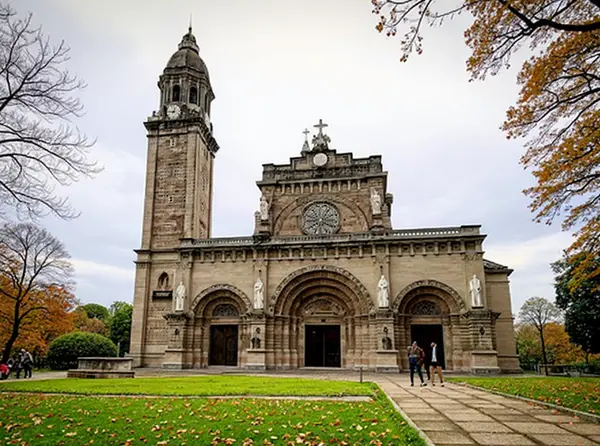
4. Manila Cathedral
Doświadcz wieków historii Manili w wielkiej koloniałnej katedrze w sercu Intramuros. Podziwiaj odrestaurowane barokowe i romańskie detale, witraże i spokojne wnętrze.
Szybkie fakty: Światło słoneczne przebijające przez wysokie witraże rozlewa kolory po wypolerowanym marmurze, a sklepione akustyki sprawiają, że występy organowe i chóralne są szczególnie rezonansowe. Ciche tablice i naprawione kamienie opowiadają dramatyczną historię przetrwania wielu trzęsień ziemi i zniszczeń wojennych, podczas gdy czczony, wiekowy obraz przyciąga pielgrzymów i ciekawskich zwiedzających.
Najważniejsze atrakcje: Wejdź do środka, a staniesz w kościele, który został odbudowany osiem razy od XVI wieku, więc marmurowe podłogi, neoklasyczne kolumny i barokowe rzeźby tworzą warstwową linię czasu, którą można odczytać wzrokiem. Wiele popołudni starszy chór ćwiczy gregoriańskie hymny, aż światło słoneczne przez witraż przemienia nawy w pasy rubinów i złota. Parafianie często wkładają maleńkie, złożone notatki w żelazne kraty przy ołtarzu, ich papierowe brzegi są zmiękczone przez lata kadzidła.
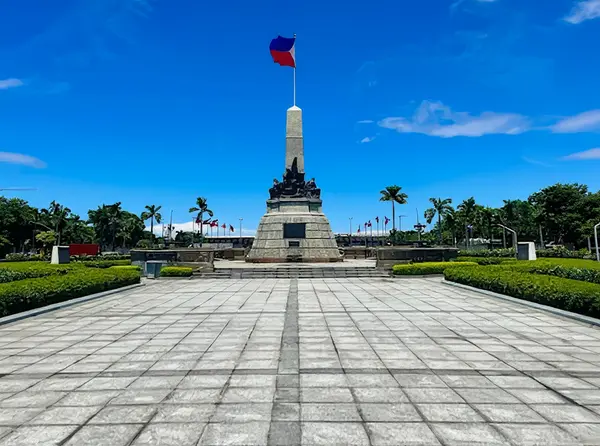
5. Rizal Park (Luneta)
Luneta
Historyczny park w sercu Manili, gdzie narodowa pamięć spotyka się z codziennym życiem. Przejdź się do Pomnika Rizala, po relaksujących ogrodach i tętniących życiem placach na zdjęcia i obserwację ludzi.
Szybkie fakty: Poranne światło odsłania rozległe zielone trawniki z ozdobnymi fontannami i zacienionymi promenadami, gdzie mieszkańcy ćwiczą tai chi, a rodziny piknikują wśród kwitnących akacji. Centralny punkt zajmuje dramatyczny narodowy pomnik, przyciągający tłumy na uroczystości i chwile zadumy, podczas gdy gołębie dodają ożywioną miejską ścieżkę dźwiękową.
Najważniejsze atrakcje: W samym centrum stoi 12,8-metrowy brązowy pomnik José Rizala, gdzie mieszkańcy po zachodzie słońca cicho zostawiają małe świece i ręcznie nawleczone girlandy z samapguita. Wosk i perfumy kwiatów mieszają się z wieczornym powietrzem. Każdego 30 grudnia setki, nawet tysiące osób zbierają się przed świtem na składanie wieńców i ceremonię flagową. Szkolne chóry odśpiewują hymn narodowy, a uliczni sprzedawcy oferują małe papierowe flagi i ryżowe ciastka za około 10 do 20 pesos.
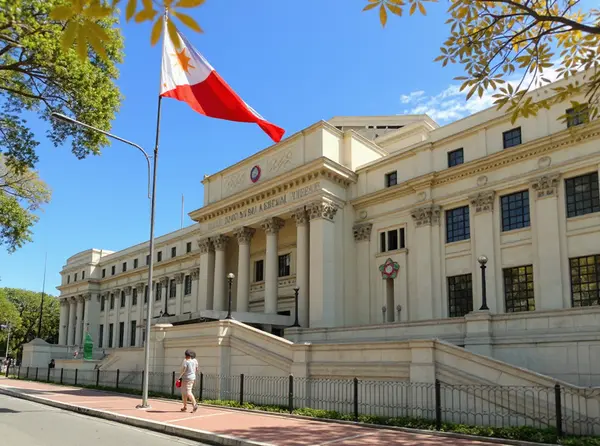
6. National Museum of the Philippines (National Museum Complex)
National Museum Complex
Odkryj sztukę, historię i bioróżnorodność Filipin w jednym centralnym kompleksie. Zobacz "Spoliarium" Juana Luny, Drzewo Życia Historii Naturalnej i bogate artefakty kulturowe.
Szybkie fakty: Wejdź do środka, a zachwycisz się ogromnymi neoklasycznymi salami, gdzie wystawiono „Spolarium” Juana Luny oraz olśniewające prekolonialne wyroby ze złota i bogato tkane tkaniny. Ciche kąty zachęcają do studiowania okazów skamielin, obiektów ceremonialnych i monumentalnych obrazów, co sprawia, że wizyta przypomina kompaktowy przegląd wieków kultury.
Najważniejsze atrakcje: Stań pod bladą neoklasyczną rotundą, a „Spolarium” Juana Luny pochłonie twój wzrok. To płótno o wymiarach około 4 na 7 metrów, którego ciemne tony umbry i karminowe akcenty pogłębiają się podczas delikatnej konserwacji, uwalniając lekki zapach terpentyny. Obraz zdobył złoty medal w Madrycie w 1884 roku, a przewodnicy nadal opowiadają o nim jako o iskrze filipińskiej dumy narodowej. Słuchanie tej historii w ciszy galerii sprawia, że scena staje się zaskakująco kinowa.
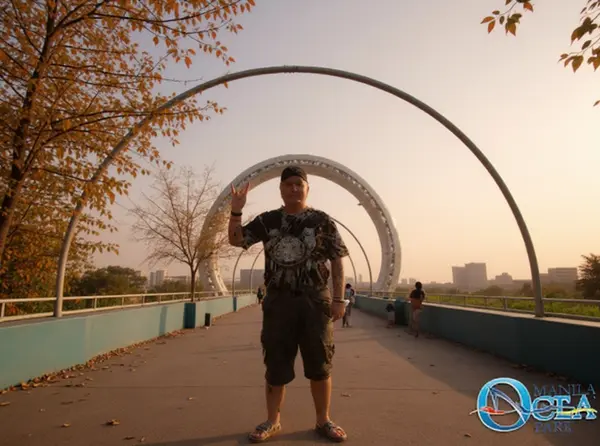
7. Manila Ocean Park
Zobacz filipińskie życie morskie z bliska w dużym interaktywnym akwarium. Przemierz długi szklany tunel, obserwuj karmienie i poznaj pingwiny.
Szybkie fakty: Świecące niebieskie światła i zakrzywiony szklany tunel pozwalają oglądać rekiny i płaszczki sunące centymetry nad głową, dzięki czemu spacer przypomina podwodną pocztówkę. W tematycznych zbiornikach żyje ponad 3000 zwierząt morskich, a codzienne karmienia zamieniają suche fakty w praktyczne, ekscytujące doświadczenia.
Najważniejsze atrakcje: Każdego wieczora akwarium przygasa do oceanicznych niebieskich świateł i organizuje "serenadę karmienia", gdzie szkoła około 200 migoczących sardyn jest zsynchronizowana, by przepływać przez długość szklanego tunelu. Woda szepcze jak odległy deszcz, a rodziny przyciskają dłonie do akrylu. Doświadczony nurek Kuya Danny opowiada show po tagalsku, dając odważnym dzieciom szansę poczucia chłodnej, aksamitnej skóry ogórka morskiego i ucząc lokalnych nazw ryb, co zawsze zmienia piski w dumną, szeroko otwartą rozmowę.
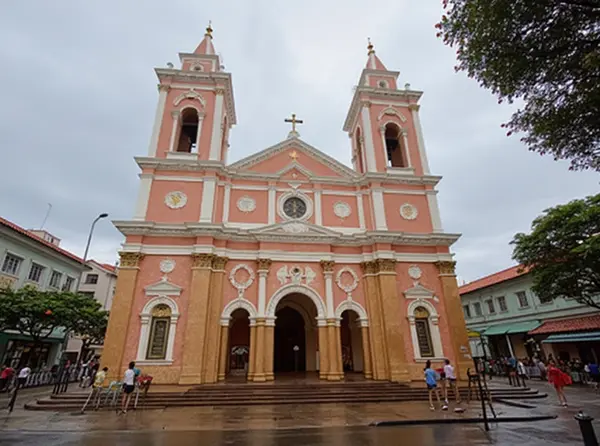
8. Binondo Church (Minor Basilica of San Lorenzo Ruiz)
Minor Basilica of San Lorenzo Ruiz
Doświadcz wieków chińsko-filipińskiej historii katolickiej w kościele Binondo. Podziwiaj ozdobne barokowe wnętrze i obserwuj lokalne nabożeństwa z bliska.
Szybkie fakty: Ciepła mgła kadzidła i kolorowe latarnie witają odwiedzających, ukazując zaskakujące połączenie ołtarzy barokowych i chińskich motywów dekoracyjnych. Wielu przychodzi czcić pierwszego kanonizowanego świętego kraju, a huczne wesela i uroczystości wspólnotowe utrzymują alejki pełne oddania.
Najważniejsze atrakcje: Założony w 1596 roku dla chińsko-filipińskich handlarzy, ten kościół jest jednym z najstarszych parafii w kraju i nadal wypełnia się gęstym kadzidłem i stukotem drewnianych różańców podczas wielkiego święta 28 września. Lokalne zwyczaje każe odwiedzającym wkładać maleńkie złożone prośby i czerwone wstążki modlitewne do żelaznych krat przy bocznych kaplicach, więc widać dziesiątki ręcznie pisanych karteczek i wyblakłych końcówek wstążek trzepoczących na przeciągu.
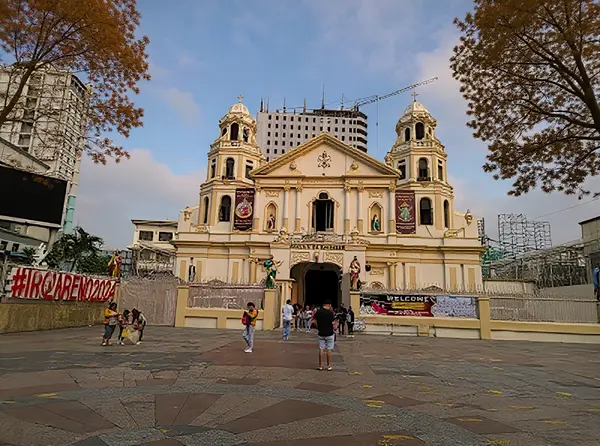
9. Quiapo Church (Minor Basilica of the Black Nazarene)
Minor Basilica of the Black Nazarene
Stań się świadkiem głębokiej popularnej pobożności i żywej historii Manili w Bazylice Mniejszej Czarnego Nazareńczyka. Przeżyj barwne msze, świeczkowe ofiary wotum i z bliska zobacz obraz Czarnego Nazareńczyka.
Szybkie fakty: Tłumy ściskają się w pachnących, oświetlonych świecami nawachach, by dotknąć ciemnej drewnianej figury, tworząc grzmot modlitw i szeptanych ofiar, które rezonują przez pełny kościół. Legendarni czciciele przypisują niezliczone spełnione prośby tej statui, a coroczna procesja przyciąga setki tysięcy osób, które ściskają się na ulicach na krótki dotyk z sakralną postacią.
Najważniejsze atrakcje: Pod chmurami dymu świec i metalicznym stukotem różańców, wierni przyciskają wyblakłe szaliki i małe ręczniki do drewnianej figury Chrystusa wielkości naturalnej, pochodzącej z XVII wieku, mając nadzieję, że tkanina zbierze błogosławieństwo. Każdego stycznia około miliona wiernych uczestniczy w gorączkowej procesji Traslacion, ciało ściska ramie w ramię przez ponad 12 godzin, ludzie wypowiadają modlitwy i starają się dotknąć powozu lub liny, by uzyskać cud.

10. Divisoria Market (shopping district)
shopping district
Znajdź nie do pobicia okazje na ubrania, tkaniny i dodatki na najruchliwszym targu Manili. Przemierzaj zatłoczone, kolorowe alejki, próbuj uliczne jedzenie i targuj się o niskie ceny.
Szybkie fakty: Wąskie alejki pulsują gęstą siecią stoisk oferujących wszystko, od zwojów tkanin po tanie elektroniki, więc targowanie się jest niemal sportem. Doświadczeni łowcy okazji kochają przeszukiwać hurtowe pojemniki i wózki z jedzeniem ulicznym, zdobywając hurtowe okazje i ciekawe znaleziska wśród ciągłych nawoływań sprzedawców.
Najważniejsze atrakcje: Rzędy stoisk tak ciasno upakowane, że można wyczuć czosnek sprzedawcy grillującego kulki rybne, podczas gdy pobliski sprzedawca handluje identycznymi lampami LED już za 10 peso. Stali klienci mają zabawny rytuał: wywołują "ostatnią cenę" z trzema szybkim stuknięciami w ladę, a gdy sprzedawca macha zielonym długopisem, umowa jest zawarta, zamieniając targowanie się w uliczny spektakl.
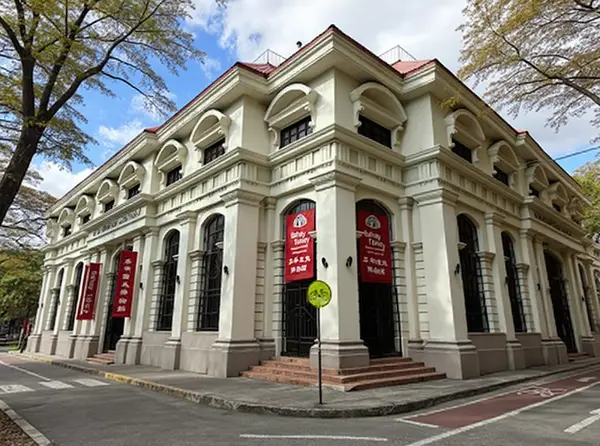
11. Visit Bahay Tsinoy Museum
Odkryj bogate dziedzictwo chińsko-filipińskie poprzez rzadkie artefakty i żywe opowieści. Wejdź w historię dźwięków i widoków, które ożywiają przeszłość.
Szybkie fakty: Miejsce przedstawia historie ponad 1,2 miliona chińskich Filipińczyków i ich wpływ na kulturę oraz historię Filipin. Wystawy obejmują skomplikowane zapisy przodków oraz artefakty sięgające ponad 300 lat wstecz.
Najważniejsze atrakcje: Zwiedzający mogą doświadczyć unikalnego występu dźwiękowego, gdzie tradycyjne chińskie instrumenty są grane wraz ze starymi odgłosami ulic Manili, tworząc immersyjny efekt podróży w czasie. Główną atrakcją jest szczegółowa diorama dzielnicy Binondo, jak wyglądała na początku XX wieku, z ponad 500 miniaturowymi postaciami.
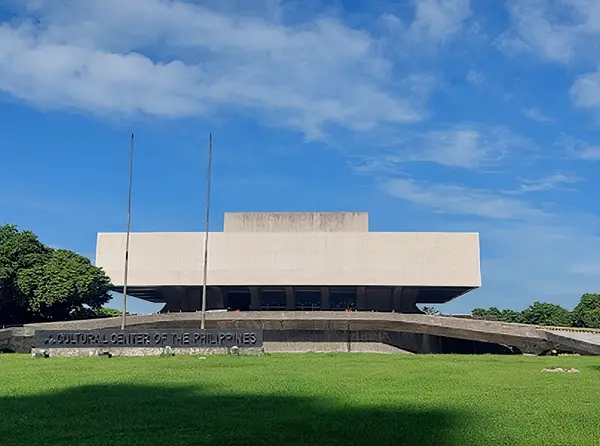
12. Cultural Center of the Philippines
Doświadcz pulsującej sceny filipińskich sztuk performatywnych. Zobacz dynamiczne spektakle, koncerty i wystawy w architektonicznie wyjątkowej scenerii celebrującej lokalną kulturę.
Szybkie fakty: Imponującym elementem tego miejsca jest Tanghalang Nicanor Abelardo, teatr znany ze swojej akustyki, która pozwala każdemu słowu i nutce dotrzeć wyraźnie aż na ostatnie miejsce. Każdego miesiąca odbywa się tu ponad 50 przedstawień oraz wystaw sztuki, przyciągających artystów i widzów z całego kraju.
Najważniejsze atrakcje: Zobacz artystów przekazujących ceremoniałny pochodzeń przed każdym większym wydarzeniem, by uczcić filipińską sztukę, tradycję zapoczątkowaną przez pierwszego dyrektora kultury. Główna sala teatralna mieści 1800 osób i posiada żyrandol wykonany z muszli capiz, ukazujący lokalne rzemiosło pod światłami.
Where to Stay in Manila, Philippines
Selected by City Buddy based on guest reviews and proximity to top attractions
Search all hotels in Manila, PhilippinesPowered by agoda
Dni otwarcia w Manila, Philippines
Które z najważniejszych atrakcji są zamknięte w poszczególne dni tygodnia. Klasyczny pogromca wycieczek, sprawdzony za Ciebie.
poniedziałek: 9 z 19 najważniejszych atrakcji zamkniętych. Zaplanuj muzea na inny dzień.
Zamknięte w poniedziałek · 9 zamkniętych, 10 otwartych
Dni otwarcia z Google Maps (sprawdzone 2026-03-14). Święta, strajki i godziny sezonowe mogą się różnić. Sprawdź oficjalną stronę przed wyjazdem.
Tradycyjne słodkie potrawy
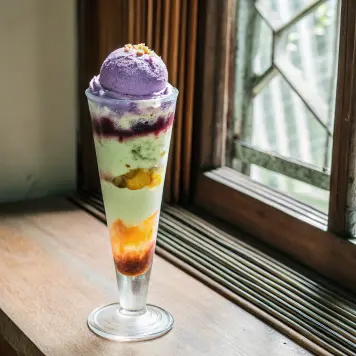
halo-halo
Halo-halo literally means 'mix', it evolved from Japanese shaved ice and Filipino sweet preserves, and today its rainbow layers topped with leche flan or ube ice cream are a summer symbol across Manila.
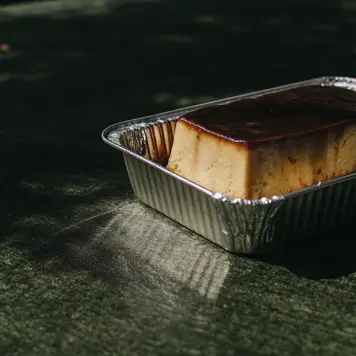
leche flan
Leche flan in the Philippines is denser and richer than its Spanish cousin because cooks use many egg yolks and condensed milk, and it is traditionally steamed in a tin mold called a llanera for a silky, custardy texture.

ube halaya
Ube halaya is a vivid purple jam made from purple yam, its color and nutty-sweet flavor turned it into a signature ingredient that elevates everything from halo-halo to pastries and ice cream.
Tradycyjne słone potrawy
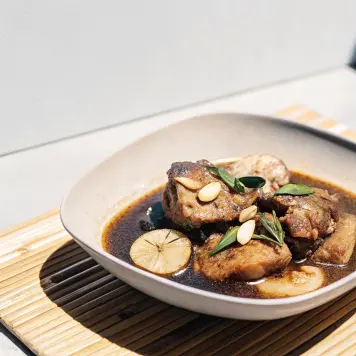
adobo
Adobo is more a method than a single recipe, vinegar and soy sauce preserve and flavor meat, and nearly every Filipino family in Manila guards a version they call their own.

sisig
Sisig began as a resourceful Kapampangan dish made from pig's head and ears, it was revived as a sizzling, tangy bar favorite in Manila and is often finished with a raw egg on the hot plate.
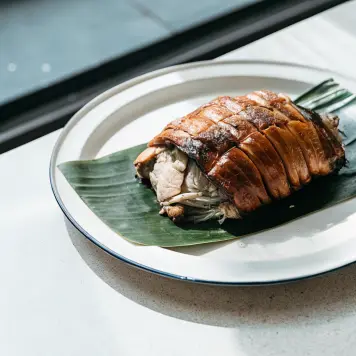
lechon
Lechon, a whole roasted pig with crackling skin and juicy meat, is the unmistakable centerpiece of Filipino fiestas and its carving announces celebration across Manila.
Tradycyjne napoje

sago't gulaman
Sago't gulaman pairs chewy tapioca pearls with jiggly agar jelly in a sweet brown sugar syrup, it became a beloved street drink because it is both refreshing and texturally playful.

buko juice
Buko juice is the clear, slightly sweet water from young coconuts, sold straight from halved shells by vendors and prized as a natural electrolyte on hot Manila days.

tuba
Tuba is freshly tapped coconut sap that ferments into a mildly alcoholic palm wine, it has long been woven into Filipino rituals and fiestas and can be distilled into the stronger spirit lambanog.
Co warto wiedzieć przed wyjazdem
Ile kosztuje dzień w Manila i czego unikać
Koszt na osobę dziennie
Największe naciągactwa, których unikać
- Nielegalni kierowcy z lotniska. Korzystaj z oficjalnego stanowiska taksówek kuponowych wewnątrz terminala lub zamów Grab z aplikacji przed wyjściem z przylotów.
- Manipulacja taksometrem. Sprawdź, czy taksometr jest wyzerowany na starcie i czy stawka odpowiada wywieszonej stawce dziennej. Preferuj Graba ze stałą ceną.
- Kantory z niekorzystnym kursem. Korzystaj z oddziałów banków lub renomowanych kantorów z wywieszonymi kursami. Przelicz swoje peso przy okienku, zanim odejdziesz.
Uczciwa taksówka z lotniska: 700 ₱ - 1 000 ₱ (10 € - 14 €)
Tańsza opcja: Jeepney lotniskowy lub oficjalny shuttle lotniskowy/UV Express do centralnych obszarów, takich jak Baclaran czy stacja MRT Taft. (50 ₱)
Wszystkie naciągactwa, uczciwe ceny i zasadyCzęsto zadawane pytania o Manila, Philippines
Najlepszy czas na wizytę w Manili, Filipiny?
Czy Manila, Filipiny jest droga?
Jak poruszać się po Manili, Filipiny?
Czy Manila, Filipiny jest bezpieczna dla turystów?
Ilu turystów odwiedza Manilę rocznie?
Wyślij PDF z najpopularniejszymi atrakcjami na swój e-mail
Otrzymaj PDF ze wszystkimi atrakcjami, ocenami i wskazówkami. Idealne do użytku offline.
Najpopularniejsze wycieczki jednodniowe
Tagaytay (Taal view)
Cool ridge with panoramic views of Taal Volcano.
Taal Volcano (via Talisay)
Boat trip to the volcanic island on Taal Lake.
Pagsanjan Falls (Laguna)
Scenic gorge and classic canoe (shooting the rapids) trip.
Anilao (Mabini, Batangas)
Popular snorkeling/diving spot with clear waters.
Jak dojechać
Stacje kolejowe
PNR South Main Line (to Laguna, Lucena, Bicol)
MRT-3 / LRT-2 (major Metro Manila interchange)
LRT-1 / connecting buses to airport/Metro
From NAIA take a metered taxi or Grab; expect heavy traffic—allow 1–2 hours.
Przydatne informacje dla Manila, Philippines
Przegląd dla Manila, Philippines
Chcesz plan dzień po dniu dla Manila, Philippines? Otwórz planer podróży
Kiedy jedziesz do Manila, Philippines?
Wybierz daty i styl podróży, aby otrzymać:
Czy coś z tego jest dla Ciebie szczególnie ważne?
Wybierz wszystkie, które pasują
Przemieszczanie się
Jak chcesz się przemieszczać między miejscami?
Język planu: PolskiMost popular itineraries for Manila, Philippines
Browse trip plans created by other travelers
14-Day Authentic Philippines Adventure for Budget Backpackers
Discover the Philippines off the beaten path from Manila's local streets to Balabac's rugged islands and Boracay's hidden coves in this budget-friendly, authentic 14-day journey.
15-Day Manila Spring Immersion
Discover Manila’s rich history, vibrant culture, and local flavors in this 15-day spring adventure through famous landmarks and authentic experiences.