 CityBuddy
 Polski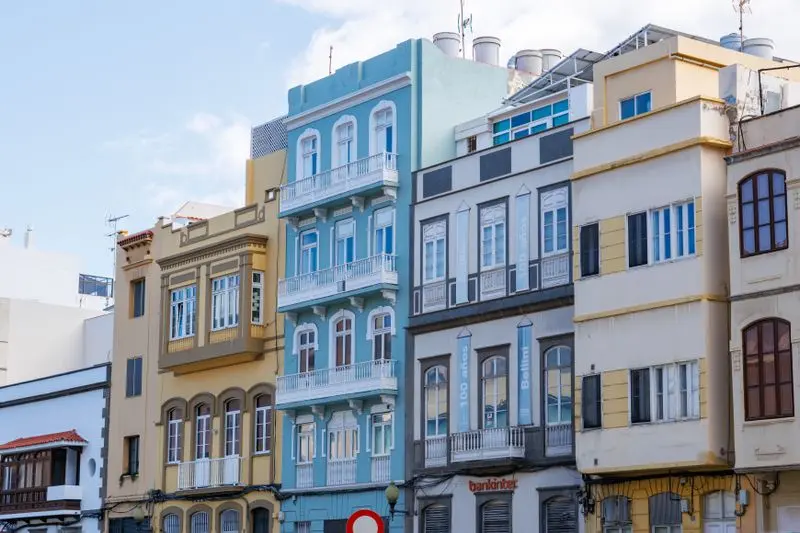
Co robić w Las Palmas de Gran Canaria, Spain
Zdjęcie wykonane przez Canary Vista ES na Pexels.com
Kiedy odwiedzić
Kiedy jedziesz do Las Palmas de Gran Canaria, Spain?
Wybierz daty i styl podróży, aby otrzymać:
Czy coś z tego jest dla Ciebie szczególnie ważne?
Wybierz wszystkie, które pasują
Plan language: PolskiLas Palmas de Gran Canaria is the #19 most LGBTQ+ friendly city in the world, based on our data across hundreds of destinations.
Najpopularniejsze atrakcje w Las Palmas de Gran Canaria, Spain
Kiedy zastanawiasz się nad tym, co robić w Las Palmas de Gran Canaria w Hiszpanii, zacznij od Playa de Las Canteras, trzykilometrowego odcinka złotego piasku z naturalną rafą. Odkryj historyczną Catedral de Santa Ana, której budowa rozpoczęła się w 1497 roku, i odwiedź Museo Casa de Colón, gdzie podobno zatrzymał się Krzysztof Kolumb podczas swoich podróży.
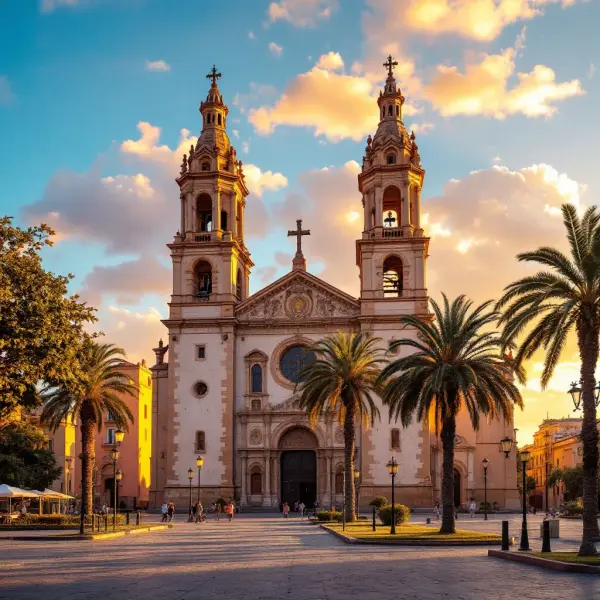
1. Catedral de Santa Ana
Gran Canaria's spiritual heart mixes Gothic spires with Saharan sunlight. Wander past 44 stained glass windows as the midday sun turns stone columns into a kaleidoscope of color.
Szybkie fakty: Kościół stoi na miejscu uznawanym za święte od ponad 500 lat, a obecny budynek wzniesiono po zburzeniu pierwotnej XVI-wiecznej budowli. Jego neogotycka fasada ma 44 witraże, które przez cały dzień wypełniają wnętrze światłem o odcieniach klejnotów.
Najważniejsze atrakcje: Wejdź do środka i spójrz w górę: drewniany sufit w stylu mudéjar w głównej nawie jest pomalowany misternymi geometrycznymi wzorami, rzadką kanaryjską fuzją gotyckiej struktury i sztuki inspirowanej islamem. Organy piszczałkowe kościoła, z ponad 1200 piszczałkami, zostały zbudowane w latach 50. XIX wieku i wciąż wstrząsają ławkami podczas niedzielnej mszy.
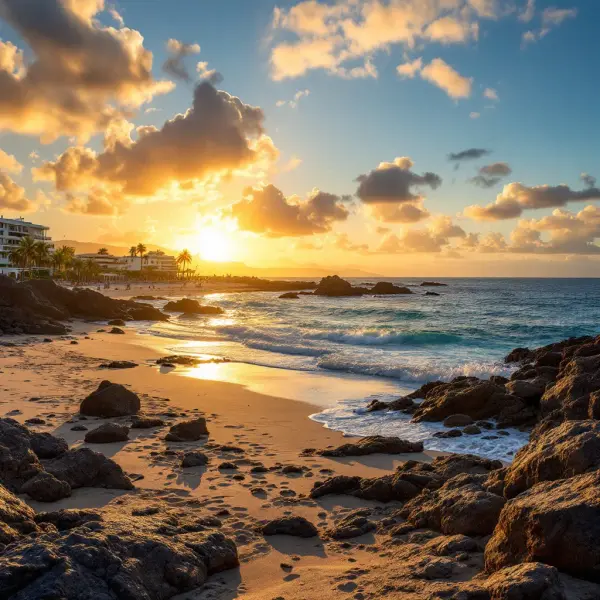
2. Playa de Las Canteras
A golden city beach with a volcanic reef that turns the shoreline into a giant natural swimming pool. Wade, swim, or join a volleyball game as the Atlantic laps at your feet.
Szybkie fakty: Złota plaża o długości kilometra jest osłonięta naturalną rafą zwaną La Barra, która tworzy spokojną lagunę idealną do pływania o każdej porze pływu. Ponad 50 siatek do siatkówki jest codziennie rozstawianych wzdłuż brzegu, przyciągając mieszkańców i turystów do energicznych gier o zachodzie słońca.
Najważniejsze atrakcje: La Barra, skalista rafa biegnąca równolegle do brzegu, to nie tylko falochron; tworzy płytką lagunę przypominającą akwarium, gdzie można dostrzec leszcze morskie, cefale, a nawet płaszczki bez sprzętu do snorkelingu. Podczas odpływu można wyjść na odsłonięte wulkaniczne baseny skalne, które wydają się tajnym, naturalnym placem zabaw, całkowicie odciętym od miasta za tobą.
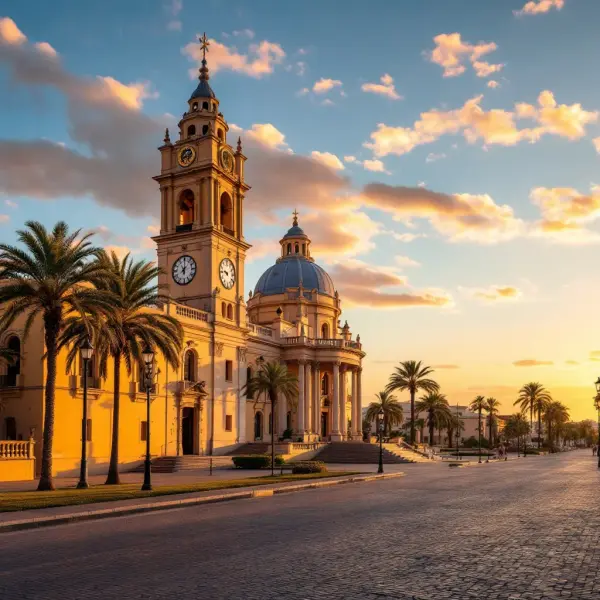
3. Museo Casa de Colón
Step into the 15th-century house where Columbus prepared for his Atlantic crossing. Explore rooms filled with pre-Columbian artifacts, period furniture, and tropical gardens that transport you to the age of exploration.
Szybkie fakty: Kolumb zatrzymał się tutaj przed swoją pierwszą wyprawą do Ameryk w 1492 roku, a dom znajduje się w historycznej dzielnicy Vegueta. Budynek łączy style gotycki, mudejar i renesansowy, ze wspaniałym wewnętrznym dziedzińcem z rzeźbionymi kanaryjskimi kamiennymi schodami.
Najważniejsze atrakcje: Jednym z najcenniejszych eksponatów muzeum jest pierwsze wydanie listu Krzysztofa Kolumba ogłaszającego odkrycie Nowego Świata, wydrukowane w Barcelonie w 1493 roku. Odwiedzający mogą również stanąć w dokładnie tym pokoju, w którym żeglarz podobno przebywał, z oryginalnymi XV-wiecznymi drewnianymi sufitami i belkami z kanaryjskich drzew smoczych wciąż nad głową.
Słyszałeś o darmowych wycieczkach pieszych?
Po podróżach do ponad 30 krajów, jest jedna rzecz, którą chciałbym, żeby ktoś powiedział mi od pierwszego dnia, i całkowicie zmieniła sposób, w jaki poznaję nowe miasta.
Darmowe wycieczki piesze. Tak, naprawdę darmowe. Bez karty kredytowej. Bez haczyków.
Lokalny przewodnik, 2-3 godziny
Główne atrakcje, ukryte perełki, lokalne historie
100% oparte na napiwkach
Przewodnicy zarabiają tylko napiwki, więc dają z siebie wszystko
Dajesz napiwek według uznania
Na końcu dajesz napiwek, który uważasz za odpowiedni
Brałem udział w takich wycieczkach w dziesiątkach miast i były one najważniejszym punktem niemal każdej podróży. Jeśli odwiedzasz Las Palmas de Gran Canaria, Spain, zrób to pierwszego dnia. Podziękujesz mi później.
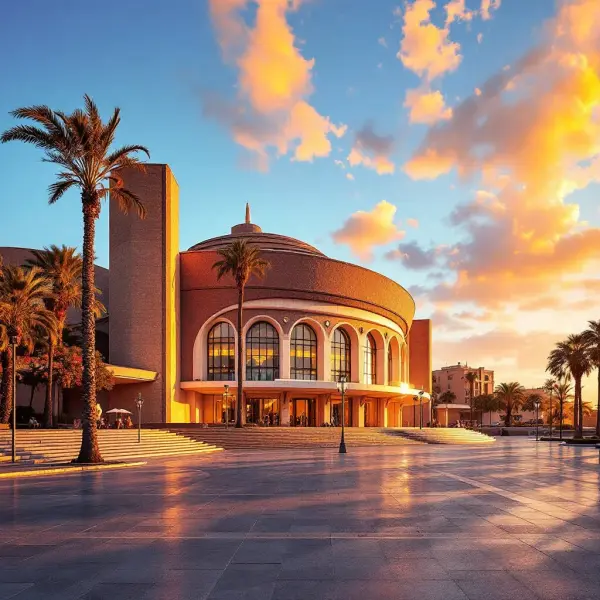
4. Auditorio Alfredo Kraus
Watch the sunset paint the Atlantic through a wall of glass before the first note sounds. You will sit inside a futuristic seashell while the ocean practically joins the orchestra through floor-to-ceiling windows.
Szybkie fakty: Muszlowata sala koncertowa mieści 1658 osób i została nazwana na cześć legendarnego hiszpańskiego tenora Alfredo Krausa, który urodził się w Las Palmas. Jej kryształowa, szklana kurtyna oferuje panoramiczne widoki na Ocean Atlantycki, sprawiając, że audytorium wydaje się unosić między morzem a niebem.
Najważniejsze atrakcje: Szklana fasada audytorium o wysokości 40 metrów odbija zmieniające się kolory oceanu przez cały dzień, zamieniając sam budynek w spektakl światła i wody. W wietrzne dni zakrzywiona betonowa muszla kieruje atlantycką bryzę przez starannie zaprojektowane otwory akustyczne, tworząc naturalny system chłodzenia, który inżynierowie nazwali „rzeźbą dźwięku i wiatru”.
5. Parque de Santa Catalina
Escape into a lush botanical wonder where centuries-old dragon trees shade lively plazas and spontaneous salsa breaks out on Sunday mornings. Wander winding paths past tropical blooms, fountain courtyards, and locals playing dominoes at weathered stone tables.
Szybkie fakty: Dwa olbrzymie smocze drzewa, każde mające ponad 300 lat, zdobią główny plac parku. Rośnie tu ponad 80 gatunków roślin tropikalnych i subtropikalnych, tworząc gęstą miejską oazę.
Najważniejsze atrakcje: W niedzielne poranki park zamienia się w parkiet taneczny na świeżym powietrzu, gdzie mieszkańcy w każdym wieku gromadzą się na spontaniczne sesje salsy i timby pod drzewami figowca. Najlepsze miejsce znajduje się przy starym drewnianym estradzie, gdzie podwyższone kamienne ławki oferują widok z pierwszego rzędu na pary wirujące w rytm żywych bębnów conga.
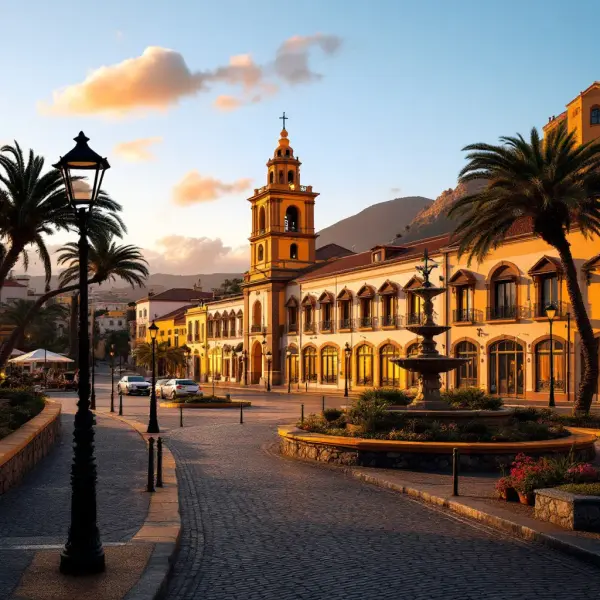
6. Barrio de Vegueta
Wander the oldest quarter of Las Palmas where cobblestone streets whisper five centuries of stories. You'll stumble upon leafy plazas, colonial mansions painted in sherbet colors, and the colossal Santa Ana Cathedral anchoring it all.
Szybkie fakty: Calle Mayor de Triana, główna arteria dzielnicy, była pierwszą ulicą na Wyspach Kanaryjskich, która otrzymała oświetlenie elektryczne w 1893 roku. Brukowane uliczki dzielnicy skrywają ponad 500 lat nieprzerwanej historii, a sam Kolumb zatrzymał się tutaj w 1492 roku, aby naprawić Pintę przed dalszą podróżą na zachód.
Najważniejsze atrakcje: Na rogu Calle Colón i Calle Mendizábal znajdziesz jasnoniebieską ceramiczną tablicę oznaczającą miejsce, gdzie Kolumb podobno modlił się przed swoją transatlantycką podróżą, choć mieszkańcy wciąż dyskutują, czy ta historia jest faktem, czy folklorem. Powietrze pachnie tu morską solą zmieszaną z zapachem smażonych churros z malutkiego stoiska na rogu, które działa od 1927 roku, używając tego samego stuletniego przepisu przekazywanego z pokolenia na pokolenie przez cztery generacje.
7. Museo Canario
Step face-to-face with the actual Guanche people who lived here before Columbus ever set sail. You'll examine their mummies, pottery, and obsidian blades in a moody 19th-century building that feels like a cabinet of curiosities.
Szybkie fakty: Mieszcząca około 1200 czaszek z przedkolonialnych mumii Guanczów, kolekcja oferuje niesamowity wgląd w to, jak ci rdzenni mieszkańcy traktowali swoich zmarłych. Ponad 5000 artefaktów śledzi ponad 1500 lat historii Kanarów przed hiszpańskim podbojem.
Najważniejsze atrakcje: Jedno pomieszczenie mieści dziesiątki starannie ułożonych czaszek Guanczów, każda z wyraźnymi śladami ścierania zębów od żucia określonej żywicy roślinnej, opowiadającymi historie, których żaden zapis nie jest w stanie przekazać. Możesz stanąć centymetry od wysuszonej dłoni mumii, z paznokciami wciąż nienaruszonymi po 800 latach, zachowanymi jedynie dzięki tłuszczom zwierzęcym i wulkanicznym minerałom wyspy.
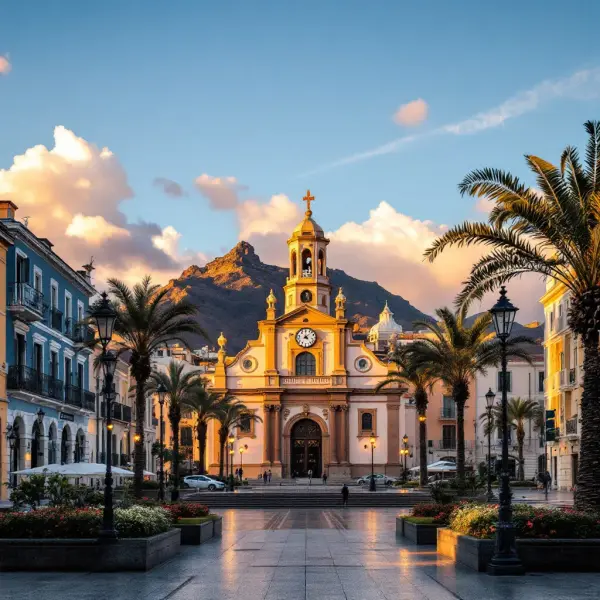
8. Plaza de Santo Domingo
Step into a living room where locals gather under the shade of a 200-year-old dragon tree. Sip coffee at a sidewalk terrace while street musicians strum traditional Canarian melodies.
Szybkie fakty: Para czarnych psów wyrzeźbionych z kamienia wulkanicznego strzeże centralnej fontanny od 1894 roku, w milczeniu obserwując mieszkańców i odwiedzających. Na placu znajduje się jedno z najczęściej fotografowanych drzew na wyspie, okazała drakona, która rozpościera swoją koronę jak zielony parasol nad placem.
Najważniejsze atrakcje: Wbrukowana w nawierzchnię placu ogromna brązowa róża kompasowa znajduje się dokładnie w miejscu, gdzie dawniej stała główna brama starych murów miejskich, wskazując kierunek ku morzu, którym wieki temu przypływały statki z Ameryki. W niedzielne poranki lokalni artyści i muzycy gromadzą się wokół fontanny, wypełniając powietrze dźwiękami strun timple, podczas gdy starsi Kanaryjczycy grają w domino przy zacienionych kamiennych stołach.
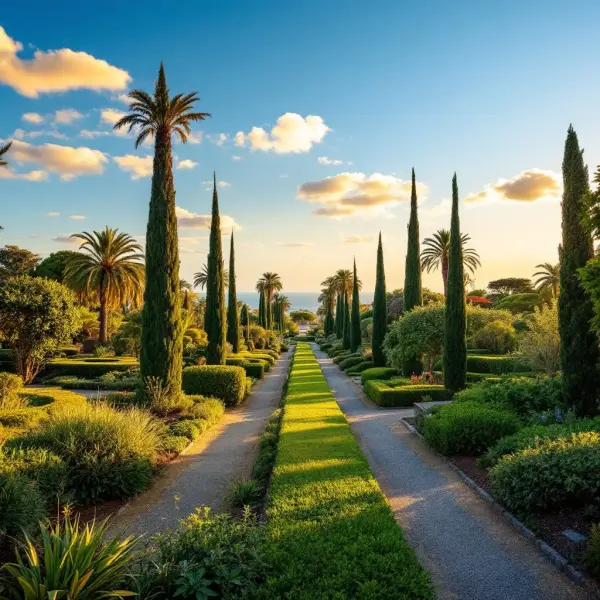
9. Jardín Botánico Canario Viera y Clavijo
Wander through a volcanic canyon filled with prehistoric plants surviving nowhere else on Earth. You'll cross suspension bridges over a lush ravine, pass 200-year-old dragon trees, and spot rare lizards darting across ancient lava rock.
Szybkie fakty: Ogród zajmuje 10 hektarów na wulkanicznym zboczu wzgórza z ponad 500 gatunkami rodzimej flory Wysp Kanaryjskich, w tym 10 zagrożonymi gatunkami roślin niewystępującymi nigdzie indziej na Ziemi. Drzewa smocze, niektóre mające ponad 200 lat, górują nad rzeźbiarskimi kaktusami i siecią mostów przecinających bujny wąwóz.
Najważniejsze atrakcje: Ukryty zakątek zwany "Jardín de los Dragos" kryje kolekcję starożytnych drzew smoczych, których sok był historycznie używany przez rdzennych Guanczów do mumifikacji zmarłych. Stań przy moście wiszącym o złotej godzinie i obserwuj dzikie atlantyckie jaszczurki wygrzewające się na wulkanicznym kamieniu, podczas gdy cała dolina poniżej nabiera bursztynowego koloru.
Where to Stay in Las Palmas de Gran Canaria, Spain
Selected by City Buddy based on guest reviews and proximity to top attractions
Search all hotels in Las Palmas de Gran Canaria, SpainPowered by agoda
Tradycyjne słodkie potrawy
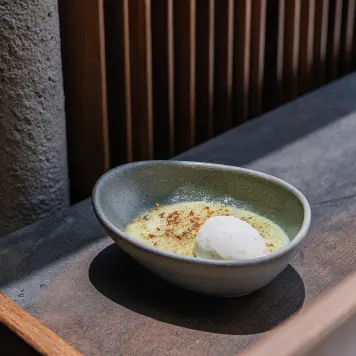
Bienmesabe
Bienmesabe literally means "tastes good to me" in Spanish. This creamy almond dessert is made with ground almonds, eggs, sugar, and lemon zest, often served with ice cream or as a cake filling.
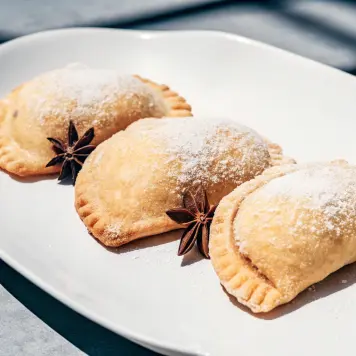
Truchas de Batata
These sweet potato filled pastries are a Christmas tradition in the Canary Islands. The dough is made with flour, olive oil, and anise, while the filling uses local sweet potato mixed with almonds and spices.
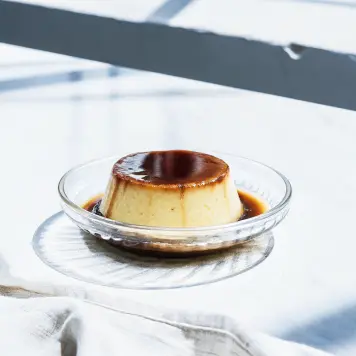
Quesillo
Quesillo is the Canarian version of flan, made with condensed milk, eggs, and caramel. Unlike traditional flan, it gets its name from its slightly porous, cheese-like texture.
Tradycyjne słone potrawy
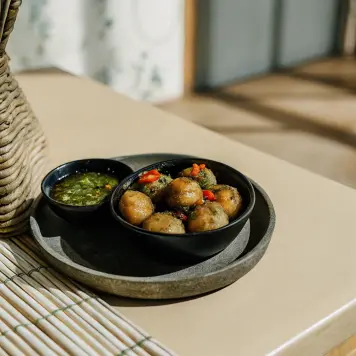
Papas Arrugadas con Mojo
This iconic Canarian dish features small potatoes boiled in heavily salted water until wrinkled, then served with mojo sauce. The two classic mojo varieties are mojo rojo, made with red peppers and cumin, and mojo verde, made with fresh cilantro or parsley.
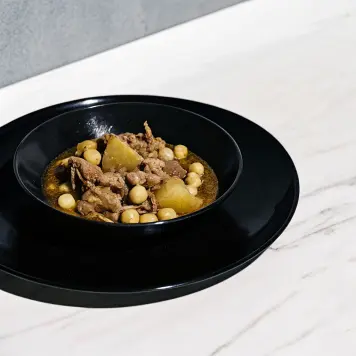
Ropa Vieja Canaria
Unlike its Cuban namesake, Ropa Vieja Canaria is made with shredded beef, chickpeas, and potatoes cooked together in a flavorful broth. The name means "old clothes" in Spanish, referring to the shredded appearance of the meat.
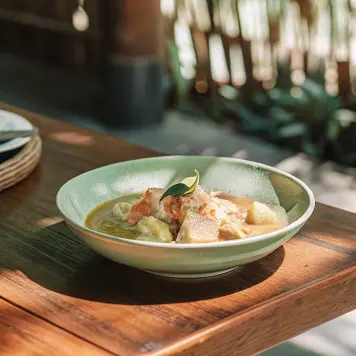
Sancocho Canario
This traditional fish stew is made with salted local fish such as cherne or vieja, served with sweet potatoes, gofio (toasted corn flour), and mojo sauce. It is a beloved Sunday meal in Las Palmas homes.
Tradycyjne napoje

Barraquito
Barraquito is a layered coffee drink unique to the Canary Islands, containing espresso, condensed milk, milk, cinnamon, and lemon zest. It is also known as "Cafe Barraquito" and is a staple of local cafes in Las Palmas.
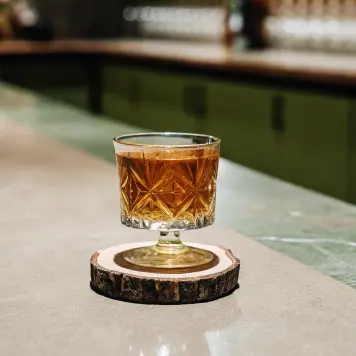
Ron de Miel
Ron de Miel is a honey rum produced in the Canary Islands, often served as a digestif or used in cocktails. It blends local rum with honey from the island's unique flora, creating a sweet and aromatic liqueur.
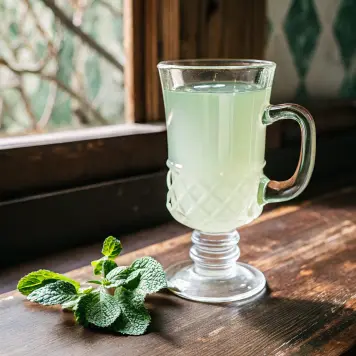
Poleo
Poleo is a traditional Canarian herbal tea made from the leaves of the poleo mint plant, which grows wild on the islands. It is commonly enjoyed after meals for its digestive properties and refreshing flavor.
Frequently Asked Questions about Las Palmas de Gran Canaria, Spain
Czy Las Palmas de Gran Canaria w Hiszpanii jest bezpieczne?
Ile dni spędzić w Las Palmas de Gran Canaria w Hiszpanii?
Jaki jest najlepszy czas na wizytę w Las Palmas de Gran Canaria w Hiszpanii?
Czy Las Palmas de Gran Canaria w Hiszpanii jest drogie?
Jak poruszać się po Las Palmas de Gran Canaria w Hiszpanii?
Wyślij PDF z najpopularniejszymi atrakcjami na swój e-mail
Otrzymaj PDF ze wszystkimi atrakcjami, ocenami i wskazówkami. Idealne do użytku offline.
Najpopularniejsze wycieczki jednodniowe
Maspalomas
Famous for its stunning sand dunes and Maspalomas lighthouse beach area.
Teror
Charming mountain town with traditional Canarian architecture and basilica.
Agaete
Coastal town known for natural pools, cliffs, and coffee plantations.
Tejeda
Scenic village in the mountains with almond trees and Roque Nublo views.
Puerto de Mogan
Picturesque fishing port called 'Little Venice' with canals and beaches.
Rent a car in Las Palmas de Gran Canaria, Spain
Jak dojechać
Lotniska
Stacje kolejowe
Global bus lines to all parts of the island and airport connections
Regional and intercity bus lines connecting Las Palmas to south resorts
Gran Canaria Airport (LPA) is 21 km south of the city. Take the Global bus No. 60 or a taxi (25 min) to reach the center.
Znajdź loty do Las Palmas de Gran Canaria, Spain
Kliknij, aby uzyskać eSim dla Las Palmas de Gran Canaria, Spain
Najprostszy i najtańszy sposób na dostęp do internetu mobilnego gdziekolwiek podróżujesz.
Przydatne informacje dla Las Palmas de Gran Canaria, Spain
Przegląd dla Las Palmas de Gran Canaria, Spain
Most popular itineraries for Las Palmas de Gran Canaria, Spain
Browse trip plans created by other travelers
Komentarze (10)
Skip the restaurants right on Las Canteras beachfront. Walk two streets inland and you'll pay half the price for better food. La Marinera in La Isleta does amazing grilled fish.
I loved the beaches here, Las Canteras is huge and the water is warm even in winter. The old town Vegueta surprised me with its charm. Would visit again.
Best spot in the Canary Islands in my opinion. The weather is incredible year round and the food market in Vegueta is a must. Stayed 4 days which was perfect.
Bring cash for smaller restaurants and taxis, lots of places don't accept card for small amounts. Found that out the hard way. ATMs on Triana street have decent rates.
Go to the Vegueta market on Saturday morning for the best local produce and tapas. Arrive before 10 am to avoid queues for the popular stalls like Casa Montesdeoca.