 CityBuddy
 Polski
Co robić w Uzbekistan
Zdjęcie wykonane przez Farz Va Sunnatlar na Pexels.com
Kiedy odwiedzić
Najpopularniejsze atrakcje w Uzbekistan
Jeśli chodzi o najlepsze atrakcje Uzbekistanu, zacznij od placu Registan w Samarkandzie, gdzie trzy medresy otaczają placem o długości 200 stóp. Przejdź się nekropolią Szah-i-Zinda, kilometrową aleją błękitnych kompleksów grobowców. W Chiwie otoczone murami miasto Itchan Kala kryje 250 starożytnych budowli w swoich fortyfikacjach z X wieku. Każde miejsce odsłania wieki historii Jedwabnego Szlaku.
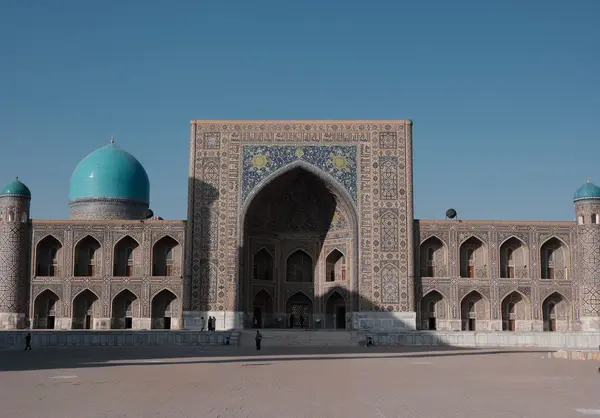
1. Registan Square
Samarkand
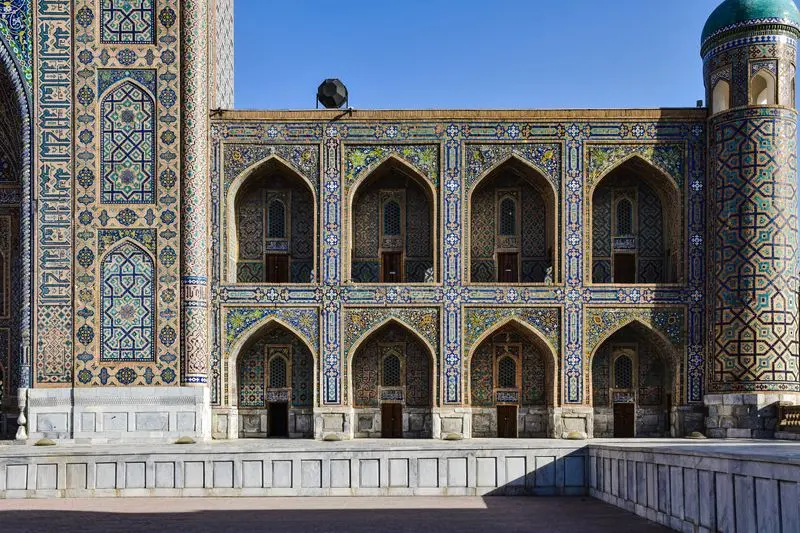
Stań tam, gdzie karawany wielbłądów odpoczywały na Jedwabnym Szlaku, otoczony trzema wznoszącymi się madrasami z niebieskimi płytkami. Obserwuj, jak zachód słońca maluje mozaiki na złoto, podczas gdy wieczorne wezwanie do modlitwy odbija się echem na placu.
Szybkie fakty: Trzy medresy otaczają plac, tworząc jeden z najlepiej zachowanych zespołów architektury islamskiej na świecie. Każda fasada pokryta jest ręcznie ciętymi glazurowanymi kaflami w głębokich błękitach i turkusach, które wydają się zmieniać kolor w miarę przesuwania się światła słonecznego po nich w ciągu dnia.
Najważniejsze atrakcje: Nocą plac zmienia się, gdy muzycy wykonują tradycyjną muzykę Szaszmakam, a kolorowe światła rozświetlają kafle, co przez dziesięciolecia było zakazane przez Sowietów. Lokalne rodziny przychodzą po zmroku pić herbatę na schodach, zamieniając sześćsetletni plac publiczny w salon całego miasta.
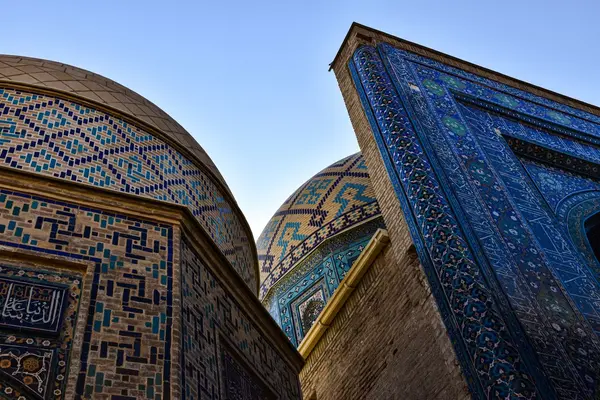
2. Shah-i-Zinda
Samarkand
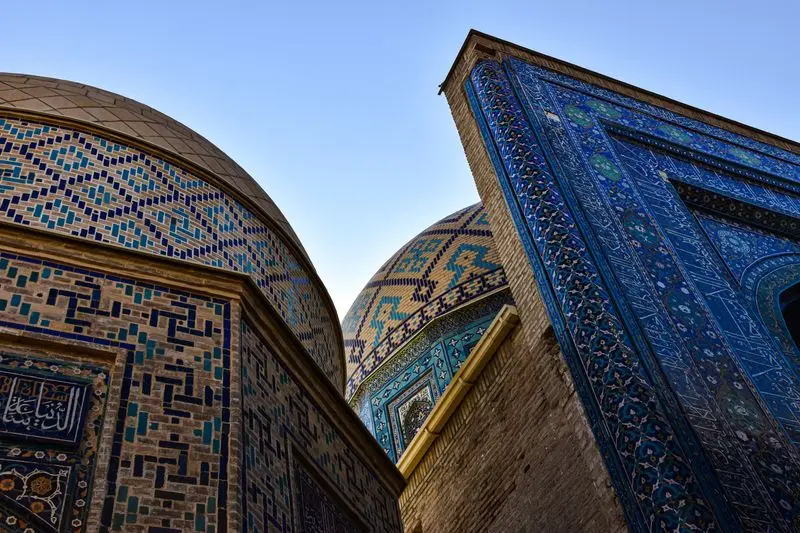
Nigdzie indziej na Jedwabnym Szlaku nie znajdziesz tak skoncentrowanej eksplozji turkusowych płytek. Spacer tym 200-metrowym korytarzem przypomina wkroczenie do wnętrza szkatułki na biżuterię pozostawionej otwartej przez imperium Timura.
Szybkie fakty: Wąska aleja z 44 znakomicie zdobionymi mauzoleami tworzy jeden z najczęściej fotografowanych korytarzy w Azji Środkowej. Kompleks wziął swoją nazwę od Kusama ibn Abbasa, kuzyna proroka Mahometa, którego grób podobno posiada moc zmartwychwstania.
Najważniejsze atrakcje: Gdy przekroczysz wejście, świat znika, a ty idziesz między ścianami pokrytymi ponad 700 latami nienaruszonych turkusowych, kobaltowych i terakotowych kafli. Każdy z 44 grobów opowiada historię poprzez swoją glazurowaną fasadę, a poranne światło pada na kopuły pod odpowiednim kątem, sprawiając, że geometryczne wzory zdają się mienić i poruszać.
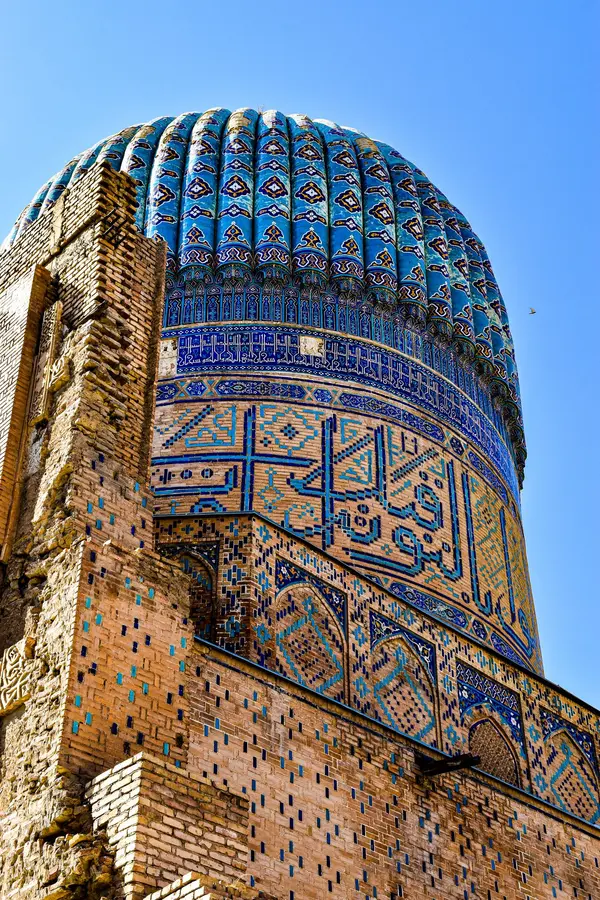
3. Bibi-Khanym Mosque
Samarkand
Stań przed 35-metrowym portalem zwieńczonym turkusowymi kopułami, które konkurują z samym niebem. Przesuń dłonią po cegłach spajanych żółtkami jaj i mlekiem wielbłądzim, wyobrażając sobie skandale stojące za jego powstaniem.
Szybkie fakty: Jej portal wejściowy sięga 35 metrów wysokości, co czyni go jednym z największych w Azji Środkowej. Lokalna legenda głosi, że architekt beznadziejnie zakochał się w żonie Timura i przez to budowa prawie nigdy nie została ukończona.
Najważniejsze atrakcje: Przyjrzyj się bliżej kolosalnemu łukowi wejściowemu o rozpiętości 18 metrów, był to niegdyś największy łuk wśród meczetów świata islamskiego. Pracownicy renowacji w latach 70. odkryli, że starożytni budowniczowie użyli specjalnej zaprawy z żółtek jaj i mleka wielbłądziego do łączenia cegieł, nadając ścianom niezwykły złoty odcień o wschodzie słońca.
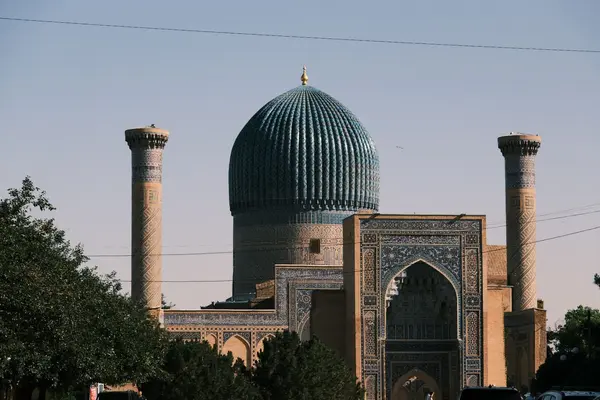
4. Gur-e-Amir Mausoleum
Samarkand
Stań przed grobowcem zdobywcy, który przekształcił Azję, gdzie turkusowe płytki lśnią od 600 lat. Poczuj chłód jadeitu sarkofagu Timura i spójrz w górę na kopułę, która zainspirowała Tadż Mahal.
Szybkie fakty: Pojedyncza płyta z jadeitu oznacza miejsce pochówku Timura, XIV-wiecznego zdobywcy, którego imperium rozciągało się od Delhi po Damaszek. Turkusowa żebrowana kopuła wznosi się na 34 metry, a jej innowacje architektoniczne bezpośrednio zainspirowały projekt Tadż Mahal dwa wieki później.
Najważniejsze atrakcje: Kiedy radzieccy archeolodzy otworzyli grób Timura w 1941 roku, znaleźli inskrypcję ostrzegającą, że ktokolwiek zakłóci spoczynek jego szczątków, sprowadzi najeźdźcę gorszego niż Czyngis-chan. Kilka godzin później Hitler rozpoczął operację Barbarossa przeciwko Związkowi Radzieckiemu, a Stalin osobiście nakazał ponowny pochówek szczątków Timura z pełnym islamskim obrzędem w desperackiej próbie odwrócenia klątwy.
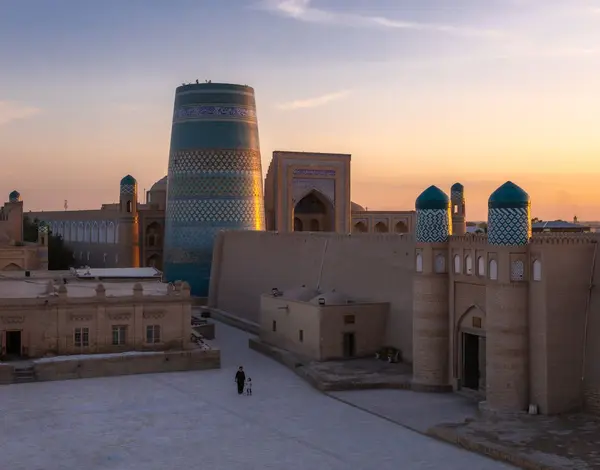
5. Itchan Kala
Khiva
Przemierzaj kompletne średniowieczne miasto Jedwabnego Szlaku, w którym ludzie wciąż żyją, pracują i handlują wewnątrz dziesiątych-wiecznych murów z cegły mułowej. Będziesz szedł nagrzanymi słońcem zaułkami obok turkusowych madras, oglądać tkaczy dywanów przy drewnianych krosnach i słyszeć wezwanie do modlitwy odbijające się echem między starożytnymi minaretami.
Szybkie fakty: Wewnętrzne miasto otoczone murami w Chiwie zawiera ponad 50 zabytkowych budowli i 250 domów na obszarze 26 hektarów. Ponad 2000 rzemieślników i ich rodzin wciąż mieszka i pracuje w tych murach, codziennie podtrzymując starożytne tradycje Jedwabnego Szlaku.
Najważniejsze atrakcje: O zachodzie słońca wejdź po 118-stopniowych spiralnych schodach wewnątrz niedokończonego minaretu Kalta Minor. Jego turkusowe kafle łapią złote światło tak intensywnie, że cała wieża zdaje się świecić od wewnątrz.
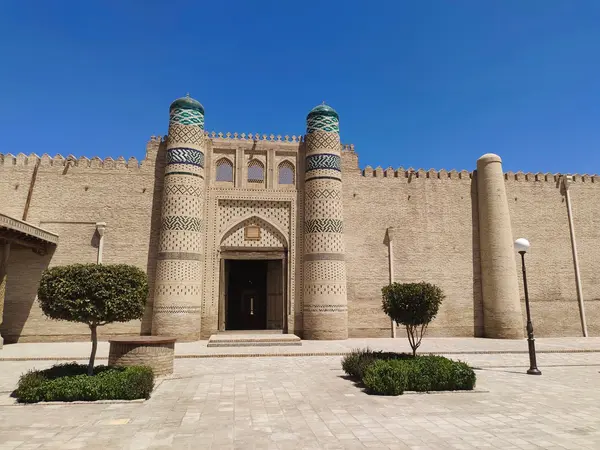
6. Ark of Bukhara
Bukhara
Przejdź przez tę samą bramę, gdzie emirowie wydawali wyroki przez ponad tysiąc lat. Będziesz wędrować po walących się salach tronowych, meczecie z XIX wieku i upiornych celach więziennych wewnątrz żywego muzeum-fortressy.
Szybkie fakty: Twierdza wznosi się na 20 metrów, a jej mury wykonane są z ubitej ziemi, zajmując około 4 hektarów w centrum Buchary. Po ostrzale twierdzy przez siły rosyjskie w 1920 roku przetrwało tylko około 20 procent oryginalnych budowli.
Najważniejsze atrakcje: Plac Registan bezpośrednio przed twierdzą był niegdyś miejscem publicznych egzekucji w każdy piątek, gdzie skazanych zrzucano z podwyższonej rampy bramy. Mało znany fakt: ostatni emir uciekł przez tajny podziemny tunel, gdy Armia Czerwona przedarła się przez mury w 1920 roku, zostawiając swój harem i skarbiec.
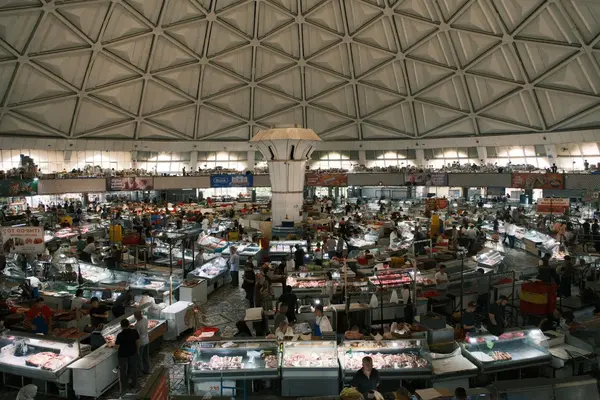
7. Chorsu Bazaar
Tashkent
Targuj się o jedwab pod 42-metrową turkusową kopułą w sercu życia miasta. Próbuj smaków wśród gór przypraw, skwierczących kebabów i chleba prosto z tandooru.
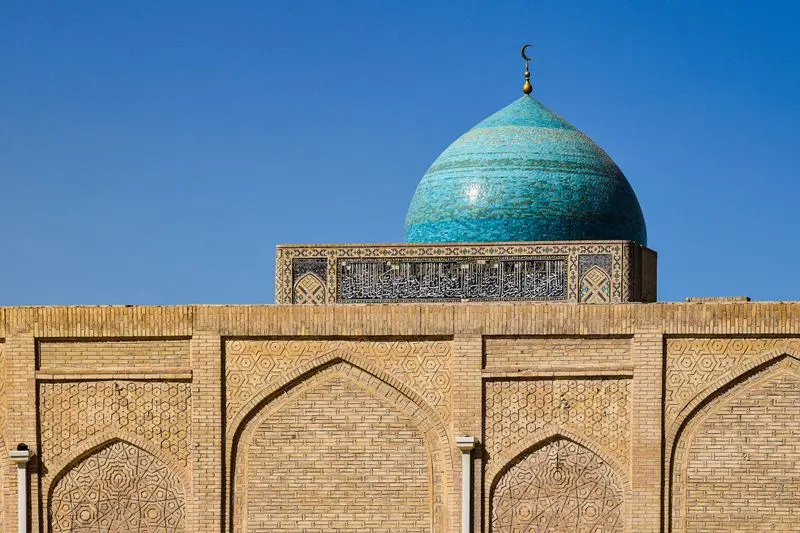
Szybkie fakty: Turkusowa kopuła ma 42 metry średnicy i pokrywa prawie 4000 metrów kwadratowych powierzchni targowej. Handlarze sprzedają w tym miejscu przyprawy, jedwabie i mięso od ponad tysiąca lat; obecną strukturę wzniesiono w 1980 roku za czasów radzieckich.
Najważniejsze atrakcje: 80 000 turkusowych kafelek kopuły zmienia kolor w ciągu dnia od bladego błękitu nieba po głęboki morski zielony w zależności od słońca. Zejdź po rampie do podziemnego pierścienia, gdzie temperatura spada o 10 stopni Celsjusza, a dziesiątki rzeźników pracuje, wieszając całe tusze na hakach pod niebieskimi jarzeniówkami.
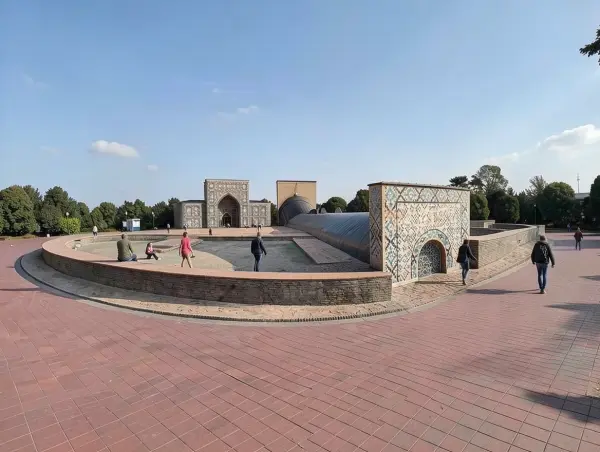
8. Ulugh Beg Observatory
Wejdź do 600-letniego astronomicznego cudu, gdzie średniowieczni naukowcy mapowali gwiazdy z niezwykłą precyzją. Stań wewnątrz podziemnego rowu gigantycznego sekstantu, który niegdyś mierzył kosmos.
Szybkie fakty: Ogromny, częściowo zakopany w ziemi sekstant o długości 40 metrów pozwolił Ulugh Begowi mierzyć pozycje gwiazd z zadziwiającą dokładnością w latach 20. XV wieku. Jego katalog gwiazd zawierający 1018 obiektów pozostawał najdokładniejszym na świecie przez ponad 200 lat, używany przez astronomów od Stambułu po Indie.
Najważniejsze atrakcje: Głównym instrumentem obserwatorium był kolosalny łuk południka wykuty w rowie na zboczu wzgórza, wyłożony marmurem i oznaczony precyzyjnymi podziałkami. Astronomowie wchodzili do środka tego kamiennego tunelu, aby śledzić ciała niebieskie, używając jedynie własnych oczu i milczącej geometrii łuku nad sobą.
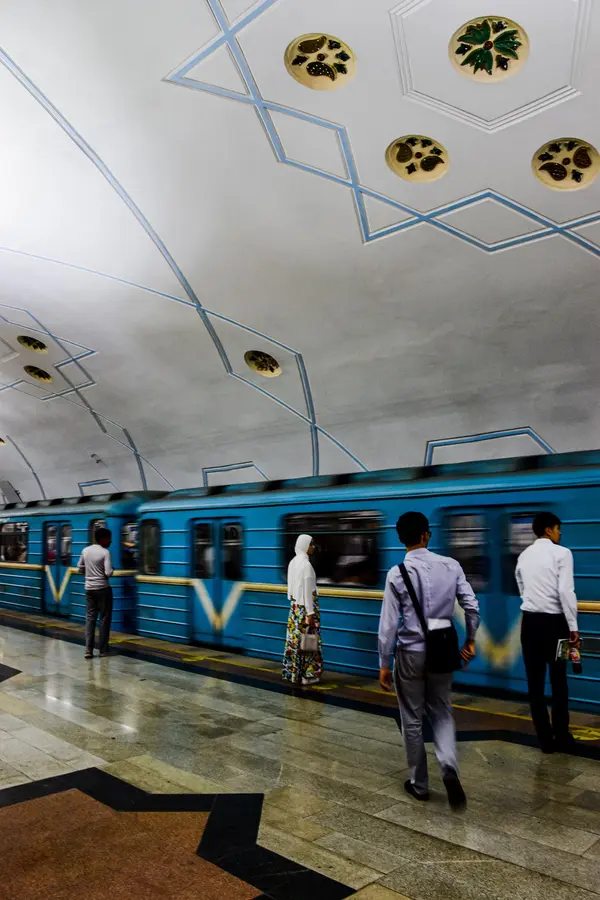
9. Tashkent Metro
Przejedź przez łańcuch podziemnych pałaców zbudowanych, by prezentować sztukę, a nie tylko przewozić pociągi. Wejdziesz na stacje ociekające żyrandolami, mozaikami i marmurem, które zamieniają każdą dwuminutową podróż w wizualną ucztę.
Szybkie fakty: Każda z jego 29 stacji przypomina inne muzeum, a stacja Kosmonavtlar celebruje eksplorację kosmosu poprzez świecące niebieskie mozaiki kosmonautów. System był pierwszym w Azji Środkowej i przewozi codziennie ponad 200 000 pasażerów przez korytarze wyłożone kryształowymi żyrandolami i rzeźbionym marmurem.
Najważniejsze atrakcje: Fotografowanie było surowo zabronione przez ponad 40 lat, aż do 2018 roku, ponieważ urzędnicy uznawali metro za obiekt wojskowy o tajnym znaczeniu. Dziś możesz swobodnie fotografować 12-metrowe kryształowe żyrandole na stacji Mustaqillik Maydoni oraz złocone sufity na stacji Alisher Navoi.
Where to Stay in Uzbekistan
Selected by City Buddy based on guest reviews and proximity to top attractions
Search all hotels in UzbekistanPowered by agoda
Dni otwarcia w Uzbekistan
Które z najważniejszych atrakcji są zamknięte w poszczególne dni tygodnia. Klasyczny pogromca wycieczek, sprawdzony za Ciebie.
Dobra wiadomość: wszystkie 8 najważniejsze atrakcje ze znanymi godzinami otwarcia są otwarte każdego dnia tygodnia.
Zamknięte w poniedziałek · 0 zamkniętych, 8 otwartych
Nic nie jest zamknięte w poniedziałek. Wszystkie 8 atrakcje ze znanymi godzinami są otwarte.
Dni otwarcia z Google Maps. Święta, strajki i godziny sezonowe mogą się różnić. Sprawdź oficjalną stronę przed wyjazdem.
Często zadawane pytania o Uzbekistan
Jaki jest najlepszy czas na wizytę w Uzbekistanie?
Czy Uzbekistan jest drogi dla turystów?
Ile dni powinienem spędzić w Uzbekistanie?
Czy Uzbekistan jest bezpieczny dla turystów?
Jak poruszać się po Uzbekistanie?
Wyślij PDF z najpopularniejszymi atrakcjami na swój e-mail
Otrzymaj PDF ze wszystkimi atrakcjami, ocenami i wskazówkami. Idealne do użytku offline.
Najpopularniejsze wycieczki jednodniowe
Samarkand
Iconic Silk Road city with Registan and UNESCO sites.
Chimgan & Charvak Reservoir
Mountain playground for hiking, skiing and water sports.
Fergana Valley (Fergana/Kokand/Margilan)
Textile and ceramic centers with lively bazaars.
Bukhara
Well-preserved medieval city of mosques and madrasas.
Jak dojechać
Lotniska
Stacje kolejowe
Afrosiyob high-speed to Samarkand & Bukhara; intercity to Fergana
High-speed & intercity to Tashkent and Bukhara
Intercity connections to Tashkent and Samarkand
Use official taxis or ride-hailing apps; prebook Afrosiyob trains online.
Wiza i wjazd
Many EU countries, USA, Canada, UK, Japan, South Korea, Turkey and many CIS states
Some African and Asian countries; always check your embassy/consulate
Apply for Uzbekistan e‑visa if eligible; allow a few days for processing.
Przydatne informacje dla Uzbekistan
Przegląd dla Uzbekistan
Chcesz plan dzień po dniu dla Uzbekistan? Otwórz planer podróży
Kiedy jedziesz do Uzbekistan?
Wybierz daty i styl podróży, aby otrzymać:
Czy coś z tego jest dla Ciebie szczególnie ważne?
Wybierz wszystkie, które pasują
Przemieszczanie się
Jak chcesz się przemieszczać między miejscami?
Język planu: PolskiMost popular itineraries for Uzbekistan
Browse trip plans created by other travelers