 CityBuddy
 Српски
Šta raditi u Hrodna, Belarus
Fotografiju je napravio Vladimir Srajber na Pexels.com
Kada posetiti
Najpopularnije atrakcije u Hrodna, Belarus
Najbolje stvari koje treba uraditi u Hrodni, Belorusija, vrte se oko njene izuzetne koncentracije srednjovekovne i barokne arhitekture. Prošetajte terenom crkve Sv. Borisa i Gleba iz 11. veka u Kaloži, najstarije sačuvane građevine u gradu. Uporedite je sa katedralom Sv. Franje Ksaverskog iz 17. veka, čiji tornjevi visoki 100 metara dominiraju horizontom. Posetite i Stari zamak u Hrodni i Novi zamak u Hrodni, koji stoje jedan pored drugog na visokoj obali reke Njemen.
1. Hrodna Old Castle
Gde se vekovi poljske, litvanske i beloruske istorije sudaraju unutar jedne tvrđave. Šetajte hodnicima u kojima su nekada spavali kraljevi i dodirnite zidove ožiljkane pravom topovskom paljbom.
Brze činjenice: Stubovi se uzdižu u tri različita arhitektonska stila, jer je svaki vek ostavio svoj trag na kamenim zidovima. Topovska đulad iz opsade 1656. godine i dalje su ugrađena u spoljne fortifikacije blizu glavne kapije.
Istaknuto: Tajni prolaz ispod zamka nekada ga je povezivao sa manastirom Bernardinaca preko reke Njemen, omogućavajući vojnicima da se kreću neprimećeni. Popnite se na jugozapadnu kulu u vreme zalaska sunca, kada nisko svetlo pretvara reku u tečno zlato i čitav horizont Hrodne se prostire pred vama.
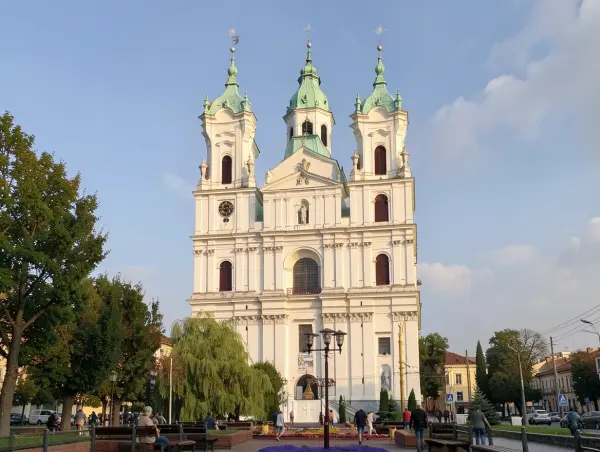
2. St. Francis Xavier Cathedral
Uzvišeno barokno remek-delo koje je preživelo dva svetska rata i sovjetski ateizam uglavnom netaknuto. Prolazak kroz njegova vrata otkriva jednu od najpotpunijih originalnih unutrašnjosti crkava iz 18. veka u Evropi.
Brze činjenice: Jedan od najviših svetskih baroknih tornjeva crkve visok je 65 metara i može se videti sa kilometara daleko. Katedrala poseduje redak preživeli ciklus fresaka iz 18. veka koji je naslikao jedan umetnik tokom jedne decenije.
Istaknuto: Uđite unutra i pogledajte nagore: freske na plafonu kao da talasaju poput tkanine, naslikane sa tolikom iluzionističkom veštinom da ravni malter izgleda kao da se ispupčuje i savija. Lokalna legenda tvrdi da je umetnik pao sa skele tri puta dok je dovršavao delo, a da nikada nije slomio nijednu kost.
3. Kalozha Church of Sts. Boris and Gleb
Uđite u jednu od najstarijih sačuvanih pravoslavnih crkava u Istočnoj Evropi, još uvek aktivnu nakon vekova istorije. Stajaćete u svetilištu gde grubi kameni zidovi, treperava svetlost sveća i drevni grafiti pričaju priče o srednjovekovnim vernicima.
Brze činjenice: Zidovi su ukrašeni hiljadama jarkih kamenih krstova i keramičkih pločica koje su direktno postavljene u zidove. Stotine jedinstvenih drevnih grafita prekriva unutrašnjost, koje su tokom 800 godina ostavili vernici.
Istaknuto: Za razliku od bilo koje druge sačuvane pravoslavne crkve iz tog perioda, spoljni zidovi nikada nisu bili ožbukani, ostavljajući složene šare uglačanog obojenog kamenja i glaziranih keramičkih ploča potpuno izložene vremenskim uslovima. Pogledajte bliže fasadu i primetićete male kamene krstove, zelene i žute pločice, pa čak i fragmente mermera, sve raspoređene u geometrijske šare koje blistaju različito kako se sunčeva svetlost pomera.
4. Soviet Square
Gledajte kako sunce igra po kaldrmi na glavnom okupljalištu Grodna gde se vekovi istorije susreću. Osetite puls gradskog života dok meštani ćaskaju na klupama pod kestenovima i deca jure golubove po geometrijskom kamenom trgu.
Brze činjenice: Trg je dom upadljive statue Lenjina koja ostaje centralna tačka, kontrastirajući sa okolnim šarenim zgradama iz 19. veka. Njegov pločnik ima jedinstven kružni uzorak koji stvara optičku iluziju kada se posmatra odozgo.
Istaknuto: U centru se nalazi jedna od poslednjih preostalih Lenjinovih statua u Belorusiji koju su meštani od milja prozvali "Deda", a sveže cveće se često pojavljuje u njenom podnožju i od starijih stanovnika i mladih parova. Trg se transformiše u sumrak kada okolne istorijske fasade dobijaju zlatnu boju od skrivenih reflektora, otkrivajući zamršene arhitektonske detalje nevidljive tokom dana.
5. Drama Theatre
Uđite u remek-delo sovjetskog modernističkog dizajna gde svaka predstava deluje intimno, čak i u sali sa 700 sedišta. Očekujte dramatičnu arhitekturu, iznenađujuću akustiku i rotirajući program drame, baleta i eksperimentalnih predstava.
Brze činjenice: Dramsko pozorište u Hrodni domaćin je preko 300 predstava svake sezone, popunjavajući gotovo svako sedište u svojim salama kapaciteta 700 mesta. Fasadu zgrade, čisto bele boje, i geometrijske linije inspirisao je sovjetski modernizam iz 1960-ih, što je čini istaknutom u odnosu na stariju arhitekturu grada.
Istaknuto: Malo posetilaca shvata da je glavna gledališna sala dizajnirana sa uvlačivim orkestarskim delom koji nestaje ispod poda scene, omogućavajući prostoru da se transformiše za intimne predstave ili pune baletske produkcije. Tokom zimskih predstava, prozori u foaieu od poda do plafona hvataju snegom prekriveni park napolju, stvarajući pozadinu nalik sceni koja se menja sa svakom godišnjim dobom.
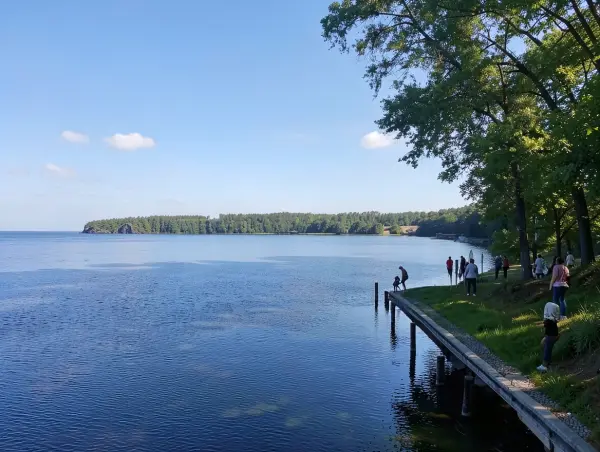
6. Augustow Canal
Plutajte netaknutim šumskim vodenim putem koji se jedva promenio od 1830-ih. Vozite bicikl duž senovitih staza pored kanala, prolazite kroz ručne prevodnice i posmatrajte orlove kako lebde iznad mirnih zelenih koridora.
Brze činjenice: Protežući se 101 kilometar kroz Poljsku i Belorusiju, ovaj plovni put iz 19. veka povezuje reke Vislu i Njemen kroz 18 prevodnica i 22 ustave. Inženjeri su projektovali kanal sa tolikom preciznošću da njegovi originalni mehanizmi prevodnica, kojima se upravlja ručno pomoću drvenih greda, i dalje funkcionišu nakon skoro 200 godina.
Istaknuto: Za razliku od većine kanala, ovaj se probija kroz rezervat biosfere pod zaštitom UNESKO-a gde dabrovi, vidre i belorepani orlovi patroliraju vodama zajedno sa brodovima koji prolaze. Prevodnice menjaju visinu za do 3 metra svaka, a možete gledati kako originalni ručno pokretani mehanizmi škripe dok voda grmi kroz vekovima stare hrastove kapije.
7. Museum of Religion History
Gde drugde možete prošetati kroz manastir star 300 godina i videti sve od srednjovekovnih svitaka Tore do sovjetske ateističke propagande u jednom popodnevu? Kretaćete se kroz odjekujuće kamene hodnike pored ikona obasjanih svećama, a zatim zakoračiti u tiho dvorište gde su monasi nekada gajili začinsko bilje.
Brze činjenice: Smešten u bivšem rimokatoličkom manastirskom kompleksu iz 17. veka, muzejska kolekcija obuhvata preko 2.000 artefakata u četiri stalne postavke. Posetioci mogu videti retke štampane Biblije, jevrejske liturgijske predmete i rekonstruisanu unutrašnjost sinagoge iz 19. veka.
Istaknuto: Jedna dvorana prikazuje jednu sobu u potpunosti prekrivenu ručno oslikanim freskama koje prikazuju biblijske scene, gde originalni pigmenti i dalje sijaju u nijansama oker i lapis lazuli. Tavan muzeja čuva prašnjavu kolekciju religioznih artefakata iz sovjetske ere koje su lokalni stanovnici tajno čuvali tokom državno nametnutog ateizma.
Where to Stay in Hrodna, Belarus
Selected by City Buddy based on guest reviews and proximity to top attractions
Search all hotels in Hrodna, BelarusPowered by agoda
Radno vreme u Hrodna, Belarus
Koje od vodećih atrakcija su zatvorene kog dana u nedelji. Klasična stvar koja može da upropasti put, provereno za vas.
ponedeljak: 1 od 3 vodećih atrakcija je zatvoreno. Planirajte muzeje za neki drugi dan.
Zatvoreno ponedeljak · 1 zatvoreno, 2 otvoreno
Radni dani sa Google Maps-a (provereno 2026-08-04). Državni praznici, štrajkovi i sezonsko radno vreme mogu da se razlikuju. Proverite zvanični sajt pre polaska.
Tradicionalna slatka jela

Krambambula
Krambambula is a spiced honey liqueur often used in desserts and believed to have originated in the Grand Duchy of Lithuania. Its name comes from a popular 18th century drinking song.
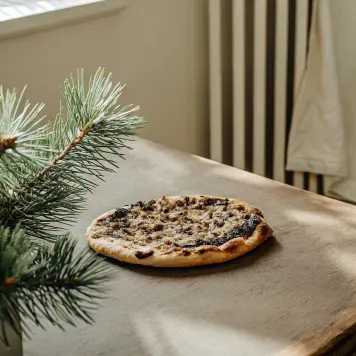
Sochen with poppy seeds
Sochen is a thin unleavened flatbread traditionally baked for Christmas Eve and served with a sweet poppy seed filling. In Hrodna, locals often add crushed nuts and dried apples for extra flavor.
Draniki with apple and cinnamon
While draniki are usually savory potato pancakes, in Hrodna they are often sweetened with grated apple and cinnamon. They are served with sour cream or honey as a beloved local dessert.
Tradicionalna slana jela

Draniki
Draniki are crispy potato pancakes that are considered the national dish of Belarus. In Hrodna, they are often served with sour cream, fried onions, or mushroom sauce.
Machanka
Machanka is a thick, hearty gravy made from pork fat, flour, and sour cream, traditionally served with thick Belarusian pancakes called bliny. It is a rustic winter comfort food beloved in the Hrodna region.
Kolduny
Kolduny are stuffed dumplings similar to pierogi, filled with meat and mushrooms. In Hrodna, the local version is sometimes called "magic dumplings" and was a favorite of the Polish-Lithuanian nobility.
Tradicionalna pića

Krambambula (drink version)
This spiced honey liqueur is one of the most famous beverages from the Hrodna region. It was historically brewed by Dominican monks in the city and is still made today with honey, spices, and alcohol.
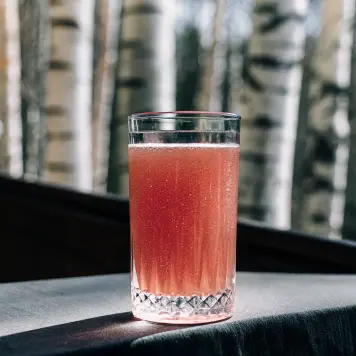
Bierzo
Bierzo is a traditional Belarusian birch sap drink collected in early spring. Hrodna locals tap birch trees in March for this refreshing, slightly sweet beverage that is believed to cleanse the blood.
Kvass
Kvass is a fermented rye bread drink that is a staple across Belarus. In Hrodna, it is often homemade with local rye bread and flavored with mint, berries, or dried fruits.
Često postavljana pitanja o Hrodna, Belarus
Da li je Hrodna u Belorusiji bezbedna za turiste?
Koliko dana u Hrodni u Belorusiji je dovoljno?
Koje je najbolje vreme za posetu Hrodni u Belorusiji?
Da li je Hrodna u Belorusiji skupa za posetu?
Kako se kretati po Hrodni u Belorusiji?
Pošaljite PDF sa najpopularnijim atrakcijama na vašu email adresu
Preuzmite PDF sa svim atrakcijama, ocenama i savetima. Savršeno za korišćenje bez interneta.
Najpopularniji jednodnevni izleti
Mir Castle
A UNESCO World Heritage castle with Gothic and Renaissance architecture.
Nesvizh Castle
Historic palace and park complex, another UNESCO listed site.
Augustow Canal
Scenic 19th century canal connecting Belarus and Poland, great for walks and boat trips.
Bialowieza Forest
Ancient primeval forest and UNESCO site, home to European bison.
Kako stići
Železničke stanice
Minsk, Brest, Vilnius, Warsaw
From Grodno Airport, take a taxi or bus to city center (20 min). From Minsk, take a direct train (4h) or bus (4.5h).
Korisne informacije za Hrodna, Belarus
Pregled za Hrodna, Belarus
Želiš plan za svaki dan u Hrodna, Belarus? Otvori planer putovanja
Kada idete u Hrodna, Belarus?
Izaberite datume i stil putovanja da dobijete:
Da li vam je nešto posebno važno?
Izaberite sve što važi
Kretanje
Kako želite da se krećete između mesta?
Jezik plana: Српски