 CityBuddy
 Српски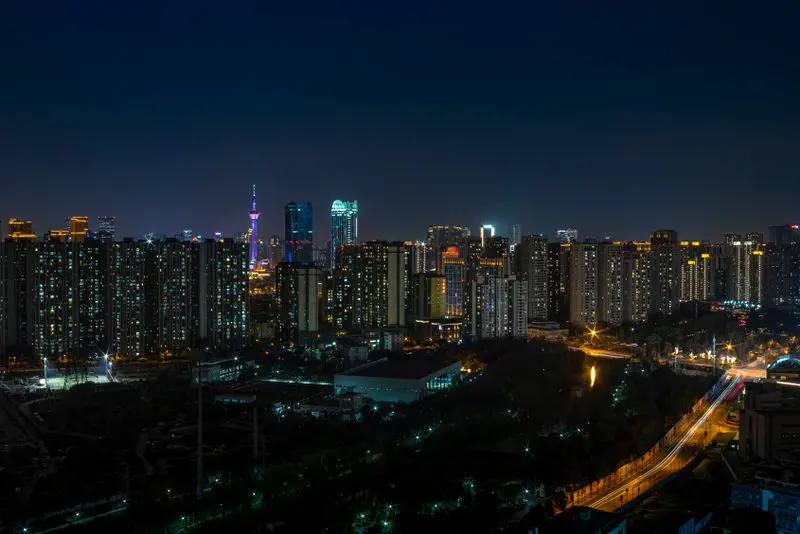
Šta raditi u Chengdu, China
Fotografiju je napravio AG ZN na Pexels.com
Kada posetiti
Chengdu je #3 grad za ljubitelje hrane na svetu, na osnovu naših podataka za stotine destinacija.
Najpopularnije atrakcije u Chengdu, China
Kada je reč o preporukama za turističke atrakcije u Čengduu, najprivlačnija je svakako Chengdu Research Base of Giant Panda Breeding, u kojoj živi više od 80 velikih pandi, a najživlje je ujutru u vreme hranjenja. Zatim možete prošetati kroz Kuanzhai Alley (Wide and Narrow Alley), ovu ulicu iz doba dinastije Ćing, koju čine široka, uska i bunarska uličica, a koja je zadržala duh dvorišnog života starog Čengdua. Wuhou Shrine posedćen je čuvenom državniku iz perioda Tri kraljevstva, Džu ge Liangu, a u svetilištu se uzdižu drevni čempresi, pa je istorijska atmosfera posebno izražena. Ove tri atrakcije obuhvataju najsuštinskije kulturno i prirodno iskustvo Čengdua.
1. Chengdu Research Base of Giant Panda Breeding
Vrhunsko iskustvo posmatranja nacionalnog blaga iz prve ruke. Gledanje okruglih pandi dok grickaju bambus leči umor celog dana. Šetajući stazama kroz bambusovu šumu, od razigranih mladunaca do opuštenih odraslih pandi dok jedu, svaki trenutak vredi zabeležiti.
Brze činjenice: Svakog dana ovde živi više od 100 pandi, od tek rođenih ružičastih mladunaca do odraslih pandi. Ovo je ujedno i najveća svetska ustanova za veštački uzgoj i istraživanje pandi, koja je do danas uspešno uzgojila više od 300 pandi.
Istaknuto: Rano jutro je najčarobniji trenutak ovde. Mladunci stari svega nekoliko meseci u inkubatorima ispuštaju zvuke nalik cviljenju štenaca, a čuvari izvode zajednički ritual hranjenja u 'panda vrtiću'. Gledati desetak čupavih beba pandi kako poređane u niz piju mleko, ta sreća jednostavno topi srce.
2. Wuhou Shrine
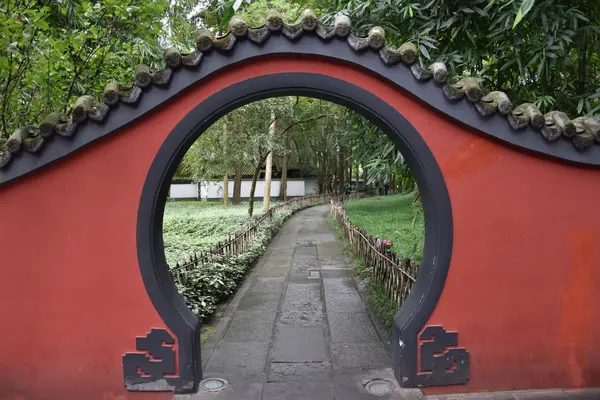
Zakoračite u legendarni svet heroja Tri kraljevstva i osetite snagu duha Džu ge Liangove posvećenosti do kraja. Prođite kroz crvene zidove i drevne čemprese i razgovarajte sa istorijom starom hiljadu godina usred mirisa tamjana.
Brze činjenice: U hramu koji se prostire na 37.000 kvadratnih metara čuva se "Stela tri savršenstva" sa tekstom kancelara dinastije Tang Pei Dua i kaligrafijom Liu Gongčuoa. Više od 2000 drevnih čempresa okružuje hramove sa crvenim zidovima i sivim krovovima, a za jedan se veruje da ga je zasadio sam Džuge Liang, star preko 1700 godina.
Istaknuto: Na strehi glavne dvorane nalaze se 47 keramičkih figura likova iz Tri kraljevstva, svaka sa drugačijim izrazom lica. Po kišnom vremenu glazura dobija zelenkasti sjaj. Još posebnije, miris tamjana iz kadionice meša se sa svežim mirisom starih čempresa, a celo dvorište je obavijeno osećajem tišine koji traje hiljadama godina.
3. Du Fu Thatched Cottage
Zakoračite na mesto nekadašnje slamnate kuće u koju je pesnički svetac pobegao kada su haosi zadesili Čengdu i osetite miris bambusa i zemlje. U dvorištu u senci bambusa popijte šolju čaja gajvan i poslušajte meštane koji na sečuanskom dijalektu recituju pesme Du Fua.
Brze činjenice: Više od dva miliona posetilaca godišnje pohodi ovaj mirni vrt posvećen sećanju na vrhovnog pesnika Du Fua. Više od 800 parova natpisa i preko 150 kamenih stela čine najveću zbirku kaligrafskih stela o Du Fuu u celoj Kini.
Istaknuto: U bari od lotosa ispred slamnate kuće žive desetine kornjača sakupljenih iz starog dela Čengdua. One ovde žive više od dvadeset godina, a meštani ih zovu 'čuvari vrhovnog pesnika'. Svake godine trećeg dana trećeg lunarnog meseca uprava vrta izlaže četiri blaga učene sobe i omogućava posetiocima da pred slamnatom kućom prepisuju stihove Du Fua, a papir i mastilo su potpuno besplatni.
4. Mount Qingcheng
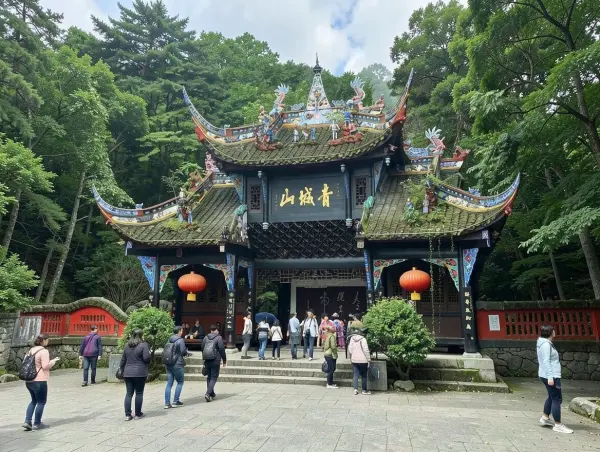
Želite li da u bujnoj planinskoj šumi osetite tihu moć taoističke kulture? Penjite se kamenim stepenicama. Jutarnja zvona drevnog hrama, bistri izvori i cvrkut ptica, čitavim putem pejzaži zbog kojih zaboravljate gradsku galamu.
Brze činjenice: Planina Ćingčeng se deli na prednji i zadnji deo. Na prednjem delu su brojni taoistički hramovi sa živahnom atmosferom paljenja tamjana, dok je zadnji deo mirniji i netaknutiji. Ovo je jedno od mesta nastanka kineskog taoizma, a na celoj planini postoji 36 taoističkih hramova, izgrađenih još u doba Istočne Han dinastije.
Istaknuto: U jutarnjoj magli ispred Paviljona Starog Gospodara, mogu se nazreti bele figure taoističkih monaha kako vežbaju tai či, kao da su došli iz prošlosti od pre hiljadu godina. Još lepše, u klancu Vuhlong na zadnjoj strani, žubor potoka se prepliće s pticama, a usput možete sresti i divlje makaki majmune, što ni u čemu ne zaostaje za atmosferom iz trilera o borilačkim veštinama.
5. Leshan Giant Buddha
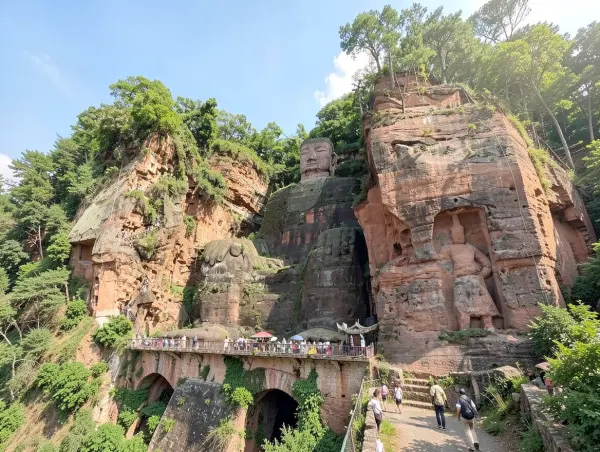
Sopstvenim očima vidite najveću kamenu statuu Bude na svetu i osetite božansko umeće tangovskih majstora. Šetajte zavojitom stazom od Budine glave do stopala i na mestu gde se spajaju tri reke slušajte odjeke stare hiljadu godina.
Brze činjenice: Ovaj kameni lik na litici, visok 71 metar, nalazi se na ušću triju reka; viši je od zgrade od dvadeset spratova, a samo gorak stopala velik je kao dva košarkaška terena. Ceo Veliki Buda izrađivan je punih 90 godina, kroz tri naraštaja majstora, a nad njim je nekada podignuta građevina od 13 spratova koja ga je štitila od vetra i kiše.
Istaknuto: Veliki Buda jednom je prošao kroz restauraciju koja je trajala čak 20 godina, tokom koje su majstori na njegovom temenu pronašli više od hiljadu originalnih cigala iz doba dinastije Tang. Još zadivljujuće je što unutar ušiju i kose Velikog Bude krije se prikriveni sistem za odvodnjavanje, mudro osmišljen od majstora iz doba Tanga; zahvaljujući njemu ova ogromna građevina posle hiljadu godina vetrova i kiša i danas mirno i dostojanstveno sedi.
6. Sanxingdui Museum
Zakoračite u tajanstveno drevno kraljevstvo koje istorijske knjige nikada nisu zabeležile i iz prve ruke vidite civilizaciju bronzanog doba iz vremena pre 3000 godina, onu koja prevazilazi maštu. Bronzano sveto drvo visoko tri metra, maske sa ispupčenim očima, svaki artefakt ruši vašu predstavu o kineskoj civilizaciji.
Brze činjenice: Preko hiljadu bronzanih maski, sveto drveće i slonovača pronađeni su 1986. godine u dve ritualne jame, a svaki predmet je neobičnog oblika i potpuno drugačiji od bronzanih predmeta iz centralne Kine. Arheolozi do danas nisu pronašli nikakve pisane tragove, pa ostaje misterija kojoj drevnoj državi ovi artefakti pripadaju i zbog čega su sahranjeni.
Istaknuto: Bronzano sveto drvo visoko je 3,96 metara, podeljeno na tri sloja grana, na svakom sloju počiva devet svetih ptica, a na vrhu stoji jedna blagotvorna životinja. Celo drvo u izložbenoj sali seže od poda do plafona. Najneobičnije su maske sa izbuljenim očima, čije očne jabučice vire napolje čak 16 centimetara, podsećajući na vanzemaljce, zbog čega svaki posetilac ispred njih nehotice zadrži dah.
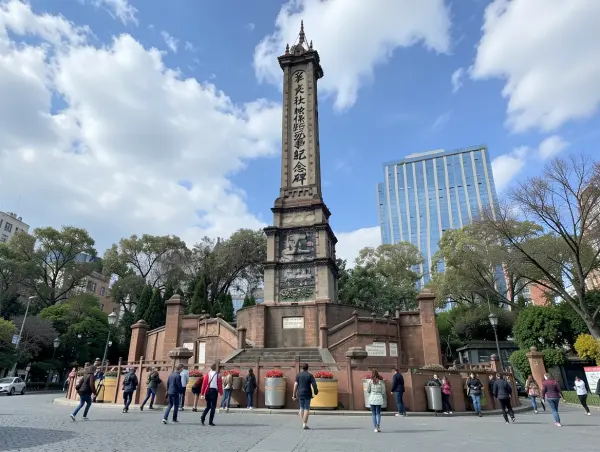
7. People's Park
Želite da za sekund zaronite u spor život starog Čengdua? Dođite ovde, popijte čaj, očistite uši, gledajte prolaznike kako sanjare i pola dana proleti u trenu.
Brze činjenice: Ovo je oaza u samom centru grada, koja se prostire na više od 70 mu i svakog dana privlači na desetine hiljada građana da piju čaj, igraju i zaigraju madžong. Vekovna šuma ginka u parku svake jeseni postaje sasvim zlatna, i za građane Čengdua to je najpristupačnije svetilište za odmor i relaksaciju.
Istaknuto: Čajdžinica "Krik ždrala" u dubini parka radi od 1923. godine: bambusove stolice, bakarni čajnici, čaj u šoljama sa poklopcem, jedna šolja košta tek petnaestak juana, a možete da sedite ceo dan i niko vas ne tera iz nje. Svake nedelje ujutro istovremeno se održavaju ugao za engleski jezik i ugao za upoznavanje; prizor sede kose glave deda koji tečno engleski pričaju sa stranim studentima verovatno se jedino ovde, u celoj Kini, može videti.
Where to Stay in Chengdu, China
Selected by City Buddy based on guest reviews and proximity to top attractions
Search all hotels in Chengdu, ChinaPowered by agoda
Tradicionalna slatka jela
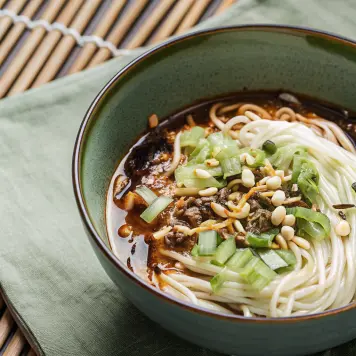
Dandan Mian (Dan Dan Noodles)
Despite being a noodle dish, Dandan Mian is often served as a sweet and savory street food. Its name comes from the bamboo pole (dan dan) that street vendors used to carry the noodles and sauce on their shoulders.
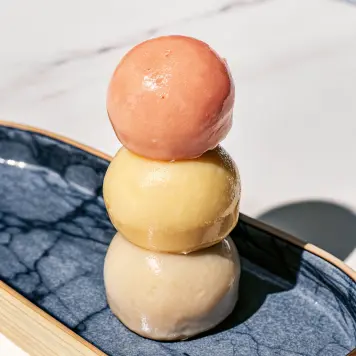
Three Balls (San Da Pao)
San Da Pao, or Three Big Bangs, is a Chengdu dessert made from glutinous rice that makes three loud sounds when prepared. The pounding and shaking of the rice cakes create a theatrical performance as the vendor calls out each bang.
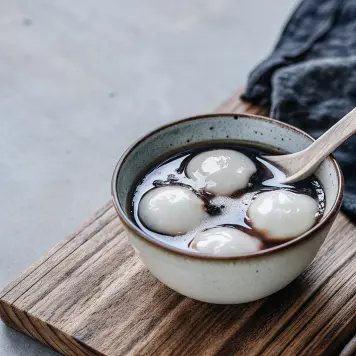
Sweet Rice Balls (Tangyuan)
Tangyuan are glutinous rice balls filled with black sesame paste or sweet bean paste, often served in a warm ginger syrup. In Chengdu, these are especially popular during the Lantern Festival as their round shape symbolizes family togetherness.
Tradicionalna slana jela
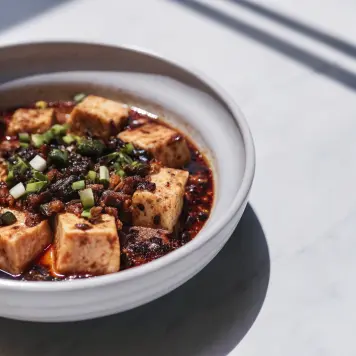
Mapo Tofu
This iconic Chengdu dish features soft tofu in a fiery sauce of doubanjiang (fermented bean paste) and Sichuan peppercorns. It is named after an elderly pockmarked woman (ma po) who supposedly invented the recipe in a small Chengdu eatery.
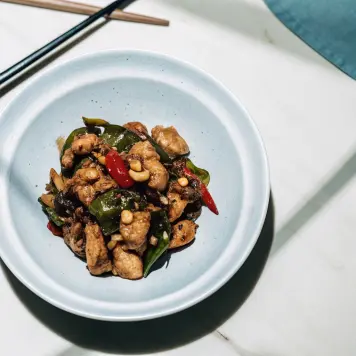
Kung Pao Chicken (Gong Bao Ji Ding)
This dish originated in Chengdu and is named after Ding Baozhen, a Qing Dynasty governor whose title was "Gong Bao" (Palace Guardian). The original recipe uses only chicken, peanuts, and chili peppers without the vegetables often added in Western adaptations.
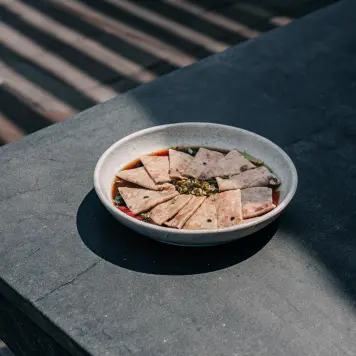
Fuqi Feipian (Husband and Wife Lung Slices)
Despite its literal name meaning "husband and wife lung slices," this dish actually contains no lung tissue but rather thinly sliced beef and offal. It was created by a married couple who sold the spicy, numbing cold beef dish from a pushcart in Chengdu.
Tradicionalna pića
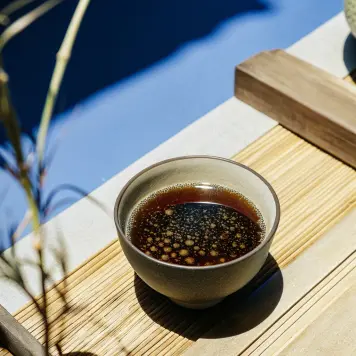
Sichuan Buckwheat Tea (Ku Qiao Cha)
Ku Qiao Cha is a nutty, slightly bitter tea made from roasted tartary buckwheat grown in the highlands of Sichuan. It is caffeine free and believed to help with digestion, especially after eating Chengdu's famously spicy food.

Suan Mei Tang (Sour Plum Drink)
This tangy, sweet beverage is made from smoked plums, rock sugar, and licorice root, and is a cherished Chengdu summer drink. It is said to have been invented during the Song Dynasty to cool down emperors in the heat.
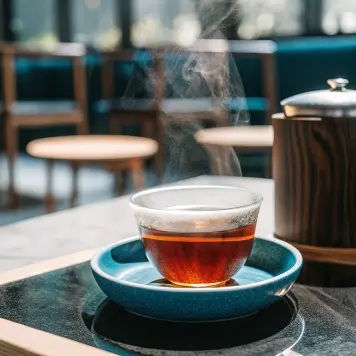
Gaiwan Tea (Covered Bowl Tea)
The gaiwan, a lidded bowl used for brewing and drinking tea, is inseparable from Chengdu's teahouse culture where locals spend hours sipping, socializing, and playing mahjong. Chengdu has the most teahouses of any city in China, with thousands dotting its streets and parks.
Često postavljana pitanja o Chengdu, China
Da li je bezbedno putovati u Čengdu?
Koliko dana je dovoljno za razgledanje Čengdua?
Kada je najbolje vreme za putovanje u Čengdu?
Da li je skupo putovati u Čengdu?
Kako se kretati po Čengduu gradskim prevozom?
Pošaljite PDF sa najpopularnijim atrakcijama na vašu email adresu
Preuzmite PDF sa svim atrakcijama, ocenama i savetima. Savršeno za korišćenje bez interneta.
Najpopularniji jednodnevni izleti
Leshan Giant Buddha
Home to the world's largest stone Buddha statue carved into a cliff face.
Mount Qingcheng
Ancient Taoist mountain with lush greenery and serene temples.
Dujiangyan Irrigation System
Ancient irrigation system still in use, a UNESCO World Heritage site.
Panda Base (Bifengxia)
Giant panda breeding and research center in a lush valley setting.
Mount Emei
Sacred Buddhist mountain with stunning sunrise views and monasteries.
Kako stići
Aerodromi
Železničke stanice
High-speed rail to Xi'an, Chongqing, Guangzhou, Shanghai, Beijing
High-speed rail to Leshan, Mount Emei, Kunming
High-speed rail to Dujiangyan, Qingchengshan
From Shuangliu Airport (CTU), take Metro Line 10 to city center in 30 minutes. Tianfu Airport (TFU) is farther; use the Airport Express Bus or Metro Line 18.
Korisne informacije za Chengdu, China
Pregled za Chengdu, China
Želiš plan za svaki dan u Chengdu, China? Otvori planer putovanja
Kada idete u Chengdu, China?
Izaberite datume i stil putovanja da dobijete:
Da li vam je nešto posebno važno?
Izaberite sve što važi
Kretanje
Kako želite da se krećete između mesta?
Jezik plana: Српски