 CityBuddy
 Српски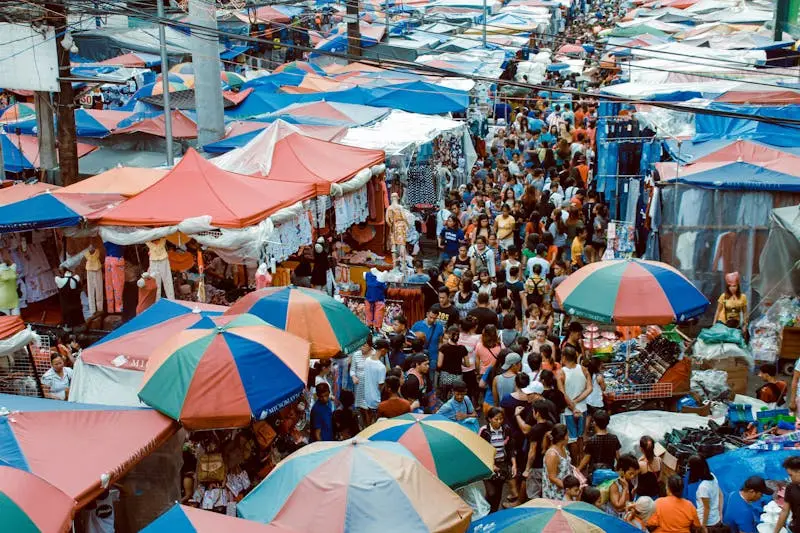
Šta raditi u Manila, Philippines
Fotografiju je napravio NIC LAW na Pexels.com
Kada posetiti
Manila je #14 najprijateljskiji grad prema strancima na svetu, na osnovu naših podataka za stotine destinacija.
Najpopularnije atrakcije u Manila, Philippines
Najbolje stvari koje treba uraditi u Manili na Filipinima uključuju istraživanje Intramurosa, istorijskog utvrđenog grada koji datira iz španskog kolonijalnog perioda. Posetite Fort Santijago, citadelu bogate istorije koja se nalazi samo 600 metara od obale. Ne propustite crkvu i muzej San Agustin, najstariju kamenitu crkvu u zemlji, koja nudi fascinantne artefakte i arhitekturu.
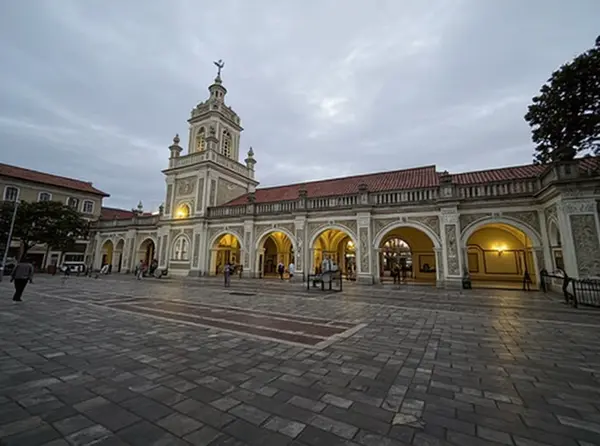
1. Intramuros (Historic Walled City)
Historic Walled City
Zakoračite u vekove filipinske istorije iza impozantnih kamenih zidina. Prošetajte kaldrmisanim ulicama, kolonijalnim crkvama, muzejima i uživajte u pogledima na zalazak sunca sa bedema.
Brze činjenice: Sunčeva svetlost prolazi kroz obrasle kamenite zidove, kočije vuku konji pače po kaldrmi i kafići šire akustičnu muziku po uskim trgovima. Više od desetak restauriranih utvrđenja i kolonijalnih zgrada sada su muzeji, umetničke galerije i bašte na krovovima, tako da lutanje deluje kao ulazak u živi vremenski kapsul.
Istaknuto: Šetajte sunčanim kaldrmisanim ulicama pored crkve San Agustin, završene 1607. godine, i ispod lučnog ulaza tvrđave Santiago, gde hrđavi španski topovi iz 17. veka još uvek gledaju prema zalivu, a Rizalova kuća obeležava ćeliju u kojoj je José Rizal bio zatvoren pre svoje egzekucije 1896. Tokom dana kočije vuku konji i klapaju po kamenju, a radionice prave desetine bambus bicikala za ture, dok vazduh miriše na prženo ulje, jasmin i blagi metalik miris reke, tako da možete osetiti tri veka složenih mirisa i priča odjednom.
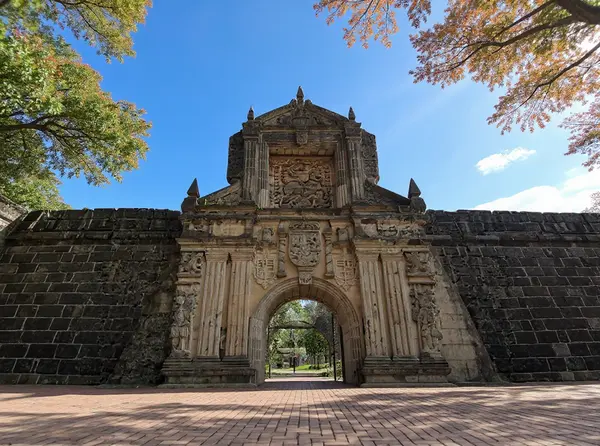
2. Fort Santiago
Kamenim zidinama ograđeni Fort Sentijago otkriva manilsku špansku kolonijalnu i ratnu prošlost. Prošetajte lisnatim dvorištima, vidite Rizalovo svetilište i pogledajte Pasig sa starih bedema.
Brze činjenice: Debeli zidovi od vulkanskog kamena i tihi jarak stvaraju filmsku tišinu, gde se može još osetiti kolonijalna arhitektura i rane iz ratnog perioda pod nogama. Posetioci često zastanu kod malog muzeja i uske ćelije u kojoj je José Rizal napisao svoje poslednje pesme, zamišljajući tišinu pre njegove poslednje šetnje.
Istaknuto: Uđite u mračnu ćeliju u kojoj je José Rizal proveo svoje poslednje noći pre nego što je pogubljen 30. decembra 1896. godine, grube ciglene zidove i dalje grebu ispisana imena i tanka metalna nota starih topova. Svakog 30. decembra stotine studenata i članova masonskih loža okupljaju se da polože vence i zapale svece na malom mermernom znaku, a tišinu prekida samo usamljeni trubač koji svira nacionalnu žalobnu pesmu.
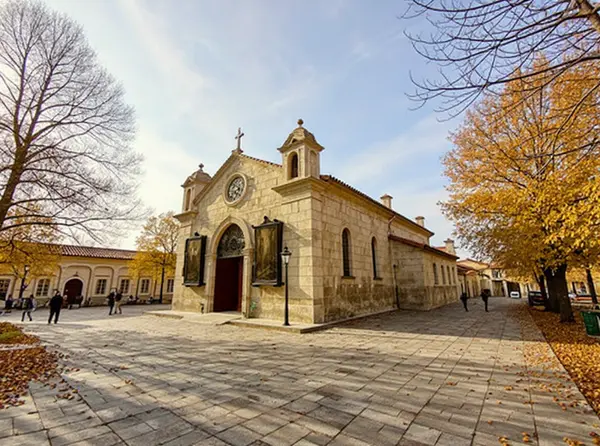
3. San Agustin Church and Museum
Zakoračite u Manilu iz španskog doba u crkvi San Agustin, baroknom spomeniku pod zaštitom UNESCO-a. Divite se pozlaćenim oltarima, trompe l'oeil plafonima i kompaktnom muzeju kolonijalnih artefakata.
Brze činjenice: Uđite unutra i zadiviće vas topli, medeni kamen i raskošna barokna ornamentika, dok tavanice sa trompe-l'œil efektom kao da dišu oslikanim oblacima. Na spratu se nalazi kompaktan muzej koji čuva vekove crkvenog blaga, od vezenih misnica do sjajnih relikvijara, a cela zgrada je neverovatno preživela bombardovanja koja su sravnila veći deo njenog susedstva.
Istaknuto: Sagrađena 1607. godine, kamena bazilika stoji više od 400 godina, a ispod njene lađe nalazi se grob konkvistadora Migela Lopeza de Legazpija čiji urezani epitaf i danas možete pratiti prstima. U muzejskim polumračnim prostorijama miris pčelinjeg voska i stare hartije lebdi nad staklenim vitrinama koje čuvaju misnice iz 17. i 18. veka, srebrne liturgijske posude i drvene procesionalne svece čija napukla polihromna lica sijaju pod jednom lampom.
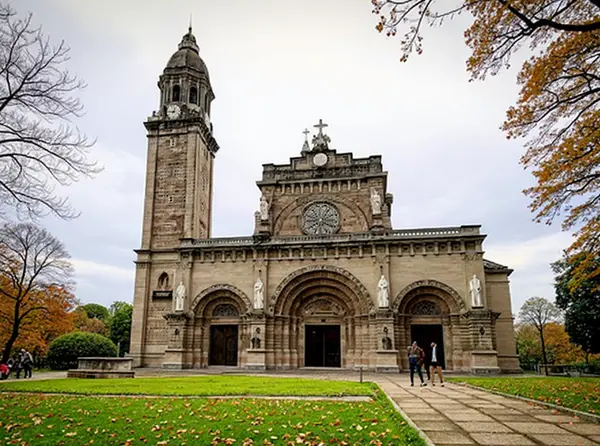
4. Manila Cathedral
Doživite vekove manilske istorije u veličanstvenoj kolonijalnoj katedrali u srcu Intramurosa. Divite se restauriranim baroknim i romaničkim detaljima, vitražima i mirnoj unutrašnjosti.
Brze činjenice: Sunčeva svetlost koja prodire kroz visoke vitraže rasipa boje po uglačanom mermeru, a svodna akustika čini da zvuk orgulja i horske izvedbe posebno odjekuje. Neme ploče i popravljeni kameni radovi pričaju dramatičnu priču o preživljavanju brojnih zemljotresa i ratnih oštećenja, dok poštovana, vekovima stara slika unutra privlači i hodočasnike i radoznale posetioce.
Istaknuto: Uđite unutra i naći ćete se u crkvi koja je obnavljana osam puta od 16. veka, tako da mermerni podovi, neoklasični stubovi i barokne rezbarije čine slojevitu hronologiju koju možete čitati očima. Mnogih popodneva stariji hor vežba gregorijanske napeve sve dok sunčeva svetlost kroz vitraže ne pretvori prolaz u trake rubina i zlata, a parohijani često uvlače male presavijene cedulje u gvozdenu rešetku pored oltara, čije su ivice omeksale od godina tamjana.
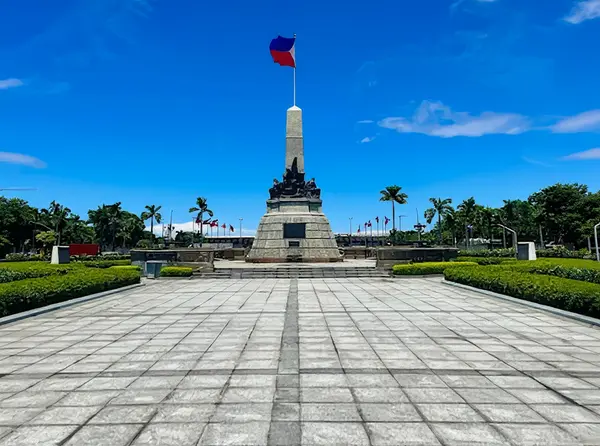
5. Rizal Park (Luneta)
Luneta
Istorijski park u srcu Manile, gde se nacionalno sećanje susreće sa svakodnevnim životom. Prošetajte pored Rizalovog spomenika, opuštenih vrtova i živih trgova za fotografije i posmatranje ljudi.
Brze činjenice: Jutarnja svetlost otkriva prostrane zelene travnjake prošarane ornamentalnim fontanama i zasenčenim šetalištima, gde meštani vežbaju tai či, a porodice piknikuju među cvetnim akacijama. Dramatičan nacionalni spomenik dominira centrom, privlačeći ljude na ceremonije i tiho razmišljanje, dok jata golubova doprinose živahnom gradskom ambijentu.
Istaknuto: Tačno u centru stoji bronzani spomenik Hoseu Rizalu visok 12,8 metara, gde meštani nakon zalaska sunca tiho ostavljaju male sveće i ručno nizane vence od sampagite, dok se miris voska i cveća meša sa večernjim vazduhom. Svakog 30. decembra stotine do hiljade ljudi okuplja se pre zore na ceremoniju polaganja venaca i podizanja zastave, školski horovi pevaju nacionalnu himnu, a ulični prodavci prodaju male papirnate zastavice i pirinčane kolače za oko 10 do 20 pezosa.
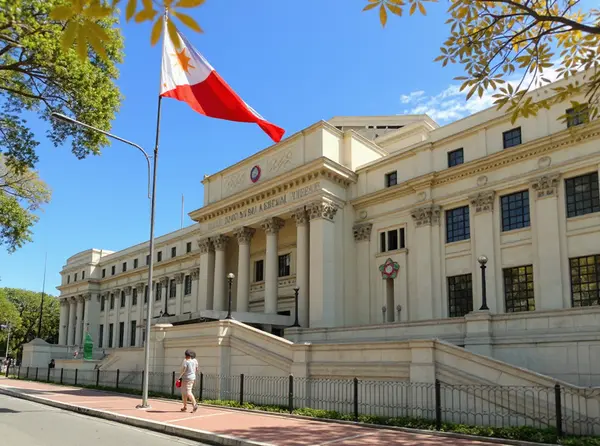
6. National Museum of the Philippines (National Museum Complex)
National Museum Complex
Istražite filipinsku umetnost, istoriju i biodiverzitet u jednom centralnom kompleksu. Pogledajte Huan Lunin Spolijarium, Drvo života prirodne istorije i bogate kulturne artefakte.
Brze činjenice: Uđite unutra i zadiviće vas ogromne neoklasične dvorane koje prikazuju Spoliarium Huana Lune uz blistave predkolonijalne zlatne predmete i bogato tkane tekstile. Tihi kutci pozivaju na dugotrajno proučavanje fosilnih primeraka, ceremonijalnih predmeta i monumentalnih slika, čineći posetu kompaktnim prolaskom kroz vekove kulture.
Istaknuto: Stanite pod bledu neoklasičnu rotundu i Spoliarium Huana Lune preotima vaš pogled, platno veličine otprilike 4 sa 7 metara čije tamne umbre i grimizni naglasci postaju dublji dok konzervatori pažljivo rade na njegovom laku, oslobađajući suptilan miris terpentina. Slika je osvojila zlatnu medalju u Madridu 1884. godine, trijumf koji vodiči i danas pripovedaju kao iskru filipinskog nacionalnog ponosa, a čuti tu priču dok galerija utihne čini prizor neočekivano filmskim.

7. Manila Ocean Park
Vidite filipinski morski svet izbliza u velikom interaktivnom akvarijumu. Prošetajte kroz dugačak stakleni tunel, gledajte hranjenja i upoznajte pingvine.
Brze činjenice: Svjetleća plava svetla i zakrivljeni stakleni tunel omogućavaju vam da gledate ajkule i raže kako klize nekoliko centimetara iznad vaše glave, čineći šetnju podvodnom razglednicom. Preko 3.000 morskih životinja nastanjuje tematske akvarijume, a svakodnevna hranjenja pretvaraju školske činjenice u praktična i uzbudljiva iskustva.
Istaknuto: Svake večeri akvarijum se priguši u okeansko plava svetla i priredi "serenadu hranjenja" u kojoj jato od oko 200 svetlucavih sardina horeografisano pliva dužinom staklenog tunela, dok voda šapuće kao daleka kiša, a porodice pritiskaju dlanove na akril. Dugogodišnji ronilac Kuya Deni pripoveda predstavu na tagalogu, pružajući hrabrim mališanima priliku da opipaju glatku, hladnu i baršunastu kožu morskog krastavca i učeći ih lokalne nazive riba, što ciku uvek pretvara u ponosno, začuđeno ćaskanje.
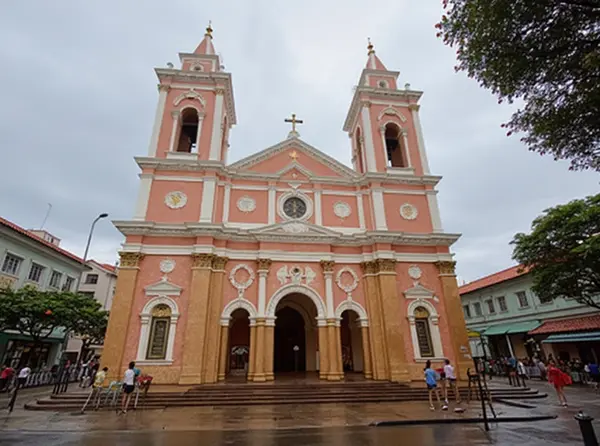
8. Binondo Church (Minor Basilica of San Lorenzo Ruiz)
Minor Basilica of San Lorenzo Ruiz
Doživite vekove kinesko-filipinske katoličke istorije u crkvi Binondo. Divite se ukrašenoj baroknoj unutrašnjosti i izbliza svedočite lokalnim pobožnostima.
Brze činjenice: Topla izmaglica tamjana i šarenih lampiona dočekuje posetioce, otkrivajući iznenađujuću mešavinu baroknih oltara i kineskih dekorativnih motiva. Mnogi dolaze da poštuju prvog kanonizovanog sveca u zemlji, a živahna venčanja i obredi zajednice održavaju prolaze ispunjenim predanošću.
Istaknuto: Osnovana 1596. godine da služi kinesko-filipinskim trgovcima, crkva je jedna od najstarijih parohija u zemlji i i dalje se ispunjava gustim tamjanom i zveckanjem drvenih brojanica tokom velike proslave 28. septembra. Neobična lokalna praksa navodi posetioce da ubacuju male presavijene molbe i crvene molitvene trake u gvozdene rešetke oko bočnih kapela, tako da možete videti desetine rukom pisanih cedulja i izbledelih krajeva traka kako lepršaju na promaji.
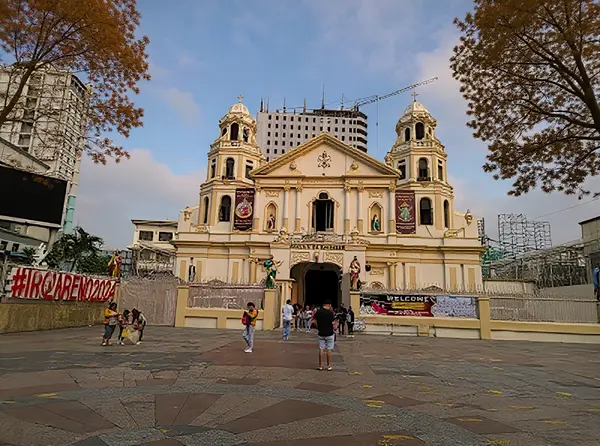
9. Quiapo Church (Minor Basilica of the Black Nazarene)
Minor Basilica of the Black Nazarene
Svedočite dubokoj narodnoj pobožnosti i živoj istoriji Manile u Manjoj bazilici Crnog Nazarećanina. Doživite živopisne mise, sveće i zavete, kao i bliske poglede na lik Crnog Nazarećanina.
Brze činjenice: Gomile se provlače kroz mirisne, osvetljene prolaze da dodirnu tamnu drvenu ikonu, stvarajući gromoglasnu molitvu i šaputane zavete koji vibriraju kroz prepunu crkvu. Legendarne pristalice pripisuju nebrojene uslišene molbe ovom kipu, a godišnja procesija privlači stotine hiljada ljudi koji se gurkaju ulicama za kratki dodir sa svetim likom.
Istaknuto: Pod oblacima dima sveća i metalnim zveckanjem brojanica, vernici pritiskaju izbledele marame i male peškire uz prirodne veličine tamni drveni kip Hrista, za koji se veruje da potiče iz 17. veka, nadajući se da će tkanina primiti blagoslov. Svakog januara oko 1 milion vernika pridružuje se frenetičnoj procesiji Traslacion, tela stisnuta rame uz rame više od 12 sati dok ljudi izvikuju molitve i pokušavaju da dodirnu nosila ili njihovo uže kako bi zadobili čudo.

10. Divisoria Market (shopping district)
shopping district
Pronađite nenadmašne pogodbe na odeću, tkanine i dodatke na najprometnijoj manilskoj pijaci. Probijajte se kroz gužve i šarene uličice dok kušate uličnu hranu i pogađate se za niske cene.
Brze činjenice: Уске стазе пулсирају од нагомиланог лавиринта тезги које нуде све, од платна до јефтине електронике, тако да се цењкање осећа као спорт. Искусни ловци на попусте воле да претурају по опсежним бундовима и колицима са уличном храном, постижући велепродајне понуде и чудне проналаске усред сталних позива продаваца.
Istaknuto: Редови тезги се гужвају толико близу да можете осетити укус белог лука од продавца који пече рибље куглице, док оближњи продавац продаје идентичне ЛЕД лампе за само 10 динара, платна нагомилана десет стопа високо под треперећим флуоресцентним светлима. Дугогодишњи купци имају дрски ритуал: издају одбројавање "последње цене" са три брза удараца о шалтер, а када продавац укључи зелено перо, посао је завршен, претварајући цењкање у уличне перформансе.
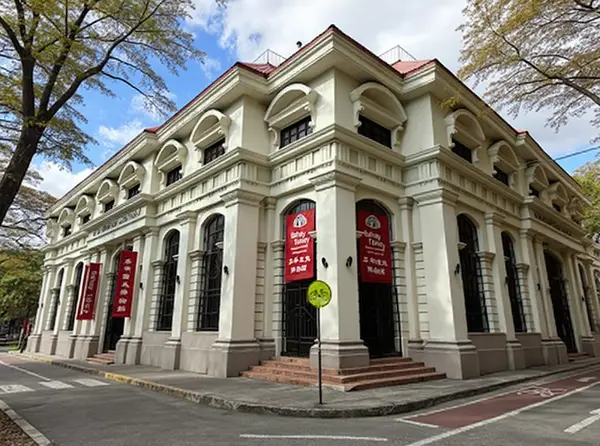
11. Visit Bahay Tsinoy Museum
Otkrijte bogato nasleđe kineskih Filipinaca kroz retke artefakte i žive priče. Zakoračite u istoriju uz zvuke i prizore koji oživljavaju prošlost.
Brze činjenice: Ovo mesto prikazuje priče o preko 1,2 miliona kineskih Filipinaca i njihov uticaj na filipinsku kulturu i istoriju. Postavke uključuju detaljne rodoslovne zapise i artefakte stare više od 300 godina.
Istaknuto: Posetioci mogu doživeti jedinstvenu zvučnu postavku u kojoj se tradicionalni kineski instrumenti sviraju uz stare zvučne pejzaže Manile, stvarajući imerzivni efekat putovanja kroz vreme. Vrhunac uključuje detaljnu dioramu distrikta Binondo kakav je izgledao početkom 1900-ih sa preko 500 minijaturnih figura.
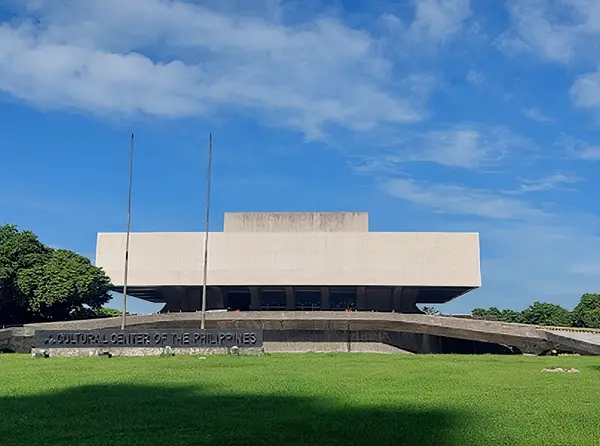
12. Cultural Center of the Philippines
Doživite puls filipinske izvođačke umetnosti. Pogledajte dinamične pozorišne komade, koncerte i izložbe u arhitektonski jedinstvenom okruženju koje slavi lokalnu kulturu.
Brze činjenice: Upečatljiva karakteristika ovog mesta je tanghalang nicanor abelardo, pozorište poznato po svojoj akustičnoj konstrukciji koja omogućava da svaka reč i nota jasno stignu do poslednjeg sedišta. Preko 50 predstava i umetničkih izložbi održava se ovde mesečno, privlačeći umetnike i publiku iz cele zemlje.
Istaknuto: Gledajte izvođače kako pre svakog velikog događaja predaju ceremonijalnu baklju u čast filipinske umetnosti, tradiciju koju je započeo prvobitni kulturni direktor. Glavno pozorište ima 1.800 sedišta i krasi ga luster napravljen od kapiz školjki, odražavajući lokalno zanatstvo pod svetlima.
Where to Stay in Manila, Philippines
Selected by City Buddy based on guest reviews and proximity to top attractions
Search all hotels in Manila, PhilippinesPowered by agoda
Radno vreme u Manila, Philippines
Koje od vodećih atrakcija su zatvorene kog dana u nedelji. Klasična stvar koja može da upropasti put, provereno za vas.
ponedeljak: 9 od 19 vodećih atrakcija je zatvoreno. Planirajte muzeje za neki drugi dan.
Zatvoreno ponedeljak · 9 zatvoreno, 10 otvoreno
Radni dani sa Google Maps-a (provereno 2026-03-14). Državni praznici, štrajkovi i sezonsko radno vreme mogu da se razlikuju. Proverite zvanični sajt pre polaska.
Tradicionalna slatka jela
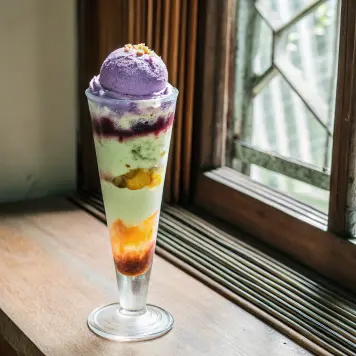
halo-halo
Halo-halo literally means 'mix', it evolved from Japanese shaved ice and Filipino sweet preserves, and today its rainbow layers topped with leche flan or ube ice cream are a summer symbol across Manila.
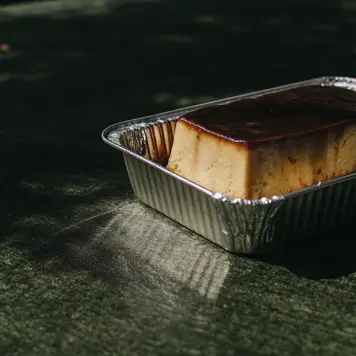
leche flan
Leche flan in the Philippines is denser and richer than its Spanish cousin because cooks use many egg yolks and condensed milk, and it is traditionally steamed in a tin mold called a llanera for a silky, custardy texture.

ube halaya
Ube halaya is a vivid purple jam made from purple yam, its color and nutty-sweet flavor turned it into a signature ingredient that elevates everything from halo-halo to pastries and ice cream.
Tradicionalna slana jela
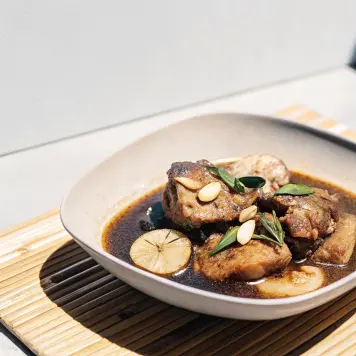
adobo
Adobo is more a method than a single recipe, vinegar and soy sauce preserve and flavor meat, and nearly every Filipino family in Manila guards a version they call their own.

sisig
Sisig began as a resourceful Kapampangan dish made from pig's head and ears, it was revived as a sizzling, tangy bar favorite in Manila and is often finished with a raw egg on the hot plate.
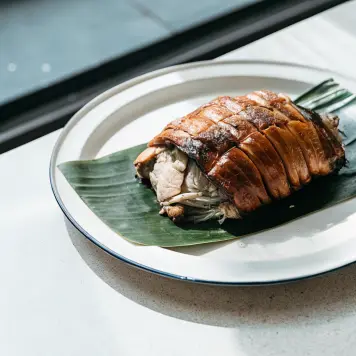
lechon
Lechon, a whole roasted pig with crackling skin and juicy meat, is the unmistakable centerpiece of Filipino fiestas and its carving announces celebration across Manila.
Tradicionalna pića

sago't gulaman
Sago't gulaman pairs chewy tapioca pearls with jiggly agar jelly in a sweet brown sugar syrup, it became a beloved street drink because it is both refreshing and texturally playful.

buko juice
Buko juice is the clear, slightly sweet water from young coconuts, sold straight from halved shells by vendors and prized as a natural electrolyte on hot Manila days.

tuba
Tuba is freshly tapped coconut sap that ferments into a mildly alcoholic palm wine, it has long been woven into Filipino rituals and fiestas and can be distilled into the stronger spirit lambanog.
Šta znati pre puta
Koliko košta jedan dan u Manila i koje prevare da izbegnete
Trošak po osobi po danu
Glavne prevare kojih treba da se čuvate
- Nelicencirani aerodromski vozači. Koristite zvanični šalter za kupon taksi unutar terminala ili rezervišite Grab preko aplikacije pre izlaska iz dolazaka.
- Nameraštavanje taksimetra. Proverite da je taksimetar resetovan na startu i da tarifa odgovara objavljenoj dnevnoj početnoj ceni. Dajte prednost Grab-u za fiksne cene.
- Menjačnice sa lošim kursem. Koristite bankarske filijale ili proverene menjačnice sa objavljenim kursevima. Prebrojte svoje pese na šalteru pre nego što odete.
Pošten taksi sa aerodroma: 700 ₱ - 1 000 ₱ (10 € - 14 €)
Jeftinija opcija: Aerodromski Jeepney ili zvanični aerodromski šatl/UV Express do centralnih oblasti kao što su Baclaran ili Taft MRT stanica (50 ₱)
Sve prevare, poštene cene i pravilaČesto postavljana pitanja o Manila, Philippines
Najbolje vreme za posetu Manili, Filipini?
Da li je Manila, Filipini skupa?
Kako se kretati po Manili, Filipini?
Da li je Manila, Filipini bezbedna za posetu?
Koliko turista poseti Manilu godišnje?
Pošaljite PDF sa najpopularnijim atrakcijama na vašu email adresu
Preuzmite PDF sa svim atrakcijama, ocenama i savetima. Savršeno za korišćenje bez interneta.
Najpopularniji jednodnevni izleti
Tagaytay (Taal view)
Cool ridge with panoramic views of Taal Volcano.
Taal Volcano (via Talisay)
Boat trip to the volcanic island on Taal Lake.
Pagsanjan Falls (Laguna)
Scenic gorge and classic canoe (shooting the rapids) trip.
Anilao (Mabini, Batangas)
Popular snorkeling/diving spot with clear waters.
Kako stići
Železničke stanice
PNR South Main Line (to Laguna, Lucena, Bicol)
MRT-3 / LRT-2 (major Metro Manila interchange)
LRT-1 / connecting buses to airport/Metro
From NAIA take a metered taxi or Grab; expect heavy traffic—allow 1–2 hours.
Korisne informacije za Manila, Philippines
Pregled za Manila, Philippines
Želiš plan za svaki dan u Manila, Philippines? Otvori planer putovanja
Kada idete u Manila, Philippines?
Izaberite datume i stil putovanja da dobijete:
Da li vam je nešto posebno važno?
Izaberite sve što važi
Kretanje
Kako želite da se krećete između mesta?
Jezik plana: СрпскиMost popular itineraries for Manila, Philippines
Browse trip plans created by other travelers
14-Day Authentic Philippines Adventure for Budget Backpackers
Discover the Philippines off the beaten path from Manila's local streets to Balabac's rugged islands and Boracay's hidden coves in this budget-friendly, authentic 14-day journey.
15-Day Manila Spring Immersion
Discover Manila’s rich history, vibrant culture, and local flavors in this 15-day spring adventure through famous landmarks and authentic experiences.