 CityBuddy
 English
Things to Do in Santa Marta, Colombia
Photo made by JohnEGo! on Pexels.com
When to visit
Plan your perfect trip to Santa Marta, Colombia
Get a complete travel plan built just for you in under 30 seconds, with daily routes, local food tips, budget estimates and more.
Are any of these especially important to you?
Select all that apply
Plan language: EnglishMost popular attractions in Santa Marta, Colombia
Are you looking for the best things to do in Santa Marta, Colombia? This historic coastal city is the gateway to Parque Nacional Natural Tayrona, just 45 minutes away, with its 30 kilometers of jungle-lined beaches. Don't miss the legendary Ciudad Perdida, accessible after a four-day hike. The Museo del Oro Tairona, meanwhile, displays over 300 fascinating pre-Columbian pieces in the heart of the city.
1. Parque Nacional Natural Tayrona
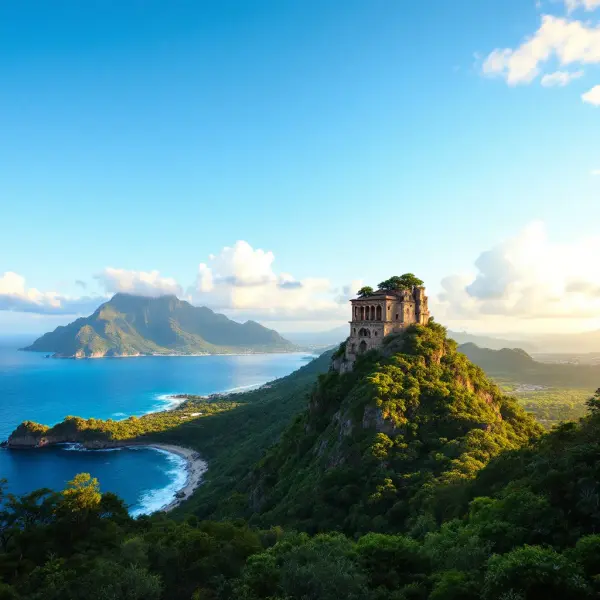
A unique encounter between lush jungle and postcard-perfect beaches. Walk to the sound of waves and howler monkeys, swim in untouched coves.
Quick facts: Protects more than 15,000 hectares of jungle, mountain, and Caribbean coastline. Its turquoise waters border 30 kilometers of beaches, including the famous Cabo San Juan where sea turtles and howler monkeys coexist.
Highlights: The Ciudad Perdida, a pre-Columbian city buried in the jungle, is only accessible after a multi-day hike through the tropical forest. The stone remains of this ancient Tayrona city, a UNESCO World Heritage site, offer a fascinating glimpse into a civilization that housed up to 4,000 inhabitants 600 years ago.
2. Ciudad Perdida
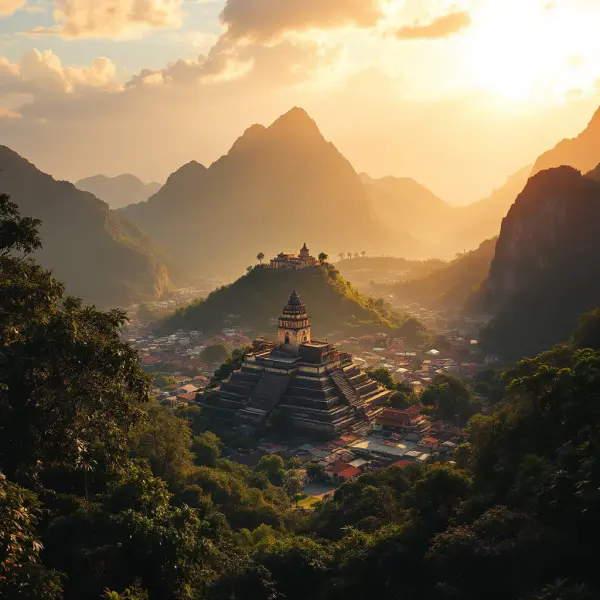
Go back in time to a lost city in the Colombian jungle that only 10,000 lucky people explore each year. You will cross rivers, come across wild parrots and climb over 1,200 original stone steps.
Quick facts: Built more than 650 years ago by the Tayronas, this ancient city has over 1,200 stone terraces spread across roughly 30 hectares of mountainside. Accessible only by a 44-kilometer round trip hike through the jungle, it attracts about 10,000 visitors each year.
Highlights: Archaeologists have discovered that the Tayronas moved tons of stone to create a complex system of irrigation canals that still functions today beneath the canopy. Walking on the moss-covered terraces, you are stepping exactly where generations of Tayronas lived, farmed, and buried their dead.
3. Quinta de San Pedro Alejandrino
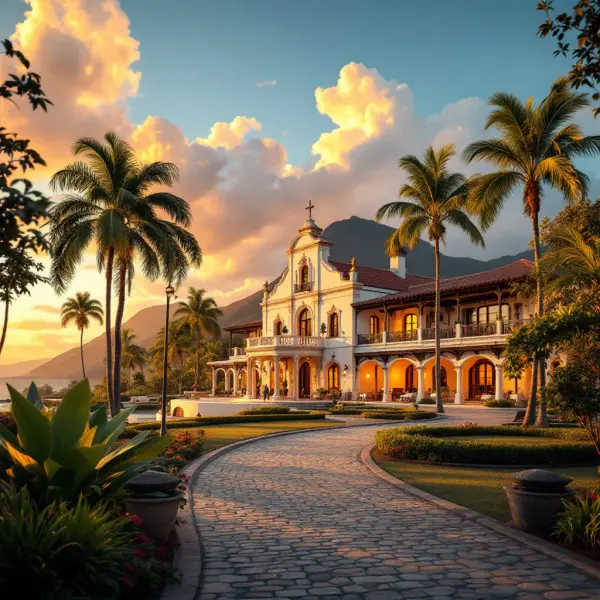
Come walk in the footsteps of the Liberator in a hacienda steeped in history. You will stroll through its fragrant gardens, visit his death chamber and see centuries-old trees worthy of an enchanted forest.
Quick facts: Simon Bolivar spent his last 24 hours in this colonial hacienda, writing his final message before passing away on December 17, 1830. The site is home to the oldest tree in the country, a centenary tree whose branches cover nearly 400 square meters.
Highlights: In the room where Bolivar took his last breath, the curtains have remained exactly as he left them, black with mourning and drawn against the tropical light. Staff say that on certain stormy evenings, you can still hear the scratching of his quill on parchment, a sound that sends chills down the spines of the night guards.
Have you heard of free walking tours?
After traveling to 30+ countries, there's one thing I wish someone had told me from day one, and it completely changed how I experience new cities.
Free walking tours. Yes, actually free. No credit card needed. No catch.
Local guide, 2-3 hours
Major sights, hidden gems, local stories
100% tip-based
Guides earn only tips, so they give their absolute best
You tip what feels right
At the end, just tip whatever you feel is right
I've done these in dozens of cities and they've been the highlight of almost every trip. If you're visiting Santa Marta, Colombia, do this on your first day. You'll thank me later.
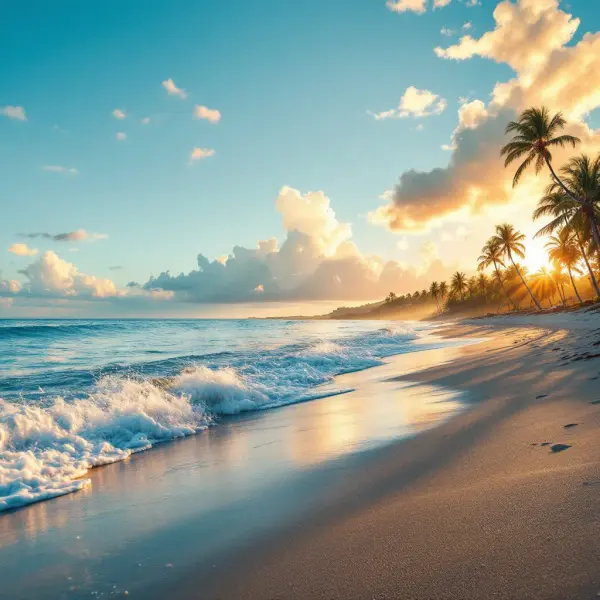
4. Playa Blanca
One of the calmest and most preserved beaches on the Colombian Caribbean coast. Swimming in crystal-clear waters, hammocks in the shade of palm trees and grilled fish by the water's edge.
Quick facts: Its 3 kilometers of white sand border a sea of turquoise blue so clear that you can see fish swimming from the shore. On weekdays, you will almost have the beach to yourself with fewer than 200 visitors per day.
Highlights: At low tide, a tongue of sand emerges leading to a small rocky island where pelicans come to dry their wings, forming a silent, almost surreal spectacle. Local fishermen set out at dawn on their colorful dugout canoes, and you can buy freshly grilled fish from them directly on the sand for 15,000 Colombian pesos.
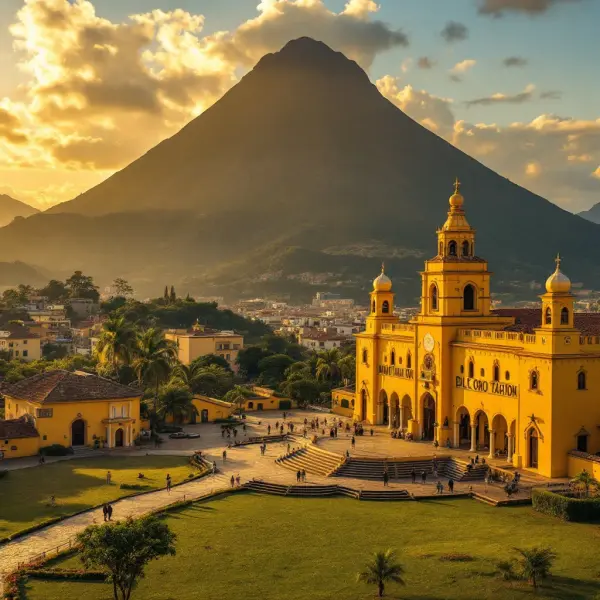
5. Museo del Oro Tairona
A journey into the golden universe of the Tayrona, where gold was not currency but sacred language. You will touch thousand-year-old artifacts in an immersive scenography that gives you goosebumps.
Quick facts: More than 600 gold and ceramic pieces tell the story of the Tayrona people who lived in the Sierra Nevada. Some objects are over 1,500 years old and bear witness to a complex system of cosmological and spiritual beliefs.
Highlights: The museum displays the "Poporo Quimbaya," a 220-gram gold piece used to hold lime during sacred rituals. The rooms are arranged in a circle to recreate the Tayrona cosmic vision, where each direction corresponds to a different natural element.
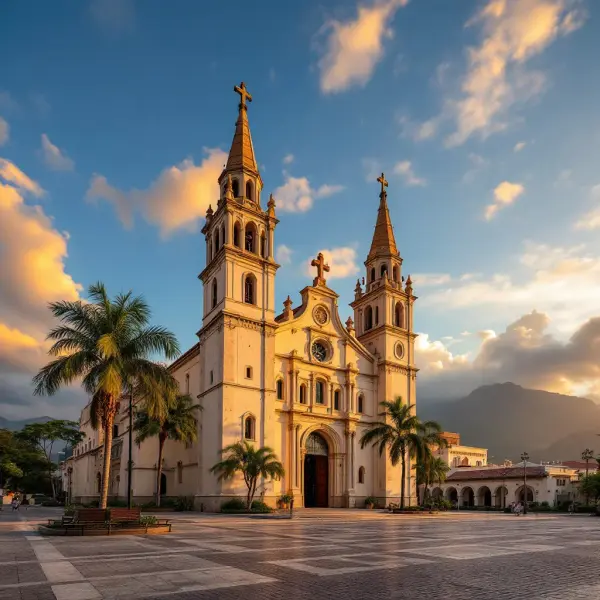
6. Catedral Basílica de Santa Marta
Enter the oldest cathedral in South America, where colonial history and pirate legends mingle under centuries-old vaults. You will discover secret tunnels, hidden frescoes and the tomb of a legendary explorer.
Quick facts: It is the oldest Catholic temple still standing in South America, built in 1533 by Spanish colonists. The remains of conquistador Rodrigo de Bastidas, founder of the city, rest in a crypt beneath the main altar.
Highlights: Beneath the wooden floor of the sacristy, a discreet trapdoor leads to a network of secret tunnels that once connected the cathedral to the port and the San Fernando fort. The 17th-century mural frescoes, rediscovered in 1954 under layers of lime, tell the story of the evangelization of the Tayrona people with Indian faces painted alongside European saints.
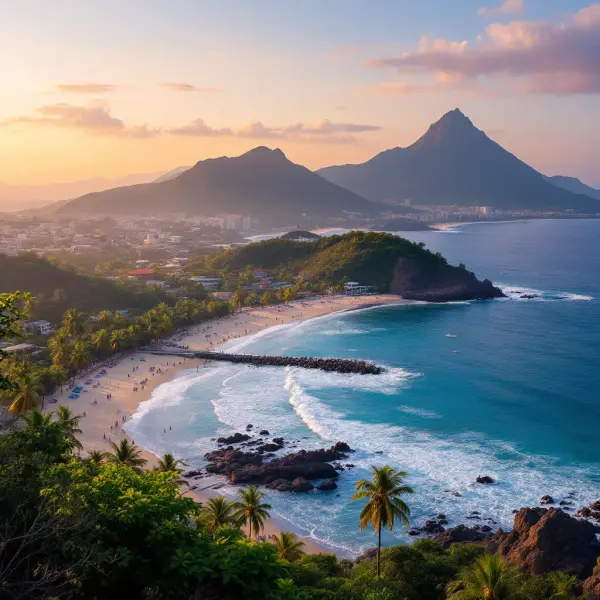
7. Taganga Beach
A beach where palm trees bend in the wind and the turquoise water invites you to forget everything. Here, you enjoy fresh octopus ceviche with your feet in the sand while listening to the rhythm of the waves.
Quick facts: Protected by the Sierra Nevada de Santa Marta, this bay is home to one of the oldest fishing communities on the Colombian Caribbean coast. Its calm waters welcome thousands of sea turtles each year that come to lay their eggs between May and November.
Highlights: A small 20-minute trail climbs through tropical vegetation to a viewpoint where, at sunset, local fishermen hoist their colorful sails while singing bullerengues, Afro-Colombian songs passed down through four generations. The contrast between the deep blue of the Caribbean Sea and the traditional hand-painted wooden boats creates a spectacle that even the residents of Santa Marta never tire of watching.
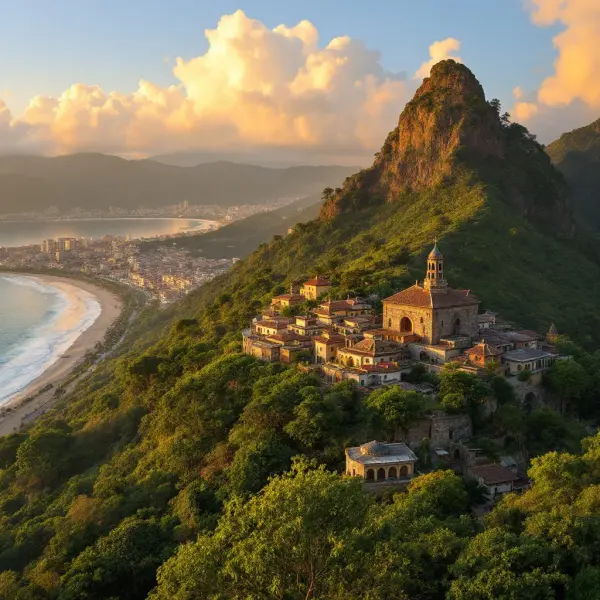
8. Minca
A gateway to the Caribbean jungle where coffee plantations meet turquoise waterfalls. Here, you alternate between swimming in natural pools and walks among blue morpho butterflies.
Quick facts: Perched at 600 meters above sea level in the Sierra Nevada, this former coffee-growing settlement has about 700 permanent residents. Its temperatures range between 20 and 28 degrees Celsius all year round, a refreshing contrast to the coastal heat of Santa Marta, which is only 45 minutes away.
Highlights: The 12 waterfalls accessible on foot from the central village offer natural pools where water flows directly from the Sierra Nevada glaciers at 16 degrees Celsius. A local ritual involves climbing to the Marinka waterfall before 8 a.m. to catch hummingbirds drinking in the spray, their wings beating 80 times per second.
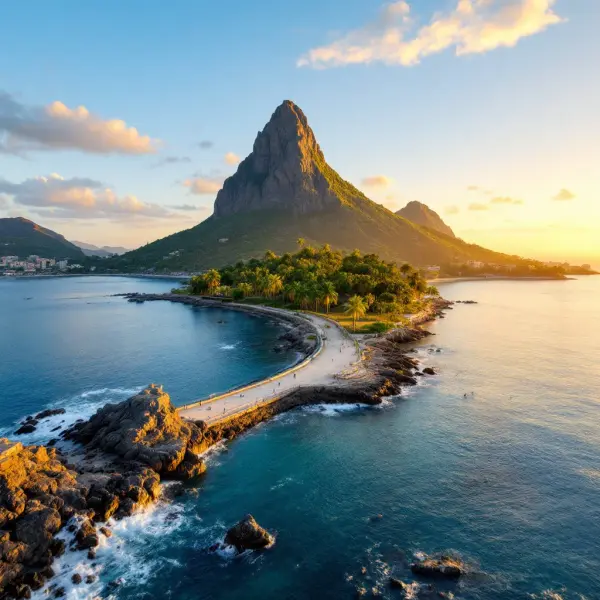
9. Bahía Concha
A wild bay where the tropical forest plunges into turquoise water. Here, you alternate between swimming in a calm lagoon and walking along coastal paths lined with giant cacti.
Quick facts: This saltwater lagoon is surrounded by more than 200 hectares of dry tropical forest. Its crystal-clear waters reach an average temperature of 27 degrees Celsius, perfect for a long swim.
Highlights: The impressive rock formations surrounding the bay act as a natural breakwater, keeping the water calm even when the Caribbean Sea gets rough offshore. At low tide, a small sandy passage emerges between the rocks, revealing an isolated natural pool that only the curious discover.
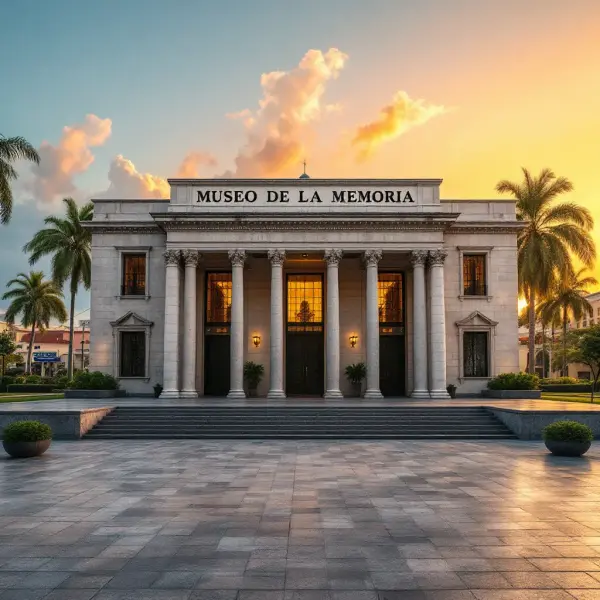
10. Museo de la Memoria
A moving journey into the heart of Colombian memory that changes your perspective on the country. You walk through immersive rooms where light, sound and testimonies envelop you from all sides.
Quick facts: This site houses more than 12,000 archive documents that bear witness to the Colombian armed conflict, including poignant audio testimonies. The walls of the exhibition are covered with photos taken by journalists who risked their lives to capture these moments.
Highlights: In a room plunged into darkness, 250 hanging lamps light up one by one to the rhythm of the victims' names recited by families. Each light that goes out represents a life lost, an effect that leaves visitors silent for long minutes.
Where to Stay in Santa Marta, Colombia
Selected by City Buddy based on guest reviews and proximity to top attractions
Search all hotels in Santa Marta, ColombiaPowered by agoda
Traditional Sweet Dishes
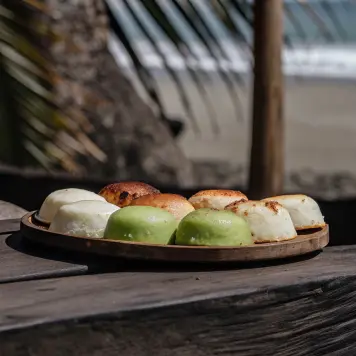
Cocadas
Cocadas are sweet coconut confections that are a staple of Santa Marta's coastal cuisine. They are often sold by street vendors on the beaches and come in varieties like white, brown, and even colorful versions.
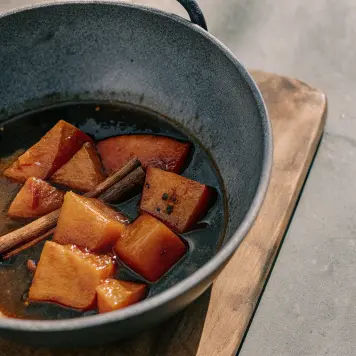
Dulce de Mango
Dulce de Mango is a traditional dessert made by slowly cooking ripe mangoes with panela (unrefined cane sugar) and spices. It reflects the region's abundant tropical fruit harvests and indigenous cooking techniques.
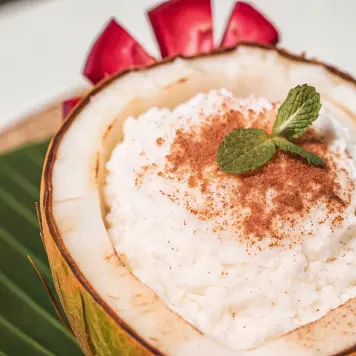
Arroz con Coco
Arroz con Coco is a sweet coconut rice dessert often served with a sprinkle of cinnamon or cloves. It is a beloved treat along Colombia's Caribbean coast, especially in Santa Marta where coconut is a key ingredient.
Traditional Savory Dishes
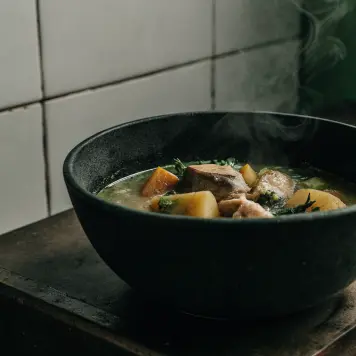
Sancocho de Pescado
Sancocho de Pescado is a hearty fish soup made with yuca, plantains, and local herbs, considered a comfort food classic in Santa Marta. It is traditionally cooked in large pots for family gatherings and celebrations.
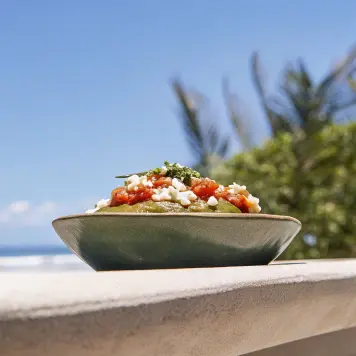
Cayeye
Cayeye is a traditional dish of mashed green plantains mixed with butter, cheese, and hogao (a tomato and onion sauce). It is a beloved breakfast or dinner staple from the Santa Marta region, especially in the town of Ciénaga.
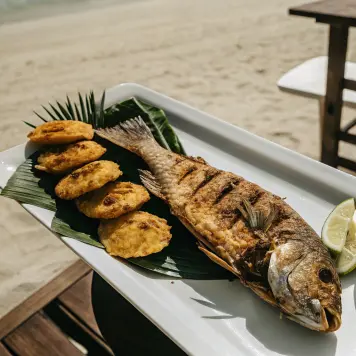
Pescado Frito con Patacones
Pescado Frito con Patacones features whole fried fish served with crispy twice-fried green plantain patties. This dish is a coastal icon in Santa Marta, often enjoyed right on the beach with a cold beer.
Traditional Beverages
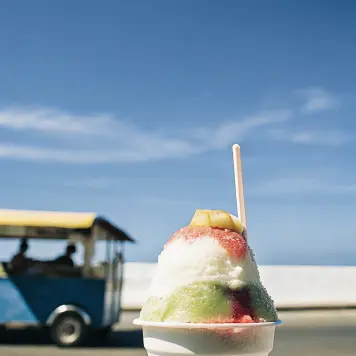
Raspao
Raspao is a shaved ice treat drenched in colorful fruit syrups and sometimes sweetened condensed milk. It is the ultimate refreshment for cooling down in Santa Marta's tropical heat, sold from colorful street carts everywhere.
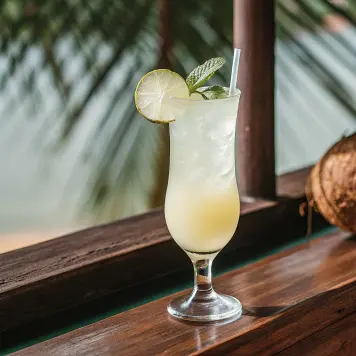
Limonada de Coco
Limonada de Coco is a creamy blend of fresh lime juice and coconut milk that is uniquely popular along Colombia's Caribbean coast. It offers a tropical twist on a classic lemonade and is a signature drink in Santa Marta.

Agua de Panela
Agua de Panela is a warm beverage made from dissolving panela (unrefined cane sugar) in water, often with lime and cinnamon. It is a traditional energizing drink throughout Colombia and is especially comforting in Santa Marta's cooler evening hours.
Frequently Asked Questions about Santa Marta, Colombia
Is Santa Marta, Colombia safe?
How many days to spend in Santa Marta, Colombia?
What is the best time to visit Santa Marta, Colombia?
Is Santa Marta, Colombia expensive?
How to get around Santa Marta, Colombia?
Get a PDF with the most popular attractions sent to your email
Get a PDF with all attractions, ratings, and tips. Perfect for offline use.
Most popular day trips
Tayrona National Park
Stunning Caribbean coastline with pristine beaches and jungle hikes.
Minca
Coffee and cocoa farming village in the Sierra Nevada foothills.
Ciudad Perdida
Ancient Lost City archaeological site, requires multi day trek.
Taganga
Fishing village with affordable diving schools and beach access.
Getting there
Airports
Train stations
Colombia has limited passenger rail; most visitors arrive by bus or air.
Take a taxi or Uber from Simón Bolívar Airport to El Rodadero or Santa Marta center, about 20 minutes.
Find flights to Santa Marta, Colombia
Click to get eSim for Santa Marta, Colombia
The easiest and most affordable way to get mobile internet wherever you travel.
Comments (6)
Use the local busetas instead of taxis. They cost 2,200 COP and run everywhere along the coast. Just ask the driver where they stop.
Santa Marta exceeded my expectations. The vibe is so laid back and the food markets are incredible. Stayed 4 days and wished I had booked longer.
Skip the restaurant on the main strip near the marina. Walk 3 blocks inland to the little bakeries. Same food quality for half the price and way more authentic.
Loved the mix of city and beach. Sierra Nevada backdrop is stunning. Weather was perfect in February, not too humid.
Rodadero beach is nice but gets packed on weekends. Better to head to Playa Blanca early morning before the crowds show up.