 CityBuddy
 English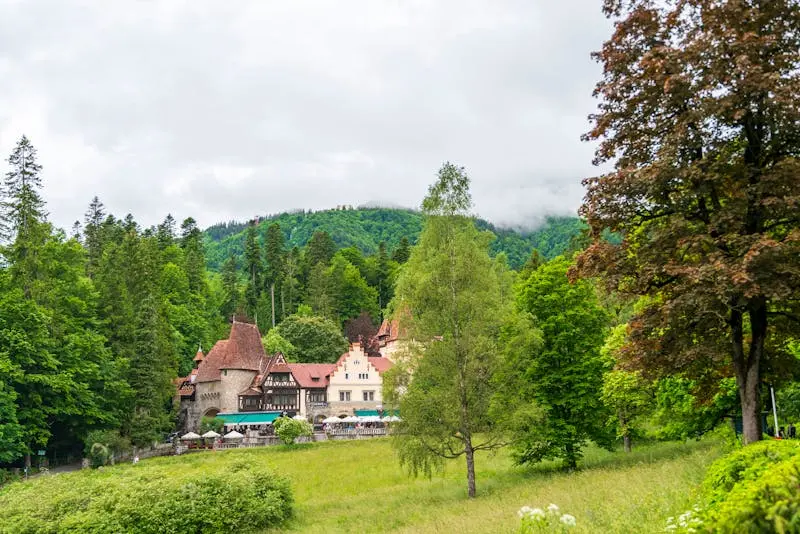
Things to Do in Sinaia, Romania
Photo made by MEHMET KAYNAR on Pexels.com
When to visit
Plan your perfect trip to Sinaia, Romania
Get a complete travel plan built just for you in under 30 seconds, with daily routes, local food tips, budget estimates and more.
Are any of these especially important to you?
Select all that apply
Plan language: EnglishMost popular attractions in Sinaia, Romania
Are you looking for things to do in Sinaia, Romania? Start with Peleș Castle, a magnificent 19th-century castle with 160 rooms. Then walk to Castelul Pelișor, just 200 meters away, with its unique Art Nouveau details. Finish in Dimitrie Ghica Park, a peaceful oasis with 200-year-old trees and beautiful walking paths.
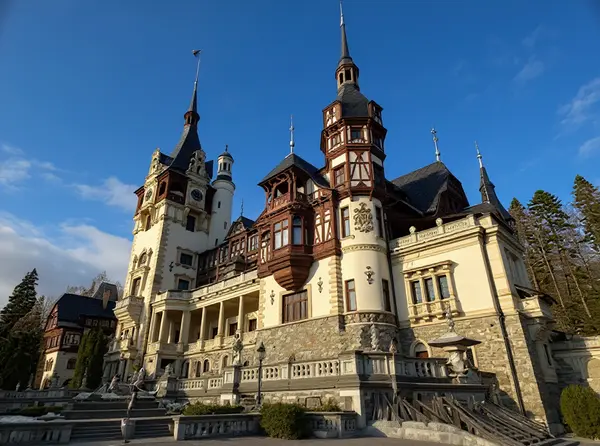
1. Peleș Castle
German Neo-Renaissance in the greenery of the Carpathians with an armory that takes your breath away. Wander through halls where crystal chandeliers, hand-painted ceilings and oriental carpets tell the story of Romania's kingdom.
Quick facts: The castle has 160 rooms, of which only 35 are open to the public. It was one of the first castles in Europe to be equipped with electric lighting, central heating, and an elevator when it was completed in 1883.
Highlights: King Carol I had the castle built as a summer residence and collected weapons from around the world. Over 4,000 items adorn the walls. In the enormous weapons hall, German knight helmets, Persian sabers, and Indian swords sit side by side above the magnificent walnut paneling.
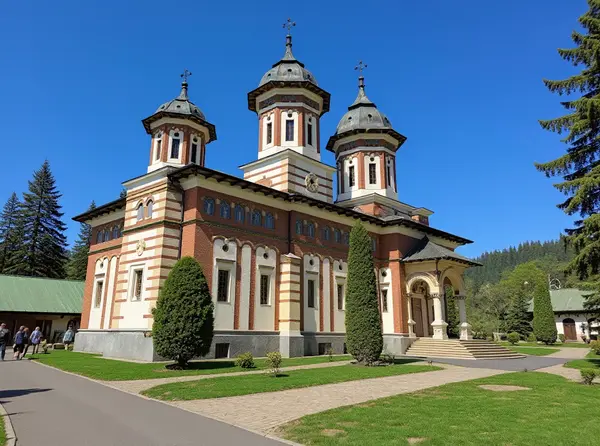
2. Sinaia Monastery
Here Gothic and Byzantine architecture meet in a peaceful oasis in the middle of the city. Walk through vaults, see the magnificent iconostasis and feel the beat of history.
Quick facts: The monastery was founded by Prince Mihail Sturdza in 1846 and is built in a unique blend of Brâncovenesc style and Gothic elements. Inside the monastery church there is an iconostasis of gilded wood that took four years to complete.
Highlights: In the monastery courtyard stands a small wooden church from the 17th century that was moved here piece by piece from the nearby mountains. It is said that Prince Sturdza hid in the monastery cellar during the 1848 revolution and that secret passages lead out into the forest behind.
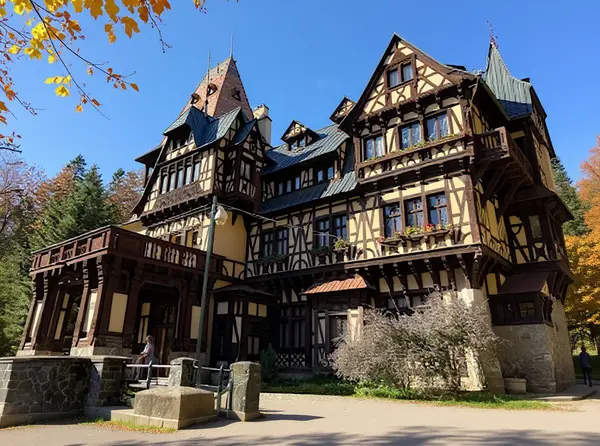
3. Castelul Pelișor
A sensory journey through Art Nouveau rooms where every detail is an art experience. Wander through golden halls, silk-clad walls and imaginative floral patterns that look like fairy-tale creatures in wood.
Quick facts: Here awaits Art Nouveau magic inspired by the Jugendstil style, where each room has its own color palette that tells a story. Floral motifs in gold, silk walls and a breathtaking golden staircase that glows in the light are found here.
Highlights: King Carol I had this decorated as a private sanctuary for his family, far from official functions. Here is the so-called Golden Room where every surface is covered with gilded flowers and leaves in an explosion of light and luxury.
Have you heard of free walking tours?
After traveling to 30+ countries, there's one thing I wish someone had told me from day one, and it completely changed how I experience new cities.
Free walking tours. Yes, actually free. No credit card needed. No catch.
Local guide, 2-3 hours
Major sights, hidden gems, local stories
100% tip-based
Guides earn only tips, so they give their absolute best
You tip what feels right
At the end, just tip whatever you feel is right
I've done these in dozens of cities and they've been the highlight of almost every trip. If you're visiting Sinaia, Romania, do this on your first day. You'll thank me later.
4. Dimitrie Ghica Park
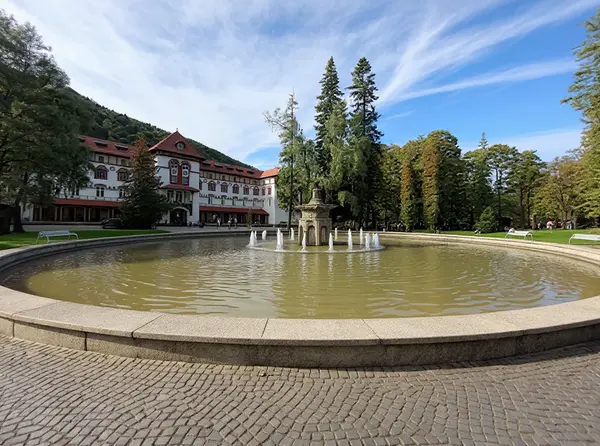
An oasis of calm in the heart of Sinai's city pulse with exotic trees and babbling fountains. Here you can stroll along winding paths, breathe in the scent of flowers and watch peacocks proudly strut across the lawn.
Quick facts: The park stretches over 10 hectares along the Prahova River and was planted in 1882 by Prince Dimitrie Ghica as a private garden. More than 60 different tree species grow here, including magnolias and Russian walnut trees that still bear fruit every autumn.
Highlights: In the middle of the park stands a 250-year-old oak that Prince Ghica personally planted as a symbol of stability. In summer, the scent of freshly cut grass mixes with lilac from the bushes, while rushing water from a small fountain creates a calming background soundtrack.
5. Sinaia Casino
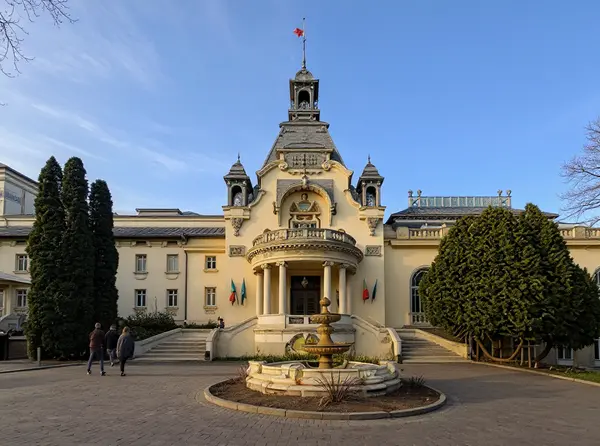
An abandoned palace where history's whispers echo between the Art Nouveau walls. Wander through halls where kings, spies and millionaires once danced the night away.
Quick facts: Here, for once, the rich and powerful were not in the spotlight. Instead, it was King Carol II of Romania who personally laid the cornerstone in 1910, and the building was designed by the same French architect who was behind the Hotel Negresco in Nice.
Highlights: When you step through the heavy oak doors, you are greeted by a magnificent glass dome that casts rainbow-colored light over the marble floors. The original Art Nouveau bar is still there, with mirrors that once reflected both royalty and agents from several intelligence services during the interwar period.
6. St. Anne's Monastery
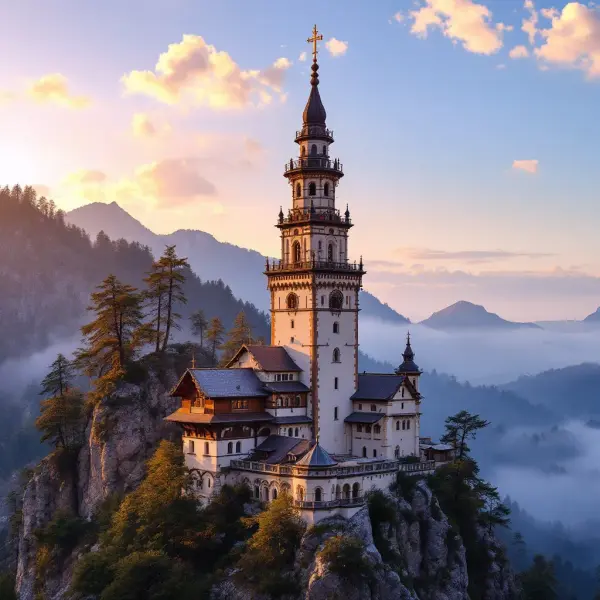
Here 300 years of prayers and legends rest amid the scent of incense and wild roses. Walk through vaults, admire frescoes that tell stories without words, and hear the bell's chime across the valley.
Quick facts: In here is one of the most impressive collections of icons and church objects in all of Romania, with over 800 items from the 1600s and 1700s. The monastery has withstood both earthquakes and wars for over 300 years, and its bell was already ringing in 1780.
Highlights: In the center of the fresco-covered church is a miraculous icon of the Virgin Mary that according to tradition shed tears in 1822. Black butterflies swarm over the garden at dusk, a phenomenon the locals call "the souls of the monastery."
7. Bucegi Mountains Natural Park
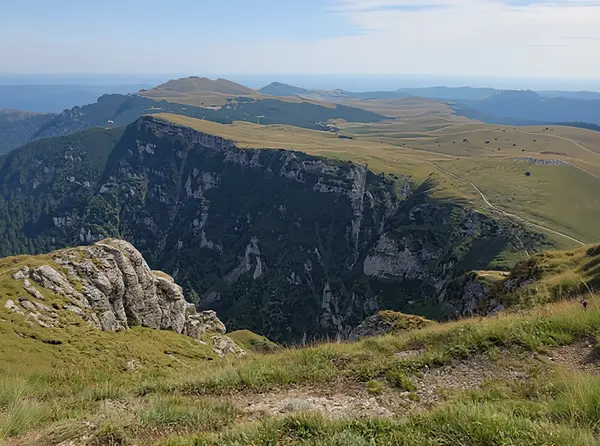
Wander through misty limestone landscapes where ibex climb vertical cliff faces. You breathe fresh mountain air 2,500 meters above sea level, surrounded by formations that look like giant sculptures.
Quick facts: Here you'll find 18,000 hectares of wild nature with Europe's largest population of ibex, over 300 animals strong. More than 100 kilometers of hiking trails wind through limestone formations shaped by wind and water over millions of years.
Highlights: In the middle of the park stands Babele, a mushroom-shaped rock weighing over 200 tons and balanced on a small stone base. After a storm in 1888, dozens of trees were blown off the top, suddenly revealing these strange formations that had been hidden for centuries.
Where to Stay in Sinaia, Romania
Selected by City Buddy based on guest reviews and proximity to top attractions
Search all hotels in Sinaia, RomaniaPowered by agoda
Traditional Sweet Dishes
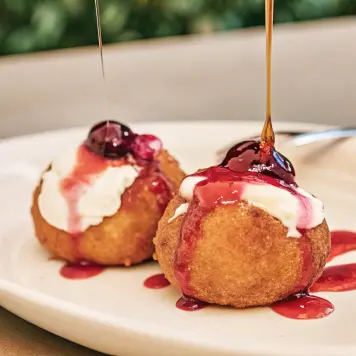
Papanasi
Papanasi are fried or boiled doughnuts made with soft cheese and sour cream, often served with sour cherry jam. They are considered Romania's national dessert and are especially popular in the mountainous Sinaia region.
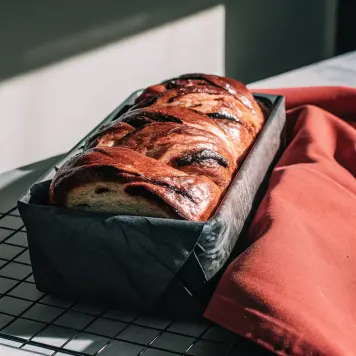
Cozonac
Cozonac is a sweet braided bread filled with walnuts, cocoa, or Turkish delight, traditionally baked for holidays. Sinaia's bakeries are famous for their rich, buttery version of this beloved Romanian treat.
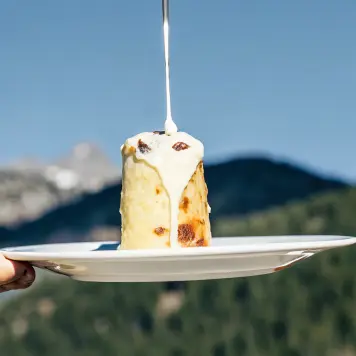
Clatite cu Branza si Stafide
These are thin Romanian pancakes filled with sweet cheese and raisins, then baked with a creamy vanilla sauce on top. In Sinaia, they are often served as a warming dessert after a day of mountain hiking.
Traditional Savory Dishes
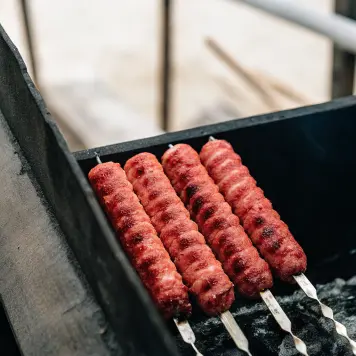
Mici
Mici are grilled minced meat rolls made from a blend of beef, lamb and pork with garlic and spices. They are a staple of Romanian street food and are sizzling on grills across Sinaia's mountain festivals.
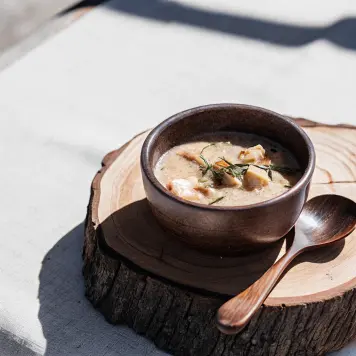
Ciorba de Burta
This is a hearty tripe soup seasoned with garlic, sour cream, and vinegar, considered a classic Romanian comfort food. In cold Sinaia winters, locals swear by its restorative and warming qualities.
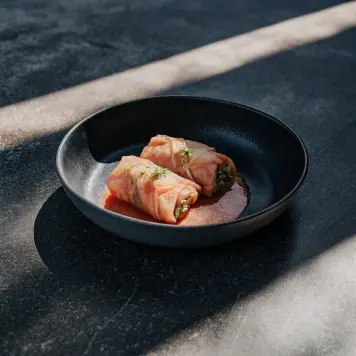
Sarmale
Sarmale are cabbage rolls stuffed with minced pork, rice, and herbs, slow-cooked in a tangy tomato and sauerkraut juice. They are a festive staple at Romanian tables, and Sinaia's mountain restaurants serve them with creamy polenta.
Traditional Beverages
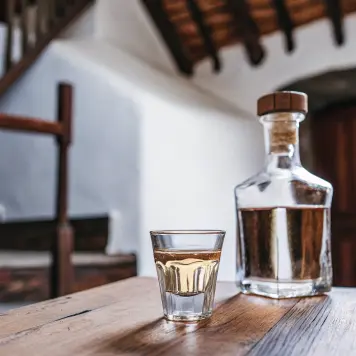
Tuica
Tuica is a strong Romanian plum brandy, often homemade and clear in color, with an alcohol content that can reach 50 percent. In Sinaia, it is traditionally served as a welcome drink and believed to aid digestion.
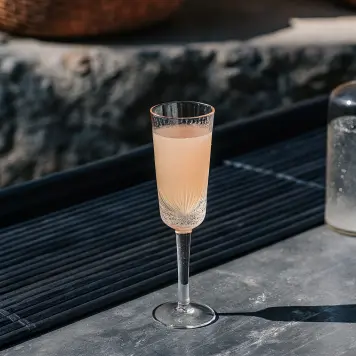
Socata
Socata is a refreshing fermented drink made from elderflowers, lemon, sugar, and water, popular in the warmer months. In Sinaia, it is often homemade and enjoyed for its floral aroma and slight fizz.
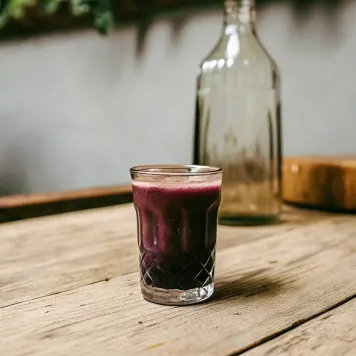
Visinata
Visinata is a sweet Romanian liqueur made by macerating sour cherries in tuica or vodka with sugar. In Sinaia, it is a favorite winter warmer, often served in small glasses after hearty mountain meals.
Frequently Asked Questions about Sinaia, Romania
Is Sinaia, Romania safe?
How many days should one spend in Sinaia, Romania?
What is the best time to visit Sinaia, Romania?
Is Sinaia, Romania expensive?
How do you get around in Sinaia, Romania?
Get a PDF with the most popular attractions sent to your email
Get a PDF with all attractions, ratings, and tips. Perfect for offline use.
Most popular day trips
Brasov
Historic Transylvanian city with medieval old town and Black Church
Bran Castle
Dramatic hilltop fortress often linked to Dracula legend
Rent a car in Sinaia, Romania
Getting there
Train stations
Mainline connecting Bucharest to Brasov and beyond
From Bucharest OTP airport, take a taxi or bus to Bucharest North station, then a direct train to Sinaia (about 90 minutes).
Find flights to Sinaia, Romania
Click to get eSim for Sinaia, Romania
The easiest and most affordable way to get mobile internet wherever you travel.
Comments (8)
If you're going to Peleș Castle, buy tickets online 2 days before. The queue was insane and we waited over an hour in the sun.
Take the train from Bucharest, not the bus. It's cheaper, faster, and drops you almost at the cable car station. Under 2 hours.
Don't bother with the fancy restaurants on the main boulevard. Go to the small spots near the train station for half the price and better food.
Sinaia surprised me. I thought it would be way more touristy but it had a nice relaxed vibe even in peak season. The mountain air is incredible.
Food was decent but nothing mind blowing. We ate at a place near the casino and paid too much. Should have walked further uphill.