 CityBuddy
 English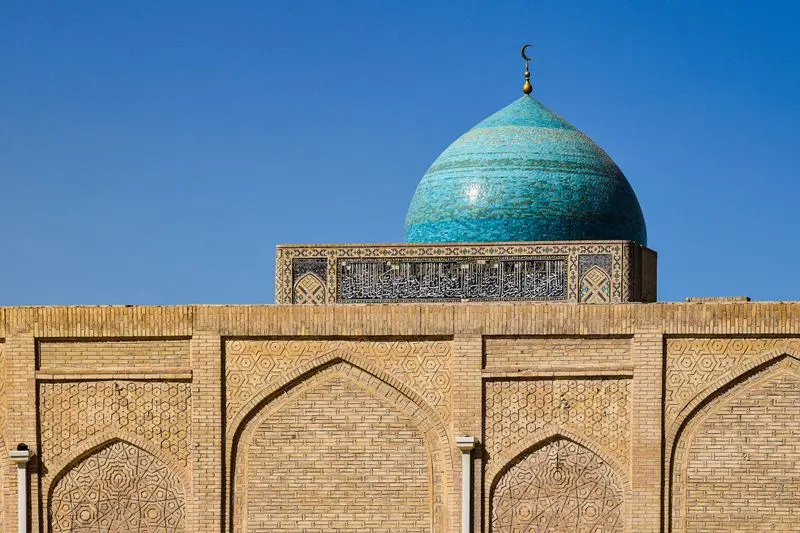
Things to Do in Bukhara, Uzbekistan
Photo made by AXP Photography on Pexels.com
When to visit
Plan your perfect trip to Bukhara, Uzbekistan
Get a complete travel plan built just for you in under 30 seconds, with daily routes, local food tips, budget estimates and more.
Are any of these especially important to you?
Select all that apply
Plan language: EnglishMost popular attractions in Bukhara, Uzbekistan
When hearing the phrase "things to do in Bukhara, Uzbekistan," most travelers think of the 47-meter minaret of the Po-i-Kalyan Complex, the 20-hectare fortress of the Ark of Bukhara, and the 9th-century Samanid Mausoleum. Built in 795, the mausoleum is the oldest Islamic brick tomb in Central Asia. It is worth spending at least two days in the city.
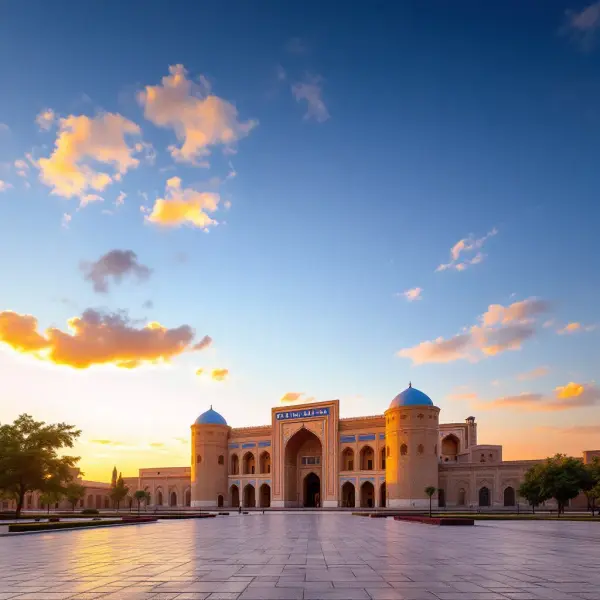
1. Po-i-Kalyan Complex
Here you can see one of Central Asia's oldest minarets, preserved in its original form. Walk through the courtyard covered in cobalt blue tiles and feel the weight of centuries around you.
Quick facts: Genghis Khan found the 46-meter minaret so impressive that he spared it from destruction. The complex of three buildings has defined Bukhara's cityscape for more than 800 years.
Highlights: From the top of the minaret, the muezzin's voice could be heard up to 10 kilometers away in the desert silence. The tower's brickwork features 14 different geometric decorations, each revealing itself from a different direction.
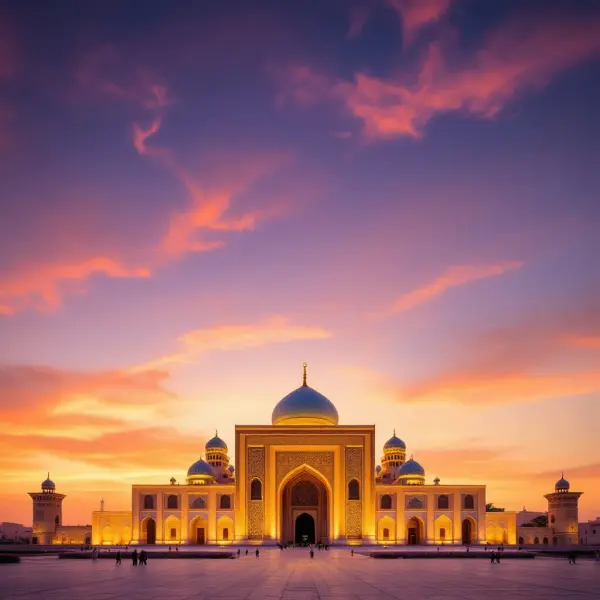
2. Ark of Bukhara
Here you can feel what it was like to live in the court of a Central Asian emir. Between the yellow brick walls, the past comes alive with every step.
Quick facts: The walls of the fortress, spanning 3 hectares, reach 20 meters in height. The royal residence housed hundreds of rooms, from the treasury to the torture chamber.
Highlights: The chains of prisoners once rattled beneath the massive ramp leading to the entrance, where they were cast under the hooves of horses parading above their heads. The throne room ceiling was covered with gold plates, and the carpets came from every corner of the empire.
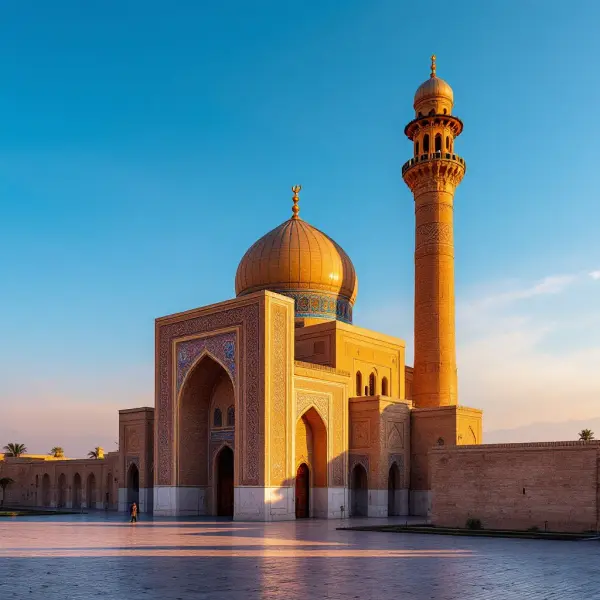
3. Bolo Haouz Mosque
Where a forest of wooden columns meets the reflecting water mirror: here the Emir of Bukhara once prayed. Sit by the pond and watch as the sunset paints the carved pillars in gold.
Quick facts: Twenty beautifully carved wooden pillars support the roof structure of the porch in front of the mosque, each decorated with unique motifs. The pond before it, the hauz, has been cooling the air and reflecting the mosque's stunning facade for centuries.
Highlights: It was the site of the emirs' Friday prayers, where the rulers and their entourage sat among the massive wooden pillars. The porch ceiling is covered with meticulously crafted geometric patterns and vibrant colors, perfected by generations of Central Asian craftsmen.
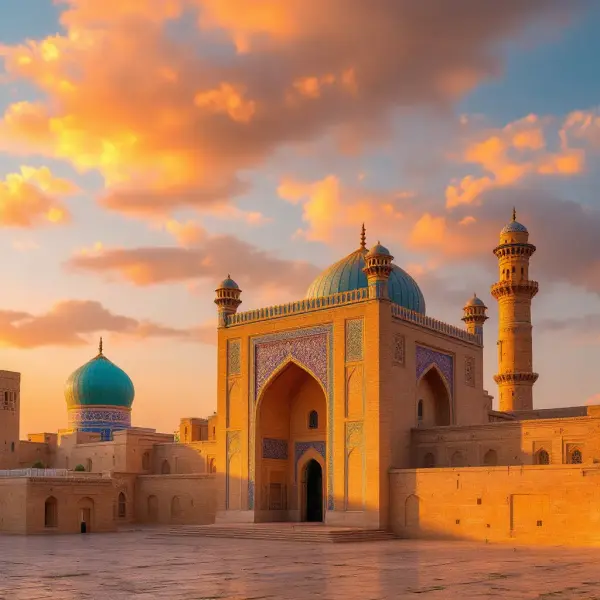
4. Chor Minor
The secret of the four towers is that none are alike, and each tells a different story. Walk through the quiet courtyard, browse the artisan wares, and discover the hidden symbols.
Quick facts: Each of its four blue-domed towers received a different decoration; no two are alike. The building was actually the entrance gate of a former madrasa, while the school building itself disappeared long ago.
Highlights: If you look closely at the towers, you will notice that each was made with different geometric patterns and tile painting, as if the builder had employed four different craftsmen. According to locals, each tower symbolizes a religion of one of the four cardinal directions, although there is no written evidence of this.
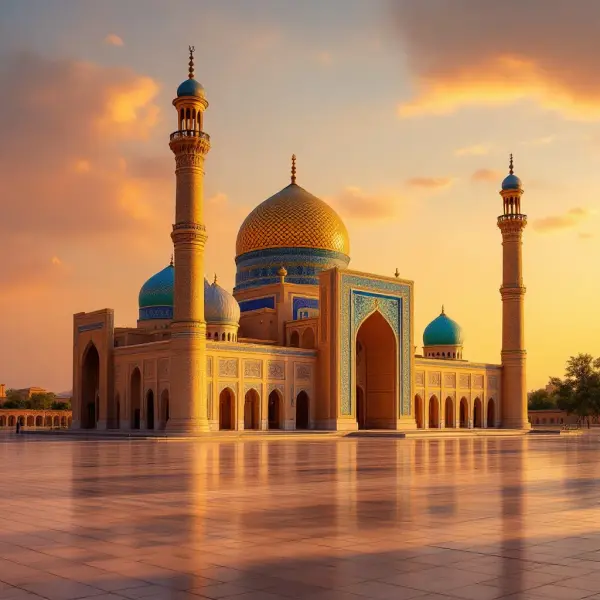
5. Magok-i-Attari Mosque
Here you can grasp the most fascinating cross-section of Bukhara's religious stratification. Touching the sunken brick walls, the Sogdian, Zoroastrian, Jewish, and Muslim eras can all be felt at once under your palm.
Quick facts: The 12th-century building was once a Zoroastrian temple, then a synagogue, before becoming a mosque. Its name means "the mosque of the pit," as its entrance lies more than 4 meters below today's street level.
Highlights: The brickwork pattern decorating the southwestern facade of the mosque is so meticulously crafted that not a single layer of mortar is visible between the 800-year-old clay bricks. Pagan fertility symbols and a huge 4-meter bovine skeleton unearthed in the 10-meter-deep excavation below the entrance testify to the building's thousands of years of sacred history.
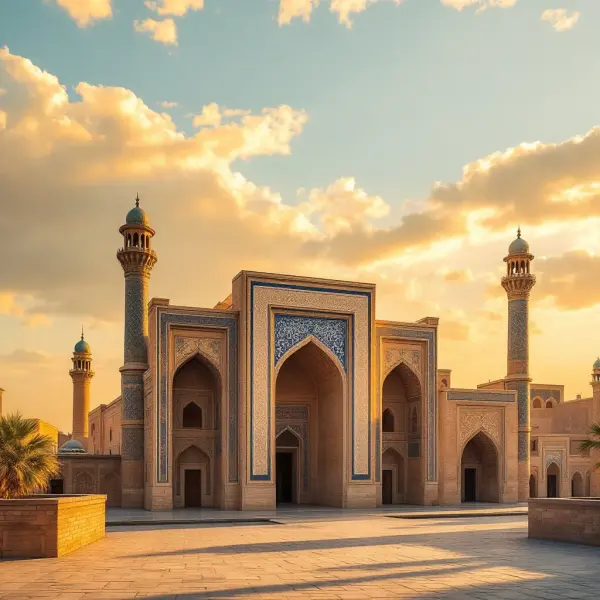
6. Ulugbek Madrasah
A madrasa where, in the 15th century, the ruler who built it taught astronomy. The geometric play of the blue tiles and the quietly winding pathways transport you to the realm of medieval knowledge.
Quick facts: Ulugbek, the famous astronomer-ruler, had this madrasa built in 1417, making it one of the most prominent scientific centers of medieval Central Asia. The star patterns decorating the entrance arch precisely reflect the builder's passion for astronomy, and standing under the 12-meter-high arch of the gate, one can almost feel a time travel to the golden age of the Timurid Empire.
Highlights: An inscription once adorned the facade of the madrasa, now illegible, proclaiming: "The pursuit of knowledge is the duty of every Muslim man and woman." Ulugbek personally taught astronomy and mathematics here, which was almost unprecedented for a ruler of the era.
Where to Stay in Bukhara, Uzbekistan
Selected by City Buddy based on guest reviews and proximity to top attractions
Search all hotels in Bukhara, UzbekistanPowered by agoda
Traditional Sweet Dishes
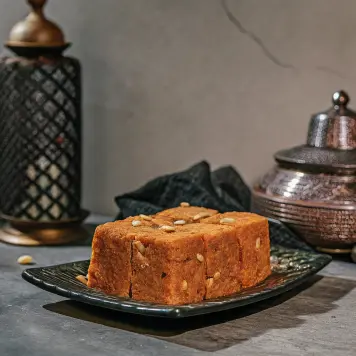
Bukhara Halva
Bukhara halva is a dense, crumbly confection made from sesame seeds, sugar syrup, and nuts. Artisans still prepare it using traditional copper cauldrons, stirring for hours to achieve its signature grainy texture.
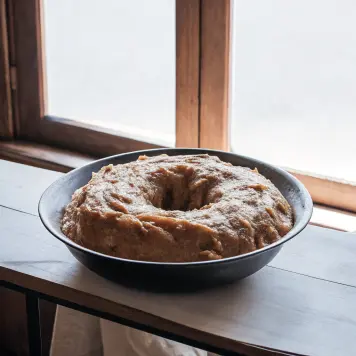
Sumalak
Sumalak is a sweet, thick wheat pudding made from germinated wheat that is cooked continuously for over 24 hours. It is traditionally prepared during the spring equinox (Nowruz) with women singing songs as they take turns stirring the large pot.
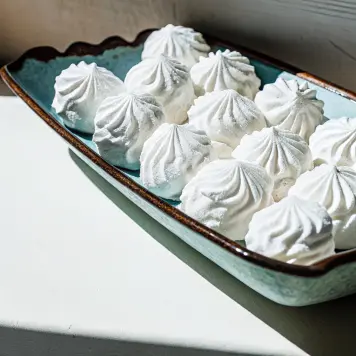
Nisholda
Nisholda is a fluffy, marshmallow-like sweet made from egg whites, sugar, and soaproot extract. It is a specialty of Bukhara and Samarkand, often served during winter months as it is believed to provide warmth and energy.
Traditional Savory Dishes
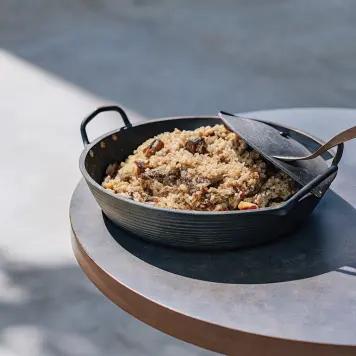
Bukhara Plov (Palov)
Bukhara-style plov differs from other Uzbek plovs by using chickpeas, raisins, and sometimes quince, giving it a subtly sweet and savory balance. It is traditionally cooked in a kazan (cast iron cauldron) over an open flame and served on large communal plates called lagan.
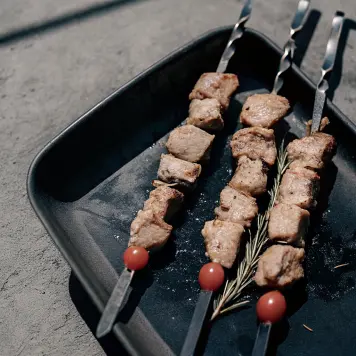
Shashlik
Bukhara's shashlik features skewered chunks of marinated lamb or beef grilled over hot coals. The meat is often marinated with onions, vinegar, and spices for hours, and the best versions are cooked on skewers made from vineyard branches which add a subtle smoky flavor.
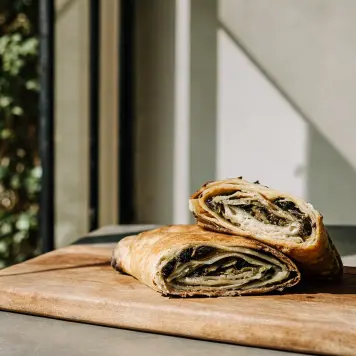
Samsa Bukharski
Bukhara-style samsa is a baked pastry filled with spiced lamb, fat-tail mutton, and onions, wrapped in flaky, layered dough. Unlike other versions, Bukharan samsa is traditionally baked in a tandoor oven (tanur), giving it a distinctive crispy crust and smoky aroma.
Traditional Beverages
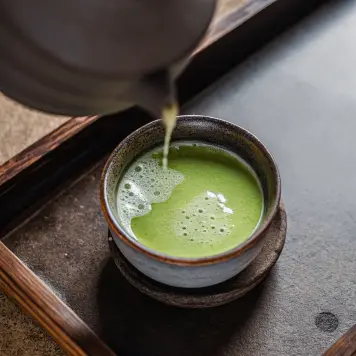
Ko'k Choy (Green Tea)
Green tea is the heart of Bukharan hospitality, served throughout the day in small bowls called piyola. Guests are always offered tea first, and the host pours a small amount back into the pot before serving to ensure the tea is perfectly mixed.

Ayran (Kefir)
Ayran is a refreshing, tangy yogurt-based drink made by diluting yogurt with cold water and a pinch of salt. In Bukhara's hot climate, it is a beloved thirst-quencher and is often served alongside plov to aid digestion.
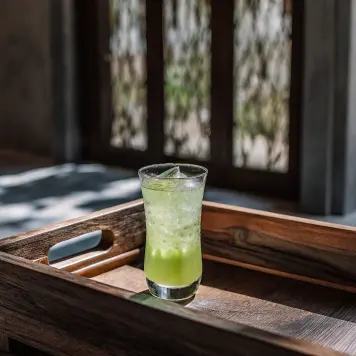
Sharbat (Fruit Syrup Drink)
Bukhara's sharbat is a sweet, concentrated fruit syrup made from local fruits like pomegranates, mulberries, or apricots, diluted with cold water. This centuries-old beverage was once served to travelers along the Silk Road as a revitalizing tonic in the desert heat.
Frequently Asked Questions about Bukhara, Uzbekistan
Is Bukhara, Uzbekistan safe?
How many days should one spend in Bukhara?
When is the best time to visit Bukhara?
Is Bukhara, Uzbekistan expensive?
How can you get around in Bukhara?
Get a PDF with the most popular attractions sent to your email
Get a PDF with all attractions, ratings, and tips. Perfect for offline use.
Most popular day trips
Samarkand
Ancient Silk Road city with Registan Square and stunning madrasas
Gijduvan
Crafts town known for pottery and ceramics workshops
Getting there
Airports
Train stations
High-speed Afrosiyob to Tashkent and Samarkand; regular trains to Urgench, Nukus, and beyond
Take the Afrosiyob high-speed train from Tashkent (3.5h) or Samarkand (1.5h). From the airport, use Yandex Taxi app for a cheap ride to the old town.
Find flights to Bukhara, Uzbekistan
Click to get eSim for Bukhara, Uzbekistan
The easiest and most affordable way to get mobile internet wherever you travel.
Comments (9)
Lyabi Hauz at night with the lights reflecting on the water was magical. Honestly my favorite spot in all of Uzbekistan.
Honestly a bit underwhelmed. Maybe overhyped in travel blogs. Cool architecture but felt like a really touristy open air mall.
The Silk Road vibes are real here. Every corner looks like a movie set. My favorite city in Central Asia so far.
Skip the restaurants right on Lyabi Hauz. Walk one block back and pay half price for the same food. Trust me.
For the Ark Fortress go right when it opens at 9am. Empty streets, cool air, and you beat the tour groups by an hour.