 CityBuddy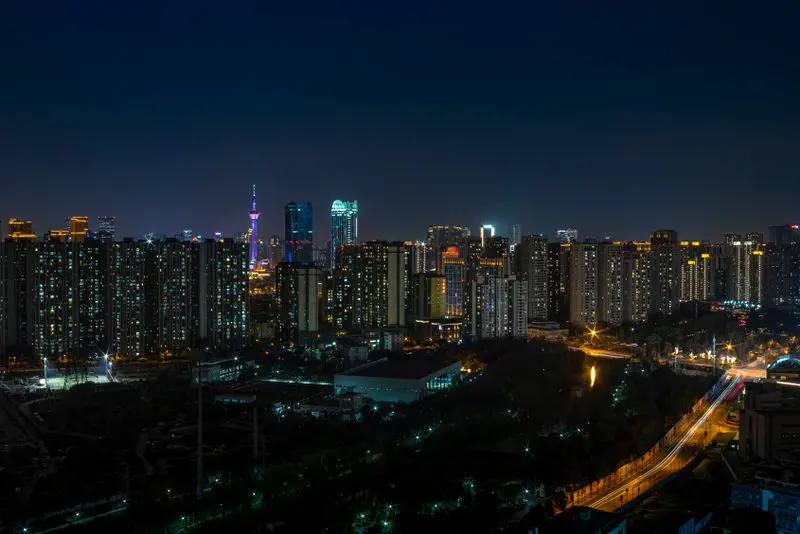
Chengdu, China 必做之事
照片由 AG ZN 在Pexels.com拍摄
最佳旅游时间
根据我们对数百个目的地的数据,Chengdu 是全球第 3 名的美食爱好者的城市。
Chengdu, China 最受欢迎的景点
讲到成都旅游景点推荐,最吸引人的莫过于 Chengdu Research Base of Giant Panda Breeding,这里生活着超过80只大熊猫,早晨喂食时间最为热闹。随后可以逛逛 Kuanzhai Alley (Wide and Narrow Alley),这条由宽巷、窄巷和井巷组成的清代古街,保留了老成都的院落生活气息。Wuhou Shrine 则纪念着三国时期的名相诸葛亮,祠内古柏参天,历史感十足。这三处景点囊括了成都最核心的文化与自然体验。
1. Chengdu Research Base of Giant Panda Breeding
近距离观察国宝的终极体验,看着圆滚滚的熊猫啃竹子就能治愈一整天的疲惫。漫步在竹林步道间,从憨态可掬的幼崽到悠闲进食的成年熊猫,每一个瞬间都值得定格。
快速信息: 每天有超过100只大熊猫在这里生活,从刚出生的粉色幼崽到成年熊猫都能看到。这里也是全球最大的大熊猫人工繁育研究机构,至今已成功繁育了超过300只大熊猫。
亮点: 每天清晨是这里最魔幻的时刻,几个月大的熊猫幼崽会在育幼箱里发出类似小狗的咿呀叫声,饲养员会进行"熊猫幼儿园"的集体喂奶仪式。亲眼看着十几只毛茸茸的熊猫宝宝排成一排喝奶,那种幸福感简直让人融化。
2. Wuhou Shrine
走进三国英雄的传奇世界,感受诸葛亮"鞠躬尽瘁"的精神力量。穿过红墙古柏,在香火缭绕中与千年历史对话。
快速信息: 占地3.7万平方米的祠庙内,保存着唐代宰相裴度撰文、书法家柳公绰书写的"三绝碑"。超过2000株古柏树环绕着红墙灰瓦的殿宇,其中一株传说是诸葛亮亲手所植,树龄超过1700年。
亮点: 正殿屋檐上有47尊三国人物陶俑,每个表情神态各不相同,雨天时釉面会泛起青绿色的光泽。更特别的是,香炉里飘出的檀香味和古柏的清香混合在一起,整个庭院笼罩在一种穿越千年的静谧感中。
3. Du Fu Thatched Cottage
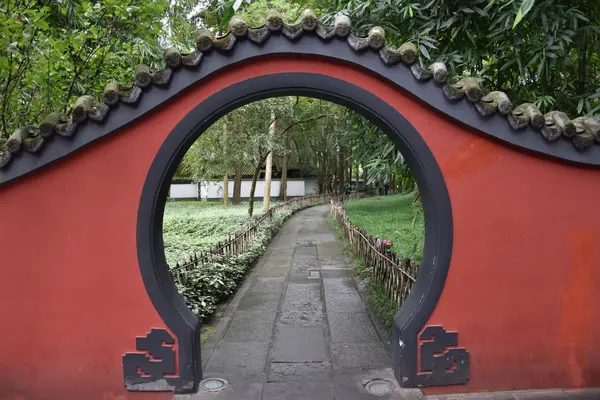
走进诗圣当年避乱成都时住过的茅屋原址,闻一闻竹子和泥土的气息。在竹林掩映的庭院里喝杯盖碗茶,听当地人用四川话念杜甫的诗。
快速信息: 每年超过200万游客来访这片纪念诗圣的静谧园林。园内800多副楹联和150多座石碑构成了中国最集中的杜甫主题书法碑林。
亮点: 茅屋前的荷花池里养着从成都老城区收集来的几十只乌龟,它们已经在这里生活了二十多年,当地人管它们叫"诗圣的守护者"。每年农历三月初三,园方会摆出文房四宝,让游客在茅屋前临摹杜甫诗句,纸墨全免费。
4. Mount Qingcheng
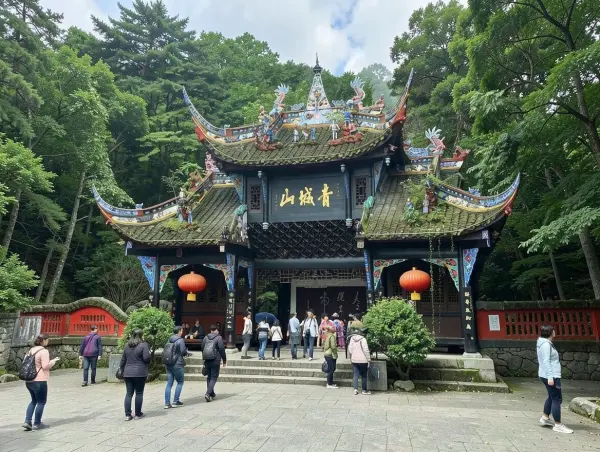
想在葱郁山林中感受道教文化的静谧力量?沿石阶拾级而上,古观晨钟、清泉鸟鸣,一路上都是让你忘记城市喧嚣的风景。
快速信息: 青城山分前山和后山,前山道观林立、香火鼎盛,后山则更清幽原始。这里是中国道教发源地之一,全山现存36座道教宫观,始建于东汉时期。
亮点: 老君阁前的晨雾中,你能看到道士们打太极的白衣身影若隐若现,仿佛穿越千年。更妙的是,后山五龙沟的溪水声和鸟鸣交织,沿途还能偶遇山间野生猕猴,完全不输任何武侠小说的意境。
5. Leshan Giant Buddha
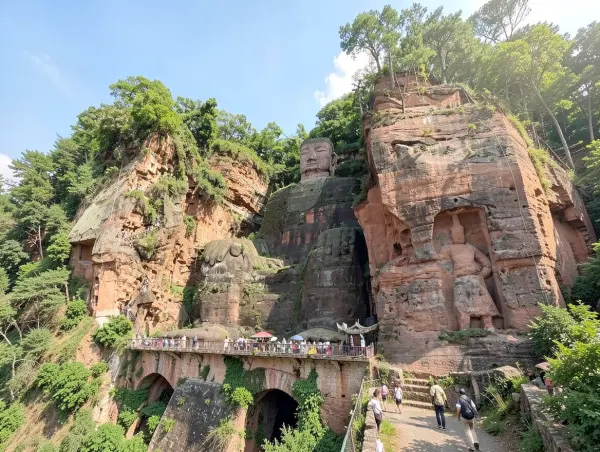
亲眼目睹世界最大的石刻佛像,感受唐代工匠的鬼斧神工。沿着九曲栈道从佛头走到佛脚,在三江交汇处聆听千年回响。
快速信息: 这座71米高的摩崖石刻坐落在三江交汇处,比20层楼还高,光是脚背就有两个篮球场那么大。整座大佛开凿历时90年,三代工匠接力完成,身上曾建有13层楼阁保护它免受风雨侵蚀。
亮点: 大佛曾经历了一次长达20年的修复工程,工匠们在其头顶上发现了千余块唐代原砖。更令人惊叹的是,大佛的耳朵和头发内部暗藏一套隐蔽的排水系统,由唐代工匠巧妙设计,让这座庞然大物历经千年风雨依然巍然端坐。
6. Sanxingdui Museum
走进一个从未被史书记载的神秘古国,亲眼目睹3000年前超越想象的青铜文明。三米高的青铜神树、突出的纵目面具,每一件文物都在颠覆你对中华文明的认知。
快速信息: 超过一千件青铜面具、神树和象牙在1986年两个祭祀坑中重见天日,每一个都造型奇异、完全不像中原青铜器。考古学家至今未找到任何文字记载,这些文物属于哪个古国、为何被埋葬,仍是未解之谜。
亮点: 青铜神树高达3.96米,分为三层枝干,每层栖息着九只神鸟,顶端还站立着一只瑞兽,整棵树在展厅里从地面直抵天花板。最离奇的是那些纵目面具,眼球向外突出长达16厘米,像极了外星人的形象,让每个站在它面前的游客都忍不住倒吸一口凉气。
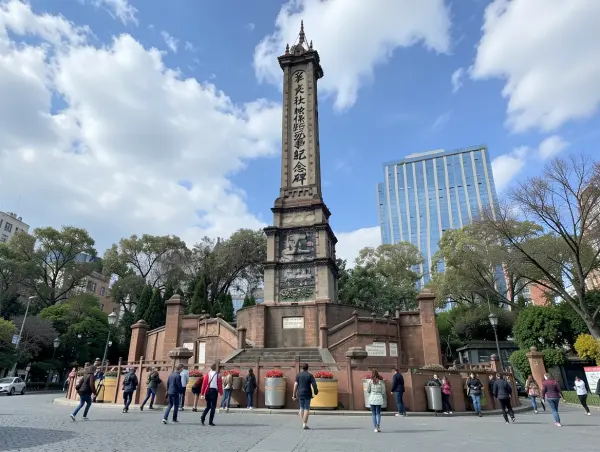
7. People's Park
想一秒钻进老成都的慢生活?来这喝茶、掏耳朵、看路人发呆,半天时间转瞬即逝。
快速信息: 占地超过70亩的市中心绿洲,每天吸引数万市民来此喝茶、跳舞、打麻将。公园里的百年银杏林每到秋天金黄一片,是成都人心中最接地气的休闲圣地。
亮点: 公园深处的鹤鸣茶社从1923年营业至今,竹椅铜壶盖碗茶,一杯才十几块钱,坐一天都没人赶你。每周日上午的英语角和相亲角同时进行,白发大爷用流利英语和外国留学生聊天的画面,全中国可能只有这里能看到。
Where to Stay in Chengdu, China
Selected by City Buddy based on guest reviews and proximity to top attractions
Search all hotels in Chengdu, ChinaPowered by agoda
传统甜点
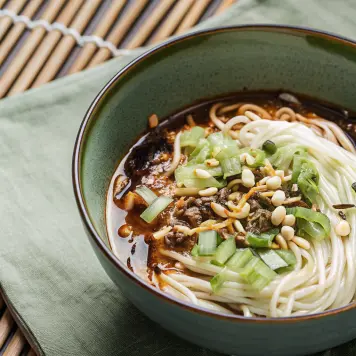
Dandan Mian (Dan Dan Noodles)
Despite being a noodle dish, Dandan Mian is often served as a sweet and savory street food. Its name comes from the bamboo pole (dan dan) that street vendors used to carry the noodles and sauce on their shoulders.
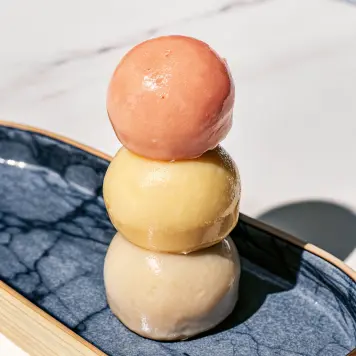
Three Balls (San Da Pao)
San Da Pao, or Three Big Bangs, is a Chengdu dessert made from glutinous rice that makes three loud sounds when prepared. The pounding and shaking of the rice cakes create a theatrical performance as the vendor calls out each bang.
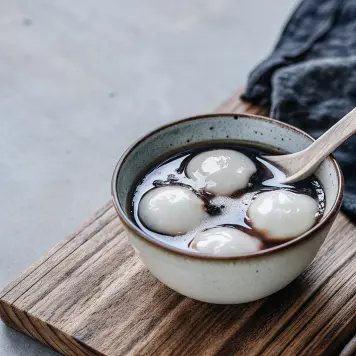
Sweet Rice Balls (Tangyuan)
Tangyuan are glutinous rice balls filled with black sesame paste or sweet bean paste, often served in a warm ginger syrup. In Chengdu, these are especially popular during the Lantern Festival as their round shape symbolizes family togetherness.
传统咸味菜肴
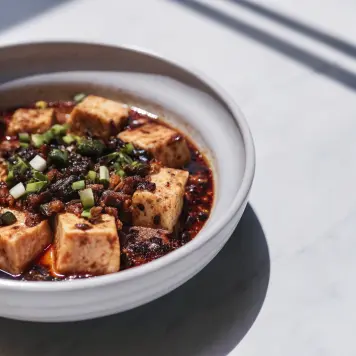
Mapo Tofu
This iconic Chengdu dish features soft tofu in a fiery sauce of doubanjiang (fermented bean paste) and Sichuan peppercorns. It is named after an elderly pockmarked woman (ma po) who supposedly invented the recipe in a small Chengdu eatery.
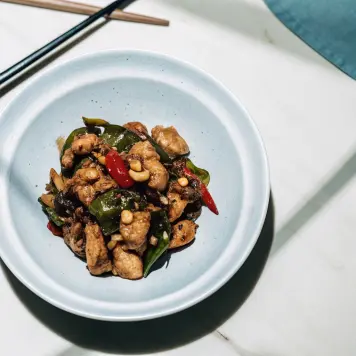
Kung Pao Chicken (Gong Bao Ji Ding)
This dish originated in Chengdu and is named after Ding Baozhen, a Qing Dynasty governor whose title was "Gong Bao" (Palace Guardian). The original recipe uses only chicken, peanuts, and chili peppers without the vegetables often added in Western adaptations.
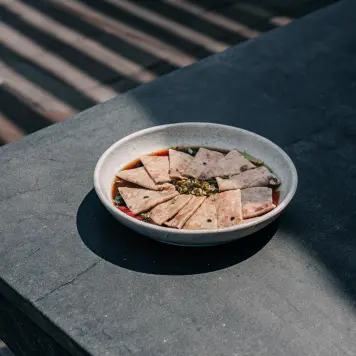
Fuqi Feipian (Husband and Wife Lung Slices)
Despite its literal name meaning "husband and wife lung slices," this dish actually contains no lung tissue but rather thinly sliced beef and offal. It was created by a married couple who sold the spicy, numbing cold beef dish from a pushcart in Chengdu.
传统饮品
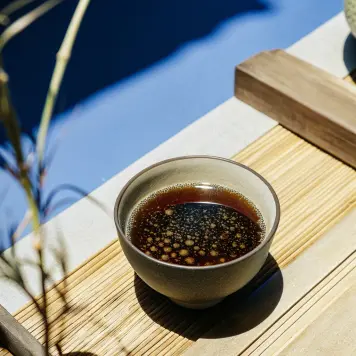
Sichuan Buckwheat Tea (Ku Qiao Cha)
Ku Qiao Cha is a nutty, slightly bitter tea made from roasted tartary buckwheat grown in the highlands of Sichuan. It is caffeine free and believed to help with digestion, especially after eating Chengdu's famously spicy food.
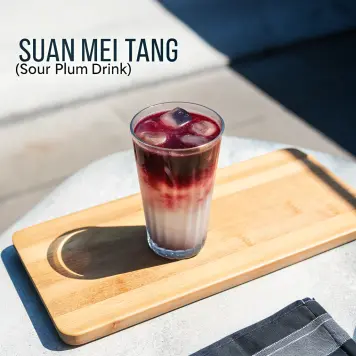
Suan Mei Tang (Sour Plum Drink)
This tangy, sweet beverage is made from smoked plums, rock sugar, and licorice root, and is a cherished Chengdu summer drink. It is said to have been invented during the Song Dynasty to cool down emperors in the heat.
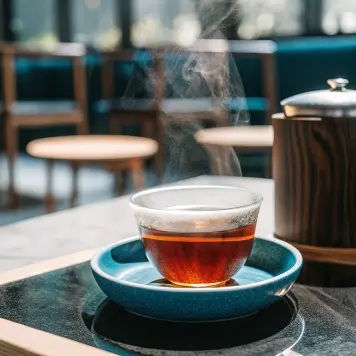
Gaiwan Tea (Covered Bowl Tea)
The gaiwan, a lidded bowl used for brewing and drinking tea, is inseparable from Chengdu's teahouse culture where locals spend hours sipping, socializing, and playing mahjong. Chengdu has the most teahouses of any city in China, with thousands dotting its streets and parks.
关于 Chengdu, China 的常见问题
成都旅游安全吗?
成都游玩几天合适?
去成都最佳旅游时间是什么时候?
成都旅游消费贵吗?
成都市区交通怎么出行?
将最受欢迎的景点PDF发送到您的邮箱
获取包含所有景点、评分和提示的PDF。非常适合离线使用。
最受欢迎的一日游
Leshan Giant Buddha
Home to the world's largest stone Buddha statue carved into a cliff face.
Mount Qingcheng
Ancient Taoist mountain with lush greenery and serene temples.
Dujiangyan Irrigation System
Ancient irrigation system still in use, a UNESCO World Heritage site.
Panda Base (Bifengxia)
Giant panda breeding and research center in a lush valley setting.
Mount Emei
Sacred Buddhist mountain with stunning sunrise views and monasteries.
如何抵达
火车站
High-speed rail to Xi'an, Chongqing, Guangzhou, Shanghai, Beijing
High-speed rail to Leshan, Mount Emei, Kunming
High-speed rail to Dujiangyan, Qingchengshan
From Shuangliu Airport (CTU), take Metro Line 10 to city center in 30 minutes. Tianfu Airport (TFU) is farther; use the Airport Express Bus or Metro Line 18.
Chengdu, China 有用信息
Chengdu, China 概览
想要 Chengdu, China 的逐日计划?打开行程规划器
您何时前往 Chengdu, China?
选择您的日期和旅行风格,获得:
以下哪些对您尤其重要?
请选择所有适用项
出行方式
您希望如何在不同地点之间移动?
 行程语言: 中文
Most popular itineraries for Chengdu, China
Browse trip plans created by other travelers